Reynand Wu

A comprehensive sales strategy is the bedrock of sustained business success, encompassing every facet of the sales journey. From precisely identifying and engaging target audiences to meticulously selecting the most effective tools and implementing streamlined processes, a well-defined strategy guides a company toward its revenue objectives. Far from being static, these strategies are dynamic, living documents, continuously refined with fresh insights and data to optimize performance and adapt to evolving market conditions. The cultivation of such a strategy is not merely an administrative task but a critical investment that empowers sales representatives to maximize their productivity and enables marketing teams to craft compelling narratives that resonate with prospective clients.
The Tangible Benefits of a Strategic Sales Blueprint
The advantages of a meticulously crafted sales strategy are manifold, directly impacting a company’s operational efficiency and market positioning. By providing a clear roadmap, such a strategy ensures that sales efforts are focused and impactful, leading to more efficient resource allocation and a higher return on investment.
Maximizing Time on High-Impact Activities
In the competitive landscape, particularly for small and growing businesses, the challenge of consistently generating qualified leads can be a significant hurdle. A robust sales strategy begins by defining the ideal buyer persona, a detailed profile of the target customer. This clarity allows for the precise identification of how to reach these individuals and what value propositions will most effectively capture their attention. With this understanding, sales teams can dedicate their energy to activities that demonstrably advance the sales process, moving beyond speculative efforts to a focused, results-driven approach. This prioritization ensures that every minute spent is a step closer to closing a deal, rather than a drain on valuable resources.
Fueling Revenue Growth and Pipeline Expansion
The pursuit of increased revenue can be approached through various avenues, such as strategic price adjustments or a concentrated focus on acquisition channels yielding higher conversion rates. However, the synergistic alignment of sales and marketing efforts has been proven to be a powerful catalyst for growth. Research consistently highlights the significant impact of "smarketing," the collaborative integration of sales and marketing functions. For instance, studies indicate that companies where sales and marketing teams work in close strategic partnership experience a remarkable 38% increase in sales win rates. This enhanced collaboration fosters a more unified customer experience, reduces friction in the buyer’s journey, and ultimately drives greater revenue and a healthier sales pipeline.
Establishing Repeatable and Scalable Systems
A cornerstone of any effective sales strategy is its ability to systematize processes, thereby creating predictable and sustainable growth. Instead of relying on ad-hoc approaches, a well-defined strategy allows for the consistent application of proven sales tactics across all leads. This eliminates guesswork and ensures that every prospect receives a tailored, effective approach. For example, if data reveals that prospects who engage in a demo call convert at a 50% higher rate, this insight becomes a critical, repeatable step in all sales interactions. This systematic adoption of best practices not only improves conversion rates but also facilitates easier onboarding and training for new sales team members, ensuring a consistent level of performance across the organization.
Navigating the Landscape: Inbound, Outbound, and Account-Based Marketing
While no single sales methodology is universally superior, the optimal approach often depends on a company’s specific business model and customer base. Understanding the nuances of inbound sales, outbound sales, and account-based marketing (ABM) allows businesses to tailor their strategies for maximum impact.

Inbound Sales: Attracting and Nurturing Through Value
Inbound sales strategies are centered on attracting potential customers by providing valuable content that addresses their needs and interests. This approach inherently blurs the lines between sales and marketing, fostering a more organic engagement process. A typical inbound scenario might involve a marketing team distributing insightful content, such as whitepapers or blog posts, to a targeted audience. When this content sparks interest, a sales representative can then follow up, not with a hard sell, but with an offer to schedule a product demo or to further explore the prospect’s specific challenges.
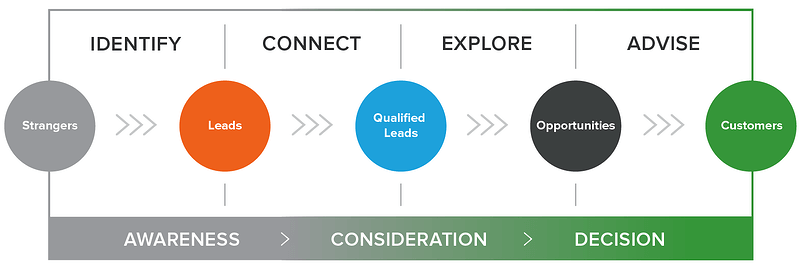
In this model, sales representatives often adopt an advisory role, engaging with leads to ensure that the product or service genuinely aligns with their requirements. This consultative approach builds trust and positions the company as a knowledgeable partner rather than a mere vendor. The inbound methodology thrives on establishing credibility and demonstrating expertise, drawing customers in through the compelling force of relevant information.
Outbound Sales: Proactive Engagement and Direct Outreach
Outbound sales strategies, in contrast, involve proactively sourcing and contacting potential leads. This traditional approach, often associated with cold email campaigns and cold calling, has been the engine for growth for countless successful businesses. The effectiveness of outbound sales hinges on a compelling offer and a seamless, efficient sales process. Critically, organizations employing outbound tactics must adhere to stringent data privacy regulations, such as GDPR, ensuring that lead sourcing and outreach are conducted in a compliant and ethical manner. Companies like DemandScience offer solutions to assist businesses in navigating these complexities, providing tools for GDPR-compliant lead generation. The success of outbound sales lies in its ability to reach out to an audience that may not yet be actively searching for a solution, but for whom the offering could be transformative.
Account-Based Marketing (ABM): Precision Targeting and Personalized Engagement
Account-Based Marketing (ABM) represents a highly strategic and targeted approach that prioritizes specific accounts based on their propensity to purchase and their alignment with a company’s ideal customer profile. Once these high-value accounts are identified, the focus shifts to creating highly personalized and relevant content designed to nurture these leads and facilitate smoother deal closures. ABM campaigns typically involve engaging multiple decision-makers within a target organization, providing them with tailored information and building consensus throughout the buying committee.
The goal is to make the conversion process as straightforward as possible by addressing the unique needs and concerns of each stakeholder. This requires a deep collaboration between sales and marketing teams, ensuring a cohesive and consistent message. A prime example of an ABM campaign would be a coordinated effort involving targeted LinkedIn advertisements aimed at key accounts, simultaneously with personalized cold emails from the sales team. This approach inverts the traditional sales and marketing funnel by starting with a defined target audience and then building campaigns specifically to convert them. For organizations with the resources to invest, ABM offers a powerful method for acquiring high-value clients through deeply personalized engagement.
The Blueprint for Building a Winning Sales Strategy
Developing an effective sales strategy is a systematic process that requires careful consideration of several key elements.
1. Understanding Your Ecosystem: Industry, Product, and Buyer Persona
The foundational step in crafting a sales strategy involves a deep understanding of the company’s operating environment. This includes a thorough analysis of the industry landscape, the unique value proposition of the product or service, and, most importantly, the detailed characteristics of the ideal buyer persona. This foundational knowledge informs how the business will be positioned to its target audience.
Furthermore, the Average Contract Value (ACV) plays a significant role in shaping sales tactics. Businesses with a low ACV may find success with high-volume, less personalized approaches, while those with a high ACV will likely benefit from more in-depth, consultative sales processes. The industry itself also dictates preferred communication channels; some sectors thrive on in-person interactions and trade shows, while others can effectively conduct business and build relationships entirely online.
2. Setting Clear and Achievable Sales Goals
Sales goals must be intrinsically linked to broader company objectives. Once overarching sales targets are established, they should be broken down into specific, measurable, achievable, relevant, and time-bound (SMART) Key Performance Indicators (KPIs) and individual goals for sales representatives. For instance, a goal might be to send 100 cold emails to qualified leads per week. The critical aspect is that these goals should directly reflect the expected activities of the sales team and the desired outcomes of their efforts, providing a clear benchmark for success.
3. Identifying and Optimizing Key Acquisition Channels
The selection of effective acquisition channels is paramount and should be guided by the established buyer personas. Understanding who the ideal customer is and the most effective ways to connect with them is the starting point. Depending on the target audience, a mix of demand generation strategies can be employed. These may include:
- Content Marketing: Creating and distributing valuable content to attract and engage prospects.
- Search Engine Optimization (SEO): Optimizing online presence to rank higher in search engine results.
- Paid Advertising: Utilizing platforms like Google Ads or social media ads to reach targeted audiences.
- Social Selling: Engaging with prospects on social media platforms to build relationships.
- Email Marketing: Sending targeted email campaigns to nurture leads and promote offers.
- Referral Programs: Encouraging existing customers to refer new business.
- Partnerships and Affiliations: Collaborating with complementary businesses to expand reach.
The suitability of a channel often correlates with the price point of the product or service. For low-cost offerings (e.g., $10 per month), highly time-intensive channels like cold emailing and cold calling might not be the most efficient. Instead, focusing on scalable acquisition methods that require less individual sales rep time is advisable. Conversely, for high-value, infrequently purchased items, cold outreach can be an effective initial strategy to educate prospects before they are ready for a more in-depth engagement, such as a phone call.
4. Rigorous Measurement of Sales Performance
The only way to ascertain whether sales targets are being met is through consistent and comprehensive measurement of all activities. Without tracking key metrics, it becomes impossible to identify what is working and what is not, leading to wasted resources and missed opportunities.
While tools like Microsoft Excel or Google Sheets can be adapted for goal tracking, they are not purpose-built for sales performance monitoring.

A clear tracking process and team buy-in are essential, regardless of the tool used. Many Customer Relationship Management (CRM) systems, such as Pipedrive, offer integrated analytics and detailed reporting capabilities. These reports can provide insights into metrics like the number of cold emails sent, average open and response rates, and even revenue forecasts.
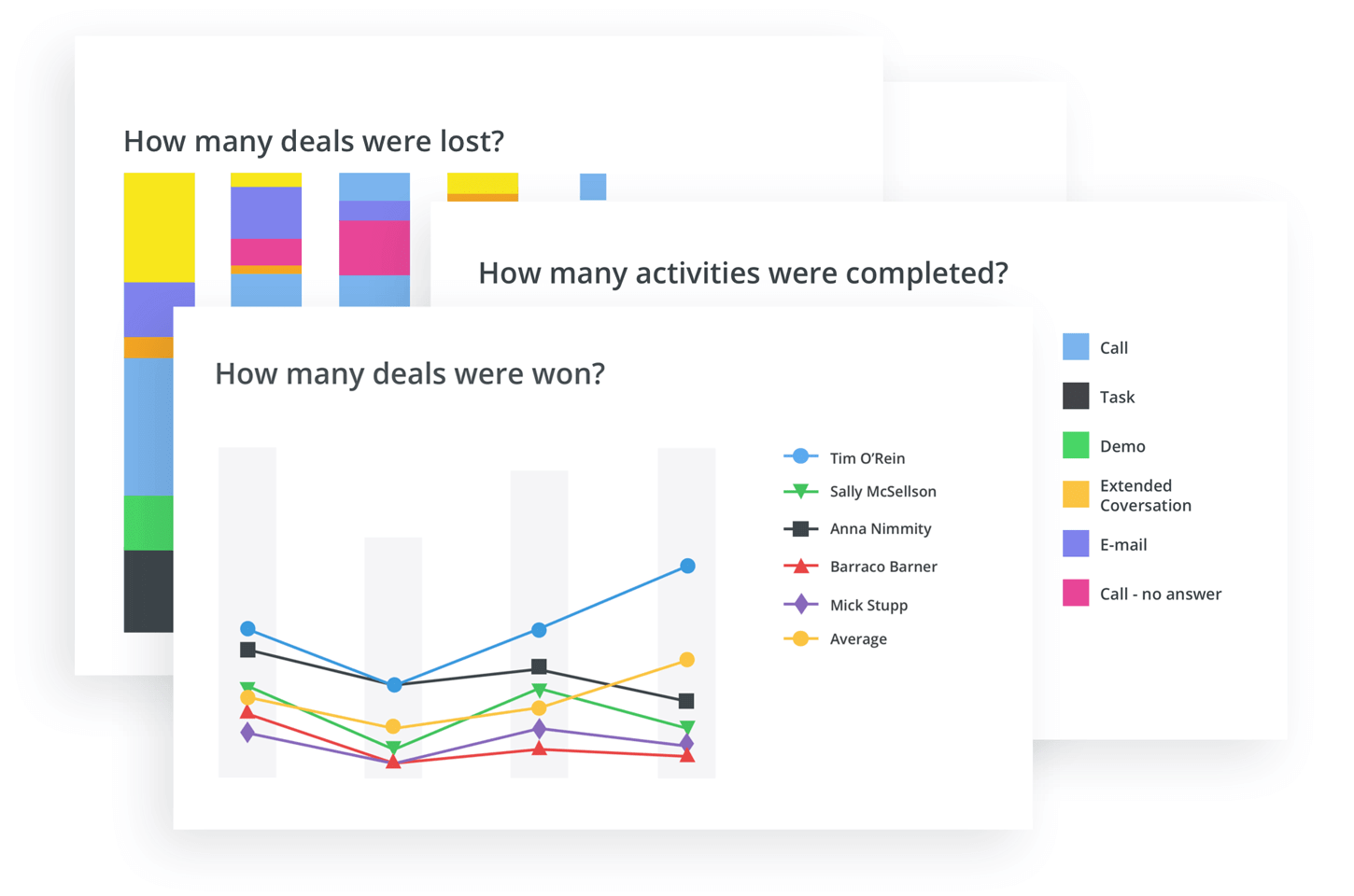
The adoption of a CRM is highly recommended, as over half of sales teams report enhanced productivity when utilizing such systems to manage their workflows. A well-defined goal-tracking system is indispensable for ensuring that sales teams operate efficiently and that sales strategies are delivering the desired results.
5. Automating Repetitive Processes for Enhanced Efficiency
Once a sales strategy begins to yield positive results, the natural next step is to automate repetitive tasks. As sales efforts intensify, managing everything manually can become overwhelming. Automating key processes not only streamlines operations but also frees up sales representatives to focus on high-value activities, such as engaging with promising leads.
Solutions from DemandScience, for instance, can assist in generating targeted lead lists based on detailed buyer persona criteria, including job titles, industries, company sizes, and even specific technology stacks. This capability significantly reduces the manual effort involved in lead prospecting. Tools like Lead Forensics enable businesses to identify companies visiting their website, allowing for proactive outreach. The less time spent on manual lead generation, the more time is available for direct sales engagement.
Lead scoring is another critical component of the sales process that can be effectively automated.

Many CRMs, including HubSpot CRM, Salesforce, and Agile CRM, offer lead scoring functionalities. Automated lead scoring empowers sales teams to understand precisely when a lead is ready for engagement and to prioritize their efforts accordingly, ensuring that time is invested in the most promising prospects.
Continuous Optimization: Refining Your Sales Strategy for Peak Performance
The dynamic nature of the market necessitates ongoing optimization of sales strategies to ensure that resources are being utilized to their fullest potential. This involves a proactive approach to identifying and refining underperforming aspects of campaigns. For example, if cold email open rates are consistently low, it’s crucial to investigate potential causes. These might include issues with the email subject line, the relevance and quality of the email content, or the accuracy and targeting of the email list. By systematically altering one variable at a time and meticulously monitoring the impact on outcomes, businesses can iteratively improve their campaign effectiveness.
Never Overlook the Power of Existing Customers
While acquiring new customers is vital for growth, it is equally important not to neglect the significant value of existing clientele. Data indicates that businesses are substantially more likely to make a sale to an existing customer than to a new one, with some estimates suggesting a 60-70% higher probability. Maintaining high levels of customer satisfaction is paramount to capitalizing on this potential. The cost of customer churn is substantial, with companies in the United States reportedly losing over $136 billion annually due to avoidable customer switching. Nurturing existing relationships through excellent service, loyalty programs, and continued engagement not only ensures repeat business but also cultivates valuable brand advocates who can drive future customer acquisition through word-of-mouth referrals. A comprehensive sales strategy must therefore include robust plans for customer retention and ongoing relationship management.

 Layla Zulfa

 Lina Hope