The intricate world of digital advertising on Meta platforms demands meticulous attention to detail, particularly concerning ad creative specifications. Adherence to precise sizing, aspect ratios, and file types is not merely a technical requirement but a strategic imperative for advertisers aiming to maximize reach, engagement, and return on investment across Facebook, Instagram, Messenger, and the Audience Network. This guide delves into the current landscape of Meta’s ad specifications, offering a comprehensive overview of essential dimensions, formats, and best practices that underpin successful advertising campaigns in 2024 and beyond.

The Evolving Landscape of Meta Advertising
Facebook’s journey from a nascent social network to a global digital advertising powerhouse, now unified under the Meta umbrella, has been marked by continuous innovation in ad formats and delivery mechanisms. Initially, advertising on Facebook primarily consisted of simple image and text ads displayed on desktop news feeds. However, the rapid proliferation of mobile devices, coupled with evolving user consumption habits, has necessitated a dynamic shift towards a diverse, multi-format ecosystem.

The introduction of Facebook Stories in 2017, followed by the widespread adoption of Reels across both Facebook and Instagram, signaled a significant pivot towards short-form, vertical video content. This chronological evolution highlights Meta’s responsiveness to market trends and its commitment to providing advertisers with diverse avenues to connect with audiences. The rebranding to Meta in October 2021 further solidified the company’s vision of an interconnected digital future, with a unified advertising platform designed to leverage audience insights across its vast family of applications. This continuous evolution means that "Facebook ad sizes" and "Meta ad sizes" are synonymous, referring to the exact same specifications and guidelines that advertisers must navigate.
Core Ad Formats and Their Strategic Significance
Understanding the nuances of each ad format and its optimal placement is crucial for crafting impactful campaigns. Meta offers a rich tapestry of options, each designed to cater to specific marketing objectives and audience behaviors.
Facebook Feed Ads: The Enduring Cornerstone
The Facebook news feed remains a central pillar of Meta’s advertising ecosystem, serving as the primary discovery hub for billions of users worldwide. These ads seamlessly integrate with organic content, appearing between friends’ updates, photos, and videos. Advertisers can choose from various styles, including single image, single video, or carousel ads.
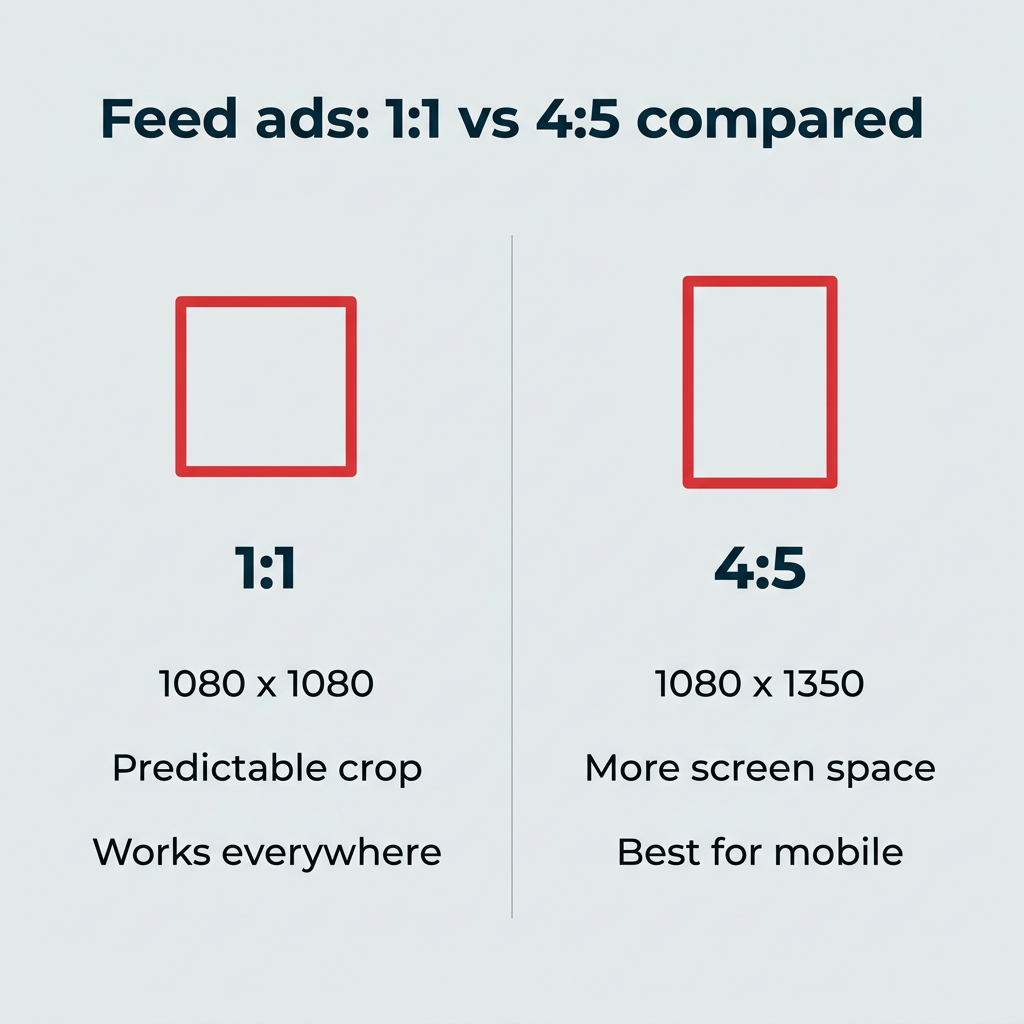
For image-based feed ads, recommended sizes are 1440 x 1440 pixels (1:1 aspect ratio) or 1440 x 1800 pixels (4:5 aspect ratio). The choice between these aspect ratios carries significant strategic weight. While the 1:1 square format offers predictable cropping across most placements, the 4:5 vertical format is often preferred for mobile feeds. This preference is data-driven; statistics indicate that approximately 81.8% of Facebook users access the platform exclusively via mobile devices. A 4:5 ad occupies more screen real estate on a mobile device, effectively pushing competing content out of view and enhancing visibility, a difference often quantifiable through paid ad analytics. For video feed ads, the same aspect ratios apply, with recommended sizes of 1440 x 1440 or 1440 x 1800 pixels, supporting MP4, MOV, and GIF file types up to 4GB.
Carousel Ads: Versatility in Storytelling
Carousel ads are celebrated for their versatility, allowing advertisers to showcase between two and ten images, videos, or a combination, with each card linking to a separate URL or landing page. This format is exceptionally popular due to its adaptability across numerous placements, including the feed, Stories, Reels, and in-stream videos, maintaining a consistent 1:1 aspect ratio (1080 x 1080 pixels or larger). A notable enhancement is the integration with Advantage+ catalog carousels, which automatically generate relevant, conversion-focused ads by pulling images and links directly from an e-commerce product catalog. Image carousel cards have a maximum file size of 30MB (PNG, JPG), while video cards can be up to 4GB (MP4, MOV, GIF).

Stories and Reels Ads: Immersive Vertical Experiences
The meteoric rise of vertical, short-form video content has cemented Stories and Reels as indispensable placements for advertisers. Facebook Stories ads appear organically between user-generated Stories, offering an immersive, full-screen experience. Similarly, Reels ads are inserted between organic Reels content as users scroll, with the key distinction being the inclusion of a call-to-action button and a link.
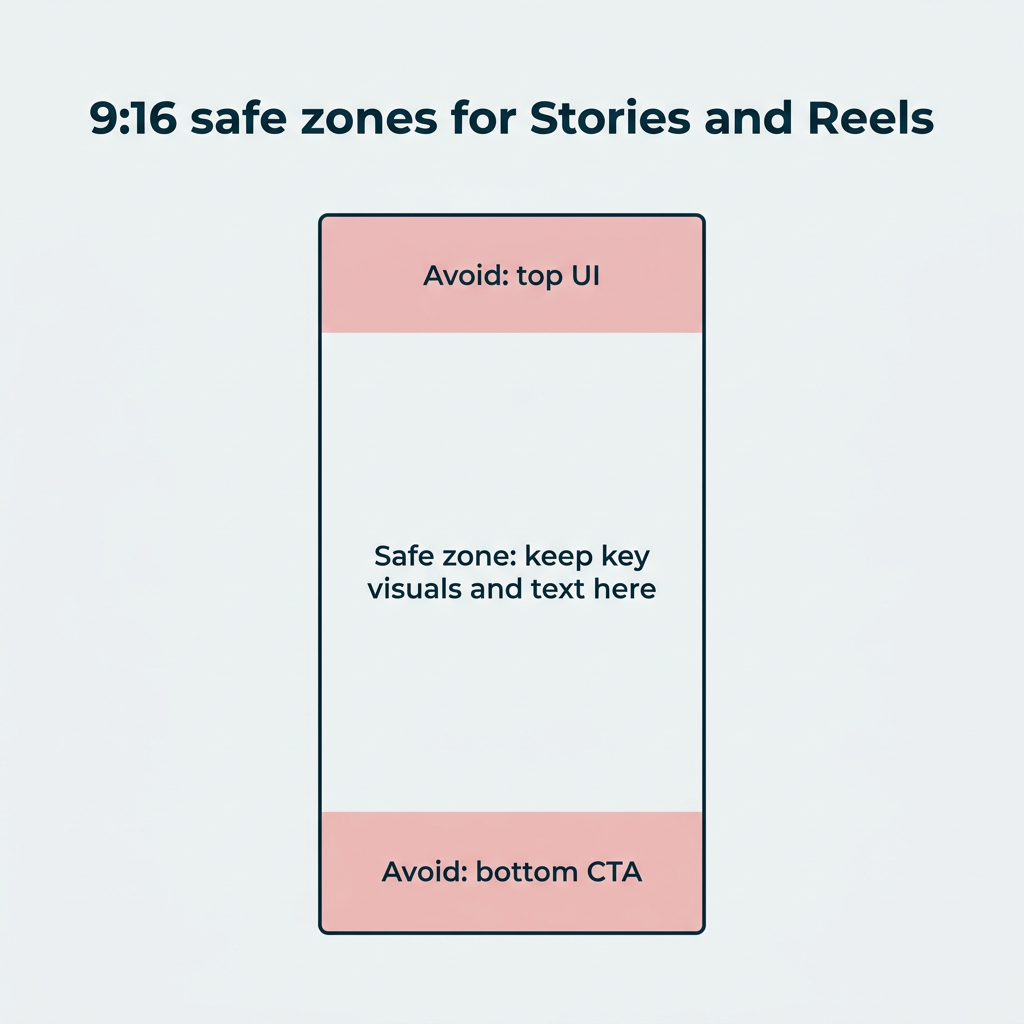
For both Stories and Reels, the recommended size is 1440 x 2560 pixels, corresponding to a 9:16 aspect ratio. This vertical format is designed for full-screen mobile viewing. Crucially, advertisers must consider "safe zones" when designing creatives for these placements. UI elements (such as the user’s profile picture, name, and various interaction buttons at the top and bottom) can obscure vital content. Therefore, key visuals, text, and call-to-action buttons should be strategically placed within the central 1080 x 1420 pixel area to ensure visibility. Image Story ads display for five seconds (or until swiped away), with a 30MB file size limit. Video Story and Reels ads play for up to 10 seconds per card, supporting MP4, MOV, and GIF files up to 4GB. These specifications also extend to Messenger Stories, ensuring creative consistency across connected platforms.
In-Stream Video Ads: Contextual Engagement
In-stream video ads are strategically "popped in" during organic video content, playing before, during, or after a video, including live streams. Advertisers can opt for shorter, non-skippable ads or longer, skippable ones (allowing users to close after five seconds). This format leverages the user’s existing engagement with video content, providing a captive audience. Recommended dimensions are 1080 x 1080 pixels (1:1) or 1920 x 1080 pixels (16:9), with file types MP4, MOV, GIF, and a maximum size of 4GB. The choice of aspect ratio should align with the surrounding organic video content to maintain a seamless user experience.
Collection Ads: The E-commerce Mini-Storefront
Collection ads are a highly specialized format designed for e-commerce retailers, acting as a dynamic showcase for products. While resembling carousel ads, their distinct feature is the automatic generation from an Advantage+ product catalog, manageable through Commerce Manager. Advertisers can also manually select products for targeted collection ads. These ads predominantly use square (1:1) product images or videos.

Upon tapping a product within a mobile collection ad, users are directed to an "Instant Experience," which functions as a full-screen, in-app mini-storefront, offering a seamless browsing and shopping experience. On desktop, collection ads behave more like traditional carousel ads, directing users to the product’s page on the advertiser’s website. For feed collection ads, the 1:1 aspect ratio (1080 x 1080 pixels or larger) is standard for images (max 30MB) and videos (max 4GB). Reels and video collection ads require a 9:16 video format (1440 x 2560 pixels) and can feature up to four products at the bottom of the video, leveraging product catalogs synced from platforms like Shopify or WooCommerce.
Marketplace Ads: High-Intent Conversion Opportunities
Facebook Marketplace ads are an image-only format displayed within the Marketplace tab on both desktop and mobile. However, through Meta’s Advantage+ placement algorithm, these ads also appear in users’ feeds and across Facebook, targeting individuals most likely to make a purchase. Characterized by a "sponsored" label, their primary objective is direct product sales and conversion. The recommended size is 1080 x 1080 pixels or larger, with a 1:1 aspect ratio, supporting PNG and JPG files up to 30MB.

Niche Placements and Maximizing Reach
Beyond the primary ad formats, Meta offers several niche placements that provide additional opportunities for reach and specific targeting.

Right-Column Ads: Desktop Brand Awareness
Exclusively a desktop format, right-column ads are ideal for driving website traffic or enhancing brand awareness. These image-only ads, paired with a headline and link, are small. Meta explicitly recommends against incorporating any text directly onto the image file itself, as it can render the ad illegible and ineffective due to its compact size. A 1:1 aspect ratio (1080 x 1080 pixels or larger) and a 30MB max file size (PNG, JPG) are the primary specifications.
Search Results Ads: Intent-Driven Engagement
Appearing directly on Facebook’s search results page, these ads are highly effective when targeting aligns with user intent. For instance, a user searching for "planner" might be served an ad from a planner company. This direct correlation significantly increases the likelihood of engagement and conversion, making search results ads a potent tool for promoting products, events, or services. Like many other formats, they utilize a 1:1 aspect ratio (1080 x 1080 pixels or larger) and support both images (30MB) and videos (4GB).

Business Explore Ads: Mobile Discovery
Business Explore ads are a mobile-only placement that appears when a user taps on an organic post from a business and then scrolls to "Explore more" within that business’s category. This section displays a curated mix of organic and paid content from similar businesses, offering a contextual discovery experience. These ads support images and videos with an aspect ratio ranging from 1.91:1 to 1:1 (1080 x 1080 pixels or larger for images, 1440 x 2560 for videos), adhering to the standard 30MB/4GB file size limits.
Audience Network Ads: Expanding Beyond Meta
Meta’s Audience Network extends ad reach beyond its owned and operated platforms to a vast network of third-party apps and websites. This network supports distinct formats that require specific creative adaptations. Banner ads, typically 320 x 50 pixels, are a small image-only format (PNG, JPG, max 30MB). Interstitial ads, which are full-screen experiences, come in 320 x 480 pixels (9:16) or 480 x 320 pixels (16:9), supporting both images (30MB) and videos (4GB). Tailoring creatives for these placements is crucial to maintaining brand consistency and performance outside the core Meta ecosystem.

Universal Guidelines and Best Practices for Optimal Performance
Beyond placement-specific dimensions, several universal guidelines apply to nearly all Meta ad formats, significantly influencing campaign effectiveness.

- File Types and Sizes: Across the board, PNG and JPG are the standard for images (maximum 30MB), while MP4, MOV, and GIF are accepted for videos (maximum 4GB). Adhering to these limits is essential to prevent upload errors and ensure smooth ad delivery.
- The 20% Text Rule Evolution: Historically, Facebook enforced a strict "20% text rule" for images, penalizing ads with too much overlaid text. While Meta no longer strictly enforces this rule, internal data and advertiser experience consistently show that ads with less text on the image tend to perform better and achieve broader delivery. The emphasis has shifted towards visually compelling imagery that communicates the message efficiently, reserving detailed copy for the primary text field.
- Responsive Ads and Advantage+ Creative: Meta continues to invest in tools like responsive ads and Advantage+ creative, which automatically adjust and optimize ad content for various placements and audiences. These features can significantly reduce the creative burden on advertisers by intelligently cropping images, reformatting videos, and selecting the best performing elements. However, relying solely on automation without providing appropriately sized source assets can lead to suboptimal outcomes.
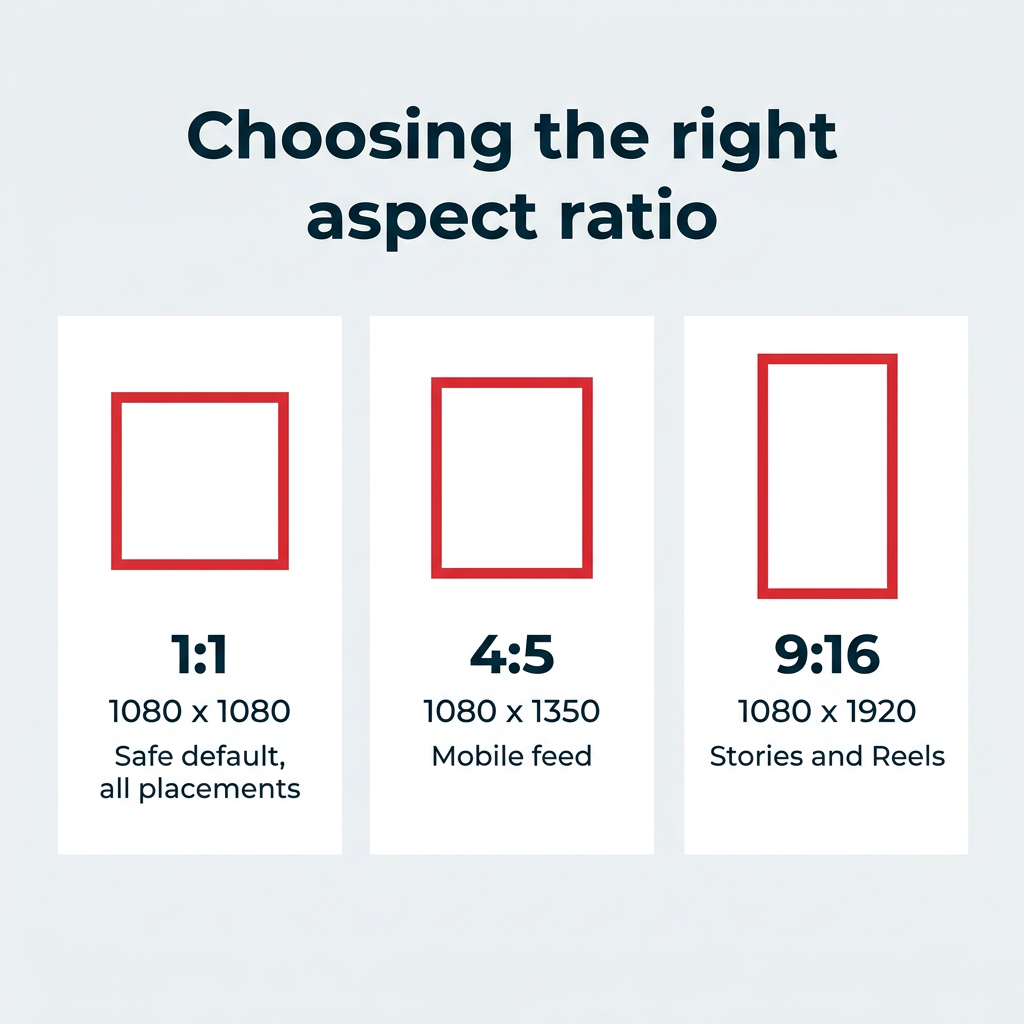
- Aspect Ratio Strategy: While a 1:1 aspect ratio (1080 x 1080 pixels) is often cited as the safest, all-purpose size due to its predictable cropping across most placements (Feed, Marketplace, Carousel, Search Results, Right Column), a 4:5 aspect ratio (1080 x 1350 pixels) is generally more effective for mobile Feed ads, maximizing screen presence. For immersive, full-screen experiences like Stories and Reels, the 9:16 aspect ratio (1080 x 1920 pixels) is mandatory.
- Continuous Optimization: The dynamic nature of Meta’s platform necessitates ongoing monitoring and A/B testing. Advertisers should experiment with different creative sizes, aspect ratios, and formats to identify what resonates most effectively with their target audience and achieves specific campaign objectives. Paid ad analytics provide invaluable insights into performance, guiding iterative improvements.
Strategic Implications for Advertisers
The detailed specifications and diverse ad formats within the Meta ecosystem present both challenges and unparalleled opportunities for advertisers. The primary implication is the need for a sophisticated content strategy that prioritizes the creation of multiple creative assets tailored to specific placements. A "one-size-fits-all" approach is rarely effective and often leads to wasted ad spend and diminished campaign performance.

Advertisers must embrace a holistic view of their creative production, factoring in aspect ratios, file types, and safe zones from the initial design phase. This proactive approach ensures that visuals are optimized for each user experience, whether it’s a quick scroll through the mobile feed, an immersive Story, or an intent-driven search result. Furthermore, the strategic integration of e-commerce catalogs with formats like Collection ads and Advantage+ placements underscores Meta’s commitment to facilitating direct sales, making it essential for retailers to maintain updated and high-quality product data.
The competitive advantage in Meta advertising increasingly belongs to those who not only understand these technical specifications but also leverage them creatively to tell compelling brand stories and drive measurable results. By meticulously adhering to guidelines, strategically choosing formats, and continuously optimizing based on performance data, advertisers can navigate Meta’s complex landscape effectively, maximize their return on investment, and achieve their digital marketing objectives. In an increasingly visual and mobile-first digital world, precise creative execution is no longer a luxury but a fundamental requirement for success.