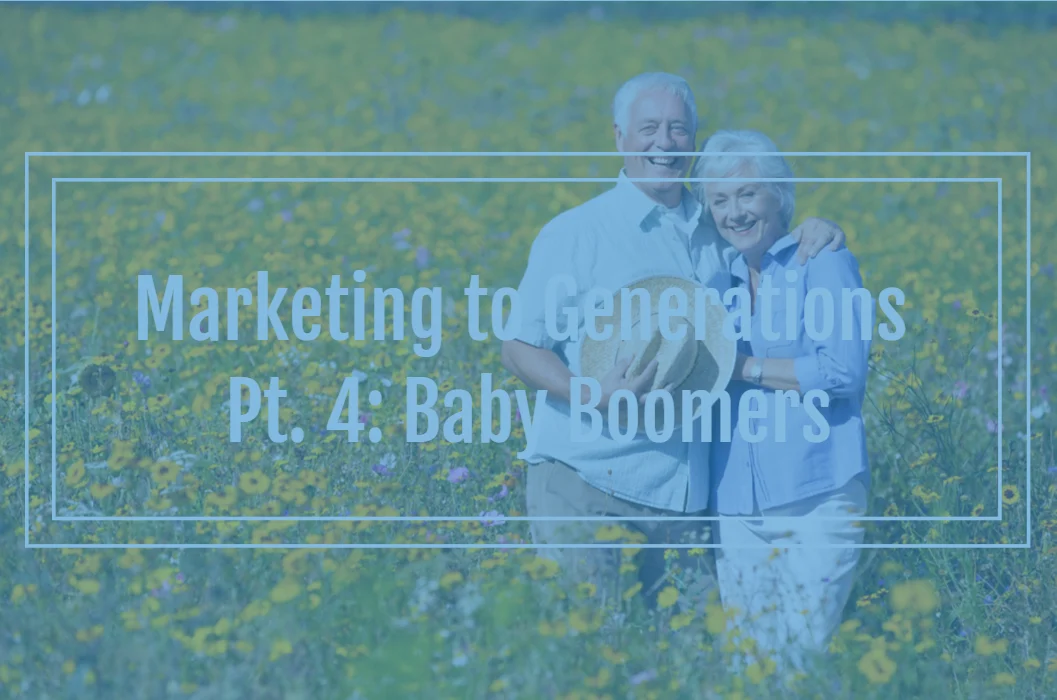
The term "target" is undeniably a cornerstone of modern marketing strategy. Identifying and understanding the intended audience is paramount to crafting effective campaigns. This understanding can be segmented through various lenses: behavioral patterns, psychographic profiles, demographic data, and geographic location. However, a critical, and often overlooked, dimension of effective targeting lies in comprehending the distinct characteristics and communication preferences of different generational cohorts. This comprehensive analysis delves into the nuances of marketing to Baby Boomers, the final generation explored in our series, building upon prior examinations of Gen Z, Millennials, and Gen X. The aim is to equip marketers with the insights necessary to ensure their messages resonate with this influential demographic, reaching them through the right channels with the most appropriate communication.
For decades, Baby Boomers represented the largest demographic cohort in the United States. Born in the post-World War II era, roughly between 1944 and 1964, this generation has witnessed and navigated unprecedented technological advancements and profound societal shifts. While younger generations have sometimes characterized them with a degree of cynicism, often reflected in internet memes and cultural shorthand, it is essential to acknowledge the formative experiences and enduring values that shape the Baby Boomer mindset. Their formative years were marked by significant global upheaval and domestic challenges, which, paradoxically, fostered a sense of resilience and a unique perspective on life, work, and consumption.
The Crucible of Experience: Shaping the Baby Boomer Mindset
The Baby Boomer generation came of age in a world still reeling from the devastation of World War II, a conflict that resulted in an estimated 60 million military and civilian deaths globally. The advent of nuclear weapons cast a long shadow, and the ensuing geopolitical landscape was defined by the Cold War, a period of intense ideological rivalry and the constant threat of global conflict. Many Boomers were directly impacted by or witnessed the ramifications of the Korean War and the deeply divisive Vietnam War, which saw widespread social unrest and anti-war protests.
Domestically, the United States grappled with its own set of profound challenges. The Civil Rights Movement, a monumental struggle against systemic racism and segregation, demanded significant societal change. Boomers witnessed pivotal moments such as the assassination of President John F. Kennedy, a national trauma that shook the foundations of American optimism, and later, the Watergate scandal, which eroded public trust in government institutions. The economic turbulence of the 1970s, characterized by oil crises and rising inflation, further tested the resilience of this generation.
Despite these adversies, the post-war era in the United States was also a period of relative economic prosperity and growth. This environment fostered a strong emphasis on the home as a sanctuary and a renewed appreciation for traditional values. This backdrop shaped a generation that places significant value on relationships, extending this principle to the dynamic between businesses and their customers. Consequently, Baby Boomers generally exhibit a strong expectation for high-quality customer service, valuing personal interaction and a sense of being valued as an individual. This is not merely a preference; it is an ingrained expectation shaped by an era where personal connections often underpinned commercial transactions.
Furthermore, this generation is characterized by a robust work ethic, a belief that diligent effort leads to commensurate rewards. This philosophy often translates into a competitive drive and a preference for long-term career progression within a single organization, a stark contrast to the more fluid career paths often pursued by younger generations. While many Boomers are now retired, this ingrained work ethic continues to influence their decision-making and their approach to life’s endeavors.
As individuals age, they typically accumulate more wealth than younger demographics. Having navigated periods of lower education and housing costs compared to today’s economic landscape, Baby Boomers tend to be more discerning with their finances. This thriftiness stems from a desire to protect their hard-earned assets, making them attentive to value and careful in their spending decisions.
Consumer Behavior and Preferences of the Baby Boomer Generation
The distinct experiences and values of Baby Boomers translate into observable consumer behaviors. While there is significant diversity within this generation, particularly between those born in the earlier and later years, certain trends are evident. Notably, Baby Boomers often express a preference for in-store shopping experiences over online purchasing. This inclination underscores their appreciation for tangible interactions, personalized assistance from sales staff, and the immediate gratification of acquiring goods. For businesses with physical retail locations, highlighting this aspect through location-specific advertising and in-store promotions can be particularly effective.
While online sales are certainly achievable with this demographic, an emphasis on the overall customer experience, both in-person and digitally, is crucial. When engaging with Boomers online, clarity, ease of navigation, and readily available customer support are paramount.
A core driver for Baby Boomer purchasing decisions is the perceived value for money. As many are now in retirement, making sound financial decisions is of utmost importance. While not universally applicable, strategies such as bundled offers and clear value propositions can resonate strongly. Interestingly, compared to younger generations, Baby Boomers appear less driven by environmental concerns in their purchasing decisions. Research indicates that they are significantly less likely than other consumer groups to actively seek out brands that prioritize reduced energy consumption or other Corporate Social Responsibility (CSR) initiatives. This suggests that while sustainability may be a growing factor for other demographics, it may not be the primary motivator for this cohort.
Recommendations and endorsements hold considerable weight with Baby Boomers, a sentiment shared across many generations. Influencer marketing can be a viable strategy, provided the chosen influencers are authentic, relatable, and genuinely representative of the target market. It is also essential to recognize that many Boomers consult their adult children and grandchildren when making purchasing decisions, particularly for technology-related products. This intergenerational influence means that marketing messages may, in effect, be speaking to multiple family members, a factor that should be carefully considered in campaign development.
Strategic Approaches for Marketing to Baby Boomers
Understanding the nuanced mindset and consumption patterns of Baby Boomers is the foundation for crafting effective marketing strategies. The following outlines key platforms and messaging approaches that can help brands connect with this influential demographic.
Platforms for Reaching Baby Boomers
While Baby Boomers may not be as heavily immersed in emerging social media platforms like TikTok or Snapchat, they remain active and engaged on a variety of digital channels. Their media consumption habits are diverse, reflecting their lifelong adaptation to evolving technologies.
- Television: Traditional television advertising continues to hold sway, particularly for news programs, dramas, and lifestyle content. Boomers often rely on television for both entertainment and information.
- Email Marketing: Direct email remains a highly effective channel for reaching this generation. Personalized email campaigns that offer value, such as discounts, exclusive content, or relevant product updates, can drive engagement and conversions.
- Facebook: This social media giant remains a dominant platform for Baby Boomers. They use it for connecting with friends and family, staying informed about current events, and discovering new products and services. Targeted advertising on Facebook, leveraging demographic and interest-based segmentation, can yield significant results.
- Search Engines (Google): When actively seeking information or products, Baby Boomers rely heavily on search engines. Optimizing website content for relevant keywords and employing search engine marketing (SEM) strategies are crucial for capturing this audience.
- YouTube: While often associated with younger demographics, YouTube’s reach extends to Baby Boomers, who use it for educational content, tutorials, product reviews, and entertainment. Video advertising on YouTube, particularly when it offers practical advice or demonstrates product benefits, can be highly effective.
- Print Media: Traditional print publications, such as newspapers and magazines, still hold relevance for a segment of the Baby Boomer population, especially those who prefer in-depth articles and curated content.
Messaging That Resonates with Baby Boomers
Crafting compelling messaging requires an understanding of what motivates and appeals to this generation. The focus should be on clear, direct communication that emphasizes value, reliability, and personal connection.
- Focus on Value and Benefits: Highlight the tangible benefits and the overall value proposition of your product or service. Boomers are discerning consumers who want to feel they are making a wise investment. Clearly articulate how your offering solves a problem, improves their lives, or provides a superior experience.
- Emphasize Reliability and Trust: Given their life experiences, Boomers often value brands that have a proven track record of quality and reliability. Testimonials, customer reviews, and a clear demonstration of product durability can build trust. Avoid overly trendy or fleeting messaging; instead, focus on enduring quality.
- Clear and Direct Language: Avoid jargon, slang, or overly complex terminology. Boomers appreciate straightforward communication that is easy to understand. Get to the point quickly and clearly articulate your message.
- Highlight Customer Service and Support: Reiterate your commitment to excellent customer service. Messaging that emphasizes personalized attention, readily available support, and a commitment to resolving issues can be highly persuasive.
- Nostalgia and Shared Experiences: While not always applicable, subtly evoking positive shared memories or historical touchpoints can create an emotional connection. This should be done with authenticity and a genuine understanding of the cultural context.
- Family and Legacy: For many Boomers, family remains a central focus. Messaging that touches upon themes of providing for loved ones, leaving a legacy, or enjoying time with family can resonate deeply.
- Accessibility and Ease of Use: If marketing digital products or services, emphasize ease of use and accessibility. Highlight any features that simplify the user experience or cater to potential physical limitations.
It is crucial to remember that these are broad generalizations designed to provide a foundational understanding. The Baby Boomer generation is not a monolith; individual preferences, socio-economic backgrounds, and specific interests will vary significantly. Therefore, a nuanced approach that combines demographic understanding with psychographic insights and behavioral data is essential for truly effective marketing. Brands seeking to develop sophisticated digital marketing strategies tailored to their Baby Boomer audience are encouraged to consult with experienced marketing professionals who can provide bespoke solutions. Engaging with experts can help refine targeting, optimize campaign messaging, and ultimately drive meaningful engagement and conversions within this vital consumer segment.