The opioid epidemic remains one of the most significant public health challenges in modern American history, characterized by a staggering increase in drug-related fatalities and a shifting landscape of substance abuse that has devastated communities across the nation. Over the past several decades, the crisis has evolved from a localized issue involving prescription painkillers into a national emergency fueled by illicit heroin and potent synthetic opioids like fentanyl. According to data from the Centers for Disease Control and Prevention (CDC), the United States has witnessed three distinct waves of opioid-related deaths, each representing a new phase of the addiction cycle and requiring increasingly complex public health interventions.
The Evolution of a Crisis: A Three-Wave Chronology
To understand the current state of the epidemic, it is essential to trace its origins and subsequent escalations. Public health experts generally categorize the crisis into three specific waves based on the primary substances driving mortality rates.
The first wave began in the late 1990s, following the aggressive marketing of prescription opioid analgesics. Pharmaceutical companies assured the medical community that patients would not become addicted to these medications, leading to a massive surge in prescriptions for drugs such as oxycodone and hydrocodone. As availability increased, so did the rates of misuse and addiction, establishing a foundation for the crisis.
The second wave emerged around 2010, marked by a rapid increase in overdose deaths involving heroin. As state and federal regulators began cracking down on “pill mills” and tightening prescription guidelines, many individuals who had become addicted to prescription opioids turned to heroin as a cheaper and more accessible alternative. This shift marked a transition from the medical system to the illicit market.
The third wave, which began in 2013, is characterized by the rise of synthetic opioids, particularly illicitly manufactured fentanyl. Fentanyl, which is 50 to 100 times more potent than morphine, is often mixed into heroin, cocaine, and counterfeit pills, frequently without the user’s knowledge. This high potency has led to a dramatic spike in accidental overdoses, making the current phase of the epidemic the most lethal to date.
Comparative Analysis of Drug Usage and Lethality
A critical component of understanding the opioid crisis lies in comparing the prevalence of opioid use against other illicit substances. Data analyzed from FiveThirtyEight’s research into drug use by age reveals a striking disparity between the number of users and the number of fatalities. While substances like marijuana and alcohol have significantly higher adoption rates across nearly all age demographics, heroin and synthetic opioids carry a disproportionately high mortality rate.
Statistical evidence suggests that heroin use is most concentrated among individuals aged 20 to 34. In contrast, older demographics show a higher prevalence of cocaine and crack usage. However, despite the relatively smaller number of heroin users compared to users of other stimulants or recreational drugs, the lethality of opioids remains unparalleled. This “lethality gap” underscores why the opioid crisis is treated as a national emergency even though it may involve fewer active users than the marijuana or alcohol markets.
The United States in a Global Context
When examining drug overdose statistics on a global scale, the United States stands as a significant outlier. Data from the United Nations Office on Drugs and Crime (UNODC) indicates that the U.S. leads the world in overdose deaths, both in absolute numbers and when adjusted per million inhabitants. While other nations struggle with drug abuse, the scale and intensity of the American opioid problem are unique.
Other countries with notable overdose rates include El Salvador, Sweden, and Australia. Iceland also appears high on the list of deaths per million, though analysts note that its small total population can make a relatively low number of deaths appear statistically inflated. Despite these figures, the U.S. rate remains more than double that of Sweden or Australia. This discrepancy is often attributed to a combination of factors, including the historical over-prescription of painkillers in the U.S., a lack of universal healthcare access for addiction treatment, and the rapid infiltration of fentanyl into the American illicit drug supply.
Regional Variations and State-Level Trends
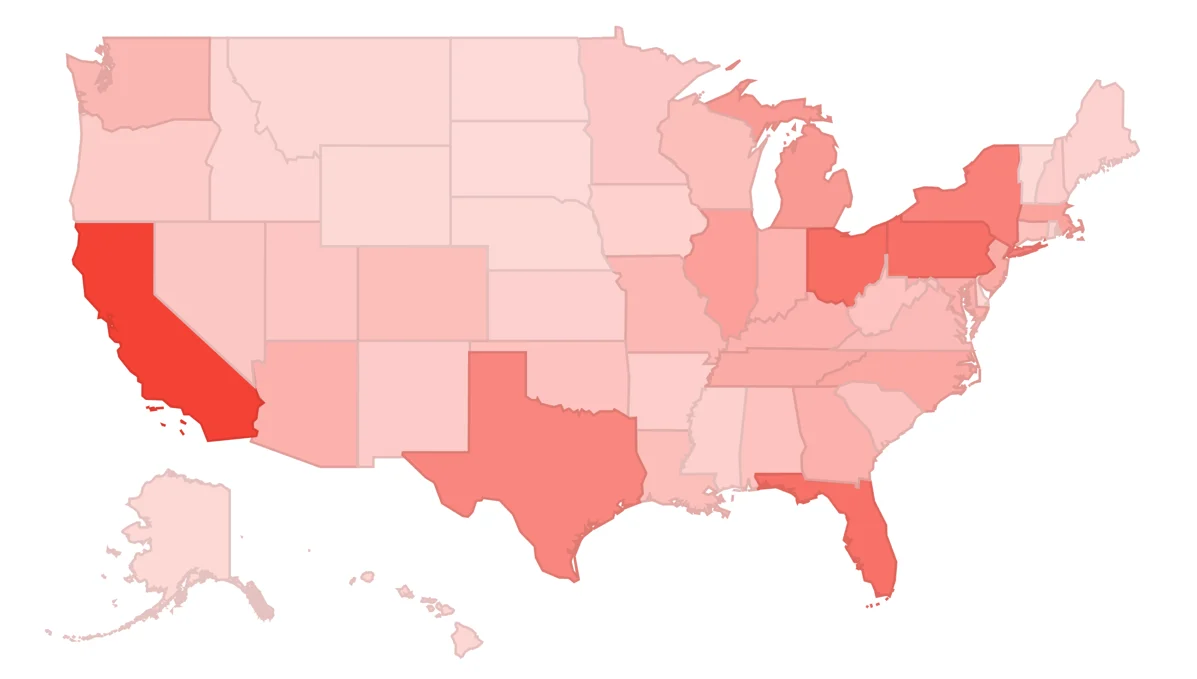
Within the United States, the epidemic does not impact all regions equally. Detailed analysis of CDC drug overdose death data shows that certain states have become epicenters of the crisis. West Virginia, Ohio, and New Hampshire have consistently reported some of the highest overdose rates in the country. These areas, often part of the “Rust Belt,” have faced economic decline and limited access to healthcare, factors that sociologists argue contribute to “deaths of despair.”
However, the data also reveals evolving trends. While the Appalachian region was the initial focal point, the crisis has expanded into Western states and urban centers in the Northeast. Monitoring the “development trends” of these states is vital for resource allocation. For example, states that implemented early monitoring programs for prescriptions or expanded access to Naloxone—a life-saving overdose reversal drug—have seen slower growth in mortality rates compared to states with delayed policy responses.
Official Responses and Public Health Strategies
The severity of the crisis has prompted a multi-faceted response from federal and state governments. The Department of Health and Human Services (HHS) and the CDC have prioritized several key areas for intervention:
- Strengthening Public Health Surveillance: Improving the speed and accuracy of data collection to identify “hot spots” where overdoses are spiking in real-time.
- Advancing Pain Management: Encouraging the use of non-opioid treatments for chronic pain and educating providers on safer prescribing practices.
- Expanding Access to Recovery Services: Increasing the availability of Medication-Assisted Treatment (MAT), such as methadone and buprenorphine, which are proven to reduce opioid dependency.
- Harm Reduction: Distributing Naloxone to first responders and the public, and in some jurisdictions, supporting needle exchange programs to prevent the spread of infectious diseases associated with intravenous drug use.
Legal actions have also played a role in the response. Numerous states and municipalities have filed lawsuits against pharmaceutical manufacturers and distributors, alleging that these companies used deceptive marketing practices to downplay the addictive nature of opioids. Settlements from these cases, totaling billions of dollars, are increasingly being earmarked for addiction treatment and prevention programs.
Socioeconomic Implications and Broader Impact
The opioid epidemic extends far beyond the individuals who use the drugs; it has profound implications for the American economy and social fabric. The Council of Economic Advisers has estimated that the crisis costs the U.S. economy over $500 billion annually when accounting for healthcare costs, lost productivity, and the criminal justice response.
Furthermore, the social impact is evident in the rising number of children entering the foster care system due to parental substance abuse. In many hard-hit communities, local healthcare systems are overwhelmed, and emergency services are stretched thin by the daily volume of overdose calls. The psychological toll on families and first responders has created a secondary crisis of trauma and mental health challenges.
The Role of Data in Shaping Future Policy
As the epidemic continues to shift, the role of data analysis becomes increasingly paramount. Analytical tools, such as those provided by Google Data Studio and other visualization platforms, allow researchers to identify patterns that might be missed in raw spreadsheets. By visualizing the correlation between age, geography, and drug type, policymakers can better tailor their interventions to specific populations.
The use of data-driven insights allows for a more objective understanding of the crisis, moving away from anecdotal evidence toward factual analysis. This approach is essential for evaluating the effectiveness of harm reduction programs and for predicting where the next wave of the epidemic might strike.
Conclusion
The United States opioid crisis is a complex, evolving phenomenon that requires a sustained and data-informed response. From its origins in the over-prescription of legal painkillers to the current devastation caused by synthetic fentanyl, the epidemic has proven to be adaptable and resilient. While the U.S. remains the global leader in overdose deaths, the ongoing efforts in harm reduction, legal accountability, and public health education offer a path forward. Continued analysis of global and domestic trends remains the most effective way to understand the immensity of the problem and to develop strategies that can ultimately save lives. For analysts and public health officials alike, the mission remains clear: to use data not just to document the tragedy, but to inform the solutions that will eventually bring the crisis to an end.