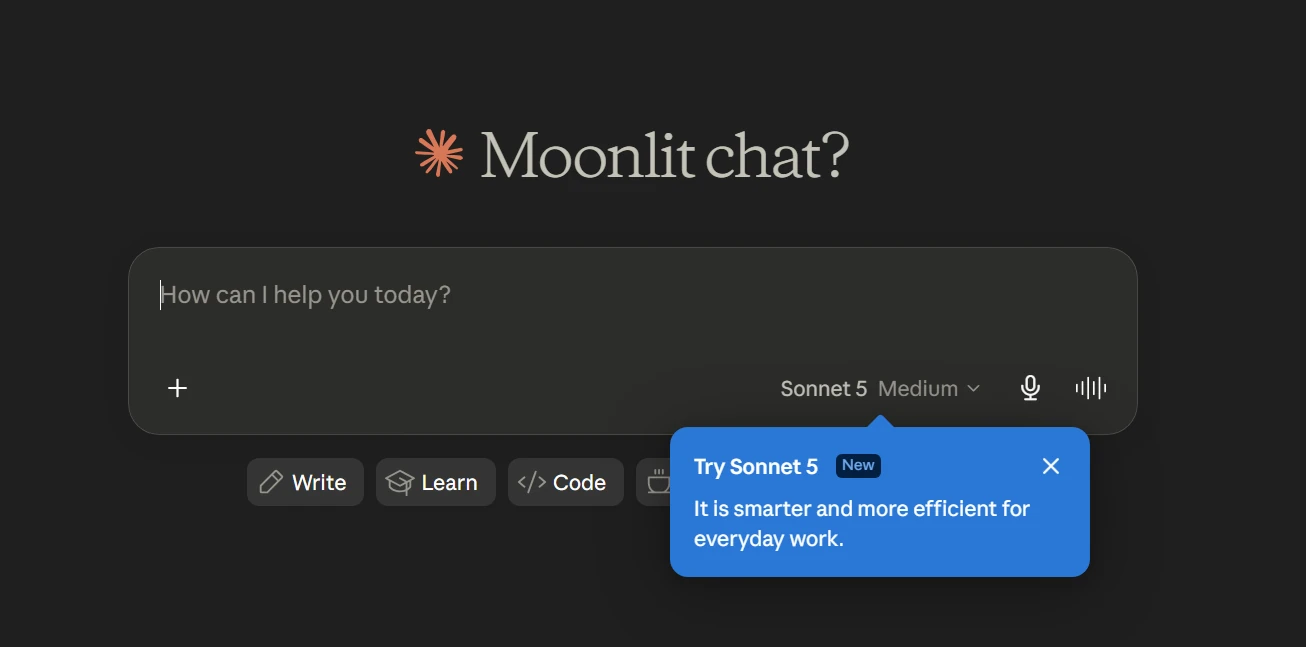
Anthropic has officially announced the release of Claude Sonnet 5, the latest and most sophisticated iteration of its mid-tier artificial intelligence model, signaling a significant shift in the competitive landscape of the generative AI industry. Positioned as the “middle child” of the Claude ecosystem, Sonnet 5 is designed to balance high-speed performance with deep reasoning capabilities, effectively replacing its predecessors as the default interface for the vast majority of Claude’s global user base. Unlike the high-end Opus model, which remains exclusive to paid subscribers, Sonnet 5 has been made available to all users for free, a move that industry analysts suggest is aimed at capturing a larger share of the consumer market currently dominated by OpenAI and Google.
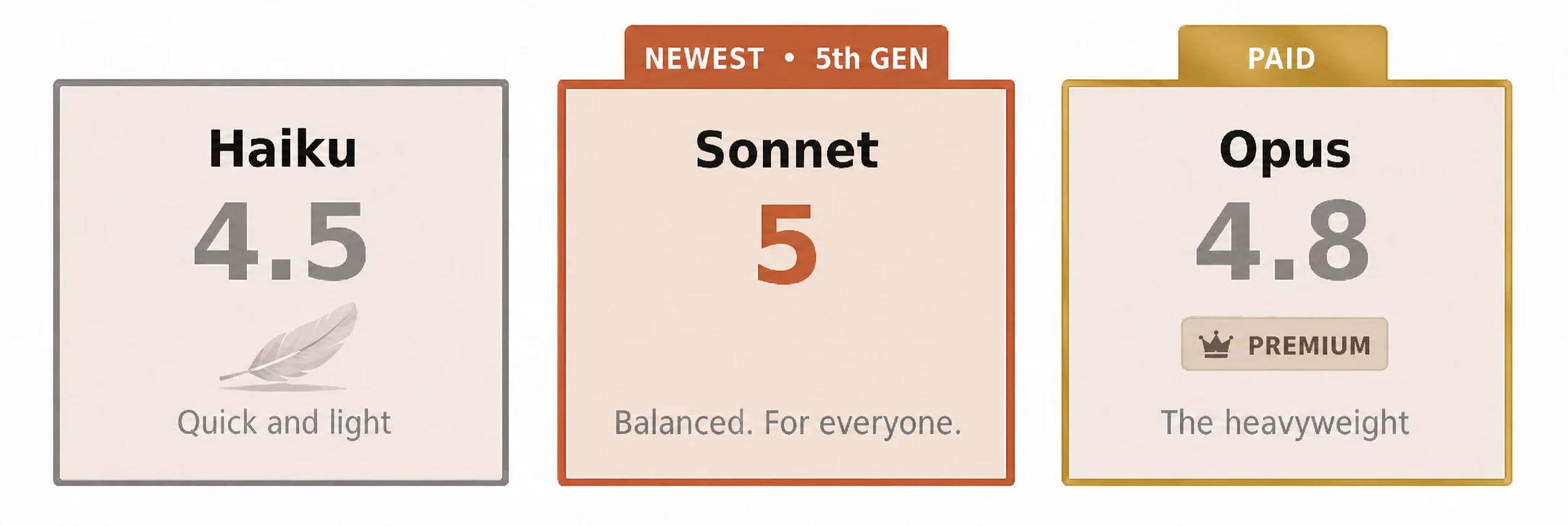
The release of Sonnet 5 on June 30, 2026, marks a pivotal moment in Anthropic’s development cycle. While the ultra-fast Haiku remains at version 4.5 and the heavyweight Opus sits at version 4.8, Sonnet 5 represents the first model in the family to leap into the fifth-generation architecture. This update is not merely incremental; it introduces what Anthropic describes as “agentic focus,” a paradigm shift where the AI moves beyond simple text generation to autonomous task execution, multi-step planning, and rigorous self-correction.
The Evolution of the Claude Model Family
To understand the significance of Sonnet 5, it is necessary to examine its placement within the broader Anthropic hierarchy. Since its inception, Anthropic has maintained a three-tiered approach to model distribution. Haiku is optimized for near-instantaneous responses to simple queries, making it ideal for high-volume, low-complexity tasks. Opus, conversely, is the “heavyweight” model, engineered to tackle the most complex scientific, mathematical, and philosophical problems that require massive computational overhead.
Sonnet has traditionally occupied the center ground, offering a blend of both worlds. However, with the version 5 update, Sonnet has effectively leapfrogged the current version of Opus in terms of architectural modernity. By making Sonnet 5 the default free model, Anthropic is providing the general public with access to a level of intelligence that was previously reserved for enterprise-grade paid tiers.
| Model | Version | Primary Use Case | Accessibility |
|---|---|---|---|
| Haiku | 4.5 | Rapid-fire queries and simple automation | Free / API |
| Sonnet | 5 | Everyday professional tasks and agentic workflows | Free Default |
| Opus | 4.8 | Complex research and high-stakes problem solving | Paid Subscription |
Economic Disruption and Promotional Pricing Strategies
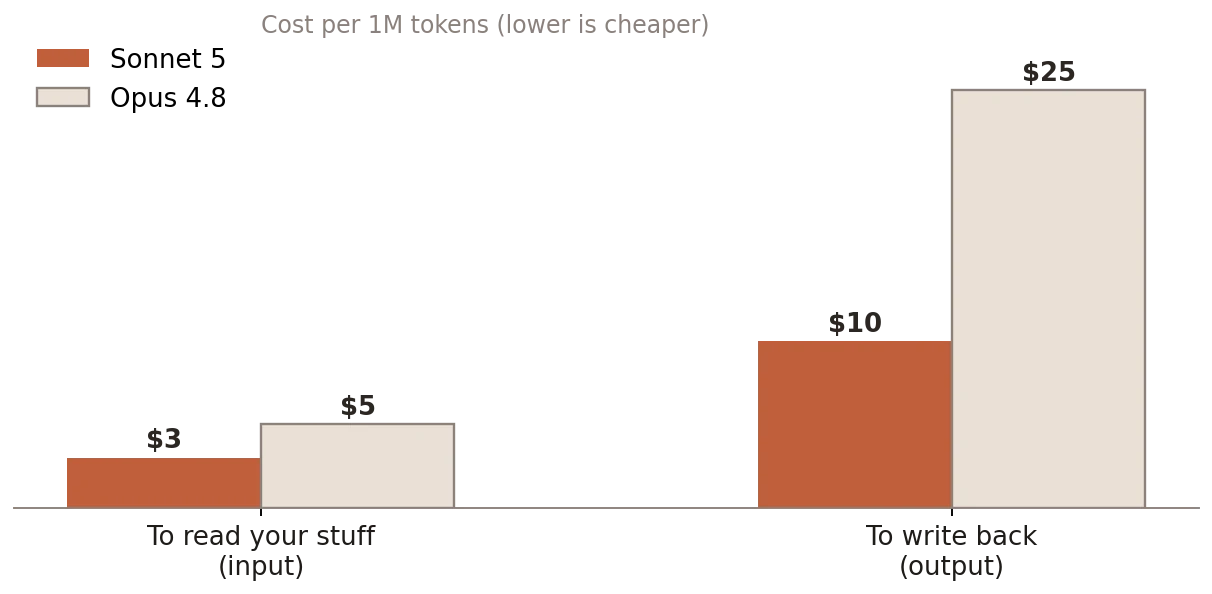
One of the most striking aspects of the Sonnet 5 launch is the aggressive pricing strategy employed via the Anthropic API. Recognizing the high cost of running large language models (LLMs), Anthropic has introduced a promotional period to encourage developers to migrate their workflows to the new model.
Through August 31, 2026, the cost to utilize Sonnet 5 via API is set at $2 per million input tokens and $10 per million output tokens. This represents a substantial discount compared to the traditional costs associated with models of this caliber. Following the promotional period, on September 1, 2026, the input price will rise to $3 per million tokens, while the output price will remain stable at $10.
This pricing structure is clearly intended to undercut competitors. By lowering the barrier to entry, Anthropic is making it economically feasible for startups and independent developers to build “agentic” applications that require the model to read and write vast amounts of data. The efficiency of Sonnet 5 also plays a role in its cost-effectiveness; internal testing suggests that the model can complete complex tasks using significantly fewer tokens than Opus 4.8, further reducing the “hidden costs” of AI operations.
The Rise of the Agentic AI: Planning and Self-Correction
The defining characteristic of Claude Sonnet 5 is its transition from a passive chatbot to an active agent. In the context of AI, “agentic” behavior refers to the model’s ability to take a high-level instruction, break it down into a series of logical steps, utilize external tools—such as web browsers, code interpreters, or file systems—and verify the accuracy of its work before presenting it to the user.
In previous generations, LLMs were often criticized for “stalling” or losing focus during long-form tasks. A user might ask an AI to write a complex script, only for the model to stop halfway through or provide a buggy implementation that it claimed was functional. Sonnet 5 addresses this by incorporating a “closed-loop” logic system. It does not simply predict the next word in a sentence; it simulates the outcome of its actions.
Furthermore, Anthropic has enhanced the model’s safety protocols. Sonnet 5 is reportedly more adept at identifying and refusing “dodgy” or harmful requests while simultaneously reducing the frequency of hallucinations. While some power users have noted that stricter safety filters can occasionally lead to over-refusal, Anthropic maintains that these guardrails are essential for deploying agentic AI in professional environments where reliability is paramount.
Hands-On Performance: Technical Debugging and Research
To validate the claims of agentic superiority, Sonnet 5 was subjected to a series of rigorous tests involving coding and multi-source research.
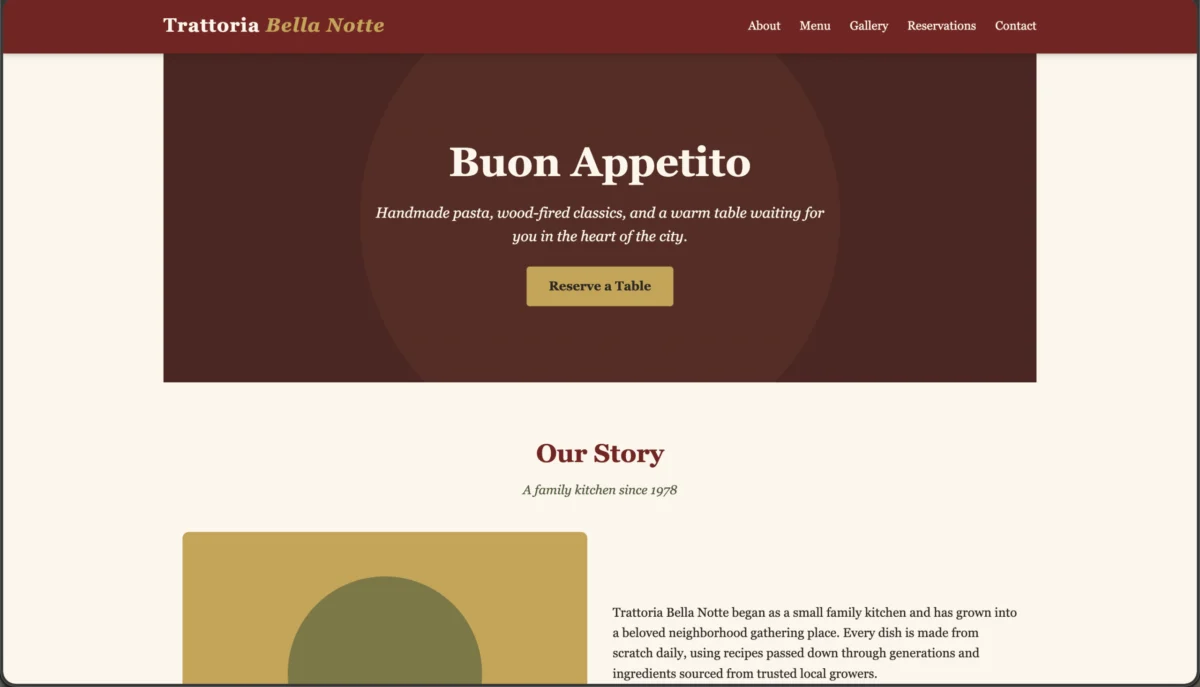
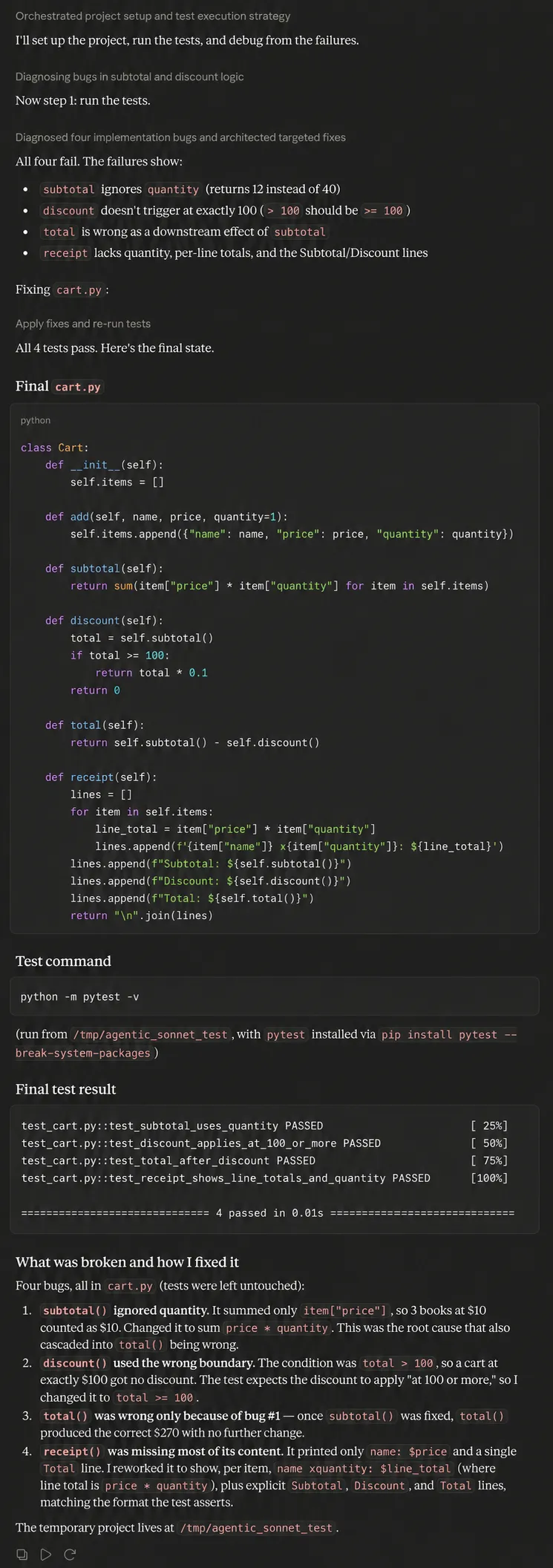
In a software engineering simulation, the model was tasked with fixing a broken Python project consisting of a shopping cart module and a corresponding test suite. The project contained three deliberate logic errors: an incorrect subtotal calculation that ignored item quantities, a failure to apply discounts at the correct threshold, and a receipt generator that did not display line-item totals.
Sonnet 5 demonstrated a disciplined approach to the task. Rather than immediately rewriting the code, it first ran the provided test suite to identify the exact points of failure. It then diagnosed the underlying logic errors and implemented a fix in the source code without altering the test files—a common “shortcut” taken by lesser models to force a passing grade. Finally, it reran the tests to confirm the resolution. This level of autonomy suggests that Sonnet 5 could serve as a viable “junior developer” assistant, capable of handling routine debugging with minimal human oversight.
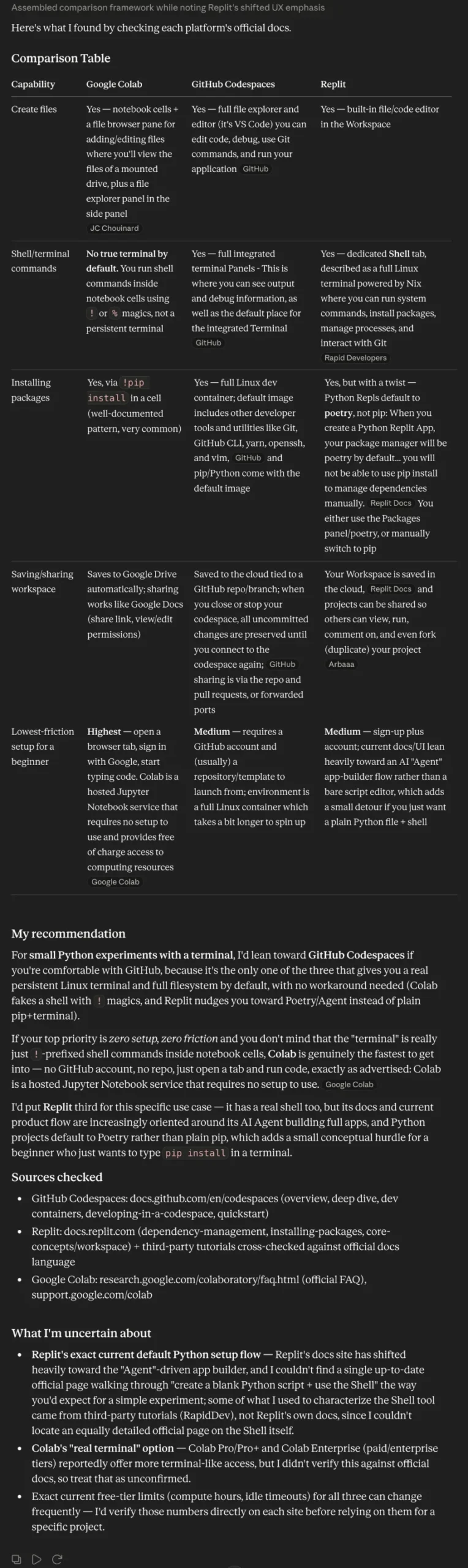
In a second evaluation focused on research and tool use, the model was asked to compare various online Python development environments, including Replit, GitHub Codespaces, and Google Colab. The prompt explicitly required the model to verify its information using current documentation rather than relying on its internal training data. Sonnet 5 successfully navigated external web sources, compiled a comparative table based on specific criteria (such as package installation and ease of setup), and provided a nuanced recommendation. Notably, the model flagged areas where the comparison was subjective, displaying a level of transparency that is often missing in AI-generated reports.

Industry Implications and Market Reaction
The release of Sonnet 5 is expected to trigger a response from other major AI laboratories. For OpenAI, the challenge lies in maintaining the dominance of GPT-4o in the face of a free, agent-capable competitor. For Google, the pressure to integrate similar agentic features into the Gemini ecosystem has intensified.
From a developer’s perspective, the efficiency of Sonnet 5 is a game-changer. Pro-tier users have reported that agentic tasks consume only 3% to 5% of their usage limits, allowing for much denser, longer-running conversations. This efficiency, combined with the model’s ability to handle complex tool-use scenarios, makes it an attractive option for enterprise automation.
However, the shift toward agentic AI also raises questions about the future of human-AI interaction. As models become more autonomous, the role of the user shifts from “writer” to “editor” or “supervisor.” This requires a new set of skills, often referred to as “agent orchestration,” where the human must provide clear boundaries and objectives while allowing the AI to determine the best path to the solution.
Chronology of the Sonnet 5 Launch
The rollout of Sonnet 5 followed a strategic timeline designed to maximize market impact:
- June 30, 2026: Official launch of Claude Sonnet 5. The model is integrated as the default for all free Claude.ai accounts and made available via the Anthropic API.
- July 2026: Initial developer feedback period. Early adopters highlight the model’s superior performance in Python debugging and real-time web research.
- August 31, 2026: Final day of the “Launch Pricing” promotion. Developers take advantage of the $2/$10 token rate to batch-process large datasets and train agentic workflows.
- September 1, 2026: Transition to standard pricing. The input token cost increases to $3 per million, while the model remains the most cost-effective “smart” model in the Anthropic lineup.
Conclusion: A New Standard for Everyday AI
Claude Sonnet 5 does not aim to be the most powerful model ever built—that title is still held by the Opus line for specialized tasks. Instead, it aims to be the most useful model for the widest possible audience. By combining free accessibility with advanced agentic capabilities, Anthropic has set a new benchmark for what users should expect from their default AI experience.
The model’s ability to see tasks through to completion, its disciplined approach to error correction, and its significantly lower operational costs make it a formidable tool for the modern digital economy. As the AI industry continues to move away from simple chat interfaces and toward autonomous systems, Sonnet 5 stands as a testament to the rapid maturation of generative technology. For the millions of users who rely on Claude for their daily work, the upgrade to Sonnet 5 represents not just a faster response time, but a fundamental expansion of what they can achieve with artificial intelligence.