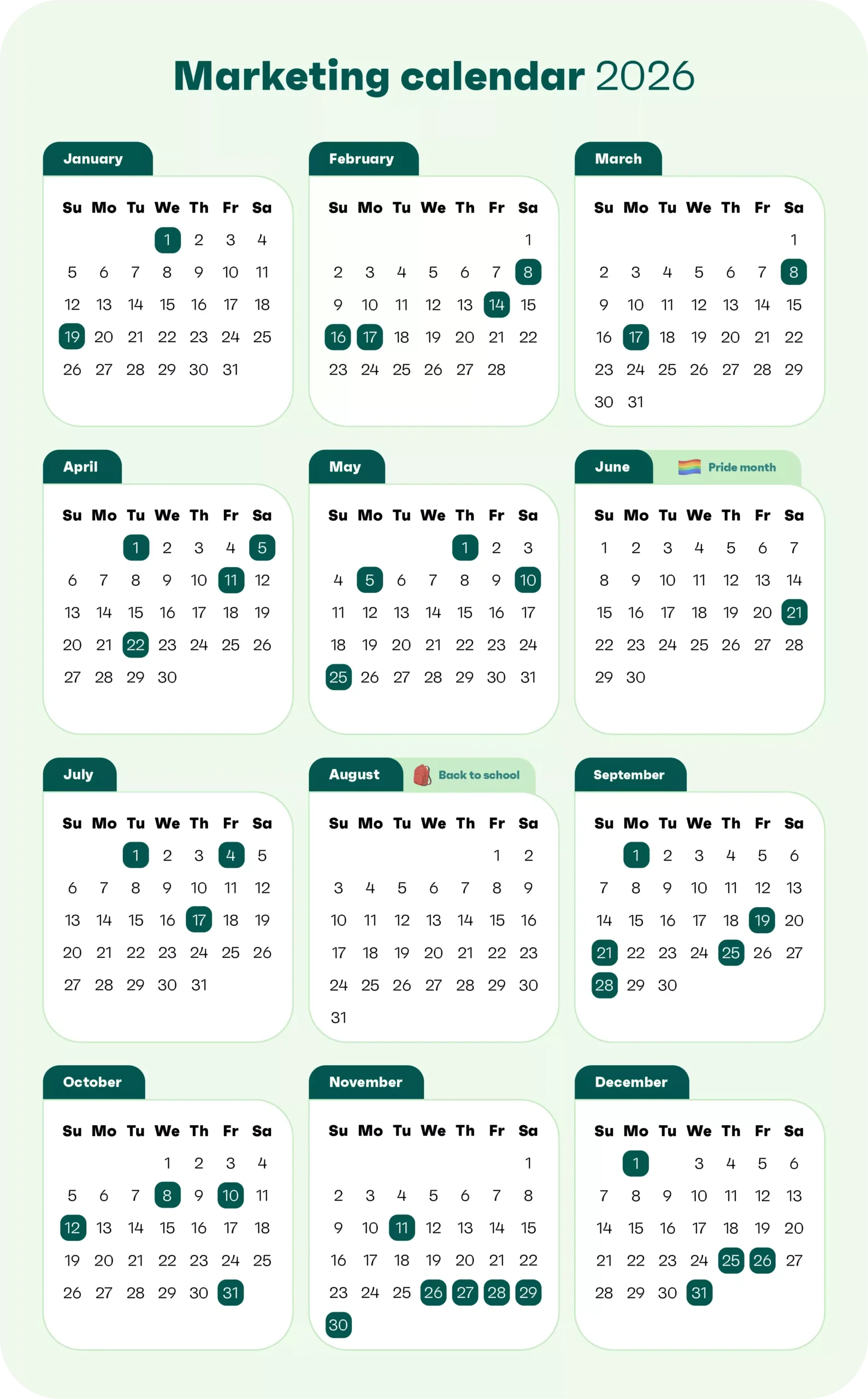
The dynamic world of e-commerce demands meticulous planning and foresight to capture consumer attention and drive sustained growth. As brands navigate a landscape increasingly crowded with diverse marketing opportunities, a robust marketing calendar emerges as the indispensable blueprint for success. Moving beyond reactive campaigns, leading e-commerce businesses are leveraging detailed annual plans to identify key moments, streamline operations, and forge authentic connections with their customer base throughout 2026.
The Strategic Imperative of a Marketing Calendar
At its core, a marketing calendar, often interchangeably referred to as a content, campaign, or editorial calendar, serves as an overarching action plan. It meticulously maps out all anticipated marketing activities, encompassing campaigns, promotions, content creation, assigned task owners, designated communication channels, and critical launch dates. This detailed framework empowers brands to track projects with an exceptional level of granularity, ensuring no opportunity is missed and resources are optimally allocated.
The paramount benefit of implementing such a calendar lies in its capacity to centralize all marketing-related intelligence. This eliminates the inefficiencies and potential miscommunications inherent in relying on disparate tools or fragmented spreadsheets. Furthermore, a unified calendar significantly enhances coordination across diverse teams and departments, fostering superior process efficiency and enabling more accurate performance tracking. Typical e-commerce marketing calendars extend beyond mere dates, often incorporating campaign goals, specific audience segments, email and SMS send dates, creative deadlines, promotional offers, and even anticipated performance metrics.
It is crucial to distinguish a comprehensive marketing calendar from a content calendar. While often used interchangeably, a content calendar is, in essence, a component within a broader marketing calendar. A content calendar specifically details the production schedule for various content assets—from blog posts and social media updates to reels, user-generated content (UGC) videos, and case studies. A marketing calendar, conversely, encompasses the entire spectrum of marketing initiatives, linking these content assets to overarching campaigns, company-specific events, and significant global holidays like Black Friday. Most successful e-commerce brands judiciously utilize both, employing a marketing calendar for strategic campaign oversight and complementing it with detailed content plans for execution.
Why E-commerce Brands Cannot Afford to Operate Without a Marketing Calendar
The absence of a well-structured marketing calendar frequently leads to several critical pitfalls for e-commerce businesses, regardless of their size or global reach. These challenges include missed peak promotional windows, a reliance on reactive and often less profitable discounting strategies, and inconsistent messaging across vital communication channels such as email and SMS.
Conversely, the implementation of a comprehensive marketing calendar bestows a multitude of benefits:
- Proactive Planning: It shifts brands from a reactive to a proactive stance, allowing ample time for strategic development, creative execution, and resource allocation.
- Enhanced Efficiency: Centralized information and clear timelines reduce operational friction, minimize last-minute scrambling, and improve cross-departmental collaboration.
- Optimized ROI: By strategically aligning campaigns with consumer behavior patterns and peak spending periods, brands can significantly boost their return on investment (ROI). For instance, data from platforms like Omnisend indicates that merchants on paid plans averaged an ROI of $79 for every dollar spent in 2025, underscoring the financial benefits of planned marketing.
- Consistent Customer Experience: A calendar ensures a cohesive brand message and consistent engagement across all touchpoints, fostering stronger customer relationships and loyalty.
- Improved Performance Tracking: With predefined goals and scheduled reviews, businesses can accurately measure campaign effectiveness, identify trends, and pivot strategies as needed.
- Automation Opportunities: While building a year-long plan requires initial effort, it unlocks significant opportunities for marketing automation. Tools can schedule campaigns, automate follow-up messages, and orchestrate coordinated email and SMS streams, freeing up valuable team resources.
Crafting a Performance-Driven E-commerce Marketing Calendar: A 5-Step Approach
Best practices identify five pivotal steps in developing an effective marketing calendar, ensuring it is a dynamic tool rather than a static document.
Step 1: Define Clear Campaign Goals
Before populating the calendar with events, a brand must articulate its primary objectives. For some e-commerce businesses, the focus might be on maximizing revenue, while others may prioritize increasing customer retention, expanding subscriber lists, launching new products, or clearing existing inventory. It is not uncommon for businesses to pursue multiple goals simultaneously, though this necessitates additional resources and tailored tracking mechanisms for each objective. A clear goal provides direction and a measurable benchmark for success.
Step 2: Identify Key Dates and Promotional Opportunities
Not every event is relevant for every business. This step involves discerning which dates resonate most with the brand’s target audience and product offerings. Analyzing past sales data, understanding customer demographics, and monitoring industry trends are crucial for identifying the most opportune moments. The following table highlights popular e-commerce events and recommended campaign execution windows, providing a foundational timeline for 2026:
| Holiday/Event | Recommended Email Window | SMS Follow-up |
|---|---|---|
| Valentine’s Day | 10–14 days before | 24–48 hours before |
| Mother’s Day | 2–3 weeks before | Last-minute reminder |
| Back-to-School | 2–4 weeks before | Promotion reminder |
| Black Friday | 2 weeks before | Daily promo reminders |
| Cyber Monday | Weekend through Monday | Limited-time alerts |
| Christmas | Throughout | Shipping deadline |
Step 3: Assign Appropriate Marketing Channels
Once key events are identified, the next step is to determine the optimal communication channels for each campaign. Email typically serves as the primary channel for announcing promotions, offering product recommendations, and launching major campaigns due to its direct and detailed nature. SMS, with its immediacy, is invaluable for urgent messages, flash sale alerts, and timely reminders about ongoing deals. Social media platforms then extend audience reach, foster community engagement, and provide a broader narrative for lasting brand connection. A multi-channel approach ensures maximum visibility and impact.
Step 4: Draft and Schedule Content in Advance
While reacting to real-time trends is beneficial, the bedrock of a robust marketing strategy is content prepared well in advance. This preparatory phase allows for the creation of comprehensive campaign briefs, compelling email copy, concise SMS messages, visually appealing designs, and optimized landing pages. Investing weeks or even months in advance significantly reduces stress, particularly during high-stakes retail seasons like Q4. Furthermore, this lead time provides an invaluable window for experimentation and A/B testing, refining messages for optimal effectiveness.

Step 5: Segment, Execute, and Analyze Performance
The final stage involves creating audience segments precisely aligned with campaign objectives, launching the carefully prepared campaigns, and establishing a routine monitoring framework to track performance throughout the year. Quarterly reviews are particularly valuable, offering insights into performance patterns—such as unexpected spikes or drops—enabling businesses to evaluate underlying causes and pivot strategies proactively when necessary. Continuous analysis ensures the calendar remains a living, adaptive tool.
Key E-commerce Marketing Moments for 2026: A Month-by-Month Deep Dive
The year 2026 presents a myriad of opportunities for e-commerce brands to connect with consumers. By understanding the cultural context, consumer behavior, and strategic implications of each event, businesses can tailor campaigns for maximum impact.
January
- New Year’s Day (January 1, 2026): A fresh start, New Year’s Day offers the first opportunity to re-engage customers post-holiday. Brands can leverage this for flash sales on residual seasonal stock or promote products aligned with resolutions (health, organization, learning). Implications: Focus on inventory clearance and aspirational messaging.
- Blue Monday (January 19, 2026): Often dubbed the “most depressing day,” Blue Monday is an empathetic marketing opportunity. Campaigns should prioritize comfort, self-care, or small “pick-me-up” offers, steering clear of aggressive sales tactics. E-commerce strategists advise genuine, value-driven content.
- Martin Luther King Jr. Day (January 19, 2026): This federal holiday honors a civil rights icon. Brands can inspire community service, highlight social impact initiatives, or support related charities, aligning with values of kindness and justice. Analysis: This is an opportunity for brand-building through corporate social responsibility, rather than direct sales.
February
- Super Bowl LX (February 8, 2026): The USA’s biggest sporting event, attracting millions. E-commerce can capitalize on game-day essentials, party supplies, or sports-themed promotions. Market trends show increased spending on food, beverages, and entertainment accessories.
- Valentine’s Day (February 14, 2026): A peak period for jewelry, fashion, and confectionery. In 2025, consumer spending reached $29.1 billion, highlighting its immense potential. Brands should focus on curated gift guides and emotional messaging. Expert advice: Early promotions (2-3 weeks prior) and last-minute reminders are critical.
- President’s Day (February 16, 2026): The sole federal holiday in February, March, or April. This long weekend presents an opportunity for sales, especially for items suitable for a “long weekend getaway” or general merchandise. Implications: Can extend the post-Valentine’s sales window.
- Chinese New Year (February 17, 2026): A significant cultural event symbolizing good fortune and new beginnings. Brands targeting Asian markets or with products relevant to celebrations (gifts, decor, food) should plan well in advance, utilizing vibrant colors and cultural symbols. Analysis: Global e-commerce penetration necessitates cultural sensitivity and targeted campaigns for diverse consumer bases.
March
- International Women’s Day (March 8, 2026): Coinciding with Women’s History Month, this is a chance to celebrate women’s achievements. Showcase female-led products, support gender equality initiatives, or highlight inspiring women within the brand or community. Statements: Many brands use this day to reinforce commitment to diversity and empowerment.
- St. Patrick’s Day (March 17, 2026): Despite Irish roots, it’s a popular holiday in the USA, with consumer spending reaching $7 billion in 2025. Green-themed promotions and celebratory offers are common. Implications: While festive, ensure promotions align with brand identity to avoid appearing opportunistic.
April
- April Fool’s Day (April 1, 2026): An opportunity for playful, humorous campaigns to showcase brand personality and generate buzz. Prank-style content can drive engagement if executed carefully and authentically. Expert advice: Ensure humor is inoffensive and clearly distinguishable from genuine offers.
- Easter (April 5, 2026): A globally relevant holiday, Easter marketing focuses on spring themes, family gatherings, and gift-giving. Chocolates, spring fashion, home decor, and children’s items are popular. Analysis: This holiday often marks the unofficial start of spring shopping.
- National Pet Day (April 11, 2026): A heartfelt opportunity to celebrate pets and raise awareness for animal welfare. Brands can partner with shelters, feature adoption stories, or offer pet-related products. Implications: Builds brand affinity through emotional connection and social responsibility.
- Earth Day (April 22, 2026): A day to highlight environmental responsibility. Brands can promote sustainable products, detail eco-friendly initiatives, or contribute to environmental causes. Market trends show increasing consumer demand for sustainable brands.
May
- International Workers’ Day (May 1, 2026): Also known as Labor Day or May Day in many regions. Offers a chance to connect with workers, perhaps through exclusive discounts on productivity tools or wellness products. Statements: Brands often use this to acknowledge their employees and their contributions.
- Cinco de Mayo (May 5, 2026): A celebration of Mexican culture. Promotions can lean into Mexican cuisine, festive decorations, and vibrant cultural themes. Expert advice: Ensure cultural respect and authenticity in all campaigns.
- Mother’s Day (USA) (May 10, 2026): A significant gift-giving occasion. Brands should prepare early with curated gift guides, personalized recommendations, and last-minute reminders for diverse “mom” figures. Implications: Requires strong segmentation to cater to various relationships (mother, grandmother, aunt, friend).
- Memorial Day (May 25, 2026): The unofficial start of summer in the USA. This long weekend is ideal for promotions on summer clothing, outdoor living products, grilling gear, and travel essentials. Analysis: Often treated as the first major summer sales event.
June
- Pride Month (June 1–30, 2026): A month-long celebration of diversity and inclusivity for the LGBTQ+ community. Brands should run energetic, supportive campaigns that raise awareness, support LGBTQ+ rights, and highlight inclusive initiatives. Expert advice: Authenticity is paramount; avoid “rainbow washing” and ensure genuine support.
- Father’s Day (USA) (June 21, 2026): Following Mother’s Day, this occasion focuses on practical gifts, personalized items, and experiences for dads. Gift guides and timely reminders are key. Implications: Often a good time for electronics, tools, outdoor gear, and personalized items.
- National Selfie Day (June 21, 2026): A lighthearted opportunity for self-expression and engagement. Brands can encourage user-generated content by inviting followers to share selfies featuring their products. Analysis: Excellent for boosting social media engagement and brand visibility through user participation.
July
- Canada Day (July 1, 2026): A national holiday for Canadians to express patriotism. Brands can offer special deals, free shipping, or loyalty rewards to Canadian customers. Statements: A chance to reinforce national identity and appreciate local customer bases.
- Independence Day (July 4, 2026): A classic American holiday, marking a festive summer kickoff. While patriotism can be a theme, campaigns often focus on summer activities, family gatherings, and related products. Implications: Strong sales potential for outdoor, travel, and entertainment categories.
- Prime Day (June 23 – 26th, 2026): A critical e-commerce event not just for Amazon, but for all retailers. Many brands run competing promotions to attract shoppers during this period of heightened online activity. Market data shows significant halo effect for other retailers during Prime Day.
- World Emoji Day (July 17, 2026): A fun, informal holiday to embrace emoji use in marketing. Brands can create playful content and subject lines to boost engagement. Expert advice: Use emojis strategically to enhance, not replace, clear messaging.
August
- Back-to-School Season (August 2026): A major shopping season, with consumer spending reaching approximately $38.8 billion in 2025. Timing is crucial, aligning with school start dates in different regions. Analysis: Intense competition necessitates compelling offers, bundles, and targeted messaging for parents and students.
September
- Labor Day (September 7, 2026): In many regions, the final holiday before students return to school. An ideal time for last-minute back-to-school promotions or end-of-summer clearance sales. Implications: Often associated with “last chance” deals before the fall season.
- Oktoberfest (Starts September 19, 2026): The world’s largest beer festival. Brands can tie in with themes of celebration, German culture, food, and beverages. Expert advice: Great for niche markets or brands selling related products (e.g., glassware, party supplies, gourmet foods).
- International Day of Peace (September 21, 2026): A global initiative promoting peace. Brands can support peace initiatives, donate to charities aiding refugees or human rights, and foster conversations about community support. Analysis: Another opportunity for values-based marketing and social impact.
- National Daughter’s Day (September 25, 2026) & National Son’s Day (September 28, 2026): Opportunities to celebrate family bonds. Brands can offer discounts on family-oriented products, spa packages, jewelry, sports gear, or electronics. Implications: Focus on emotional connection and gift-giving.
October
- Diwali (October 8, 2026): The Festival of Lights, celebrated globally. Campaigns should embody themes of hope, prosperity, generosity, and new beginnings, offering themed gifts and seasonal promotions. Expert advice: Utilize vibrant visuals and culturally relevant messaging.
- World Mental Health Day (October 10, 2026): A global initiative to raise mental health awareness. Brands can express empathy, offer self-care products, or share resources for coping with stress. Analysis: A chance to demonstrate brand authenticity and support for critical social issues.
- Thanksgiving (Canada) (October 12, 2026): A time for gratitude and harvest celebrations. Brands can thank Canadian subscribers for their loyalty and offer fall-themed discounts. Implications: Important for brands with a significant Canadian customer base.
- Halloween (October 31, 2026): The prelude to the major holiday shopping season. Campaigns can be spooky, fun, or offer treats. If the theme doesn’t fit the brand, focus on general autumn promotions. Expert advice: Costume contests and themed products can drive engagement.
November
- Singles’ Day (November 11, 2026): Originating in China, this has become a global shopping phenomenon, generating $238 billion in 2025. Brands offer exclusive promotions centered around self-care and personal rewards. Analysis: A massive opportunity for brands targeting younger, self-gifting demographics.
- Thanksgiving (November 26, 2026): A time for gratitude. Brands can express appreciation to customers and offer subtle teasers for upcoming Black Friday deals. Implications: A bridge to the Cyber 5, setting the tone for the holiday shopping season.
- Black Friday (November 27, 2026): The biggest shopping day of the year, demanding the strongest deals. Segmentation and personalization are key to targeting subscribers effectively. Market data consistently shows record-breaking sales.
- Small Business Saturday (November 28, 2026): An initiative by American Express to support local and small businesses. Brands can share their story and offer exclusive deals. Analysis: Builds community goodwill and highlights unique brand propositions.
- Cyber Monday (November 30, 2026): The online counterpart to Black Friday, another massive revenue-driving day. Capitalize on the online shopping frenzy with urgency-driven promotions, extended deals, and last-chance offers. Implications: Crucial for online-first retailers.
The Cyber 5: A Strategic Imperative (November 26–30, 2026)
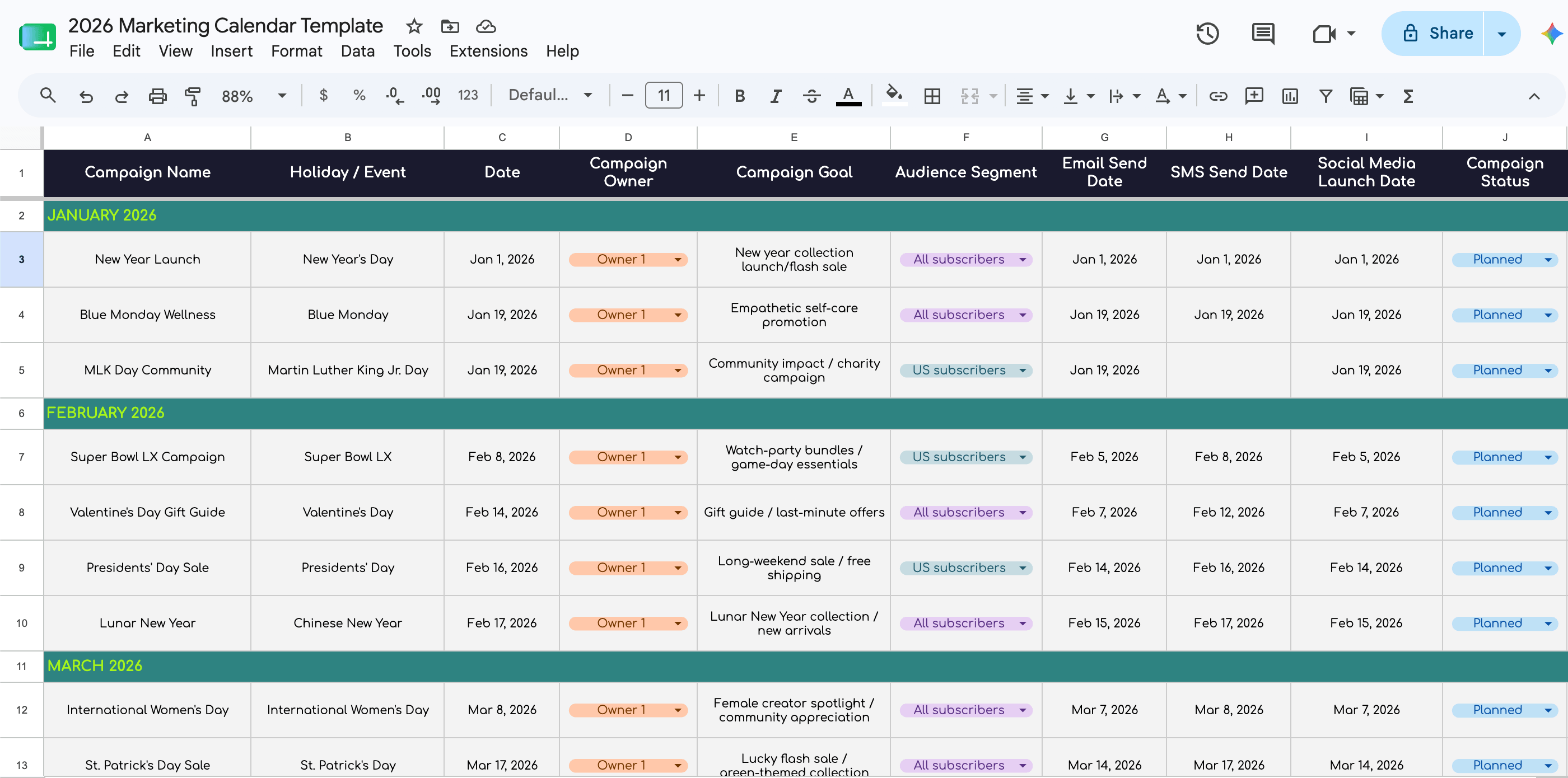
The five-day period from Thanksgiving through Cyber Monday (the “Cyber 5”) is arguably the most critical and revenue-generating week for e-commerce. A well-orchestrated cadence is essential:
| Time | Focus on | Back up with | |
|---|---|---|---|
| Pre-week Warm-up | November 20–25 | Anticipation | Early-access offers, waitlists, VIP previews |
| Thanksgiving | November 26 | Appreciation | Promotional teasers or limited discounts |
| Black Friday | November 27 | Urgency | Announcing your strongest offers |
| Small Business Sat. | November 28 | Connection | Your brand story with exclusive deals |
| Cyber Sunday | November 29 | Interest | Category-specific deals and bundles |
| Cyber Monday | November 30 | Scarcity | Final day, limited-time-only promotions |
| Giving Tuesday | December 1 (following) | Community | Charitable initiatives |
Pro Tip: This is a recommended framework, not a rigid mandate. Brands should adapt this cadence based on their specific audience, product range, and overall marketing goals. Leveraging marketing automation tools like Omnisend can significantly streamline the coordination of email and SMS scheduling during this high-pressure period, ensuring consistency and freeing up team resources for strategic oversight.
December
- Giving Tuesday (December 1, 2026): A global movement encouraging charitable giving. Brands can showcase social impact, highlight partnerships, and build trust through contributions. Analysis: Extends the Cyber 5 period with a focus on social responsibility.
- Green Monday (December 14, 2026): One of the last major e-commerce shopping deadlines before Christmas, often associated with strong online sales. Brands can promote curated gift guides and best-sellers. Implications: Captures last-minute holiday shoppers.
- Free Shipping Day (Date TBC, usually mid-December): Appeals to shoppers seeking to avoid shipping costs. A powerful incentive, especially for items needed before Christmas. Expert advice: Clearly communicate shipping deadlines.
- Christmas Day (December 25, 2026): While most gift shopping is done, this day is ideal for engaging customers looking to spend gift cards or cash received during the holidays. Analysis: Focus on post-holiday sales and wish list fulfillment.
- Boxing Day (December 26, 2026): Marks the start of post-holiday sales, particularly strong in Commonwealth countries. A popular day for clearance sales and value deals. Implications: An opportunity to move remaining holiday inventory.
- New Year’s Eve (December 31, 2026): An ideal time to clear out remaining stock and interact with customers using gift cards. Reminders about shipping cutoffs for 2027 arrivals are useful. Analysis: A final push for sales before the calendar resets.
Conclusion
A meticulously planned marketing calendar stands as the foundational pillar of any successful e-commerce marketing strategy. It provides the organizational framework necessary to plan and execute campaigns throughout the year, effectively capitalizing on every significant market event. While compiling a 12-month plan demands considerable effort and careful consideration of relevant events, the strategic advantages—from cutting operational friction and increasing ROI to enhancing customer experience—are undeniable.
By leveraging comprehensive guides and templates, e-commerce brands can design a tailored plan that aligns with audience preferences and business objectives. The judicious selection of marketing tools to automate and coordinate multi-channel campaigns will further empower brands to develop a performance-driven calendar for 2026, ensuring consistent relevance and engaging customer interactions year-round.
Frequently Asked Questions
What is a marketing calendar?
A marketing calendar is a 12-month strategic plan that details a brand’s yearly events, campaigns, content, and communication channels. Its primary purpose is to help e-commerce businesses proactively plan marketing actions, incorporate key audience insights, and significantly improve reach and conversion rates.
What is a marketing calendar also called?
Marketing calendars are often referred to as campaign calendars, content calendars, editorial calendars, promotional calendars, or marketing planners. While these terms are sometimes used interchangeably, it is important to note that a content calendar specifically details written or visual content, whereas a marketing calendar encompasses all marketing actions across various channels.
What should a marketing calendar include?
A comprehensive marketing calendar should include campaign names, launch dates, designated marketing channels, specific audience segments, clear campaign goals, assigned owners, and current status updates. Many e-commerce brands also integrate details such as email and SMS send dates, creative deadlines, specific promotional offers, and performance metrics for ongoing evaluation.
When is Black Friday 2026?
Black Friday in 2026 will fall on November 27, the day immediately following Thanksgiving. It is a critical retail event, with virtually all e-commerce brands focusing heavily on this day and the entire Cyber 5 period (Thanksgiving through Cyber Monday).
How far ahead should you plan marketing campaigns?
Typically, marketing calendars outline campaign information for the entire year, with specific campaign-related actions planned at least three months in advance. While seemingly daunting, this lead time allows businesses to allocate resources effectively, manage potential bottlenecks, and ensure optimal campaign readiness.
How is a marketing calendar different from a content calendar?
A marketing calendar is a highly detailed, overarching yearly plan that outlines specific information and actions for all marketing campaigns across various channels. In contrast, a content calendar is a more focused document that details the schedule and specifics for future content assets, such as blog posts, videos, newsletters, or social media posts, serving as a component within the broader marketing strategy.