The strategic integration of social proof within email marketing campaigns represents a potent psychological lever for businesses aiming to significantly boost clicks, sign-ups, and sales. This phenomenon, rooted in the human tendency to emulate the actions of others, provides compelling evidence that products or services are valued and utilized by real individuals, thereby mitigating perceived risk and accelerating decision-making at every stage of the customer journey. From initial subscriber acquisition to final purchase conversions, the judicious application of social proof can transform recipient engagement and strengthen brand credibility.
The Psychological Underpinnings of Social Proof
At its core, social proof is a psychological phenomenon first extensively documented by Dr. Robert Cialdini in his seminal work, “Influence: The Psychology of Persuasion.” Cialdini identified six universal principles of influence, with social proof being one of the most powerful. It posits that people are more likely to adopt a belief or undertake an action if they see others doing it. This inclination is particularly pronounced in situations of uncertainty, where individuals, unsure of the correct course of action, look to the behavior of similar others for guidance. In the digital realm, where direct interpersonal cues are often absent, this reliance on external validation becomes even more critical.
The mechanism behind social proof is intricately linked to several cognitive biases and emotional responses. The “Fear Of Missing Out” (FOMO) is a prime example. When prospective customers see that a product or service is popular or highly regarded by others, a sense of urgency or loss can be triggered, compelling them to act to avoid being left out. Furthermore, social proof acts as a heuristic, a mental shortcut, allowing consumers to make quicker decisions without extensive personal research. If many people like something, it’s generally perceived as a safe and good choice. This collective wisdom, even from strangers, often carries more weight than direct marketing claims made by the brand itself.
Evolution and Pervasiveness in Digital Marketing
While the principle of social proof is ancient, its application has evolved dramatically with the advent of digital communication. Historically, word-of-mouth recommendations were the primary form. Today, the internet provides myriad platforms for aggregated social proof, from review sites and social media feeds to subscriber counts and user-generated content. This digital proliferation has made social proof an indispensable tool for marketers, especially in the highly competitive and often impersonal environment of email marketing.
Early forms of digital social proof included simple website visitor counters or “X people bought this recently” notifications. Over time, these evolved into sophisticated review systems, testimonial sections, and dynamic displays of user engagement. For email marketing, this means transcending static content to integrate dynamic, credible, and varied forms of social validation directly into messages, significantly enhancing their persuasive power.
Strategic Integration Across the Email Marketing Funnel: A Chronological Approach
Effective deployment of social proof requires a strategic, chronological approach, aligning specific types of proof with different stages of the subscriber’s journey.
1. Pre-Subscription: Capturing Attention on Signup Forms and Landing Pages
Before an individual even receives their first email, social proof can be instrumental in converting a casual visitor into a subscriber. Placing a compelling testimonial or a relevant customer data point directly adjacent to a signup form on a blog, landing page, or website can alleviate initial skepticism. For instance, a quote from a satisfied subscriber highlighting the value derived from the newsletter – “Sarah M., founder of a 6-figure Etsy shop, says, ‘This newsletter is my weekly dose of actionable business wisdom!'” – provides tangible evidence of benefit. Incorporating a subscriber count, such as “Join 25,000 entrepreneurs who trust our insights,” quantifies popularity and establishes authority. Tools like AWeber’s AI Signup Form Builder can facilitate the seamless integration of such elements, leveraging AI to suggest optimal placement and wording.
2. The Welcome Email Sequence: Reinforcing Trust and Building Engagement
The welcome email is a critical juncture; it’s the first opportunity to solidify a new subscriber’s decision and set the tone for future interactions. Beyond expressing gratitude, the welcome email should immediately reinforce the value proposition. A different, perhaps more detailed, review or testimonial than what was used on the signup form can be placed within the body of this email. This serves to further validate their choice and build initial trust, encouraging them to move the sender out of the promotions tab and eagerly anticipate subsequent messages. Research from Experian indicates that welcome emails generate 4x more opens and 5x more clicks than regular marketing emails, making them prime real estate for impactful social proof.
3. Promotional and Sales Campaigns: Driving Conversions with Evidence
When the objective is direct sales, social proof becomes a non-negotiable component of promotional emails. Instead of merely listing product features or benefits, pairing every sales pitch with credible evidence transforms persuasive claims into verifiable facts. For a course on financial literacy, for example, a sales email should not only outline the curriculum but also feature a testimonial detailing a specific, quantifiable outcome: “After completing this course, I paid off my student loans eight months ahead of schedule – John D.” Such outcome-oriented feedback is far more compelling than generic praise.
For higher-value products or services, an entire email can be structured around a mini case study, narrating a customer’s journey from problem to solution facilitated by the product. This storytelling approach is highly engaging and allows prospects to envision their own success. According to a study by HubSpot, case studies are one of the most effective content marketing tactics, and integrating their essence into emails significantly boosts conversion rates.
4. Nurture Campaigns and Content Sharing: Elevating Credibility
Beyond direct sales, social proof can enhance the perceived value of educational content and strengthen subscriber loyalty within nurture campaigns. When sharing blog posts, webinars, or guides, referencing their popularity – “Our most-read article this quarter…” or “Loved by over 5,000 attendees…” – subtly encourages engagement. Award badges or industry recognition for your content or brand can also be subtly included, lending an air of authority to the information being shared.
5. Referral Programs: Empowering Advocates with Authority
Referrals, often considered the purest form of social proof, can be actively encouraged within email campaigns. By adding a dedicated section asking subscribers to forward valuable content to friends or colleagues, and then backing this request with trust badges or industry awards, businesses can leverage existing goodwill. Subscribers are more likely to share content when doing so enhances their own credibility, effectively becoming brand ambassadors. Platforms like AWeber’s “Penguin badge” program, which recognizes subscriber milestones, can gamify this process and make sharing an accomplishment.
6. Abandoned Cart Recovery: Overcoming Hesitation with Validation
Abandoned cart emails are crucial for recouping lost sales. When a potential customer leaves items in their cart, a well-timed follow-up email can serve as a reminder. Integrating social proof here can be particularly effective in overcoming lingering doubts. A short, impactful customer review, perhaps one that addresses common objections or highlights a key benefit, can nudge the customer towards completion. Sometimes, a humorous social media shout-out about the product, screenshot and embedded, can lower the pressure and remind the prospect of the product’s real-world appeal and popularity. Data from Barilliance shows that abandoned cart emails have an average open rate of 45%, making them an ideal channel for a final persuasive push with social validation.
Types of Social Proof: An Expanded Taxonomy and Best Practices
While the original article outlined eight types, a deeper dive reveals the nuances and strategic deployment of each.
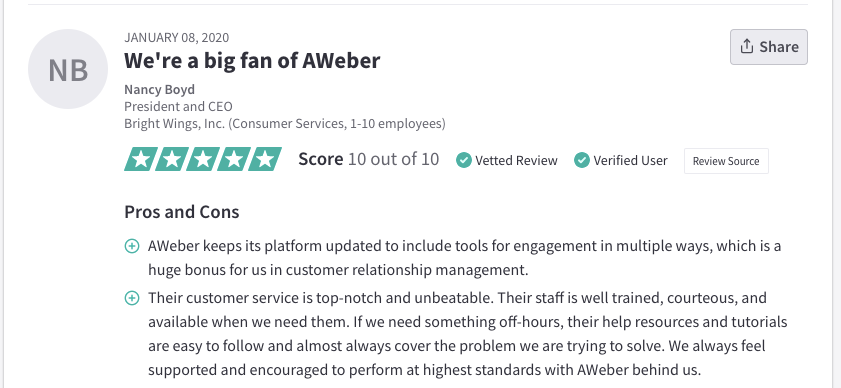
1. Customer Reviews: These are raw, unfiltered feedback from platforms like Trustpilot, Google Reviews, Yelp, Amazon, or even industry-specific review sites.
- Best Practice: Always link directly to the source of the review to enhance authenticity. Prioritize reviews that mention specific benefits or address common pain points. A study by BrightLocal found that 91% of 18-34-year-olds trust online reviews as much as personal recommendations.
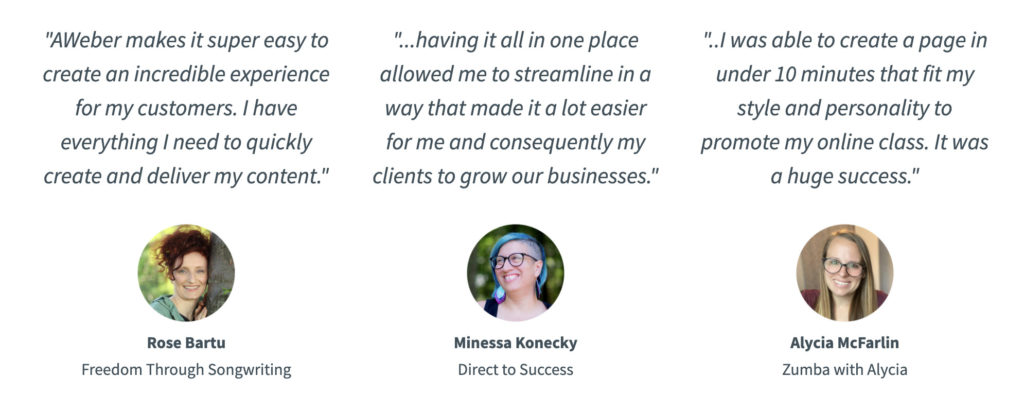
2. Testimonials: Curated quotes collected directly from happy customers, often including a name, photo, and title/company.
- Best Practice: Seek testimonials that are concise, enthusiastic, and highlight a specific positive outcome or experience. A photo significantly increases credibility. Video testimonials are even more impactful due to their perceived authenticity and emotional resonance.
3. Case Studies: In-depth narratives detailing a customer’s problem, their journey with your product/service, and the specific results achieved.
- Best Practice: While full case studies are often linked from emails, snippets or summarized versions can be embedded directly. Focus on quantifiable results and relatable challenges.
4. Customer Data/Metrics: Quantitative proof such as subscriber counts, “X products sold,” star ratings, or engagement figures.
- Best Practice: Numbers should be impressive but also genuine. “Join 25,000 subscribers” is more impactful than “Join 500 subscribers” but both are valid. Update these numbers regularly to maintain freshness and accuracy. Nielsen research indicates 70% of consumers trust online reviews, making aggregate ratings powerful.
5. Social Media Feedback: Screenshots of positive posts, comments, mentions, or shout-outs from real users on platforms like X (formerly Twitter), Instagram, or Facebook.
- Best Practice: Choose posts that are visually appealing and clearly convey enthusiasm. Always seek permission before using a user’s content.
6. Expert and Influencer Endorsements: Recommendations from individuals or organizations your target audience already trusts and respects.
- Best Practice: These carry significant weight. Ensure the expert is genuinely aligned with your brand and their endorsement feels authentic, not forced.
7. Award and Trust Badges: Logos representing industry awards, certifications (e.g., security, privacy), or inclusion in “best of” lists.
- Best Practice: Display these prominently, especially in footers or near calls-to-action, to convey authority and reliability.
8. User-Generated Content (UGC): Photos, videos, or other media created by customers showcasing them using your product.
- Best Practice: UGC is incredibly authentic. Encourage customers to share their experiences and feature the best examples in your emails. This can be particularly effective for lifestyle brands.
Ethical Considerations and Implications
While powerful, the use of social proof comes with significant ethical responsibilities. Authenticity is paramount. Fabricating reviews or testimonials, or manipulating data, not only constitutes deceptive marketing but also risks severe damage to brand reputation and trust if exposed. Consumers are increasingly discerning, and any perceived inauthenticity can lead to cynicism and a complete erosion of credibility. Transparency about how reviews are collected and presented is crucial.
The long-term implication of consistently employing genuine social proof is the cultivation of robust brand authority and unwavering customer loyalty. Businesses that authentically demonstrate customer satisfaction build a virtuous cycle: happy customers provide social proof, which attracts new customers, who then become happy customers themselves. This creates a sustainable growth model, differentiating the brand in a crowded market where trust is a primary currency.
Conversely, neglecting social proof or using it ineffectively means leaving significant conversion potential untapped. In a digital landscape saturated with choices, prospects are actively seeking validation. Businesses that fail to provide this validation within their controlled communication channels, like email, force potential customers to seek it elsewhere, often leading them to competitors or abandoning their purchase journey altogether.
Future Outlook
The landscape of social proof is continually evolving. Advances in artificial intelligence are making it easier for businesses to identify, curate, and even personalize social proof for individual segments or recipients. AI can analyze vast amounts of customer feedback to pinpoint the most persuasive testimonials for a specific audience, or even dynamically generate snippets that resonate with a user’s browsing history. The future may also see more interactive forms of social proof within emails, such as embedded live feeds of social media mentions or real-time popularity counters.
In conclusion, social proof is not merely a marketing tactic; it is a fundamental aspect of human psychology that, when harnessed ethically and strategically, can profoundly impact business outcomes. By integrating diverse forms of authentic social proof across the email marketing funnel, from signup forms to abandoned cart recovery, businesses can cultivate trust, drive engagement, and significantly enhance their conversion rates, securing a stronger position in the competitive digital marketplace. The imperative for marketers is clear: put your happiest customers to work, letting their voices do the convincing.


 Asro
Asro
 Nana
Nana