Schema markup, a form of structured data embedded within a website’s HTML, is increasingly vital for enhancing a website’s understanding by sophisticated answer engines and AI crawlers. This advanced code allows Search Engine Optimization (SEO) professionals to furnish additional context and map entities without cluttering the user-facing interface. By reducing ambiguity and providing machine-readable signals, schema significantly elevates the probability of web content being accurately identified, cited, and reused in AI-generated answers, marking a pivotal shift in digital content strategy.

The Evolution of Search and the Rise of AI
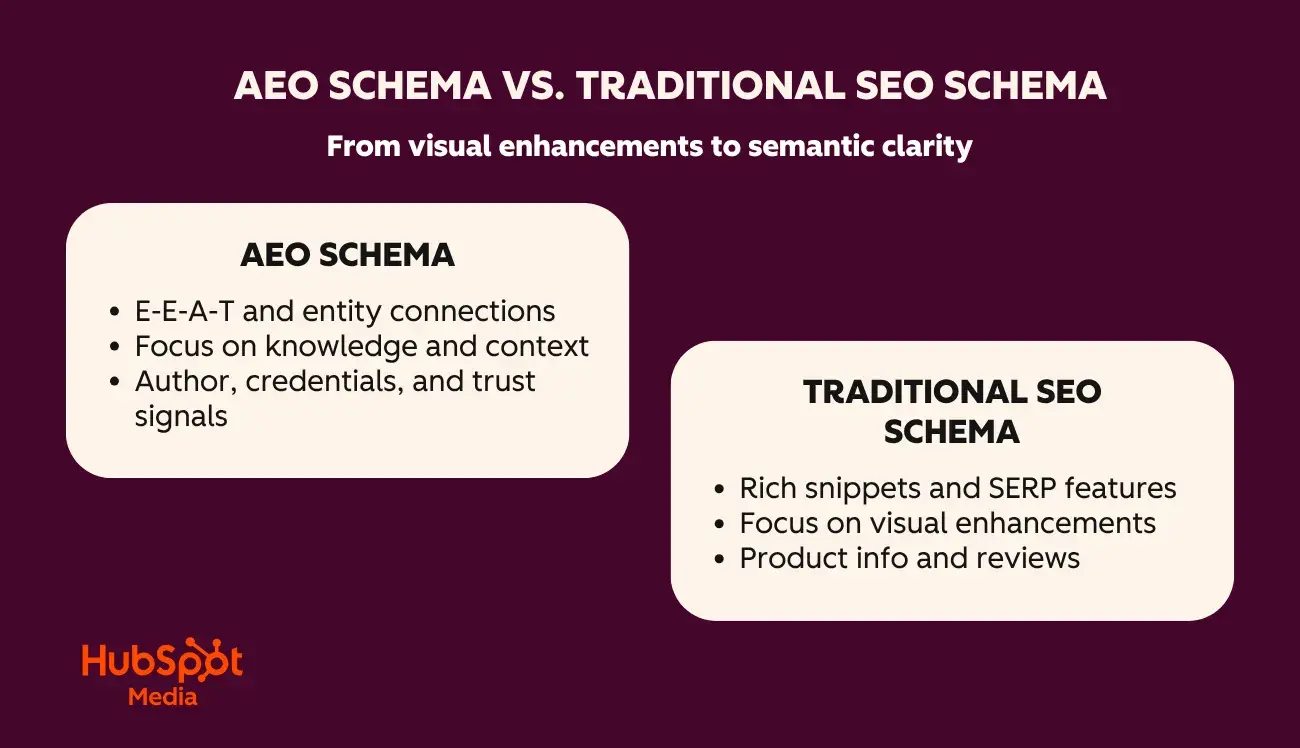
The landscape of online search has undergone a profound transformation, moving beyond traditional keyword matching to semantic understanding. Historically, SEO strategies focused on optimizing for organic rankings through keyword relevance, backlinks, and technical site health. The formalization of schema markup by Schema.org in 2011 initially aimed to generate “rich snippets”—visually enhanced search results displaying direct answers, product ratings, recipes, or event details on Search Engine Results Pages (SERPs). This innovation provided users with immediate, actionable information, improving click-through rates and user experience.

However, the rapid advancements in artificial intelligence and machine learning have propelled search engines into a new era: Answer Engine Optimization (AEO). Google’s escalating emphasis on E-E-A-T (Experience, Expertise, Authoritativeness, and Trustworthiness) since 2018, particularly highlighted in its Search Quality Rater Guidelines, underscored the imperative for content to demonstrate verifiable credibility. In response, publishers began leveraging schema to meticulously describe authors, their credentials, and their connections to authoritative entities, thereby rendering crucial trust signals more machine-readable.
Today, with the proliferation of generative AI in search interfaces—exemplified by Google’s AI Overviews, Microsoft Copilot, and other sophisticated answer engines—the role of schema has expanded dramatically. It is no longer solely about visual enhancements but fundamentally about semantic clarity, entity mapping, and establishing content as a reliable knowledge source for AI systems. These intelligent systems are designed to provide direct answers, concise summaries, and rich contextual information. Their efficacy heavily relies on structured data to accurately parse, interpret, and cite web content. Without robust and well-implemented schema, valuable content risks being overlooked or misinterpreted by these intelligent systems, effectively rendering it “invisible” in the AI-driven search future.
Why Schema Markup is Critical for AI Visibility
Recent industry analyses and extensive testing unequivocally demonstrate a direct correlation between meticulously implemented schema and enhanced visibility within AI-driven search results. Observations indicate that pages featuring well-structured data are significantly more likely to appear in AI-generated summaries and often achieve higher rankings in traditional search results. Conversely, content lacking structured data or exhibiting poorly implemented schema frequently struggles to gain traction in these advanced AI environments. This evidence underscores a crucial distinction: the mere presence of schema is insufficient; its precise, comprehensive, and accurate implementation is paramount.
For instance, initial data gathered by various SEO firms following the rollout of generative AI features in search consistently showed a measurable increase in content being referenced within AI Overviews for websites that had invested in detailed, entity-level schema, linking authors, organizations, and content types. While specific, large-scale statistical data on schema’s direct impact on AI visibility remains an evolving area of research, the overwhelming consensus among leading SEO practitioners supports its profound efficacy. Structured data effectively functions as a universal translator for AI, enabling it to comprehend the intricate nuances and relationships within content that might otherwise remain opaque.
The benefits of schema extend beyond immediate AI visibility. While rich snippets and knowledge panels can materialize swiftly, offering rapid feedback on schema implementation, the deeper, strategic value lies in schema’s capacity for comprehensive entity mapping and the reinforcement of E-E-A-T signals. This long-term advantage, though less immediately quantifiable, builds foundational trust with AI systems. Specialized platforms designed to track content performance across the entire AI search journey—from traditional rankings to visibility within answer engines, copilots, and generative interfaces—are becoming indispensable for monitoring these subtle yet profound impacts.
Key Schema Types for Answer Engine Optimization
Several schema types play a particularly crucial role in optimizing content for AI visibility and understanding. Implementing these correctly can significantly enhance a website’s semantic clarity.
-
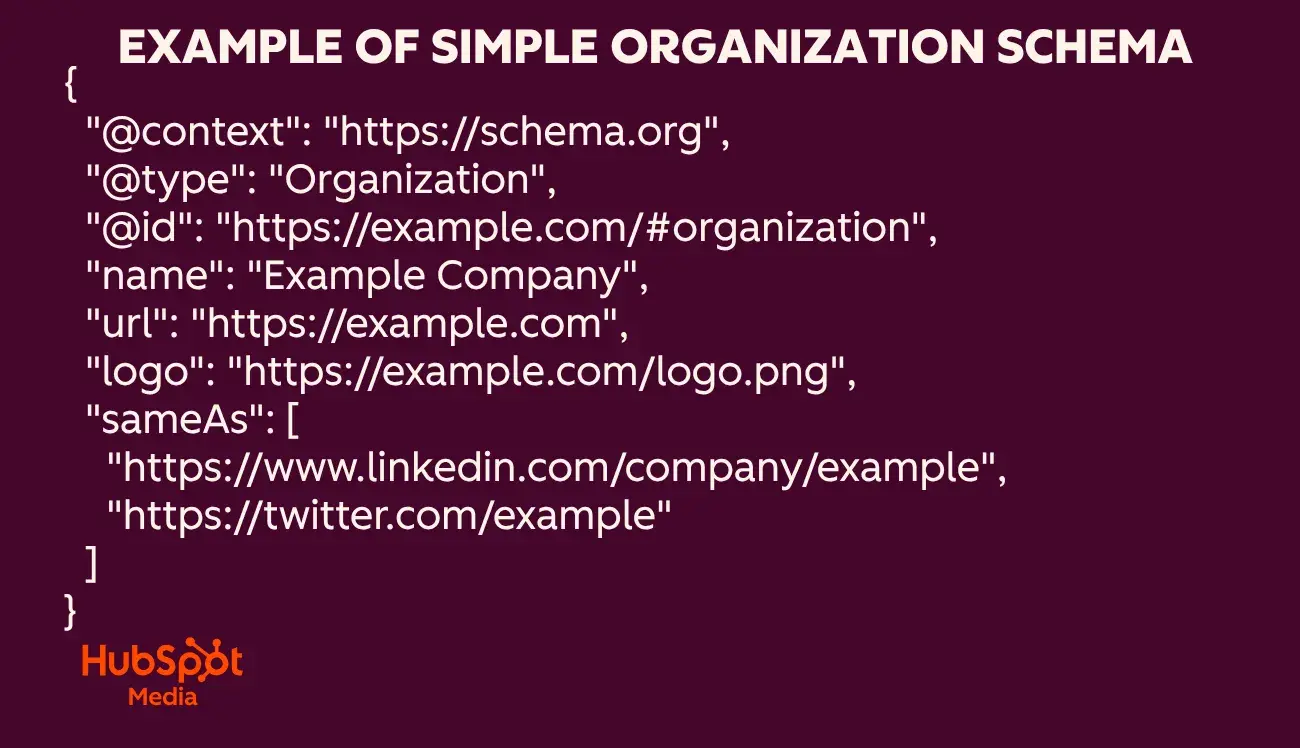
Organization Schema: This fundamental schema type describes a business or brand as a distinct, first-class entity. It is critical for establishing digital identity and authority. For AI systems, Organization schema acts as the definitive source identifier, clarifying who owns and publishes the content. This strengthens attribution signals, a key component of E-E-A-T, and helps AI discern which brands are trustworthy for citation. It defines legal names, alternative names, contact information, social profiles, and business identifiers. When consistently applied, it ensures that an entity is recognized uniformly across diverse datasets and AI interpretations, forming the bedrock of a robust entity graph. A valid Organization schema requires at minimum the
name,url, and@typeproperties. Best practices include additional properties such aslogo,contactPoint,address,foundingDate, andsameAslinks to social media profiles or Wikipedia entries. This anchors all other content to a verifiable, authoritative source. -
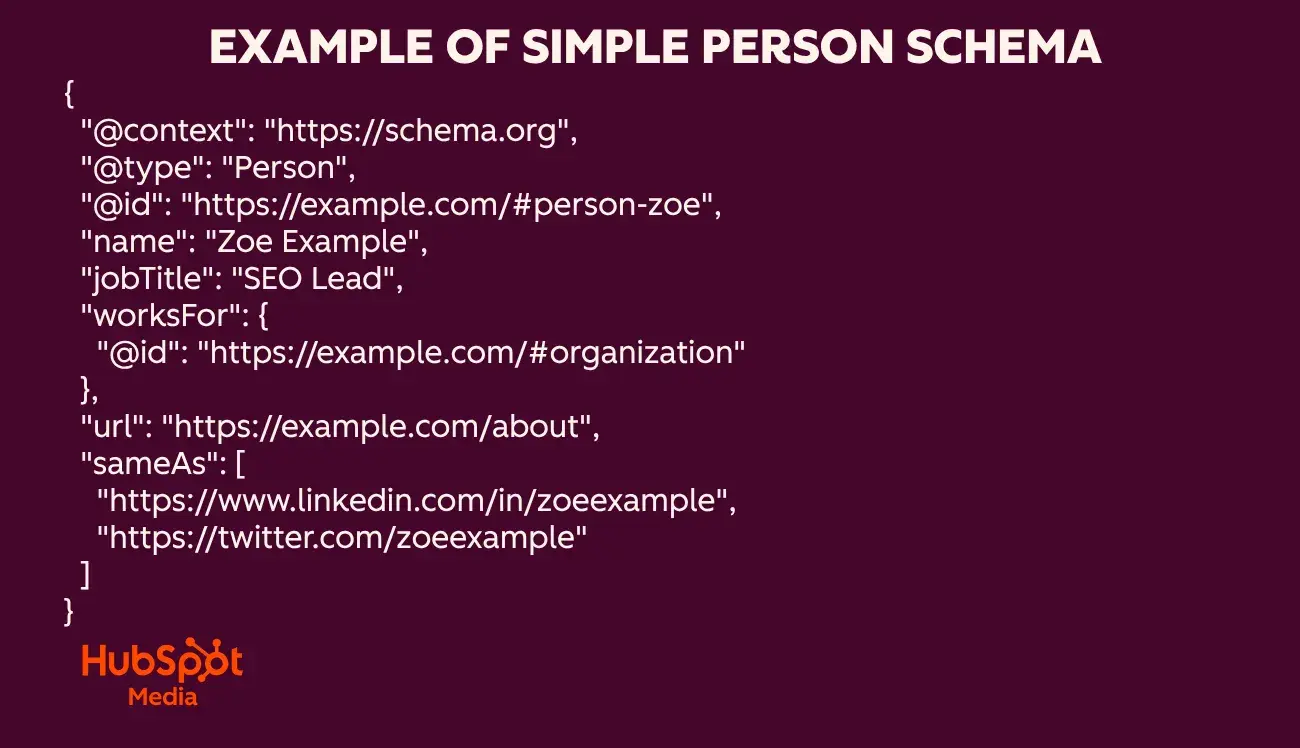
Person Schema: Essential for demonstrating expertise and credibility, particularly for content related to health, finance, or other sensitive topics where E-E-A-T is paramount. Person schema identifies authors, subject-matter experts, and spokespeople, linking them directly to articles and the overarching organization. This helps answer engines ascertain the human source behind information, evaluating their qualifications and trustworthiness. It can include names, job titles, educational backgrounds, and links to professional profiles (e.g., LinkedIn, academic publications) via the
sameAsproperty. This direct association enhances the AI’s confidence in reusing information, especially when the individual possesses recognized expertise in the field. A valid Person schema typically requiresname,@type, and oftenurl. Additional properties likeknowsAbout,alumniOf, andworksForsignificantly bolster E-E-A-T signals.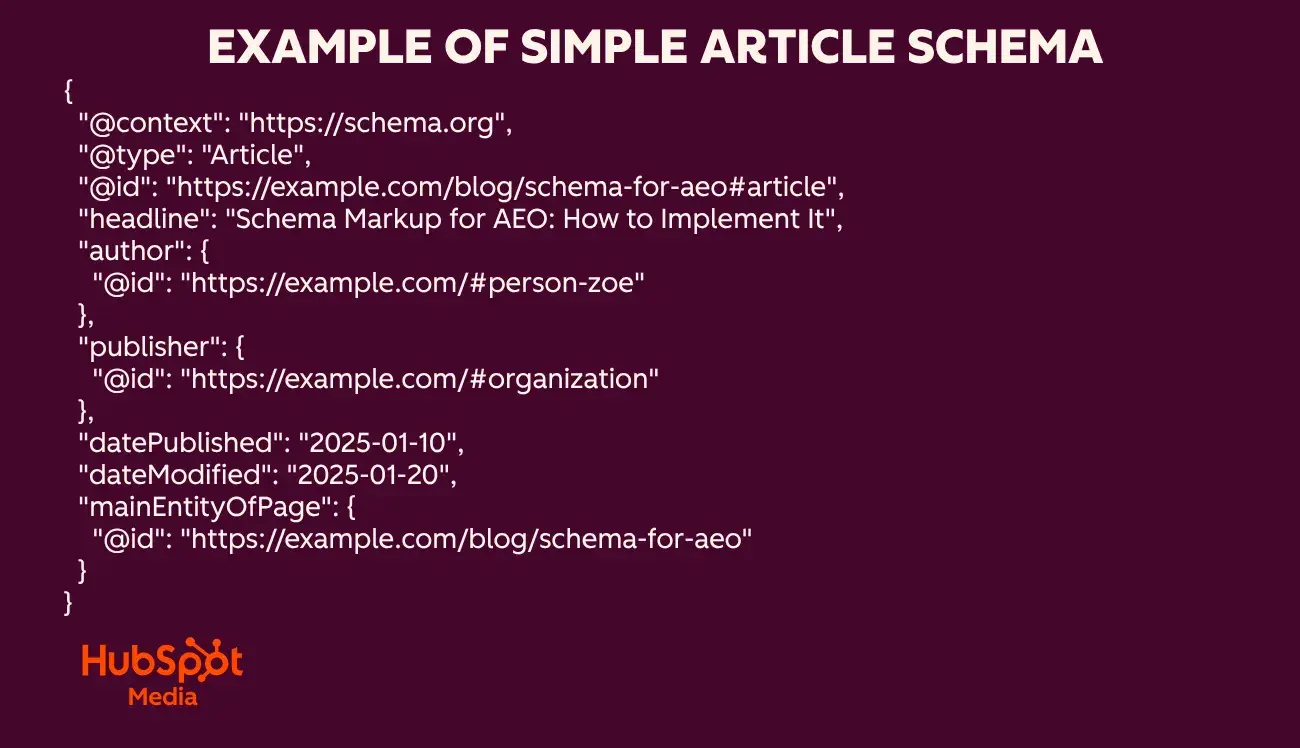
-
Article Schema: This type is fundamental for any publisher of textual content, including blog posts, news articles, and comprehensive guides. Article schema meticulously defines the content’s nature, authorship, publication details, and update history. It marks up crucial elements like headlines, images, publication dates (
datePublished), and modification dates (dateModified). For AI systems, this structured data provides a clear roadmap to the article’s scope and intent, minimizing misinterpretation and ensuring proper attribution. By explicitly linking to Person and Organization entities, Article schema removes ambiguity regarding ownership and expertise, which, as demonstrated by early AI Overview tests, significantly impacts visibility and ranking. Valid Article schema requires@type,headline,image,datePublished,dateModified,author, andpublisher. -
FAQPage Schema: While major search engines have adjusted the display of FAQ rich results for most sites, the underlying value of FAQPage schema for AEO remains significant. It directly addresses the question-and-answer format often sought by users and emulated by answer engines. By explicitly delineating questions and their corresponding answers, this schema makes it exceptionally easy for AI systems to extract precise information for direct answers or summaries. It effectively pre-processes content for AI consumption, enhancing the likelihood of direct reuse. Even without a prominent rich snippet display, the semantic clarity provided to crawlers is invaluable. A valid FAQPage schema requires
mainEntity, which is an array ofQuestionobjects, each withname(the question) andacceptedAnswer(the answer).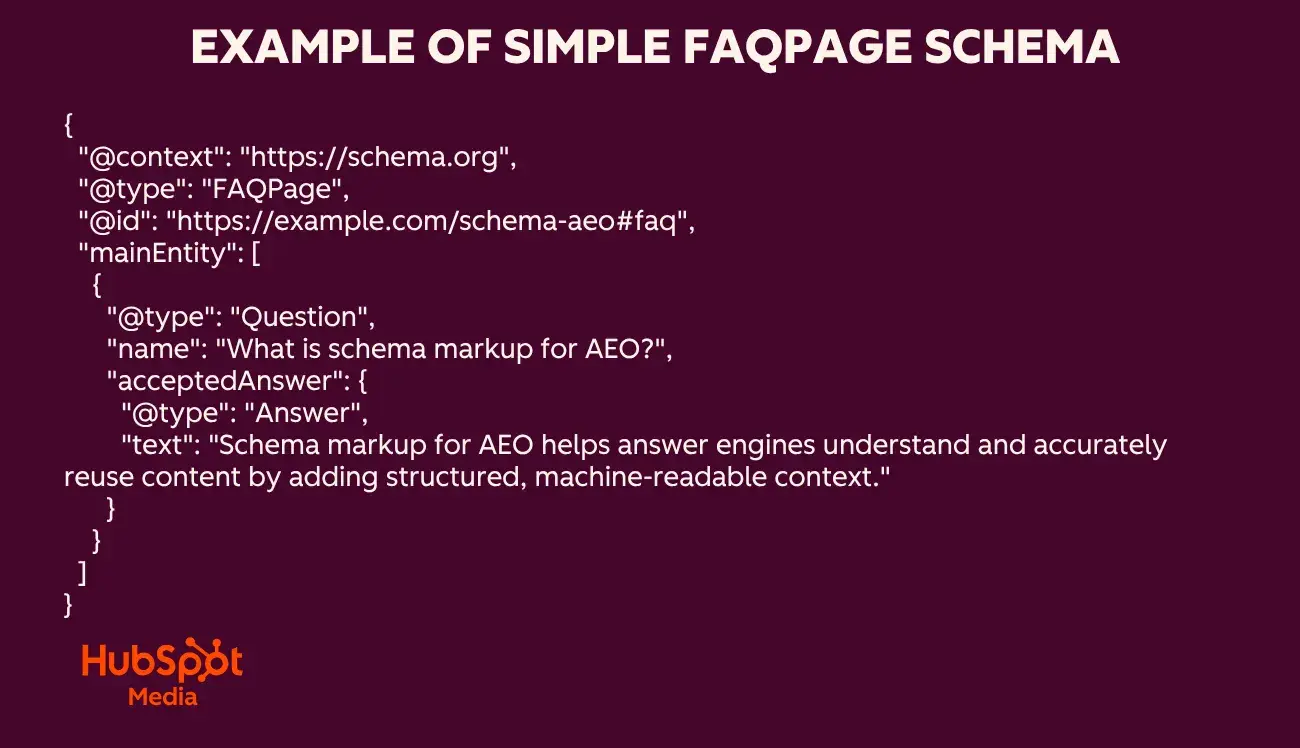
-
Product Schema: Indispensable for e-commerce sites, Product schema provides AI systems with a structured, factual dataset about an item, including its name, description, brand, pricing, availability, and customer reviews. This precise information enables AI to accurately summarize product features, compare offerings, and respond to purchasing queries. The ability to present verifiable product attributes directly to AI systems gives businesses greater control over how their products are represented in AI-generated search results, boosting the chances of accurate and favorable presentation. The inclusion of
offersandaggregateRatingproperties often leads to visible rich results (e.g., star ratings) which enhance traditional SERP appeal. Valid Product schema requiresname,description,sku,brand, andoffers. -
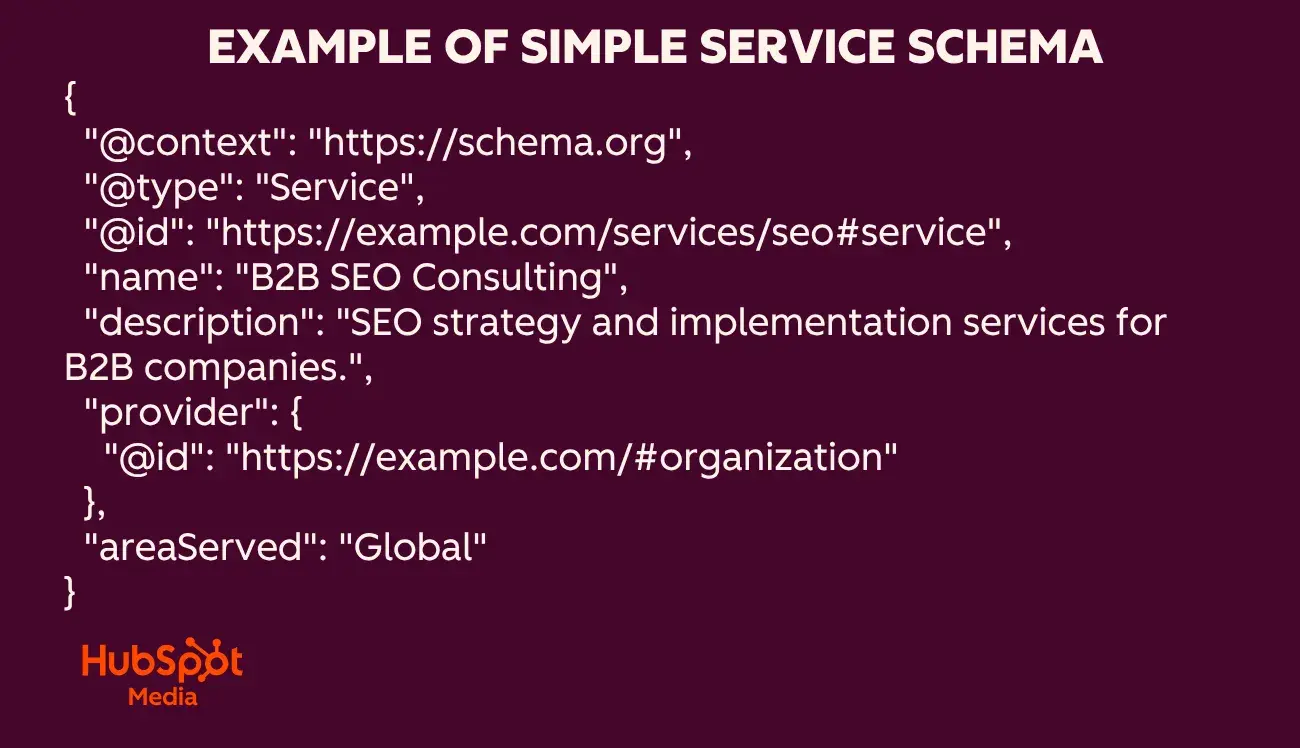
Service Schema: Similar to Product schema, Service schema allows businesses to explicitly define their service offerings for AI systems. This includes the service name, description, provider, and target audience. For professional services, this clarity is crucial for AI to understand what a business provides, its scope, and its unique selling propositions. By structuring this information, businesses can improve how their services are classified and presented in AI search results, making it easier for potential clients to discover and understand their offerings. Valid Service schema needs
name,description, andprovider.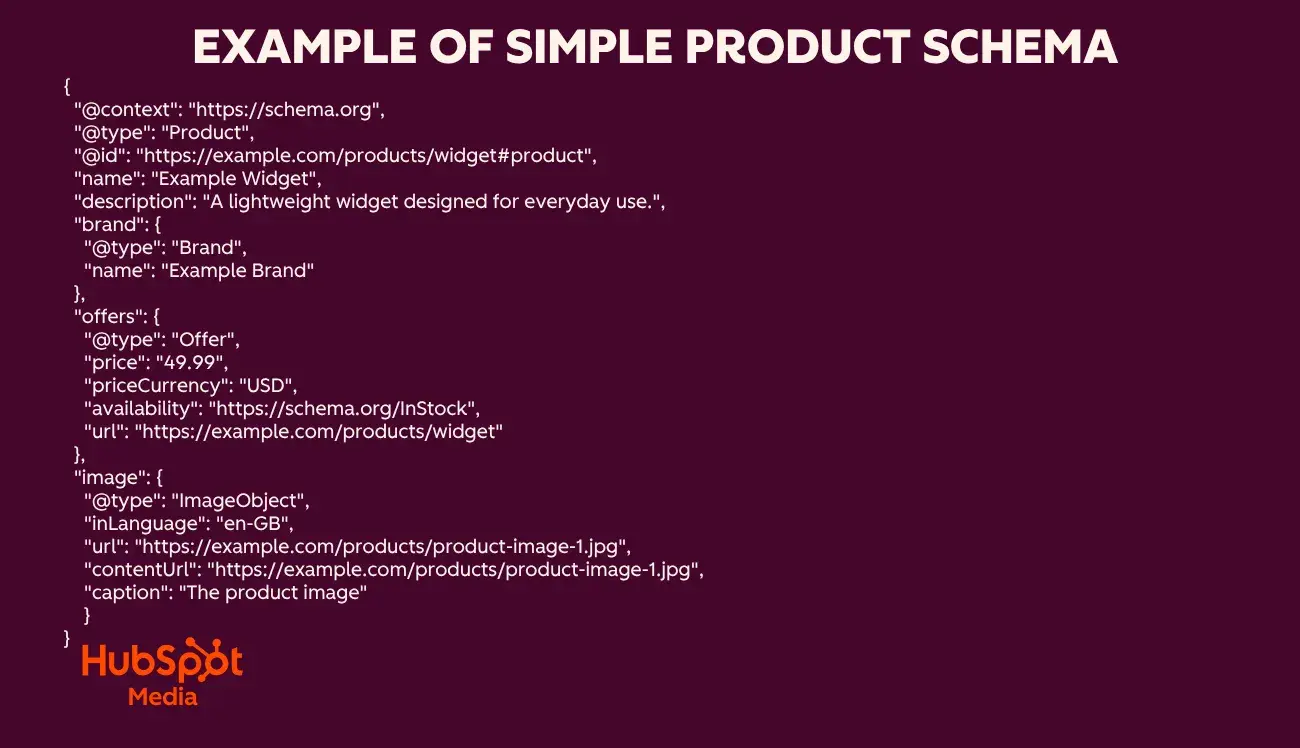
-
BreadcrumbList Schema: Often underestimated, BreadcrumbList schema is a “quiet contributor” that significantly aids both traditional SEO and AEO by reinforcing site structure. It provides a clear navigational path, allowing AI crawlers to understand the hierarchical relationship between pages and how content fits into the broader website architecture. This contextual understanding helps AI systems accurately categorize content and grasp its relative importance within the site, especially on large or complex websites. It also contributes to a better user experience by showing users their current location within the site. Valid BreadcrumbList schema requires an
itemListElementarray, with each item havingposition,name, anditem.
Structuring Your Entity Graph for AEO
An entity graph represents a connected, semantic map of a website’s information, linking all related entities—such as the organization, its services, articles, people, and locations. Unlike isolated schema blocks, which function like