

In the dynamic landscape of digital marketing, the strategic integration of social proof within email campaigns has emerged as an indispensable tool for businesses aiming to bolster engagement, cultivate trust, and ultimately, drive higher conversion rates. This approach, rooted in fundamental psychological principles, capitalizes on the human tendency to conform to the actions and opinions of others, thereby validating purchase decisions and encouraging interaction across various stages of the customer journey. From initial sign-up forms to post-purchase engagement, the systematic deployment of verifiable endorsements, reviews, and user data demonstrably amplifies the efficacy of email marketing strategies.
The Psychological Bedrock: Understanding Social Proof
At its core, social proof is a psychological phenomenon where people assume the actions of others in an attempt to reflect correct behavior for a given situation. Pioneered by psychologist Robert Cialdini in his seminal work "Influence: The Psychology of Persuasion," this principle asserts that individuals are more likely to adopt a belief or undertake an action if they see many other people doing it. This inclination is particularly pronounced in situations of uncertainty, where individuals lack direct knowledge or experience and thus look to peers, experts, or even strangers for guidance.
The mechanism behind social proof is multifaceted, drawing on several cognitive biases. One primary driver is the reduction of perceived risk. When a potential customer sees that others have successfully used a product or service, it mitigates their apprehension about making a poor choice. Secondly, it taps into the "Fear Of Missing Out" (FOMO), where the prospect of being excluded from a positive experience that others are enjoying can be a powerful motivator. This collective validation acts as a powerful shortcut for decision-making, allowing individuals to bypass extensive personal research by relying on the collective wisdom of the crowd. In an increasingly noisy digital environment, where consumers are bombarded with marketing messages, authentic social proof cuts through the clutter, offering a credible third-party endorsement that resonates far more powerfully than self-promotional claims.
A Historical Perspective: The Evolution of Trust and Endorsement
The concept of social proof is far from new, though its digital manifestations have transformed its application. Historically, word-of-mouth recommendations from friends and family constituted the most potent form of social proof. Businesses relied on community reputation and local endorsements. The advent of mass media brought celebrity endorsements, where the perceived status and influence of public figures were leveraged to sway consumer opinion. However, these early forms often lacked the scalability and immediate verifiability that modern digital platforms provide.
The internet era ushered in a new paradigm. Early e-commerce platforms like Amazon quickly recognized the power of customer reviews, allowing buyers to rate products and share their experiences. Online forums and communities further amplified peer-to-peer recommendations. The rise of social media platforms in the 21st century democratized influence, giving rise to user-generated content (UGC) and micro-influencers, whose authenticity often resonated more deeply than traditional celebrity endorsements. As email marketing matured, becoming a sophisticated channel for nurturing leads and driving sales, marketers began to systematically integrate these diverse forms of digital social proof. What started as simple "as seen on TV" badges evolved into dynamic, personalized displays of customer satisfaction, data-backed popularity, and expert validation, strategically placed at critical touchpoints within the email marketing funnel.
Empirical Evidence: The Quantifiable Impact of Social Proof
Numerous studies and industry analyses consistently underscore the profound impact of social proof on consumer behavior and marketing performance. Research indicates that a significant majority of consumers – often cited around 88% to 92% – trust online reviews as much as personal recommendations from friends or family. This statistic alone highlights the immense power of digital endorsements in shaping purchasing decisions.
Specifically within email marketing, the inclusion of social proof elements has been shown to yield tangible improvements in key metrics:
- Increased Click-Through Rates (CTR): Emails featuring testimonials, star ratings, or user counts often see higher CTRs as recipients are more compelled to explore offerings validated by others.
- Enhanced Conversion Rates: For e-commerce and lead generation, social proof in promotional emails can significantly boost conversion rates, with some studies reporting increases of 10-15% or more when proof is strategically placed near calls-to-action.
- Improved Open Rates: While less direct, a strong brand reputation built through consistent social proof can indirectly lead to higher open rates as subscribers learn to trust the sender’s content.
- Reduced Cart Abandonment: Integrating customer reviews or user activity in abandoned cart recovery emails has proven effective in reminding potential buyers of the product’s value and popularity, prompting them to complete their purchase.
- Higher Customer Lifetime Value (CLTV): By fostering trust and encouraging initial purchases, social proof contributes to customer satisfaction and loyalty, leading to repeat business and a higher CLTV.
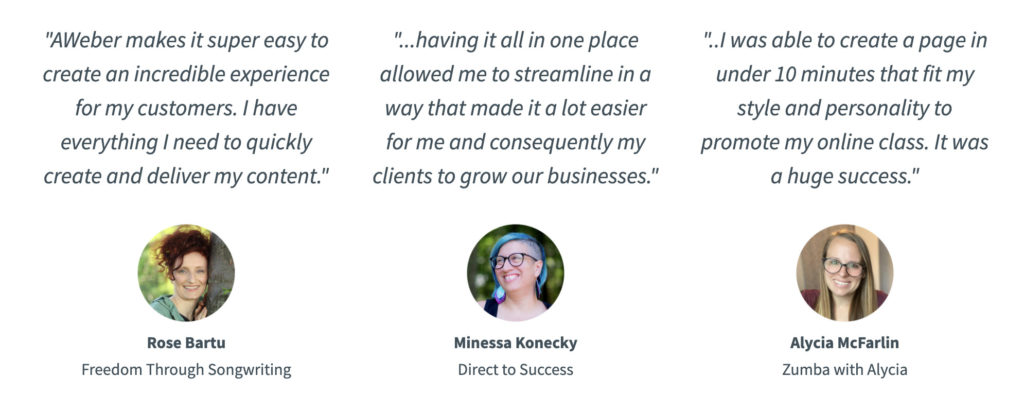
For instance, an analysis by AWeber, a prominent email marketing platform, demonstrates how the judicious use of testimonials showcasing specific customer successes—such as achieving a "6-figure Etsy shop" or paying off student loans—provides concrete evidence of value, far more persuasive than abstract claims. This data-driven approach underscores that social proof is not merely a "nice-to-have" but a strategic imperative for any business leveraging email as a core communication and sales channel.
Diverse Manifestations: Types of Social Proof for Email Marketing
The spectrum of social proof available to marketers is broad, each type offering unique advantages when integrated into email campaigns:
-
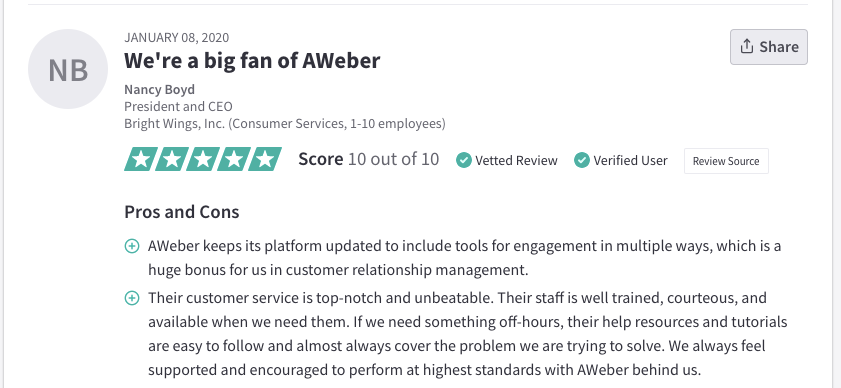
Customer Reviews: These are spontaneous, publicly shared opinions from customers on third-party platforms like Trustpilot, Google Reviews, Yelp, Amazon, or even industry-specific review sites. Their power lies in their perceived impartiality and volume. For email, snippets of highly-rated reviews or aggregated star ratings can be particularly effective.
-
Testimonials: Distinct from reviews, testimonials are solicited endorsements, often collected directly by the business. They are typically more structured, allowing the business to highlight specific benefits or success stories. Including a photo, name, and title of the customer significantly enhances credibility.
-
Case Studies: These provide an in-depth narrative of a customer’s journey, detailing their initial problem, how the product or service offered a solution, and the measurable results achieved. Case studies are particularly potent for high-value products or B2B services, serving as compelling evidence of ROI and expertise. In emails, a summary with a link to the full case study can pique interest.
-
Customer Data and Metrics: Quantifiable proof, such as "join 25,000 subscribers," "trusted by 300,000 creators," "4.8/5 stars from 2,000 reviews," or "over $1 million in sales generated." These numbers provide immediate, undeniable evidence of popularity and satisfaction, appealing to the desire to align with popular trends.
-
Social Media Feedback: Screenshots of positive posts, comments, or shout-outs from real users on platforms like X (formerly Twitter), Instagram, or Facebook offer raw, authentic endorsements. This type of proof is relatable and showcases genuine enthusiasm.
-
Expert and Influencer Endorsements: Recommendations from recognized authorities, industry leaders, or relevant influencers lend significant credibility. Their audience trusts their judgment, and their endorsement transfers that trust to the product or service. The key is to select influencers whose values align with the brand and whose audience is relevant.
-
Award and Trust Badges: Logos from industry awards, certifications (e.g., ISO, GDPR compliance), security badges (e.g., SSL certificates), or "best of" lists from reputable publications. These signal quality, trustworthiness, and adherence to standards, which are particularly important for sensitive transactions or complex products.
-
User-Generated Content (UGC): Photos, videos, or creative works produced by customers showcasing themselves using or interacting with the product. UGC is incredibly authentic and fosters a sense of community, demonstrating real-world application and satisfaction.
For nascent businesses lacking a substantial review base, initiating with customer data ("join 500 subscribers") or proactively seeking short, one-line testimonials from early adopters can be an effective starting point. The emphasis should always be on acquiring credible, authentic voices rather than a sheer volume of potentially unverified claims.
Strategic Integration: Where to Deploy Social Proof in Email Campaigns
The effective deployment of social proof is not merely about its inclusion but its strategic placement within the customer’s email journey. Each touchpoint offers a unique opportunity to reinforce trust and encourage action.
-
Adjacent to Signup Forms and Landing Pages: Before a prospect even enters the email funnel, social proof can significantly influence their decision to subscribe. Placing a compelling testimonial or customer statistic directly above or beside the signup form addresses the critical question: "Is this worth my inbox?" A testimonial specifically praising the value of the newsletter itself, ideally with a picture and credentials, can dramatically increase subscription rates. Platforms like AWeber’s AI Signup Form Builder facilitate this by allowing seamless integration of such elements.
-
Within the Welcome Email Series: The initial welcome email or a subsequent message in the onboarding series is a prime location to solidify a new subscriber’s decision and set expectations. By including a different, yet equally powerful, review or testimonial than seen on the signup form, businesses can reinforce the value proposition and encourage continued engagement. This early reinforcement helps establish a foundation of trust and reduces the likelihood of immediate unsubscribes.
-
Paired with Every Sales Pitch in Promotional Emails: Promotional emails convert significantly better when product or service claims are substantiated by external validation. When promoting a course, for example, including a testimonial that highlights a specific, tangible outcome (e.g., "I paid off my student loans eight months after finishing this course") is far more convincing than generic praise. For higher-ticket items, an entire email could be structured around a customer success story, acting as a mini-case study that demonstrates problem-solution-result.
-
Leveraging Trust Badges for Referral Programs: Social proof can also fuel organic growth through referrals. By incorporating trust badges, industry awards, or certifications into emails that encourage sharing ("forward this to a friend"), businesses empower subscribers. People are more inclined to share content when doing so enhances their own credibility or provides value to their network, and authoritative badges lend that weight.
-
Rescuing Abandoned Carts with Proof and Empathy: Abandoned cart emails are a critical re-engagement tool. Beyond simply reminding a customer of their pending purchase, integrating a concise, impactful piece of social proof can tip the scales. A short, positive customer review, or even a humorous social media shout-out about the product, can re-establish its appeal, lower buying friction, and encourage the customer to complete their transaction. The aim is to remind them of what they almost acquired and why others love it.
Expert Insights and Ethical Considerations
Leading marketing strategists emphasize that while the power of social proof is undeniable, its effectiveness hinges on authenticity and relevance. "The digital consumer is increasingly savvy," notes Dr. Evelyn Reed, a digital psychology expert. "They can discern genuine enthusiasm from manufactured hype. Therefore, any social proof presented must be verifiable, transparent, and directly relevant to the product or service being promoted." This means avoiding generic or vague testimonials and instead focusing on specific, outcome-oriented feedback.
Ethical considerations are paramount. Businesses must ensure that all reviews and testimonials are legitimate and obtained ethically. The practice of fabricating reviews or selectively curating only overwhelmingly positive feedback without acknowledging legitimate criticisms can erode trust and damage brand reputation in the long term. Transparency about how reviews are collected and displayed is crucial for maintaining credibility.
Furthermore, the type of social proof should align with the audience and the product. For a technical B2B product, expert endorsements or detailed case studies might be more persuasive, whereas for a consumer good, user-generated content or star ratings from a large base of customers could be more impactful. Personalization, driven by data analytics, will increasingly allow marketers to present the most relevant form of social proof to individual subscribers based on their previous interactions and demographic profiles.
Broader Impact and Future Implications
The pervasive integration of social proof within email marketing has significant implications for both businesses and consumers. For businesses, it translates into a more efficient marketing spend, improved conversion funnels, and a stronger, more resilient brand image built on genuine customer advocacy. It allows smaller businesses to compete more effectively by showcasing authentic customer experiences, democratizing the playing field against larger competitors who might rely more on brand recognition alone.
For consumers, the prevalence of social proof fosters a more informed decision-making process. By providing readily accessible evidence of product performance and customer satisfaction, it reduces purchase anxiety and empowers individuals to make choices aligned with their needs and expectations. In an era of information overload, trusted peer recommendations become invaluable filters.
Looking ahead, the evolution of social proof in email marketing will likely be influenced by advancements in artificial intelligence and interactive content. AI could personalize the type and placement of social proof for each individual subscriber, optimizing for maximum impact. Interactive email elements might allow subscribers to directly engage with review snippets or even watch short video testimonials without leaving their inbox. The trend towards hyper-personalization and rich media will undoubtedly shape the next generation of social proof strategies, making it an even more integral component of effective email campaigns.
In conclusion, social proof is not merely a marketing tactic; it is a fundamental pillar of trust-building in the digital age. Its strategic application within email marketing, leveraging diverse forms from customer reviews to expert endorsements, demonstrably enhances engagement, accelerates conversions, and solidifies brand loyalty. By understanding its psychological underpinnings, embracing its varied manifestations, and integrating it thoughtfully across the customer journey, businesses can transform their email communications from mere messages into powerful, persuasive narratives of collective satisfaction and success.








