

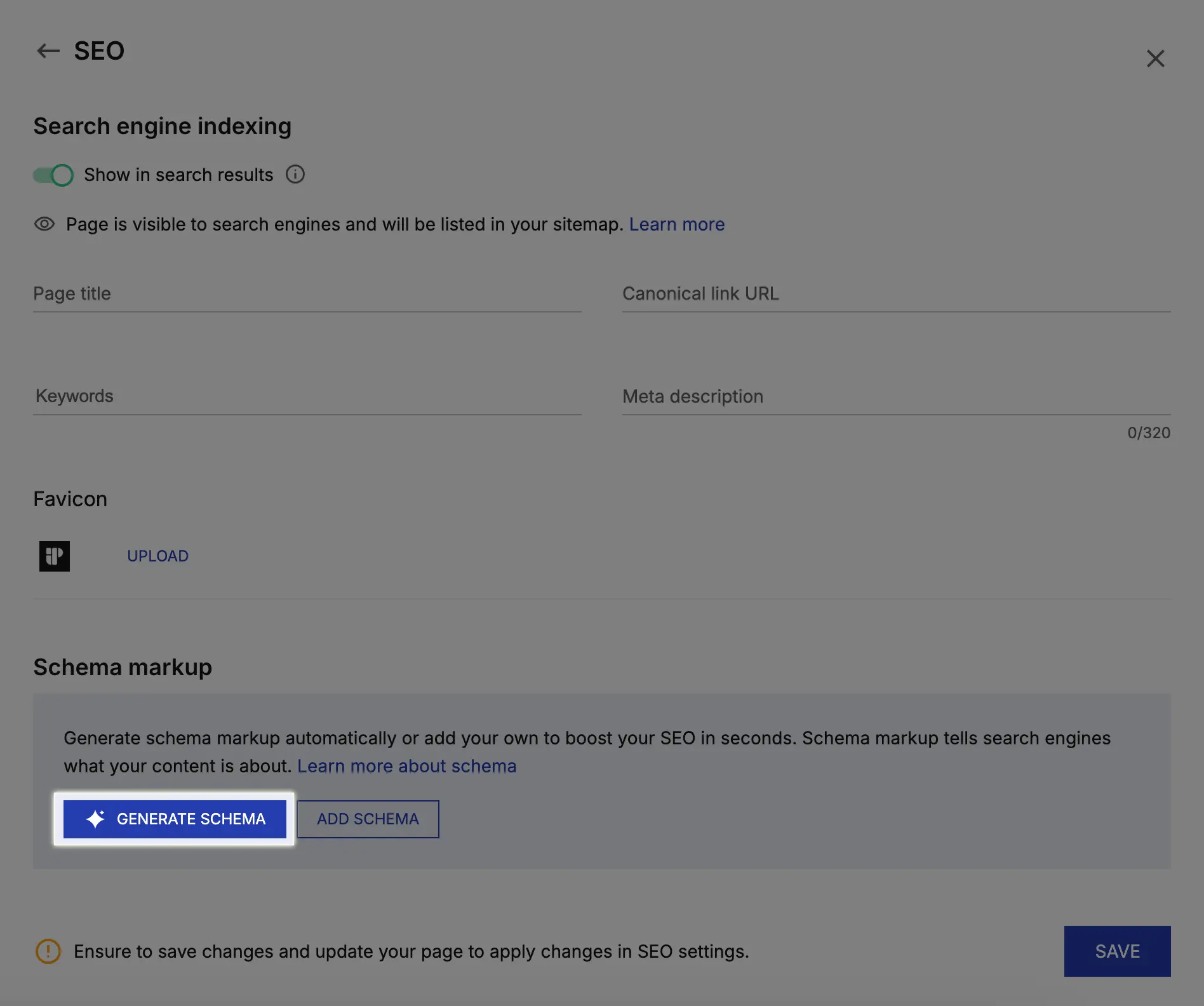
The digital marketing landscape is currently undergoing a seismic shift as traditional search engines evolve into sophisticated AI-driven answer engines. In response to this transition, Instapage, a leading platform in landing page optimization, has announced the release of a comprehensive Schema Markup feature designed to bridge the gap between human-centric design and machine-readable data. This new functionality allows marketers to generate, validate, and deploy structured data directly within their landing page settings, utilizing artificial intelligence to eliminate the technical hurdles that have historically sidelined non-technical marketing teams.
As global marketing budgets face increased scrutiny and tightening constraints, the emphasis on organic growth and search visibility has reached an all-time high. The emergence of AI-generated answers, such as Google’s Search Generative Experience (SGE) and platforms like Perplexity AI, has changed the criteria for digital success. In this new era, the brands capturing the most valuable digital real estate are no longer merely those with the largest advertising spend, but rather those that provide the clearest signals to search algorithms. Structured data, or schema markup, serves as the primary language for these signals, providing the necessary context for AI systems to interpret the content of a page with high precision.
The Evolution of Search and the Necessity of Structured Data
To understand the significance of Instapage’s latest update, one must look at the historical trajectory of Search Engine Optimization (SEO). In the early days of the web, search engines relied heavily on keyword density and backlink profiles to determine relevance. However, as the internet grew in complexity, search engines needed a more nuanced way to understand the relationships between concepts, people, and products. This led to the creation of Schema.org in 2011, a collaborative project by Google, Bing, Yahoo!, and Yandex to create a universal vocabulary for structured data.
Despite its importance, schema markup has remained a bottleneck for many organizations. Implementing JSON-LD (JavaScript Object Notation for Linked Data), the preferred format for schema, typically requires specialized coding knowledge or the intervention of a web development team. For performance marketers running dozens or hundreds of landing pages, the "back-and-forth" with developers often results in schema being neglected entirely. Instapage’s integration aims to democratize this technical SEO requirement by leveraging AI to handle the heavy lifting of code generation.
Technical Overview of the Instapage Schema Markup Feature
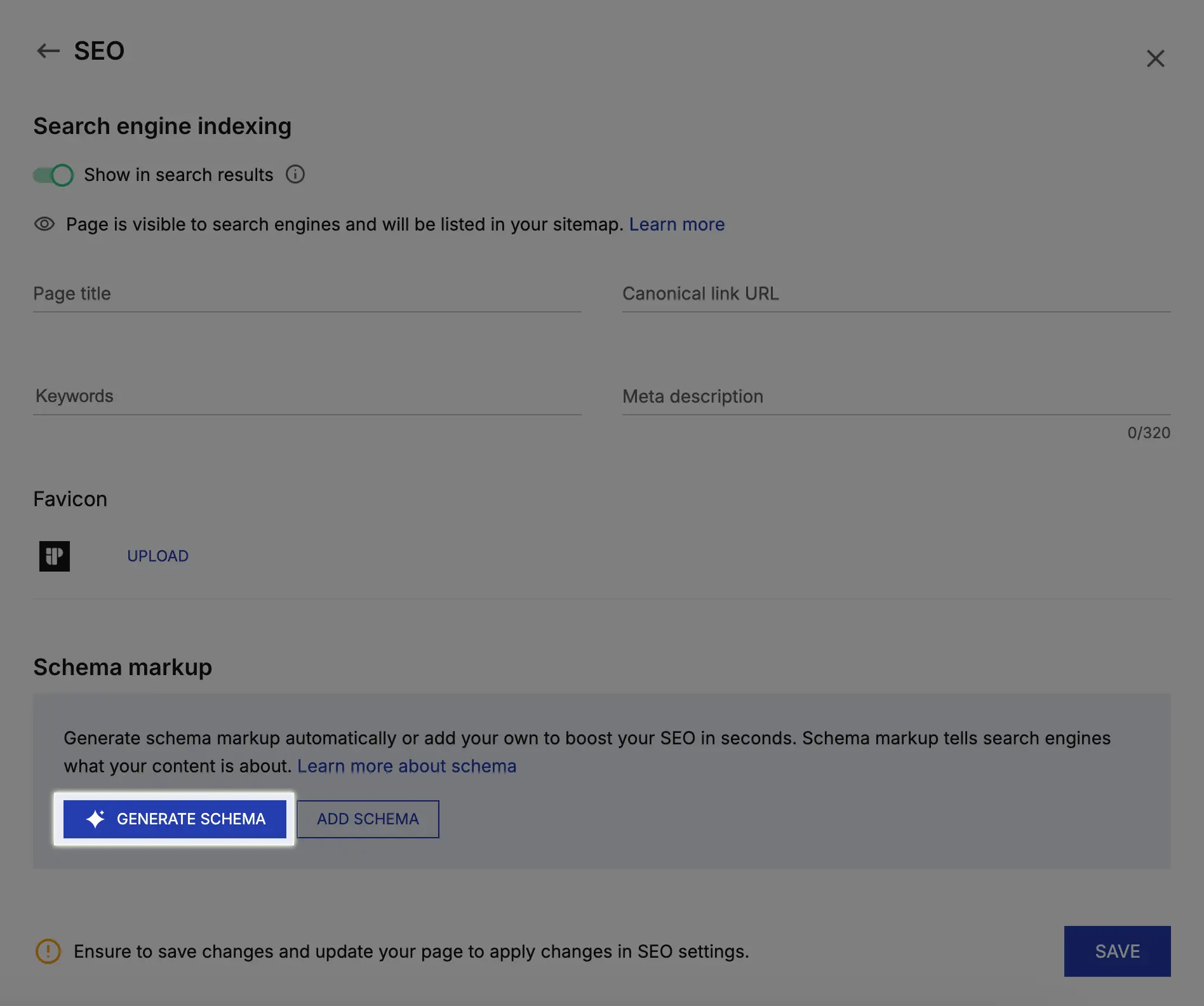
The newly integrated tool is built directly into the Instapage SEO settings panel, providing a streamlined workflow for users. The process begins with the selection of a schema type. Instapage supports a wide array of the most impactful schema categories, including Organization, Person, Product, LocalBusiness, Event, and FAQPage. These categories cover the vast majority of use cases for lead generation and e-commerce landing pages.
For users who are uncertain about which schema type best suits their content, the platform includes an "Auto-detect" option. This feature uses an AI-driven analysis of the page’s existing text, images, and headers to suggest the most appropriate structured data. Once a type is selected or detected, the AI generates the corresponding JSON-LD markup. Before the code is live, the tool provides a validation step to ensure the data meets the stringent requirements of search engine crawlers, thereby preventing errors that could lead to search engine penalties or "invisible" pages.

The final step is the publication of the markup, which occurs automatically the next time the page is updated. For advanced users who require granular control, the platform still allows for manual editing of the JSON-LD code, providing a hybrid approach that serves both novice marketers and seasoned technical SEO specialists.
Strategic Implications for Digital Marketing Teams
The move by Instapage reflects a broader trend in the MarTech industry: the shift toward "No-Code" and "Low-Code" solutions that empower marketing teams to execute complex technical tasks independently. In an environment where speed-to-market is a competitive advantage, the ability to implement schema in under five minutes represents a significant operational improvement.
Industry analysts suggest that the impact of structured data on click-through rates (CTR) can be substantial. According to various SEO studies, pages with rich snippets—enhanced search results made possible by schema—can see an increase in CTR of up to 30% compared to standard blue-link results. By providing search engines with specific details like product pricing, review ratings, event dates, and frequently asked questions, brands can dominate the search results page even if they are not in the top organic position.
Furthermore, as AI assistants like ChatGPT and Claude increasingly browse the live web to answer user queries, they rely on structured data to verify facts. If an AI assistant is asked for the "best local marketing agency" or the "next available webinar on SaaS growth," it is far more likely to recommend a page that has clearly defined LocalBusiness or Event schema. Instapage’s update ensures that its users’ landing pages are not just fast and aesthetically pleasing, but also "AI-ready."
Supporting Data and Market Context
The release comes at a time when the search landscape is more volatile than ever. Recent data from marketing research firms indicates that nearly 50% of all searches now result in "zero-clicks," meaning the user finds the answer they need directly on the search results page without clicking through to a website. While this may seem counterintuitive to a marketer’s goals, the reality is that being the source of that information—via a featured snippet or an AI-generated answer—is the only way to maintain brand authority in a zero-click environment.
Furthermore, the cost of customer acquisition (CAC) through paid channels has risen steadily over the last three years. This has forced brands to look toward "evergreen" organic strategies. Structured data is a high-leverage component of these strategies because it improves the efficiency of search engine crawling. When a crawler understands a page’s content immediately through schema, it uses less "crawl budget," allowing search engines to index updates more frequently and accurately.
Chronology of Product Development
The introduction of Schema Markup is the latest in a series of AI-centric updates from Instapage. Over the past 18 months, the company has aggressively integrated artificial intelligence into its core offering:
- Late 2022: Instapage introduced AI Content Generation, allowing users to write and test headlines and body copy using large language models.
- Mid 2023: The launch of AI-driven heatmaps and experiment suggestions provided users with data-backed insights into user behavior.
- Early 2024: The platform focused on performance infrastructure, ensuring that landing pages met Google’s Core Web Vitals requirements.
- Current Release: The Schema Markup feature represents the final piece of the "technical SEO" puzzle, ensuring that pages are as readable to machines as they are to humans.
Reactions from the Industry and Marketing Community
While Instapage has not released formal statements from third-party partners, the reaction among digital marketing professionals on social media and industry forums has been largely positive. SEO consultants have noted that the "Auto-detect" feature is particularly valuable for agencies managing high volumes of client pages where manual schema audits are time-prohibitive.
"The biggest hurdle for structured data has always been the implementation gap," says one independent SEO strategist. "You can have the best SEO strategy in the world, but if the developer queue is six weeks long, you’re losing money every day. Moving that capability into the hands of the person actually building the landing page is a game-changer for mid-market and enterprise teams alike."
Conclusion and Future Outlook
The integration of AI-powered Schema Markup by Instapage is more than just a feature update; it is a recognition of the changing nature of the internet. As we move toward a "Semantic Web" where the meaning of data is as important as the data itself, tools that facilitate clear communication between websites and AI systems will become indispensable.
For businesses, the implications are clear: the barrier to entry for high-level technical SEO has been lowered. Companies that leverage these tools today are likely to see a compounding advantage in visibility as AI search engines continue to gain market share. As marketing budgets remain tight, the ability to drive organic growth through better machine-readability offers a sustainable path forward in an increasingly automated digital economy.
Instapage has made the Schema Markup feature available across all its plans, signaling a commitment to making these advanced SEO tools a standard part of the landing page creation process. With a free 14-day trial currently offered to new users, the company is positioned to capture a larger share of the performance marketing market by solving one of the most persistent technical challenges in the industry.







