
 rifanmuazin
In the dynamic realm of digital marketing, particularly Search Engine Optimization (SEO), the most impactful strategies are invariably rooted in robust data. For business owners and marketers, making decisions based on anything less than empirical evidence is a perilous endeavor, potentially leading to significant financial losses. Conversely, well-informed decisions, guided by solid data, can be transformative, unlocking substantial growth and competitive advantages. This article delves into five practical and definitive SEO A/B tests that businesses can implement immediately to drive increased website traffic, moving beyond theoretical discussions to actionable strategies.
Understanding SEO A/B Testing: A Data-Centric Approach
SEO A/B testing, also known as split testing, is a methodical process designed to evaluate the impact of specific changes to web pages on organic search traffic. This involves testing variations of elements such as title tags, meta descriptions, and content in isolation to accurately measure their effect on search engine performance. The primary objective is to discern which strategies are effectively enhancing a website’s SEO performance and which are not.

While Google’s algorithm remains a complex and ever-evolving entity, and its daily updates introduce an element of unpredictability, SEO A/B testing, when executed within a well-defined framework with meticulous tracking, can yield significant benefits. These benefits extend to boosting top-line traffic, improving conversion rates, and ultimately, increasing revenue. The process, though not always yielding immediate results due to the inherent nature of SEO, provides a crucial data-driven pathway to optimizing online presence.
The Genesis of A/B Testing in Digital Marketing
The concept of A/B testing itself is not new, having roots in traditional marketing and product development. However, its application in the digital space, particularly for website optimization, gained significant traction with the rise of analytics platforms. Early pioneers in online marketing recognized the need for empirical validation of hypotheses, moving away from subjective opinions towards measurable outcomes. As search engines became a primary driver of website traffic, the application of A/B testing to SEO elements became a logical and necessary evolution. The ability to isolate variables and measure their direct impact on metrics like click-through rates (CTR) and organic traffic provided marketers with unprecedented insights.
Five Actionable SEO A/B Tests for Immediate Implementation
While shared SEO knowledge provides a valuable foundation, these five A/B tests move beyond theory to offer empirically validated strategies for enhancing website rankings and driving organic traffic.
- Title Tag Variation: The Gateway to Click-Throughs
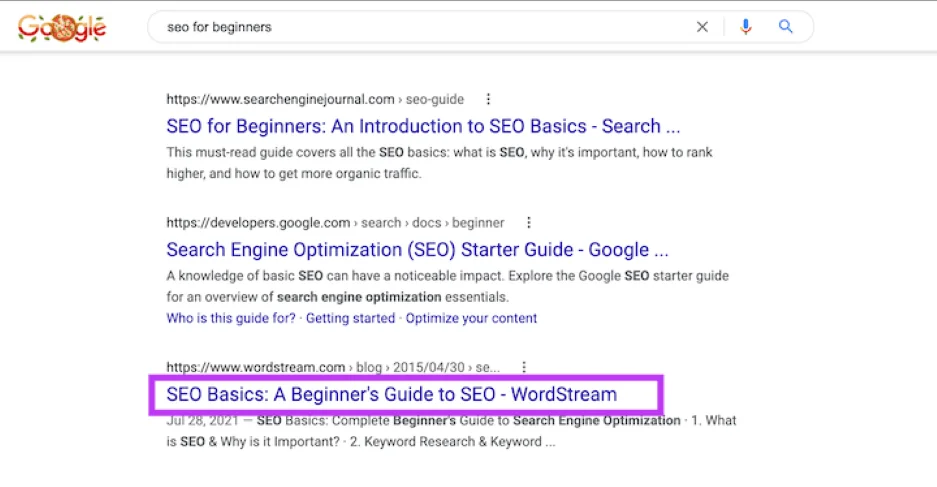
Title tags are often the first interaction a potential visitor has with a website in the search engine results page (SERP). Their importance cannot be overstated, as they directly influence the click-through rate (CTR), a metric that Google considers when assessing page relevance and user engagement. A recent comprehensive study by Backlinko, analyzing over four million Google search results, provided crucial data on the impact of ranking position on CTR:
- Position 1: 31.7% CTR
- Position 2: 17.7% CTR
- Position 3: 11.0% CTR
- Position 4: 8.1% CTR
- Position 5: 6.1% CTR
While it is acknowledged that pages ranking lower on the SERP naturally experience lower CTRs, an uninspired or irrelevant title tag can significantly exacerbate this decline. Conversely, a compelling and accurately descriptive title tag can not only attract more clicks but also help a page rank higher by signaling its relevance to both users and search engines. This dual benefit makes title tag optimization a high-impact A/B testing opportunity.
Executing a Title Tag A/B Test:
- Page Group Selection: Identify a group of semantically related pages on your website that receive sufficient traffic for meaningful analysis. This could include product pages, blog posts, category pages, or pillar pages. Crucially, divide these pages into two statistically similar groups: a control group and a variant group.
- Title Variation Creation: The core of this test lies in modifying only the title tags for the variant group. For instance, if the control group title is "Best SEO Tools," the variant group could feature titles like "Top 10 SEO Tools for 2024: Boost Your Rankings" or "Unlock SEO Success with These Essential Tools." The new title should continue to target the primary keyword while aiming for increased appeal and clarity.
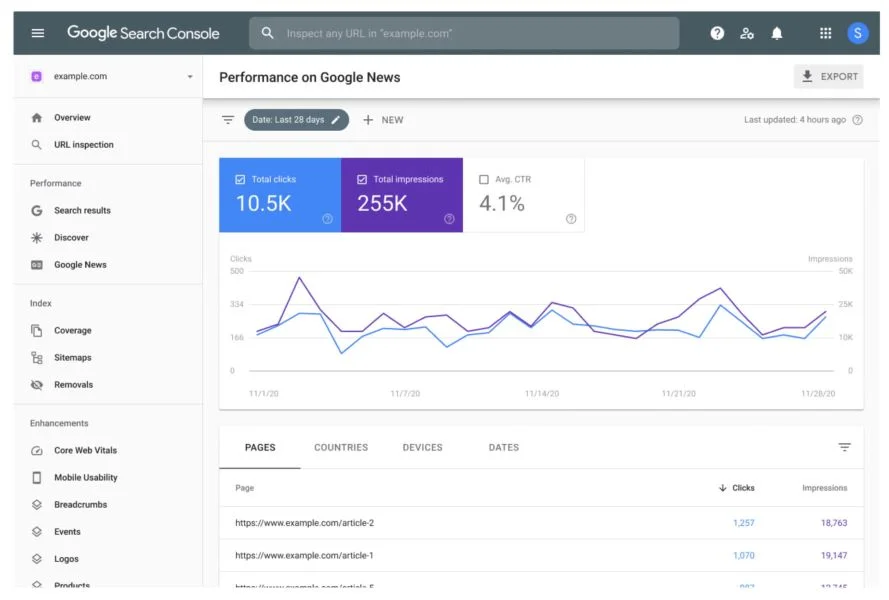
- Performance Measurement: SEO changes require time to manifest. It is generally recommended to allow 2-4 weeks for sufficient data collection. Google Search Console is an invaluable tool for tracking pre-click metrics such as CTR, impressions, and clicks, which are central to this test. While GA4 provides post-click insights, Search Console offers the granular data needed to assess rank and CTR improvements.
- Iteration and Analysis: After the testing period, compare the CTR and click data between the control and variant groups. Analyze which title variations resonated best, what sentiments or phrases proved most effective, and identify any external factors like seasonality or algorithm changes that might have influenced the results. This analysis informs decisions on rolling out successful title tag strategies to other relevant pages. It’s important to note that Google occasionally rewrites title tags, which can introduce some data discrepancies.
- AI Overview Content Optimization: Navigating the New SERP Landscape
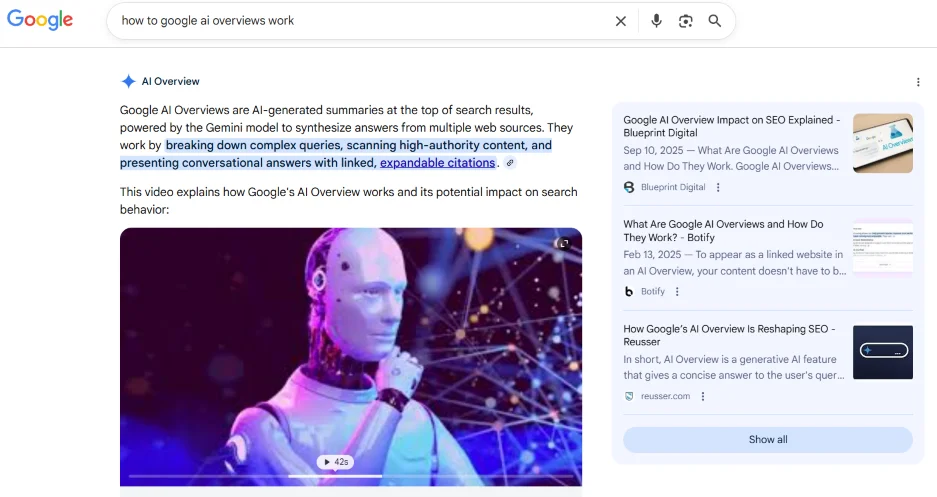
The advent of Google’s AI Overviews has fundamentally altered the SERP landscape. This feature utilizes generative AI to provide synthesized answers at the top of the page, presenting a significant challenge and opportunity for online businesses. Websites not optimized for AI Overviews risk losing visibility, even if they hold the number one ranking. Conversely, those that are optimized can gain substantial exposure and potentially capture clicks directly from the summary.
Implementing an AI Overview Content Test:
- Page Type and Query Set Selection: Begin by selecting a group of pages targeting similar search intents. Prioritize pages with relatively stable organic traffic and rankings within the top 20. As with the title tag test, divide these pages into a control and a variant group, aiming for at least 20-30 URLs in each for robust results.
- Structured Content Modifications: For the variant group, introduce specific structured content elements designed to appeal to AI Overviews. This typically includes:
- Clear and Concise Answers: Directly address common questions within the content.
- Bulleted or Numbered Lists: Present information in an easily digestible format.
- Key Data Points and Statistics: Incorporate factual information that AI can readily extract.
- Step-by-Step Instructions: For how-to queries, break down processes into clear steps.
- Performance Monitoring: Utilize Google Search Console to monitor key metrics. Assess whether the variant group appeared more frequently in AI Overviews, if CTR improved compared to the control group, and if there were any adverse effects on rankings or overall traffic. The increasing prevalence of AI Overviews makes this test particularly crucial for maintaining and enhancing SERP visibility.
- Internal Link Placement: Building Topical Authority from Within
While external links often garner attention for their role in building domain authority, internal links are frequently undervalued. However, strategic internal linking, connecting semantically related content with accurate anchor text, is essential for establishing topical authority and achieving strong search engine rankings.
Testing Internal Link Strategies:
- Group and Split: As with previous tests, start by selecting a group of pages with consistent traffic and rankings, then divide them into control and variant groups.
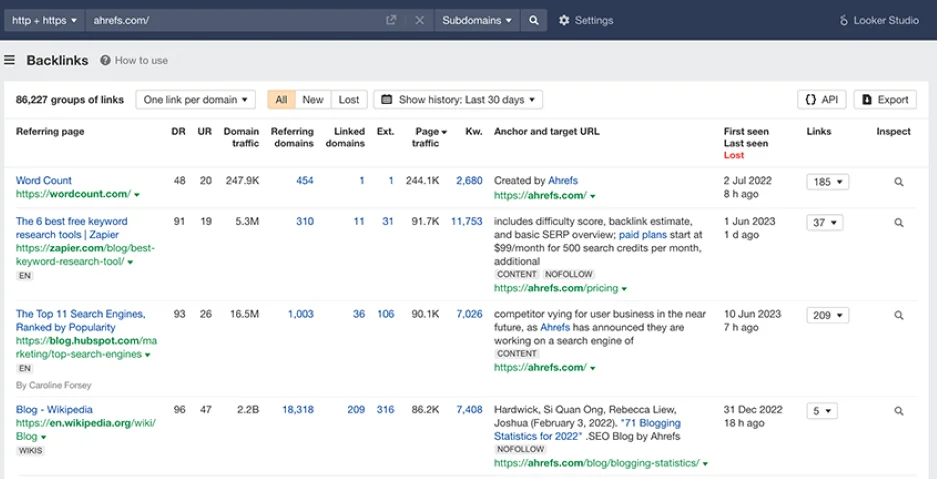
- Link Implementation: For the variant group, strategically add internal links pointing to these pages from high-authority or relevant pages on your website. Tools like Ahrefs or SEMrush can help identify pages with higher authority (e.g., by UR metric in Ahrefs). Aim to add three to five new internal links to each variant page.
- Anchor Text Optimization: Ensure that the anchor text used for these links is keyword-rich and sounds natural. The placement of these links, ideally higher up in the content or near related sections, can also influence their effectiveness.
- Data Analysis: After the 2-4 week testing period, monitor for improvements in rankings and click-through rates on the variant pages. Successful internal linking strategies can significantly boost a page’s discoverability and perceived importance within your site’s structure.
- Content Length and Depth: The Nuances of Comprehensive Information
Search engines prioritize relevance and completeness, but longer content is not inherently superior. However, comprehensive and in-depth content generally correlates with higher rankings because it often signifies higher quality and a more thorough exploration of a topic. Google’s emphasis on E-E-A-T (Experience, Expertise, Authoritativeness, Trustworthiness) further underscores the value of well-researched and credible content.
Optimizing Content Length and Depth:
- Target Selection: Identify evergreen blog posts or product pages that are relatively thin in terms of word count (e.g., under 1,500 words). Even if your content is already robust, expanding upon it can still yield improvements.
- Variant Group Enhancement: For the variant group, expand the content by adding elements such as frequently asked questions (FAQs), visuals, expert quotes, new sections targeting ancillary keywords, graphs, infographics, and statistics. The goal is to increase engagement signals and overall content quality.
- Performance Evaluation: After the standard 2-4 week testing period, monitor impressions and clicks for the enhanced content. The aim is to see a measurable increase in performance, reflecting the value search engines place on comprehensive and high-quality information.
- Schema Markup Implementation: Unlocking Rich Snippets
Schema markup, or structured data, is a technical yet powerful SEO technique that can significantly enhance a website’s visibility and CTR. By providing search engines with more context about the content on a page, schema enables the display of rich snippets, such as star ratings, FAQs, or event details, directly in the SERP.
Implementing Schema Markup Tests:
- Page Selection: Choose a group of pages that would benefit from schema markup and are sufficiently structured to support it. Examples include product pages, how-to guides, service pages, and recipes.
- Schema Implementation Methods: Schema can be implemented in several ways:
- Manual JSON-LD: Directly embed JSON-LD code (the recommended format) into the
<head>or<body>of the page. This offers the most flexibility. - CMS Plugins: Utilize plugins like Yoast SEO, Rank Math, or Schema Pro for WordPress, or specific apps for platforms like Shopify, to simplify schema implementation.
- Google Tag Manager: Integrate schema markup into an HTML tag within Google Tag Manager, allowing for easier deployment across multiple pages, especially for larger websites.
- Manual JSON-LD: Directly embed JSON-LD code (the recommended format) into the
- Result Monitoring: Track standard metrics in Google Search Console. Crucially, also monitor the SERP to observe if Google is displaying rich features for your variant pages and if there’s a corresponding spike in CTR attributed to these enhancements.
Turning Insights into Tangible Traffic Growth
SEO A/B testing is a democratizing force in digital marketing, accessible to businesses of all sizes, not just enterprises. It offers a reliable method for growing organic traffic with confidence. By systematically testing elements like title tags, internal links, and schema markup, businesses can precisely identify what drives results for their specific website. More importantly, these tests empower data-informed decision-making, moving away from guesswork and subjective opinions towards evidence-based strategies. Embarking on a single test, meticulously monitoring its outcomes, and iterating based on learned insights is the pathway to sustained organic traffic growth.










