

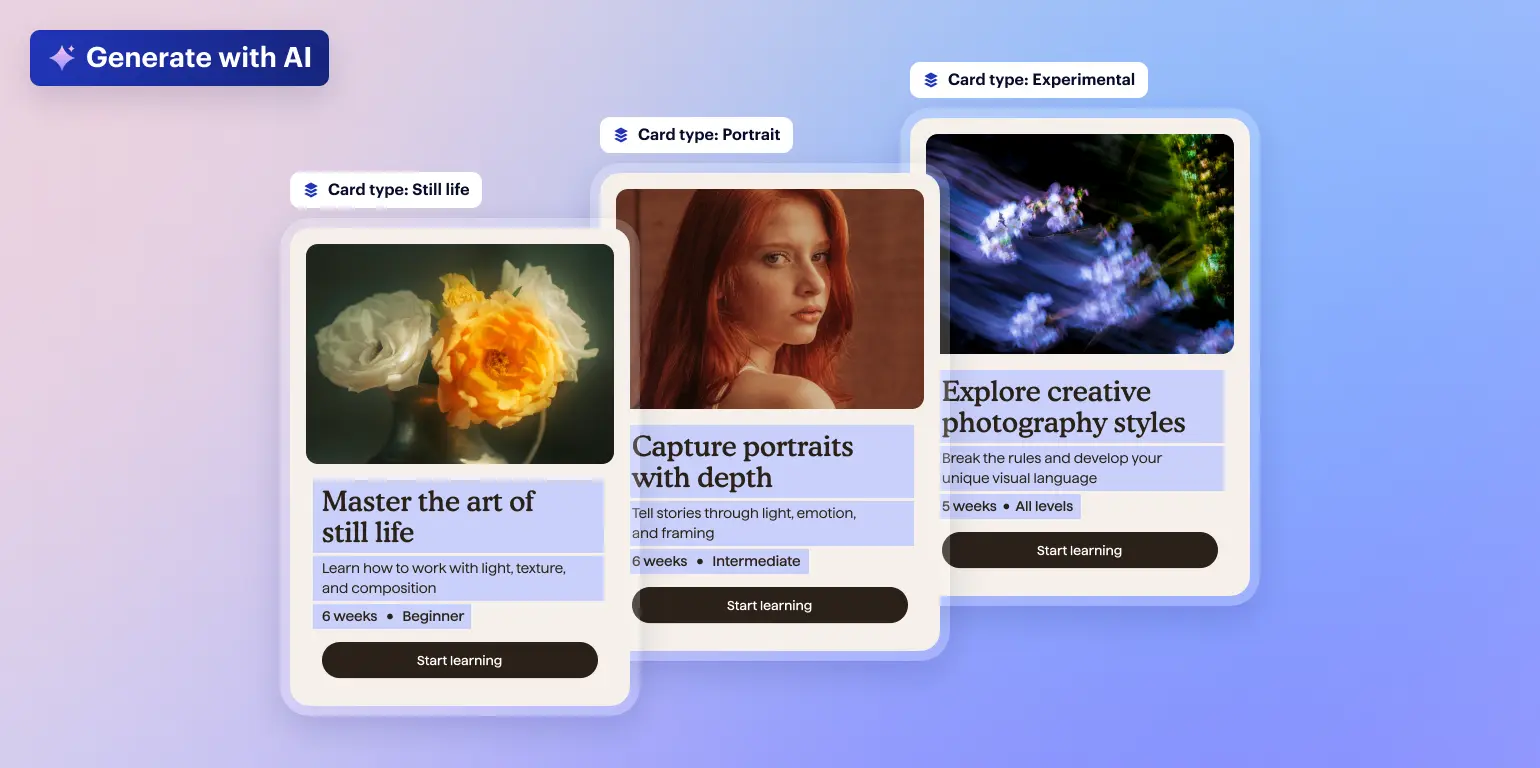
The digital marketing landscape has reached a critical inflection point where the demand for hyper-personalized consumer experiences has outpaced the manual capacity of even the most robust marketing teams. Instapage, a leading platform in the landing page optimization sector, has addressed this scalability gap with the introduction of AI Collections, a suite of tools designed to automate the creation and management of personalized landing pages at scale. This development marks a significant shift in the MarTech industry, moving away from labor-intensive manual page duplication toward an automated, template-driven workflow that leverages generative artificial intelligence to produce highly relevant content for diverse audience segments.
For years, the marketing industry has operated under the consensus that personalization is the primary driver of conversion rate optimization. According to data from McKinsey & Company, 71% of consumers expect companies to deliver personalized interactions, and 76% get frustrated when this doesn’t happen. Furthermore, companies that excel at personalization generate 40% more revenue from those activities than average players. However, despite these clear financial incentives, the execution of large-scale personalization has remained a significant bottleneck. Traditionally, creating personalized pages for different keywords, geographic locations, or audience personas required marketers to manually duplicate pages, edit copy line-by-line, and manage a sprawling architecture of individual URLs. This "personalization paradox"—where the value of the strategy is high but the cost of execution is prohibitive—often leads to campaigns running on generic pages, ultimately depressing return on ad spend (ROAS).
The Mechanics of AI-Driven Page Scaling
The core functionality of AI Collections lies in its ability to transform a single landing page into a dynamic template governed by a centralized content table. This structural shift moves the management of marketing assets from a visual-editing-only environment to a data-driven environment. In this model, each row in a content table represents a unique page within a "Collection," while each column corresponds to a specific content variable, such as headlines, subheadlines, body copy, or imagery.
The process is facilitated by two primary AI-driven innovations: AI Placeholders and Automated Content Generation. AI Placeholders utilize machine learning to analyze the existing layout of a landing page and automatically identify the optimal locations for dynamic content. Instead of a designer manually tagging every element that needs to change for different audiences, the AI scans the design architecture and suggests where placeholders should be inserted. This automated identification reduces the technical barrier to entry for marketing managers who may not have extensive web development or design backgrounds.
Once the template structure is established, the AI content generation engine populates the table. By inputting specific prompts—such as target audience demographics, specific pain points, or unique selling propositions—marketers can instruct the AI to generate tailored copy for hundreds of pages simultaneously. This is particularly effective when combined with Instapage’s "fluid grid blocks," which allow the layout to automatically adjust its dimensions and spacing based on the length of the AI-generated text. This ensures that a page remains visually coherent and mobile-responsive regardless of whether the generated headline is five words or fifteen.
Historical Context and the Evolution of Landing Page Optimization
To understand the impact of AI Collections, it is necessary to examine the evolution of landing page technology. In the early 2010s, the industry moved from static HTML pages to "drag-and-drop" builders, which democratized page creation but still required significant manual labor for every new iteration. The mid-2010s saw the rise of Dynamic Text Replacement (DTR), a feature that allowed marketers to change specific words on a page based on URL parameters. While DTR was a step forward, it was limited in scope, often resulting in awkward phrasing or broken layouts when used for more than a few keywords.
The current era, defined by the integration of Large Language Models (LLMs) into SaaS workflows, represents the third generation of landing page optimization. Instapage’s move toward AI Collections reflects a broader trend in the software industry where AI is no longer a peripheral "chatbot" feature but a core architectural component that redefines the user workflow. By claiming a 3x increase in the speed of page deployment, Instapage is positioning AI as a direct solution to the operational inefficiencies that have historically plagued performance marketing departments.
Supporting Data and Market Implications
The launch of AI Collections comes at a time when digital advertising costs are rising across platforms like Google Ads and Meta. With rising Cost-Per-Click (CPC), the pressure on the post-click experience has never been higher. Industry benchmarks suggest that while the average conversion rate for a landing page is approximately 2.35%, the top 10% of landing pages see conversion rates 3 to 5 times higher. The common denominator among these high-performing pages is relevance.
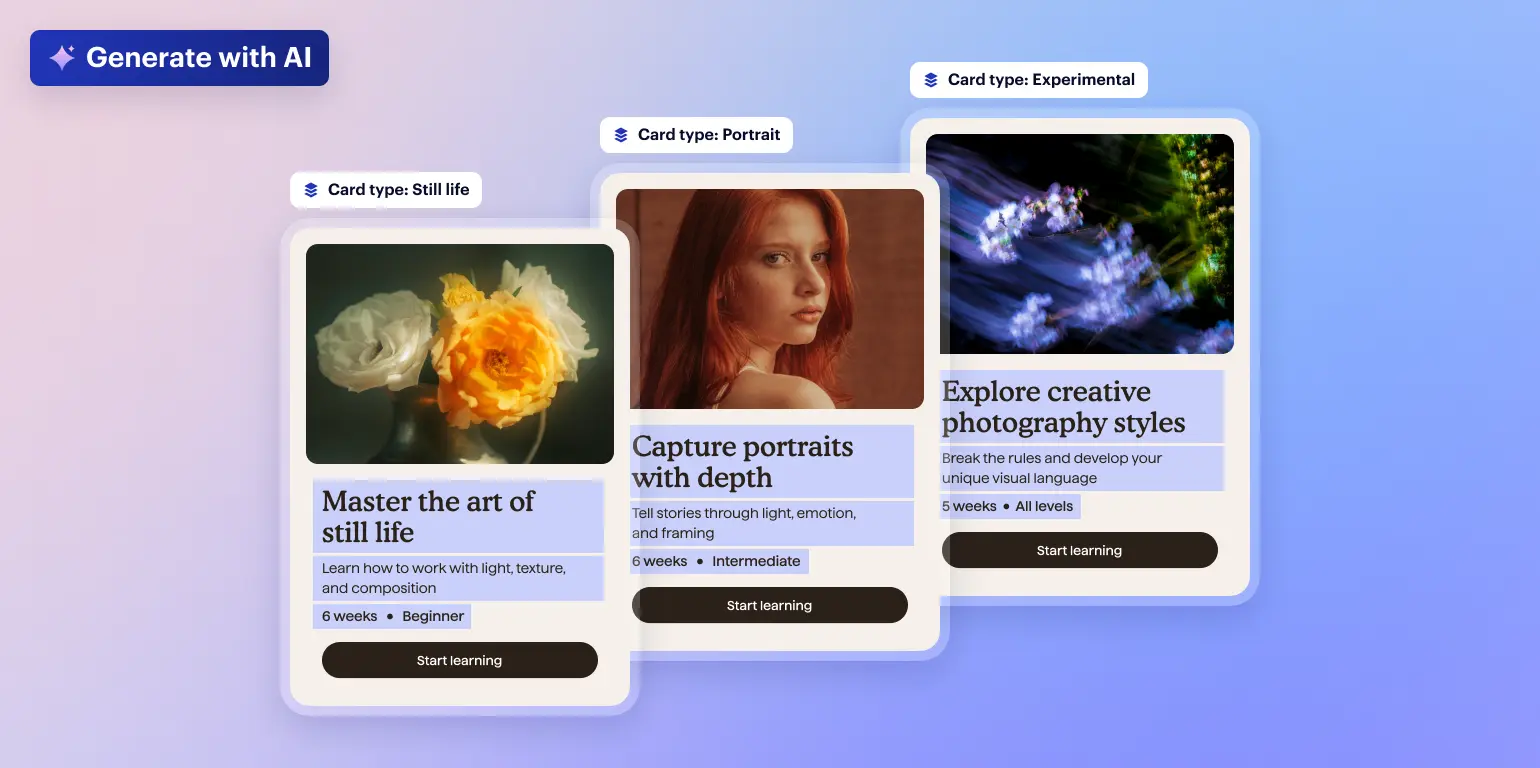
Internal testing and early adoption reports suggest that by using AI to align page copy precisely with the intent of a search query or an ad’s creative hook, marketers can significantly lower their Cost-Per-Acquisition (CPA). For example, in an Account-Based Marketing (ABM) context, a company targeting 50 different enterprise clients can now generate 50 unique pages, each addressing the specific industry challenges of the target account, in the same time it previously took to create two or three manual versions.
Furthermore, the automation of these workflows addresses a growing talent shortage and burnout issue within creative and growth marketing teams. By automating the "busy work" of page duplication and minor copy edits, creative professionals can focus on high-level strategy, brand positioning, and experimentation, rather than manual data entry.
Industry Responses and Strategic Applications
While Instapage has not released a list of specific client testimonials for this launch, industry analysts suggest that the primary beneficiaries will be agencies and enterprise-level marketing teams. Agencies, which often manage dozens of clients with hundreds of active campaigns, stand to gain the most from the efficiency dividends offered by AI Collections.
"The shift from ‘building’ pages to ‘generating’ pages is the logical conclusion of the last decade of MarTech development," says one independent digital strategy analyst. "The challenge for platforms like Instapage will be ensuring that the AI-generated content maintains brand voice and compliance standards, but the structural advantage of managing a hundred pages from a single table is undeniable."
Marketing teams are expected to deploy AI Collections across several high-impact use cases:
- Hyper-Local Targeting: Generating thousands of pages tailored to specific cities or regions to capture local search intent.
- Programmatic SEO: Creating landing pages for long-tail keywords that were previously too low-volume to justify manual design time.
- PPC Keyword Alignment: Ensuring that every ad group in a Google Ads campaign leads to a page that mirrors the exact language of the keyword, thereby improving Quality Scores and reducing ad costs.
- B2B Personalization: Crafting unique experiences for different job titles within a single target organization.
Future Outlook and Technical Considerations
As Instapage rolls out AI Collections, the focus will likely shift toward the refinement of the AI’s creative output. For the technology to be truly "launch-ready," as the company claims, the generated content must not only be fast but also persuasive and accurate. Instapage encourages users to provide extensive context in their prompts—such as audience goals and messaging pillars—to ensure the AI remains aligned with the broader brand strategy.
The integration of AI into the landing page ecosystem also raises questions about the future of web design. As layouts become more fluid and content becomes more dynamic, the role of the web designer may shift toward "system design"—creating the constraints and styles within which the AI operates, rather than designing individual static pages.
In conclusion, Instapage’s AI Collections represents a strategic move to solve the execution gap in digital marketing personalization. By combining the organizational power of content tables with the generative capabilities of AI, the platform aims to provide a scalable solution for teams that have outgrown manual workflows. As the "new era of personalization" unfolds, the ability to deploy highly relevant, automated content at scale will likely become a baseline requirement for competitive performance marketing. Instapage is currently offering a 14-day trial of these features, signaling confidence that the immediate efficiency gains will be apparent to users navigating the complexities of modern digital advertising.







