

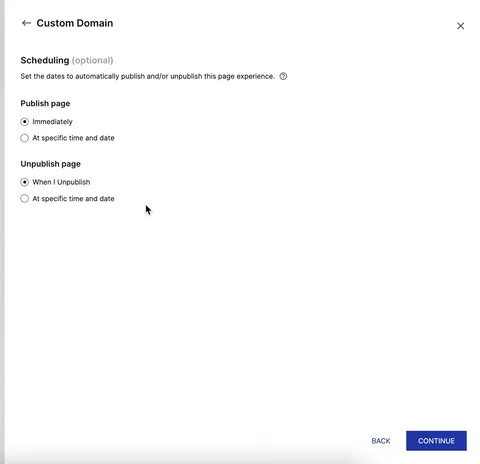
Instapage, a prominent leader in the landing page and conversion optimization sector, has officially announced the rollout of a suite of new features designed to streamline the complexities of digital campaign management. These updates, which include a sophisticated campaign scheduling tool and a dedicated category for website page templates, represent a strategic evolution for the platform as it seeks to address the multifaceted challenges faced by modern marketers. In addition to these technical enhancements, the company has launched the Instapage Early Access Program, a collaborative initiative intended to integrate user feedback directly into the product development lifecycle.
The introduction of these features comes at a critical juncture for the digital marketing industry. As organizations face increasing pressure to deliver personalized, high-converting experiences across a multitude of segments, the demand for tools that combine speed with precision has never been higher. By automating the publication cycle and expanding the scope of its design capabilities, Instapage is positioning itself as a more comprehensive solution for businesses that require agility in their digital presence.
Streamlining Operations through Automated Campaign Scheduling
At the forefront of this update is the Scheduling feature, a tool specifically engineered to reduce the manual burden of campaign execution. For years, digital marketers have been forced to coordinate the launch and expiration of promotional pages manually, often requiring team members to be available during off-hours to ensure that time-sensitive offers go live or are taken down at the precise moment required.
The new Scheduling functionality allows users to pre-determine the exact dates and times for a landing page to be published, updated, or unpublished. This level of automation is particularly significant for agencies managing dozens of clients and for enterprise marketing teams running global, multi-region campaigns. By removing the need for manual intervention, the feature mitigates the risk of human error—such as leaving an expired discount code active or failing to launch a seasonal promotion on time.
Industry data suggests that the "window of opportunity" for digital promotions is shrinking. According to recent market analysis, real-time marketing and "flash" events can see conversion rates up to 35% higher than static, long-term campaigns, provided they are executed with perfect timing. Instapage’s Scheduling tool directly taps into this trend, providing the infrastructure necessary for marketers to execute high-velocity strategies without a corresponding increase in overhead. The feature is currently available on select plans, reflecting its status as a high-value utility for professional and enterprise-level users.
Expanding the Design Ecosystem with Website Page Templates
While Instapage has historically been recognized as a specialized landing page builder, internal data and user behavior patterns have indicated that a significant portion of its customer base utilizes the platform’s no-code builder to construct entire websites. Recognizing this shift in usage, Instapage has introduced a new category of templates specifically tailored for full website pages.
This expansion includes pre-customized templates across nine distinct industries, including real estate, beauty, and consumer products. Unlike standard landing pages, which are typically focused on a single call-to-action (CTA), these website templates are structured to handle broader informational architecture while maintaining the high-performance, conversion-centric DNA of the Instapage builder.
The move into website templates signals a broader trend in the SaaS (Software as a Service) industry: the blurring of lines between niche landing page tools and general-purpose Content Management Systems (CMS). By providing industry-specific structures, Instapage reduces the "time-to-market" for small-to-medium businesses (SMBs) that need a professional web presence but lack the resources for custom development. For instance, a real estate firm can now deploy a multi-page site with dedicated sections for listings, agent bios, and contact portals, all within a platform optimized for loading speed and mobile responsiveness.
The Instapage Early Access Program: A Shift Toward Community-Driven Development
Parallel to these feature releases, the company has unveiled the Instapage Early Access Program. This initiative marks a formal shift toward a community-driven development model, inviting users to test and influence new features before they reach a general release.
In the competitive landscape of marketing technology, the ability to iterate based on real-world usage is a significant advantage. Members of the Early Access Program gain the opportunity to provide feedback on upcoming tools, effectively helping to shape the roadmap of the platform. This model has been successfully employed by other tech giants to foster brand loyalty and ensure that product updates solve genuine pain points rather than perceived ones.
"Product development is our top priority," the company stated in a briefing regarding the program. "We are constantly adding new features to help customers create and scale their landing page campaigns without being code-savvy." This commitment to a "no-code" philosophy is a central pillar of Instapage’s strategy, aiming to democratize high-end web design and optimization for marketers who do not have a technical background.
Chronology of Innovation: A Rapid Release Cycle
The launch of Scheduling and Website Templates is the latest in a series of rapid updates from the Instapage team. Over the past several months, the platform has undergone a significant transformation:
- Late 2023 – New Dashboard Launch: The platform introduced a redesigned user interface aimed at improving navigation and providing clearer insights into campaign performance.
- Early 2024 – Interactive Elements: The addition of "Carousels" and "Popups" allowed users to create more engaging, dynamic experiences on their pages, moving beyond static layouts.
- Q2 2024 – Automation and Expansion: The current release of Scheduling and Website Page Templates focuses on operational efficiency and broader application of the toolset.
This timeline suggests an aggressive push by Instapage to consolidate its market share in an environment where competitors like Unbounce and Leadpages are also vying for the attention of conversion-focused marketers.
Data-Driven Context: The Importance of Conversion Rate Optimization (CRO)
The necessity for tools like Instapage is underscored by the current economic landscape of digital advertising. As of 2024, the average cost-per-click (CPC) across many industries has continued to rise, making every visitor to a website more expensive and, consequently, more valuable.
Research indicates that the average conversion rate for a landing page across all industries is roughly 2.35%. However, the top 10% of companies are seeing conversion rates of 11.45% or higher. The difference between these two tiers often comes down to the ability to test, iterate, and deploy pages quickly—capabilities that are directly enhanced by Instapage’s recent updates. By providing templates that are pre-optimized for specific industries and tools that allow for scheduled updates, Instapage is providing the "levers" necessary for businesses to move into that top 10% bracket.
Furthermore, the "no-code" movement is projected to grow significantly, with industry analysts predicting that 70% of new applications developed by organizations will use low-code or no-code technologies by 2025. Instapage’s expansion of its template library and the simplification of its management tools align perfectly with this macro-trend.
Broader Implications for the Marketing Industry
The release of these features carries several implications for the broader marketing ecosystem. First, the move toward automated scheduling reflects a growing trend of "asynchronous marketing," where the planning and execution phases are decoupled to allow for better work-life balance and more strategic resource allocation within marketing departments.
Second, the expansion into website templates suggests that the "single-purpose" tool may be losing favor to "multi-purpose" platforms that can handle various stages of the customer journey. While specialized landing pages remain vital for PPC (pay-per-click) success, having those pages integrated into a broader website framework on the same platform offers significant advantages in terms of brand consistency and data tracking.
Finally, the Early Access Program highlights the increasing importance of "Product-Led Growth" (PLG). By involving the user base in the development process, Instapage ensures that it remains relevant to the evolving needs of the market, particularly as artificial intelligence and machine learning begin to play a larger role in how landing pages are generated and optimized.
Future Outlook
As Instapage continues to roll out these features, the focus remains on the "ad-to-conversion" journey. The company has invited users to experience these updates firsthand through a 14-day free trial, a standard entry point for the platform that allows potential customers to test the integration of the new Scheduling and Website Template tools into their existing workflows.
For the marketing community, these updates represent more than just new buttons in a software interface; they represent a move toward a more automated, efficient, and user-centric approach to digital growth. As the digital landscape becomes increasingly crowded, the ability to manage complex campaigns with ease and build high-quality web assets quickly will likely be the deciding factor in which brands succeed in capturing consumer attention.







