
 rifanmuazin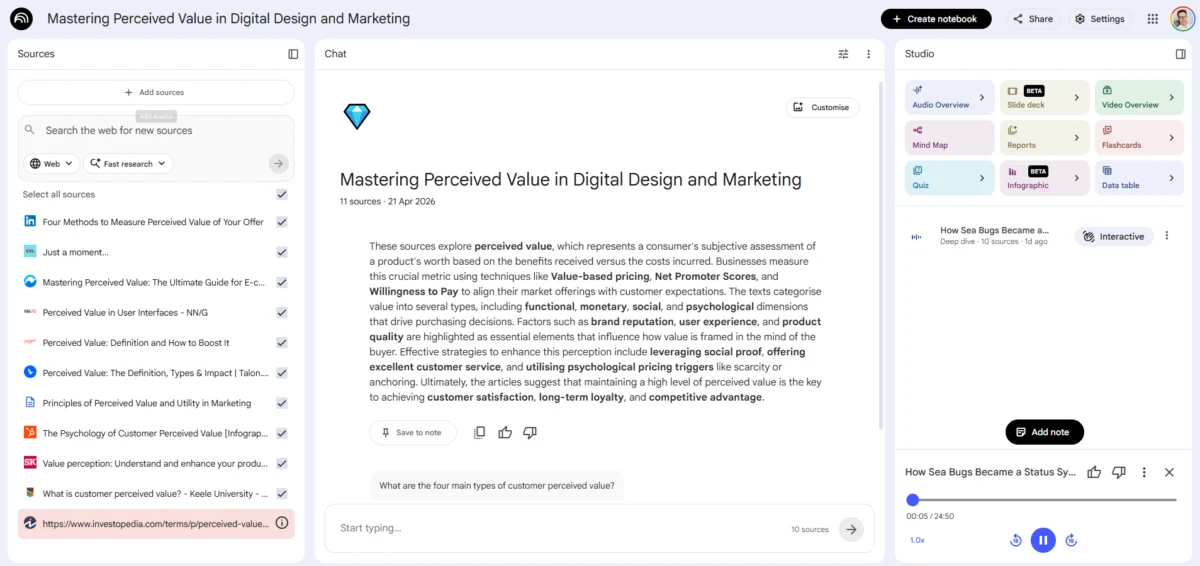
The landscape of digital marketing has undergone a seismic shift since the public release of advanced large language models (LLMs), creating a divide between content volume and content integrity. According to a comprehensive study conducted by Semrush, approximately 70% of marketers now utilize artificial intelligence primarily to accelerate content production and reduce operational costs. Conversely, a mere 19% of professionals leverage these tools with the explicit intent of enhancing the quality and depth of their output. This disparity highlights a growing tension in the industry: while AI offers unprecedented speed, the "quality gap" remains a significant hurdle for brands aiming to maintain authority and search engine visibility.
As search engines like Google refine their algorithms to prioritize Experience, Expertise, Authoritativeness, and Trustworthiness (E-E-A-T), the mere generation of text is no longer sufficient for competitive ranking. Industry experts suggest that the most effective use of AI is not as a replacement for the writer, but as a sophisticated research and editing assistant. By integrating AI into a structured, human-led workflow, content creators can move beyond generic "AI-slop" toward highly nuanced, data-backed narratives that resonate with specific audience pain points.
The Evolution of AI in Content Strategy: From Speed to Sophistication
The integration of AI into the editorial process has moved through several distinct phases. Initially, marketers used early models for basic brainstorming and headline generation. However, the current "Third Wave" of AI content creation involves complex workflows, multi-agent systems, and retrieval-augmented generation (RAG). This evolution allows creators to build comprehensive brand profiles and knowledge bases that prevent the generic tone often associated with standard AI outputs.
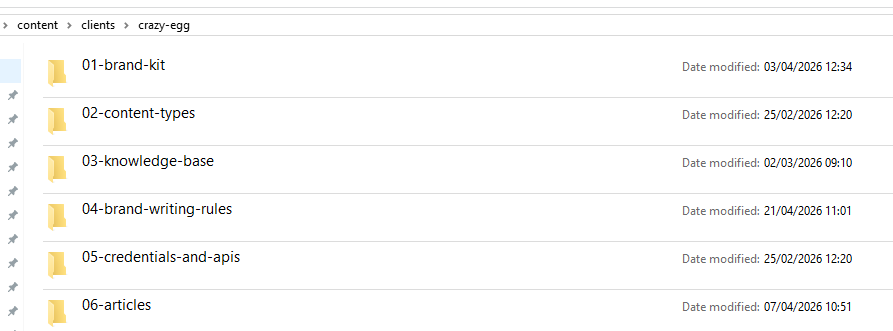
The primary challenge identified by content strategists is the "reversion to the mean." Without specific brand context, AI models tend to produce middle-of-the-road content that lacks unique insights. To combat this, high-level practitioners now begin their process not with a prompt, but with the construction of a "Brand Kit." This digital repository includes detailed information on the target audience, brand voice, product-led content goals, and technical style guides. By providing this context upfront, the AI is constrained by the brand’s specific identity, ensuring that any generated insights align with the company’s strategic objectives.
A Five-Step Methodology for High-Impact AI-Assisted Content
Phase 1: Establishing the Brand Context and Knowledge Base
The quality of any AI-driven output is fundamentally limited by the data provided in the initial stages. A professional editorial workflow begins with the collection of internal client documentation, including brand guidelines, positioning papers, and freelancer instructions. Advanced tools such as Claude Code are now utilized to scrape existing high-performing pages, extracting the "DNA" of a brand’s successful content.
This process involves more than just copying text; it requires the categorization of "pain points" and "solutions." By building a structured folder system containing markdown (.md) files of competitor profiles and industry reports, creators can provide the LLM with a proprietary knowledge base. This prevents the AI from relying solely on its training data, which may be outdated or irrelevant to the specific niche. Industry analysts note that storing these resources in a vector database, such as ChromaDB, allows for more efficient semantic searching, enabling the AI to "recall" specific brand facts with higher accuracy.
Phase 2: Multi-Source Research and Data Synthesis
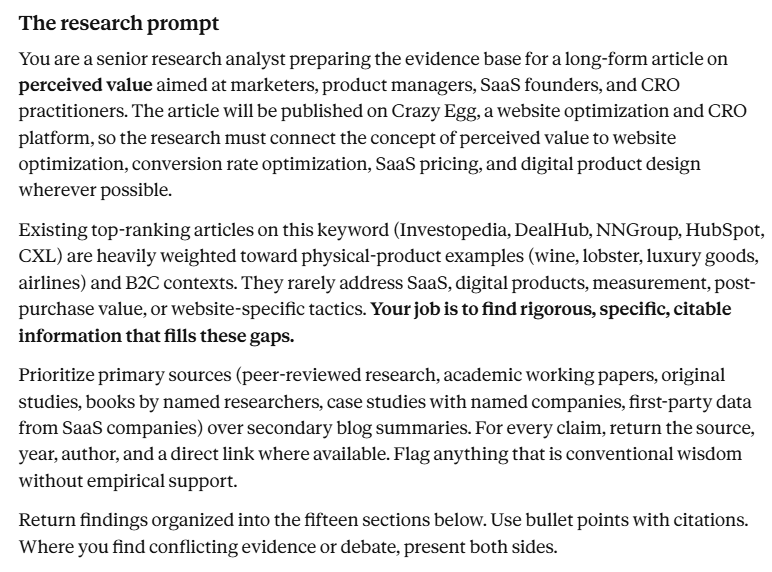
Research is the area where AI provides the most significant competitive advantage. Rather than merely summarizing search results, sophisticated creators use a stack of specialized tools to triangulate information.
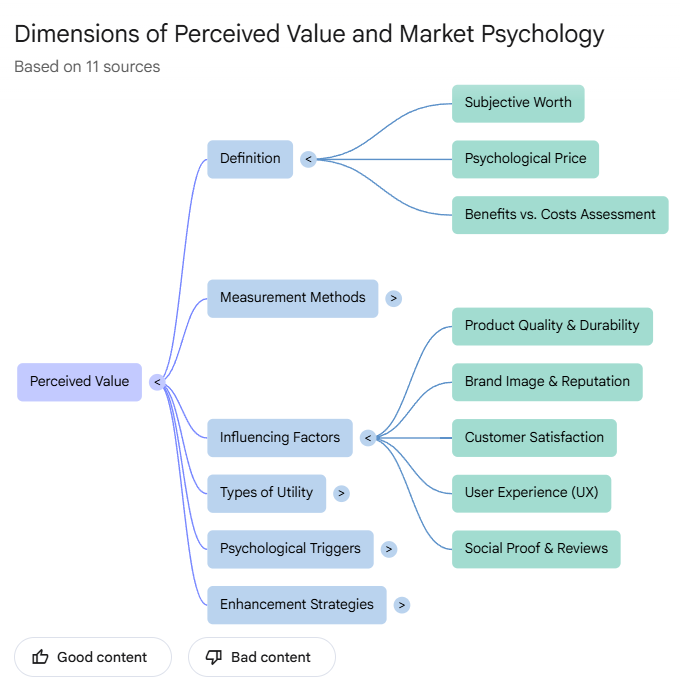
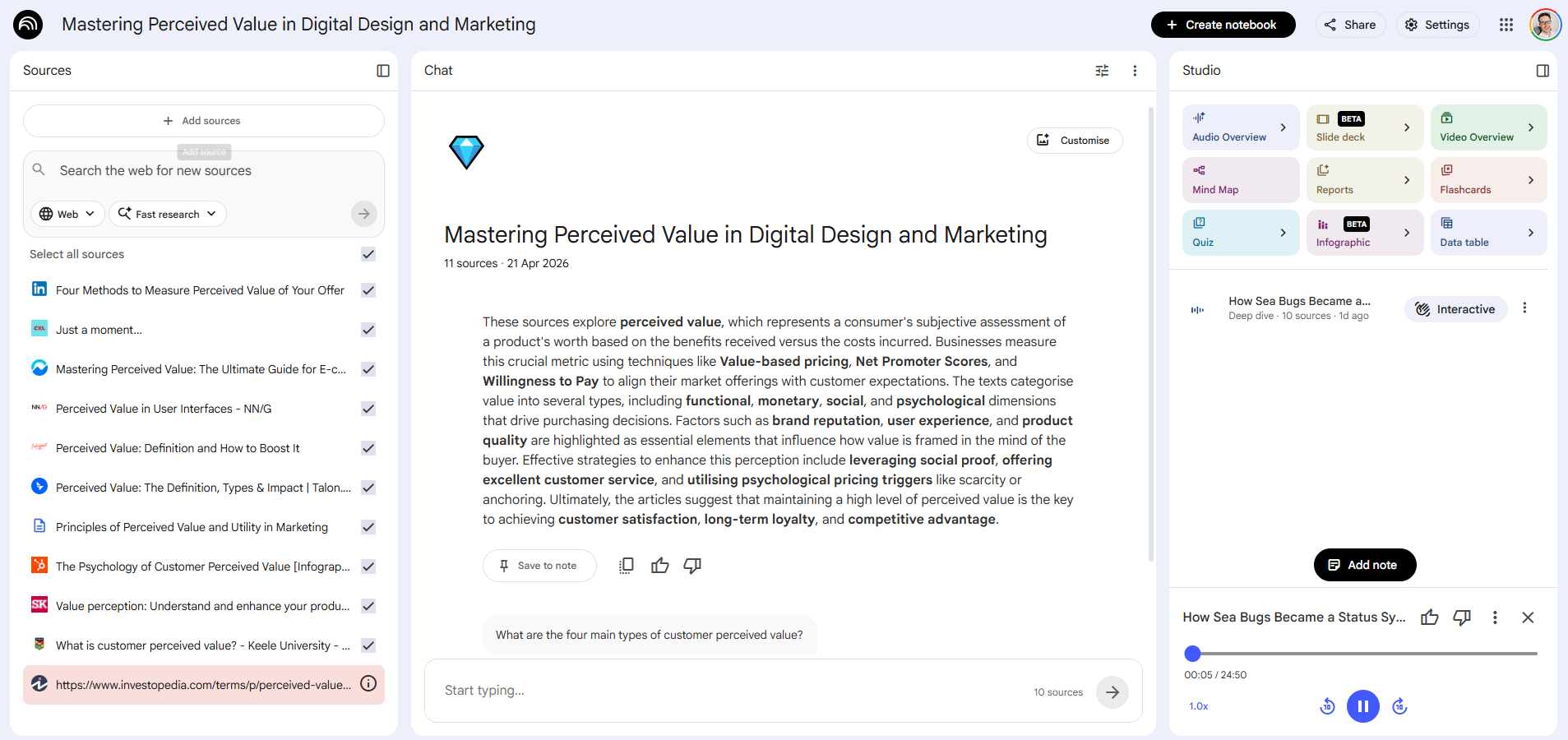
- Audio and Visual Synthesis: Tools like Google’s NotebookLM allow researchers to upload top-ranking articles and internal documents to create "Audio Overviews." These AI-generated discussions help writers grasp complex topics while away from their desks.
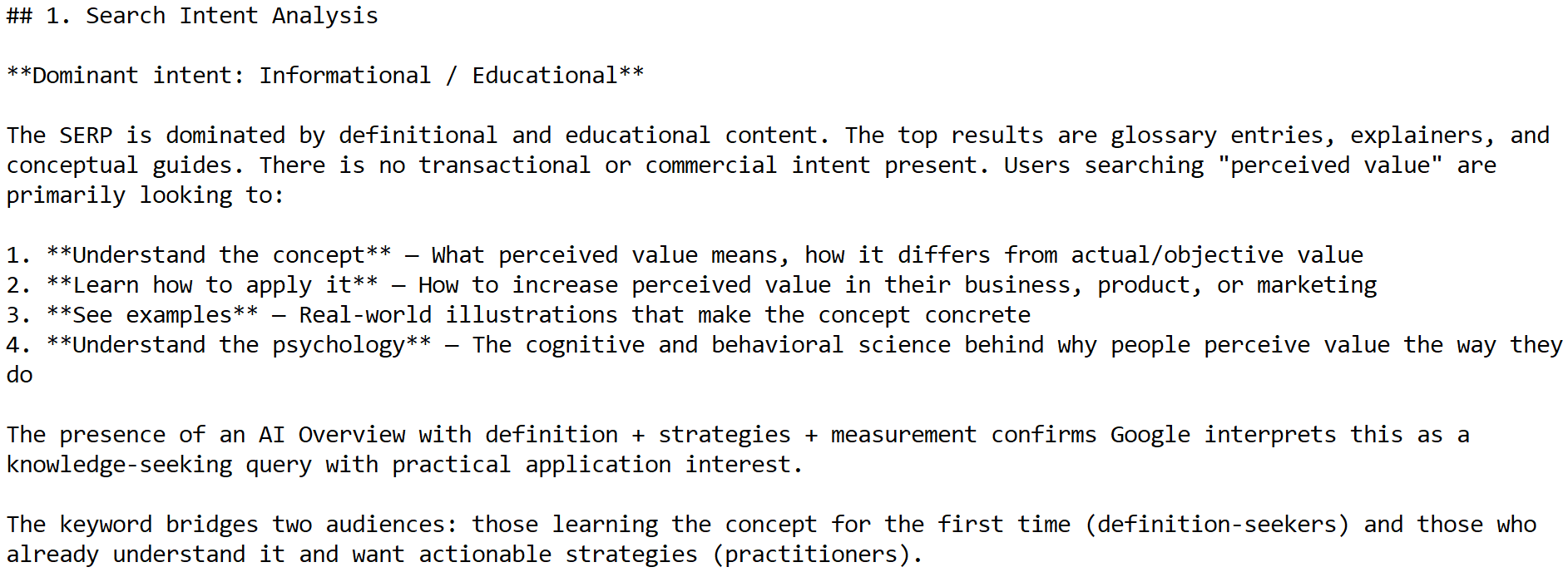
- SERP and Intent Analysis: Custom AI skills can now automate the analysis of Search Engine Results Pages (SERP). By evaluating the top 10 results for a specific keyword, AI can identify "content gaps"—areas where competitors have failed to provide depth—and determine the precise search intent (e.g., informational vs. transactional).
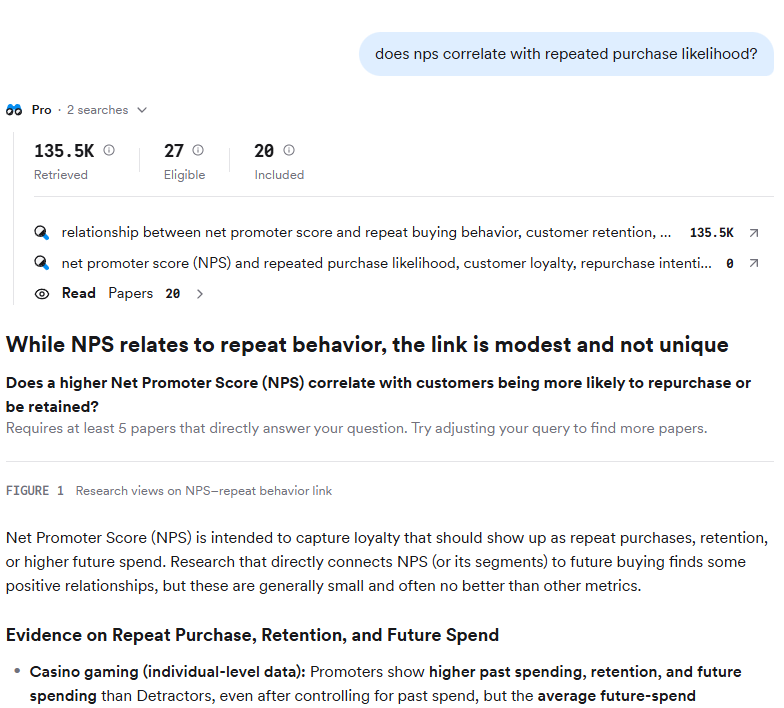
- Academic and Peer-Reviewed Validation: To ensure factual accuracy, platforms like Consensus are used to cross-reference claims against millions of peer-reviewed papers. This step is crucial for "Your Money or Your Life" (YMYL) topics, where misinformation can lead to severe search penalties.
- Deep Research Agents: Using tools like Perplexity or ChatGPT in "Agent Mode" allows for exhaustive web searches. However, professional workflows now include a "fact-check loop," where a secondary AI agent scrapes the cited sources to verify that the information has not been "hallucinated" or taken out of context.
Phase 3: The Human-Led Outline
Despite the capabilities of AI, the structural phase of writing remains a human-centric task. Automated outlines often suffer from logical redundancy, repetitive structures, and a lack of narrative "hook." A professional journalist or content strategist typically builds the outline manually, ensuring that the "unique value proposition" of the article is clear from the start.
AI is better utilized in this phase as a critic rather than a creator. By submitting a manual outline to an AI for a "structural edit," writers can identify logical gaps or inconsistencies. The AI can check if the outline addresses the primary search intent and if the transition between sections is fluid. This "human-in-the-loop" approach ensures that the article has a distinct perspective that an algorithm cannot replicate.
Phase 4: Strategic Drafting and the Nuance of Voice
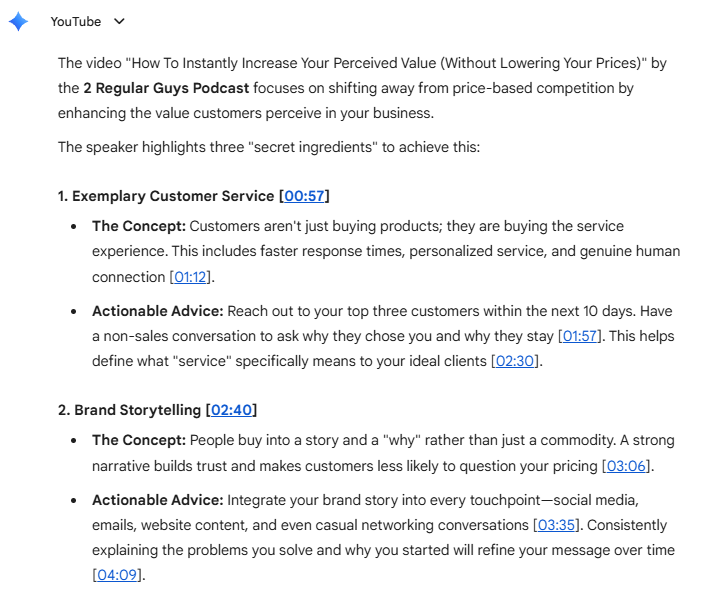
A significant portion of the 19% of marketers focused on quality choose to draft their content manually. The rationale is rooted in the current limitations of LLMs: AI struggles with "voice," often using predictable sentence structures and "filler" phrases. Furthermore, manual drafting allows for the integration of personal anecdotes and industry-specific metaphors that build trust with the reader.
When AI is used for drafting, it requires a "double-prompting" technique. This involves providing both the brand kit and a set of "negative constraints"—instructions on what not to do (e.g., "do not use the word ‘delve’," "do not restate the same idea in consecutive paragraphs"). Even with these constraints, a final human pass is necessary to inject "taste" and ensure the narrative flow feels authentic.
Phase 5: Iterative Editing and Quality Assurance Loops
The final stage of the process involves a multi-agent editing workflow. In a "ping-pong" quality loop, one AI agent performs an initial edit based on a checklist (e.g., checking for active voice, clarity, and formatting). A second agent then reviews that work, identifying any missed requirements. This iterative process can reduce human editing time by up to 80% while maintaining a high standard of consistency.
However, the final sign-off remains a human responsibility. Professional editors make subjective calls based on "taste"—a quality that remains elusive for artificial intelligence. The human editor ensures that the content is not just grammatically correct, but emotionally resonant and strategically aligned with the brand’s long-term goals.
Supporting Data: The Cost and Quality Trade-off
Recent industry data from Gartner suggests that by 2025, 80% of the customer life cycle will be managed via AI-driven interactions, yet 70% of consumers will actively seek out "human-made" content as a marker of authenticity. This suggests a "Premium on Human Touch" in the coming years.
Furthermore, a 2024 analysis of 1.1 million blog posts found that while AI-generated content can rank, it has a 30% higher "decay rate" than human-written content, meaning it loses its ranking faster as search engines identify its lack of original insight. This data reinforces the necessity of the hybrid approach: using AI for the heavy lifting of research and data processing while retaining human control over the narrative and final polish.

Official Responses and Industry Implications
The response from the search engine industry has been clear. Google’s Search Liaison has repeatedly stated that the use of AI is not against their guidelines, provided the content is "helpful and created for people." This has shifted the focus from "how the content was made" to "what value the content provides."
For content agencies and freelance writers, this shift implies a change in the required skill set. The role is moving from "writer" to "content architect" or "AI editor." Professionals who can build and manage these complex AI workflows while maintaining high editorial standards are becoming the most sought-after assets in the marketing ecosystem.
Broader Impact: The Future of Digital Authority
The democratization of content creation via AI means that the volume of information on the internet will continue to grow exponentially. In this environment, "authority" will become the most valuable currency. Brands that rely solely on automated pipelines for speed will likely find themselves lost in a sea of identical content.
The future of successful content marketing lies in the "19% camp"—those who use AI as a tool for deepening research, validating facts, and sharpening prose. By treating AI as a sophisticated assistant rather than a replacement, marketers can produce content that is not only faster to create but significantly more impactful than what was possible in the pre-AI era. The strategic integration of technology and human intuition is no longer just an advantage; it is a requirement for survival in the modern digital economy.








