The rapid evolution of generative artificial intelligence has transitioned from simple text generation to the era of agentic workflows, where large language models (LLMs) are increasingly tasked with executing complex business logic. Central to this shift is the Model Context Protocol (MCP), an open-standard framework that allows AI models to interact seamlessly with external tools and data sources. By leveraging n8n, a leading low-code automation platform, organizations are now able to create centralized, proprietary workflows that are no longer locked into specific third-party AI vendors. This technical integration represents a significant milestone in data sovereignty and operational efficiency, allowing businesses to "level up" their AI chat clients without surrendering control of their internal processes to the "black-box" methods of major tech providers.

The Emergence of the Model Context Protocol
The Model Context Protocol was introduced as a solution to the fragmentation of the AI tool ecosystem. Previously, connecting an AI model to a specific database or software required custom, often brittle, integrations. MCP provides a universal "translation layer," enabling a model to understand the capabilities of a server and trigger actions accordingly. This protocol has gained significant traction since its release by Anthropic in late 2024, as it allows developers to build a tool once and use it across various environments, including Claude Desktop, IDEs like Cursor, and local LLM managers like LM Studio.
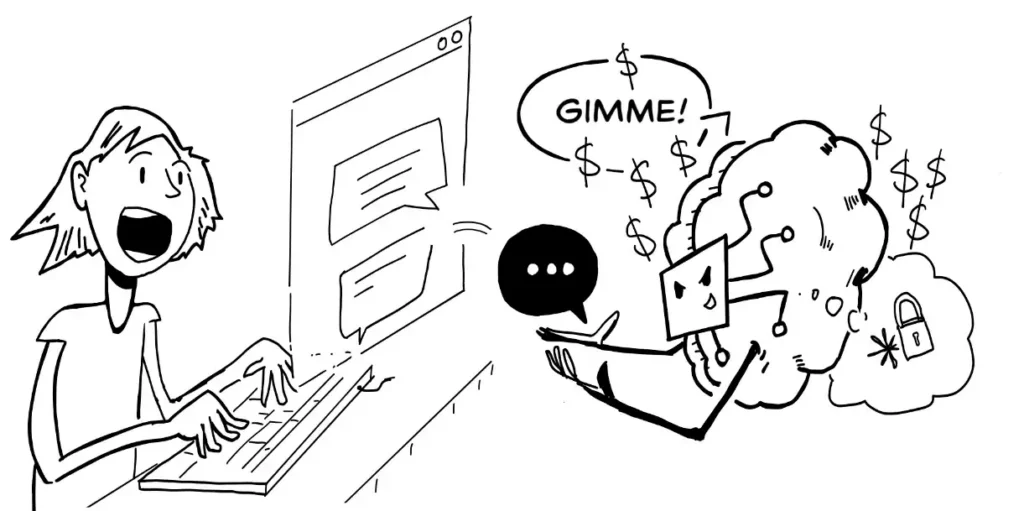
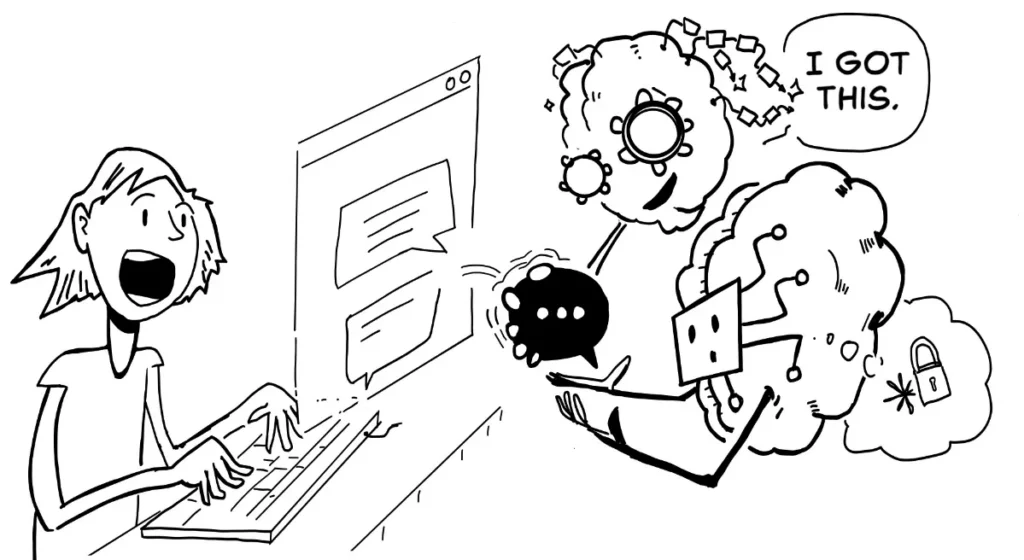
The significance of MCP lies in its ability to separate the intelligence of the model from the execution of the task. While the LLM provides the reasoning, the MCP server provides the "hands." For enterprise users, this means that sensitive workflows—such as research verification, marketing copy analysis, or automated code generation—can be managed within a secure, audited environment like n8n, while the user interface remains a familiar AI chat window.
The Role of n8n in Modern AI Orchestration
n8n has established itself as a critical player in the automation space, particularly for users who require more flexibility than traditional "if-this-then-that" platforms. With its node-based architecture, n8n allows for the creation of intricate logic paths, including loops, conditional branches, and AI-specific nodes. The platform’s support for self-hosting makes it an attractive choice for organizations wary of cloud-vendor lock-in.
According to industry data, the workflow automation market is expected to grow at a compound annual growth rate (CAGR) of over 10% through 2030, driven largely by the integration of AI. By positioning itself as an MCP-compliant hub, n8n enables users to move away from isolated automation "islands." Instead of forcing employees to use specific forms or dashboards to trigger a workflow, companies can now enable their AI assistants to call these workflows directly, solving a major hurdle in the internal rollout of automation tools.
Technical Architecture: Building the MCP Server in n8n
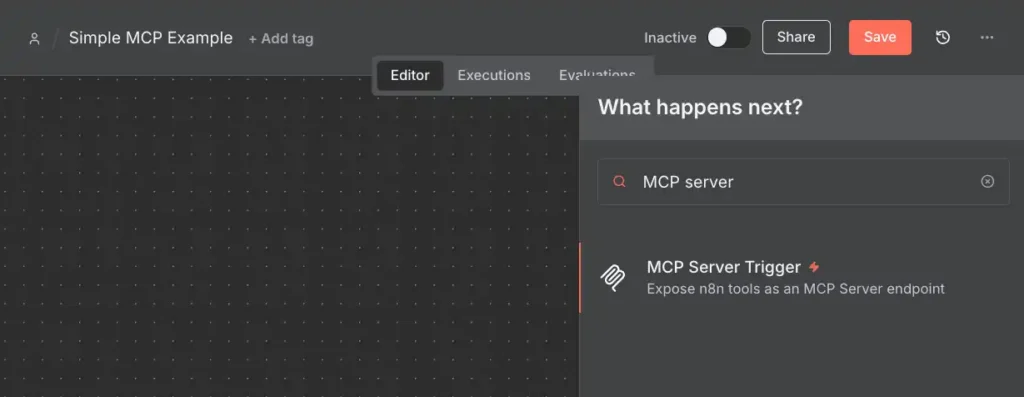
The process of connecting an AI chat interface to a custom n8n workflow involves the creation of a dedicated MCP server workflow. This server acts as a gateway, exposing specific "tools" to the AI client. The architecture relies on three primary components: the MCP Server Trigger, the Workflow Tool sub-node, and the target execution workflow.
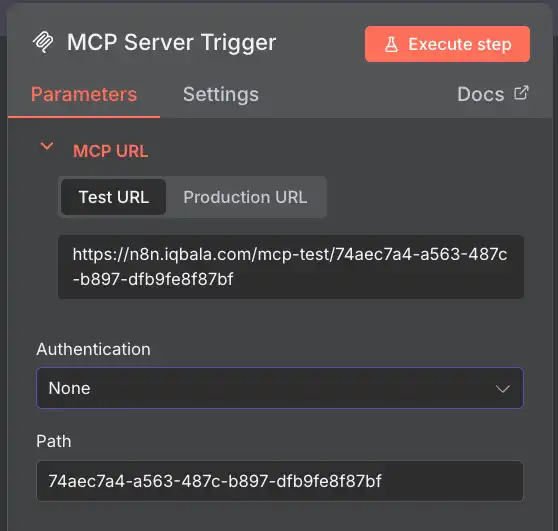
Initializing the MCP Server Trigger
The foundation of this setup is the MCP Server trigger node within n8n. Upon activation, this node generates a set of URLs that facilitate communication between n8n and the AI client. These URLs typically utilize Server-Sent Events (SSE), a standard for real-time, uni-directional communication from the server to the client. This allows the AI client to maintain a persistent connection to the n8n environment, ready to execute tasks on demand.
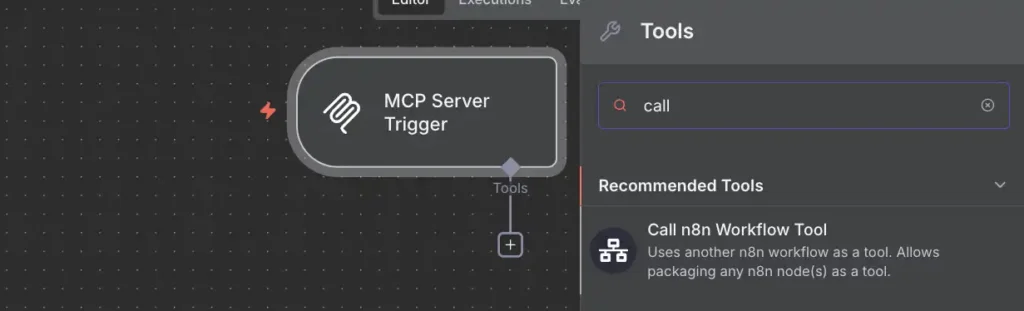
Defining Tools via Sub-nodes
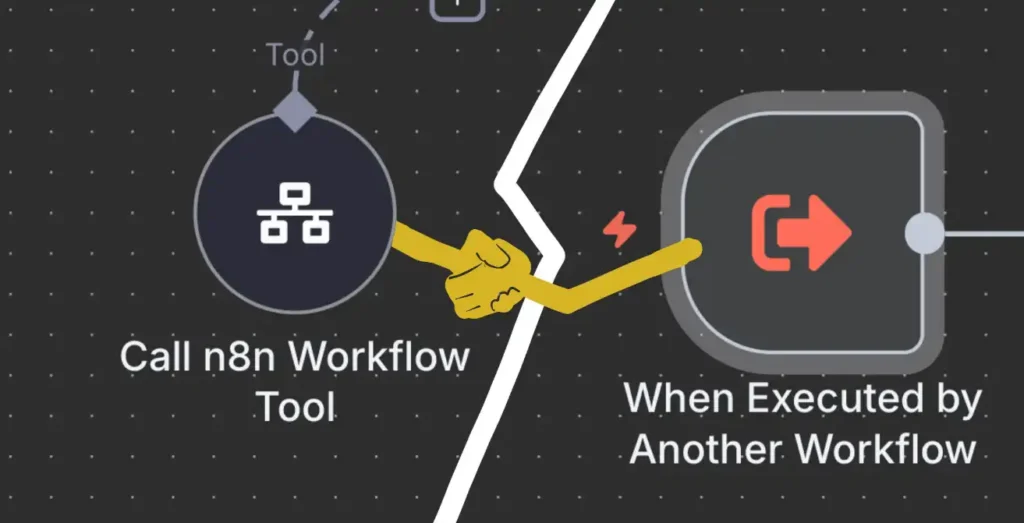
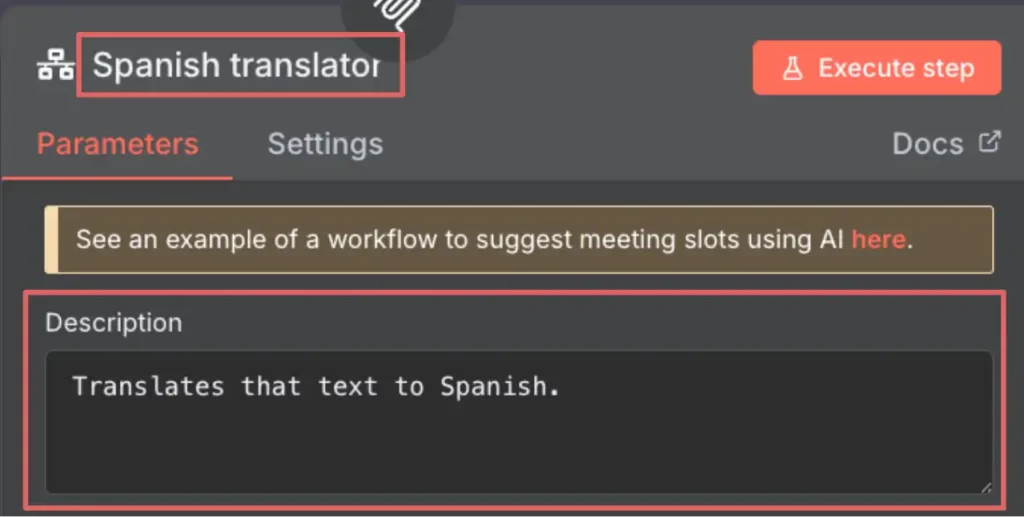
Within the MCP Server trigger, users define specific "tools." In the context of n8n, the most powerful tool is the "Call n8n Workflow Tool." This sub-node serves as the bridge to any other workflow existing within the user’s n8n instance. For example, a user might create a tool named "Spanish Translator" or "Jira Task Creator."
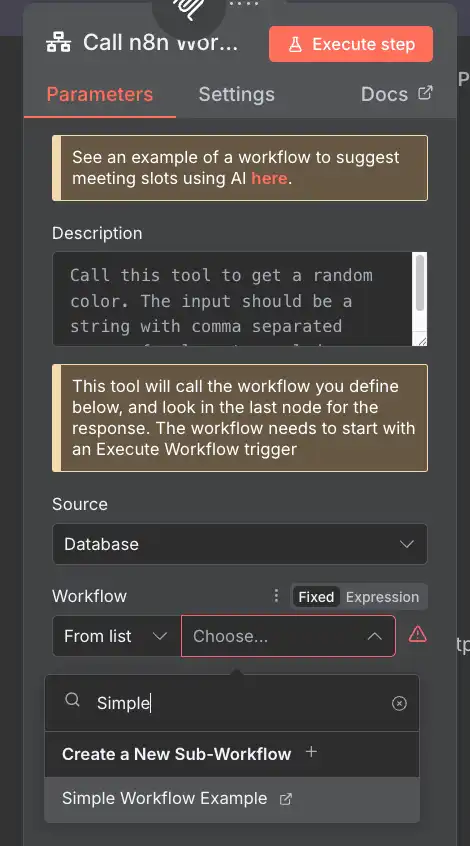
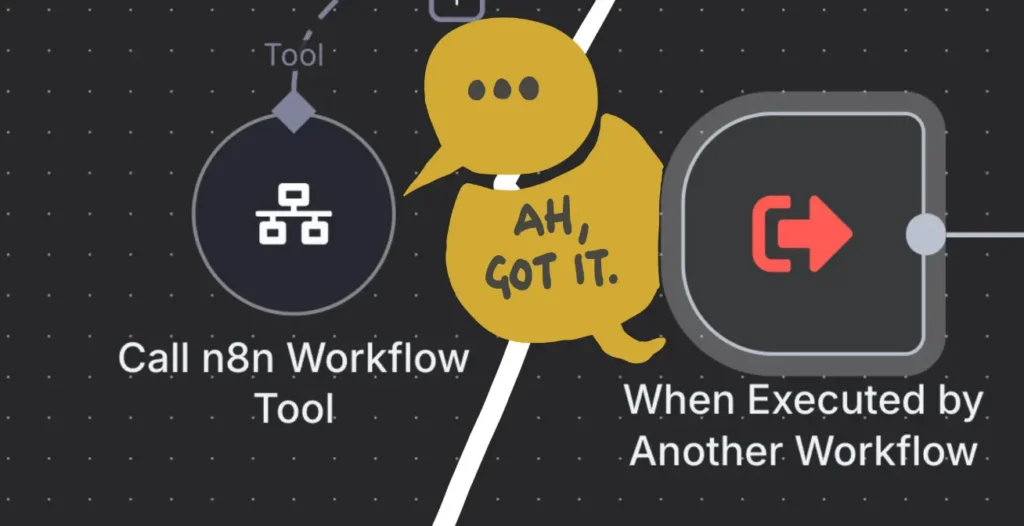
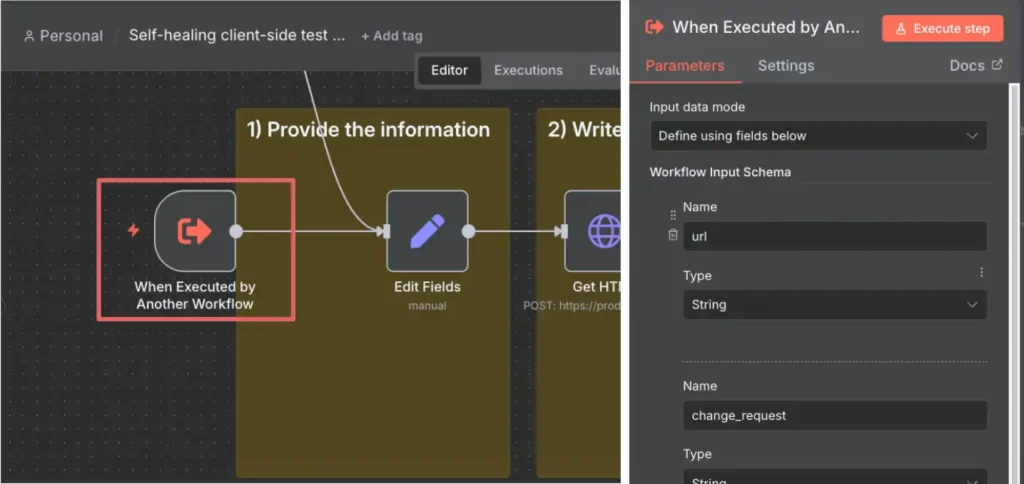
A critical step in this process is the "handshake" between the server and the target workflow. The target workflow must be configured with a specific trigger: "When Executed by Another Workflow." Without this trigger, the MCP server cannot pass information to the workflow. This structure ensures that workflows remain modular and can be tested independently before being exposed to the AI client.
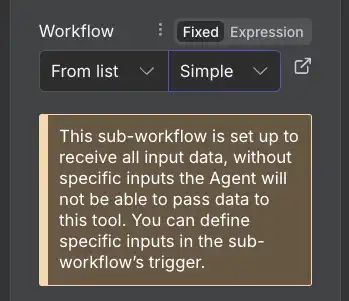
Parameter Mapping and Schema Definition
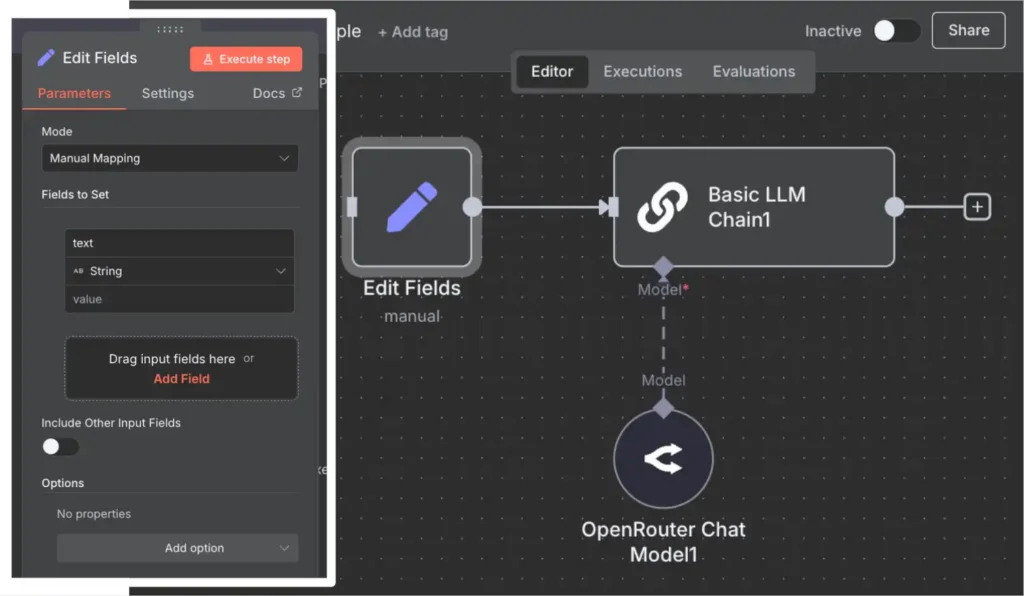
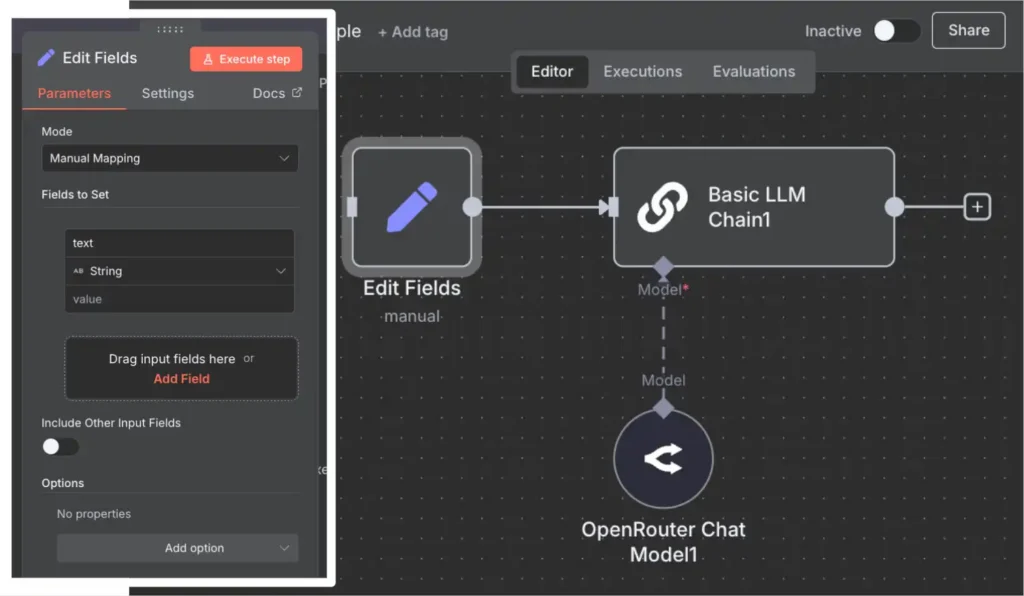
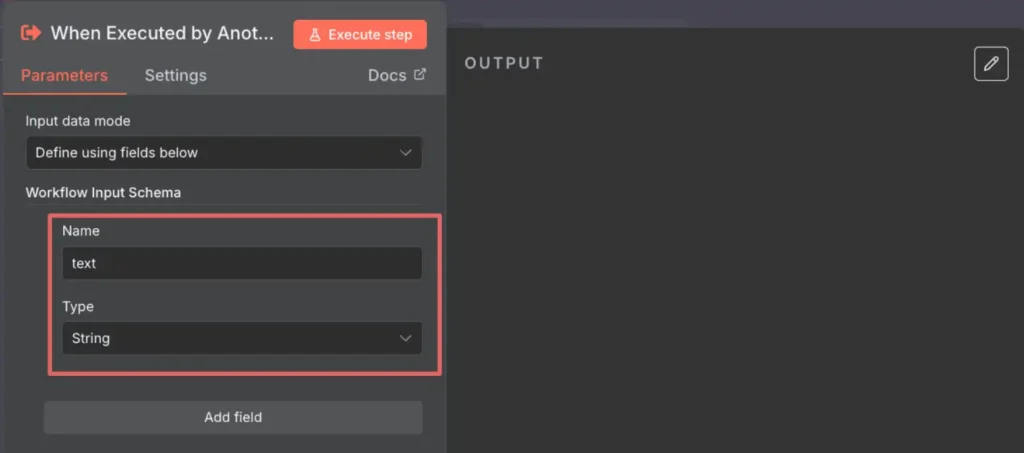
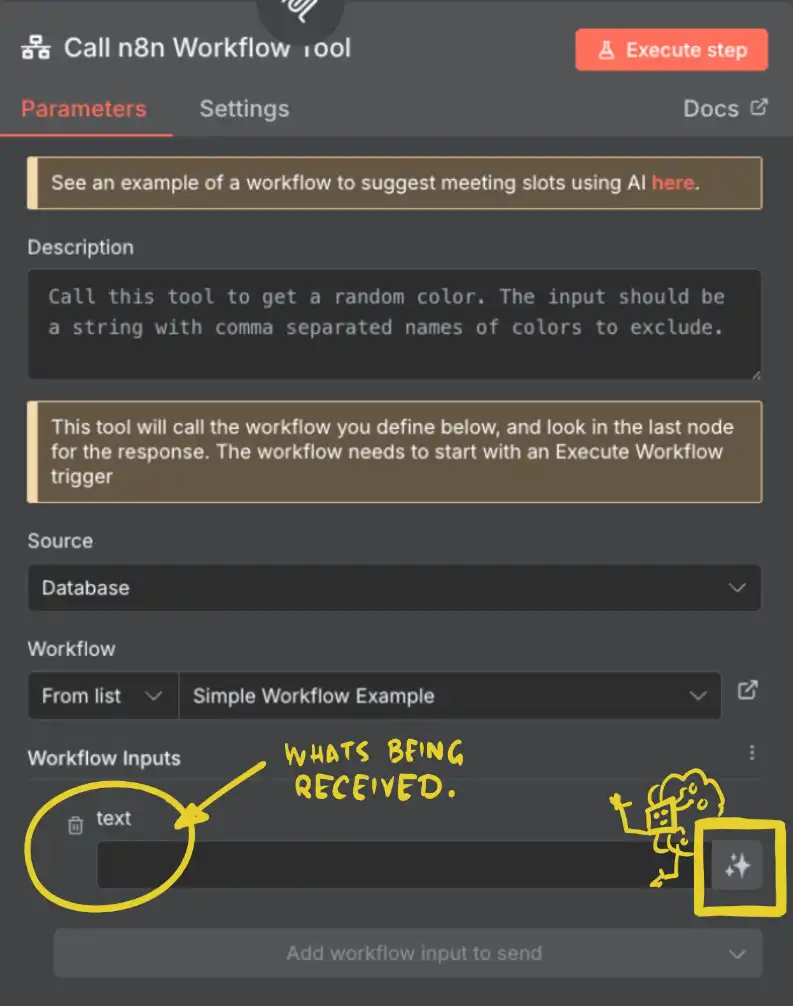
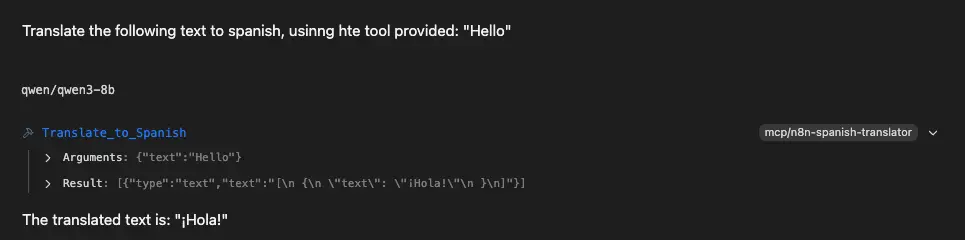
For an AI model to use a tool effectively, it must understand what inputs are required. This is achieved through parameter mapping. If a workflow is designed to translate text, the user must define a "text" parameter in the target workflow’s trigger node. The MCP server then communicates this requirement to the AI client. When the user asks the AI to "translate this paragraph to Spanish," the AI identifies the "Spanish Translator" tool, recognizes that it requires a "text" input, and populates that parameter with the relevant content from the conversation.
Deployment and Security Considerations
Transitioning from a development environment to a production-ready MCP server requires careful attention to security and performance. Because these endpoints are accessible via the internet, they must be protected against unauthorized access.

Authentication via Bearer Tokens
n8n provides robust authentication options for MCP triggers, with "Bearer Auth" being the industry standard for such integrations. By setting a unique credential (token), the user ensures that only authorized AI clients—configured with the matching token—can trigger the workflows. This prevents the exposed URLs from being exploited by malicious actors.
Configuration of the MCP Client
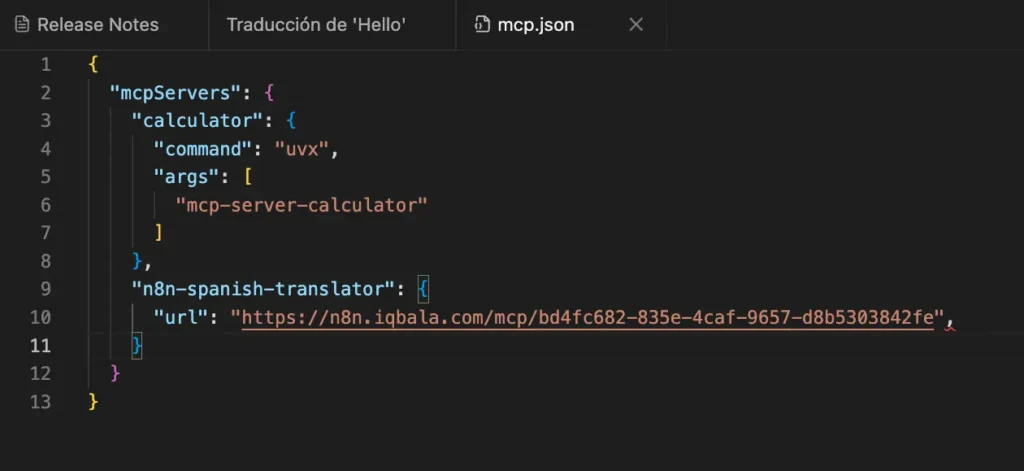
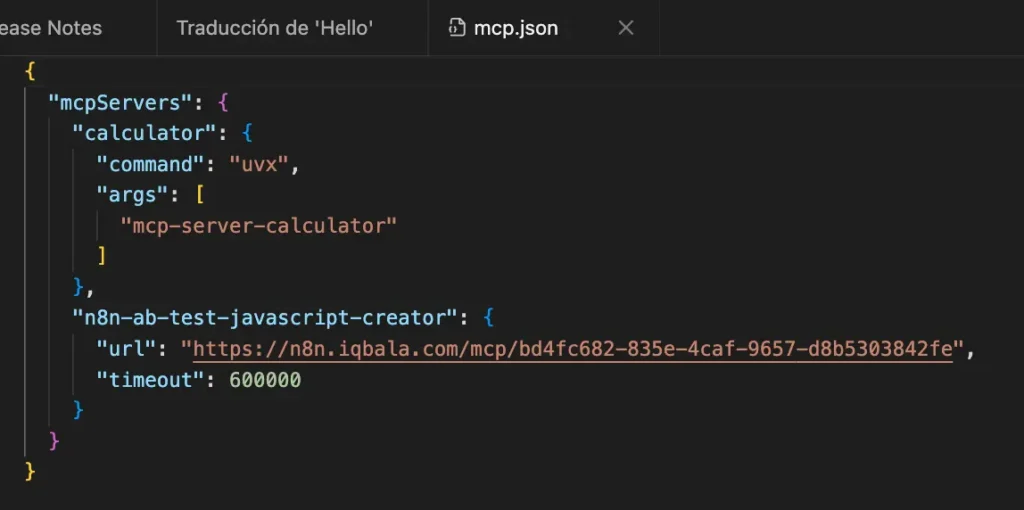
The final link in the chain is the configuration of the MCP client, such as Claude Desktop or LM Studio. This typically involves editing a JSON configuration file to include the server’s URL and authentication headers. A standard configuration includes:
- Type: SSE (Server-Sent Events)
- URL: The production URL provided by n8n.
- Headers: The Authorization Bearer token.
- Timeout: An essential parameter for complex workflows.
Industry experts recommend increasing the default timeout settings (often to 600,000 milliseconds or more) if the n8n workflow involves multi-step AI processing or external API calls. Without this adjustment, the AI client may terminate the connection before n8n completes the task, leading to failed executions.
Case Study: From Translation to Complex Experimentation
The versatility of the n8n-MCP integration is best demonstrated through varying levels of complexity. A simple implementation might involve a workflow that translates text into Spanish using a Basic LLM Chain. In this scenario, the AI client simply passes a string of text to n8n and receives a translated string back.
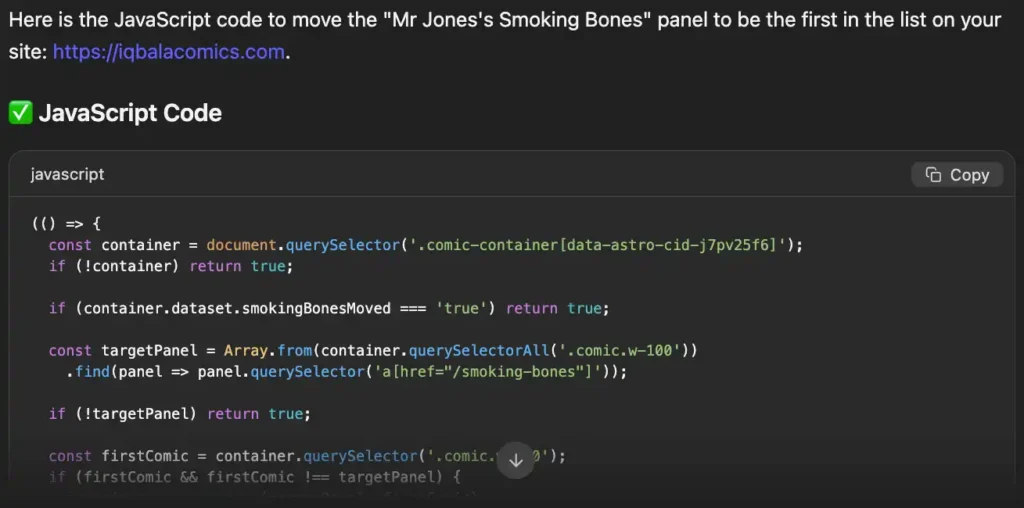
However, the true power of this system is realized in advanced use cases, such as "self-healing" JavaScript generation for A/B testing. In this instance, the n8n workflow might:
- Receive a website URL and a change request from the AI client.
- Fetch the website’s current HTML and CSS.
- Use a high-reasoning model to generate a JavaScript snippet for the experiment.
- Test the code against a virtual DOM to ensure it doesn’t break the layout.
- Push the finalized code directly to an experimentation platform like Convert.com or a project management tool like Jira.
By using MCP, the user does not need to navigate the complexities of the n8n backend. They simply interact with their local AI model, which handles the orchestration in the background.
Broader Impact and Industry Implications
The ability to connect AI chat interfaces to custom workflows marks a shift in how enterprises approach automation. It mitigates the "rollout challenge" where employees resist using new tools due to the friction of learning different interfaces. By embedding these tools directly into the AI chat environments where employees already spend their time, organizations can see much higher adoption rates for automation.
Furthermore, this approach addresses the limitations of "frontier" AI models. While models like GPT-4 or Claude 3.5 Sonnet are highly capable, they often struggle with specific, repetitive tasks that require high precision or access to internal data. By offloading these tasks to optimized n8n workflows, businesses ensure that the output is consistent, high-quality, and adheres to company standards.

The transition to MCP-based orchestration also represents a move toward "Small Language Model" (SLM) utility. As demonstrated by local tools like LM Studio, even smaller, less resource-intensive models can become incredibly powerful when given access to the right tools. This democratizes AI power, allowing individual developers and small businesses to build sophisticated AI systems that were previously the domain of large tech firms.
Future Outlook: The Rise of the AI Tool-Belt
As the Model Context Protocol continues to mature, it is expected that more platforms will adopt the standard, leading to a "plug-and-play" ecosystem for AI tools. The integration of n8n and MCP is just the beginning. Future developments may include bi-directional communication where the workflow can ask the user for clarification mid-execution, further blurring the line between automated processes and human-AI collaboration.
In conclusion, the integration of n8n as an MCP server provides a blueprint for the future of business automation. It combines the reasoning capabilities of modern AI with the reliability and control of structured workflows. For organizations looking to stay competitive in an AI-driven market, mastering this technical synergy is no longer optional—it is a strategic necessity for maintaining data sovereignty and operational excellence.

 Siti Muinah
 Nana
Nana