The digital landscape has evolved to a point where simply driving traffic to a website is no longer sufficient for business sustainability. In an era of rising customer acquisition costs, the focus has shifted toward Conversion Rate Optimization (CRO)—the systematic process of increasing the percentage of website visitors who take a desired action. At the forefront of this technological sector are two veteran platforms: Crazy Egg and Lucky Orange. While both provide essential insights into user behavior through heatmaps, session recordings, and feedback loops, they cater to distinct operational philosophies and business needs. This analysis explores the technical specifications, strategic advantages, and economic implications of choosing between these two industry leaders.
The Evolution of User Behavior Analytics
To understand the current state of Crazy Egg and Lucky Orange, one must look at the chronology of the CRO industry. Crazy Egg, co-founded by Hiten Shah and Neil Patel in 2006, was a pioneer in the heatmap space. It introduced the concept of visualizing where users click, which revolutionized how webmasters approached design. For years, the industry relied on "gut feelings" or basic Google Analytics data. Crazy Egg’s entry marked the beginning of the "visual analytics" era.
Lucky Orange entered the market later, positioning itself as an all-in-one suite that combined behavior tracking with active communication tools like live chat. This reflected a shift in the market where businesses wanted not just to observe behavior, but to intervene in real-time. Today, both tools have integrated Artificial Intelligence (AI) to handle the massive influx of data that modern websites generate, moving from descriptive analytics (what happened) to prescriptive analytics (what should be changed).
Core Feature Comparison: Visualizing the User Journey
The primary draw for any CRO tool is its ability to render complex user data into intuitive visual reports. Heatmapping remains the foundational technology for both platforms, though their methodologies differ.
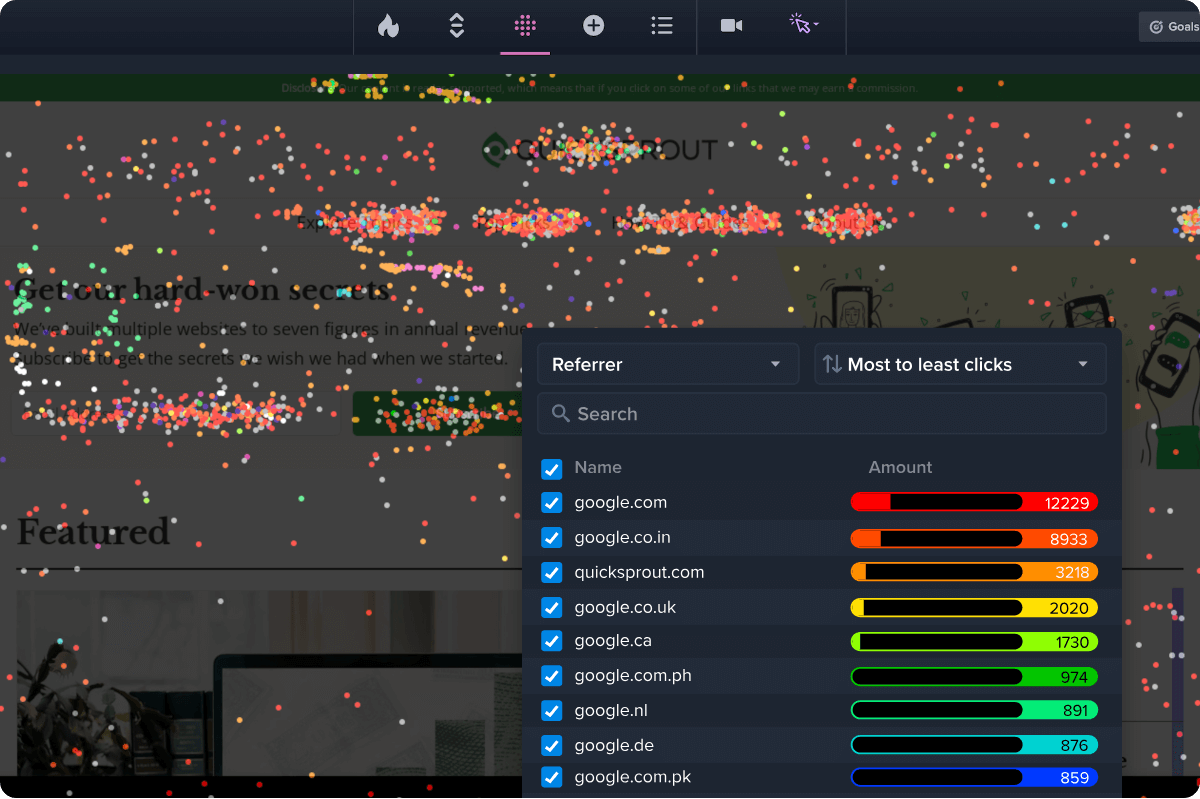
Crazy Egg offers a sophisticated suite of five distinct heatmap types: Click, Scroll, Confetti, Overlay, and List. The "Confetti" map is particularly significant for high-traffic enterprises; it allows analysts to segment clicks by referral source, search term, or even time of day. This level of granularity is vital for marketing teams who need to prove the ROI of specific ad campaigns. For instance, if a Facebook ad campaign is driving high traffic but those users are clicking on non-interactive elements, the Confetti map identifies this friction immediately.
Lucky Orange, by contrast, focuses on the "Move" map and dynamic element tracking. While it offers fewer map types (Click, Scroll, and Move), its strength lies in its ability to handle modern web architectures like Single Page Applications (SPAs) and dynamic elements like pop-ups and sliders. Lucky Orange’s heatmaps render clicks directly onto interactive elements in a "live" state, which is a critical requirement for e-commerce sites utilizing complex product carousels or AJAX-driven carts.
Session Recordings and the Science of Friction
Beyond static heatmaps, session recordings provide a cinematic view of the user experience. Both tools capture mouse movements, scrolling, and clicks, but the infrastructure behind their data retention and tagging differs significantly.

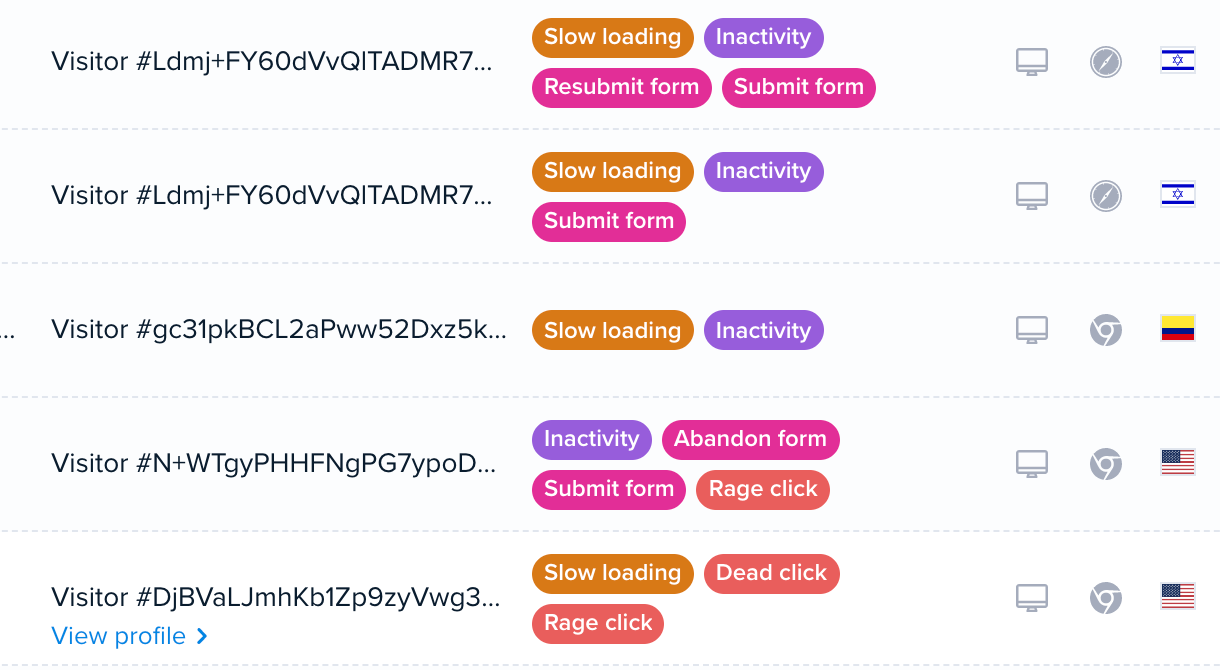
Crazy Egg has optimized its recording suite for long-term strategic analysis. It offers data retention ranging from 6 to 24 months, depending on the plan. This is a crucial data point for seasonal businesses—such as retailers—who need to compare user behavior during a Black Friday event to the previous year’s performance. Furthermore, Crazy Egg’s auto-tagging system is extensive, identifying "rage clicks," "dead clicks," "u-turns," and specific e-commerce milestones like "checkout start" without requiring manual setup.
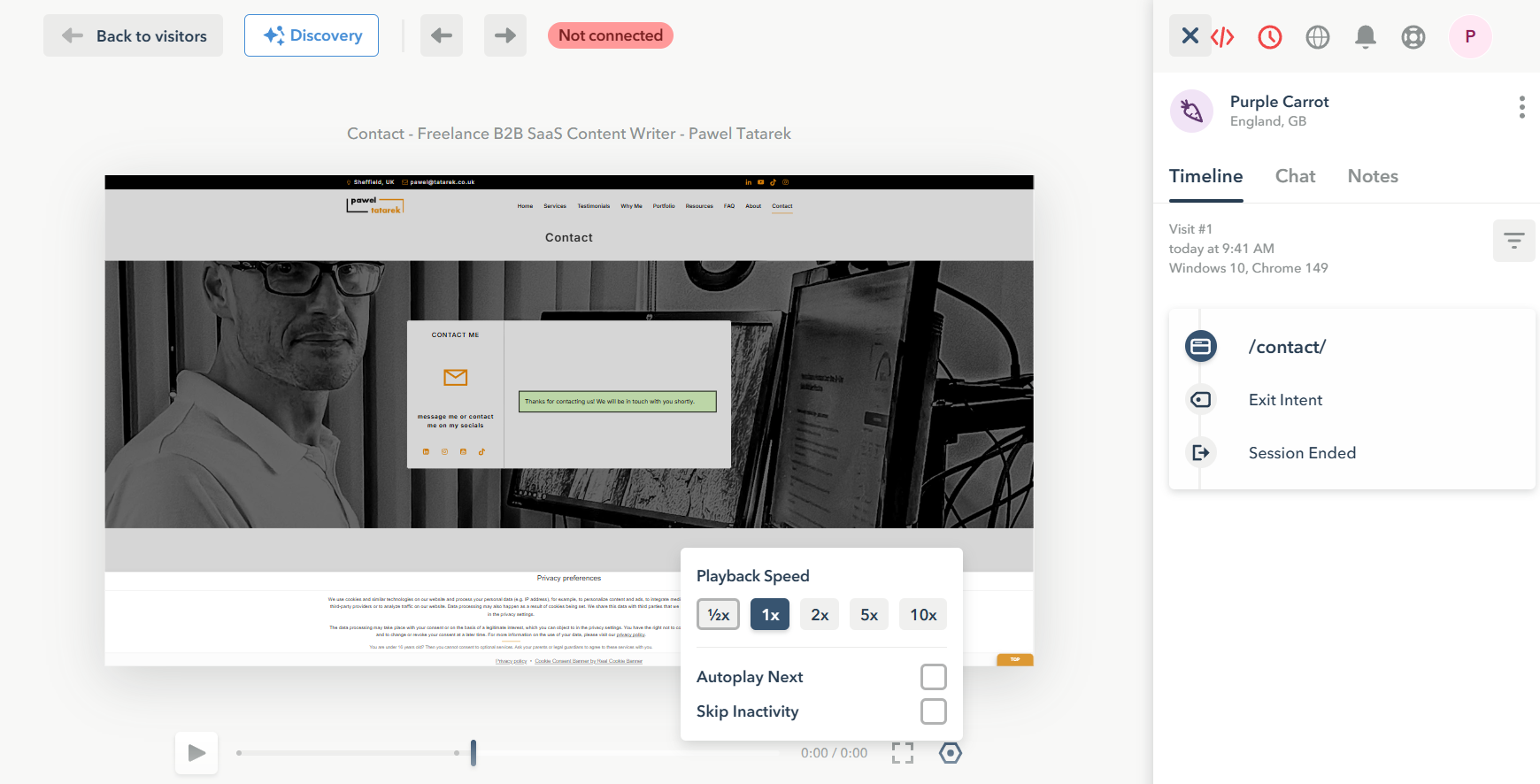
Lucky Orange provides a more immediate, tactical approach. Its base storage is 60 days, though it can be extended to 12 months. While its out-of-the-box tagging is narrower than Crazy Egg’s, Lucky Orange excels in real-time monitoring. Its "Live Visitor View" allows administrators to watch users in real-time and, unique to its platform, initiate a live chat session with a struggling user. This represents a proactive conversion strategy that merges analytics with customer support.

Technical Enrichment: The AI and Integration Frontier
The most significant recent advancement in CRO technology is the integration of Large Language Models (LLMs). Crazy Egg and Lucky Orange have taken divergent paths in how they implement AI to assist their users.
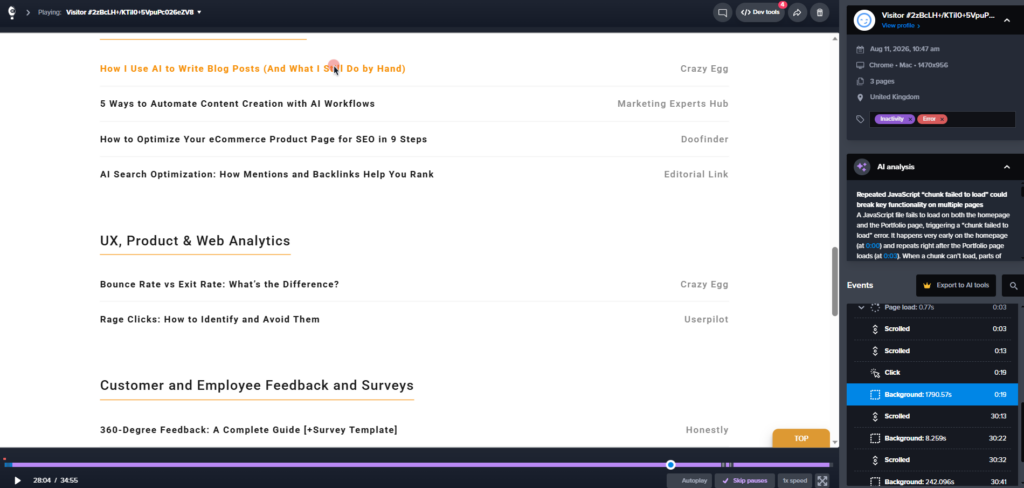
Crazy Egg’s AI strategy is built around "Agentic" workflows and data portability. It provides automatic AI-generated insights across all reports, highlighting anomalies and suggesting optimizations. However, its most powerful feature for enterprise users is the Model Context Protocol (MCP) and JSON export capability. This allows data scientists to export behavioral data directly into external AI tools like Claude or ChatGPT to run custom, large-scale analysis or automate executive reporting.
Lucky Orange utilizes a "Conversational" AI approach called Discovery AI. This is a built-in assistant that acts as a consultant. A user can ask, "Why are people dropping off on the checkout page?" and the AI will crawl the site’s code and behavioral data to provide a plain-English answer linked to specific recordings or heatmaps. This lowers the barrier to entry for small business owners who may not have a dedicated data analyst on staff.
Specialized Capabilities: A/B Testing vs. Form Analytics
A critical point of divergence is the inclusion of experimentation tools. Crazy Egg is a comprehensive optimization platform because it includes native A/B testing and personalization features. Once a friction point is identified via a heatmap, a user can immediately launch a visual editor to test a new headline or button color. This "find and fix" loop is a major efficiency gain for teams looking to consolidate their tech stack.
Lucky Orange lacks native A/B testing but offers a feature that Crazy Egg does not: field-level form analytics. For lead-generation businesses or complex SaaS sign-up flows, understanding exactly which form field causes a user to abandon the process is invaluable. Lucky Orange tracks "time to start," "field-to-field time," and "re-types," providing a surgical look at form friction that general behavior tools often miss.
Data Security, Governance, and Global Compliance
As privacy regulations like GDPR and CCPA become more stringent, the "back-end" of these tools becomes as important as their features. Both platforms prioritize data masking—ensuring that sensitive information like passwords or credit card numbers is never recorded or transmitted to their servers.
Crazy Egg offers a more robust framework for enterprise-level governance. Every plan includes role-based access control, and higher-tier plans provide SAML Single Sign-On (SSO) and Compliance Audit Logs. These features are often mandatory for IT departments in the healthcare, finance, or enterprise sectors. Lucky Orange maintains high privacy standards but lacks the published SSO and audit log infrastructure typically required for large-scale corporate deployments.
Economic Analysis: Pricing Models and ROI
The pricing structures of these two platforms reflect their target audiences. Crazy Egg bills based on "tracked pageviews." This is a highly efficient model for businesses that only want to monitor specific high-value pages, such as landing pages or checkout flows, without paying for the traffic that lands on their blog or "About" page.
Lucky Orange bills based on "total sessions." This means a business pays for every visitor to the site, regardless of whether they are being actively analyzed on a specific page. While Lucky Orange’s entry-level pricing is competitive, the costs can scale rapidly for high-traffic sites. However, the value of its bundled live chat and form analytics may offset these costs for businesses that would otherwise pay for three separate services.
Strategic Impact and Final Implications
The choice between Crazy Egg and Lucky Orange ultimately hinges on the maturity of a company’s CRO program and its specific technical requirements.
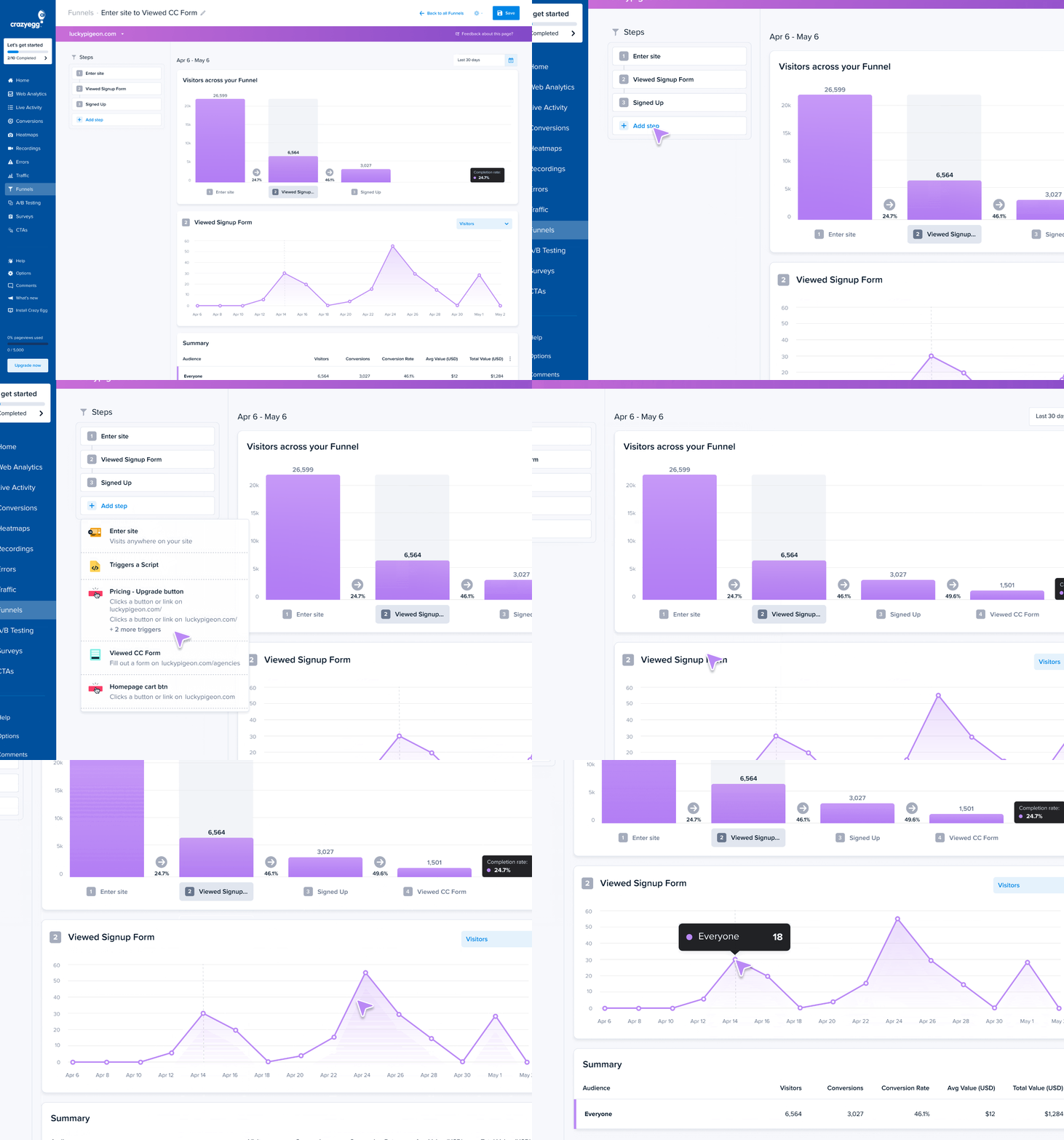
Crazy Egg is the superior choice for organizations seeking a "Full-Stack" optimization environment. Its integration of A/B testing, superior data retention, and enterprise-grade security make it a staple for marketing teams that need to perform deep-dive analysis and immediate experimentation. It is particularly well-suited for agencies and enterprises that manage multiple properties and require sophisticated data export capabilities for AI-driven workflows.
Lucky Orange is the preferred solution for e-commerce operators—particularly those on the Shopify platform—and small-to-medium businesses that prioritize real-time engagement. The inclusion of live chat and specialized form analytics provides a unique "active" approach to CRO. It is an ideal tool for teams that need an intuitive, conversational interface to understand user behavior without the need for complex data modeling.
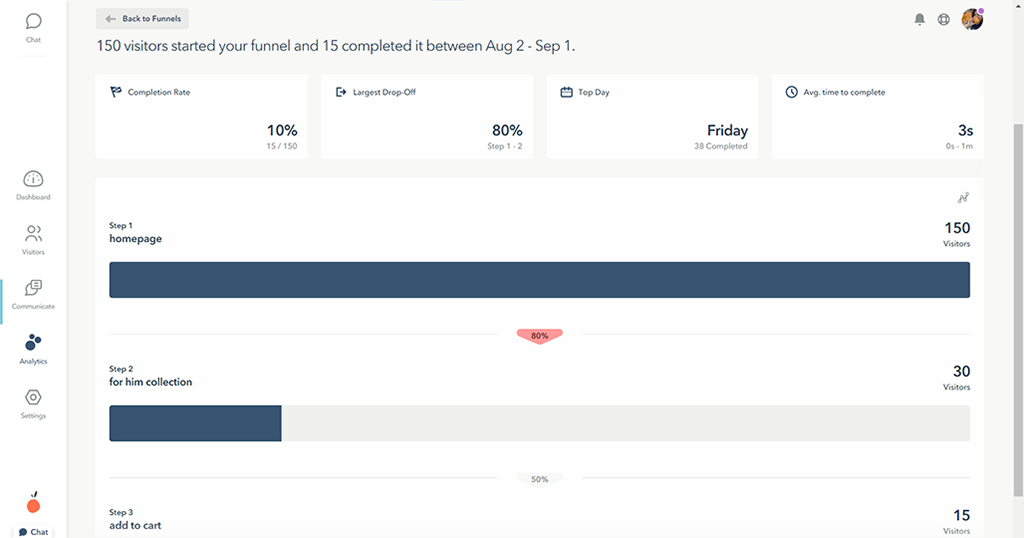
In conclusion, the CRO market is no longer about simply providing heatmaps. It is about providing actionable intelligence. Whether through Crazy Egg’s robust experimentation framework or Lucky Orange’s real-time interaction suite, both tools represent the cutting edge of digital psychology and user experience design. As the digital economy continues to tighten, the ability to decode and act upon user behavior will remain the primary differentiator between market leaders and their competitors.

 Siti Muinah
 Nana
Nana