In the evolving landscape of digital commerce, the traditional focus on immediate conversion rates is being superseded by a more sophisticated emphasis on long-term customer activation and retention. While many growth teams historically prioritized the initial transaction, market data now suggests that the most sustainable path to profitability lies in the first seven days of the customer journey. This critical window, often referred to as the "activation period," determines whether a one-time purchaser transforms into a loyal brand advocate or contributes to the growing statistics of customer churn.
The Shift from Conversion to Activation
The historical preoccupation with Conversion Rate Optimization (CRO) often overlooked the post-purchase experience. However, industry leaders are increasingly recognizing that a high conversion rate is a hollow victory if it is followed by immediate buyer’s remorse or a failure to utilize the product. Growth strategies are now being recalibrated to address "activation"—the moment a customer realizes the promised value of a product.
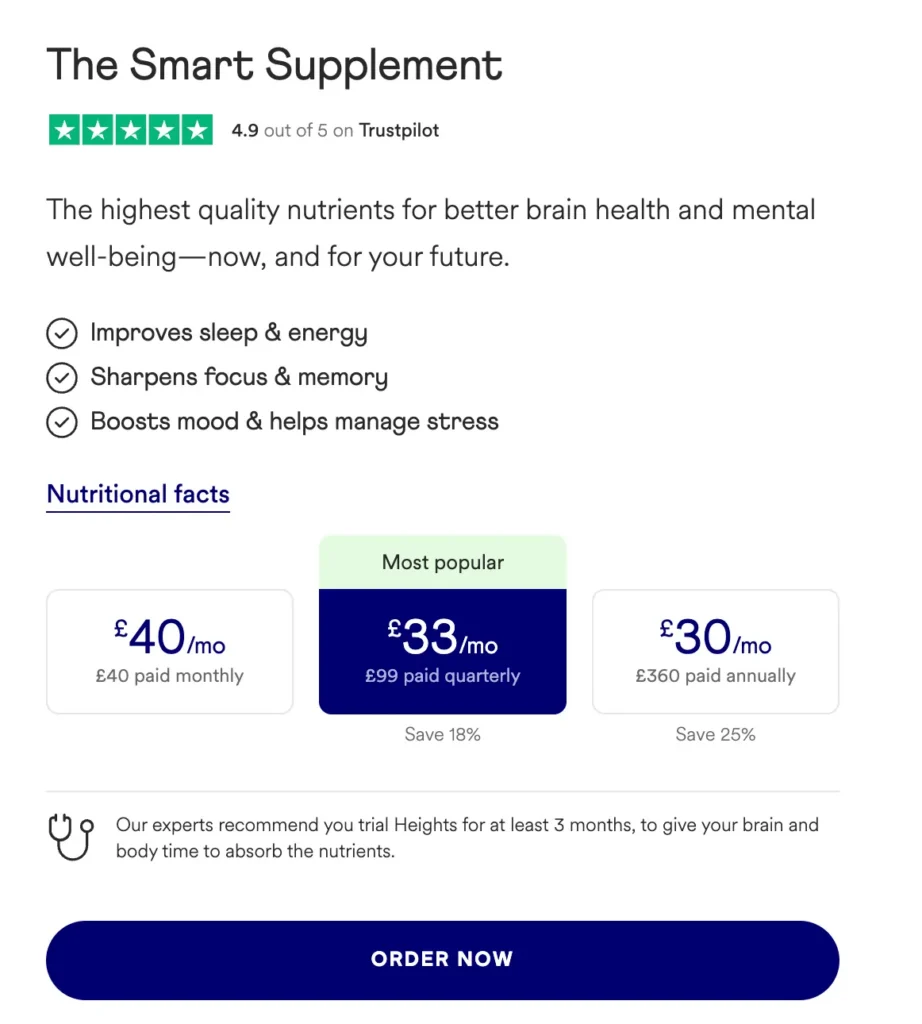
For many businesses, particularly in the subscription and health-tech sectors, this shift was exemplified by experiments conducted at Heights, a prominent brain supplement company. Daphne Tideman, the former Head of Growth at Heights, spearheaded a pivotal experiment that moved away from optimizing for the "click" and toward optimizing for "consistency." By introducing a simple line of copy advising customers to use the supplement for at least three months to see results, the company successfully planted a seed of long-term commitment before the transaction was even completed. Five years later, this strategy remains a cornerstone of the brand’s product page, demonstrating the enduring power of expectation-setting in the pre-purchase phase.

The Psychology of the First Seven Days
Market research indicates that the first week after a purchase is the most volatile period in the customer lifecycle. During this time, the "honeymoon phase" of a new purchase often clashes with the reality of implementation. Whether it is a physical supplement, a SaaS platform, or a high-end consumer electronic, the user’s ability to achieve a "small win" within these 168 hours is the strongest predictor of long-term retention.
When customers are properly activated in this window, they do not just convert; they stick around. This is particularly vital in the current economic climate, where the cost of customer acquisition (CAC) has skyrocketed across digital platforms. Brands can no longer afford to churn through customers at a high rate; they must maximize the lifetime value (LTV) of every acquired user.

Pre-Purchase Strategies for Long-Term Success
The optimization of a website for long-term buyers begins long before the checkout page. It involves creating clarity, building trust, and increasing the motivation to persist with the product.
-
Creating Clarity Through Expectation Setting: As seen with the Heights case study, being transparent about the timeline for results can reduce early abandonment. When customers are told upfront that a product requires a three-month commitment, those who purchase do so with a higher level of intent. This transparency filters out "low-quality" leads and prepares the customer for the journey ahead.
-
Building Trust via Social Proof and Data: Dog food brand Butternut Box utilizes a data-driven approach to build trust. By sharing specific post-purchase statistics on their website—such as the percentage of owners who noticed improved digestion or energy in their pets—they provide a roadmap of what the customer can expect. This use of "outcome-based" social proof is more effective for retention than generic testimonials because it sets specific benchmarks for the customer to look for.
-
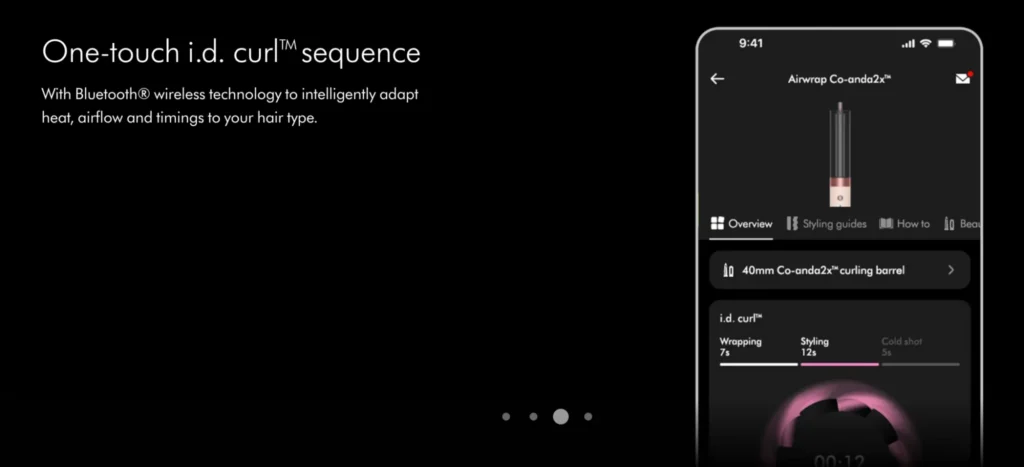
Aligning Messaging with the "Jobs to Be Done" Framework: High-end brands like Dyson have mastered the art of aligning website messaging with the user’s ultimate goal. The Dyson Airwrap, a premium hair-styling tool, faced challenges with returns because the product required a learning curve. In response, Dyson integrated messaging about a dedicated styling app directly onto the product page. By focusing on the outcome (perfectly styled hair) rather than just the features of the tool, Dyson increased the customer’s motivation to engage with the educational materials necessary for success.

Post-Purchase Integration and the Role of Email
While the website sets the stage, the post-purchase experience—specifically via email and packaging—executes the performance. Most companies treat post-purchase emails as purely transactional, sending a receipt and perhaps a shipping notification. This is a significant missed opportunity for activation.
The first few emails should focus on "reinforcement" rather than "revenue." For a supplement brand, this might mean a Day 1 email reminding the user to take their pill with breakfast. For a SaaS company, it might be a Day 2 guide on the single most important feature that correlates with long-term success.
Buyer’s remorse is a documented psychological phenomenon where a customer feels anxiety or regret after a purchase. Journalistic analysis of consumer behavior suggests that this often stems from a lack of immediate utility or a feeling of being "abandoned" by the brand once the money has changed hands. Effective activation sequences mitigate this by continuing the conversation and providing immediate support.
Framework for Improving the Activation Window
For organizations looking to pivot toward long-term buyer optimization, a structured four-step approach is recommended:
1. Define "Activated"
Businesses must determine the specific action that serves as a "North Star" for retention. In a workout app, this might be completing three sessions in the first week. For a subscription coffee brand, it might be the customer’s first successful adjustment of their delivery schedule. By analyzing historical data, companies can identify which early behaviors are most predictive of a customer remaining active at the six-month mark.
2. Audit the Post-Purchase Journey
Stakeholders are encouraged to "become the customer." This involves purchasing the product and documenting every touchpoint, from the confirmation email to the unboxing experience. This audit should evaluate whether each moment builds trust, provides clarity, or increases motivation.

3. Focus on Physical Touchpoints
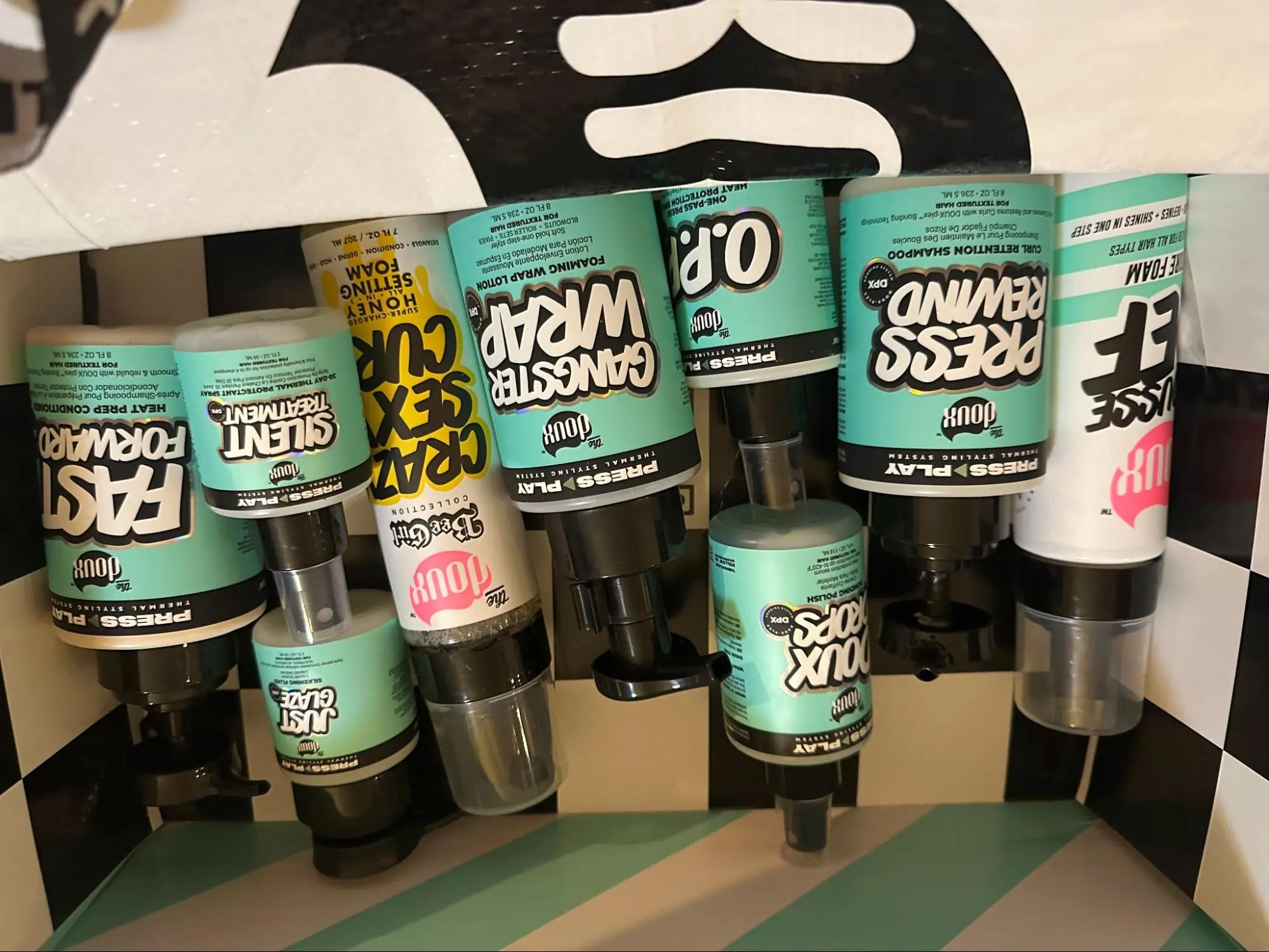
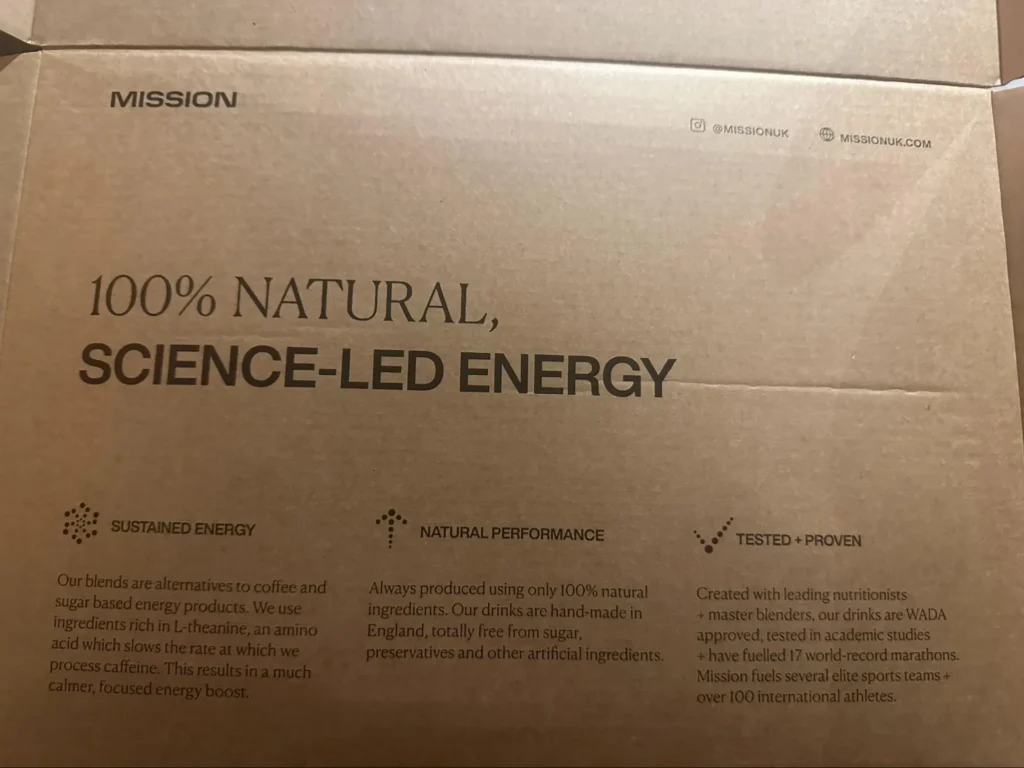
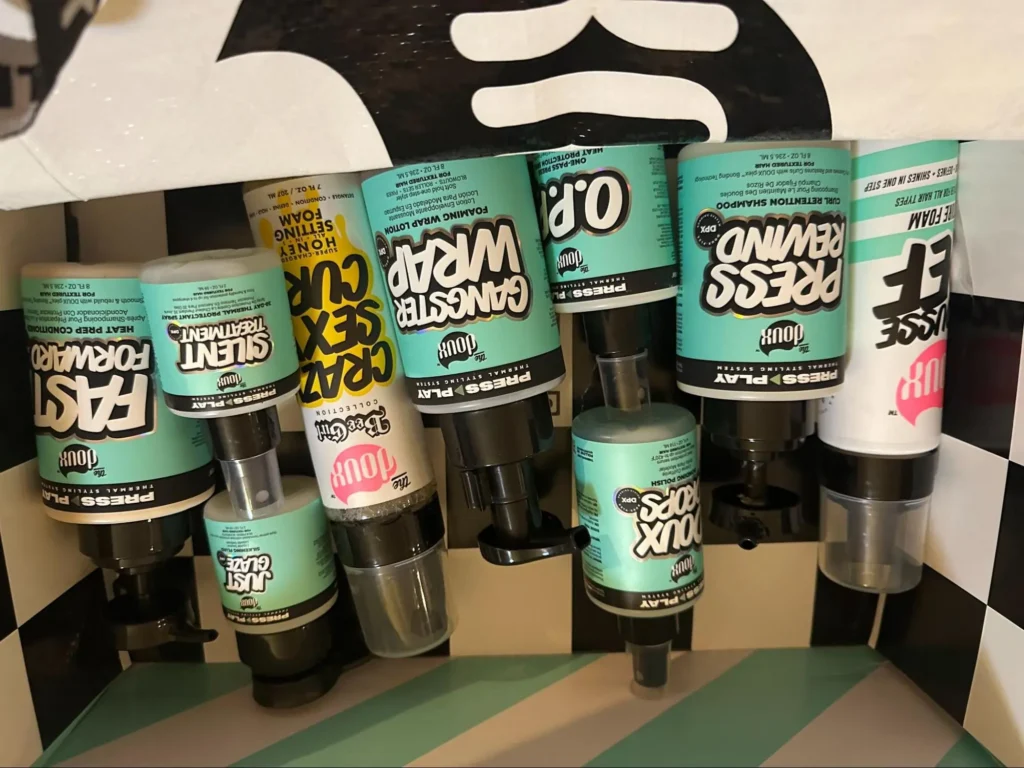
For e-commerce brands, the physical "unboxing" is the ultimate moment of truth. Brands like Mission C and La Doux have successfully utilized packaging to reinforce brand values. Mission C uses the interior of their shipping boxes to remind customers why the product matters, while La Doux includes personalized messages to foster a human connection. These details may seem minor, but they contribute to a "halo effect" that protects the brand during the vulnerable first week of use.
4. Experiment with High-Impact Moments
The most significant drops in engagement typically occur at Day 0 (purchase) and Days 1 through 3 (initial use). Experimenting with small changes in these windows—such as adding a "Getting Started" FAQ to the shipping confirmation email—can have a disproportionate impact on reducing support tickets and increasing satisfaction.

Key Metrics for Measuring Success
To accurately track the impact of activation optimization, growth teams must look beyond the standard Conversion Rate. Essential metrics include:
- 7-Day and 30-Day Retention Rates: The percentage of users who remain active or do not cancel their subscription within the first month.
- Time to Value (TTV): How long it takes for a customer to complete their first "meaningful" action.
- Customer Support Volume: A decrease in early-stage support queries often indicates better pre-purchase and onboarding clarity.
- Average Revenue Per User (ARPU): Segmented by those who completed the activation steps versus those who did not.
Segmenting these metrics by acquisition source is also vital. Data often shows that organic traffic activates at a significantly higher rate than paid traffic. If activation rates are low, the problem may not be the onboarding process itself, but rather the quality of the traffic being driven to the site.
The Compounding Effect on Revenue
The financial implications of optimizing for long-term buyers are profound. Unlike landing page experiments, which provide a linear increase in customers, activation experiments offer a compounding benefit. A 10% increase in the conversion rate of a landing page provides a 10% boost in initial sales. However, a 10% increase in 7-day retention cascades through the entire lifecycle of the customer. These users stay longer, have a higher lifetime value, and are more likely to generate "earned media" through referrals and positive reviews.
As the digital marketplace becomes increasingly crowded, the brands that survive will be those that view the website not just as a tool for "closing the deal," but as the first step in a long-term partnership. By optimizing for the first seven days, companies can build a foundation of trust that sustains growth long after the initial click.