

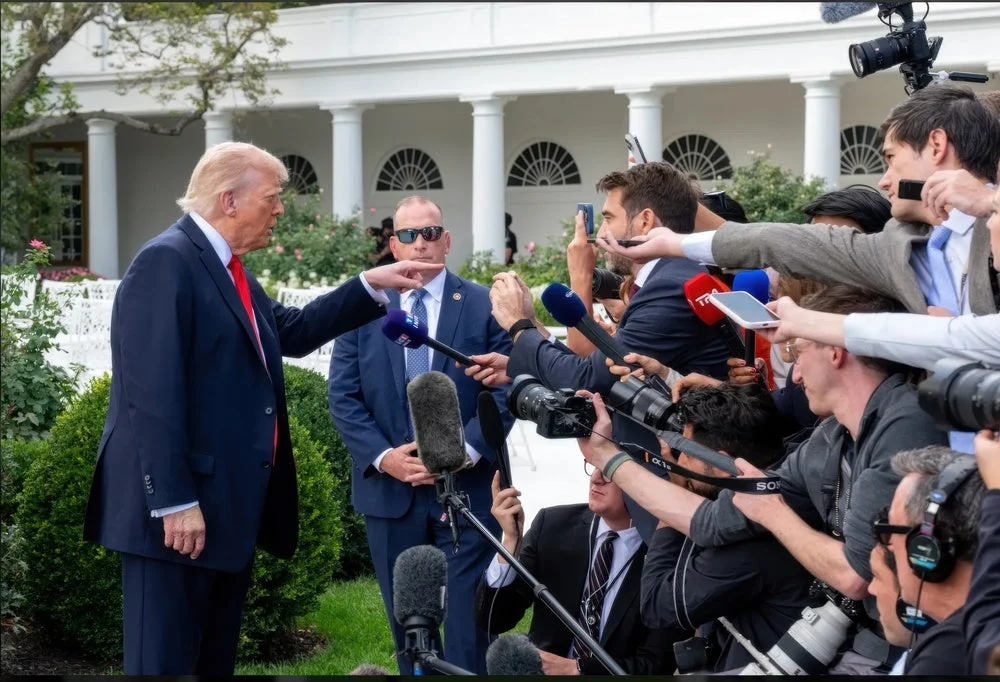
In a week defined by high-stakes legal battles over First Amendment rights, a landmark shift in corporate crisis communication, and emerging data on the 2026 holiday shopping season, the public relations industry is facing a series of critical inflection points. From the halls of the White House to the digital storefronts of major delivery platforms, the relationship between institutions, the media, and the public is being redefined by transparency—or the lack thereof. This roundup examines the ongoing struggle for press access in Washington, DoorDash’s unconventional admission of failure in New York City, and the shifting social media habits of a more cautious consumer base.
The Battle for the Briefing Room: Federal Courts and White House Media Credentials
The intersection of executive power and press freedom reached a boiling point this week as the White House engaged in a protracted legal skirmish with three major news organizations. On September 18, 2026, the administration of President Donald Trump revoked the press credentials of CNN, MS NOW, and Politico. The administration justified the move by citing "behavior in violation of the standards of professionalism and decorum," a phrase that has become a recurring theme in the administration’s contentious relationship with the press pool.
The response from the media was swift. All three outlets filed suit, alleging that the revocation of their "hard passes"—the credentials that allow reporters long-term access to the White House grounds—violated the Fifth Amendment’s due process clause and the First Amendment’s protection of a free press. On the morning of September 24, U.S. District Judge Timothy Kelly, a Trump appointee, issued a temporary restraining order. Kelly found that the White House had likely acted unconstitutionally by failing to provide the outlets with prior notice or an opportunity to contest the ban before their physical access was terminated.
Despite the judicial order, the situation on the ground remained chaotic. On Thursday morning, reporters from the affected outlets attempted to enter the White House complex, only to be turned away at the gates. In several instances, Secret Service agents reportedly confiscated hard passes that had been previously deactivated. This defiance of a federal court order led to an emergency hearing request. By midday, under the pressure of a 12:30 p.m. court-mandated deadline, the White House began restoring access. CNN’s Betsy Klein was able to broadcast live from the South Lawn, and MS NOW’s Laura Barrón-López was eventually admitted after an initial denial.
This incident is not an isolated event but part of a broader chronology of media exclusion. Earlier in 2026, the White House barred the Associated Press from certain events after the wire service refused to adopt the administration’s preferred terminology, specifically the phrase "Gulf of America," in its reporting. Similarly, the Pentagon has faced legal rebukes for attempting to sideline "disfavored journalists." These cases collectively underscore a significant shift in how media credentialing is managed at the federal level, moving away from established norms toward a more selective, and legally fraught, gatekeeping model.
From a communications perspective, the implications are profound. Industry experts suggest that the court’s ruling—emphasizing that once access is granted to some, it cannot be selectively denied without due process—serves as a warning to any organization that manages media credentials. Parry Headrick, Founder of Crackle, notes that shutting out the press is rarely a successful strategy. "It erodes trust and inspires intrepid reporters to dig even harder to gather the facts," Headrick stated, adding that "sunlight is the best disinfectant." The chaotic execution of the ban and the subsequent non-compliance with the court order further damaged the administration’s credibility, illustrating how a lack of internal coordination can turn a policy decision into a public relations crisis.
DoorDash’s $131.5 Million Settlement and the Strategy of Radical Candor
While Washington grappled with press freedom, the corporate world witnessed a rare moment of public contrition. New York City Mayor Zohran Mamdani announced a record-breaking $131.5 million settlement with DoorDash this week. The settlement concludes an investigation into the company’s failure to comply with the city’s minimum pay rules for delivery workers, which were enacted in 2023.
The scale of the settlement is significant: approximately 264,000 "Dashers" are slated to receive payments for undercompensated work or late payments. However, the most striking element of the story was not the dollar amount, but DoorDash’s response. In a statement titled "Making It Right: Our Settlement with the City of New York," the company opened with three words that are nearly extinct in corporate legal filings: "We screwed up."
The company avoided the typical "neither admit nor deny" boilerplate language often seen in regulatory settlements. Instead, DoorDash provided a granular breakdown of the technical failures that led to the underpayments. These included software bugs, errors in processing deliveries that crossed city boundaries, and banking information glitches. The company even quantified the impact, noting that the average underpayment was $7.70, with 65% of affected workers shorted by $1 or less. By addressing an $83 million dispute over on-call pay methodology directly, DoorDash framed the settlement as a choice to prioritize its workers over years of protracted litigation.
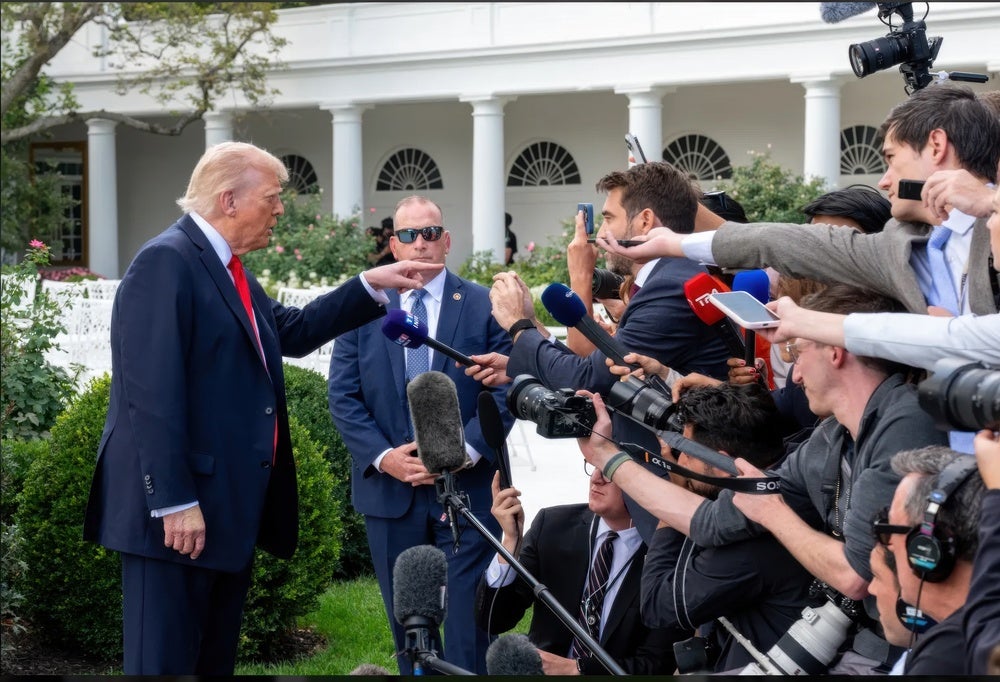
This approach aligns with recent research from the Resonant Advisory Group, which found that 79% of consumers believe a company earns more credibility by disclosing bad news about itself first. By taking ownership of the narrative, DoorDash attempted to mitigate the reputational damage inherent in such a large settlement.
Michelle Bonner, Vice President of Public Relations at Adams & Knight, argues that while the statement is a strong start, the true test of trust lies in future behavior. "In this case, the first audience isn’t the customer; it’s the workers," Bonner said. She emphasized that a reputation problem is often a symptom of a business behavior problem, and no amount of clever messaging can replace consistent, ethical operations. While the convenience of DoorDash may prevent a mass exodus of customers, Bonner warns that a loss of "goodwill" leaves the company vulnerable in future controversies.
The 2026 Holiday Forecast: Economic Anxiety and the Social Media Pivot
As the fourth quarter approaches, the PR and marketing sectors are bracing for a holiday shopping season shaped by economic volatility. According to Sprout Social’s Q3 2026 Pulse Survey, the 2026 holiday season will be defined by "utility over promotion." With the looming threat of new tariffs and persistent inflation, 56% of social media users plan to reduce their holiday spending this year.
The survey data reveals a consumer base that is increasingly proactive and skeptical. Nearly 70% of respondents expressed concern about price increases related to tariffs, and 36% indicated they would start their shopping earlier than usual to avoid potential price hikes. This "holiday creep" is forcing brands to launch campaigns in September, even as summer temperatures linger.
Social media has transitioned from a discovery tool to the primary engine of the entire shopping journey. The data highlights several key trends for 2026:
- The Search Shift: Consumers are increasingly using social platforms like TikTok and Instagram as search engines to find specific products and compare prices, bypassing traditional search engines.
- Creator Influence: Shoppers are looking to creators not just for inspiration, but for "unfiltered" reviews and demonstrations of product value.
- Customer Care Expectations: The window for response time has narrowed significantly. Consumers now expect brands to resolve shipping or product queries via social media DMs within hours, not days.
Scott Morris, Chief Marketing Officer at Sprout Social, suggests that the tighter economic climate makes every purchase more weighted for the consumer. This requires brands to refine their messaging to be "thoughtful and grounded." Morris advocates for a strategy where creator partners focus on education and utility rather than just aesthetics.
The broader impact of these findings suggests that the traditional "big-budget" holiday ad may be losing its efficacy. In an environment where consumers are spending less, they are simultaneously expecting more from the brands they choose to support. This "value-driven" consumerism requires a PR approach that emphasizes transparency, speed, and genuine helpfulness.
Analysis: The Interconnectedness of Trust and Access
The events of this week highlight a common thread in modern communications: the fragility of trust. Whether it is a government agency attempting to control its narrative by excluding critical voices, or a multi-billion dollar corporation admitting to a technical failure, the currency of the current era is transparency.
In the case of the White House, the legal setbacks serve as a reminder that institutional power is still subject to the "due process" of the law. For PR professionals, the takeaway is that attempts to circumvent transparency often result in more scrutiny, not less. In the corporate sector, DoorDash’s "We screwed up" moment may set a new standard for how companies handle regulatory failures, moving away from obfuscation toward radical honesty.
Finally, the shift in holiday shopping behavior underscores that consumers are no longer passive recipients of marketing. They are active researchers who use social media to hold brands accountable for both price and service. As 2026 draws to a close, the organizations that succeed will be those that recognize that reputation is not managed through press releases alone, but through the consistent alignment of words and actions across every platform.









