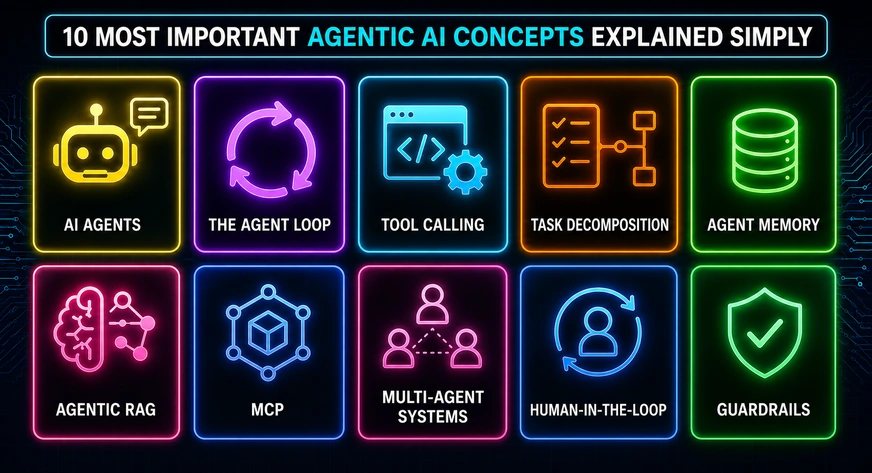
The rapid evolution of artificial intelligence has shifted the industry focus from simple generative models to "agentic" systems—autonomous entities capable of reasoning, planning, and executing complex workflows with minimal human intervention. While the first wave of consumer AI was defined by chatbots that provided static answers, the current era is defined by agents that perform tasks. Industry analysts at Gartner and McKinsey suggest that by 2026, autonomous AI agents will handle a significant portion of enterprise operations, moving the technology from a conversational novelty to a fundamental layer of global infrastructure. To navigate this landscape, professionals must move beyond basic prompt engineering and master the core architectural concepts that power these autonomous systems.
The Evolution from Generative to Agentic AI
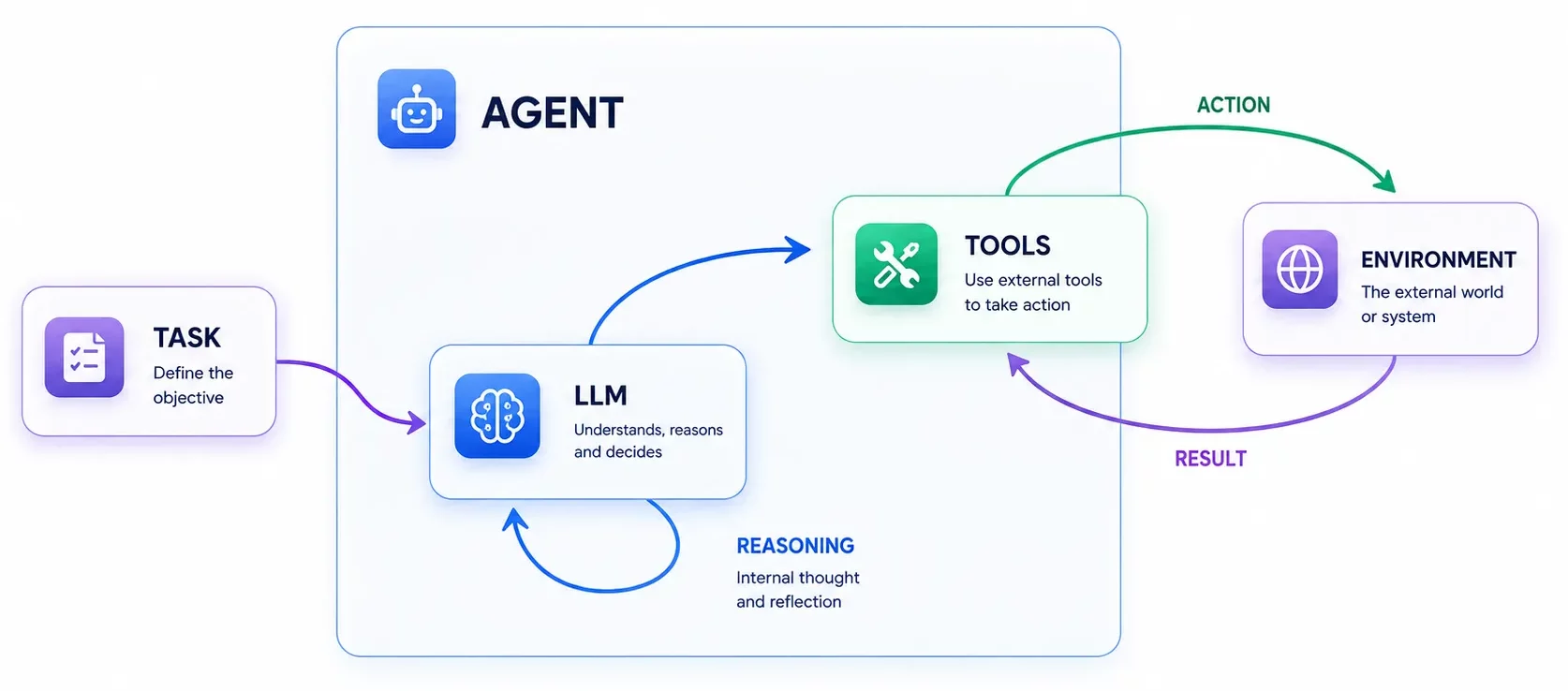
The transition to agentic AI represents a paradigm shift in how Large Language Models (LLMs) are deployed. In the traditional generative model, a user provides a prompt, and the AI generates a response based on its training data. This is a linear, "one-shot" process. In contrast, an AI agent is a system that uses an LLM as its "brain" to decide which actions to take, interact with external tools, observe the outcomes of those actions, and iterate until a specific goal is achieved.
According to data from Sequoia Capital, investment in agentic workflows has surged by over 300% in the last 18 months. This growth is driven by the realization that LLMs, while brilliant at language, are limited by their "knowledge cutoff" and inability to affect the physical or digital world directly. Agentic frameworks bridge this gap, allowing models to interface with web browsers, databases, and software APIs.
1. The Fundamental AI Agent Architecture
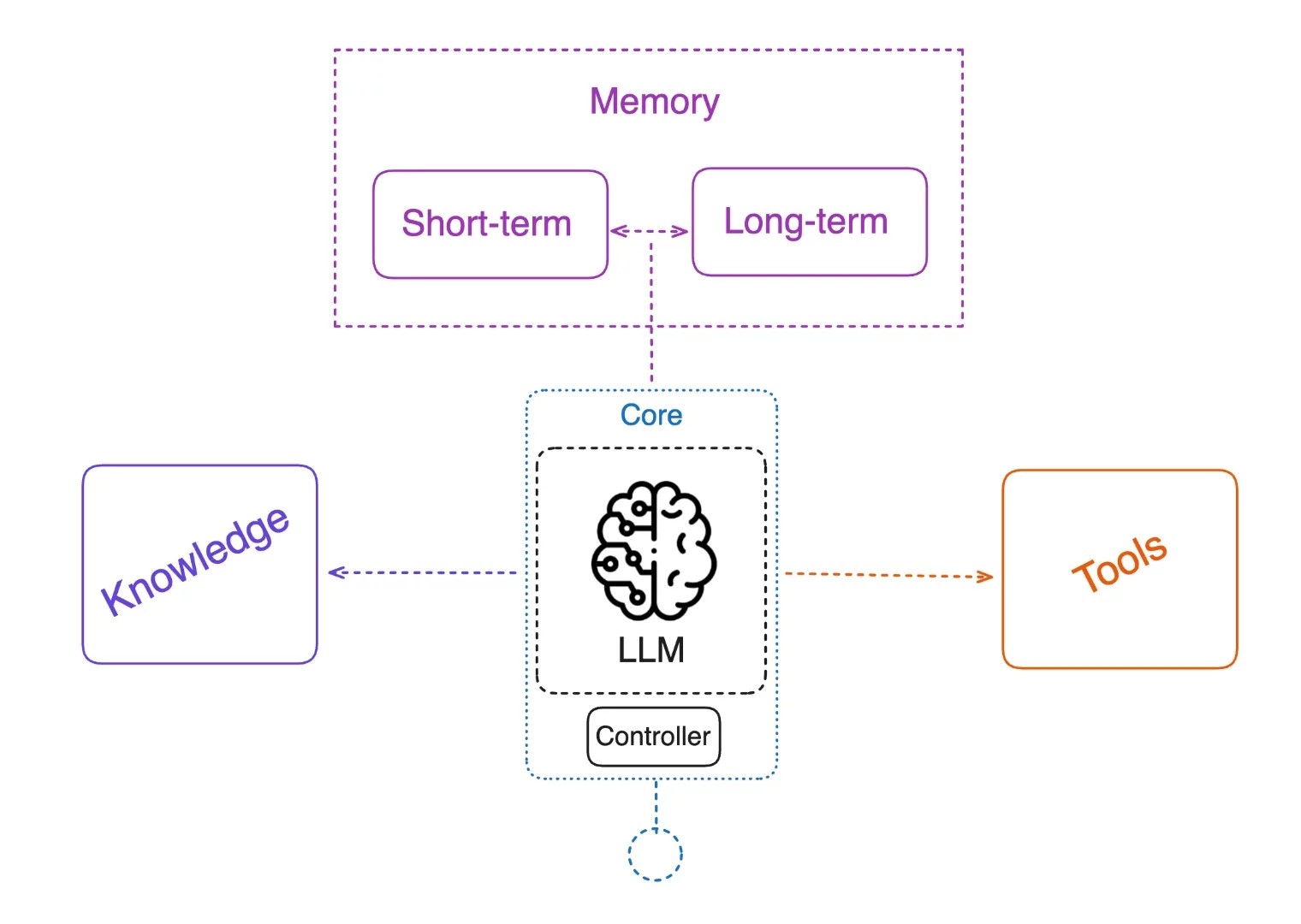
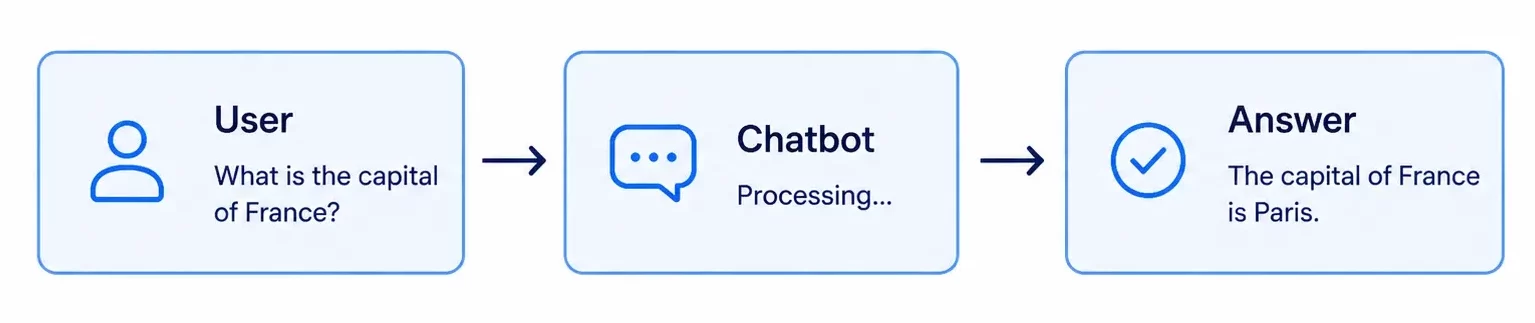
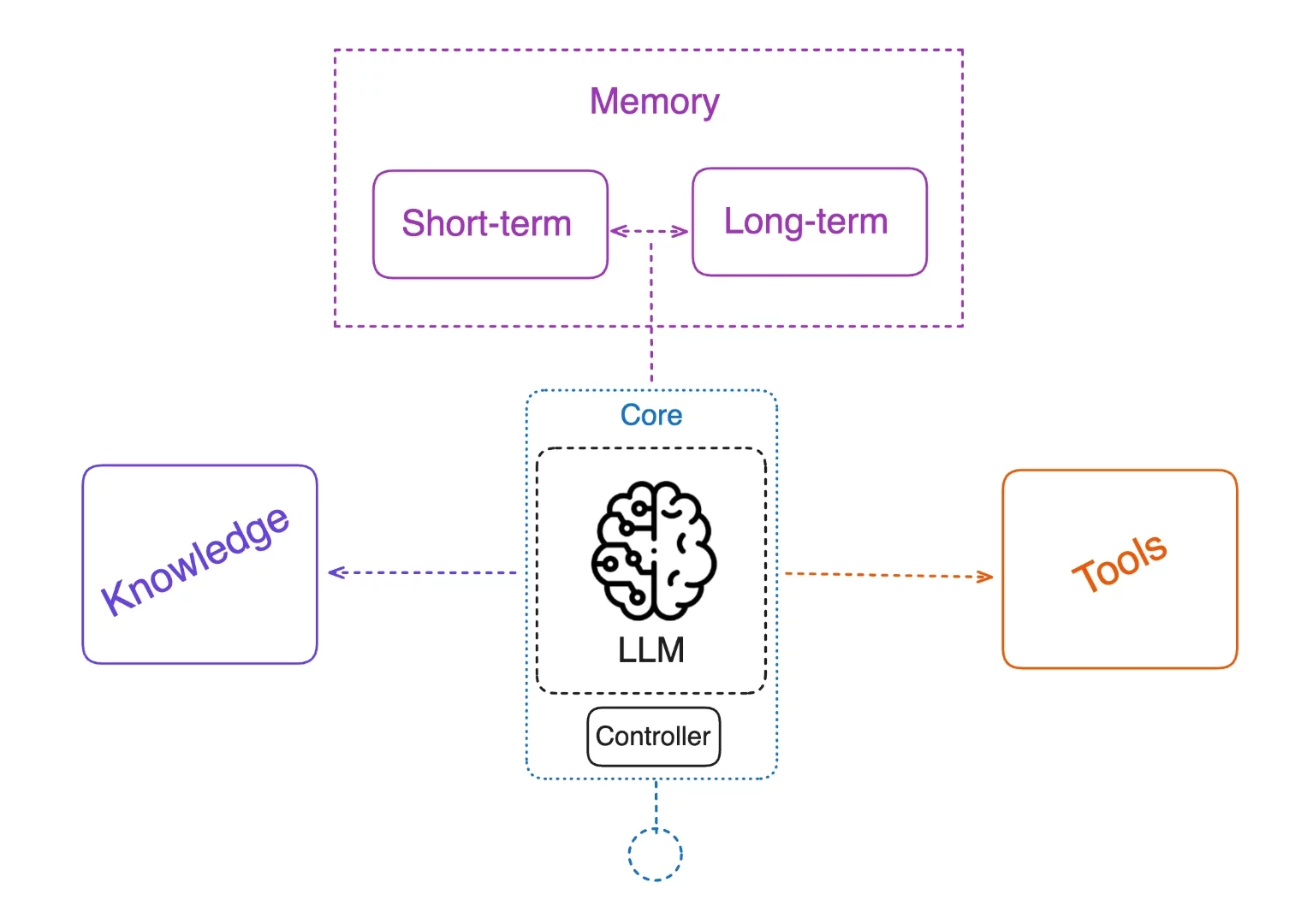
An AI agent is distinguished from a standard chatbot by its goal-oriented nature. While a chatbot like the original ChatGPT was designed to "answer," an agent is designed to "work." An agentic system is composed of four primary components: the core model (the LLM), a planning module, a memory module, and a tool-set.
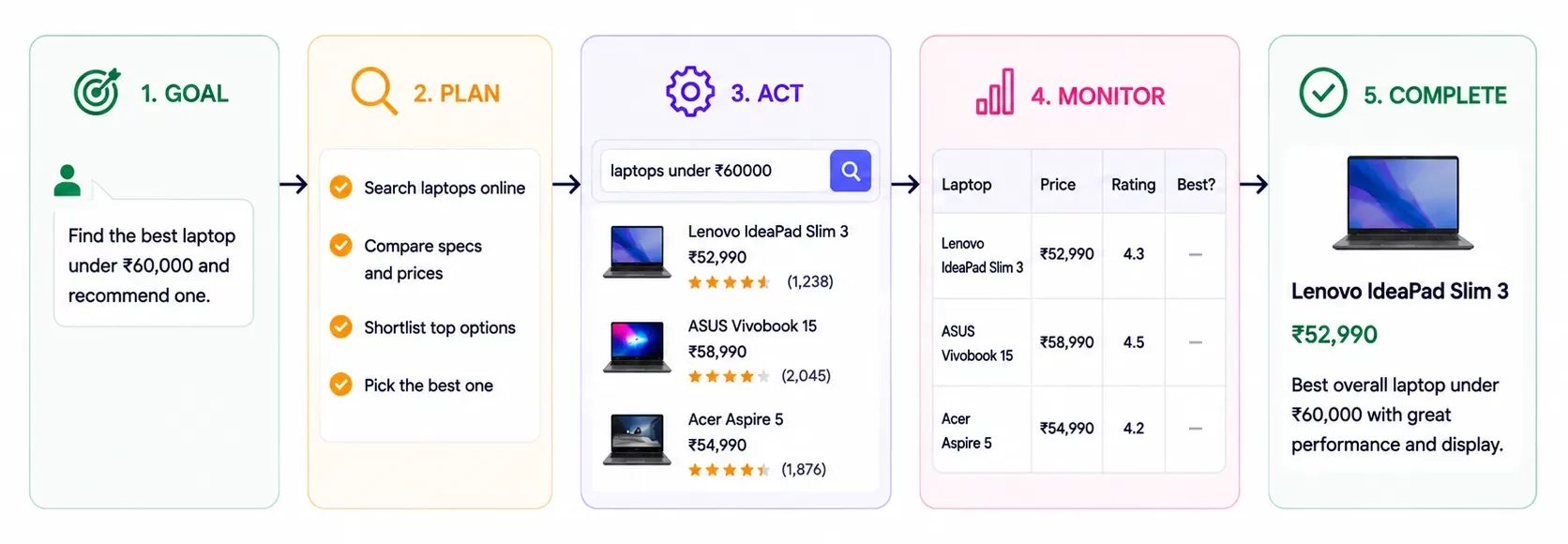
For example, if a user asks a standard chatbot to "organize a business trip to Tokyo," the chatbot will provide a list of suggestions. An agent, however, will break the request into sub-tasks: searching for flights within a budget, checking hotel availability via an API, comparing travel insurance policies, and drafting an itinerary. The agent does not just provide information; it executes a process. This autonomy is the foundational building block of the "Agentic Turn" in technology.
2. The Agent Loop: The Iterative Reasoning Cycle
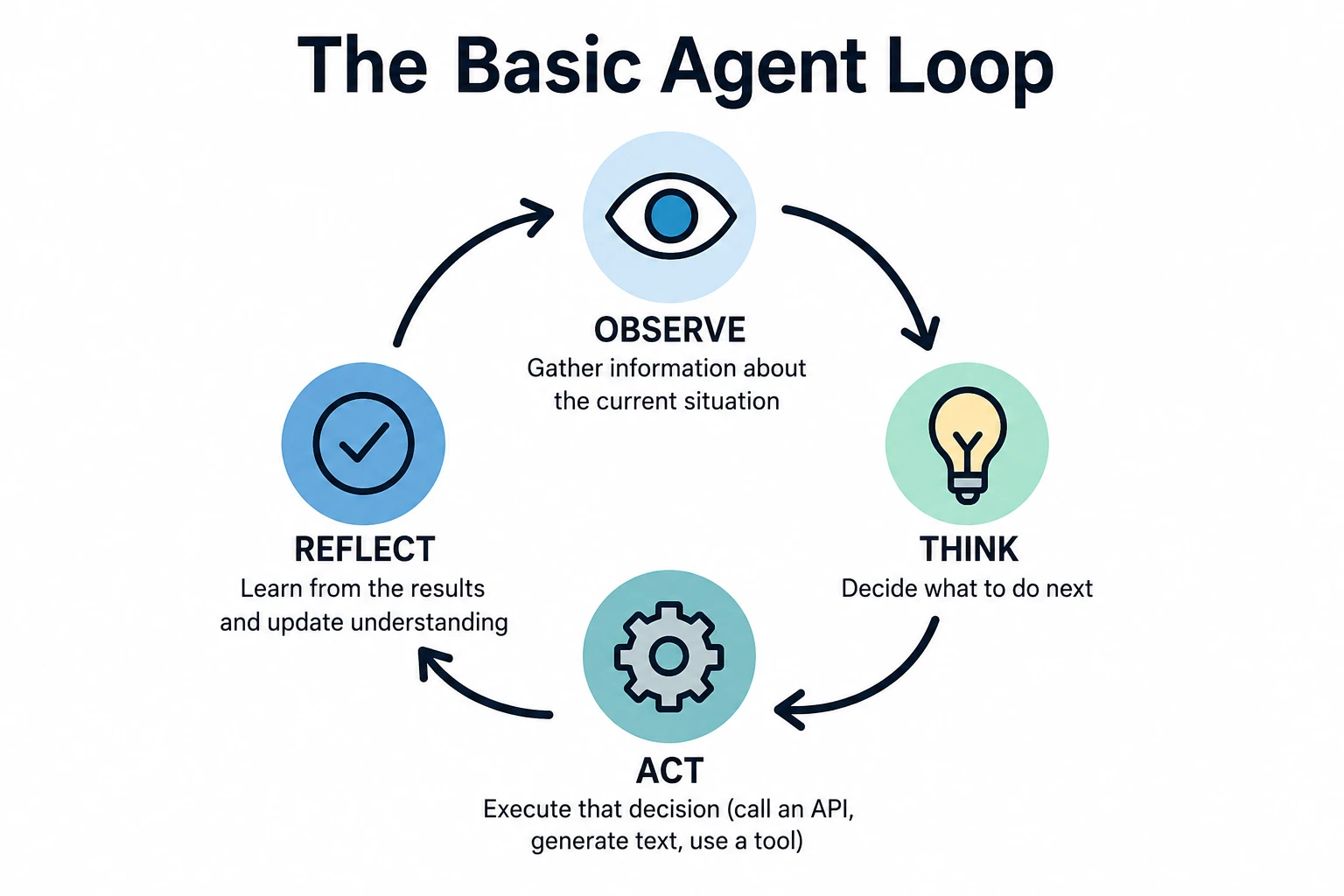
The "Agent Loop" is the most critical concept in understanding how autonomy is achieved. Unlike a standard request-response cycle, an agent loop is iterative. It follows a sequence often referred to as the "Thought-Action-Observation" cycle.
When an agent receives a complex query, it does not attempt to solve it in one go. Instead, it:
- Thinks: It analyzes the goal and decides on the first step.
- Acts: It executes a command (such as a web search or a code execution).
- Observes: It reads the result of that action.
- Adapts: Based on the observation, it updates its internal state and decides on the next step.
This loop continues until the goal is met or the agent determines the task is impossible. This ability to adapt to intermediate results—for instance, changing a search query if the first one yields no results—is what separates agentic AI from simple automated scripts.
3. Tool Calling and Function Calling
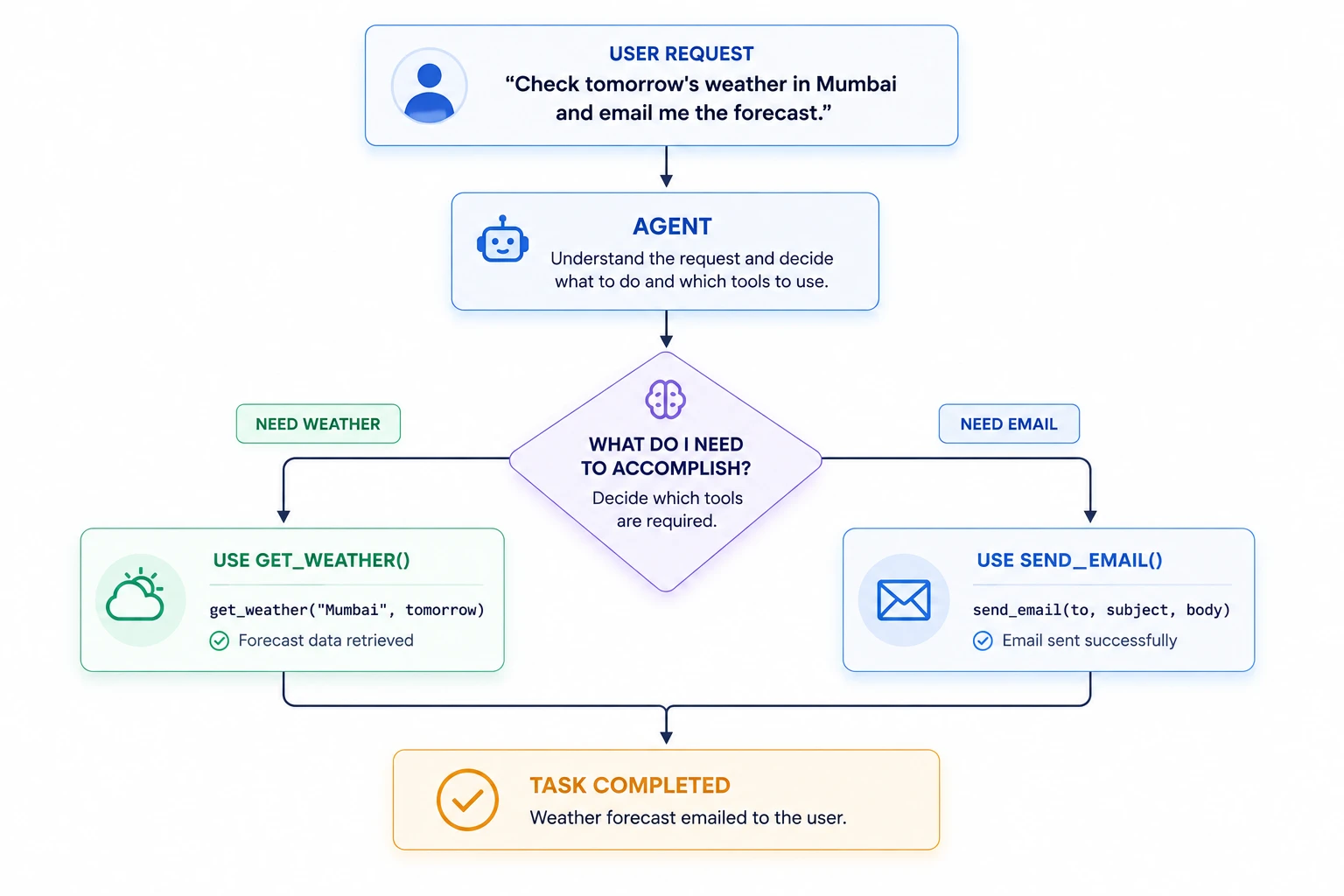
A major limitation of LLMs is their "sandbox" environment; they cannot inherently "see" the live internet or "touch" external files. Tool calling (or function calling) is the mechanism that grants agents these powers.
In a tool-calling framework, the developer provides the AI with a library of functions, such as get_current_stock_price(ticker) or send_slack_message(channel, text). The AI model is trained to recognize when a user’s request requires one of these tools. Instead of hallucinating a response, the model outputs a structured piece of code (usually JSON) that specifies which tool to use and what arguments to pass to it.
Data from OpenAI’s developer portal indicates that function calling is now among the most utilized features in the GPT-4o API, as it allows enterprises to connect their proprietary data and legacy software to the reasoning power of AI.
4. Task Decomposition and Planning
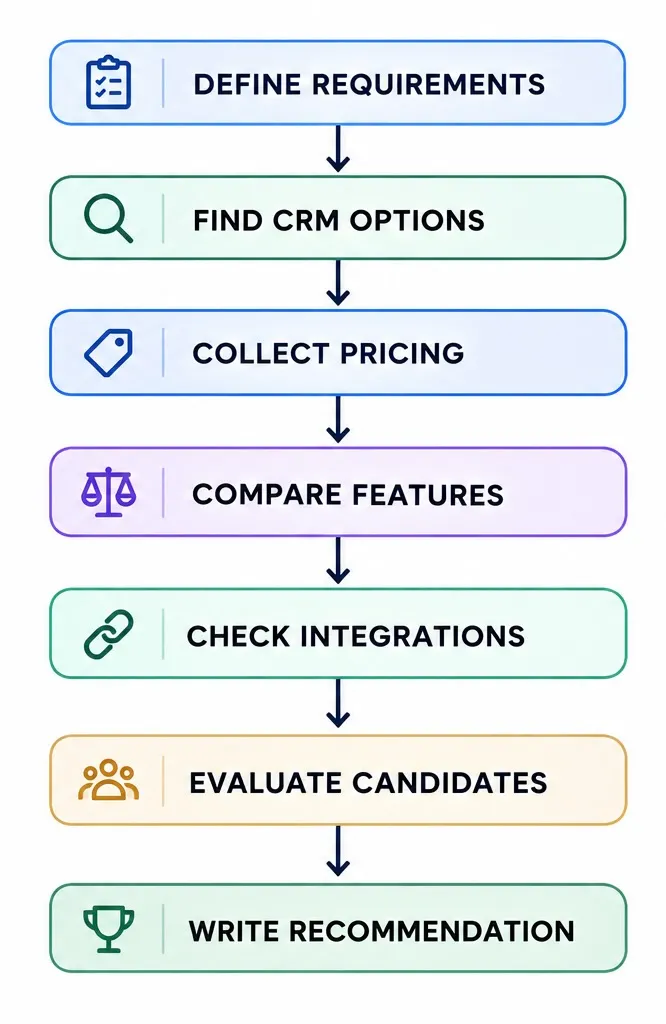
Complex goals are often too large for an AI to process in a single context window. Task decomposition is the process by which an agent breaks a high-level objective into smaller, manageable sub-tasks.
There are two primary methods of planning used by agents:
- Chain of Thought (CoT): The agent "thinks out loud" by generating a sequence of reasoning steps before arriving at an answer.
- Sub-goal Decomposition: The agent creates a formal list of milestones. For a research task, this might involve: (a) Identifying key sources, (b) Summarizing each source, (c) Fact-checking claims, and (d) Synthesizing the final report.
This modular approach reduces the "cognitive load" on the model and allows for more accurate error tracking. If an agent fails, developers can see exactly which sub-task caused the breakdown.
5. Agent Memory: Short-term vs. Long-term State
For an agent to be effective over long-running tasks, it must possess a sense of "state." This is handled through two types of memory:
- Short-term Memory: This is the "Context Window." It includes the current conversation history and the immediate results of recent tool calls.
- Long-term Memory: This usually involves a Vector Database (like Pinecone or Milvus). The agent can "write" important information to this database and "retrieve" it days or weeks later.
Without memory, an agent would be like a worker with amnesia, starting from scratch every time it encounters a new step. Sophisticated agents use "Reflective Memory," where they periodically summarize their own progress to stay focused on the ultimate goal.
6. Agentic RAG (Retrieval-Augmented Generation)
Retrieval-Augmented Generation (RAG) is a standard technique for giving AI access to private documents. However, "Agentic RAG" takes this further. In standard RAG, the system follows a fixed path: take a query, find documents, and summarize.
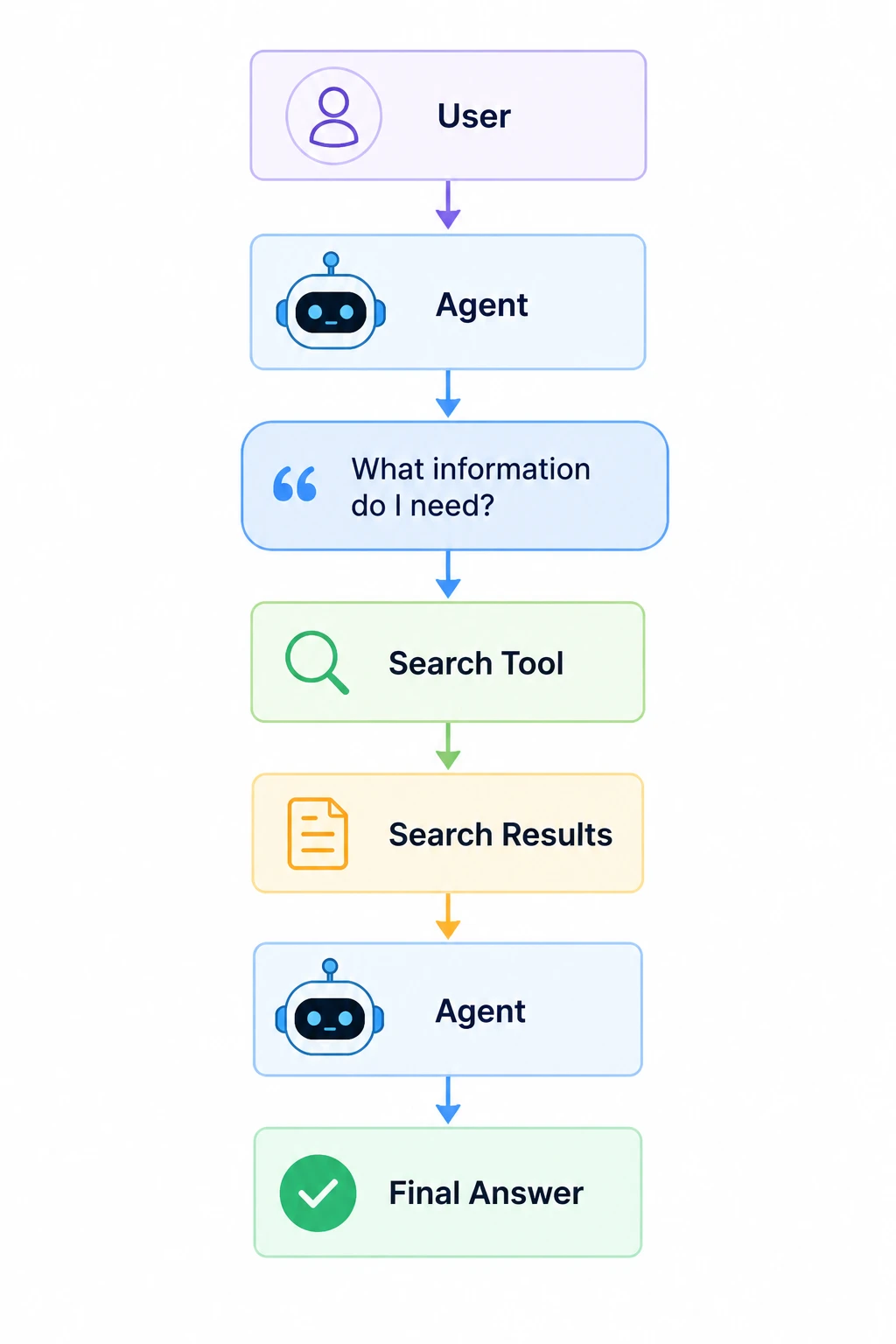
Agentic RAG allows the AI to be the "manager" of the retrieval process. If the agent retrieves a document and realizes it is outdated or irrelevant, it can decide to:
- Rewrite the search query for better results.
- Look in a different database.
- Cross-reference the retrieved information with a live web search.
This multi-step, self-correcting retrieval process significantly reduces "hallucinations" and ensures the final output is grounded in the most accurate data available.
7. Model Context Protocol (MCP)
As the ecosystem of agents grows, a massive integration problem has emerged: how do you connect dozens of different AI models to hundreds of different data sources without writing custom code for every single connection?
The Model Context Protocol (MCP), recently championed by industry leaders like Anthropic, is an open standard designed to solve this. MCP acts like a "USB port" for AI agents. It provides a universal way for agents to access content (like Google Drive files), tools (like a Python interpreter), and prompts. By adopting MCP, developers can build an agent once and have it interact seamlessly with any service that supports the protocol, drastically reducing the cost and complexity of agent deployment.
8. Multi-Agent Systems (MAS)
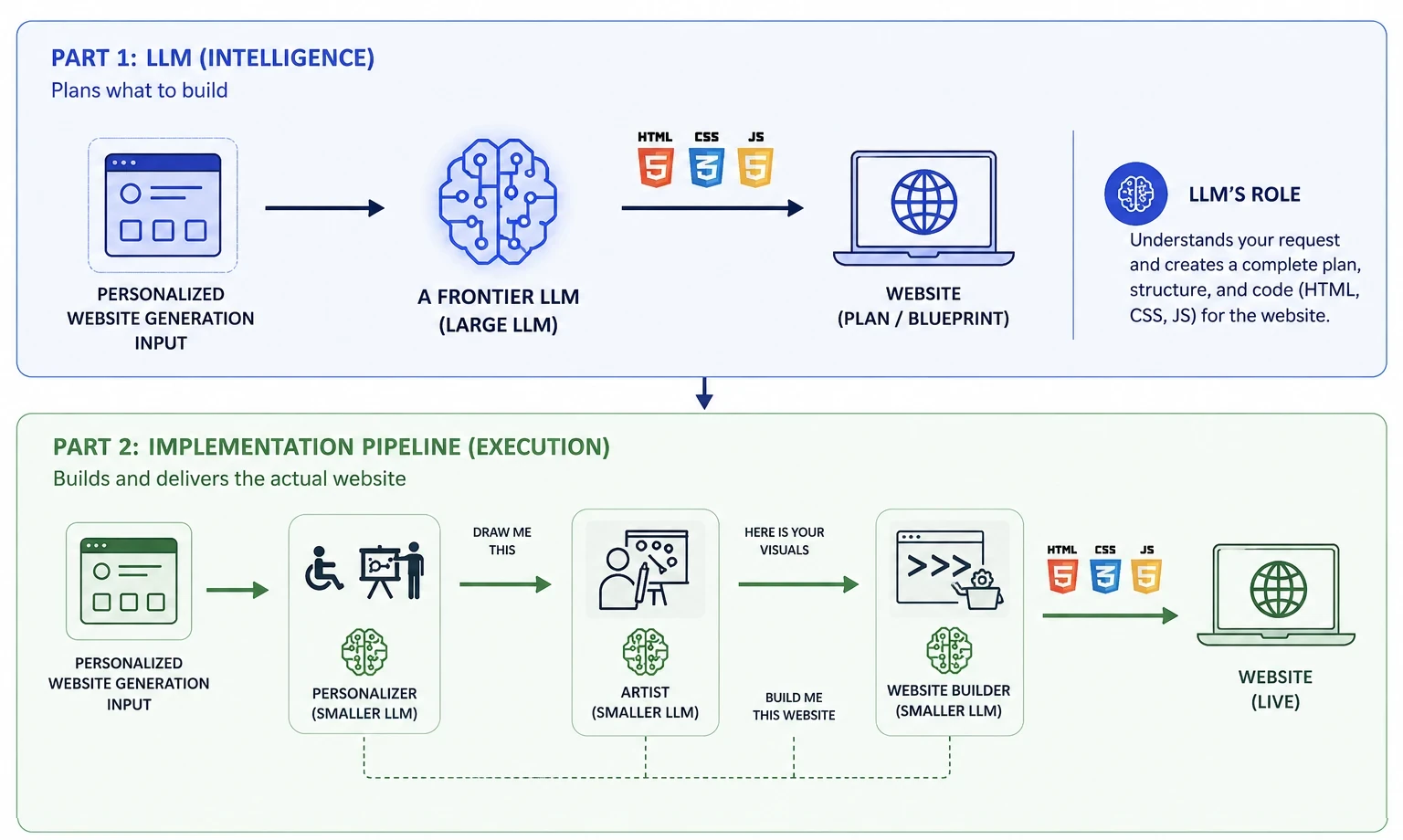
In many scenarios, a single agent is not enough. Just as a corporation has different departments for accounting, marketing, and legal, complex AI workflows often use Multi-Agent Systems.
In a MAS architecture, specialized agents collaborate:
- The Manager Agent: Oversees the project and delegates tasks.
- The Researcher Agent: Gathers data.
- The Critic Agent: Reviews the work for errors or bias.
Frameworks like Microsoft’s AutoGen and CrewAI have demonstrated that MAS can solve problems that are too complex for a single "Generalist" agent. However, this introduces "communication overhead," where agents must exchange messages effectively to avoid loops or conflicting actions.
9. Human-in-the-Loop (HITL)
Despite the "autonomous" label, the most successful agentic deployments in 2024 utilize a Human-in-the-Loop (HITL) model. This is a governance strategy where the agent is required to pause and seek human approval before executing "high-stakes" actions.
Common HITL triggers include:
- Spending money (e.g., booking a flight).
- Deleting data.
- Sending external communications to clients.
This concept is vital for enterprise trust. According to a 2024 survey by IBM, 78% of business leaders cited "unintended autonomous actions" as their top concern regarding AI. HITL provides a safety valve that balances efficiency with accountability.
10. Guardrails and Safety Protocols
The final essential concept is "Guardrails." These are programmatic constraints that sit "on top" of the agent to ensure it stays within legal, ethical, and operational boundaries. Guardrails can be:
- Input Guardrails: Preventing the agent from processing toxic or sensitive data.
- Output Guardrails: Ensuring the agent doesn’t leak PII (Personally Identifiable Information) or generate biased content.
- Execution Guardrails: Limiting the number of loops an agent can perform to prevent "runaway" costs.
Frameworks like NeMo Guardrails allow companies to define "No-Go Zones" for their agents, ensuring that while the AI is autonomous, it is never reckless.
Broader Impact and Future Implications
The shift toward agentic AI is more than a technical upgrade; it is an economic transformation. By moving from "tools that help humans work" to "agents that work on behalf of humans," the potential for productivity gains is unprecedented. A recent report by Goldman Sachs estimates that widespread adoption of agentic workflows could automate the equivalent of 300 million full-time jobs, while simultaneously creating new roles focused on agent orchestration and oversight.
However, challenges remain. The "Agentic Tax"—the high cost of multiple LLM calls within a single loop—remains a barrier for small businesses. Furthermore, the "black box" nature of agentic reasoning makes debugging a complex task.
As we move toward 2025, the focus will likely shift toward "Small Language Models" (SLMs) optimized for specific agentic tasks, reducing latency and cost. For tech professionals, the message is clear: understanding how to prompt a model is no longer enough. The future belongs to those who can design, manage, and secure the autonomous loops and multi-agent systems that will soon power the global economy.