
In an era defined by fragmented digital channels and heightened consumer skepticism, the adoption of holistic marketing has transitioned from a competitive advantage to an operational necessity. Holistic marketing is a business philosophy that views a brand as a single entity rather than a collection of disparate departments. By aligning every facet of an organization—from internal human resources and operations to external sales and customer service—companies can deliver a unified, consistent message that resonates across all touchpoints. This integrated approach is particularly vital for the expansion of affiliate marketing programs, where external partners act as brand ambassadors and require a cohesive framework to ensure their promotional efforts remain synchronized with the core brand identity.
The Evolution of the Holistic Marketing Framework
The transition toward holistic marketing represents a significant departure from traditional models that prioritized siloed channel management. Historically, marketing departments functioned independently of customer service or logistics, often leading to discordant brand messaging. The modern holistic model, popularized by marketing theorists like Philip Kotler, recognizes that the customer journey is non-linear and that every interaction—whether a social media ad, a customer service call, or an affiliate’s blog post—contributes to the overall perception of the brand.
Chronologically, the industry has moved through several stages of evolution:
- The Era of the 4Ps (1960s–1980s): Focused on Product, Price, Place, and Promotion as isolated levers.
- The Relationship Era (1990s): Shifted focus toward customer retention and long-term value.
- The Integrated Era (2000s): Aimed to synchronize messaging across traditional and digital media.
- The Holistic Era (2010s–Present): Integrates internal, relationship, performance, and societal marketing into a singular ecosystem.
Core Dimensions of the Holistic Approach
To successfully implement a holistic strategy, organizations must address four primary dimensions that dictate how the brand interacts with its stakeholders and the public.
Internal Marketing
Internal marketing treats employees as the first line of customers. In a holistic environment, the vision and values of the company must be communicated clearly to the staff before they are presented to the public. When employees in HR, operations, and technical support understand the brand’s mission, they become natural advocates. For affiliate program managers, this means ensuring that the internal team understands the value of affiliates, preventing the common "silo" mentality where affiliate channels are viewed as competitors to internal sales teams.

Relationship Marketing
This dimension focuses on the lifetime value of all stakeholders, including customers, suppliers, and affiliate partners. Rather than pursuing one-off transactions, relationship marketing seeks to create a network of loyalists. Data suggests that increasing customer retention rates by just 5% can increase profits by 25% to 95%. By treating affiliates as long-term business partners rather than temporary lead generators, companies can foster a sense of shared success that leads to more authentic promotions.
Societal Marketing
Modern consumers increasingly align their spending with their values. Societal marketing involves incorporating ethical practices, environmental sustainability, and community support into the brand’s core operations. According to recent consumer surveys, nearly 70% of shoppers prefer brands that take a stand on social issues. When a company engages in corporate social responsibility (CSR), such as donating a portion of sales to charity, these initiatives provide affiliates with compelling narratives that go beyond mere product features, enhancing the "trust factor" during the conversion process.
Integrated Marketing
The integrated dimension ensures that all communication channels—email, SEO, social media, and affiliate content—speak with one voice. This requires a centralized "source of truth" for brand assets, including logos, fonts, and core messaging. Without this integration, a brand might be perceived as high-end on its official website but "discount-oriented" on an affiliate’s site, creating cognitive dissonance for the buyer.
Supporting Data and Industry Implications
Research highlights the tangible impact of brand consistency, a cornerstone of holistic marketing. According to a study by Demand Metric, consistent brand presentation across all platforms can increase revenue by up to 33%. Furthermore, a Salesforce report indicates that 80% of customers believe the experience a company provides is as important as its products and services.
In the context of affiliate marketing, the implications of a holistic strategy are profound. Affiliates often conduct extensive due diligence before joining a program. They evaluate the brand’s social media presence, customer reviews, and the ease of the checkout process. A brand that exhibits a fragmented identity or poor customer service is less likely to attract high-tier affiliates who wish to protect their own reputations. Conversely, a holistic brand provides a "frictionless" environment that naturally boosts affiliate conversion rates.
Case Study: The Apple Ecosystem
Apple Inc. serves as the global benchmark for holistic marketing. The company’s strategy is not merely about selling hardware; it is about maintaining a seamless experience across product design, retail environments, and digital services.
- Internal Alignment: Apple’s "Careers" page emphasizes values such as accessibility, privacy, and racial equity, ensuring that every employee is an ambassador for these principles.
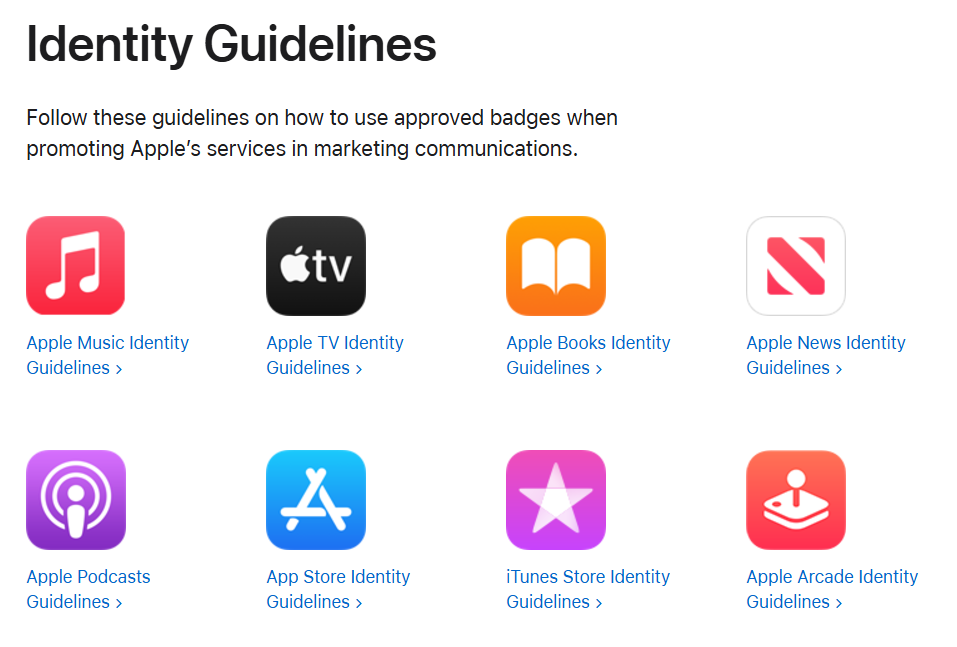
- Affiliate Integration: Through the Apple Services Performance Partners Program, the company provides strict guidelines and sophisticated tools to ensure that even third-party promoters maintain the brand’s aesthetic and tone. This prevents the brand dilution often seen in smaller affiliate programs.
- Societal Commitment: Apple’s public commitment to being carbon neutral by 2030 is integrated into its marketing, providing a unified message of responsibility that resonates with its global audience.
Strategic Implementation: Building the Holistic Framework
Transitioning to a holistic model requires a structured approach that moves from goal-setting to data-driven optimization.
- Goal Definition (SMART Objectives): Organizations must set Specific, Measurable, Attainable, Relevant, and Time-bound goals. For example, a goal might be to increase the customer lifetime value (CLV) by 15% through a synchronized email and affiliate loyalty campaign.
- Audience Profiling: Understanding the target demographic is essential. Brands should share detailed audience personas with their affiliates. When affiliates know exactly who the "ideal customer" is, they can create content that sends higher-quality, better-converting traffic.
- Cross-Departmental Coordination: Companies should hold regular "synergy meetings" where sales, marketing, and affiliate managers share upcoming campaign details. This ensures that the customer service team is prepared for a surge in inquiries following a major affiliate launch.
- Data-Driven Refinement: Holistic marketing relies on a continuous feedback loop. By analyzing attribution data, companies can see how different channels influence each other. For instance, a customer might first see an affiliate’s review, then follow the brand on Instagram, and finally convert through an email promotion.
The Future of Holistic Marketing: AI and Sustainability
As the digital landscape evolves, two factors will dominate the future of holistic strategies: technological advancement and environmental accountability.
Artificial Intelligence (AI) and Personalization:
AI and machine learning are enabling a level of "hyper-personalization" that was previously impossible. In a holistic framework, AI can ensure that the personalized message a customer receives via an affiliate link is mirrored in the retargeting ads and follow-up emails they see later. However, this requires businesses to equip their affiliates with AI-driven insights and creative assets to maintain consistency.
The Role of Sustainability:
The "green economy" is no longer a niche market. As global regulations on ESG (Environmental, Social, and Governance) reporting tighten, holistic marketing will increasingly center on transparency. Companies that can prove their sustainability claims across their entire supply chain—and communicate this through their affiliate partners—will build deeper trust with the next generation of consumers.
Conclusion: Communication as the Foundation
The ultimate success of a holistic marketing strategy depends on the quality of communication and teamwork. It is often compared to a medical treatment plan: if a patient sees multiple specialists who do not communicate, the treatments may conflict, regardless of how skilled the individual doctors are. Similarly, if PR, SEO, and affiliate teams work in isolation, the brand’s "health" and growth will suffer.
By embracing holistic marketing, businesses create a "snowball effect." A consistent brand attracts better affiliates; better affiliates drive higher-quality traffic; higher-quality traffic leads to satisfied customers; and satisfied customers become brand advocates. In the competitive marketplace of the 2020s, this unified approach is the only sustainable path to long-term prosperity and brand resilience.