Layla Zulfa
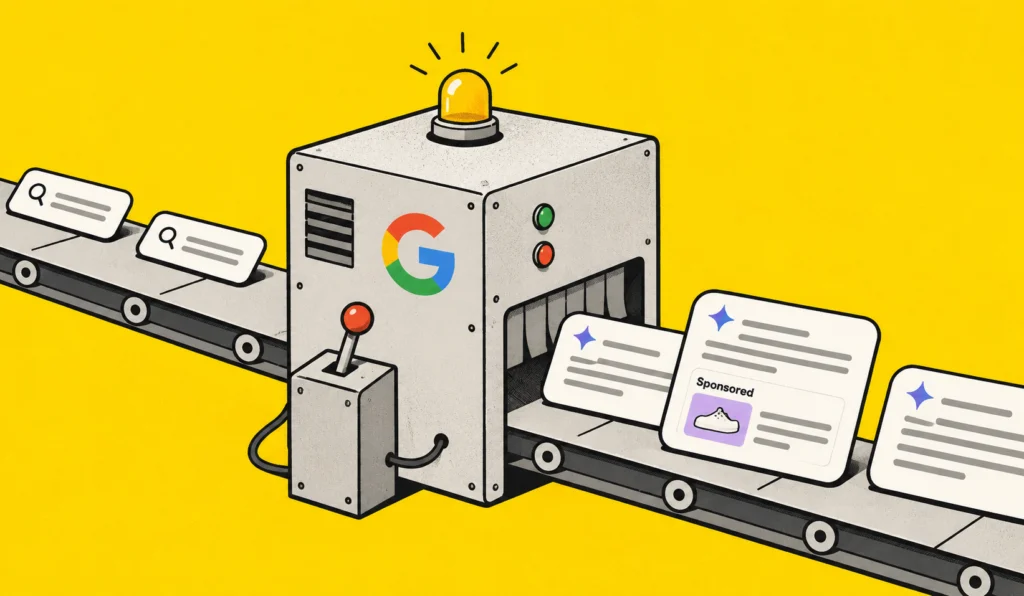
The landscape of online search is undergoing a profound metamorphosis, driven by Google’s ambitious integration of artificial intelligence into its core search experience. The introduction of advertising within AI Overviews and the dedicated AI Mode represents a significant evolutionary leap for paid search, signaling a fundamental shift in how users interact with information and, consequently, how advertisers must adapt their strategies to remain visible and effective. This transformation is not merely about new ad placements; it reflects a long-developing trend towards AI-powered, conversational search, a paradigm shift that necessitates a strategic re-evaluation of Pay-Per-Click (PPC) approaches. As Google assumes greater responsibility for connecting users with relevant advertisements through its sophisticated AI, advertisers are compelled to refine their focus, leverage AI-driven campaign capabilities, enhance the data informing automation, and master the controls necessary to guide performance in this dynamic new environment.
The Evolving Search Journey: From Keywords to Conversations
The traditional search paradigm was characterized by a relatively straightforward user journey: a query was entered, Google presented a list of results, and advertisers competed for prominence through precise keyword targeting, bidding strategies, and ad relevance. This model, while effective for years, is rapidly becoming a relic of the past. The advent of AI Overviews and AI Mode empowers users to engage with search in a far more nuanced and interactive manner. They can now pose complex, multi-faceted questions, explore a wider array of recommendations, conduct comparative analyses of products and services, and iteratively refine their queries through follow-up conversations.
This shift towards conversational search is not a nascent trend but a deepening commitment from Google. Evidence of this evolution is readily apparent in user behavior. According to Google’s own reports, searches conducted within AI Mode are, on average, three times longer than traditional searches. This substantial increase in query length underscores a significant migration towards more exploratory and intent-rich user interactions. Users are no longer simply seeking a single answer; they are embarking on a discovery process, seeking comprehensive information and personalized insights.
Google’s strategic acceleration of AI-powered search is intrinsically linked to the integration of advertising into these advanced experiences. The United States has been at the vanguard of this integration, with advertisements beginning to appear in AI Overviews in October 2024 and AI Mode advertising following suit in May 2025. This rollout has since expanded globally, with Google announcing its introduction in Australia, Canada, India, Kenya, Malaysia, New Zealand, Nigeria, Pakistan, the Philippines, and Singapore. Further expansion into Brazil, Mexico, and the United Kingdom is slated for the fourth quarter of 2026, demonstrating a clear global commitment to this new advertising frontier.
For advertisers, this evolving search ecosystem has profound implications for how campaigns are designed to identify and capture relevant user intent. As search queries become longer, more varied, and increasingly conversational, a rigid reliance on predefined, exact-match keywords risks missing a substantial segment of potential customers who are articulating their needs in novel ways. Google’s increasingly sophisticated AI-powered matching capabilities are thus becoming indispensable tools for advertisers aiming to respond effectively to this broader spectrum of search behavior.
Beyond the Traditional PPC Playbook: Embracing AI-Driven Strategies
The established practices of the traditional PPC playbook, heavily reliant on manual Cost-Per-Click (CPC) adjustments, extensive campaign segmentation, and an over-dependence on exact and phrase match keywords, are no longer sufficient for optimal performance in the AI-driven search era. While these tactics historically offered a semblance of granular control, they can inadvertently limit campaign reach and hinder their ability to adapt to emerging search intent. As Google’s matching algorithms become more adept at understanding user intent, overly restrictive campaign structures can prevent advertisers from discovering relevant opportunities that fall outside their meticulously curated keyword lists.
Consequently, advertisers must pivot towards greater utilization of AI-powered campaign functionalities. This includes a more strategic deployment of broad match, which broadens reach by identifying relevant searches beyond explicitly targeted keywords. Building upon this, AI Max for Search enhances these capabilities with AI-driven search term matching, automated text customization, and intelligent landing page selection, further optimizing relevance. At a broader level, Performance Max campaigns extend automation across Google’s entire advertising ecosystem, enabling advertisers to connect with customers throughout their active lifecycle across the Google network.
This does not necessarily signify a wholesale abandonment of existing keyword strategies or campaign controls. Exact and phrase match keywords still retain their value, particularly in scenarios where advertisers require a high degree of precision or are targeting very niche markets. The paramount imperative, however, lies in discerning where current campaign structures might be inadvertently constraining performance and identifying opportunities where AI-powered capabilities can unlock incremental gains that translate into tangible business outcomes. The strategic integration of AI tools should complement, rather than entirely replace, established methodologies, creating a more agile and responsive advertising framework.
Data Quality: The Cornerstone of AI-Powered Success
A critical caveat underlies the efficacy of any AI-driven advertising strategy: automation is only as effective as the data that fuels it. As Google assumes a more significant role in identifying target audiences, interpreting user intent, and optimizing creative elements, the quality of an advertiser’s data becomes a paramount competitive advantage. It is imperative that advertisers ensure Google’s AI systems are optimizing towards outcomes that genuinely align with and drive the core objectives of the business.
Achieving this requires a steadfast commitment to foundational data practices. This includes:
- Accurate and Comprehensive Conversion Tracking: Ensuring that all relevant conversions are meticulously tracked and attributed correctly is fundamental. This provides the AI with the necessary signals to understand what constitutes a successful outcome. Robust tracking across various touchpoints, from initial ad interaction to final purchase or desired action, is crucial for building a holistic view of campaign performance.
- Rich Audience Segmentation: Leveraging detailed first-party data, combined with relevant third-party data where appropriate, allows for the creation of highly specific audience segments. This enables AI algorithms to identify and target users who are most likely to convert, moving beyond broad demographic targeting to nuanced behavioral and interest-based segmentation.
- Well-Structured Website Data: The data embedded within a website, including product feeds, service descriptions, and content, plays a vital role. Clean, well-organized, and up-to-date website data ensures that AI systems can accurately understand the offerings and match them to relevant user queries. This includes schema markup and other structured data elements that enhance search engine understanding.
- Consistent Performance Measurement: Establishing clear, measurable Key Performance Indicators (KPIs) and ensuring their consistent tracking is vital. This provides the AI with a clear framework for optimization, allowing it to prioritize actions that demonstrably contribute to the desired business results. Regular analysis and reporting on these KPIs are essential for ongoing refinement.
Advertisers who proactively invest in and meticulously maintain these data foundations will be significantly better positioned to harness the transformative potential of AI automation and achieve meaningful, sustainable results. Without this bedrock of high-quality data, AI-powered tools risk operating on flawed information, leading to suboptimal performance and missed opportunities.
Strategic AI Adoption: Navigating Controls and Safeguards
While AI Max for Search presents a compelling opportunity, particularly in light of these evolving search dynamics, its activation without a well-defined strategy is not a prudent approach. Advertisers must possess a deep understanding of the available controls and implement appropriate safeguards, especially within sensitive or regulated industries where brand reputation and compliance are paramount.
Google provides a suite of tools designed to guide and constrain AI automation, ensuring that campaigns remain aligned with brand values and business objectives. These include:
- Text Restrictions: Advertisers can set specific parameters for ad copy generation, ensuring that messaging adheres to brand guidelines and avoids prohibited language.
- URL Exclusions: This allows for the exclusion of specific landing pages from ad campaigns, preventing traffic from being directed to irrelevant or inappropriate destinations.
- Negative Keywords: A foundational element of PPC, negative keywords remain crucial for filtering out irrelevant search queries and preventing ad spend on non-target traffic.
- Brand Controls: These settings enable advertisers to protect their brand by preventing their ads from appearing alongside undesirable content or in contexts that could negatively impact brand perception.
For advertisers operating in sectors like finance, healthcare, or gambling, where regulatory scrutiny is high and brand safety is non-negotiable, these controls are not merely optional enhancements but essential components of any AI adoption strategy. Proactive planning and meticulous configuration of these safeguards are critical to mitigating potential risks and ensuring that AI-driven campaigns operate responsibly and effectively. Resources such as comprehensive guides on launching AI Max while maintaining brand control offer practical, actionable steps for advertisers to consider before, during, and after implementation.
PPC’s Enduring Legacy: A Constant State of Adaptation
The current evolution towards AI-powered search is, in essence, a continuation of PPC’s inherent nature: a discipline defined by its constant need for adaptation. Paid search has perpetually been a dynamic field, with each significant shift requiring advertisers to re-examine and recalibrate their established strategies. From the move away from Single Keyword Ad Groups (SKAGs) to the sunsetting of Broad Match Modifier (BMM), and through the evolution of Modern Search campaigns and AI-powered bidding, each transition has demanded that advertisers challenge conventional wisdom, embrace new capabilities, and fundamentally rethink their approaches.
The current migration towards AI-powered search is no different. User behavior continues to evolve at an unprecedented pace, driven by technological advancements and changing expectations. Concurrently, Google’s underlying search technology is advancing relentlessly. To remain effective, advertising strategies must not only keep pace but proactively anticipate these changes.
Now is the opportune moment for advertisers to actively test these emerging AI capabilities, meticulously analyze their impact on campaign performance, and identify where they can unlock incremental gains that contribute to meaningful business results. The advertisers who will ultimately thrive in this new landscape will be those who can skillfully blend Google’s ever-evolving AI functionalities with robust data foundations, clearly defined commercial objectives, and the critical human judgment necessary to discern when and how to best leverage automation. The search ecosystem is in perpetual motion, and the most successful PPC strategies will be those that move in lockstep with it, embracing innovation while remaining grounded in strategic intent and data-driven decision-making.

 Suro Senen

 Evan Lee Salim