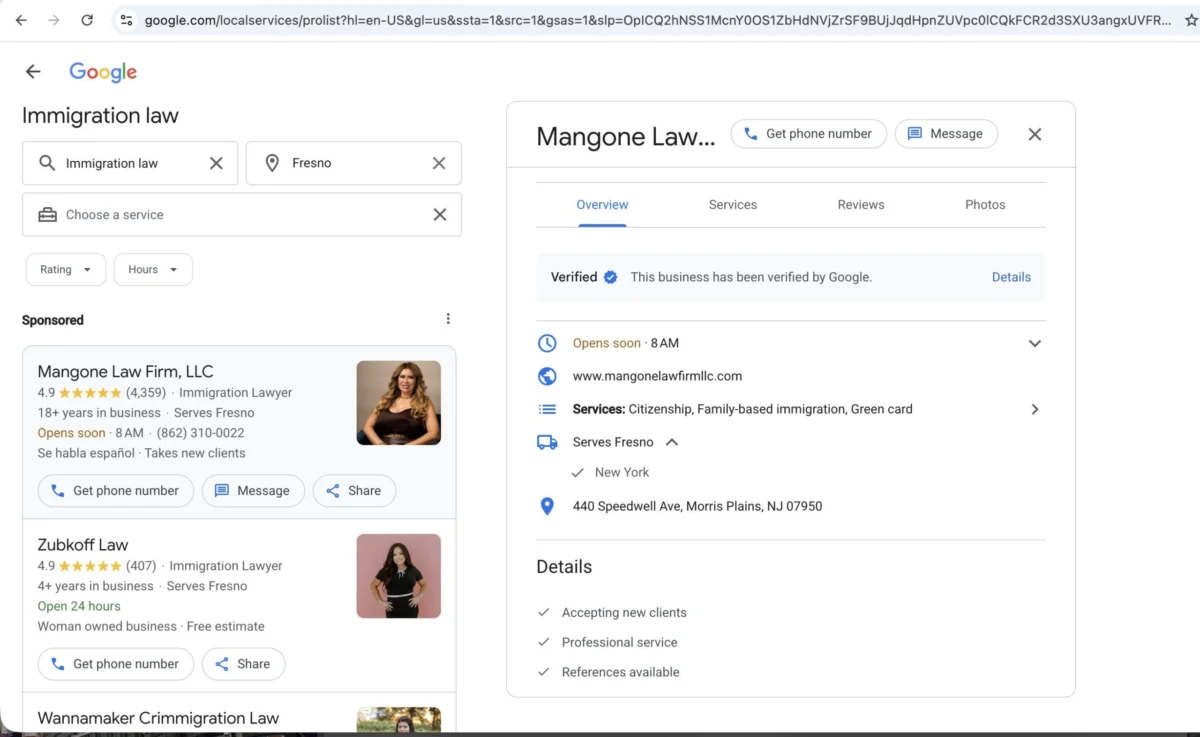
In a significant evolution of its advertising policies, Google is set to revise its long-standing Destination Mismatch policy for Google Ads, allowing, under specific circumstances and with prior approval, final URLs to redirect users to a different domain. This policy shift, announced to take effect in early July 2026, marks a departure from the previous stringent rule that mandated ad destinations to precisely match the final URL, aiming to enhance flexibility for advertisers while maintaining user trust and safety.
A Significant Policy Shift for Google Ads
The core of Google’s update, formally stated on its support pages, specifies that “redirects from an ad’s final URL that take the user to a different domain are allowed in certain circumstances, with prior approval.” This subtle yet profound alteration is particularly geared towards accommodating the complex marketing ecosystems of certain industries. The company provided a concrete example: “Consumer packaged goods manufacturers may want to redirect users to a pre-approved list of retailer destinations where the advertised product is available for purchase.” This scenario perfectly illustrates the pain point the new policy seeks to address, enabling brands to funnel potential customers directly to authorized sales channels without violating ad policies.
Previously, Google’s Destination Mismatch policy was unambiguous: the domain of an ad’s final URL had to be the exact domain where the user ultimately landed. Any deviation, even a legitimate redirect, could lead to ad disapproval, impacting campaign performance and requiring manual intervention. This stricture was rooted in Google’s overarching commitment to providing a transparent and secure user experience, preventing deceptive practices, and ensuring that users are taken precisely where an ad promises. The upcoming change indicates Google’s recognition of evolving advertiser needs, particularly in a landscape increasingly dominated by omnichannel retail strategies.
Unpacking the Destination Mismatch Policy: Historical Context
The Destination Mismatch policy has been a cornerstone of Google Ads’ efforts to maintain a high-quality advertising ecosystem. Its primary purpose was to prevent misleading advertisements and protect users from potentially harmful or unexpected redirects. Imagine clicking an ad for a specific product on a brand’s official website, only to be redirected to an entirely different, perhaps unauthorized, third-party retailer or even a malicious site. Such experiences erode user trust, diminish the perceived value of Google Ads, and can lead to serious security concerns.
For years, Google has emphasized the importance of a seamless and predictable user journey from ad click to landing page. This commitment is deeply embedded in its Quality Score algorithm, where landing page experience plays a crucial role. A poor landing page experience, often characterized by slow loading times, irrelevant content, or unexpected redirects, can negatively impact an ad’s Quality Score, leading to higher costs and lower ad rankings. The Destination Mismatch policy was a fundamental safeguard against one of the most common forms of “poor experience” – unexpected domain changes.
However, the digital commerce landscape has grown significantly more complex since the policy’s inception. Many brands, especially large consumer packaged goods (CPG) manufacturers, do not sell directly to consumers from their primary brand websites. Instead, they rely on extensive networks of retailers, both online and offline, to distribute their products. This created a dilemma for advertisers: how to effectively advertise products on Google Ads when the ultimate point of sale resided on a different domain than their brand’s landing page.
Addressing a Long-Standing Advertiser Challenge
The previous policy posed significant challenges for a wide array of advertisers, most notably CPG brands. A CPG manufacturer, for instance, might launch a major marketing campaign for a new cereal. Their official website would host detailed product information, nutritional facts, and brand messaging. However, the actual purchase would occur on the websites of grocery chains, mass merchandisers, or e-commerce giants. Under the old policy, advertising directly to a specific retailer’s product page was problematic if the ad originated from the brand’s own domain. This often forced brands to:
- Direct users to a generic brand page: This added extra steps for the consumer, requiring them to then navigate to a “where to buy” section, search for retailers, and then find the product, increasing friction and potentially lowering conversion rates.
- Create separate campaigns for each retailer: This was an incredibly cumbersome and inefficient process, demanding significant resources for campaign setup, management, and optimization across dozens or even hundreds of retail partners. Tracking conversions and attributing sales across these disparate campaigns was also a monumental task.
- Utilize complex tracking solutions: While workarounds existed, they often involved intricate tracking templates and third-party solutions that added layers of complexity and potential points of failure, still sometimes running afoul of strict redirect rules.
The new policy directly addresses these inefficiencies. By allowing pre-approved redirects to different retail domains, Google is empowering CPG brands to create more direct and effective advertising campaigns. This aligns with the broader industry trend towards a frictionless path to purchase and supports the growth of omnichannel retail, where consumers expect seamless transitions between discovery, research, and purchase across various platforms and touchpoints.
The Mechanics of Approval: Questions Remain
While the policy change is largely welcomed by the advertising community, a crucial detail remains ambiguous: the process for obtaining “prior approval” from Google. The initial announcement from Google does not specify how advertisers will request or secure this approval. Several possibilities arise:
- Dedicated Form within Google Ads Interface: This would be a user-friendly and scalable solution, allowing advertisers to submit proposed redirect lists and domains for review.
- Direct Contact with Google Representatives: For larger advertisers with dedicated Google account managers, this might be the preferred channel. However, it raises questions about accessibility for small and medium-sized businesses (SMBs) without direct rep access.
- Automated Review Process: Google could develop an automated system that checks proposed redirect chains against a set of criteria, flagging suspicious patterns for manual review.
- Pre-approved Whitelists: Google might establish lists of commonly used, trusted retail domains that automatically qualify for redirects when linked from specific brand domains.
The lack of clarity on the approval mechanism is a point of concern for many advertisers and digital marketing agencies. A transparent, efficient, and well-documented approval process will be critical for the successful implementation and widespread adoption of this new policy. Advertisers will need clear guidelines on what constitutes an “approved” redirect, the expected turnaround time for reviews, and how to appeal a denial. Without this, the benefit of the policy could be undermined by bureaucratic hurdles.
Broader Implications for Advertisers and the Digital Ecosystem
The implications of this policy update extend far beyond CPG manufacturers, potentially reshaping various facets of digital advertising.
-
Enhanced Campaign Efficiency and User Experience: For approved cases, advertisers can significantly streamline their campaigns. Instead of crafting numerous ads or complex landing pages, a single ad creative can effectively guide users to their preferred or closest retail outlet. This direct path to purchase reduces friction, enhances user satisfaction, and is expected to drive higher conversion rates and improved return on ad spend (ROAS). Users benefit from a more direct route to purchasing the product they clicked on, reducing frustration and the need for additional searching.
-
Potential for New Strategies and Partnerships: This policy opens doors for innovative advertising strategies. Brands can more effectively collaborate with their retail partners on joint advertising initiatives, directing traffic precisely where inventory is available or where specific promotions are running. It could also influence affiliate marketing models, allowing for more seamless integration of affiliate links that redirect to different domains, provided they meet Google’s stringent approval criteria. This fosters a more integrated and cooperative ecosystem between brands and their distribution channels.
-
Google’s Strategic Move: From Google’s perspective, this policy adjustment is a strategic response to evolving advertiser needs and market dynamics. By offering greater flexibility, Google likely aims to attract increased ad spend from industries that previously found its policies too restrictive. It demonstrates Google’s commitment to continuously refining its platform to serve its diverse advertiser base, balancing the imperative for user safety with the demand for sophisticated marketing tools. This move could solidify Google Ads’ position as the dominant platform for brands navigating complex sales funnels.
-
Safeguarding User Trust Remains Paramount: Despite the increased flexibility, the “prior approval” clause underscores Google’s unwavering commitment to user trust and safety. This safeguard is crucial to prevent the policy from being exploited for malicious redirects, phishing attempts, or deceptive practices. Google will undoubtedly implement robust review processes to vet redirect paths, ensuring that only legitimate and value-adding domain changes are permitted. This ensures that the user experience, while more dynamic, remains secure and reliable. The success of this policy will hinge on the rigor and transparency of this approval mechanism.
Industry Reactions and Forward Outlook
The initial reactions from the digital marketing community are largely positive. Marketing agencies, often at the forefront of managing complex multi-retailer campaigns, anticipate that the policy will significantly simplify their work. “This is a welcome development that addresses a long-standing pain point for many of our CPG clients,” remarked a hypothetical spokesperson for a leading digital marketing firm. “The ability to redirect to authorized retailers without fear of ad disapproval will unlock new levels of efficiency and effectiveness for brand campaigns, ultimately benefiting both advertisers and consumers.”
CPG brands themselves are expected to view this as a progressive step. A hypothetical statement from a CPG marketing director might read: “For years, we’ve wrestled with how to best connect our brand advertising with actual purchase points. This policy change will enable us to create a far more seamless customer journey, driving better results for our brands and making it easier for consumers to find and buy our products.”
Looking ahead, the digital advertising industry will be keenly watching the rollout of this policy. Advertisers will need to familiarize themselves with the new guidelines and, more importantly, the yet-to-be-revealed approval process. As e-commerce continues its rapid expansion and omnichannel strategies become the norm, policies that bridge the gap between brand awareness and direct conversion will be invaluable. This move by Google suggests a continued evolution in how advertising platforms adapt to the intricate realities of modern commerce.
Timeline and Implementation
Google’s official announcement indicates that the update to its Destination Mismatch policy will be implemented in early July 2026. This gives advertisers and Google itself a substantial lead time to prepare for the change. Google will likely release more detailed information regarding the approval process, eligible use cases, and technical requirements in the months leading up to the effective date. Advertisers are advised to monitor Google Ads policy updates closely and to begin considering how this new flexibility could be integrated into their future campaign strategies, particularly those involving multiple retail partners.
In conclusion, Google’s decision to allow pre-approved redirects to different domains marks a significant and forward-thinking adjustment to its Google Ads policies. It reflects an understanding of the complexities faced by modern advertisers, particularly within the CPG sector, and aims to foster a more efficient and user-friendly advertising ecosystem. While the specifics of the approval process are yet to be fully disclosed, the underlying intent is clear: to empower brands with greater flexibility while steadfastly upholding the principles of transparency and user trust that underpin Google’s advertising platform.