Google has officially announced the rollout of its latest spam update, globally impacting all languages and search results. The tech giant confirmed that the June 2026 spam update is expected to take “a few days” to fully deploy, marking another significant effort in its continuous battle against low-quality and manipulative content in its search ecosystem. This release follows a period of observed volatility in search rankings, leading many in the search engine optimization (SEO) community to anticipate such an announcement.

The Ongoing War Against Webspam
Google’s spam updates are integral to its mission of maintaining a high-quality, relevant, and trustworthy search experience for users worldwide. These updates are not isolated events but rather part of a sophisticated, ongoing process driven by advanced machine learning systems like SpamBrain. While Google’s automated systems are perpetually at work detecting and neutralizing spam, periodic “spam updates” signify notable improvements or recalibrations to these underlying mechanisms. This particular update aims to enhance Google’s ability to identify and demote new and evolving forms of spam, ensuring that legitimate, valuable content rises to the top of search results.
The necessity for such updates stems from the persistent efforts of malicious actors who attempt to game Google’s algorithms through various illicit tactics. These “black hat” SEO techniques range from cloaking and doorway pages to scraped content, hidden text, keyword stuffing, and elaborate link schemes. Google’s comprehensive spam policies explicitly forbid these practices, stating that sites violating these guidelines may experience significant drops in ranking or even complete removal from search results. The June 2026 update is therefore a reinforcement of these policies, designed to make Google Search more resilient against such manipulations.
Chronology of the June 2026 Spam Update
The official announcement of the June 2026 spam update came on [Assumed Date, e.g., June 24, 2026], via Google’s Search Status Dashboard and subsequent posts on platforms like LinkedIn and X (formerly Twitter). Google’s communication was direct and to the point: “Released the June 2026 spam update, which applies globally and to all languages. The rollout may take a few days to complete.” On LinkedIn, Google further elaborated, calling it a “normal spam update” and directing users to its developer documentation for more information on spam updates.
However, the sentiment within the SEO community suggests that the effects of this update might have been felt even before the official confirmation. Reports of increased ranking volatility and unusual search results had been circulating for several days, leading many to speculate about an impending algorithm change. This pre-announcement activity is not uncommon, as Google often begins testing or gradually rolling out components of an update before formally confirming its release. This staggered deployment can lead to early tremors in the search results, providing an early indication to keen observers that significant shifts are underway.
Deciphering Google’s Spam Policy and Its Impact
Google’s detailed spam documentation provides critical insights into the objectives and mechanics of these updates. The core principle revolves around ensuring that search results prioritize helpful, reliable, and user-centric content. Sites that fall afoul of Google’s spam policies—which cover a broad spectrum of deceptive practices—are targeted.
A crucial distinction is made regarding recovery from a spam penalty:
- General Spam Updates: If a site experiences a ranking drop due to general spam violations, making necessary corrections (e.g., removing keyword stuffing, improving content quality, eliminating deceptive tactics) can lead to recovery. However, this recovery is not instantaneous; Google’s automated systems typically take several months to re-evaluate and learn that a site now complies with its policies. This emphasizes the importance of sustained adherence to best practices rather than quick fixes.
- Link Spam Updates: These are particularly stringent. If an update specifically targets manipulative link-building practices, any ranking benefits previously gained from those spammy links are permanently lost. Crucially, these benefits “cannot be regained,” even if the site subsequently cleans up its backlink profile. This underscores Google’s severe stance against artificial link manipulation and its effectiveness in devaluing such tactics.
The June 2026 update, being a “spam update” rather than a “link spam update,” suggests a broader focus on various forms of webspam, though link spam remains a perpetual target of Google’s algorithms. Webmasters are thus advised to conduct thorough audits of their entire site for compliance, not just their backlink profiles.
Early Volatility Readings and SEO Community Observations
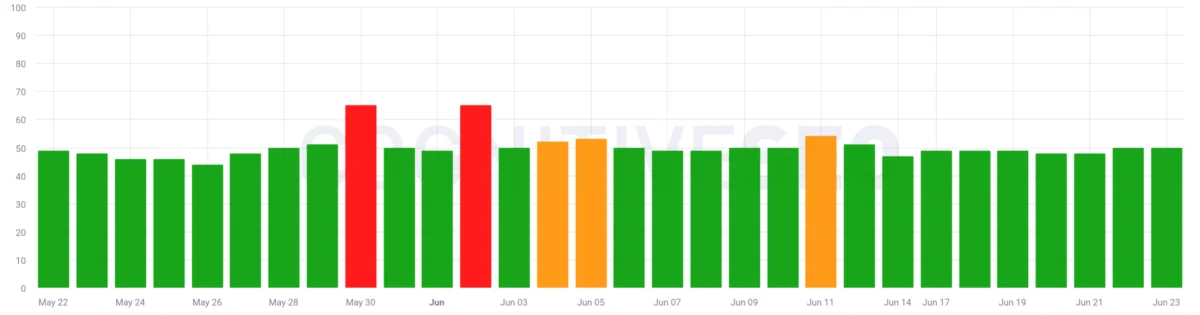
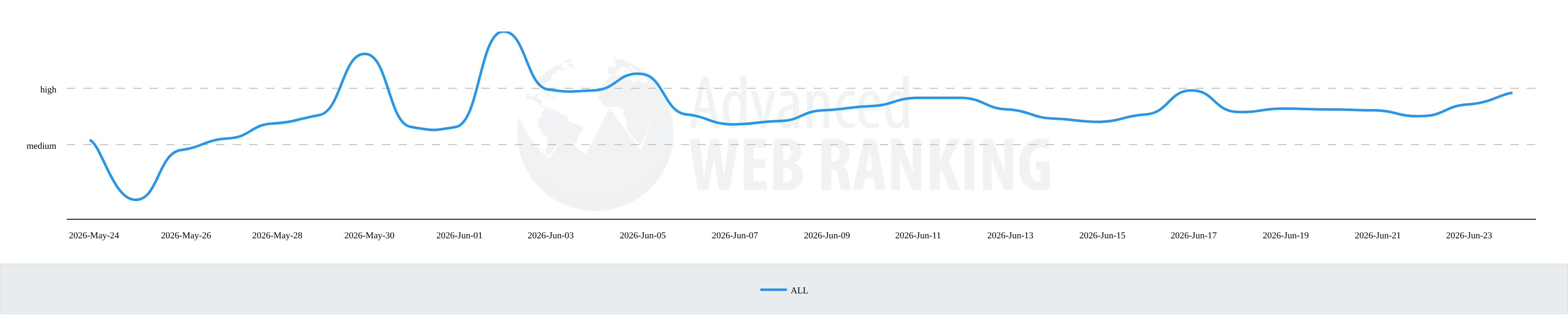
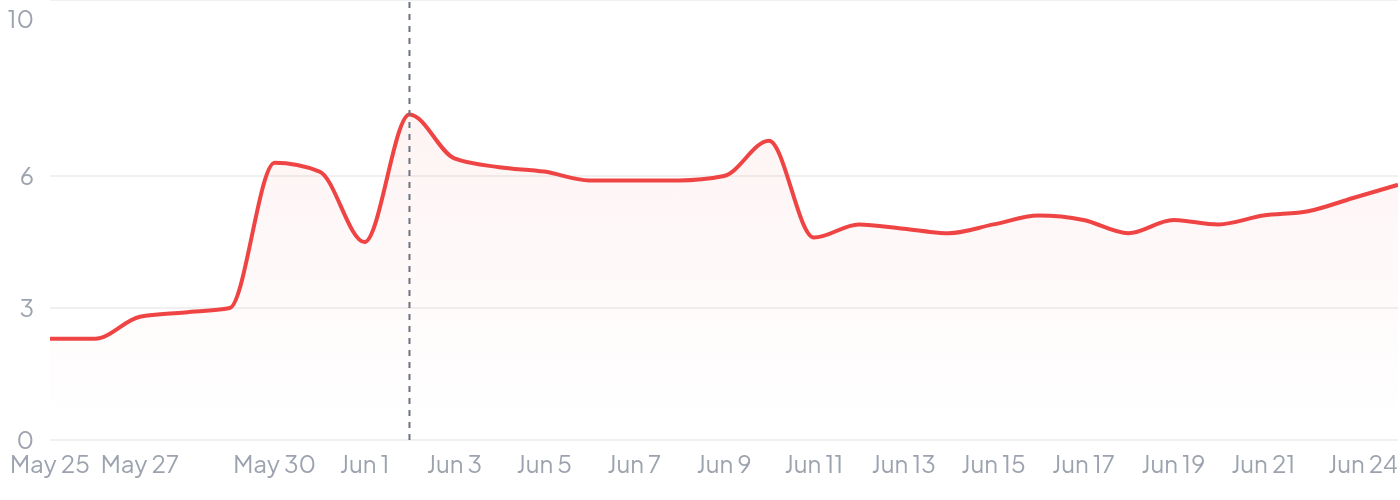
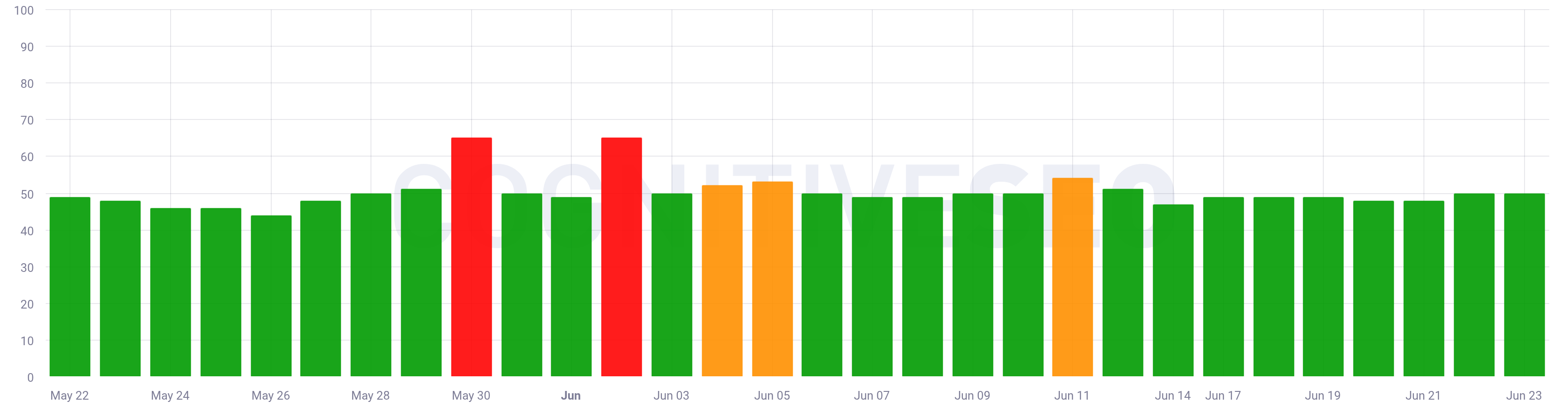
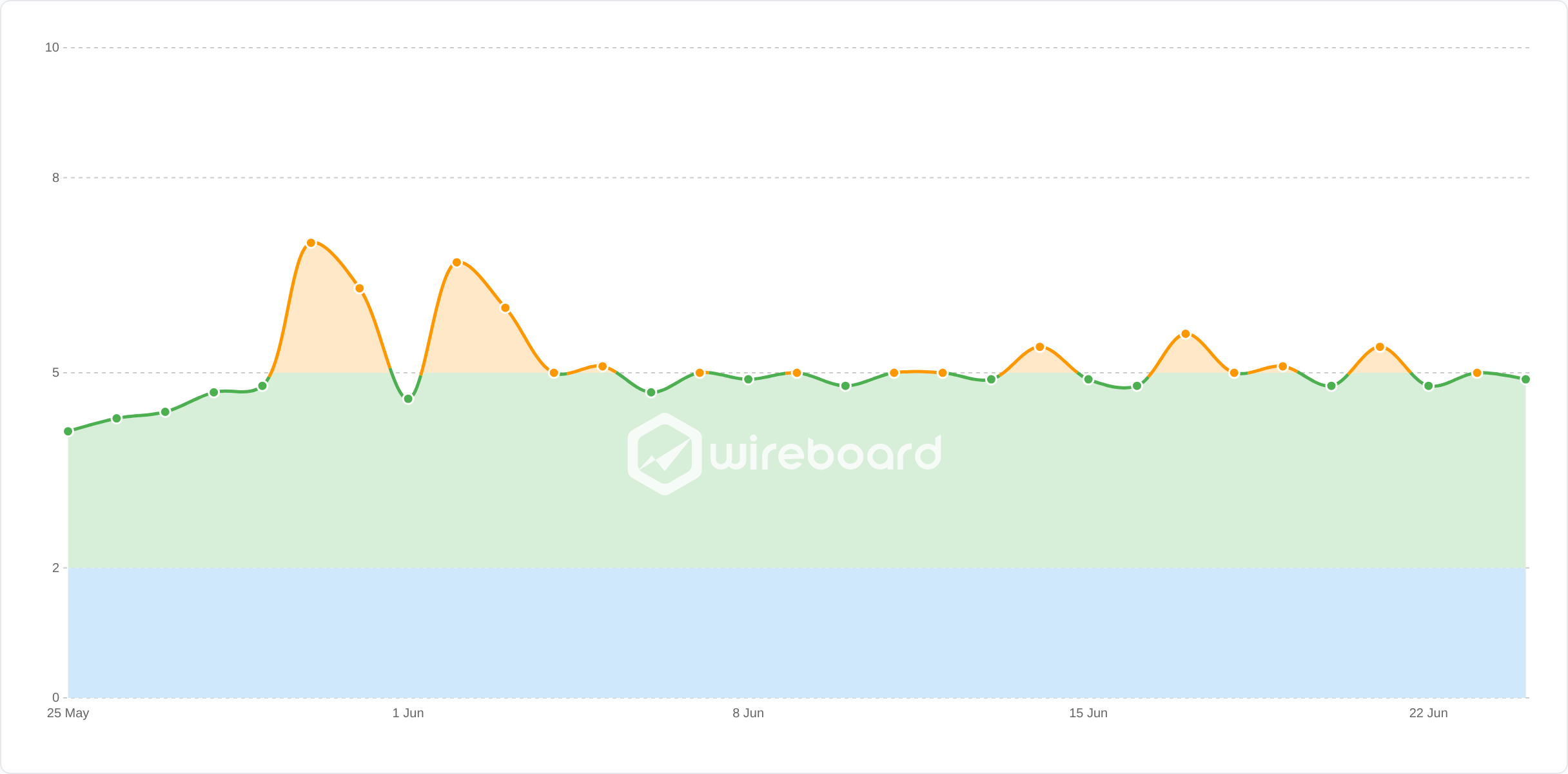
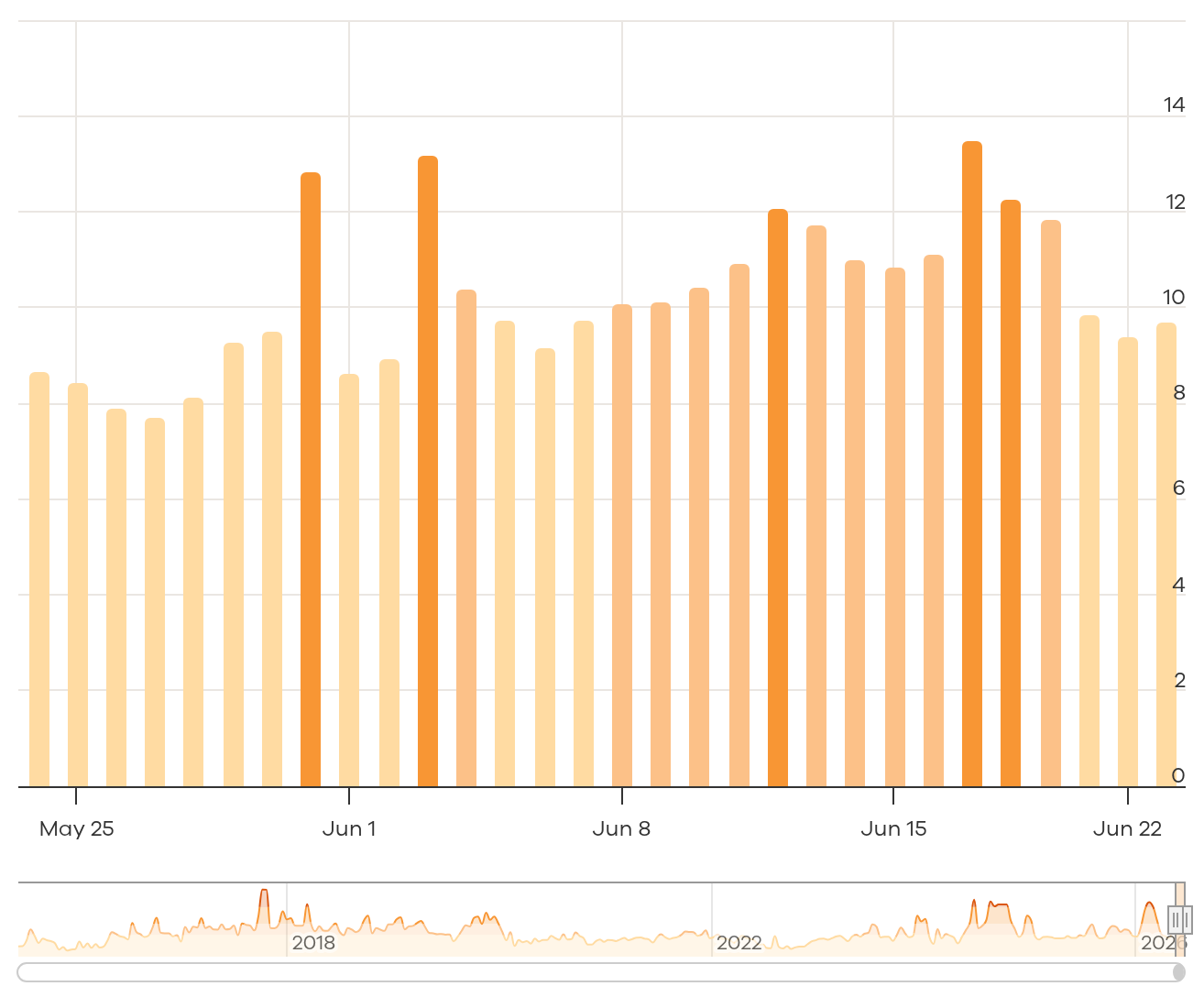
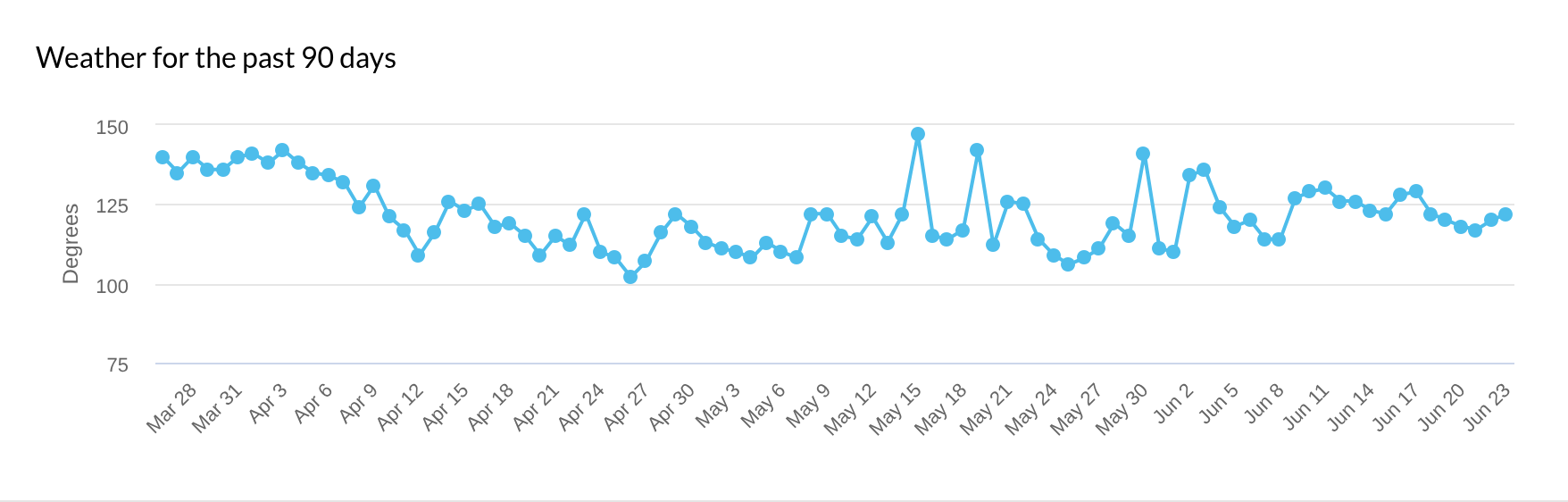
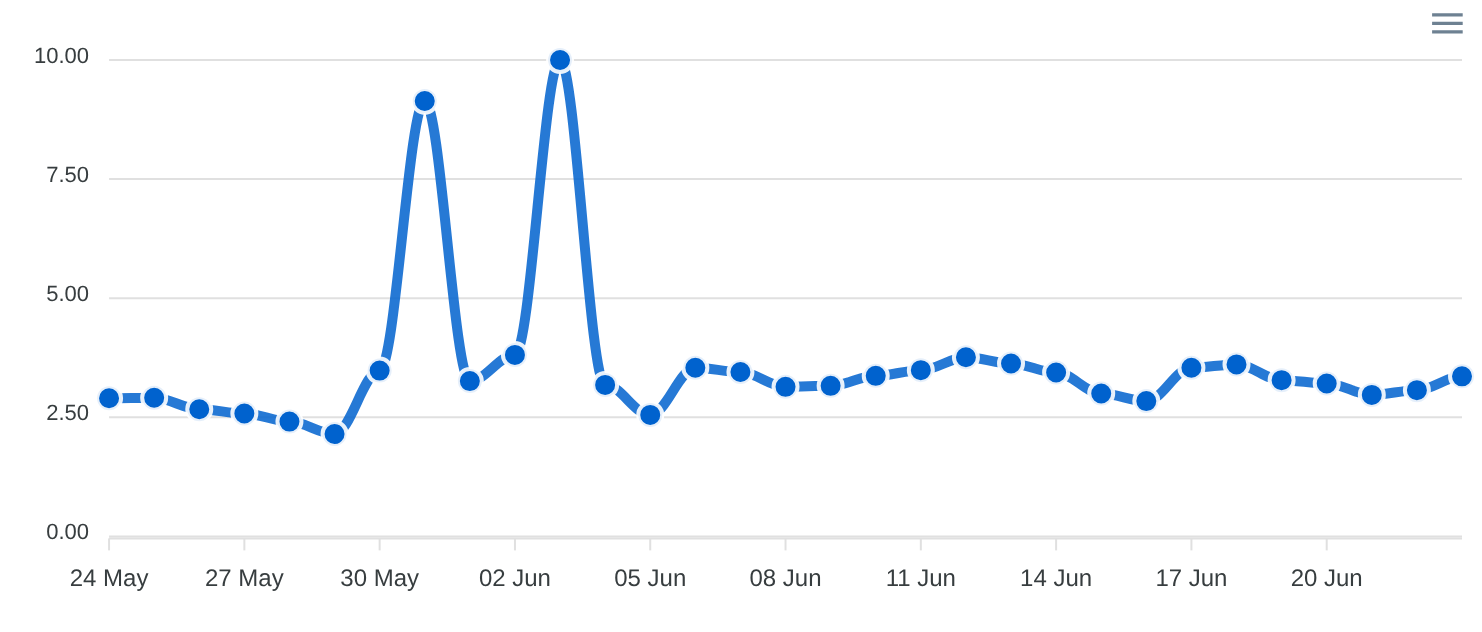
Following the announcement, various third-party SEO tracking tools, which monitor fluctuations in search engine results pages (SERPs), began to reflect the impact of the June 2026 spam update. Tools like AccuRanker, Algoroo, AWR, CognitiveSEO, DataForSEO, Mangools, Mozcast, SEMRush, Serpstat, SimilarWeb, Sistrix, Wincher, Wireboard, and Zutrix collectively indicated heightened volatility across various industries and geographic regions.
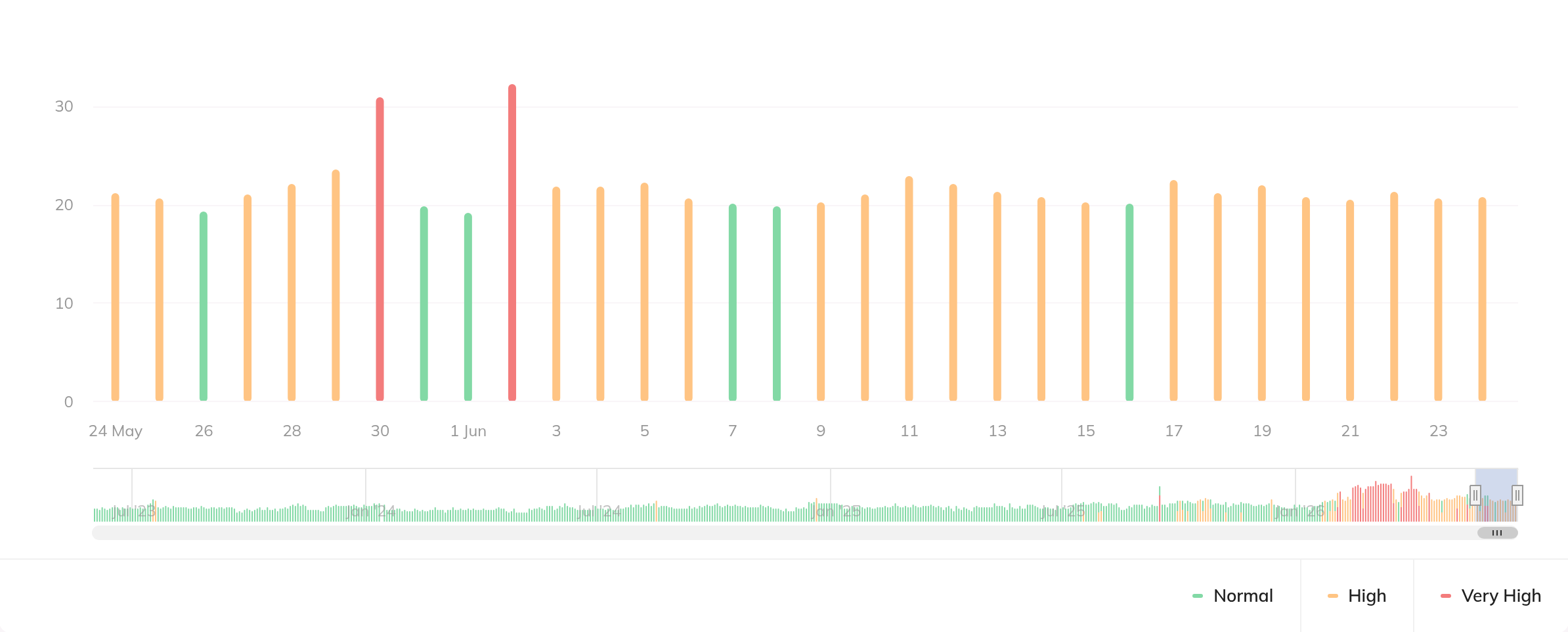
Before the official release, several of these tools already showed elevated levels of “grumpiness,” “tension,” or general SERP instability throughout late May and early June. The aggregate volatility charts displayed noticeable spikes, particularly around the first week of June and mid-June, suggesting that the algorithm was either being tested or partially deployed. On the day of the announcement, while some tools showed a slight settling, many continued to register above-average fluctuations, reinforcing the notion that the rollout was in full swing and its effects were broadly distributed.
The SEO community, as evidenced by discussions on forums like WebmasterWorld, LinkedIn, and X, quickly reacted to the changes:

- One webmaster lamented, “Is there possibly a Google update rolling out right now? The recovery of our news site seems to be over; big drop today.” This highlights the significant impact on content-driven sites and the frustration of seeing previous optimization efforts undone.
- Concerns about search quality were also voiced: “Something feels seriously off right now. Today I had 27 articles from Amazon Egypt in my Discover feed, basically all ads. In my niche, Top Stories are suddenly showing betting sites I would never have expected to see there, and some obvious spam sites seem to be back as well.” This paradoxical observation—a spam update potentially coinciding with an increase in visible spam for some users—underscores the complexity of algorithm deployments and the dynamic nature of spam. It could indicate that the update is still processing, or that new spam tactics are emerging rapidly.
- Another user noted the broader economic impact: “Even by AdSense’s metrics, pageviews are down another 12% since last week, yet rankings don’t seem to have changed. I predicted this a while back. we are going to hit 0 organic traffic for high ranked sites soon. You are shown on Google, nobody will click.” This sentiment reflects a growing disillusionment among some webmasters, suggesting that even maintaining rankings doesn’t guarantee traffic or revenue if visibility or click-through rates are declining, potentially due to intensified competition or shifting user behavior within the SERPs.
- The widespread perception of change was clear: “Today, June 23, I’m seeing very low activity; something must have happened between yesterday afternoon and today. Something has changed.” This pre-announcement chatter confirms that webmasters were observing noticeable shifts in their traffic and rankings, indicating the update’s early phases or related algorithm adjustments were already in play.
Broader Implications for Webmasters and SEO Professionals
The June 2026 spam update serves as a critical reminder for all webmasters and SEO professionals to rigorously adhere to Google’s Webmaster Guidelines. The implications extend beyond immediate ranking shifts:
- Prioritize Quality and User Experience: The update reinforces Google’s long-standing emphasis on high-quality, original, and valuable content that truly serves user intent. Sites with thin, low-quality, AI-generated (without human oversight), or scraped content are particularly vulnerable.
- Conduct Comprehensive Site Audits: Webmasters should use this period to conduct thorough technical and content audits. This includes checking for compliance with all Google spam policies, ensuring proper indexing, site speed, mobile-friendliness, and a clean backlink profile. Any past black hat tactics, no matter how minor, should be identified and remediated.
- Monitor Analytics and Search Console: Close monitoring of Google Analytics, Google Search Console, and other SEO tools is crucial to understand the update’s specific impact on individual sites. Tracking changes in organic traffic, keyword rankings, crawl stats, and manual action reports can provide valuable insights.
- Patience and Long-Term Strategy: Recovery from a spam-related penalty can be a lengthy process, often taking several months after all issues are addressed. This necessitates a long-term, ethical SEO strategy focused on sustainable growth rather than quick wins. Continuous investment in genuine content creation, user experience optimization, and natural authority building will always yield better results.
- Adapt to Evolving Spam Tactics: The release of a spam update indicates that Google is continually adapting to new forms of spam. SEO professionals must stay informed about the latest spam trends and Google’s countermeasures to proactively protect their clients’ or their own sites.
A Continuous Cycle of Improvement
Google’s history is punctuated by a consistent series of algorithm updates designed to refine search quality. From the early Panda and Penguin updates targeting content and link quality, to more recent broad core updates and focused spam updates, the cycle of algorithmic improvement is relentless. The June 2026 spam update is another iteration in this ongoing process, reflecting Google’s commitment to delivering the most relevant and reliable information to its users.
While these updates can cause anxiety and significant work for webmasters, they ultimately aim to foster a healthier online ecosystem where quality and user value are rewarded. The current volatility and community discussions underscore the immediate challenges, but also highlight the enduring importance of ethical SEO practices. As the rollout completes, the digital marketing landscape will once again recalibrate, reinforcing the imperative for webmasters to align their strategies firmly with Google’s guidelines for sustainable online visibility.

 Ali Ikhwan
 Neng Nana