Laily UPN
For advertisers who have established a robust presence on Google Ads, the logical next step in expanding their digital marketing reach is to explore the potential of Microsoft Advertising, formerly known as Bing Ads. This platform, while sharing fundamental similarities with its more dominant counterpart, offers distinct characteristics that necessitate a tailored approach for optimal performance. Understanding these nuances is crucial for advertisers seeking to leverage Microsoft Advertising effectively as a supplementary or even primary channel.
Microsoft Advertising presents a compelling opportunity for diversification, offering access to a unique audience segment and often at a lower cost-per-click (CPC) than Google. This can be particularly attractive for businesses looking to optimize their ad spend and broaden their market penetration. The platform’s user interface and campaign management principles are familiar to those accustomed to Google Ads, facilitating a relatively smooth transition. However, overlooking the platform’s unique attributes and learning curves can lead to suboptimal results and missed opportunities. This guide aims to equip advertisers with the essential knowledge and strategic insights required to navigate and succeed with Microsoft Advertising.
Strategic Entry Point: Mastering Search Campaigns
The foundational element for any successful digital advertising strategy on both Google and Microsoft Ads is the search campaign. For advertisers transitioning from Google Ads, leveraging existing successful campaigns as a blueprint is a prudent initial strategy. However, a direct, unedited copy-paste approach is rarely the most effective method. A more nuanced strategy involves dissecting these existing campaigns and adapting them specifically for the Microsoft Advertising ecosystem.
A critical distinction to make when migrating or building search campaigns is the segmentation between "brand" and "non-brand" keywords.
-
Brand Campaigns: These campaigns target users who are actively searching for a specific brand name, product, or service. They typically have higher conversion rates because the user intent is already defined and favorable towards the advertiser. For Microsoft Advertising, this means ensuring that branded terms are meticulously captured and that ad copy resonates directly with the brand’s unique value proposition. The competitive landscape for brand terms on Microsoft Ads can often be less intense than on Google, potentially leading to more efficient acquisition costs.
-
Non-Brand Campaigns: These campaigns focus on broader, more general keywords that users might employ when seeking solutions or information related to a product or service, without necessarily having a specific brand in mind. These campaigns are vital for capturing new customers and expanding market share. When adapting non-brand campaigns for Microsoft Advertising, careful consideration must be given to keyword match types.
-
Broad Match: While offering the widest reach, broad match on Microsoft Advertising, similar to Google, can sometimes trigger ads for irrelevant queries if not carefully managed with negative keywords. Advertisers should approach broad match with caution, closely monitoring search term reports to identify and exclude superfluous traffic.
-
Phrase Match: This match type ensures that the user’s search query includes the exact phrase or a close variation, with potential additional words before or after the phrase. It offers a good balance between reach and relevance, making it a robust choice for many non-brand keywords on Microsoft Ads.
-
Exact Match: This is the most restrictive match type, triggering ads only when the user’s search query is an exact match or a very close variation of the keyword. While it offers the highest degree of control and relevance, it can significantly limit reach. Exact match is best utilized for high-intent keywords where precision is paramount.
-
By thoughtfully segmenting keywords into brand and non-brand categories and strategically employing appropriate match types, advertisers can build a solid foundation for their Microsoft Advertising search campaigns, ensuring that ad spend is directed towards the most relevant and valuable audience segments.
The Virtue of Patience: Navigating the Learning Curve
A common pitfall for advertisers migrating from Google Ads to Microsoft Advertising is the assumption that the learning and stabilization periods for campaigns will be identical. While Google Ads campaigns typically require approximately two weeks to enter a learning phase, depending on budget and conversion volume, Microsoft Advertising demands a more extended period of observation. Advertisers should realistically anticipate a learning phase that can span anywhere from four to eight weeks.
This extended learning period is primarily attributable to the difference in search volume between the two platforms. Google commands a significantly larger share of global search queries, meaning it accumulates data and refines its algorithms at a faster pace. Microsoft Advertising, while growing, has a smaller user base, and consequently, campaigns take longer to gather sufficient data points for the algorithms to optimize effectively.
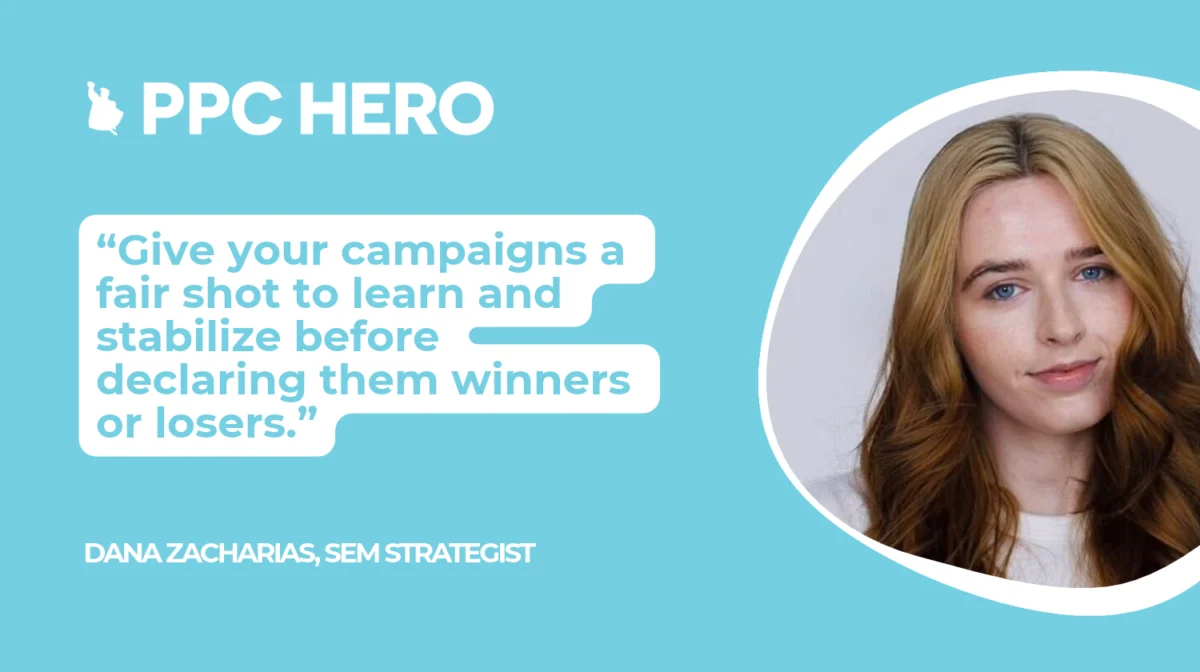
During this critical learning phase, it is imperative for advertisers to exercise restraint. Resist the temptation to make frequent or drastic adjustments to bids and budgets. Frequent changes can disrupt the learning process, confusing the platform’s algorithms and hindering their ability to identify patterns and optimize performance. This period can be frustrating, especially for performance-driven advertisers accustomed to rapid iteration. However, allowing the campaigns to run with minimal interference is crucial for giving Microsoft Advertising the opportunity to function as intended and to demonstrate its true potential. This patience is a strategic investment, ensuring that decisions made after the learning period are based on robust data rather than premature assumptions.
Notable Platform Differences and Unique Offerings
While the foundational principles of search advertising remain consistent, Microsoft Advertising distinguishes itself with several unique features and campaign types, alongside counterparts that mirror Google Ads functionalities. Understanding these differences is key to unlocking the platform’s full potential.
Mirroring Google Ads Features:
Microsoft Advertising has made concerted efforts to introduce features that are conceptually similar to those found on Google Ads. For instance, features like Performance Max (PMax) and AI Max are designed to operate on similar principles as their Google Ads counterparts, aiming to automate campaign management across various channels. However, it is crucial to recognize that these tools, while sharing a similar objective, are built on distinct technological infrastructures and trained on different datasets. Consequently, their performance characteristics and audience reach may vary. Advertisers should approach these automated solutions with a measured strategy, testing them with smaller budgets initially to gauge their effectiveness before committing significant resources.
Unique Microsoft Advertising Offerings:
Beyond the mirrored features, Microsoft Advertising also boasts unique campaign types that are not available on Google Ads. Audience Ads, for example, represent a significant differentiator. These campaigns allow advertisers to reach users across Microsoft’s network of websites, including MSN, Outlook.com, and other partner sites, based on their browsing behavior and demographics. This opens up opportunities for broader reach and brand awareness beyond traditional search queries.
Broader Platform-Wide Impacts:
Several other differences can have a significant impact on the overall campaign management experience and performance:
-
Audience Demographics: Microsoft Advertising’s user base often skews slightly older and may have a higher propensity for professional roles compared to Google Ads. This demographic nuance can influence campaign targeting strategies and ad creative. Data from Statista suggests that while Google holds the dominant market share in search, Microsoft’s ecosystem reaches a substantial and often valuable audience segment. For example, in the US, Microsoft’s search engine market share, while smaller than Google’s, represents millions of daily searches.

-
Keyword Match Type Behavior: While the core match types (broad, phrase, exact) exist on both platforms, their interpretation and effectiveness can sometimes differ. It is essential for advertisers to continually monitor search term reports on Microsoft Advertising to fine-tune keyword strategies and ensure optimal relevance.
-
Ad Extensions: Microsoft Advertising offers a comprehensive suite of ad extensions, including Sitelink extensions, Callout extensions, Structured Snippet extensions, and Image extensions. While many are similar to Google Ads, their implementation and impact on ad ranking may vary. Advertisers should leverage these extensions to provide additional information and enhance ad visibility.
-
Negative Keywords: The strategic use of negative keywords is paramount on both platforms, but particularly so on Microsoft Advertising, given the potential for broader match types to generate irrelevant traffic. A robust negative keyword list can significantly improve campaign efficiency and reduce wasted ad spend.
-
Automation and AI: While both platforms are increasingly leveraging artificial intelligence, the specific algorithms and their effectiveness can differ. Advertisers should stay informed about Microsoft’s latest AI-driven features and best practices for utilizing them.
Performance Max and AI Max: A Comparative Analysis
Microsoft’s introduction of Performance Max (PMax) and AI Max campaigns aims to replicate the success and convenience of Google’s automated campaign solutions. These tools are designed to leverage machine learning to optimize ad delivery across Microsoft’s network, including search, native, and other inventory.
Performance Max on Microsoft Advertising:
Microsoft’s PMax campaigns are intended to consolidate various campaign objectives into a single, automated campaign. Advertisers provide assets (headlines, descriptions, images, videos) and campaign goals, and Microsoft’s AI then works to find the best-performing combinations across its network. This is particularly beneficial for advertisers who want to simplify their campaign management and reach a broader audience without the complexity of managing multiple campaign types.
However, it’s important to note that Microsoft’s PMax operates on a different data set and algorithmic foundation than Google’s PMax. While the concept is similar, the audience reach and optimization capabilities will naturally differ. Advertisers should therefore not expect identical results to those achieved on Google’s PMax. Initial testing with controlled budgets is recommended to understand how Microsoft’s PMax performs for their specific business objectives.
AI Max on Microsoft Advertising:
AI Max is another initiative by Microsoft to harness artificial intelligence for campaign optimization. While specific details can vary, it generally focuses on automating bidding strategies, audience targeting, and ad creative optimization to drive better performance. These tools are designed to reduce the manual effort required in campaign management, allowing advertisers to focus on strategic planning and analysis.
Key Considerations for PMax and AI Max:
- Data Dependency: Like all AI-driven advertising tools, the effectiveness of PMax and AI Max is heavily dependent on the quality and quantity of data they receive. Advertisers with a history of conversion data on the Microsoft platform will likely see better results sooner.
- Asset Quality: The performance of these automated campaigns relies heavily on the quality of the provided assets. High-quality, compelling ad copy, engaging visuals, and relevant landing pages are crucial for success.
- Budget Allocation: While these tools aim to optimize spend, it’s prudent to start with a moderate budget and gradually increase it as performance becomes more predictable and satisfactory.
- Performance Monitoring: Continuous monitoring of campaign performance is essential. While automation reduces manual intervention, regular analysis of key metrics will help identify areas for improvement and ensure alignment with business goals.
Audience Ads: Tapping into a Different User Journey
Audience Ads represent a significant departure from traditional search advertising and offer a powerful avenue for expanding reach and engaging potential customers at different stages of their journey. These campaigns allow advertisers to target users based on their interests, demographics, and online behaviors across Microsoft’s extensive network of websites, including MSN, Outlook.com, and partner sites.
How Audience Ads Work:
Instead of bidding on specific keywords, advertisers utilizing Audience Ads define target audiences based on a variety of criteria. This can include:
- Demographics: Age, gender, parental status, household income.
- Interests: Hobbies, lifestyle choices, and general areas of interest.
- In-Market Audiences: Users who have recently shown intent to purchase products or services in specific categories.
- Affinity Audiences: Users who have a strong, ongoing interest in certain topics.
- Custom Audiences: The ability to create tailored audiences based on specific criteria or website visitor data.
Once an audience is defined, advertisers can then create visually rich ad formats, often including images and compelling copy, which are displayed natively within the content of Microsoft’s network of sites. This allows for brand building and consideration-stage engagement, reaching users who may not be actively searching for a product or service but are receptive to relevant offers.
Strategic Advantages of Audience Ads:
- Broader Reach: Audience Ads enable advertisers to reach a significantly larger pool of potential customers beyond those actively searching on search engines.
- Brand Awareness and Consideration: They are highly effective for building brand awareness, introducing new products, and nurturing leads through the consideration phase of the buyer’s journey.
- Remarketing Opportunities: Advertisers can leverage Audience Ads for remarketing efforts, re-engaging users who have previously interacted with their website or shown interest in their offerings.
- Competitive Advantage: By tapping into a less competitive advertising space than keyword-based search, Audience Ads can offer more cost-effective impressions and clicks.
Best Practices for Audience Ads:
- Define Clear Objectives: Understand whether the primary goal is brand awareness, lead generation, or driving traffic.
- Target Precisely: Utilize the available targeting options to define the most relevant audiences for your products or services.
- Compelling Creatives: Invest in high-quality visuals and persuasive ad copy that captures attention.
- Landing Page Experience: Ensure that the landing page aligns with the ad message and provides a seamless user experience.
- Performance Monitoring: Continuously monitor campaign performance, adjusting targeting, creatives, and bids as needed.
Conclusion: A Strategic Expansion for Growth
The expansion into Microsoft Advertising represents a strategic imperative for businesses seeking to diversify their digital marketing efforts and tap into a valuable audience segment. By understanding the platform’s foundational similarities to Google Ads, while diligently recognizing and adapting to its unique characteristics, advertisers can unlock significant growth opportunities.
The journey begins with a strong foundation in search campaigns, strategically segmenting between brand and non-brand keywords and employing appropriate match types. Crucially, advertisers must cultivate patience, allowing campaigns ample time to navigate the learning curve, which is inherently longer than on Google Ads due to differences in search volume. This period of observation, free from disruptive manual adjustments, is essential for enabling Microsoft’s algorithms to optimize effectively.
Furthermore, exploring and strategically testing Microsoft’s unique offerings, such as Audience Ads, alongside its automated solutions like Performance Max and AI Max, can provide a competitive edge. These features, while built on different technological foundations than their Google Ads counterparts, offer powerful avenues for reaching new audiences, building brand awareness, and driving consideration.
In essence, Microsoft Advertising is not merely a secondary platform but a vital component of a holistic digital advertising strategy. By approaching it with a well-informed, patient, and adaptable mindset, businesses can expect to see a significant return on investment, expanding their reach, acquiring new customers, and ultimately achieving greater market penetration. The key lies in thoughtful planning, disciplined execution, and a commitment to understanding the nuances that make Microsoft Advertising a powerful tool in the modern advertising landscape.

 Nana Muazin
 Muslim