Azzam Bilal Chamdy
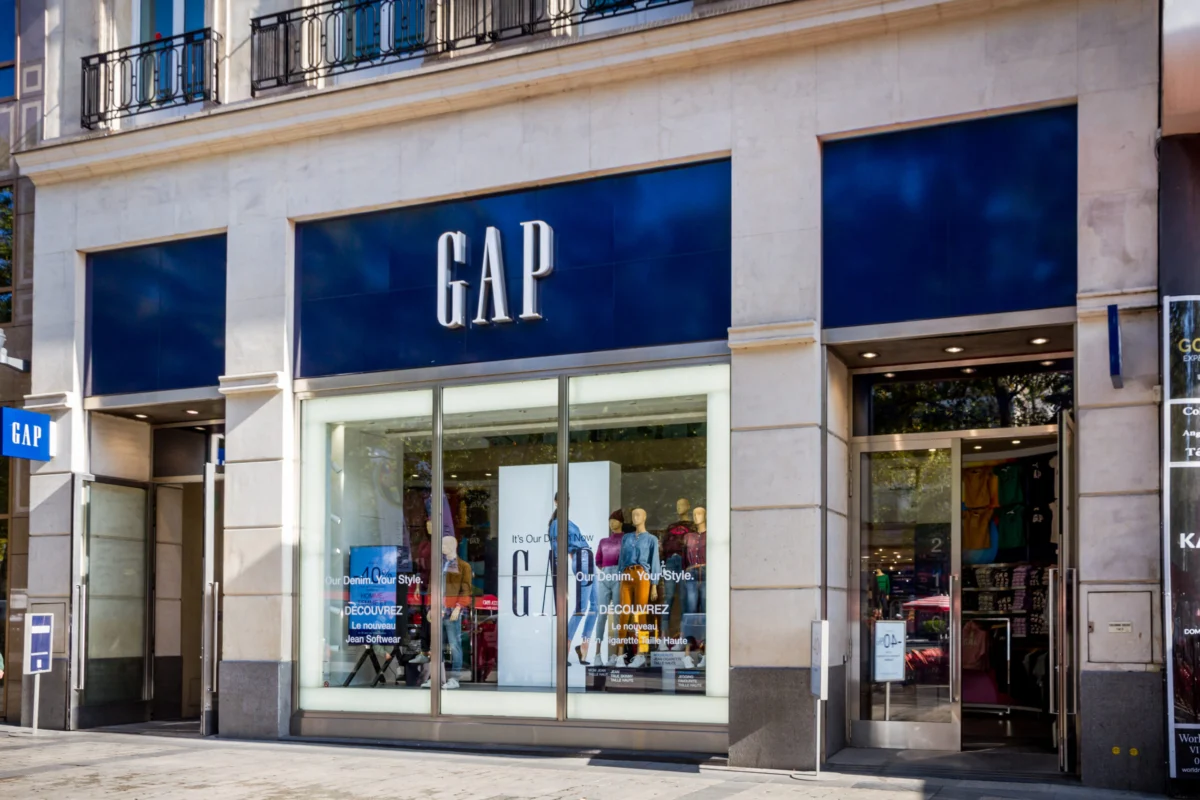
Gap Inc. reported a mixed financial performance for its fiscal third quarter ended October 31, 2026, with its namesake Gap brand demonstrating a robust turnaround while other segments grappled with challenges. Despite an overall net sales increase of 2% to $4.01 billion, the company has revised its full-year outlook downward, citing unseasonably warm weather that dampened demand for fall apparel. This adjustment reflects a broader retail environment marked by unpredictable consumer behavior and evolving market dynamics.
The retailer’s overall sales growth was marginally supported by a 3% increase in online sales, which now constitute 40% of quarterly revenue, remaining consistent with the previous year. In-store sales saw a more modest 1% growth. This digital resilience underscores the growing importance of e-commerce in Gap Inc.’s strategy, even as physical retail continues to play a crucial role. The company’s digital presence is significant, positioning it at No. 19 in Digital Commerce 360’s Top 2000 Database, a testament to its substantial online sales volume in North America.
A stark divergence in performance was evident across Gap Inc.’s four primary brands. The Gap banner, the company’s flagship, experienced a significant turnaround, posting double-digit sales growth. This revitalization is a key positive indicator for the company, suggesting that strategic initiatives aimed at re-energizing the brand are yielding tangible results. In contrast, Old Navy, Gap Inc.’s largest brand by revenue, saw its comparable sales stabilize after a period of decline, indicating a potential bottoming out of its performance. Banana Republic, however, continued to face headwinds, reporting a 3% year-over-year sales decline.
The most significant challenge lies with Athleta, the activewear brand, which experienced steeper sales declines in the third quarter. In response to these difficulties, Gap Inc. has appointed Ashley Kechter as the brand’s next president and CEO, effective December 14. This leadership change is accompanied by a comprehensive review of Athleta’s business operations, signaling a strategic pivot to address declining performance and adapt to a rapidly evolving activewear market.
Leadership Transition and Strategic Realignment at Athleta
The appointment of Ashley Kechter to lead Athleta marks a significant moment for the brand. Kechter brings a wealth of experience from the activewear sector, having most recently served as global president of Vuori, a rapidly growing competitor. Her prior tenure within Gap Inc.’s own portfolio, including leadership roles at Banana Republic, Old Navy, and Gap, provides her with an intimate understanding of the company’s culture, operational complexities, and brand identities.
CEO Richard Dickson highlighted Kechter’s deep roots within Gap Inc. during the earnings call, stating, "Ashley grew up in the company and understands our culture and what it takes to operate at scale." This statement suggests confidence that Kechter possesses the institutional knowledge and leadership acumen necessary to navigate Athleta’s current challenges and steer it toward future growth. The decision to conduct a broader review of the business indicates that Gap Inc. is open to significant strategic adjustments for Athleta, potentially involving assortment optimization, marketing recalibration, and enhanced digital engagement strategies. The activewear market has become increasingly competitive, with new entrants and established players vying for market share. Athleta’s performance decline reflects the intensified competition and the need for greater innovation and relevance.
Financial Performance Snapshot: Q3 Fiscal 2026
Gap Inc.’s total net sales for the third quarter reached $4.01 billion, representing a 2% increase compared to the same period last year. This modest growth was primarily driven by the strong performance of the Gap brand and a stabilization at Old Navy. Online sales continued their upward trajectory, growing by 3%, while in-store sales edged up by 1%. This sustained strength in e-commerce highlights the ongoing shift in consumer purchasing habits and Gap Inc.’s ability to adapt its digital channels.
The company’s comparable sales, which encompass both online and in-store performance, remained flat year over year in Q3. This flat performance indicates a delicate balance between the growth in some segments and the declines in others. However, adjusted earnings per share saw a significant increase of 32%, reaching $0.82. This improvement in profitability, despite flat comparable sales, suggests effective cost management and a favorable product mix. Reported net income for the quarter rose to $311 million, a notable increase from $236 million in the prior year, further underscoring improved operational efficiency and profitability.
Brand-Specific Performance: A Tale of Two Halves
The narrative of Gap Inc.’s third quarter is largely defined by the contrasting fortunes of its key brands. The namesake Gap brand emerged as a clear star performer, continuing its impressive turnaround. Net sales for the Gap brand surged by 11% year over year, reaching $1.06 billion. This growth was largely propelled by strong demand for its core denim and fleece offerings. Comparable sales for the Gap brand rose by 9%, marking its twelfth consecutive quarter of positive growth, a remarkable streak that underscores the brand’s successful revitalization efforts. CEO Richard Dickson attributed this sustained success to a combination of updated assortments, effective marketing, and a renewed focus on customer value.
Old Navy, Gap Inc.’s largest revenue-generating brand, demonstrated signs of recovery. Net sales increased by 1% to $2.27 billion, accounting for over half of the company’s quarterly revenue. Crucially, comparable sales at Old Navy were flat, a significant improvement from a 4% decline in the previous quarter. Dickson credited stronger fall assortments, particularly in denim, activewear, and knits, along with more targeted marketing and pricing strategies, for this stabilization. The recent appointment of Michael Francis as Old Navy president and CEO, previously the brand’s chief customer officer, is expected to further bolster its performance through his deep understanding of customer engagement.
However, not all brands shared in this positive momentum. Banana Republic continued to struggle, reporting a 3% decline in both net sales and comparable sales. Dickson pointed to two primary reasons for this weakness: an assortment that was too heavily weighted towards cold-weather categories amidst warmer-than-expected temperatures, and missteps in the fashion and color direction of its women’s apparel offerings. This highlights the challenges of aligning product development with prevailing weather patterns and rapidly shifting fashion trends.
Athleta faced the most significant downturn. Net sales plummeted by 14% year over year to $220 million, with comparable sales dropping by 15%. Dickson acknowledged that efforts to modernize the brand’s assortment and marketing had fallen short in the face of intense competition. He noted the emergence of new entrants reshaping the competitive landscape and raising the bar for innovation, speed, and relevance in the activewear sector. The ongoing strategic review of Athleta signals a critical juncture for the brand, as Gap Inc. seeks to regain its footing in this dynamic market.
Navigating Economic Headwinds and Tariff Adjustments
Despite the mixed performance of its brands, Gap Inc. executives expressed optimism regarding improving sales trends as temperatures cooled, suggesting that the latter part of the fall season might see stronger consumer engagement. Furthermore, the company anticipates a positive impact on its operating profit from lower-than-previously-assumed U.S. tariff rates. This adjustment is projected to add approximately $46 million to operating profit for the fiscal year. This benefit, stemming from a favorable change in trade policy, provides a welcome offset to other market pressures.
In a separate but related financial development, Gap Inc. recorded a significant year-to-date adjustment to its cost of goods sold totaling $420 million. This adjustment is linked to the recovery of tariffs imposed under the International Emergency Economic Powers Act (IEEPA). The company also recognized $21 million in related interest income. While these are substantial figures, Gap Inc. has chosen to exclude both the tariff recovery benefit and the related interest income from its adjusted full-year outlook. This approach provides a clearer picture of the company’s underlying operational performance, separating it from the impact of extraordinary tariff-related adjustments.
The company’s inventory management also showed positive signs, with $2.3 billion in inventory at the end of Q3, a 6% decrease from the previous year. This reduction in inventory levels suggests improved supply chain efficiency and a more cautious approach to stock replenishment, which can help mitigate the risk of markdowns and improve profitability.
Strategic Investments in Digital Transformation and AI
Gap Inc. continues to emphasize its commitment to advancing its digital capabilities and leveraging artificial intelligence to enhance customer engagement and drive sales. The company remains a dominant force in U.S. specialty apparel e-commerce, with its digital properties attracting approximately 1.6 billion visits over the past 12 months. CEO Richard Dickson highlighted the ongoing development of its digital and app capabilities, including the exploration of "agentic commerce" and emerging platforms like TikTok.
In October, Gap Inc. unveiled new AI shopping initiatives, most notably conversational product-discovery tools for Old Navy and Banana Republic. The retailer also partnered with Alta Daily, integrating Gap merchandise into the styling app’s AI-generated outfit recommendations. These initiatives underscore a strategic focus on personalized shopping experiences and leveraging AI to provide customers with tailored product suggestions and styling advice.
Marketing partnerships remain a key pillar of Gap Inc.’s digital engagement strategy. The company highlighted the success of its back-to-school campaign with YouTube star MrBeast, which generated 1.4 billion global YouTube impressions and drove a more than 20% increase in traffic to Old Navy’s online children’s assortment. Similarly, Old Navy’s fall campaign featuring Cardi B successfully boosted traffic and promoted its denim and cardigan collections. These collaborations demonstrate Gap Inc.’s ability to harness the power of social media influencers and celebrity endorsements to reach broad audiences and drive engagement.
Store Remodels and Expansion into New Categories
Beyond its digital endeavors, Gap Inc. is also investing in its physical retail footprint. The Gap brand plans to remodel 35 locations this year, bringing approximately a quarter of its North American specialty store fleet into its latest store format. Early results from these remodels are encouraging, with Dickson reporting that the new Gap formats are outperforming their districts in terms of traffic and average unit retail (AUR) trends. This strategic investment in physical retail aims to create more engaging and contemporary shopping experiences that align with the brand’s revitalized image.
Gap Inc. is also strategically expanding into new product categories to drive incremental sales and capture new customer segments. During the third quarter, Old Navy rolled out its beauty assortment nationwide. Early indications suggest this expansion is proving successful, with customers purchasing beauty products exhibiting larger basket sizes and higher average transaction values compared to non-beauty shoppers. This indicates a positive cross-selling opportunity within the Old Navy ecosystem.
The Gap brand has also ventured into new product lines, launching its first handbag collection in September. The company reported that several styles, including the Five Pocket Tote, sold out rapidly, prompting a need for additional inventory. Gap plans to introduce more handbag styles for the upcoming holiday season and intends to expand its accessories offerings at Banana Republic and Old Navy in 2027. While these new categories are not expected to make a significant financial contribution in the current fiscal year, they represent a strategic diversification of Gap Inc.’s product portfolio and a move to capture a larger share of customer wallets.
Licensing partnerships are also being utilized to drive incremental sales. Over 60% of Old Navy shoppers who purchased Fanatics merchandise also bought products from the brand’s core apparel assortment, with these combined purchases exceeding Old Navy’s average transaction value. This suggests that licensing collaborations can attract new customers and encourage higher spending among existing ones.
Revised Full-Year Outlook and Market Outlook
In light of the third-quarter performance and prevailing market conditions, Gap Inc. has revised its full-year fiscal 2026 revenue outlook. The company now expects revenue to be roughly flat year over year, a downward revision from its previous forecast of 1% to 1.5% growth. This adjustment reflects a slower-than-anticipated start to the crucial holiday quarter, necessitating increased promotional activity at Old Navy and amplified discounting at Athleta to stimulate sales.
Despite the revised revenue forecast, the projected reduction in U.S. tariff rates is expected to provide a significant boost to operating profit. As previously mentioned, this is estimated to add approximately $46 million to the full-year operating profit, partially mitigating the impact of softer sales and increased promotions.
The company’s inventory position at the end of the third quarter was $2.3 billion, down 6% year over year, indicating effective inventory management in a challenging retail climate. The ongoing efforts to optimize inventory levels and improve operational efficiency are critical for navigating the current economic landscape.
Gap Inc.’s performance in fiscal Q3 2026 illustrates the complexities of the modern retail environment. While the successful turnaround of the namesake Gap brand and the stabilization of Old Navy offer positive signals, the persistent challenges at Banana Republic and Athleta, coupled with broader economic uncertainties, necessitate a cautious approach. The company’s strategic investments in digital innovation, AI, and category expansion, alongside prudent inventory management and leadership transitions, will be crucial in shaping its trajectory in the coming quarters. The retail sector continues to evolve rapidly, and Gap Inc.’s ability to adapt to changing consumer preferences and competitive pressures will ultimately determine its long-term success.


 Muslim
 Jia Lissa