Ammar Sabilarrohman
For businesses and digital marketers who have successfully leveraged Google Ads, the natural next step in expanding their online advertising reach often involves exploring alternative platforms. Microsoft Advertising, formerly known as Bing Ads, presents a compelling opportunity for this expansion. While sharing significant similarities with its dominant counterpart, Google Ads, Microsoft Advertising possesses distinct characteristics that necessitate a nuanced approach for optimal performance. This guide aims to equip advertisers with essential knowledge and strategic insights to navigate the Microsoft Advertising platform effectively, ensuring a smooth and successful transition.
The Strategic Advantage of Diversification in Digital Advertising
The digital advertising landscape is dynamic, with user behavior and platform algorithms constantly evolving. Relying solely on one advertising platform, even one as dominant as Google Ads, carries inherent risks. Market share can shift, algorithm updates can unexpectedly impact campaign performance, and audience demographics can vary. Diversifying advertising efforts across multiple platforms, such as Microsoft Advertising, offers several strategic advantages:
- Expanded Reach: Microsoft Advertising reaches a different, albeit overlapping, segment of internet users. This includes users who primarily use Microsoft’s search engine (Bing), as well as those who encounter ads on partner websites and within the Microsoft ecosystem (e.g., MSN, Outlook.com, Windows). Capturing this audience can lead to incremental gains in visibility and potential customer acquisition.
- Reduced Cost Per Acquisition (CPA): Often, the cost per click (CPC) and cost per acquisition on Microsoft Advertising are lower than on Google Ads. This is due to less competition and potentially different bidding dynamics. Advertisers can achieve a more favorable return on investment (ROI) by acquiring customers at a lower cost.
- Audience Segmentation: Different platforms attract and engage different user segments. Microsoft Advertising’s user base may exhibit unique demographic or psychographic traits, offering opportunities to tailor messaging and campaigns to specific, potentially underserved, audiences.
- Resilience Against Algorithm Changes: Relying on a single platform makes an advertiser vulnerable to sudden and significant impacts from algorithm updates. Spreading investment across platforms provides a degree of resilience, ensuring that a drastic change on one platform does not cripple an entire advertising strategy.
- Testing Ground for Innovation: Emerging features and campaign types are often introduced on multiple platforms. Microsoft Advertising can serve as a valuable testing ground to evaluate new strategies and creative approaches before committing significant budgets on more competitive, and expensive, platforms.
Microsoft Advertising, as a secondary platform, offers a familiar yet distinct environment. Its interface and fundamental principles are largely consistent with Google Ads, making the learning curve less steep for those already acquainted with Google’s ecosystem. However, understanding its unique characteristics—from search volume differences to proprietary features—is crucial for unlocking its full potential.
Search Campaigns: The Foundational Entry Point
For advertisers transitioning to Microsoft Advertising, the most logical and recommended starting point is with Search Campaigns. This aligns with the foundational strategy employed on Google Ads and leverages existing expertise. Search campaigns target users actively searching for specific keywords, indicating a clear intent to find information or solutions related to a product or service.
When migrating or building search campaigns for Microsoft Advertising, it’s generally ill-advised to perform a direct, unadulterated copy-paste from Google Ads. While the core concepts of keyword targeting, ad creation, and bid management are transferable, critical differences in search volume, user behavior, and platform algorithms necessitate a tailored approach.
Key Considerations for Search Campaigns:
-
Brand vs. Non-Brand Keywords: A fundamental distinction in search campaign structure is the separation of brand and non-brand keywords.
- Brand Keywords: These are terms directly related to your company name, products, or services (e.g., "Acme Corporation," "Acme Widget X"). Campaigns targeting brand keywords typically aim to capture users already familiar with your brand, ensuring you dominate your own branded search results and prevent competitors from doing so. These campaigns often have higher conversion rates and lower costs due to high user intent.
- Non-Brand Keywords: These are broader terms that users might search for when looking for a solution or product category that your business offers, but without explicitly mentioning your brand (e.g., "best CRM software," "online accounting services"). These campaigns are crucial for attracting new customers and expanding market share. They often require more extensive keyword research and a more robust ad creative strategy to capture interest.
When migrating, it’s advisable to begin by setting up dedicated brand and non-brand search campaigns on Microsoft Advertising. This allows for granular control over targeting, bidding, and performance analysis for each distinct audience segment.
-
Match Types: Understanding and strategically utilizing match types is paramount for controlling ad delivery and maximizing relevance. The primary match types on Microsoft Advertising are:
- Broad Match: Ads may show for searches related to your keyword, including synonyms, related concepts, and other relevant variations. This offers the widest reach but can also lead to irrelevant ad impressions if not managed carefully with negative keywords.
- Phrase Match: Ads may show for searches that include the meaning of your keyword. The search query must contain the keyword or its close variations, and words can be added before or after. This offers a balance between reach and relevance.
- Exact Match: Ads may show for searches that have the same meaning as your keyword. This is the most restrictive match type, ensuring that ads are shown only when the search query closely matches the keyword. It offers the highest relevance and control but the lowest reach.
While Google Ads has introduced significant changes to how broad match operates, Microsoft Advertising’s match types largely function as they have historically. When porting campaigns, carefully review the match type settings. It’s often recommended to start with Phrase Match and Exact Match for greater control, gradually incorporating Broad Match with robust negative keyword lists as you gain insights into search query performance on the platform.
Data Point: Industry analyses consistently show that while Google Ads commands a significantly larger share of the search market, Microsoft Advertising can offer a substantial reach, often capturing anywhere from 15% to 30% of search queries depending on the target demographic and region. This makes it a valuable complement rather than a mere alternative.
Patience Is Key: Navigating the Learning Period
A common pitfall for advertisers new to Microsoft Advertising is the expectation that performance will mirror that of their established Google Ads campaigns immediately. This expectation often leads to premature adjustments and a failure to allow the platform adequate time to optimize.
Understanding the Learning Period:
Digital advertising platforms, particularly those employing automated bidding strategies and machine learning, undergo a "learning period" after initial setup or significant changes. During this phase, the algorithms gather data on user interactions, conversion patterns, and campaign performance to refine targeting, bidding, and ad delivery.
- Google Ads Learning Period: Typically, a Google Ads campaign might require approximately two weeks to complete its initial learning phase, depending heavily on budget and conversion volume.
- Microsoft Advertising Learning Period: Due to Microsoft Advertising’s considerably lower search volume compared to Google Ads, this learning period is often extended. Advertisers should realistically anticipate a learning period of 4 to 8 weeks, contingent on the allocated budget and the rate at which conversions are being captured.
Strategic Recommendations During the Learning Period:

- Resist Frequent or Dramatic Changes: During this crucial phase, it is imperative to exercise restraint. Avoid making frequent or significant adjustments to bids, budgets, or targeting parameters. Such actions can disrupt the learning process, reset the algorithm’s progress, and prolong the stabilization period.
- Allow for Data Accumulation: The algorithm needs sufficient data points to make informed decisions. This means allowing the campaigns to run with consistent settings for an extended period, even if initial performance seems suboptimal.
- Focus on Observation, Not Intervention: Instead of actively tweaking, focus on observing key performance indicators (KPIs) such as impressions, clicks, click-through rates (CTR), and conversion rates. Identify trends and anomalies, but defer significant strategic adjustments until after the learning period has concluded.
- Negative Keyword Management: While avoiding major structural changes, ongoing vigilant management of negative keywords is always beneficial. Regularly review the "Search Terms" report to identify irrelevant queries that triggered your ads and add them as negative keywords to prevent wasted spend.
Inferred Reaction: While no direct statement from Microsoft Advertising regarding the learning period’s duration is available, the platform’s design, which relies on data-driven optimization, inherently necessitates a period of data accumulation. The extended duration compared to Google is a direct consequence of its smaller user base and thus, lower data velocity.
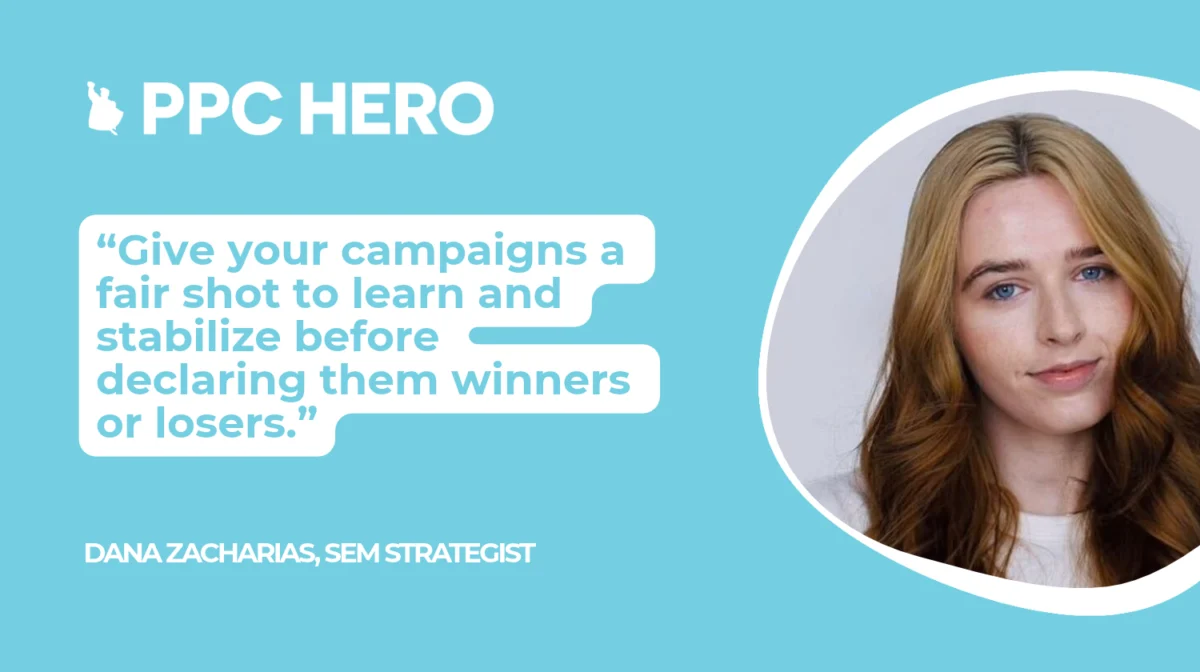
The frustration of observing seemingly underperforming campaigns is understandable. However, giving Microsoft Advertising the necessary time and stability to learn and optimize is essential for its long-term success. Declaring a campaign a failure prematurely without allowing it to complete its learning cycle is a common mistake that can lead to missed opportunities.
Notable Platform Differences and Unique Offerings
While Microsoft Advertising strives to offer a user experience similar to Google Ads, several key differences and unique features warrant specific attention. These distinctions can significantly impact campaign strategy, performance, and overall platform utilization.
Mirroring vs. Innovation:
Microsoft Advertising has introduced campaign types and features designed to mirror popular Google Ads functionalities, such as Performance Max (PMax) and AI Max. These tools aim to leverage AI and automation to optimize campaigns across various channels and placements. However, it’s crucial to recognize that:
- Different Technological Foundations: Despite similar conceptual aims, these tools are built on distinct technological infrastructures.
- Varied Training Data: The AI models are trained on different datasets, reflecting the unique user behavior and search patterns within the Microsoft ecosystem.
- Smaller Audience Size: Consequently, the audience reached by these features on Microsoft Advertising is smaller than their Google Ads counterparts.
Recommendation: When exploring these AI-driven campaign types on Microsoft Advertising, it is advisable to approach them with a test-and-learn methodology. Allocate smaller budgets initially, monitor performance closely, and scale only when consistent positive results are observed. This cautious approach mitigates risk and allows for a data-informed decision on their efficacy for your specific business objectives.
Unique Campaign Types:
Beyond mirroring Google Ads features, Microsoft Advertising also offers unique campaign types that are exclusive to its platform. Audience Ads are a prime example. These campaigns allow advertisers to reach users across Microsoft’s network of websites and apps based on demographic, interest, and intent signals, rather than solely on keyword searches. This opens up opportunities for prospecting and building brand awareness among relevant audiences who may not be actively searching for your products or services at that moment.
Broader Platform-Wide Differences:
Several overarching differences impact the platform’s performance and management:
- Search Volume: As repeatedly emphasized, Microsoft Advertising has a fraction of the search volume of Google Ads. This directly influences campaign reach, the speed at which data is collected, and the duration of the learning period.
- Audience Demographics: While generalizations should be made with caution, Microsoft’s user base often skews slightly older and may have a higher propensity towards certain professional or enterprise-level interests compared to the broader Google audience. Understanding these nuances can inform creative messaging and targeting.
- Ad Position and Visibility: Due to lower competition, ads on Microsoft Advertising may appear in higher positions for relevant queries, potentially leading to better visibility and higher click-through rates, even with fewer overall impressions.
- Ad Extensions: While both platforms offer a robust suite of ad extensions (e.g., Sitelinks, Callouts, Structured Snippets), the implementation and performance can vary. It’s essential to ensure all relevant extensions are utilized and optimized for Microsoft Advertising.
- Remarketing Lists for Search Ads (RLSA): Microsoft Advertising supports RLSA functionality, allowing advertisers to target users who have previously visited their website with tailored search ads. This is a powerful tool for re-engaging warm leads.
- Shopping Campaigns: Similar to Google Shopping, Microsoft Advertising offers Shopping campaigns to showcase products directly in search results. The setup and optimization process share similarities with Google Shopping but require separate product feed management and campaign configuration.
- Budget Pacing: Microsoft’s ad server may pace budgets differently than Google’s. It’s important to monitor budget consumption to ensure campaigns are spending effectively throughout the day and not depleting prematurely.
Data Point: According to Statista, as of early 2023, Bing (Microsoft’s search engine) held approximately 9% of the global search engine market share. While this figure is considerably smaller than Google’s over 90%, it represents hundreds of millions of users worldwide, a significant audience that advertisers cannot afford to overlook.
Summary and Strategic Outlook
Expanding into Microsoft Advertising represents a strategic imperative for businesses seeking to diversify their digital advertising portfolio, reach new audiences, and potentially achieve a lower cost per acquisition. By approaching this platform with a well-informed strategy, advertisers can unlock its substantial value.
The core tenets for successful Microsoft Advertising campaigns include:
- Prioritize Search Campaigns: Begin with well-structured Brand and Non-Brand search campaigns, leveraging existing Google Ads knowledge as a foundation but adapting to Microsoft’s specific nuances, particularly regarding keyword match types.
- Embrace Patience: Recognize and respect the extended learning period inherent in Microsoft Advertising. Resist the urge to make hasty adjustments, allowing the platform’s algorithms ample time to optimize performance.
- Explore Unique Offerings: Investigate and cautiously test Microsoft Advertising’s proprietary features, such as Audience Ads, while remaining mindful of their distinct technological underpinnings and smaller audience sizes.
By adhering to these principles, advertisers can effectively integrate Microsoft Advertising into their overall digital strategy, driving incremental growth and enhancing their competitive edge in the ever-evolving online marketplace. The platform offers a fertile ground for acquiring valuable customers at potentially lower costs, making it an indispensable component of a comprehensive digital advertising approach.

 Lina Hope

 Reynand Wu