
 rifanmuazin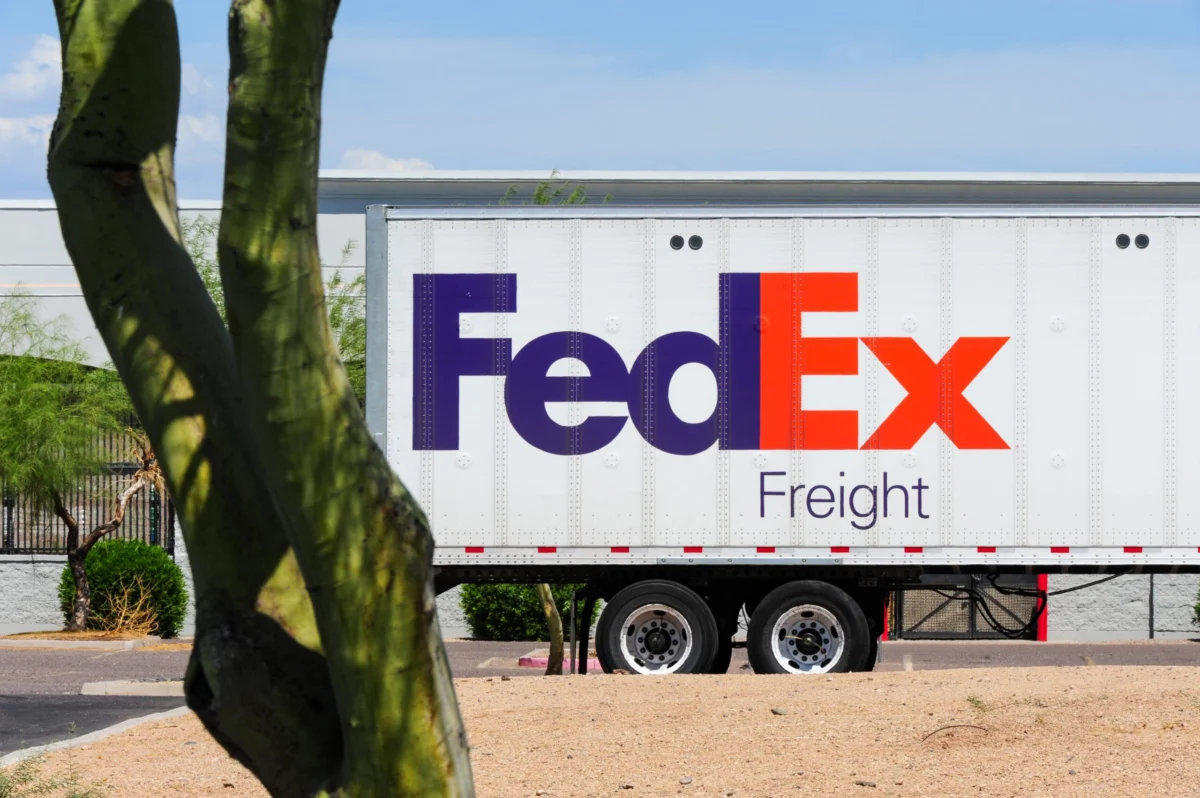
Memphis, TN – FedEx Corp. has officially finalized the separation of its less-than-truckload (LTL) freight division, FedEx Freight, into a distinct, independent business entity. The landmark transaction, completed on June 1, marks a significant strategic pivot for FedEx, aiming to unlock specialized investment opportunities and enhance capital allocation efficiency for both entities. This move, first announced in December 2024, coincides with the departure of FedEx Chief Financial Officer John Dietrich, signaling a period of substantial transition within the global logistics giant.
The separation is poised to empower both FedEx and the newly independent FedEx Freight to pursue tailored growth strategies, catering to the unique demands of their respective market segments. FedEx CEO Raj Subramaniam hailed the completion as a “pivotal milestone,” emphasizing that it positions “two independent companies to lead their respective industries and create long-term value for their stockholders.” This strategic disentanglement allows FedEx to sharpen its focus on its broader global e-commerce and parcel delivery network, while FedEx Freight can concentrate on optimizing its LTL operations and solidifying its leadership in that specialized sector.
Financial advisory services for this monumental separation were provided by industry leaders Goldman Sachs & Co. LLC and J.P. Morgan Securities LLC, underscoring the complexity and strategic importance of the transaction.
A New Era for FedEx Freight: Specialization and Scale
FedEx Freight, now operating as a standalone company, is positioned to capitalize on its established market leadership and a dedicated customer-centric culture. Its core focus will be on LTL shipments, a segment of the freight industry characterized by the consolidation of smaller, individual shipments into a single truckload, thereby optimizing efficiency and cost for shippers. The new entity will concentrate on shipments ranging from 150 to 10,000 pounds, a critical volume range for many businesses.
With fiscal 2025 revenues totaling $8.7 billion, FedEx Freight stands as the largest LTL carrier in North America. This substantial revenue base provides a strong foundation for its independent operations. Subramaniam articulated the vision for the spun-off entity, stating, “Today’s spin-off positions FedEx Freight to build on its market-leading scale and a customer-focused culture, and advances the next chapter for FedEx as the industrial network that helps power the global economy.” This indicates a commitment to further investing in and expanding FedEx Freight’s capabilities within the LTL domain, potentially through technological advancements, fleet modernization, and service enhancements.
The Strategic Rationale: Tailored Investments and Capital Efficiency
The decision to separate FedEx Freight was driven by a clear strategic imperative: enabling both entities to operate with greater agility and focus. Historically, operating under the unified FedEx umbrella meant that capital allocation and investment decisions had to balance the diverse needs of a global parcel network and a specialized LTL operation. By becoming independent, FedEx Freight can now direct its resources and investments specifically towards enhancing its LTL services, optimizing its network for this particular mode of transport, and responding more nimbly to the evolving demands of LTL customers.
Conversely, FedEx can now concentrate its capital and strategic planning on its core express and ground package delivery services, which are critical for the booming e-commerce sector. The sheer volume of online retailers that rely on FedEx – over 900 of North America’s Top 2000 largest online retailers, according to Digital Commerce 360 data – highlights the importance of this segment. These retailers collectively generated an astounding $789.51 billion in e-commerce sales in 2025, underscoring the significant role FedEx plays in the digital commerce ecosystem. The separation allows FedEx to further invest in technologies, infrastructure, and service innovations that directly support these high-volume e-commerce clients.
Leadership at the Helm: A Deep Well of Experience
Guiding FedEx Freight into its new independent future is John Smith, who assumes the role of president and CEO. Smith brings a formidable 40 years of experience in the LTL industry, a testament to his deep understanding of the sector’s nuances and operational intricacies. His tenure with FedEx began in 2000, and he previously held the top leadership positions at FedEx Freight from 2018 to 2021. This prior leadership experience is invaluable as he navigates the company through its transition.
Reflecting on his past leadership, Smith stated on LinkedIn, “I had the responsibility of leading through the pandemic. It was a challenging time, but we grew revenue and operating income, while protecting our team members, supporting customers, and creating a stronger business in the process.” His perspective on returning to lead FedEx Freight is one of seasoned expertise and strategic foresight: “Returning to this role now, I bring the lessons learned, a sharper strategic focus, and a deep appreciation for the people who make this industry run every day.” This sentiment suggests a renewed commitment to operational excellence and employee empowerment within the newly independent company.
Navigating Market Dynamics: Recent Performance and Outlook
The separation unfolds against a backdrop of mixed performance within the logistics sector. In the fiscal third quarter ended February 28, FedEx reported its “most profitable quarter yet,” with an 8.1% year-over-year revenue increase to $24.0 billion and net income rising to $1.35 billion. This robust performance in the broader FedEx network highlights the company’s overall strength and its ability to adapt to market conditions.
However, FedEx Freight experienced a more challenging environment during the same period. Chief Customer Officer Brie Carere noted the impacts of a “challenged LTL industry,” where shipments declined by 6% and revenue by 5% in the quarter. Despite these volume declines, higher rates and increased revenue per shipment helped to partially offset the impact, with revenue per shipment seeing a 1% increase.
Looking ahead, FedEx Freight projected revenue for the full fiscal year 2026 to decrease by “low single digits.” This outlook, attributed to continued demand weakness in the LTL industry, suggests that the independent entity will need to focus on efficiency gains and strategic pricing to navigate the current market headwinds. The ongoing volatility in oil prices, exacerbated by geopolitical events such as the Iran war, continues to influence operational costs, necessitating the continuation of a weekly updating fuel surcharge for customers.
Broader Implications for the Logistics Landscape
The separation of FedEx Freight has several potential implications for the broader logistics industry. For shippers, it may lead to a more specialized and potentially more competitive LTL market. With FedEx Freight operating independently, it could accelerate its focus on innovation and service tailored specifically to LTL needs, potentially setting new benchmarks for efficiency and reliability in this segment.
For FedEx, the divestiture allows for a more concentrated approach to its core global express and ground services. This could translate into accelerated investment in e-commerce fulfillment solutions, last-mile delivery innovations, and the expansion of its international network. The company’s ability to cater more precisely to the needs of online retailers, which constitute a significant portion of its customer base, could further solidify its dominant position in this rapidly growing market.
The move also reflects a broader trend in the corporate world towards strategic disentanglement to enhance focus and shareholder value. Companies are increasingly recognizing that distinct business units may thrive better as independent entities, allowing for specialized management, targeted investment, and greater operational agility. The success of this separation for both FedEx and FedEx Freight will be closely watched by industry observers and competitors alike, potentially influencing future strategic decisions within the global logistics and transportation sectors. The coming months and years will reveal the full impact of this strategic restructuring as both companies embark on their independent journeys.









