Enhancing LLM Agent Capabilities through LangChain Skills and Modular Middleware Architecture represents a significant shift in how developers approach the design of autonomous artificial intelligence systems. As the industry moves beyond simple chat interfaces like ChatGPT and Gemini, the demand for agents capable of performing complex, multi-step tasks—such as generating formatted PowerPoint presentations or complex Excel reports—has surged. While many users assume these capabilities stem from increasingly "smarter" underlying models, the reality is rooted in a more pragmatic architectural innovation known as "skills." These skills are essentially self-contained sets of instructions that an agent loads dynamically, only when the specific context of a user request requires them. This modular approach, facilitated by frameworks like LangChain, allows for the creation of highly capable and efficient AI agents that avoid the pitfalls of "prompt bloat" and excessive computational costs.
The Evolution of Agentic Workflows
The journey of Large Language Models (LLMs) from simple text predictors to sophisticated agents has been marked by several key milestones. Initially, models were limited to static responses based on training data. The introduction of "Chain of Thought" prompting allowed models to "reason" through problems step-by-step. This was followed by the "ReAct" (Reason + Act) framework, which enabled models to interact with external tools. However, as the number of tools and the complexity of instructions grew, developers encountered a new bottleneck: the context window.
When an agent is tasked with a wide variety of functions, developers often attempt to stuff every possible instruction into a single, massive "system prompt." This leads to several issues. First, it is expensive; models charge by the token, and sending a giant prompt with every message consumes resources rapidly. Second, it degrades performance. Research into the "Lost in the Middle" phenomenon suggests that LLMs often struggle to follow instructions buried in the middle of a long context. The "skills" architecture addresses this by treating instructions as on-demand resources, a methodology that mirrors modern software engineering practices where libraries are imported only when needed.
The Role of LangChain and Middleware in Modern AI
LangChain has emerged as the industry-standard framework for building these LLM-powered systems. It provides the necessary plumbing to connect model calls, tools, and memory into a cohesive unit. A critical component in this architecture is "Middleware," a layer that sits between the agent and the model. Much like HTTP middleware in traditional web development, AI middleware can intercept and modify requests before they reach the model or inspect responses before they are returned to the agent’s core logic.
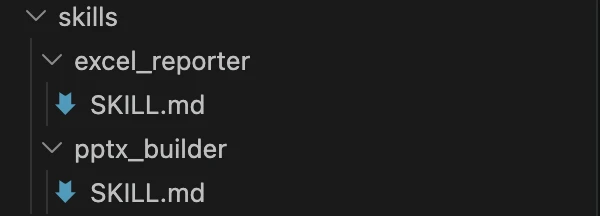
Within this framework, a "skill" is defined as a specialized set of prompts and instructions, often stored as a separate file (e.g., SKILL.md). The agent is provided with a high-level catalog of available skills—brief descriptions of what each can do—rather than the full text of every instruction. When the agent identifies a need for a specific capability, it utilizes a load_skill tool to fetch the full detailed instructions. This mechanism ensures that the model’s active context remains lean and focused on the task at hand.
Technical Implementation: A Case Study in Specialization
To illustrate the efficacy of this approach, consider the development of a specialized document-generation agent. This agent is equipped with two primary skills: an "Excel Reporter" and a "PPTX Builder." Each skill is defined by a markdown file containing specific guidelines for the LLM.
The Excel Reporter Skill
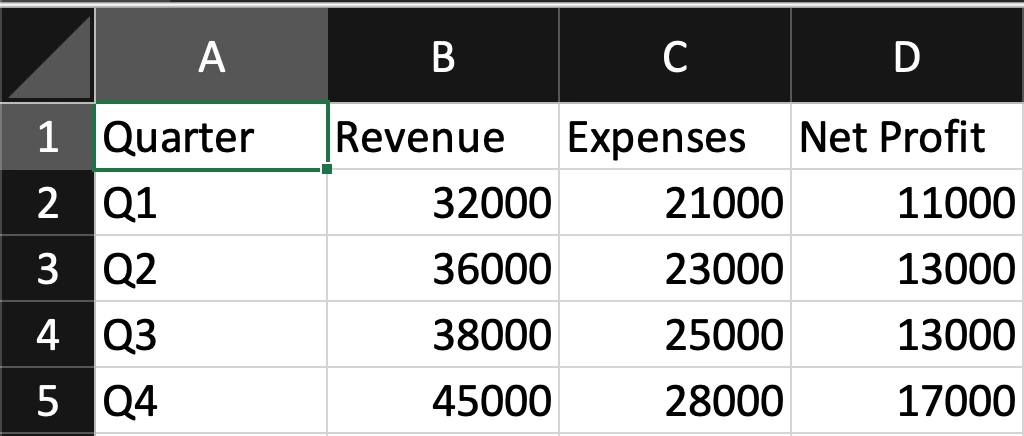
The Excel skill instructs the agent to act as a spreadsheet analyst. It provides a structured format for organizing data into named tables, ensuring that the first row is a header and that numerical data remains in a format that Excel can process for calculations. This skill eventually hands off the processed data to a technical tool—create_excel—which utilizes the openpyxl library to generate a physical .xlsx file.
The PPTX Builder Skill
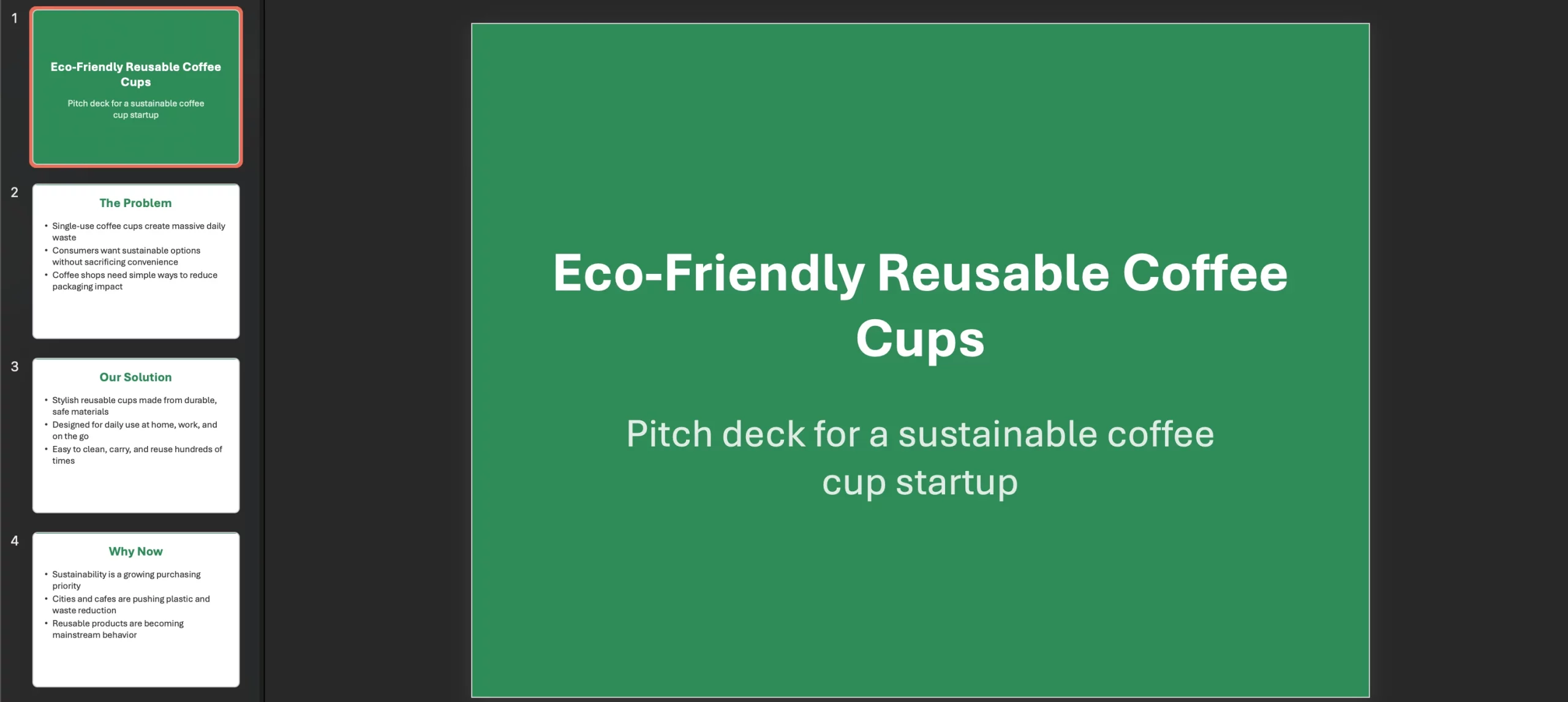
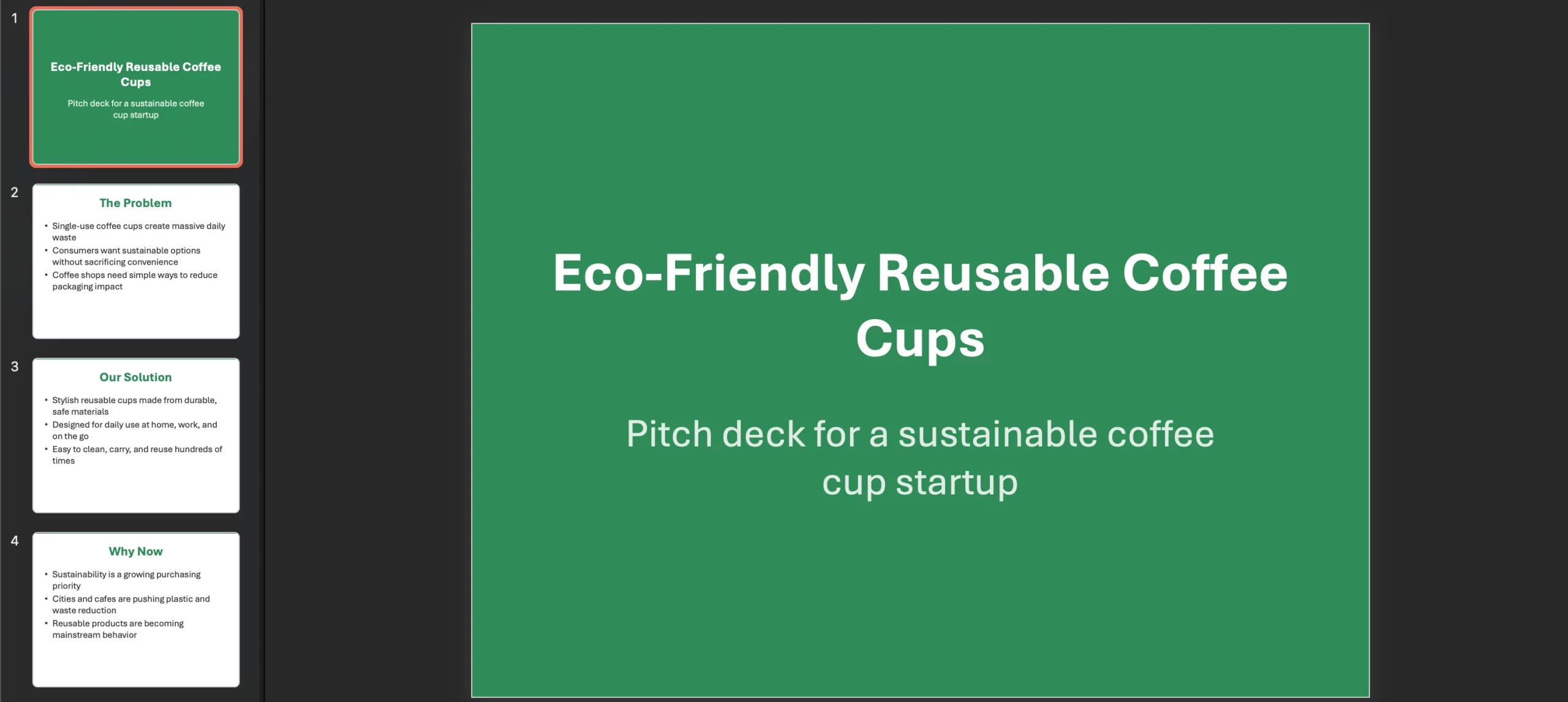
Similarly, the PowerPoint skill transforms the agent into a presentation specialist. It enforces constraints, such as a slide count of four to eight slides, concise bullet points, and the inclusion of a title slide. Crucially, it allows the agent to make stylistic choices, such as selecting hex codes for theme colors and specific font names (e.g., "Calibri" or "Georgia") based on the topic of the presentation. The actual file creation is handled by the python-pptx library.
Chronology of an Agentic Interaction
The workflow of a skill-enabled agent follows a specific sequence that ensures maximum efficiency and accuracy:
- Initial Request: The user provides a prompt, such as "Build a spreadsheet tracking Q1-Q4 revenue for a bakery."
- Middleware Injection: The
SkillMiddlewareintercepts the request and appends a short list of available skills to the system prompt. The model sees that an "excel_reporter" skill is available. - Skill Loading: The agent recognizes the request requires Excel capabilities and calls the
load_skill("excel_reporter")tool. - Instruction Processing: The full content of the Excel skill is loaded into the model’s context. The agent now "knows" how to structure the headers and rows.
- Tool Execution: The agent calls the
create_exceltool with the drafted data. - Final Output: The tool saves the file to a designated directory, and the agent informs the user of the successful creation.
This process ensures that the agent is not "thinking" about PowerPoint instructions while trying to calculate bakery revenue, thereby reducing the likelihood of hallucinations and formatting errors.
Supporting Data and Economic Implications
The transition to modular skills is driven as much by economics as by performance. As of 2024, the cost of high-tier LLM tokens remains a significant overhead for AI startups. By using a skill-based architecture, developers can reduce the average system prompt size by 60% to 80% for complex agents.

Furthermore, latency is improved. Models process shorter contexts faster. In enterprise environments where agents might have access to dozens or hundreds of specialized tools, the monolithic prompt approach is simply not scalable. The "Skills" model allows for an "infinite" library of capabilities where the agent only pays the "latency tax" for the specific skill it needs for a given turn.
Industry Reactions and Expert Analysis
Industry experts suggest that the "Skills" pattern is a precursor to more autonomous multi-agent systems. "We are moving away from the idea of one model that does everything toward a swarm of specialized behaviors," says one lead engineer in the LangChain ecosystem. "Middleware allows us to govern these behaviors without rewriting the core logic of the agent every time we want to teach it something new."
The ability to vary themes and fonts in document generation, as seen in the PPTX builder example, also highlights a move toward "aesthetic intelligence." By providing the model with the agency to choose hex colors (e.g., green for sustainability, navy for finance), developers are creating tools that feel more "human" and context-aware.
Broader Impact and Future Implications
The implications of this architectural shift extend far beyond document generation. In the medical field, an agent could load a "radiology_analysis" skill only when viewing an X-ray. In legal tech, a "contract_review" skill could be loaded specifically for NDAs versus purchase agreements.
This modularity also enhances security. By compartmentalizing instructions, developers can ensure that sensitive "skills" are only accessible to the agent under certain conditions or for certain users, providing a layer of prompt-level access control that is difficult to achieve in a monolithic system.
Conclusion
The implementation of skills via LangChain and middleware represents a maturation of the AI field. It acknowledges that intelligence is not just about the size of the model, but about how effectively that model can access and apply specific knowledge. By organizing behaviors into discrete, loadable modules, developers can build agents that are more flexible, less expensive, and significantly more reliable. As the AI landscape continues to evolve, the ability to "teach" an agent new skills without bloating its "brain" will be the hallmark of sophisticated, production-ready AI systems.
Frequently Asked Questions
Q: Is LangChain the only framework that supports this "skills" pattern?
A: While LangChain is the most prominent framework for this, the pattern can be implemented in other frameworks like Microsoft’s Semantic Kernel or even in custom-built systems. The core concept—dynamic prompt loading—is framework-agnostic.
Q: Does loading a skill require an extra API call?
A: Yes. When the agent decides to use a skill, it calls the load_skill tool, which constitutes one additional round trip to the model. However, the cost of this extra call is usually far outweighed by the savings achieved by not sending a massive system prompt with every single message in a long conversation.
Q: Can an agent use multiple skills in a single conversation?
A: Absolutely. An agent can load the "excel_reporter" skill to process data and then load the "pptx_builder" skill to present that same data in a slide deck, all within the same session. The middleware ensures that only the relevant instructions are active at any given time.