rifanmuazin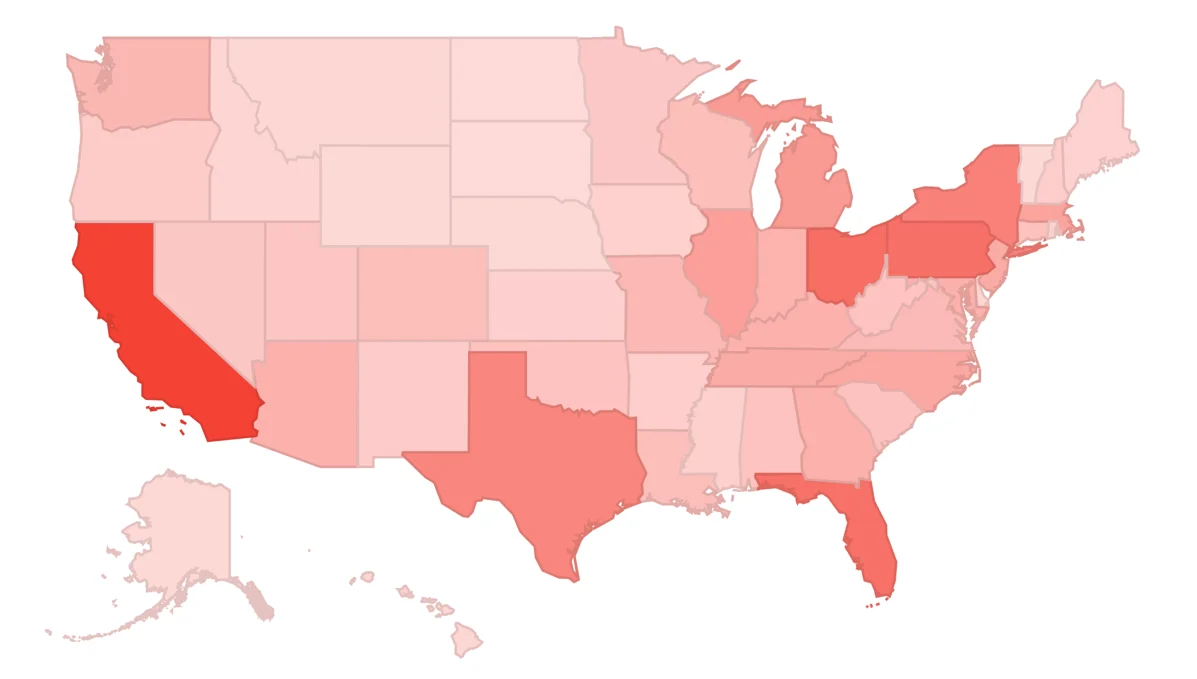
The United States is currently grappling with one of the most severe public health crises in its history, characterized by a staggering increase in drug overdose deaths primarily driven by opioids. While the crisis is often discussed in terms of personal tragedy and community loss, a rigorous examination of data from the Centers for Disease Control and Prevention (CDC), the United Nations Office on Drugs and Crime (UNODC), and various demographic studies reveals a complex landscape of addiction, shifting drug markets, and varying international trends. The epidemic has evolved through several distinct phases, transitioning from the over-prescription of pharmaceutical painkillers to a surge in heroin use, and most recently, to the proliferation of highly potent synthetic opioids like fentanyl.
The Evolution of the Opioid Crisis: A Three-Wave Chronology
To understand the current state of the epidemic, it is necessary to examine the chronological progression of drug use and mortality in the United States. Public health experts generally categorize the crisis into three distinct waves, each marked by a different primary driver of overdose deaths.
The first wave began in the late 1990s, following a significant shift in the medical community’s approach to pain management. Pharmaceutical companies reassured the medical establishment that patients would not become addicted to prescription opioid pain relievers, leading healthcare providers to prescribe them at greater rates. This period saw a direct correlation between the rise in prescriptions and the rise in overdose deaths involving prescription opioids such as oxycodone and hydrocodone.
The second wave arrived around 2010, characterized by a rapid increase in overdose deaths involving heroin. As regulations on prescription opioids tightened and the medical community became more aware of the addiction risks, many individuals who had become dependent on pills turned to heroin, which was often cheaper and more readily available on the illicit market.
The third and most lethal wave began in 2013, marked by significant increases in overdose deaths involving synthetic opioids, particularly those involving illicitly manufactured fentanyl. Fentanyl, a synthetic opioid that is 50 to 100 times more potent than morphine, is frequently mixed with heroin, cocaine, and counterfeit pills, often without the user’s knowledge. This has led to a sharp spike in mortality rates, as even minute amounts of the substance can be fatal.
Demographic Vulnerabilities and Drug Usage Patterns
Data compiled by FiveThirtyEight regarding drug use by age provides critical insights into how different substances permeate various segments of the population. One of the most striking findings in the data is the disparity between the prevalence of use and the rate of lethality. While drugs such as marijuana and cocaine show higher rates of usage across broader age groups, heroin and synthetic opioids exhibit a much higher "lethality-to-user" ratio.
Heroin use is most concentrated among individuals aged 20 to 34. This demographic peak suggests a specific window of vulnerability where experimental use or the transition from prescription drugs to illicit substances is most common. In contrast, substances like cocaine and crack show a more significant presence among older age groups, particularly those aged 45 to 65. This suggests that while cocaine use may be more sustained over a lifetime for some users, the immediate mortality risk of opioids tends to truncate the user base through fatal overdose before many users reach older age.
Furthermore, the data indicates that the opioid crisis does not discriminate by socioeconomic status, though it disproportionately affects certain regions. The transition from prescription medication to street drugs remains a primary pathway to addiction. Approximately 80 percent of people who use heroin first misused prescription opioids, highlighting the long-term consequences of the initial over-prescription wave.
Global Comparisons and International Overdose Metrics
When placed in a global context, the United States stands as a significant outlier regarding drug overdose mortality. According to data from the UNODC, the U.S. leads the world in both absolute numbers of overdose deaths and deaths per million inhabitants. While the crisis is often framed as a North American phenomenon, the data shows that other nations are also struggling, albeit on a different scale.
The United States reports hundreds of deaths per million people, a rate that dwarfs most European and Asian nations. For comparison, while countries like Sweden and Australia report high rates relative to their neighbors, their overdose mortality rates are often less than half of the U.S. rate. Iceland presents an interesting statistical outlier; due to its very small population, a relatively low number of absolute deaths (approximately 45 in certain reporting periods) results in a high per-capita rate. However, the sheer volume of the American crisis remains unprecedented.
In many European countries, the approach to opioid addiction has focused more heavily on harm reduction and universal healthcare access, which may account for lower mortality rates despite the presence of drug use. In contrast, the U.S. has historically relied more on the criminal justice system, though there has been a recent shift toward treating addiction as a chronic health condition.
Regional Disparities and State-Level Trends within the United States
The CDC’s drug overdose death data reveals that the epidemic is not uniform across the United States. Certain states have become epicenters of the crisis, while others have seen more stable or even declining rates of overdose. The Appalachian region, including states like West Virginia and Ohio, has consistently reported some of the highest overdose rates in the country. These areas were hit particularly hard by the first wave of prescription opioid distribution and have struggled with the subsequent influx of heroin and fentanyl.
Analysis of development trends shows that while some states are seeing a plateau in prescription-related deaths, the introduction of fentanyl into the local drug supply can cause sudden and dramatic spikes in mortality. For example, New England states saw a rapid increase in deaths as fentanyl replaced heroin as the primary illicit opioid in the region.
Conversely, states with robust public health infrastructures and early adoption of naloxone (an overdose reversal agent) distribution programs have seen some success in mitigating the death toll. The data suggests that the "worst" trends are often found in states where the transition to synthetic opioids is occurring rapidly and where access to medication-assisted treatment (MAT) remains limited.
Official Responses and Public Health Initiatives
The escalating death toll has prompted a variety of responses from federal and state authorities. The CDC has issued stringent guidelines for prescribing opioids for chronic pain, aimed at reducing the overall volume of opioids in circulation. Furthermore, the Food and Drug Administration (FDA) has faced intense scrutiny regarding its past approval processes for powerful painkillers, leading to more rigorous oversight of new opioid formulations.
Law enforcement agencies have also shifted their focus toward the distribution of synthetic opioids. The Drug Enforcement Administration (DEA) has increased efforts to intercept fentanyl precursors coming from overseas and to dismantle domestic distribution networks. However, the "Iron Law of Prohibition"—the idea that as law enforcement becomes more intense, the potency of prohibited substances increases to facilitate easier smuggling—remains a significant challenge.
On the legislative front, numerous states have filed lawsuits against pharmaceutical manufacturers and distributors, alleging that these companies used deceptive marketing practices to downplay the addiction risks of their products. Settlements from these cases, totaling billions of dollars, are increasingly being earmarked for addiction treatment, prevention programs, and the expansion of recovery resources.
Socioeconomic Implications and Future Outlook
The broader impact of the opioid epidemic extends beyond mortality statistics. It has profound implications for the U.S. economy, the healthcare system, and the social fabric of communities. The "cost" of the opioid crisis, including healthcare expenses, lost productivity, and criminal justice costs, is estimated to be in the hundreds of billions of dollars annually.
The impact on the workforce is particularly notable. In regions with high overdose rates, labor participation has declined as addiction prevents individuals from maintaining employment. Furthermore, the crisis has placed an immense strain on the foster care system, as the number of children removed from homes due to parental substance use has surged in the last decade.
Looking forward, the integration of data analytics into public health strategies offers a path toward more effective intervention. By identifying "hot spots" of overdose activity in real-time, health officials can deploy resources such as mobile clinics and naloxone distribution more effectively. However, the persistent presence of fentanyl and the emergence of even more potent synthetics, such as nitazenes, suggest that the crisis is far from over.
The data underscores that the opioid epidemic is not a static problem but a shifting target that requires a multifaceted response. While the United States remains the global leader in overdose deaths, the lessons learned from state-level data and international comparisons provide a roadmap for potential solutions. Success will likely depend on a sustained commitment to expanding treatment access, reducing the stigma of addiction, and addressing the underlying socioeconomic factors that drive substance use.