Laily UPN

In the evolving landscape of digital marketing, the efficacy of email campaigns remains paramount for businesses aiming to connect with their audience and drive conversions. To significantly increase email open rates, marketers must first optimize the critical elements subscribers encounter in their inbox before opening: the sender name, subject line, and preview text. These elements form the initial judgment points for recipients, influencing their decision to engage further. Beyond this crucial first impression, sustaining high open rates necessitates a strategic approach encompassing audience segmentation, rigorously tested send times, and diligent list hygiene.
The digital sphere, particularly in e-commerce, presents unique challenges and opportunities for email marketing. This comprehensive guide outlines ten evidence-based strategies, supported by industry data and practical examples, designed to empower businesses to adapt and thrive. It is imperative to note that while open rates serve as a vital metric, recent privacy enhancements, such as Apple Mail Privacy Protection (MPP), can record an email as "opened" even if the recipient never truly engaged with its content. Consequently, a holistic evaluation of campaign performance must track clicks, conversions, and unsubscribes alongside open rates to gauge genuine subscriber engagement and overall return on investment.
The Evolving Landscape of Email Engagement
The average email open rate currently stands at 30.70%, according to Omnisend’s 2026 Ecommerce Marketing Report, which synthesizes data from 2025. This figure serves as a crucial benchmark for businesses to compare against their own campaigns, industry averages, and specific subscriber segments. However, the interpretation of open rates has become more nuanced due to advancements in privacy protection.
Apple Mail Privacy Protection (MPP), introduced in 2021, has significantly altered how email open rates are reported. This feature pre-fetches email content and pixel trackers, registering an email as opened regardless of whether the user actually viewed it. For marketers, this means a portion of reported opens may not reflect true engagement. This technological shift underscores the necessity of moving beyond singular metrics. Instead, open rates should be analyzed as a trend and correlated with other engagement indicators such as click-through rates (CTR), conversion rates, and unsubscribe rates. A sudden surge in reported open rates without a corresponding increase in clicks or conversions could indicate the impact of MPP, prompting marketers to adjust their analytical frameworks.
Industry Benchmarks: A Reference Point for Performance
While the global average provides a general reference, email open rates exhibit considerable variation across different industries, reflecting diverse audience behaviors, content types, and marketing objectives. Omnisend’s email marketing benchmarks reveal a spectrum of engagement:
| Industry | Average Open Rate (2025) |
|---|---|
| Wedding | 52.43% |
| Holiday & Seasonal | 47.62% |
| Travel | 44.84% |
| Jobs & Education | 39.55% |
| Games | 36.85% |
| Computers | 23.41% |
| Finance | 20.25% |
| Internet | 19.99% |
| Smoking & Vaping | 19.27% |
These industry-specific benchmarks offer a more refined baseline for comparison. For instance, a 25% open rate might be considered subpar against the overall average of 30.70% but would represent a strong performance within the Finance or Internet sectors. Conversely, a travel company achieving a 35% open rate might still identify room for improvement when compared to the industry average of 44.84%. Ultimately, while external benchmarks provide valuable context, a brand’s most insightful data comes from its own audience’s historical engagement patterns, which dictate what constitutes success for its specific email program.
Strategic Imperatives for Boosting Open Rates
Identifying the root cause of low open rates is the first step toward effective remediation. A sudden drop often signals deliverability issues or declining list health, while consistently low opens across campaigns point to problems with inbox elements like the sender name or subject line. New subscribers failing to engage may indicate gaps in automation, and declining engagement over time suggests the need for list cleaning and segmentation. High opens coupled with low clicks could be a symptom of privacy-inflated metrics or a mismatch between the subject line and email content.
Here are ten robust strategies to address these challenges and significantly enhance email open rates:
1. Craft Compelling Subject Lines
The subject line is arguably the most critical component of the "pre-open" experience. It must clearly communicate the email’s value proposition, giving recipients an immediate and compelling reason to open. Effective subject lines are not merely attention-grabbing but are also truthful and indicative of the content within. A single open is won by a great subject line, but sustained engagement is built on consistently delivering useful and relevant content. Marketers should prioritize delivering value over constant promotional messages.
Key principles for crafting compelling subject lines include:
- Clarity and Conciseness: Get to the point quickly.
- Urgency or Scarcity (when appropriate): "Flash Sale Ends Tonight!"
- Curiosity: "Did you miss out on this?"
- Benefit-Oriented: "Unlock Your Exclusive Savings Inside!"
- Personalization: Incorporating the recipient’s name or a relevant detail.
A/B testing different subject line variations is indispensable for understanding audience preferences. Tools like subject line testers and generators can provide data-driven insights and draft creative options for experimentation.
2. Personalize Email Content and Subject Lines
Personalization extends beyond merely inserting a subscriber’s first name. It involves tailoring the email experience based on individual preferences, past interactions, demographic details, and browsing behavior. By reflecting what a subscriber has done or liked, personalization creates a strong sense of relevance and value, significantly increasing the likelihood of an open.
Advanced personalization can manifest in several ways:

- Location-based offers: "New Winter Jackets for Chicago."
- Recently viewed products: Triggering campaigns based on items browsed but not purchased.
- Loyalty rewards: Highlighting earned points or exclusive discounts.
- Dynamic content blocks: Displaying product recommendations that align with previous purchases or browsing history.
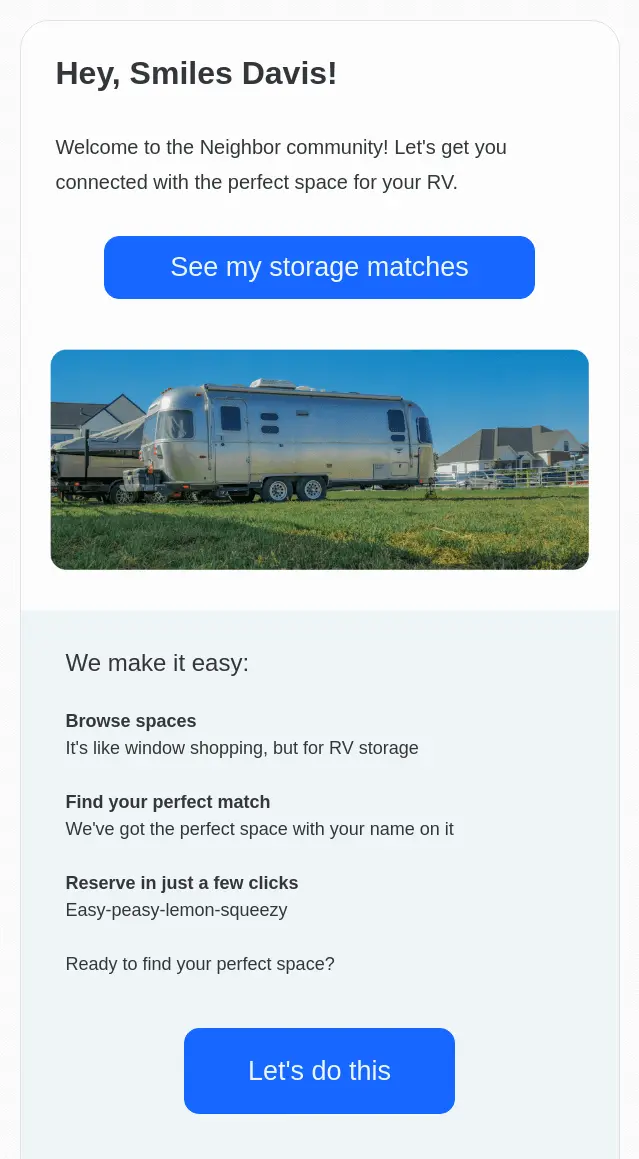
For example, an e-commerce brand could send a "Welcome to the Neighborhood" email that dynamically displays products relevant to the subscriber’s geographical location or recent search queries, fostering immediate connection and perceived value. The ability to match email content to a customer’s specific journey and interests is a powerful driver of engagement.
3. Segment Your Audience Strategically
Audience segmentation is fundamental to delivering highly relevant emails, thereby boosting open rates. By dividing subscribers into smaller, more homogeneous groups based on attributes such as purchase history, browsing behavior, engagement level, and location, marketers can ensure that each campaign resonates with its intended audience’s current intent.
Effective segmentation criteria include:
- Behavioral data: Abandoned carts, product views, past clicks, website activity.
- Purchase history: First-time buyers, repeat customers, high-value purchasers, specific product categories.
- Engagement level: Recently active, dormant, highly engaged.
- Demographics: Age, gender, location (where relevant).
"Most of your campaigns should go to your engaged segment. But do not forget to give a chance to the rest of your audience to engage, because if you use only the engaged segment all the time, eventually it will have a low number of contacts," advises an Account Expert at Omnisend. This nuanced approach ensures that while the most active subscribers receive frequent, highly relevant communications, less active segments are still given occasional opportunities to re-engage, preventing list decay. For instance, a skincare store might send a restock reminder to customers who purchased a cleanser 60 days prior, while a broader seasonal offer is sent to all subscribers who have engaged within the last 90 days. Automation tools are crucial for managing these complex segmentation strategies efficiently.
4. Optimize Send Times Through Rigorous Testing
The timing of an email can profoundly impact its open rate. While general industry studies offer starting points, the "best time to send" is highly audience-specific. Marketers must test different send times against their own campaign history and audience demographics to identify optimal windows of opportunity.
The testing process should involve:
- A/B testing: Comparing two competing send times across similar, randomly split audience segments over multiple campaigns.
- Time Zone Optimization (TZO): Adjusting send times based on the subscriber’s local time to ensure messages arrive at peak engagement hours.
- Holistic evaluation: Judging the success of send times not just by opens, but by correlating them with clicks and orders to measure actual revenue impact.
For example, professionals might check emails mid-morning, while younger audiences might engage more in the evening. Automation platforms with "Send Time Optimization" capabilities can leverage AI to predict when individual subscribers are most likely to open, scheduling emails accordingly for maximum impact.
5. Maintain a Clean and Healthy Email List
A clean email list is the bedrock of strong deliverability and high open rates. Over time, email lists naturally decay due to invalid addresses, disengaged contacts, and changes in user behavior. According to ZeroBounce’s 2025 Email List Decay Report, at least 25.74% of an email list decays within a single year, with 24% being invalid emails. Sending to a "dirty" list not only wastes resources but also harms sender reputation, leading to lower deliverability and higher spam complaints.
Key practices for email list cleaning include:
- Regular removal of hard bounces: Emails that permanently fail to deliver.
- Suppression of unengaged subscribers: Those who haven’t opened or clicked in 90-180 days.
- Implementing a re-engagement series: Sending targeted campaigns to inactive subscribers to prompt re-engagement. Those who do not respond should be unsubscribed, not deleted, to preserve their purchase history for CRM purposes while removing them from active sending segments.
- Using double opt-in: Requiring subscribers to confirm their subscription, ensuring genuine interest and valid addresses.
A clean list ensures emails reach engaged recipients, improving overall deliverability and open rates.
6. A/B Test Inbox Elements Systematically
Beyond individual elements, the synergy of sender name, subject line, and preview text dictates the pre-open experience. Systematic A/B testing of these inbox elements is crucial for understanding what compels a specific audience to open. The golden rule of A/B testing applies here: test one variable at a time across randomly split, comparable subscriber groups, keeping all other factors constant.
When comparing variations, it is critical to evaluate the winning element based on opens, clicks, and ultimately, conversions. For instance, comparing "New winter jackets are here" against a personalized "New winter jackets for Chicago" allows marketers to isolate the impact of location-based personalization. Additionally, a powerful tactic for capturing missed engagement is to resend a campaign to non-openers a few days later, but with a completely new subject line.
The four key inbox elements to A/B test for improved open rates are:
- Sender name: "Brand Name" vs. "Person at Brand Name."
- Subject line: Different hooks, lengths, use of emojis.
- Preview text: Variations that complement or extend the subject line.
- Send time: As discussed in Strategy 4.
7. Utilize Engaging Preheader Text Effectively
The preheader text acts as a secondary subject line, offering recipients a brief glimpse into the email’s content before they open it. It’s a valuable opportunity to reinforce the subject line’s message or add supplementary information that encourages an open.
To create effective preheader text:
- Keep it clear and concise: Maximize impact within limited characters.
- Complement the subject line: Avoid simply repeating the subject line; instead, expand on its promise.
- Provide a call to action or enticing detail: "Water-resistant layers in three new colors" for a jacket collection.
- Optimize for mobile: Given that 61% of people check their email primarily on mobile (ZeroBounce’s 2025 Email Statistics Report), ensure the preheader is visible and compelling on smaller screens without being truncated.
A coherent combination of sender name, subject line, and preview text, visible at a glance on a mobile device, significantly enhances the likelihood of an open. As Jimmy Kim, an Ecommerce Email and Retention Expert, suggests, "Take your email, screenshot it, load it into Google’s Gemini, and ask for a summary. That’s what the AI sees too." This analogy highlights the importance of immediate clarity and scannability.
8. Employ a Recognizable Sender Name
Trust and recognition are paramount in the crowded inbox. Subscribers quickly scan the "from" field to identify the sender before even reading the subject line. Therefore, using a consistent and recognizable sender name that your audience trusts is crucial for encouraging opens.
Best practices for sender names include:
- Consistency: Stick to a brand name or a consistent "Person at Brand Name" format (e.g., "Maya at Trailhead Shoes"). Avoid frequent changes that can confuse subscribers.
- Clarity: Ensure the name clearly reflects your identity or organization, adhering to guidelines like Google’s, which state, "display names should reflect a consistent, clear, and accurate statement of the sender’s identity, name, and/or organization."
- Testing: If introducing a new sender name, test it on a small segment to gauge its impact on opens and clicks before a wider rollout.
An unrecognizable sender name can lead to emails being ignored or, worse, marked as spam, damaging sender reputation and deliverability.
9. Prioritize Deliverability and Avoid Misleading Messages
Even the most compelling subject line is useless if the email never reaches the inbox. Improving deliverability is a foundational step. This involves a combination of technical configurations and ethical sending practices.
Key deliverability enhancements:
- Permission-based marketing: Only send emails to individuals who have explicitly opted in.
- Domain authentication: Implement SPF (Sender Policy Framework), DKIM (DomainKeys Identified Mail), and DMARC (Domain-based Message Authentication, Reporting & Conformance) records to verify sender identity and prevent spoofing. These protocols are increasingly vital for email providers to trust your sending domain.
- Spam complaint thresholds: Adhere strictly to low spam complaint rates. Google’s guidelines recommend keeping spam complaints under 0.1% and strictly enforce a 0.3% threshold for bulk senders.
- One-click unsubscribe: Provide an easy, one-click unsubscribe option that is honored promptly. This gives unhappy subscribers an alternative to marking emails as spam, which is far more detrimental to sender reputation.
Crucially, avoid misleading messages. This includes eschewing fake reply prefixes, deceptive offers, or manufactured urgency. While avoiding "spammy" words like "free" is helpful, it’s insufficient if the overall sending practices are unethical. Transparency and honesty build long-term trust and ensure emails are consistently delivered to the inbox. If a sudden drop in open rates occurs despite best practices, checking metrics by individual mailbox provider can help pinpoint specific deliverability issues.
10. Leverage Email Automation and AI Tools
Email automation is a powerful catalyst for high open rates because it ensures emails are delivered precisely when subscribers expect them or when they are most relevant to their journey. Welcome emails, for instance, trigger immediately after signup, capitalizing on peak interest.
AI tools further enhance automation by optimizing various aspects of a campaign:
- Subject line generation: AI can draft multiple, data-informed subject line options for A/B testing.
- Send Time Optimization (STO): AI algorithms analyze individual subscriber behavior to predict the optimal send hour for each person, maximizing engagement.
- Dynamic content: AI can power dynamic product recommendations and personalized content blocks based on real-time browsing or purchase data.
- Audience segmentation: AI can help identify nuanced segments and predict future behavior, allowing for hyper-targeted campaigns.
Automation workflows, such as abandoned cart reminders, browse abandonment series, welcome sequences, and post-purchase follow-ups, feel personal and timely, leading to significantly higher open rates and improved email marketing ROI. Creality, a leader in 3D printing, exemplified this by using Omnisend’s email automation to recover abandoned carts, generating over €560,000 in sales with a 54% open rate and 8% click-through rate. Their success, driven by customizable pre-built workflows, A/B testing, and the strategic inclusion of discounts and customer reviews, underscores the transformative potential of automation in accelerating business growth.
Developing an Actionable Plan to Increase Email Open Rates
To translate these strategies into tangible results, businesses should adopt a structured approach:
- Conduct a comprehensive audit: Evaluate current open rates against industry benchmarks and internal historical data. Identify specific areas of underperformance based on the diagnostic table (e.g., sudden drops, low opens across campaigns, new subscriber engagement issues).
- Prioritize and implement changes: Start with the most impactful strategies identified in the audit. For instance, if deliverability is an issue, address domain authentication and list hygiene first. If initial inbox engagement is low, focus on A/B testing sender names, subject lines, and preview text.
- Monitor and iterate: Continuously track key metrics (opens, clicks, conversions, unsubscribes) after implementing changes. Use these insights to refine strategies, test new approaches, and ensure ongoing optimization. The email marketing landscape is dynamic, requiring constant adaptation and learning.
Once subscribers are consistently opening messages, the next phase involves optimizing internal email content and calls to action to drive higher click-through rates and conversions, ultimately maximizing the value of each interaction. The journey to superior email engagement is ongoing, but by focusing on these foundational strategies, businesses can significantly enhance their open rates and foster stronger, more profitable customer relationships.
FAQ: How to Increase Email Open Rates
Why is my email open rate so low?
A low email open rate typically stems from several issues, including poor deliverability (emails not reaching the inbox), an unrecognizable sender name, vague or uncompelling subject lines, or an outdated and unengaged subscriber list. Reviewing your campaign diagnostics, as outlined in the strategies section, can help pinpoint the specific problem areas requiring immediate attention.
Is a 25% email open rate good?
Whether a 25% open rate is "good" depends heavily on your industry and specific audience. While it is below the overall average of 30.7% reported for 2026, it is above the average for industries such as finance (20.25%) and computers (23.41%). Your own campaign history and comparison against industry benchmarks are more accurate indicators of performance than a global average.
What is a good email open rate by industry?
The global average email open rate for all industries is 30.7%, but this figure varies significantly. Industry-specific benchmarks range from as low as 19.27% for smoking and vaping to as high as 52.43% for the wedding industry. Consulting detailed benchmark tables, such as the one provided earlier, offers a more precise understanding of what constitutes a "good" open rate within your particular sector.
How can AI tools help increase email open rates?
AI tools significantly enhance email open rates by optimizing various campaign elements. They can draft multiple subject line options for A/B testing, predict and calculate the optimal send time for each individual subscriber, and facilitate advanced segmentation and dynamic content personalization. Platforms like Omnisend offer AI-powered subject line generators and Send Time Optimization features to help schedule campaigns for maximum impact.

 Lina Irawan
 Dwi Wanna