Laily UPN
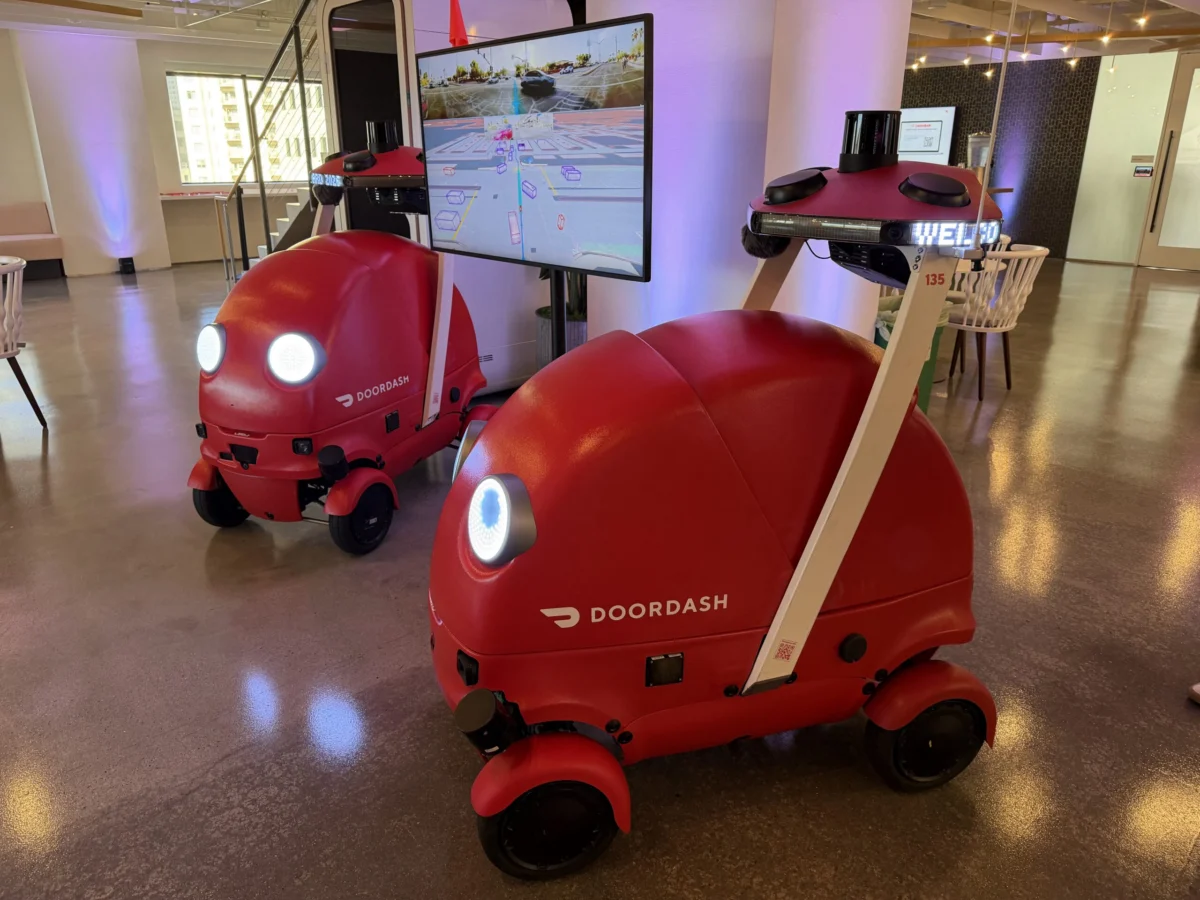
In a monumental development set to redefine the digital commerce ecosystem, DoorDash Inc. has announced a definitive agreement to acquire its last-mile delivery rival, Instacart, in a transaction valued at a substantial $17 billion. This strategic acquisition will bring together two of the most prominent platforms actively shaping the retail and grocery delivery sectors, marking a significant consolidation in the burgeoning on-demand economy. The deal, however, is contingent upon securing the necessary approvals from regulatory bodies and a favorable vote from Instacart shareholders. DoorDash plans to finance this ambitious acquisition through a carefully orchestrated combination of cash reserves, newly issued stock, and a portion of debt financing. This integration is poised to empower DoorDash by allowing it to harness Instacart’s sophisticated technological infrastructure and deeply entrenched expertise in the grocery vertical.
The strategic rationale behind DoorDash’s pursuit of Instacart is rooted in the inherent complexities of online grocery fulfillment, a sector that has consistently presented unique operational challenges. Tony Xu, co-founder and CEO of DoorDash, articulated this challenge during the acquisition announcement, stating, "Grocery is one of the hardest things to get right online. Someone has to pick a ripe avocado, find a substitute you’d choose yourself, and get the ice cream to you before it melts." He further elaborated on the synergy between the two companies, acknowledging Instacart’s pioneering efforts and DoorDash’s established delivery network. "Instacart has spent years learning to do that well for grocers, while DoorDash has built a delivery network and technology that local stores rely on every day," Xu remarked. "Together, we could give stores of every size more of those tools and unlock the potential of grocery delivery. It’s still early innings, but we know that when more people shop local, more dollars stay local."
This sentiment underscores a broader trend observed in the online grocery market. Data meticulously tracked by the firm Brick Meets Click indicates a robust growth trajectory, with online grocery sales in the United States experiencing an impressive surge of over 20% year-over-year. This expansion has consequently led to an increased share of online purchases within the total grocery spending pie, highlighting the growing consumer reliance on digital channels for their food and household essentials. The acquisition by DoorDash, therefore, positions the combined entity to capitalize on this accelerating market shift with an even more formidable offering.
The integration process is anticipated to unfold over a considerable period, with both DoorDash and Instacart projecting the deal to be finalized around the close of 2027 or within the first half of 2028. Following the completion of the acquisition, DoorDash has indicated its intention to maintain the Instacart brand as a distinct entity. This includes preserving its proprietary enterprise technology products and its user-facing mobile application. Concurrently, Instacart is expected to continue its independent operations in the interim, ensuring a seamless transition for its partners and customers.
Chris Rogers, CEO of Instacart, expressed optimism about the future, emphasizing the transformative impact Instacart has had on the online grocery landscape over the past 14 years. "Over the last 14 years, Instacart has transformed online grocery by helping retailers of all sizes compete and grow, and joining forces with DoorDash allows us to do even more," Rogers stated. He further elaborated on the strategic advantages of the merger, "When our purpose-built grocery technology and trusted retailer and brand relationships are combined with DoorDash’s global consumer reach and logistics capabilities, we can create new opportunities for our retail and brand partners, offer an even better experience for customers and shoppers, and deliver compelling value for our shareholders."
The potential for enhanced reach and expanded offerings is a significant aspect of this merger. DoorDash highlighted that the acquisition could potentially make an additional 50,000 retail locations accessible to Instacart users. This would represent a substantial expansion, building upon the nearly 100,000 stores that already participate on Instacart’s current platform. This broadened network promises to offer consumers an unparalleled selection of goods and services, further solidifying the combined company’s dominance in the on-demand delivery market.
Background and Context: A Dynamic Delivery Market
The acquisition of Instacart by DoorDash occurs against a backdrop of intense competition and rapid evolution within the last-mile delivery sector. For years, both companies have been at the forefront, competing fiercely for market share, driver networks, and partnerships with retailers. DoorDash, initially known for its restaurant delivery services, has strategically diversified its portfolio to include grocery, convenience stores, and other retail categories. Instacart, on the other hand, has carved out a niche as a dedicated grocery fulfillment specialist, building deep relationships with major supermarket chains and smaller grocers alike.
The COVID-19 pandemic acted as a significant accelerant for the online grocery market, permanently altering consumer habits and driving unprecedented demand for delivery services. This surge in demand attracted new entrants and intensified competition, leading to a period of rapid innovation and investment. However, the post-pandemic landscape has presented new challenges, including rising inflation, shifting consumer spending patterns, and the ongoing need for operational efficiency and profitability. In this environment, consolidation often becomes a logical strategic move for established players seeking to gain scale, reduce redundancies, and enhance their competitive positioning.
Chronology of Key Developments Leading to the Acquisition
While the precise timeline of negotiations remains confidential, the announcement of this landmark deal represents the culmination of significant strategic planning and discussions between DoorDash and Instacart.
- Early Stages of Online Grocery Growth: Instacart was founded in 2012, emerging as an early pioneer in facilitating online grocery shopping and delivery. DoorDash was founded in 2013, initially focusing on restaurant deliveries before expanding into broader retail categories.
- Pandemic-Driven Boom: The COVID-19 pandemic, beginning in early 2020, led to a dramatic increase in demand for grocery delivery services. Both DoorDash and Instacart experienced substantial growth during this period, solidifying their positions in the market.
- Market Maturation and Consolidation Pressures: As the market matured and competition intensified, discussions around potential mergers and acquisitions likely began to surface among industry leaders seeking to optimize their operations and market presence.
- Strategic Partnership Exploration: It is plausible that DoorDash and Instacart, recognizing their complementary strengths and the evolving market dynamics, engaged in preliminary discussions about potential collaborations or strategic alignments.
- Formal Acquisition Announcement: The formal announcement of DoorDash’s intent to acquire Instacart for $17 billion marks the public unveiling of this significant consolidation. This announcement signifies a pivotal moment in the ongoing evolution of the online delivery and e-commerce landscape.
- Regulatory and Shareholder Review: Following the announcement, the acquisition will undergo a rigorous review process by antitrust regulators and a vote by Instacart shareholders, which are critical steps before the deal can be officially closed.
- Projected Closing: The companies have indicated an expected closing timeframe for the transaction to be around the end of 2027 or the first half of 2028, allowing ample time for all necessary approvals and integration planning.
Broader Implications and Industry Analysis
The $17 billion acquisition of Instacart by DoorDash is poised to have far-reaching implications for consumers, retailers, and the broader on-demand economy.
- Enhanced Consumer Choice and Convenience: For consumers, the merger promises a more integrated and potentially more seamless experience. By combining their extensive networks and technological capabilities, DoorDash and Instacart aim to offer an unparalleled selection of goods from a wider array of retailers, delivered with greater efficiency. The expanded store availability could lead to more competitive pricing and faster delivery times, ultimately benefiting the end-user.
- Strengthened Retail Partnerships: Retailers, particularly smaller and independent grocers, stand to gain significant advantages. Instacart’s established expertise in grocery operations, coupled with DoorDash’s vast delivery infrastructure, could provide these businesses with more robust tools to compete in the digital space. The potential to reach an even larger customer base through the combined platforms offers a significant growth opportunity for these partners. However, it also raises questions about the potential for increased reliance on a single dominant delivery platform and the associated negotiation power.
- Industry Consolidation and Competitive Landscape: This acquisition signals a clear trend towards consolidation in the last-mile delivery sector. The combined entity will command a significant share of the grocery and convenience delivery market, potentially reshaping the competitive landscape. Smaller players and niche delivery services may face increased pressure to innovate or seek strategic alliances to remain competitive. The integration also presents an opportunity for DoorDash to solidify its position as a leading platform for a wide range of on-demand services, extending beyond its traditional restaurant delivery roots.
- Technological Synergies and Innovation: Instacart’s advanced technology stack, particularly its capabilities in personalized shopping, inventory management, and shopper optimization, is a key asset for DoorDash. The integration of these technologies is expected to drive further innovation in areas such as AI-powered recommendations, dynamic routing, and improved fulfillment strategies. This technological synergy could lead to more efficient operations, reduced costs, and enhanced service offerings across the board.
- Labor and Driver Dynamics: As with any major acquisition in the gig economy, the impact on delivery drivers and shoppers will be a critical area to monitor. The combined entity will need to navigate the complexities of integrating two large workforces, potentially leading to changes in compensation models, training programs, and operational protocols. Ensuring fair treatment and competitive earning opportunities for drivers will be crucial for maintaining operational stability and public perception.
Official Statements and Future Outlook
The pronouncements from both Tony Xu and Chris Rogers highlight a shared vision for the future, emphasizing customer experience, retailer success, and shareholder value. Their statements reflect a strategic alignment focused on leveraging the strengths of each company to create a more powerful and comprehensive delivery ecosystem.
"When our purpose-built grocery technology and trusted retailer and brand relationships are combined with DoorDash’s global consumer reach and logistics capabilities, we can create new opportunities for our retail and brand partners, offer an even better experience for customers and shoppers, and deliver compelling value for our shareholders," said Chris Rogers, CEO of Instacart. This statement encapsulates the multi-faceted benefits anticipated from the merger, aiming to create a win-win scenario for all stakeholders involved.
The successful integration of Instacart into DoorDash’s operations will be a complex undertaking, requiring careful planning and execution. The companies face the task of harmonizing their technological platforms, operational strategies, and corporate cultures. Furthermore, navigating the regulatory environment and securing shareholder approval are essential prerequisites for the deal’s completion. Should these hurdles be successfully cleared, the combined entity is positioned to emerge as a dominant force in the rapidly evolving world of on-demand delivery, fundamentally altering how consumers access groceries and other essential goods. The long-term success of this $17 billion bet will depend on the ability of DoorDash and Instacart to effectively merge their operations, innovate continuously, and adapt to the dynamic demands of the digital marketplace.

 Sagoh