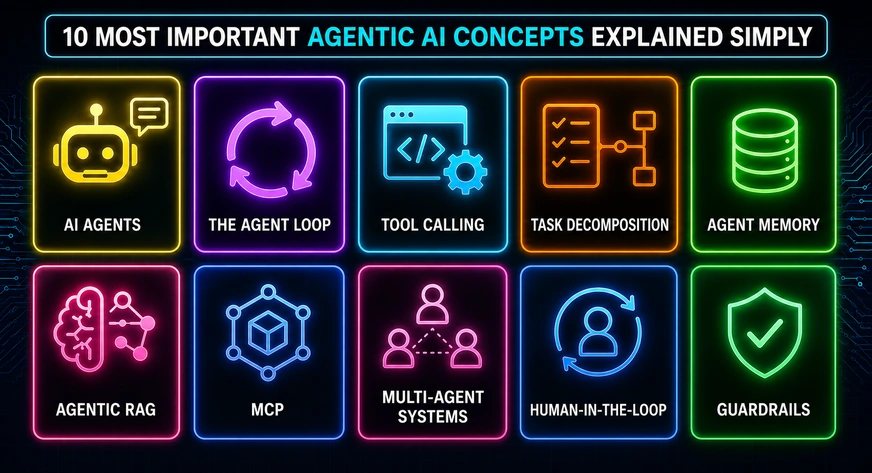
The landscape of artificial intelligence is currently undergoing a fundamental paradigm shift, moving away from passive large language models (LLMs) that simply generate text toward "Agentic AI" systems capable of autonomous action. While the initial wave of AI adoption focused on chatbots like ChatGPT and Claude as conversational interfaces, the industry is now prioritizing agents—systems designed to execute complex workflows, interact with external software, and achieve specific objectives with minimal human intervention. This evolution is defined by a specific set of technical frameworks and operational philosophies, ranging from tool calling and agent loops to the newly established Model Context Protocol (MCP). Understanding these ten core concepts is essential for navigating the next era of digital transformation, as AI transitions from a consultant to a coworker.
The Transition from Chatbots to AI Agents
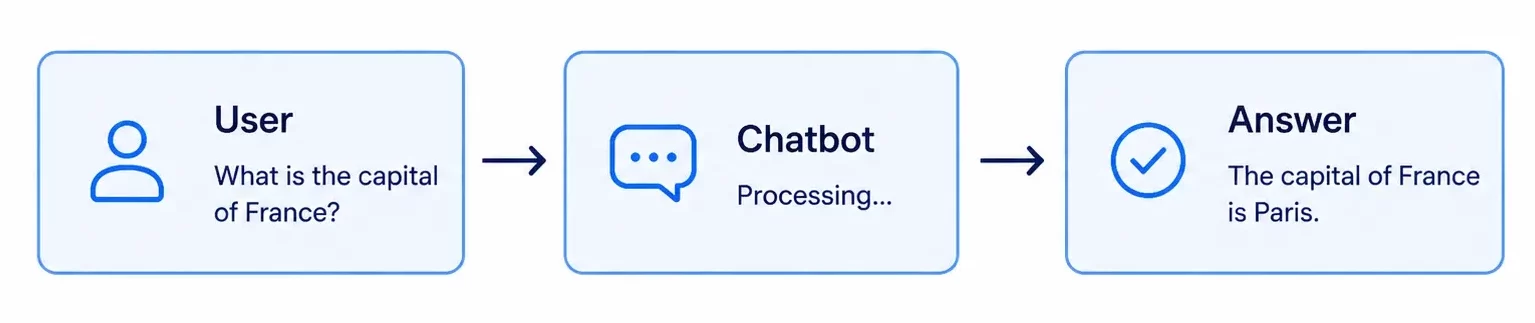
The primary distinction in the current AI era lies in the difference between a chatbot and an AI agent. A standard chatbot is reactive; it processes a prompt and provides a response based on its training data. In contrast, an AI agent is goal-oriented and proactive. It does not merely answer a query about how to book a flight; it utilizes specialized software to browse itineraries, compare pricing against a set budget, and draft a final recommendation or, in supervised cases, execute the purchase.
Industry analysts suggest that the rise of agentic AI represents "Level 2" or "Level 3" of AI evolution, where the system gains the ability to reason about its own actions. This shift is reflected in the market, with the global autonomous AI and agent market projected to reach significant valuations by 2030, driven by the demand for enterprise automation that goes beyond simple text generation.
- The Agent Loop: The Engine of Autonomy
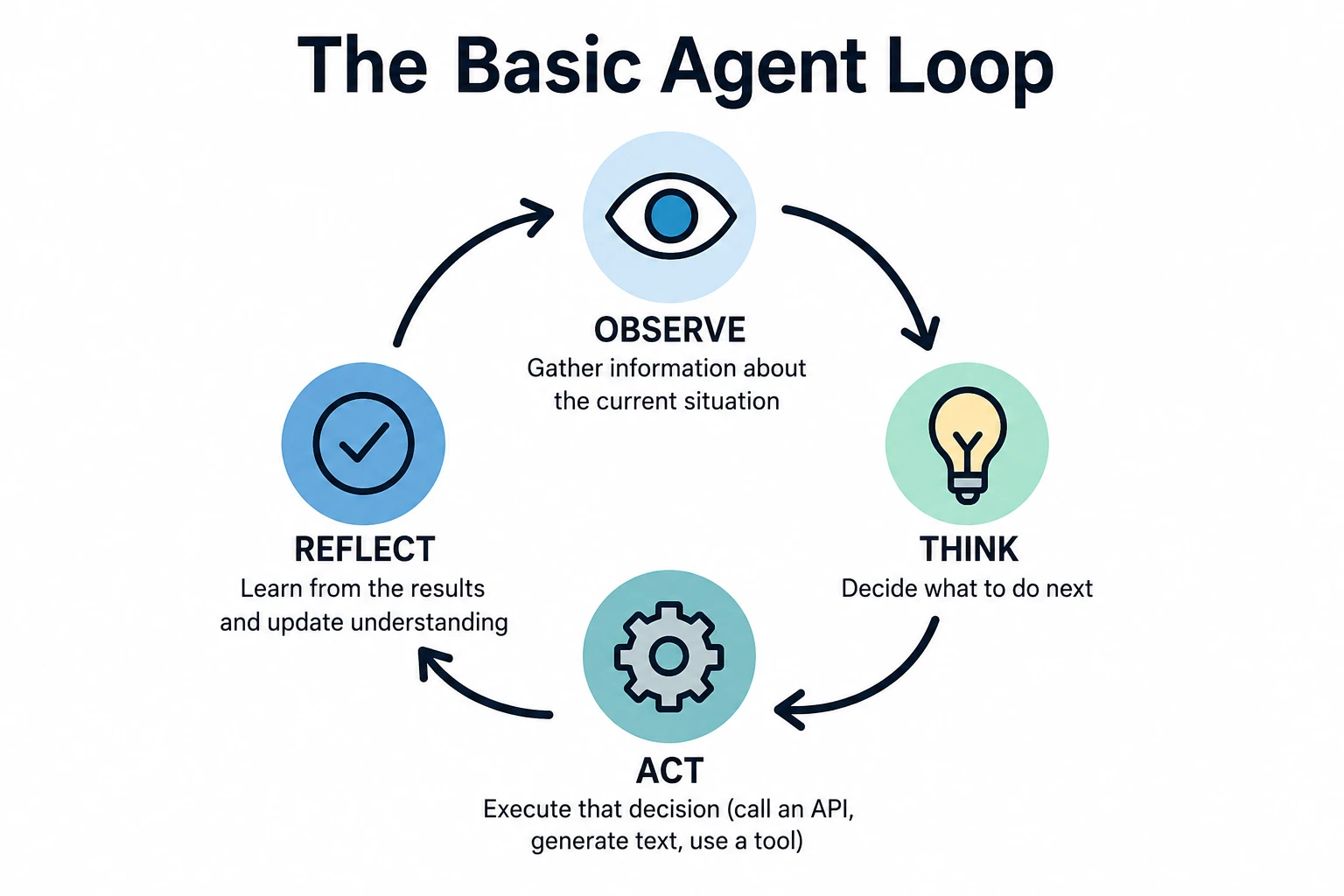
At the heart of any agentic system is the agent loop. Unlike a standard LLM interaction, which is a linear "input-output" process, an agent loop is iterative. The agent does not necessarily know the final answer when it begins a task. Instead, it follows a cycle of reasoning: it plans an action, executes that action, observes the result, and then re-evaluates its strategy based on that observation.
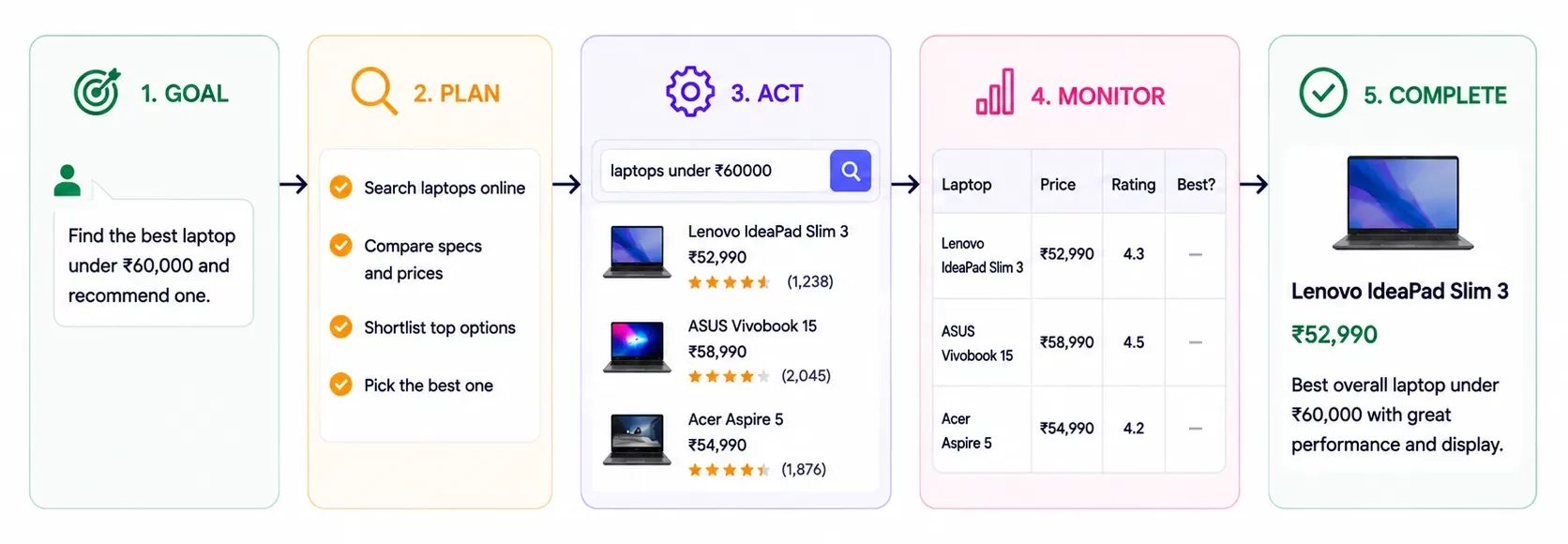
For instance, if an agent is tasked with finding a specific financial metric from a 200-page corporate filing, the loop allows it to search for a keyword, realize the initial search was too broad, refine its search parameters, and eventually extract the correct figure. This "Reason-Act-Observe" cycle is what allows AI to handle ambiguity and correct its own errors in real-time.
- Tool Calling and Function Execution
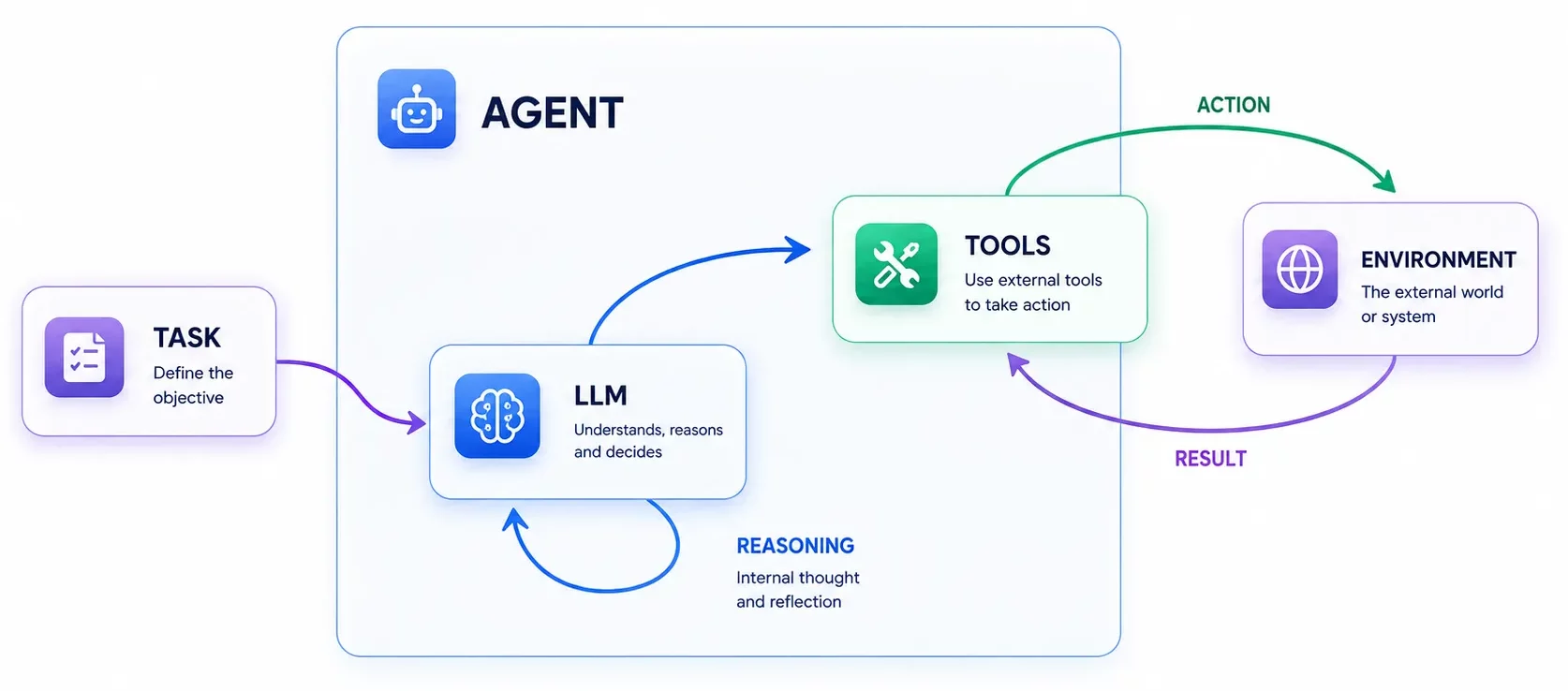
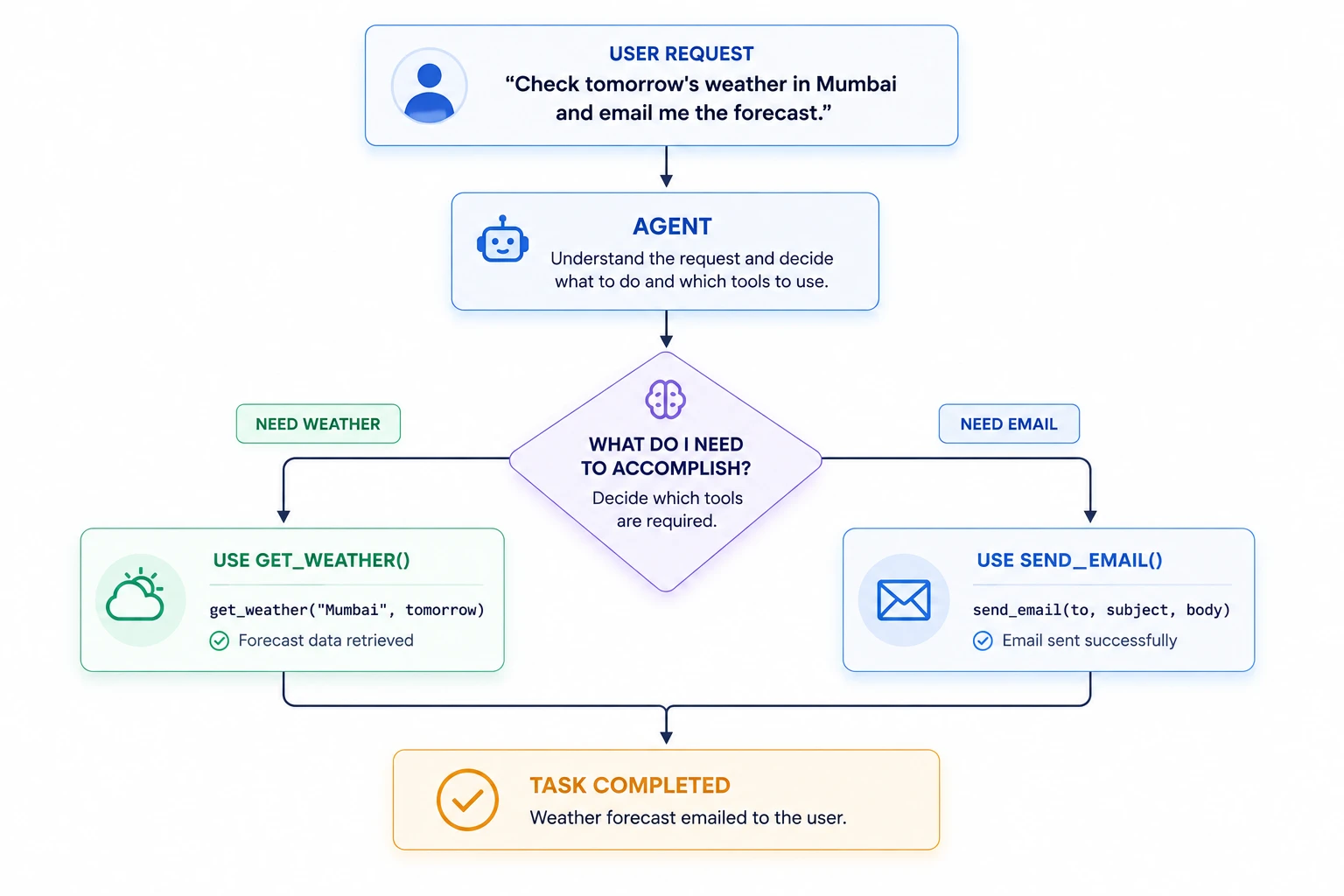
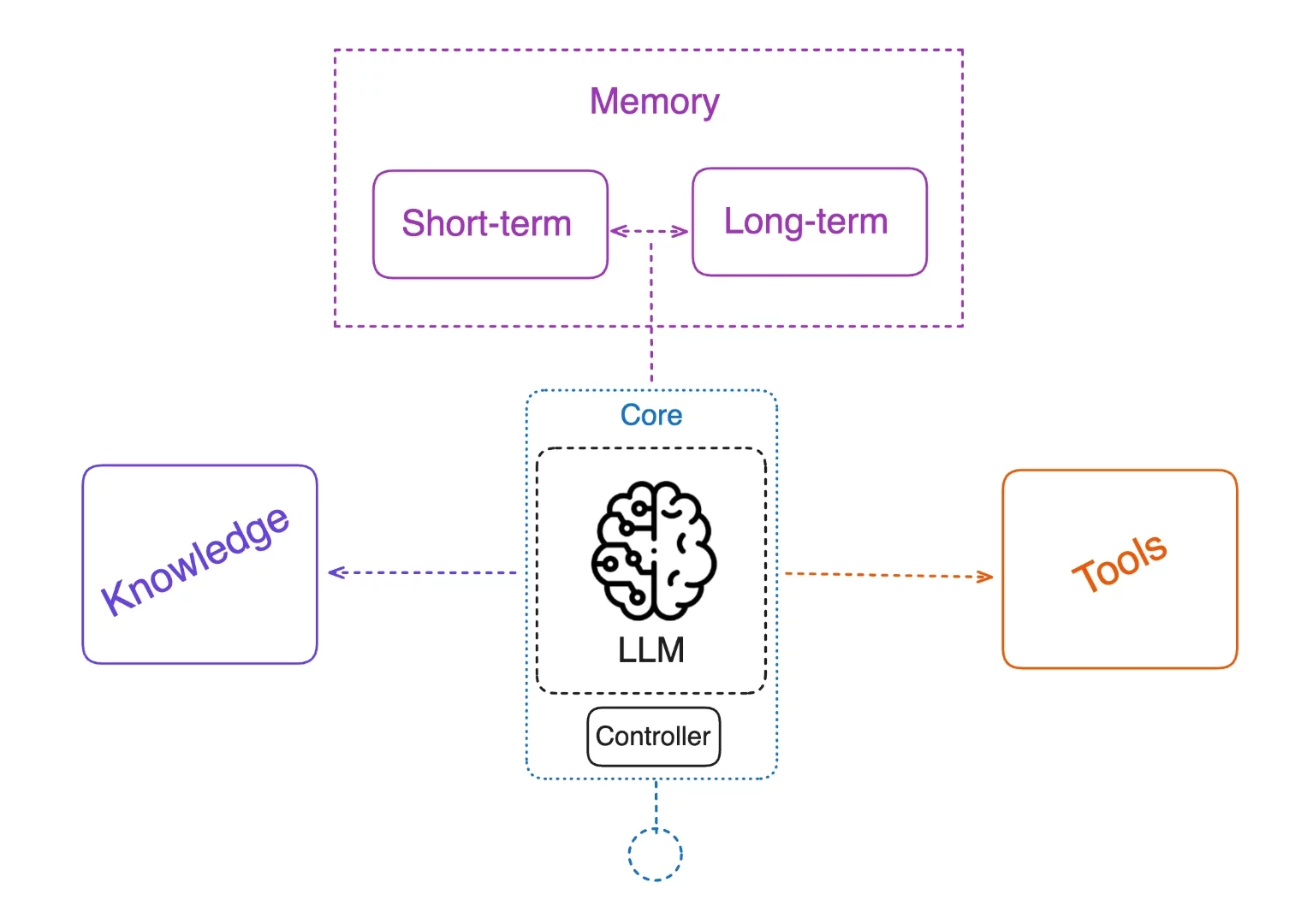
An AI model, by its nature, is a closed system limited to its training weights. To interact with the physical or digital world, it requires "tools." Tool calling, also known as function calling, is the mechanism by which an AI agent identifies that it needs an external capability—such as a calculator, a web browser, or a database connection—and generates the specific code or API command required to use it.
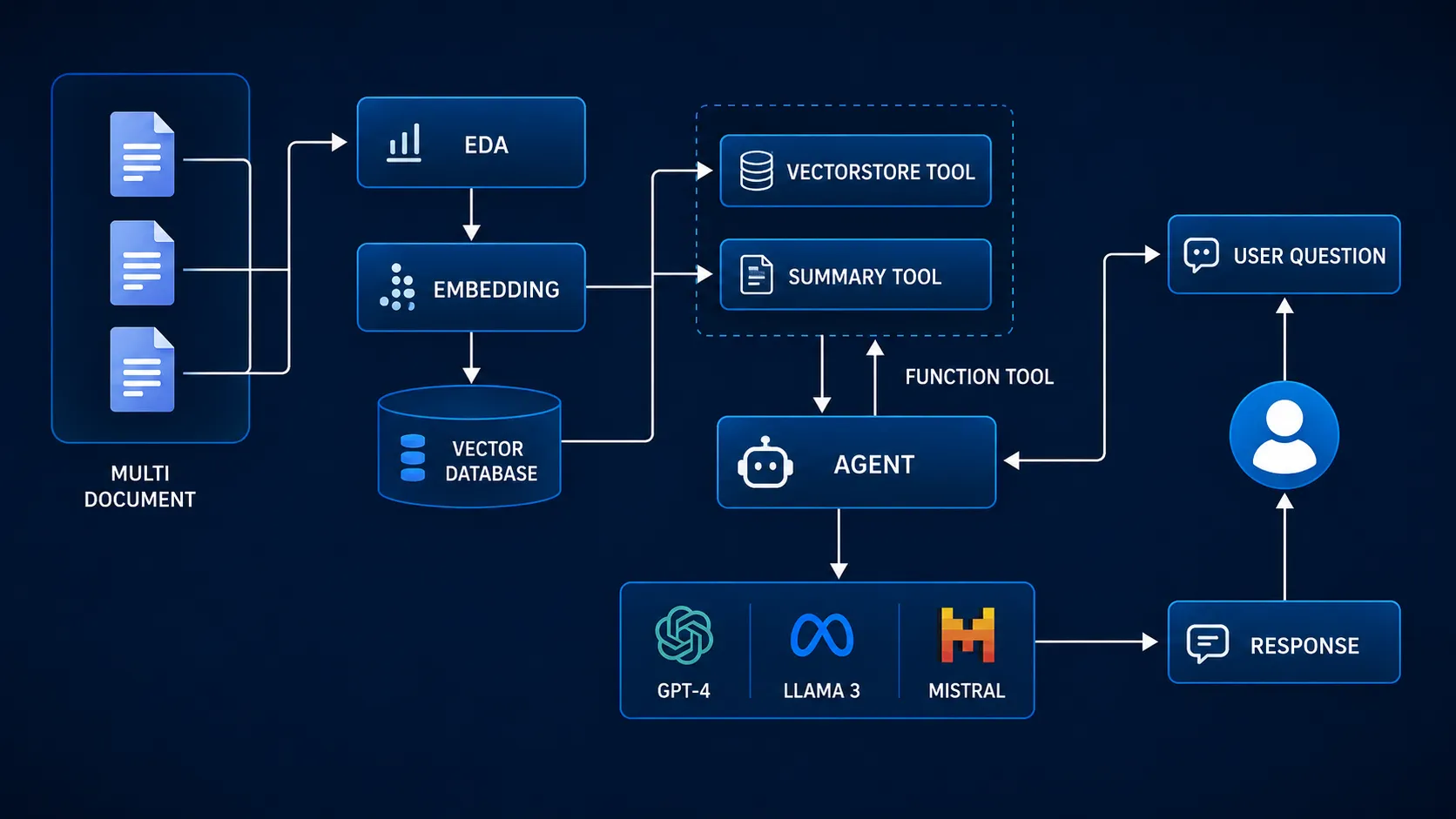
In a professional environment, tool calling allows an agent to bridge the gap between abstract reasoning and concrete data. When a user asks an agent to "summarize the latest sales data," the agent recognizes it lacks that data, calls a "get_sales_report" function to query a SQL database, and then processes the resulting data. This capability transforms the LLM into a central processing unit (CPU) for a much larger ecosystem of software tools.
- Task Decomposition and Planning
One of the greatest challenges for AI is managing "long-horizon" tasks—complex goals that require multiple steps over an extended period. Task decomposition is the process by which an agent breaks down a high-level objective into a structured sequence of smaller, manageable sub-tasks.
Technological frameworks like "Chain of Thought" (CoT) and "Tree of Thoughts" (ToT) are often employed here. For example, if an agent is told to "launch a marketing campaign for a new product," it will decompose this into: (a) market research, (b) content generation, (c) channel selection, and (d) scheduling. By solving each sub-task individually, the agent maintains higher accuracy and reduces the likelihood of "hallucinations" or logical failures that often plague models attempting to solve complex problems in a single step.
- Agent Memory and State Management
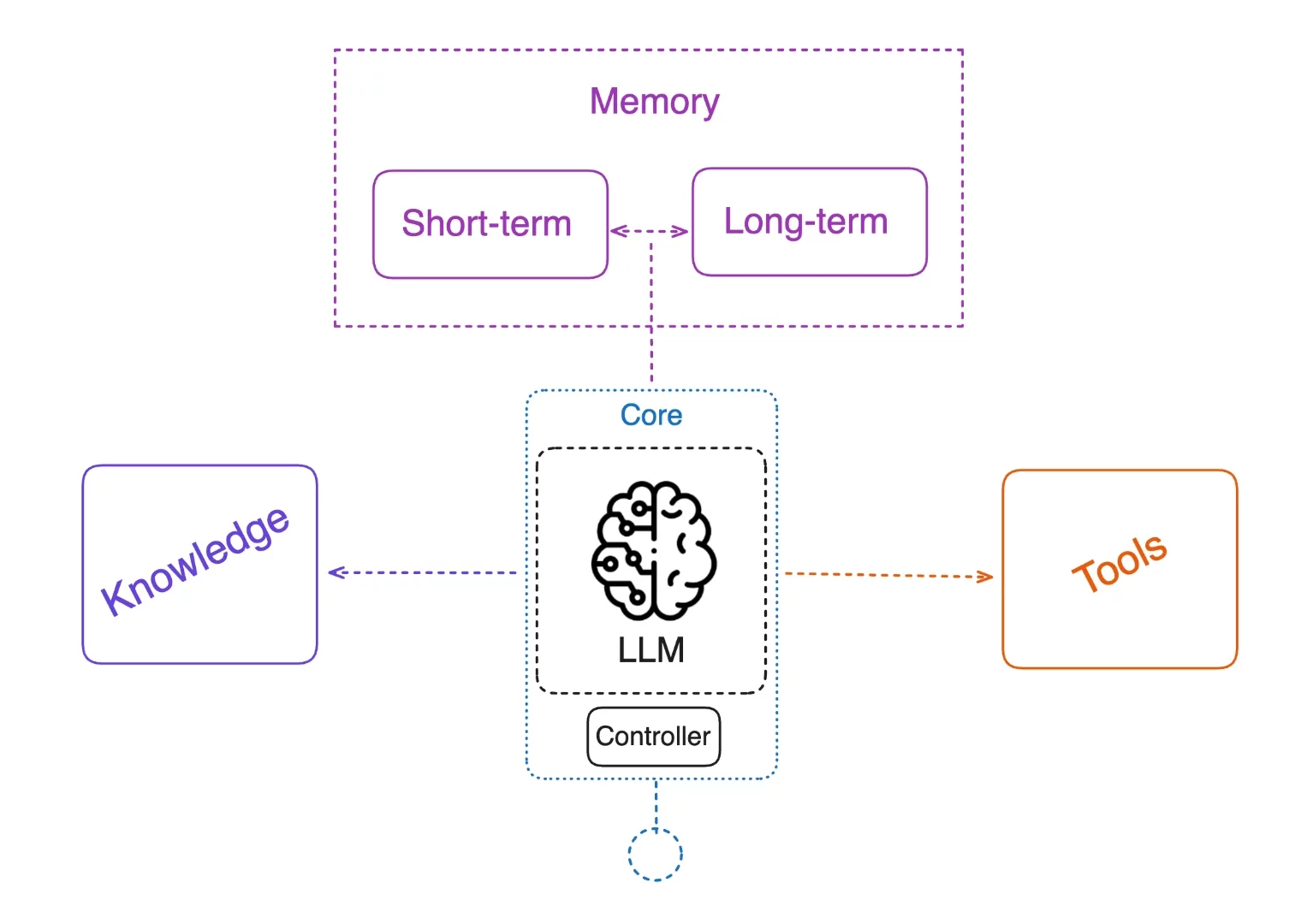
For an agent to be effective over time, it must possess a sense of continuity. This is achieved through memory and state management. While standard LLMs have a "context window" (the amount of information they can process at once), agentic memory goes further by categorizing information into short-term and long-term storage.
Short-term memory typically involves maintaining the "state" of the current workflow—what has been done and what needs to be done next. Long-term memory involves the use of vector databases or persistent logs to recall user preferences, past successes, and historical data from previous sessions. Without memory, an agent would be forced to "re-learn" the user’s requirements every time a new task is initiated, rendering it inefficient for recurring enterprise operations.
- Agentic RAG: Adaptive Information Retrieval
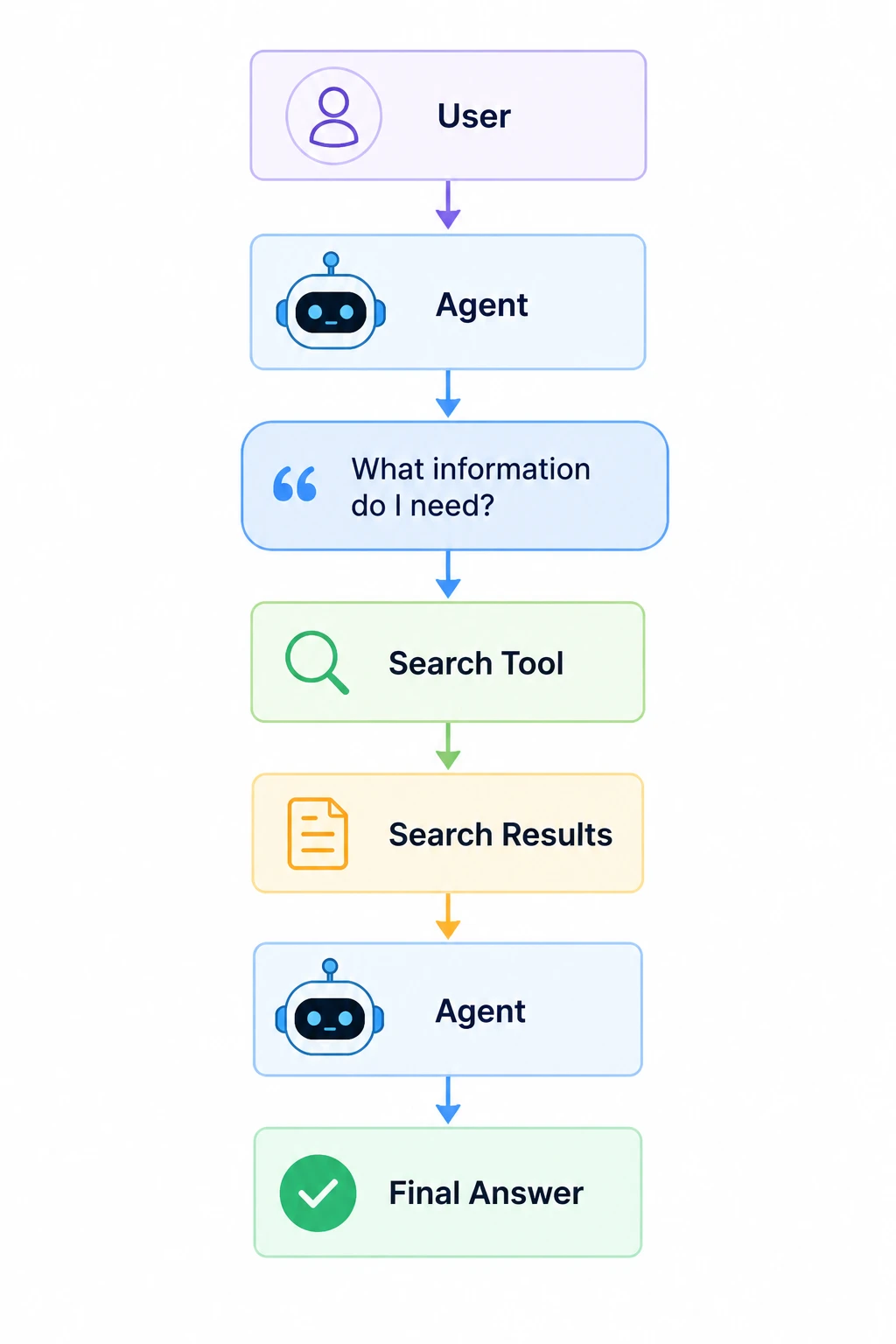
Retrieval-Augmented Generation (RAG) is a well-known technique that allows AI to look up information in a private knowledge base. However, "Agentic RAG" takes this a step further by making the retrieval process dynamic. In a standard RAG system, the retrieval step is fixed: the system searches once and then answers.
In an Agentic RAG system, the agent evaluates the quality of the retrieved information. If the initial search results are irrelevant or incomplete, the agent can decide to rewrite the search query, try a different data source, or cross-reference multiple documents. This adaptive approach is particularly valuable in legal and medical fields, where precision is paramount and a single search query is rarely sufficient to capture the full context of a problem.
- The Model Context Protocol (MCP)
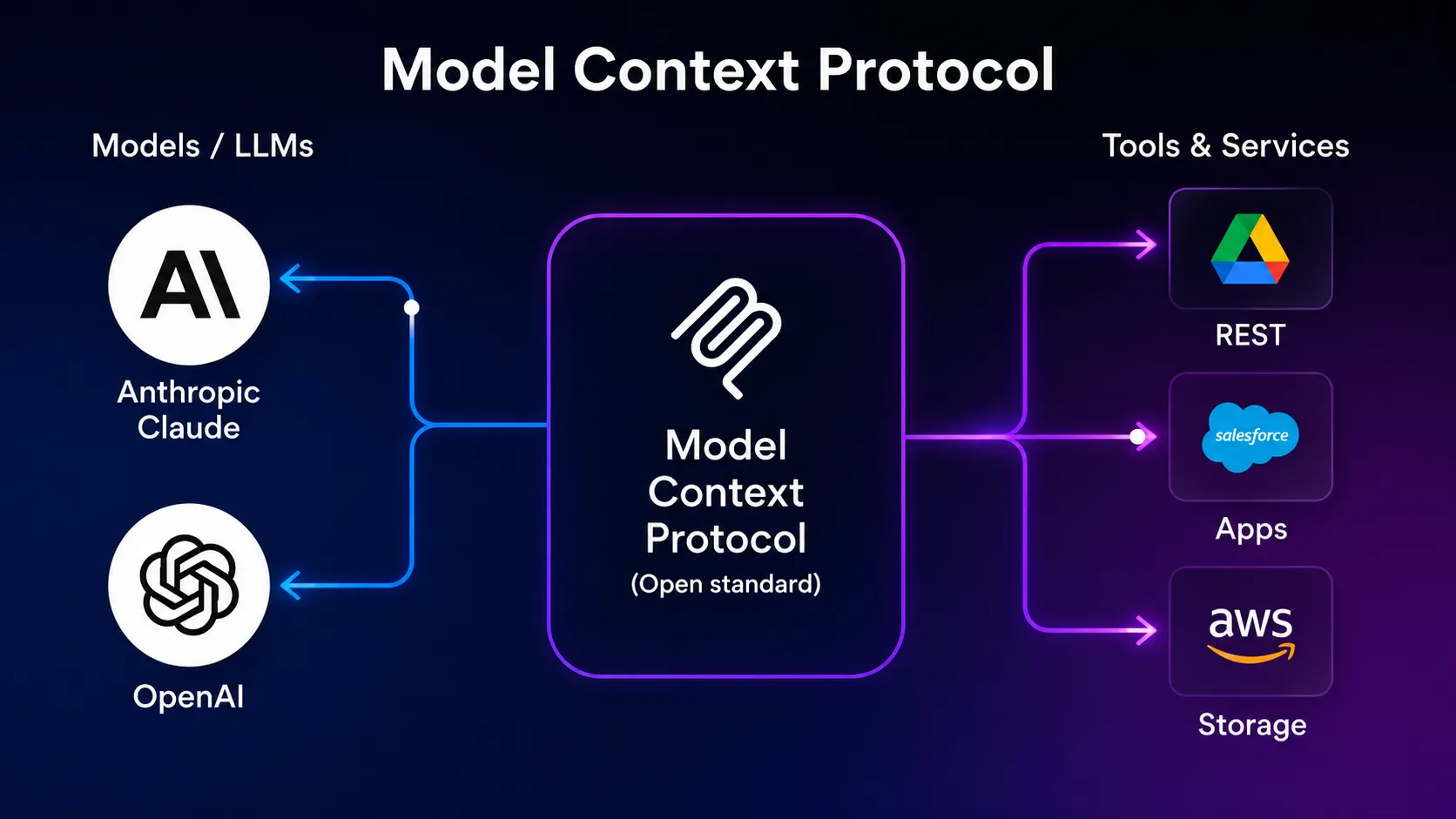
As the number of AI agents and tools grows, the industry has faced a "fragmentation" problem—every agent needs a custom integration for every tool. To solve this, industry leaders, most notably Anthropic in late 2024, introduced the Model Context Protocol (MCP).
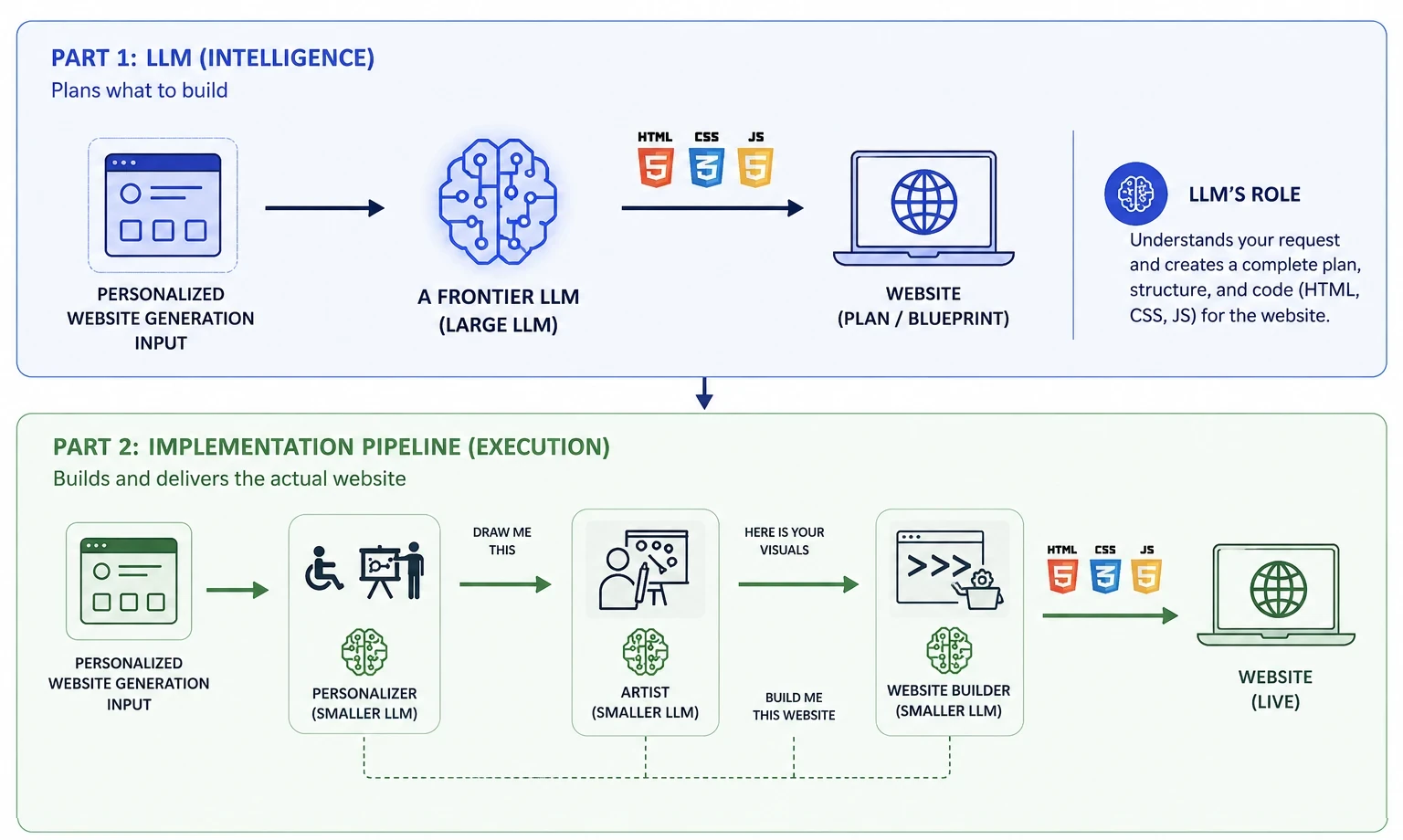
MCP is a standardized open-source protocol that allows AI applications to connect seamlessly to external data sources and tools. By providing a universal "plug-and-play" interface, MCP enables developers to build a tool once and have it be instantly accessible to any agent that supports the protocol. This standardization is viewed by experts as a critical step toward a world where AI agents can navigate across different software platforms (like Google Drive, Slack, and GitHub) as easily as a human moves between browser tabs.
- Multi-Agent Systems (MAS) and Collaboration
In complex scenarios, a single agent may not be sufficient. Multi-agent systems involve a "team" of specialized agents working together. This architecture often mirrors human organizational structures, with a "Manager Agent" overseeing several "Worker Agents," such as a "Coder Agent," a "Reviewer Agent," and a "QA Agent."
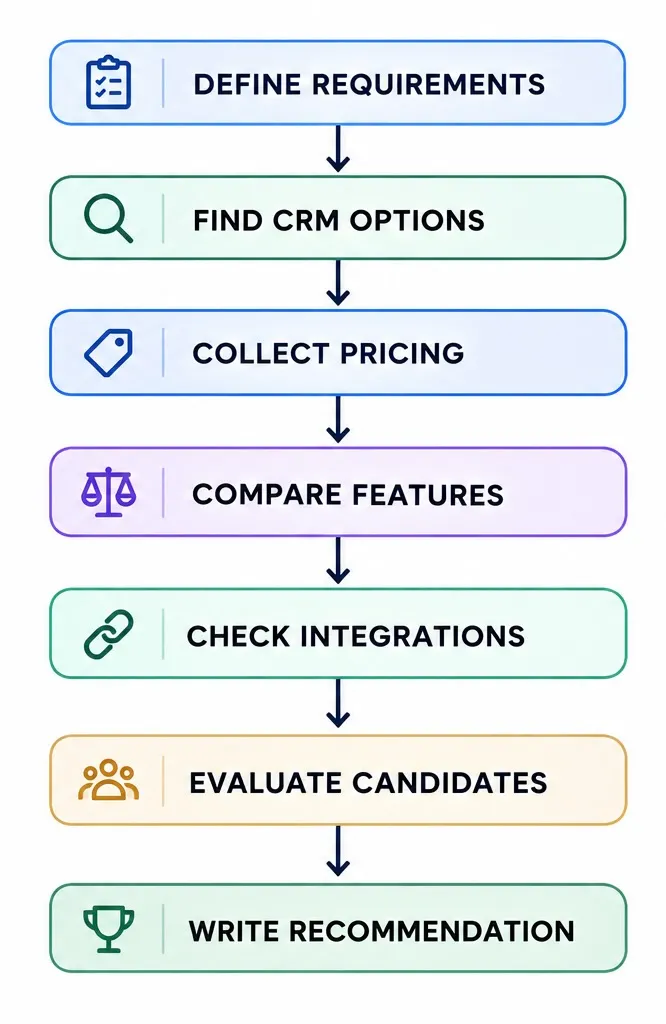
Research into multi-agent frameworks, such as AutoGen and CrewAI, has shown that specialized agents often outperform a single "generalist" agent. By assigning specific roles and constraints to each agent, developers can reduce errors and increase the depth of analysis. However, MAS also introduces challenges in coordination and communication overhead, requiring robust protocols to ensure the agents do not work at cross-purposes.
- Human-in-the-Loop (HITL) Integration
Despite the autonomy of agentic AI, high-stakes environments require human oversight. Human-in-the-loop (HITL) refers to the design pattern where an agent must pause and seek human approval before executing certain actions—particularly those that are irreversible, such as spending money, deleting data, or sending external communications.
HITL serves as a critical safety mechanism and a quality control layer. It allows humans to provide feedback that the agent can then use to refine its future actions. As AI systems become more capable, the "loop" may become wider, with humans shifting from micro-managing every step to providing high-level "intent" and periodic audits.
- Guardrails and Operational Security
With the power to call tools and access databases comes significant risk. Guardrails are the programmatic constraints placed on an agent to ensure it operates within safe, ethical, and legal boundaries. These can be "input guardrails" (preventing the agent from processing malicious prompts) or "output guardrails" (ensuring the agent doesn’t leak sensitive information or execute unauthorized commands).
For example, a financial agent might have a guardrail that prevents it from executing any transaction over $500 without a secondary authentication. Similarly, content guardrails prevent agents from generating biased or harmful material. In the enterprise sector, the implementation of robust guardrails is the primary hurdle for moving agents from experimental "sandboxes" into production environments.
- Implications and the Future of Agentic Workflows
The transition to agentic AI is more than a technical upgrade; it is a shift in how humans interact with technology. As these ten concepts—loops, tools, decomposition, memory, agentic RAG, MCP, multi-agent systems, HITL, and guardrails—converge, we are seeing the emergence of "Agentic Workflows."
The implications for the workforce are profound. Routine administrative tasks, complex data synthesis, and even technical roles like software debugging are being reimagined as collaborative efforts between humans and autonomous agents. While concerns regarding displacement and security remain at the forefront of public discourse, the immediate focus for organizations is "agentic readiness"—ensuring that data is structured, APIs are secure, and protocols like MCP are adopted to facilitate this new era of automation.
By moving away from the "black box" mentality and understanding the underlying mechanics of how agents plan, remember, and act, users and developers alike can build more reliable and transparent systems. The goal of agentic AI is not to replace human decision-making, but to provide a sophisticated execution layer that allows humans to focus on higher-level strategy and creative problem-solving.