

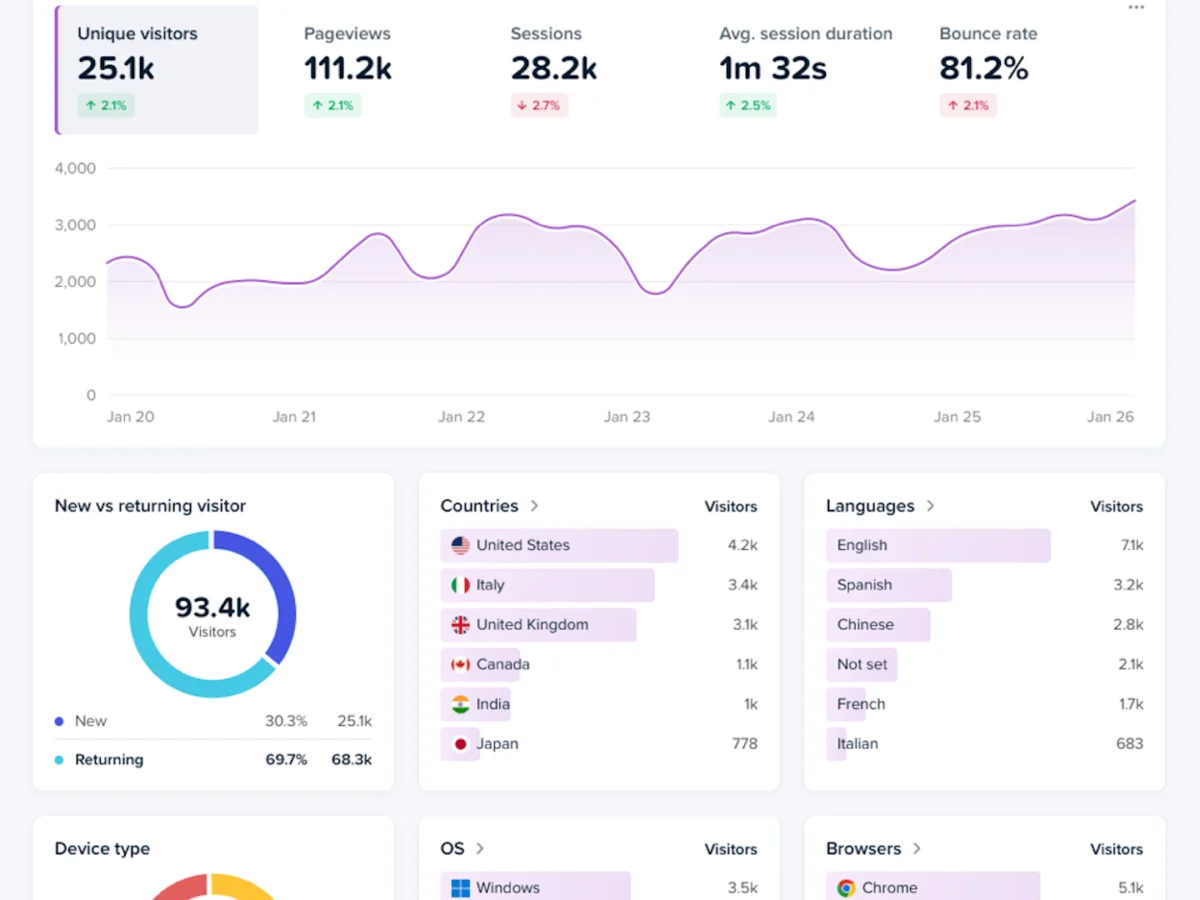
The introduction of the Data Warehouse Connector represents a strategic shift for Crazy Egg, a company that pioneered the visual analytics space with its heatmapping and session recording tools. For nearly two decades, businesses have relied on Crazy Egg to visualize how users interact with their websites. However, as the digital landscape has evolved, the demand for "raw" data—unfiltered, granular logs of every click, scroll, and conversion—has grown. Modern enterprises are increasingly moving away from "walled garden" analytics platforms in favor of a "warehouse-first" approach, where all data points from various SaaS tools are centralized in a single repository like Snowflake, Amazon Redshift, or Google BigQuery. Crazy Egg’s new connector is a direct response to this trend, offering a pipeline that ensures behavioral data is no longer siloed but is instead an actionable asset within a broader corporate ecosystem.
The Technical Framework: Open Formats and Daily Syncs
The Data Warehouse Connector is engineered to provide high-fidelity data with minimal latency. According to technical specifications, the tool performs fresh daily synchronizations, ensuring that the previous day’s user interactions are available for analysis within the warehouse by the start of the next business day. One of the most critical aspects of this rollout is the use of open data formats. Crazy Egg has opted to deliver data in Parquet and Iceberg formats.
Apache Parquet is a columnar storage file format that provides efficient data compression and encoding schemes with enhanced performance to handle complex data in bulk. By using Parquet, Crazy Egg ensures that large volumes of behavioral data can be queried rapidly and cost-effectively within a data warehouse. Apache Iceberg, an open table format for huge analytic datasets, adds a layer of reliability and simplicity. Iceberg allows for "time travel" queries, atomic transactions, and schema evolution, which are essential for data engineers who need to maintain high-quality data pipelines without constant manual intervention.
The connector also includes historical backfills, a feature that allows new users of the connector to port their existing Crazy Egg data into their warehouse. This ensures that longitudinal studies of user behavior can begin immediately, rather than waiting for months to accumulate enough new data to identify trends. The data is delivered directly to a storage bucket owned and governed by the client—such as an Amazon S3 or Google Cloud Storage bucket—ensuring that the organization maintains full sovereignty over its data and adheres to internal security and compliance protocols.
Data Granularity: Beyond Simple Metrics
The scope of the data provided through the connector is comprehensive, covering the full spectrum of Crazy Egg’s tracking capabilities. The synchronization includes:
- Session Data: Detailed logs of every user session, including entry and exit points, duration, and device metadata.
- Click Events: Precise coordinates and element identification for every interaction on a page, providing deeper insight than simple "page view" metrics.
- Conversion Events: Critical data points that track when a user completes a desired action, such as a sign-up or a purchase.
- Snapshots and Heatmap Data: The underlying raw numbers that power Crazy Egg’s famous visual reports, allowing analysts to quantify "hot" and "cold" zones across thousands of pages simultaneously.
- Survey Responses and Recordings: Qualitative data transformed into a quantitative format that can be joined with other behavioral metrics.
By providing these raw events, Crazy Egg allows teams to move past the "what" of user behavior and into the "why" and "how much." When these events are joined with internal datasets—such as CRM records, subscription statuses, and actual revenue figures—the resulting insights can be transformative.
Historical Context and Market Evolution
To understand the impact of the Data Warehouse Connector, one must look at the evolution of the web analytics market. In the early 2010s, visual analytics were largely used by UX designers and small business owners to make quick tactical changes to landing pages. As the "Growth Hacking" movement took hold, the need for A/B testing and session replays became mainstream. However, these tools often lived in isolation. A marketing team might see a high drop-off rate on a checkout page via a heatmap, but they could not easily correlate that specific drop-off to a particular customer segment in their database without manual exports and complex Excel work.
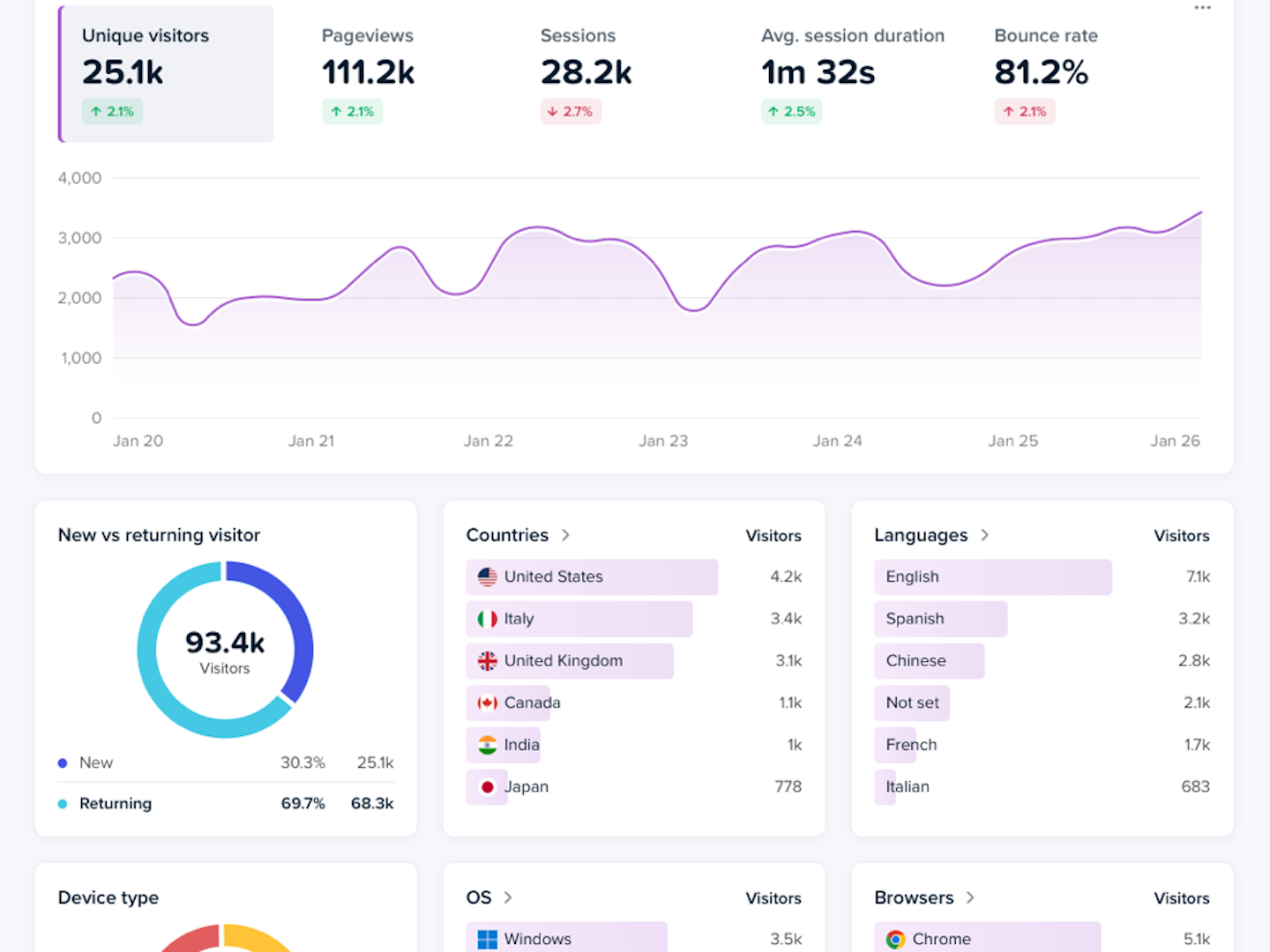
In recent years, the rise of the "Modern Data Stack"—characterized by tools like Fivetran, dbt, and Snowflake—has changed the expectations of enterprise leaders. They no longer want to log into ten different dashboards to get a picture of their business. They want the data to come to them. The global data warehousing market is currently experiencing a compound annual growth rate (CAGR) of approximately 10.7%, driven by the need for advanced analytics and the increasing volume of data generated by digital interactions. Crazy Egg’s move to provide a native warehouse connector aligns the company with this multi-billion dollar shift toward centralized data architecture.
Strategic Implications for Analytics and AI
The implications of having raw Crazy Egg data in a centralized warehouse are vast, particularly regarding revenue attribution and artificial intelligence. Most attribution models struggle with the "middle of the funnel"—the various interactions a user has between their first visit and their final purchase. By syncing click and session data into a warehouse, data scientists can build sophisticated multi-touch attribution models that assign value to specific on-site behaviors, such as engaging with a specific product video or reading a pricing FAQ.
Furthermore, the rise of Generative AI and agentic workflows has created a massive appetite for first-party data. Organizations are increasingly looking to train in-house Large Language Models (LLMs) or deploy AI agents that can predict customer needs. High-quality behavioral data is the "fuel" for these models. With the Data Warehouse Connector, Crazy Egg data can serve as AI context, allowing a company’s internal AI to understand how users typically navigate a site before they churn, or which behavioral patterns are most indicative of a high-value enterprise lead.
Corporate Response and Implementation
Stephen Ngo, Director of Growth Marketing at Crazy Egg, has emphasized the importance of this integration for the company’s future. With his background in leading growth teams at organizations like Paddle and ProfitWell, Ngo understands the friction points that occur when data is trapped in silos. The company has indicated that while the connector is designed for ease of use, they are also offering custom configurations to align with the unique data models of their enterprise clients.
Industry analysts suggest that this move will likely force competitors in the visual analytics space to accelerate their own data export capabilities. "The value is no longer just in the visualization; it’s in the portability of the data," says one independent data consultant. "Crazy Egg is acknowledging that their tool is part of a larger ecosystem. By making it easy to get data out, they actually make their platform more indispensable to the enterprise."
Security, Governance, and Compliance
In an era of heightened data privacy regulations, including GDPR in Europe and CCPA in California, the governance aspect of the Data Warehouse Connector is a major selling point. Because the data is delivered to a storage bucket owned by the customer, the customer retains full control over data retention policies and access logs. This reduces the "compliance surface area" for the customer, as they do not have to rely on a third-party vendor’s dashboard to manage sensitive user interaction logs. The use of Iceberg also assists in compliance, as it makes it easier to programmatically delete specific user data across large datasets—a requirement for "right to be forgotten" requests.
Conclusion: A New Era for Behavioral Data
The launch of Crazy Egg’s Data Warehouse Connector marks a turning point in how behavioral data is consumed and utilized. By enabling the synchronization of raw website events into professional analytics workflows, Crazy Egg is empowering organizations to build more accurate revenue models, enhance their BI dashboards, and fuel the next generation of AI-driven customer experiences. As businesses continue to prioritize data ownership and integrated insights, the ability to move raw data seamlessly from the browser to the warehouse will become a standard requirement, rather than a luxury.
For organizations interested in implementing the Data Warehouse Connector or requiring custom configurations to fit their specific data models, Crazy Egg has directed inquiries to their account management teams. As the digital economy becomes increasingly data-centric, the organizations that successfully integrate these granular behavioral insights into their core business logic will likely be the ones that maintain a competitive edge in user experience and conversion optimization.







