

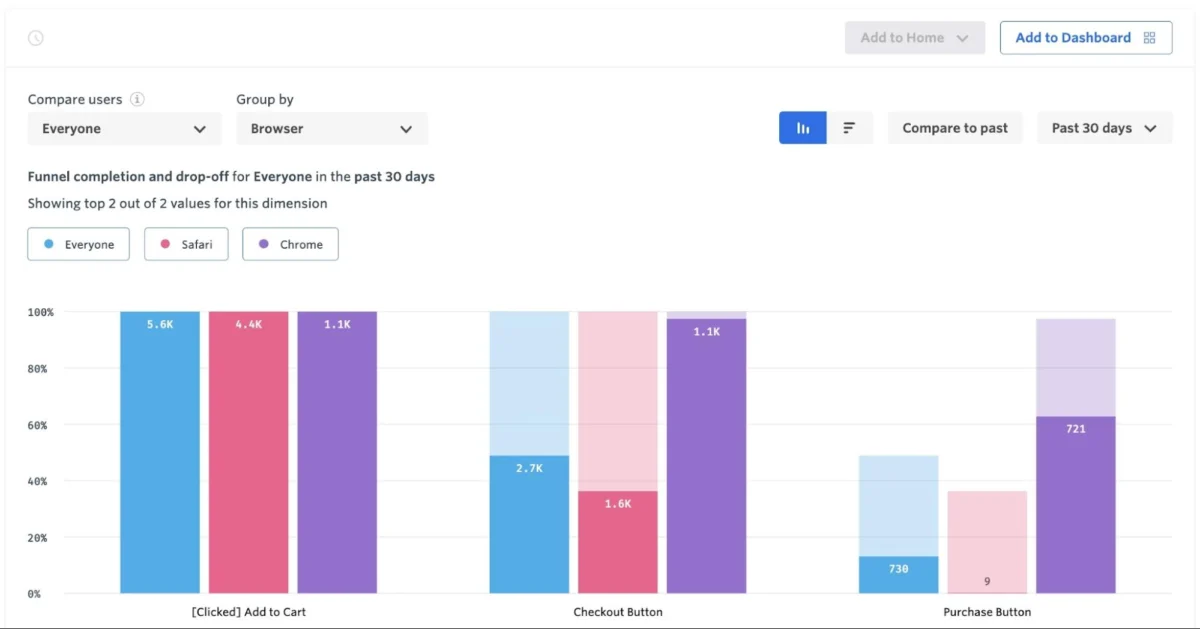
The global digital analytics market, valued at billions of dollars and projected to grow at a double-digit compound annual growth rate through 2030, has become the primary battlefield for businesses seeking to optimize user retention and conversion rates. Within this landscape, two industry giants—Crazy Egg and Fullstory—represent divergent philosophies in how data should be captured, analyzed, and acted upon. While both platforms offer insights into user behavior, Crazy Egg positions itself as an integrated, all-in-one conversion rate optimization (CRO) suite for web-based marketing teams, whereas Fullstory has evolved into a robust Digital Experience Intelligence (DXI) platform designed for product managers and developers overseeing complex web and mobile applications.
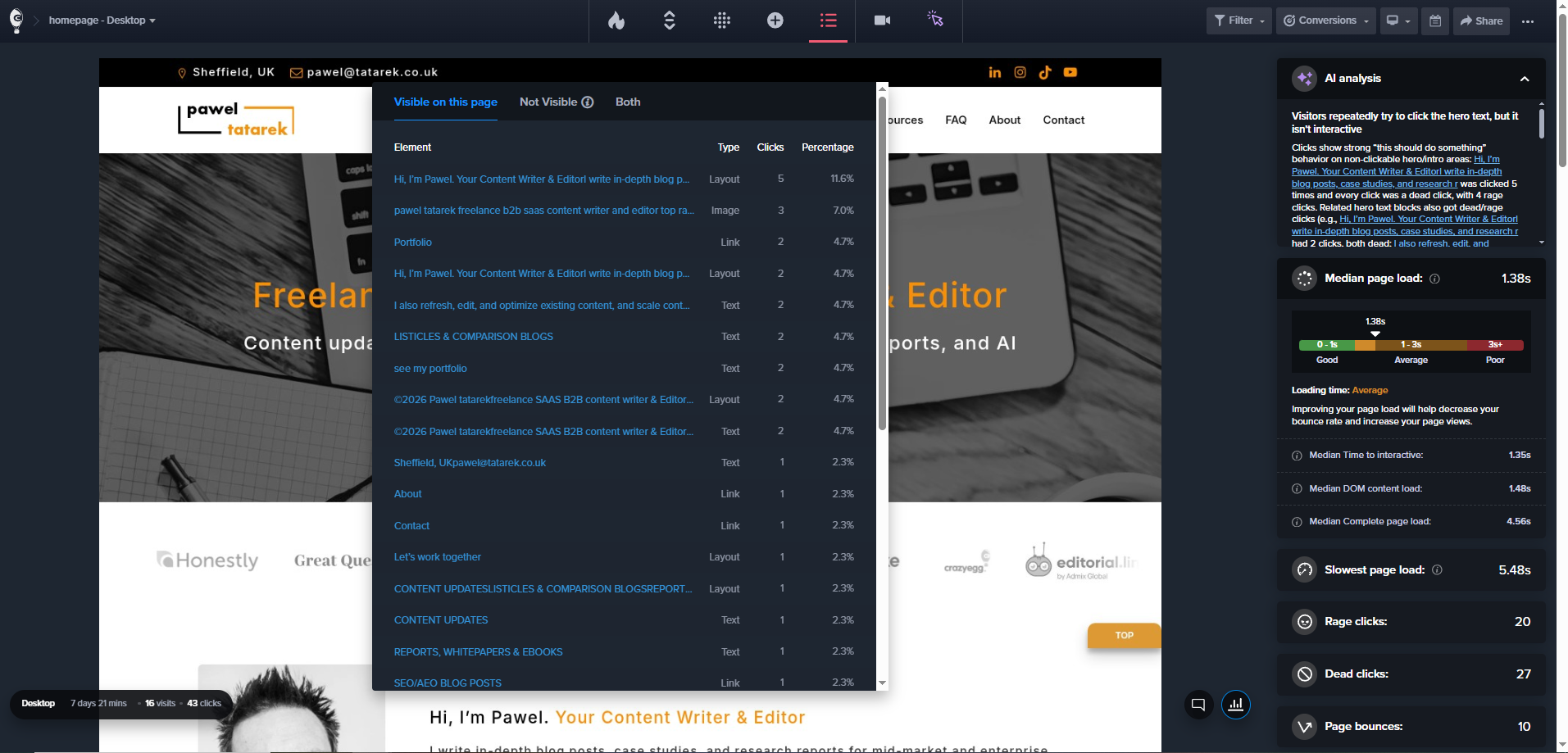
The fundamental distinction between the two lies in their scope and utility. Crazy Egg is engineered for teams managing multiple domains who require a streamlined workflow to identify underperforming pages, diagnose friction through behavioral analysis, and launch corrective A/B tests within a single interface. Conversely, Fullstory serves as a sophisticated data layer for organizations that prioritize deep-dive product analytics, mobile app monitoring, and cross-functional digital experience management, often utilizing a separate stack for experimentation.
A Chronological Evolution of Behavioral Analytics
To understand the current competitive landscape, one must look at the historical trajectory of both firms. Crazy Egg was founded in 2006 by Hiten Shah and Neil Patel, pioneers in the SaaS and marketing space. It was among the first tools to popularize "Heatmaps," a visualization technology that allowed marketers to see exactly where users were clicking. For nearly two decades, Crazy Egg has maintained a focus on accessibility and speed, catering to a market that needs immediate, actionable data without the overhead of enterprise-level integration.
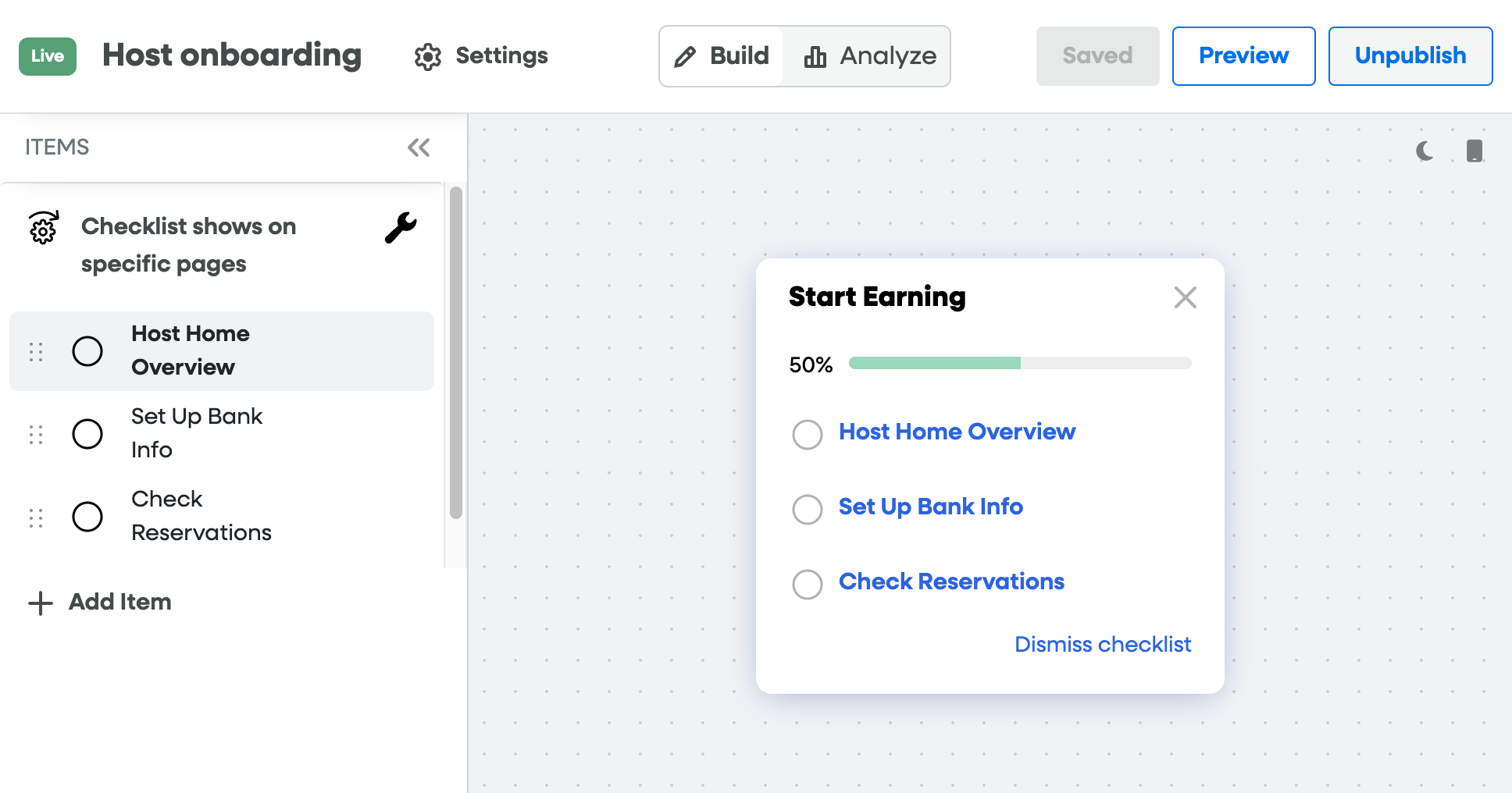
Fullstory entered the market later, in 2014, founded by a group of former Google engineers. Their goal was to move beyond simple click-tracking toward "omniscience"—the ability to record every single interaction a user has with a digital product. This led to the development of "Fullcapture" technology, which logs every event without requiring manual tagging. In November 2025, Fullstory further expanded its capabilities by acquiring Usetiful, a move aimed at integrating user onboarding and in-app guides directly into its behavioral data stream. This acquisition underscores Fullstory’s shift from a mere observation tool to an active engagement platform.
Technical Analysis of Core Features: Heatmaps and Session Replay
Both platforms utilize automated data capture, but the presentation and depth of their heatmap reports vary significantly. Crazy Egg provides five distinct visualization types: the classic Heatmap, Scrollmap, Overlay, List, and its proprietary Confetti map. The Confetti map remains a critical differentiator for marketers, as it allows for per-click segmentation based on referral source, search terms, and visitor demographics. This granular view enables teams to see not just where people click, but how different audience segments interact with the same page differently.
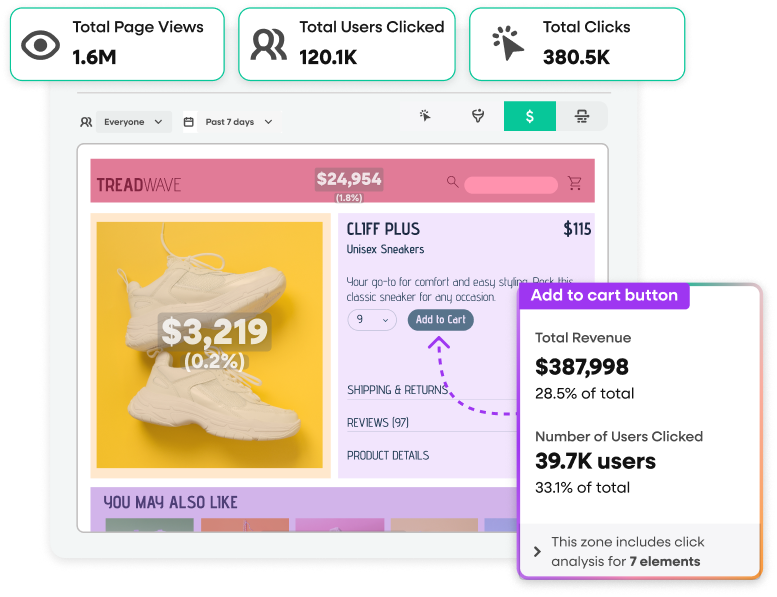
Fullstory’s approach to heatmaps is more aligned with revenue and conversion outcomes. Its "Conversion Maps" rank on-page elements by their impact on the bottom line, showing which buttons or links are most closely associated with successful checkouts or sign-ups. However, Fullstory limits its visual reporting to the top 25 clicked elements per category and lacks a direct equivalent to Crazy Egg’s Confetti view.
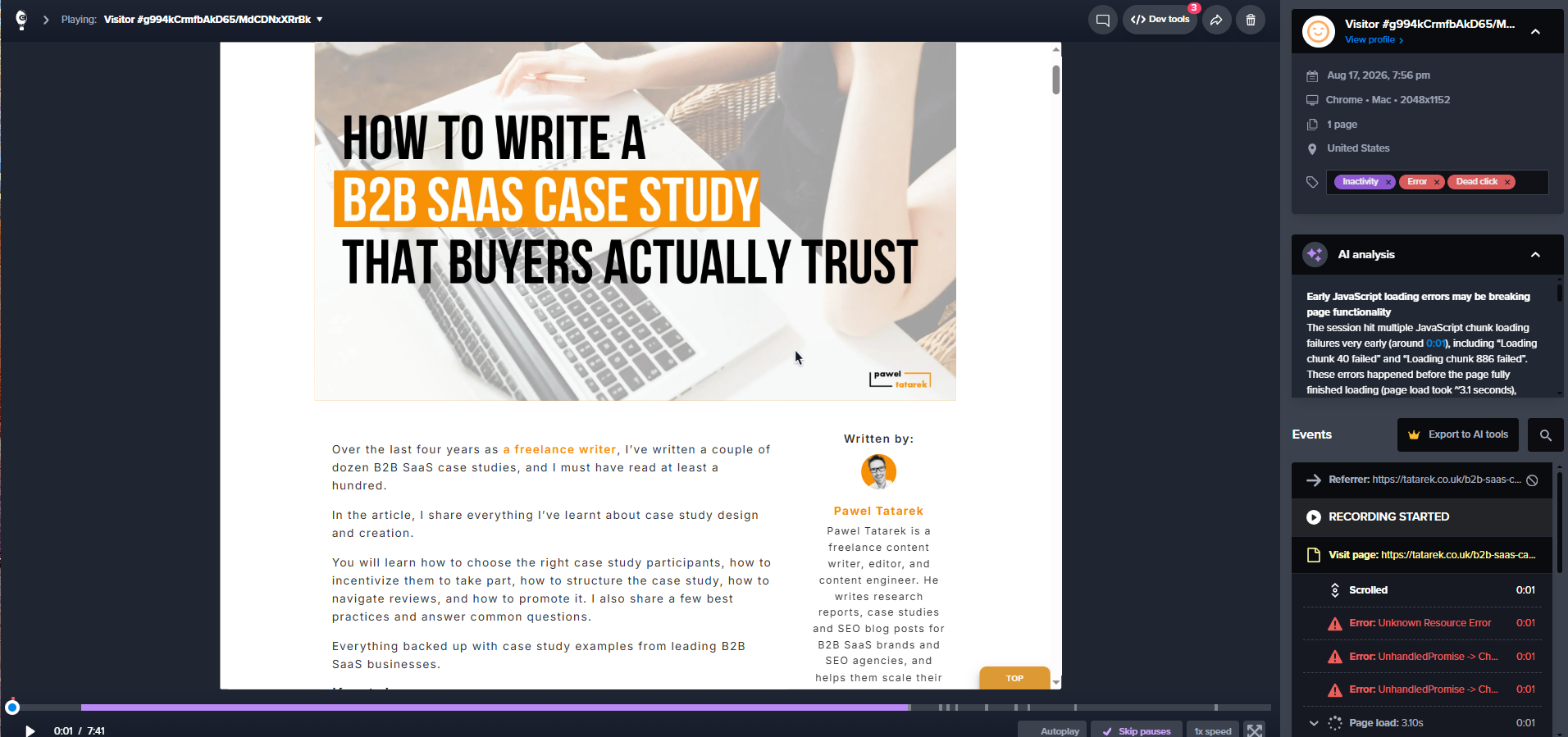
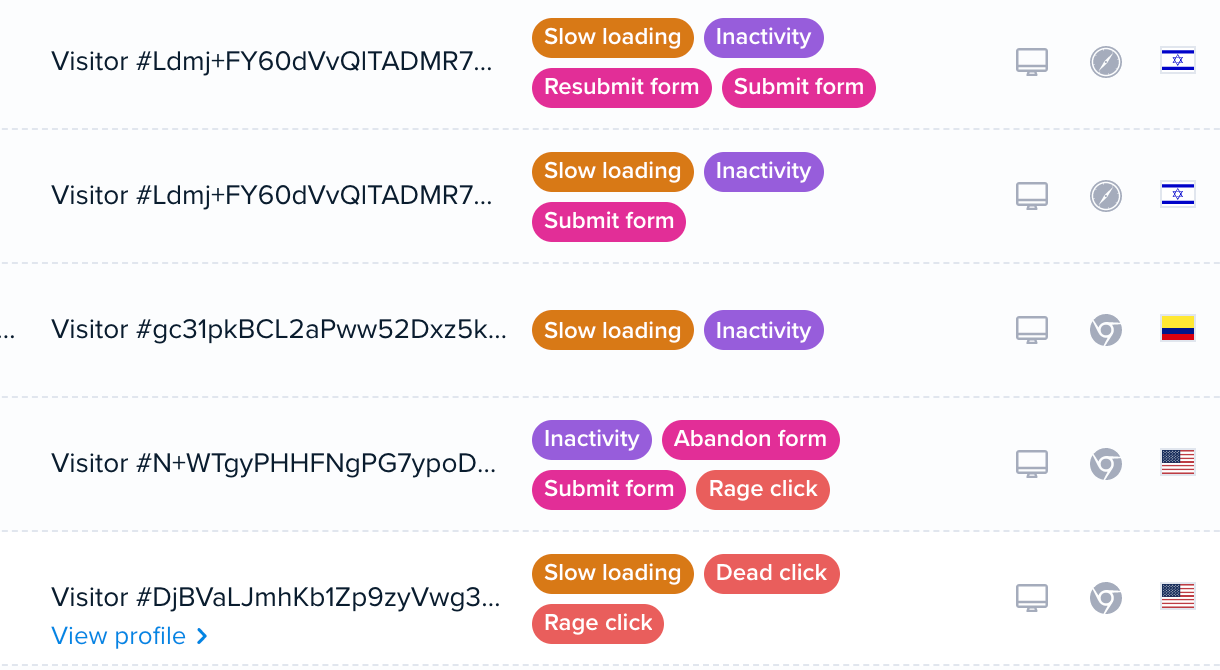
In the realm of session recordings, the divergence becomes even clearer. Crazy Egg’s recordings are optimized for web CRO, allowing users to set recording budgets per page to manage data volume. These recordings are auto-tagged with behavioral signals such as "rage clicks" (repeatedly clicking an unresponsive element) and "dead clicks." Fullstory, however, offers a more comprehensive signal set, including network errors, abandoned forms, and "pinch-to-zoom" behavior. Most notably, Fullstory supports native mobile app recording across iOS, Android, React Native, and Flutter—a feature entirely absent from Crazy Egg’s web-centric model.
The Experimentation Gap: A/B Testing and Personalization
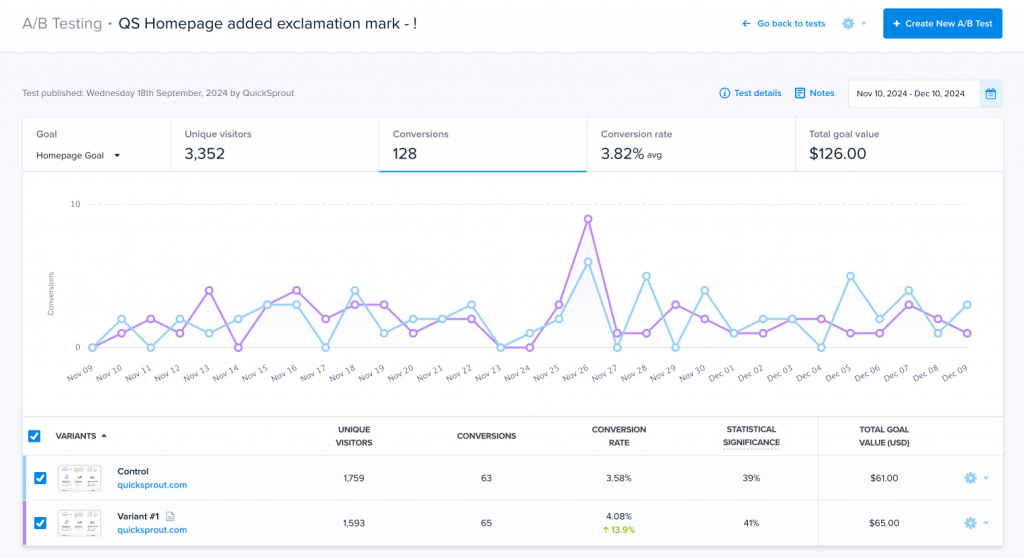
Perhaps the most significant functional divide is the inclusion of native experimentation tools. Crazy Egg includes a visual A/B testing editor and a multi-armed bandit traffic allocation system. This allows marketing teams to identify a problem via a heatmap, hypothesize a fix, and launch a test immediately without developer intervention. The platform’s ability to serve as both the diagnostic and the surgical tool makes it a favorite for agile marketing teams.
Fullstory has made a strategic decision not to build a native A/B testing product. Instead, it offers "Fullstory Anywhere," a coordination layer that integrates with third-party tools like Optimizely, VWO, or AB Tasty. While this allows for more sophisticated, enterprise-wide experimentation, it introduces "vendor sprawl," requiring businesses to manage multiple contracts and potentially higher total costs to achieve the same CRO workflow that Crazy Egg provides natively.
Data Infrastructure and AI Capabilities
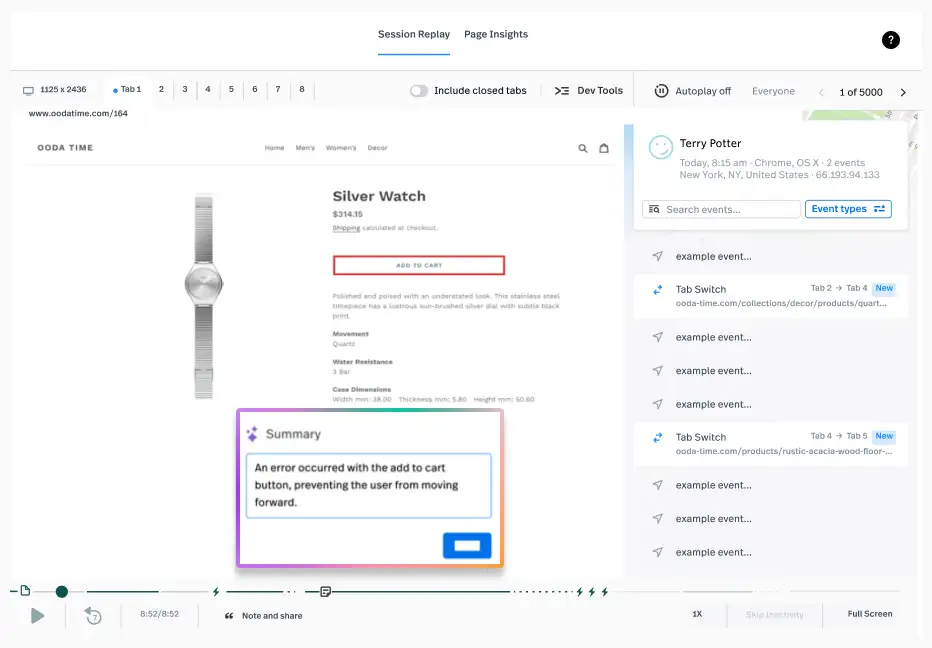
As the industry pivots toward artificial intelligence, both companies have integrated generative AI to assist in data synthesis. Crazy Egg’s AI Analysis scans heatmaps and recordings to offer written summaries and hypotheses. It also offers an "AI-ready JSON" export, allowing data scientists to feed Crazy Egg data into Large Language Models (LLMs) like Claude or GPT-4 for custom analysis.
Fullstory’s "Ask StoryAI," powered by Google’s Gemini, allows users to query their data conversationally. For example, a product manager could ask, "Why did mobile checkout conversions drop yesterday?" and receive a summary of friction points. Both companies are also experimenting with "agentic workflows"—early-access features where AI "agents" can automatically perform tasks like root-cause analysis or setting up optimization loops.
Security, Compliance, and Enterprise Access
For organizations in regulated industries, such as healthcare or finance, security is the primary concern. Both platforms are GDPR, CCPA, and HIPAA compliant. Fullstory holds a slight edge in formal certifications, boasting SOC 2 Type 2, SOC 3, and multiple ISO certifications, including ISO 42001. It also offers optional EU data residency for companies concerned about transatlantic data transfers.
However, Crazy Egg offers more democratic access to security features. Role-based access control (RBAC), which allows administrators to restrict data access based on job function, is available on every Crazy Egg plan. In contrast, Fullstory reserves RBAC and SAML Single Sign-On (SSO) for its Enterprise tier, which may be a hurdle for smaller teams requiring strict data governance.
Economic Implications and Pricing Structures
The financial commitment required for these tools represents the widest gap between them. Crazy Egg operates on a transparent, tiered pricing model ranging from $29 to $599 per month when billed annually. Their Enterprise plan, which supports one million tracked pageviews, is priced at approximately $7,188 per year. A key advantage for growing teams is that Crazy Egg offers unlimited seats and domains across all plans, with a strict "no overages" policy.
Fullstory utilizes an opaque, quote-only pricing model. Market data from procurement platforms like Vendr suggests that the median annual contract for Fullstory is approximately $28,000. Entry-level deployments often start at $10,000, while large-scale enterprise contracts can exceed $200,000 annually. Furthermore, features such as mobile app analytics, in-app guides, and advanced AI are often billed as separate line items, significantly increasing the total cost of ownership.
Broader Impact and Market Analysis
The choice between Crazy Egg and Fullstory often reflects the maturity and technical needs of an organization’s digital strategy. The broader impact of choosing a platform like Fullstory is the move toward "Product Intelligence." It signals that a company views its digital interface as a complex product that requires constant, deep-level monitoring across various operating systems. The implication is a higher investment in data science and product management resources to interpret the vast amounts of data Fullstory captures.
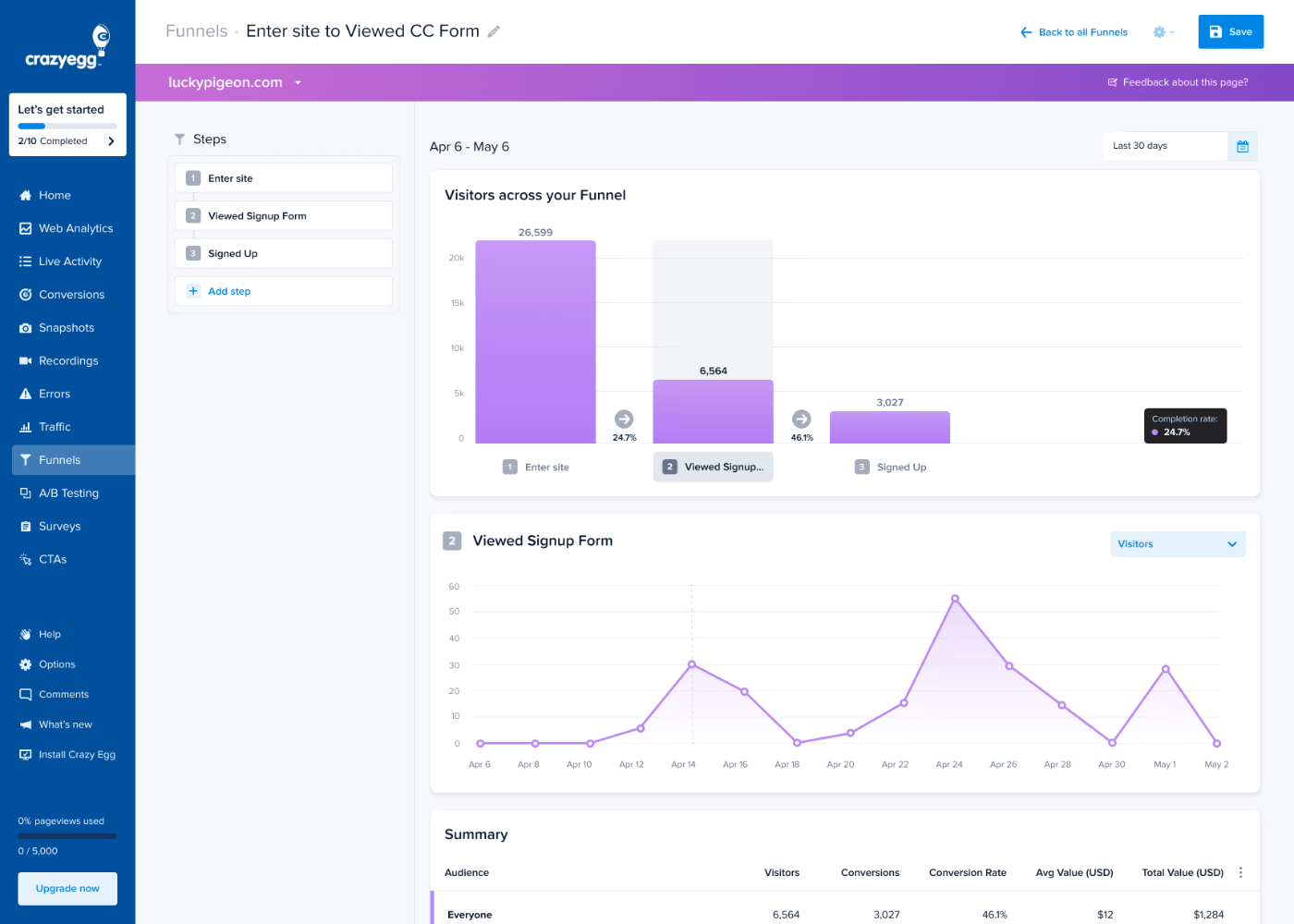
Choosing Crazy Egg signals a "Marketing Efficiency" approach. It is an acknowledgment that the primary goal is the rapid optimization of web-based conversion funnels. By consolidating web analytics, user feedback, and testing into one platform, companies can reduce the "time-to-insight" and launch more experiments per quarter.
In conclusion, for organizations focused on website performance, lead generation, and cost-effective CRO, Crazy Egg remains the industry standard for value and integrated functionality. For enterprise-level digital products where mobile app performance and complex user journey mapping are non-negotiable, Fullstory provides a depth of data that justifies its premium price point. Decision-makers must weigh the necessity of native mobile support and "Fullcapture" against the benefits of an all-in-one testing suite and transparent, predictable billing.







