

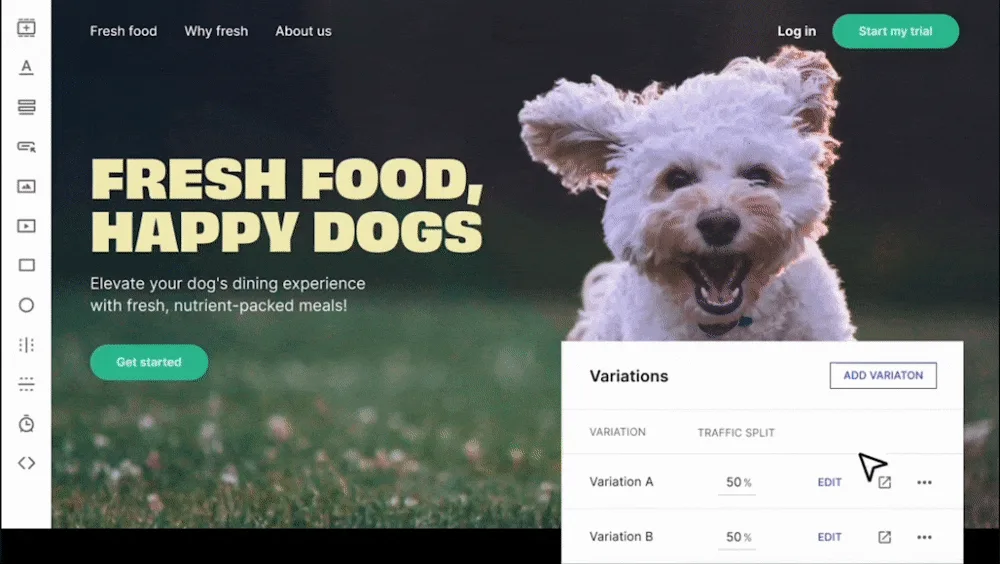
The digital marketing landscape has reached a point of saturation where simply driving traffic to a website is no longer a guarantee of commercial success. As customer acquisition costs (CAC) continue to climb across platforms like Google Ads and Meta, the focus for growth-oriented enterprises has shifted toward Conversion Rate Optimization (CRO). At the heart of this discipline lies the landing page—a dedicated, standalone web page designed specifically for a marketing or advertising campaign. While the concept of a landing page is straightforward, the execution is notoriously difficult. Establishing ad-to-page relevance, ensuring the offer resonates with a specific demographic, and aligning every visual and textual element to facilitate a seamless conversion path requires a blend of psychology, data science, and design.
Even when marketers adhere to industry best practices, conversion rates frequently fall short of internal benchmarks. According to industry data, the average conversion rate for landing pages across all industries is approximately 2.35%, yet the top 10% of companies see conversion rates of 11.45% or higher. This discrepancy highlights a critical reality: digital marketing is not a "set it and forget it" endeavor. When performance lags, the solution is not to discard the campaign entirely, but to utilize A/B testing to identify and rectify the specific friction points preventing users from completing a desired action.

The Mechanics and Evolution of A/B Testing
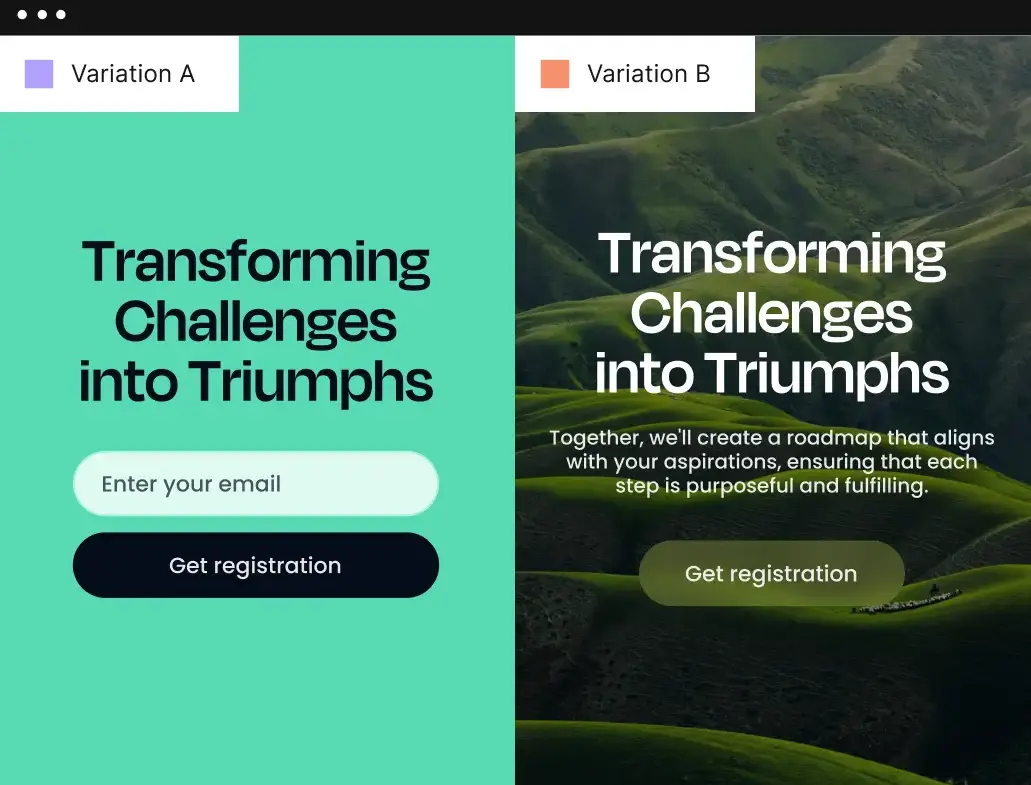
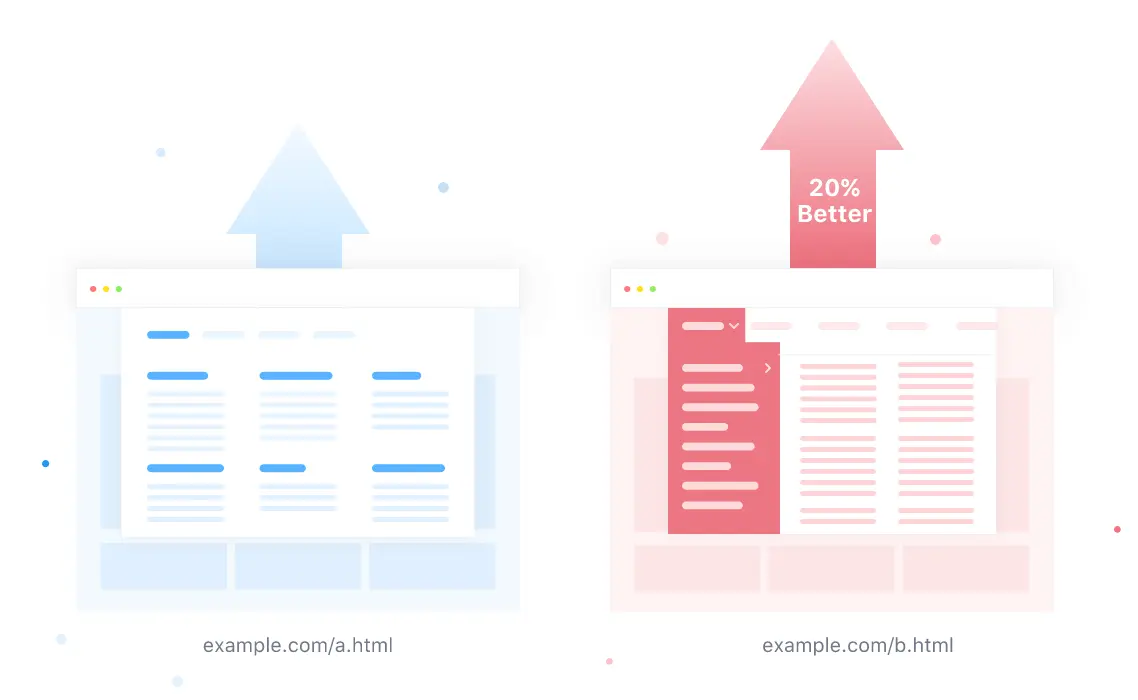
A/B testing, also known as split testing, is a controlled experiment where two or more versions of a variable (web page, page element, etc.) are shown to different segments of website visitors at the same time to determine which version leaves the maximum impact and drives business metrics. In the context of landing pages, this involves creating variations of headlines, call-to-action (CTA) buttons, images, form lengths, and overall layouts. By splitting traffic between these variations, marketers can move beyond subjective opinions and rely on empirical data to understand which combination of elements yields the highest engagement.
The evolution of testing has moved from simple client-side scripts to sophisticated server-side experimentation and AI-driven dynamic allocation. Modern testing protocols allow marketers to understand not just which version won, but why it won. This data-driven approach provides insights into visitor behavior, such as which value propositions resonate most with different audience segments and which visual cues effectively direct attention toward the conversion goal.
Strategic Evaluation of Leading A/B Testing Platforms
Selecting the appropriate platform for A/B testing is a strategic decision that depends on a company’s technical resources, budget, and specific optimization goals. While the market is flooded with tools, only a select few offer the depth required for high-stakes landing page optimization. The following platforms represent the current industry leaders, evaluated based on their integration capabilities, ease of use, and advanced feature sets.
1. Instapage: Integrating Creation with Continuous Optimization
Instapage has positioned itself as a comprehensive solution for marketers who require both a robust landing page builder and an integrated experimentation engine. The platform’s primary differentiator is its focus on server-side experimentation, which eliminates the "flicker effect" often seen in client-side testing—a phenomenon where the original page loads briefly before the variant appears, potentially skewing user behavior.
The platform’s AI Experiments feature represents a significant leap in CRO technology. Unlike traditional A/B testing, which typically splits traffic 50/50 until a winner is declared, AI Experiments utilize dynamic traffic allocation. This machine learning-driven method monitors the performance of variations in real-time and automatically directs a higher percentage of traffic to the better-performing version. This minimizes "regret"—the loss of potential conversions that occurs when traffic is sent to an underperforming variant during a long-duration test.
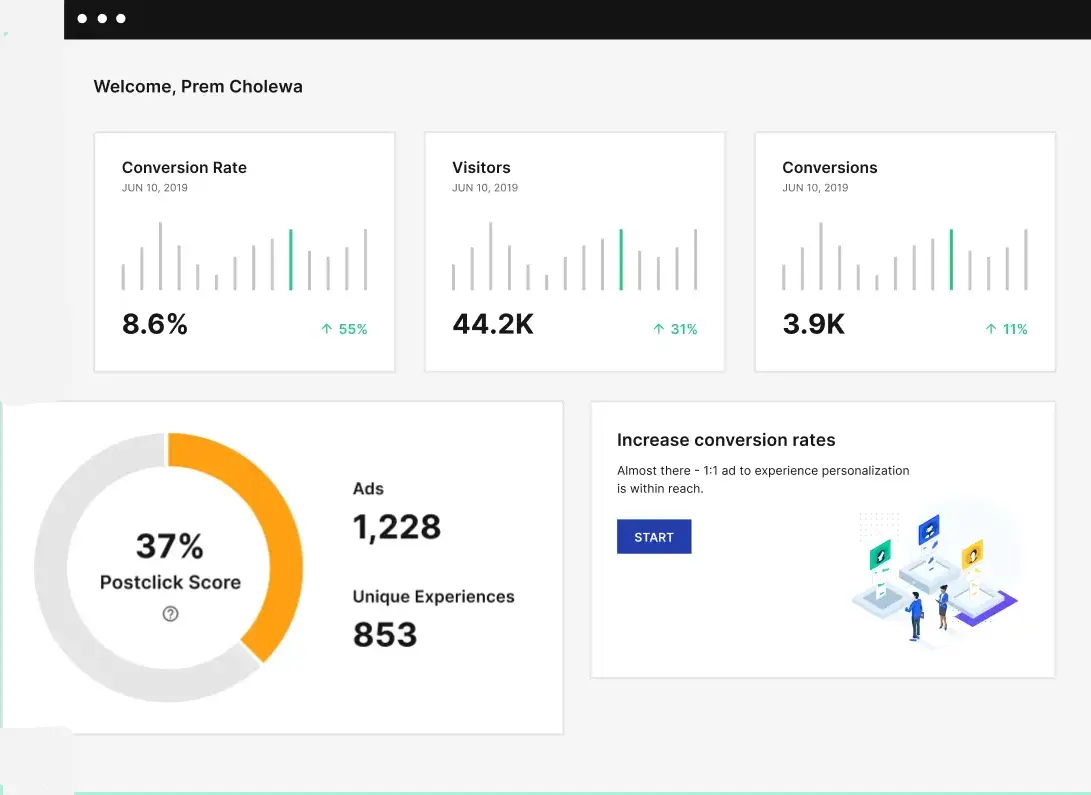
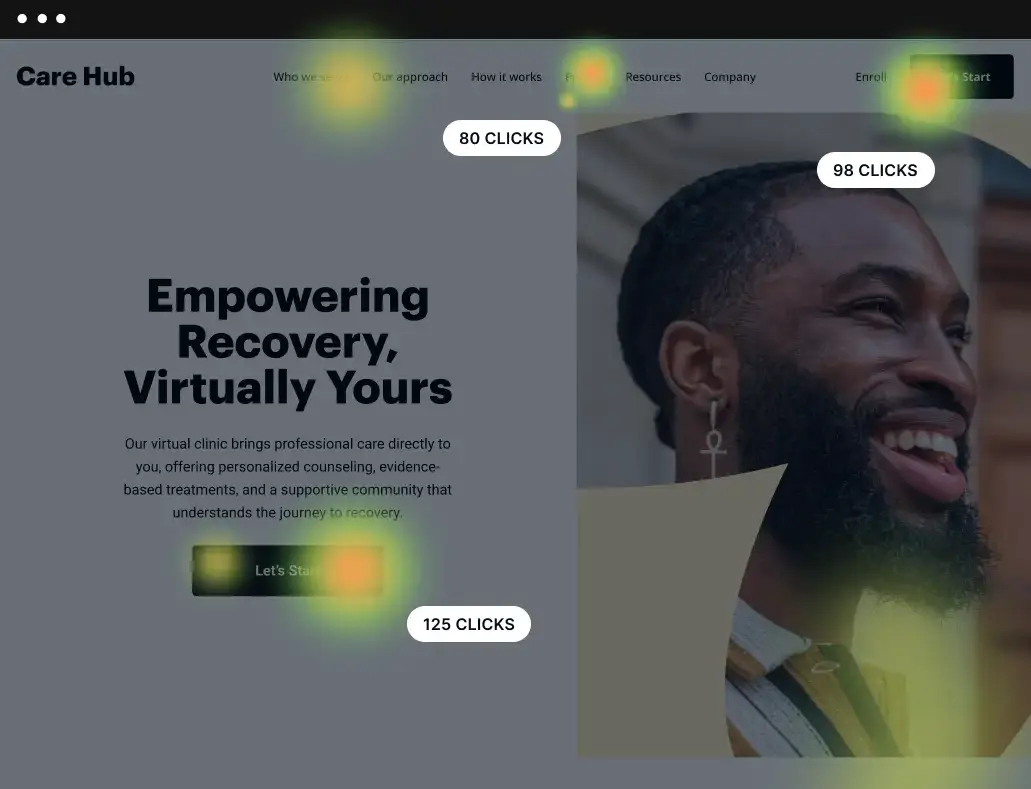
Case studies, such as those from Verizon’s digital media division, demonstrate the efficacy of this integrated approach. By utilizing Instapage’s testing suite to validate page elements and analyze visitor behavior, the Verizon team reported a reduction in cost-per-conversion by more than 50%. Furthermore, the inclusion of native heatmaps allows marketers to track mouse movements, clicks, and scroll depth, providing a qualitative layer of data that informs what elements should be tested next.
2. VWO: Comprehensive Funnel Analysis and Split URL Testing
VWO (Visual Website Optimizer) is a veteran in the CRO space, known for its versatility in handling split URL tests. While standard A/B testing often focuses on changing small elements on a single page, split URL testing allows marketers to compare two entirely different designs hosted on different URLs. This is particularly useful for major site overhauls or testing radically different conversion paths.
VWO’s platform is built on a Bayesian statistical engine, which provides marketers with a "probability of being best" for each variation. This allows for faster decision-making compared to traditional frequentist statistics. Additionally, VWO enables the tracking of multiple metrics across the entire sales funnel, ensuring that an increase in landing page conversions does not lead to a decrease in downstream quality, such as lead-to-opportunity ratios.
3. Optimizely: Enterprise-Grade Experimentation at the Edge
Optimizely is widely regarded as the gold standard for enterprise-level experimentation. It caters to organizations that require sophisticated testing capabilities across web, mobile apps, and backend code. Its Web Experimentation tool features a visual editor designed for general users, but it also provides a "low-code" environment and extension templates that allow developers to inject custom logic into tests.
A key technical advantage of Optimizely is its ability to run experiments from the "network edge." By executing logic closer to the user, Optimizely ensures a swift user experience with minimal latency. The platform’s embedded AI capabilities also suggest copy variations based on historical performance data, helping teams iterate faster. For large organizations, Optimizely’s focus on accuracy and statistical rigor makes it the preferred choice for high-traffic environments where even a 0.1% change in conversion rate translates to millions of dollars in revenue.
4. GrowthBook: The Data-Centric Open Source Alternative
GrowthBook has emerged as a disruptive force by offering an open-source experimentation platform that emphasizes data transparency and avoids vendor lock-in. Unlike many SaaS platforms that require users to send their data to a third-party server, GrowthBook integrates directly with a company’s existing data warehouse, such as Snowflake, BigQuery, or Redshift.
This approach is particularly appealing to data-sensitive industries and companies with strong internal engineering teams. GrowthBook allows for unlimited A/B testing and provides a no-code visual editor for marketers, while simultaneously offering feature flagging capabilities for product teams. This alignment of marketing and product development ensures that experimentation is a core part of the entire customer journey, not just the initial landing page.
The Broader Impact of AI and Machine Learning on CRO
The integration of Artificial Intelligence into A/B testing tools is fundamentally changing the role of the digital marketer. Traditionally, a marketer had to manually hypothesize, create, and monitor every test. Today, AI is automating the generative side of the process—creating headlines, paragraphs, and CTAs—and the analytical side, by identifying patterns in user data that a human might overlook.
The shift toward "Personalization at Scale" is perhaps the most significant implication. Modern tools no longer just ask "Which page is better?" but rather "Which page is better for this specific user at this specific time?" By leveraging data from ad groups and user demographics, platforms can now serve different variations to different people automatically, maximizing the relevance of the offer and significantly boosting ROI.
Conclusion and Future Implications
The data is clear: companies that embrace a culture of experimentation outpace their competitors in almost every meaningful growth metric. A/B testing is no longer an optional "extra" in the marketing budget; it is a fundamental requirement for any business that relies on digital lead generation or e-commerce.
As the industry moves forward, the barriers to entry for sophisticated testing continue to fall. No-code platforms have made it possible for small teams to run enterprise-level experiments, while AI has reduced the time required to achieve statistical significance. For organizations looking to optimize their digital presence, the path forward involves selecting a tool that aligns with their technical stack and committing to a rigorous, data-driven approach to design and messaging. Whether through the integrated builder of Instapage, the funnel depth of VWO, the enterprise scale of Optimizely, or the data-centricity of GrowthBook, the goal remains the same: turning passive visitors into engaged customers through the science of optimization.







