


The enterprise digital experience analytics market has reached a critical juncture as organizations navigate the transition from basic web tracking to sophisticated, AI-driven behavioral analysis. In this competitive landscape, two prominent platforms, Crazy Egg and Contentsquare, offer distinct philosophies for optimizing user journeys and maximizing conversion rates. While Crazy Egg has positioned itself as a transparent, all-in-one solution for Conversion Rate Optimization (CRO) and user behavior, Contentsquare has evolved through aggressive acquisitions into a multi-layered digital experience powerhouse designed for high-volume, cross-platform environments. As businesses face tightening budgets and increasing demands for measurable ROI, the choice between these two platforms often hinges on the specific needs for journey analytics, technical infrastructure, and long-term data retention.
The Evolution of Behavioral Analytics: A Historical Context
To understand the current positioning of these platforms, one must look at their developmental trajectories. Crazy Egg, co-founded by industry veterans Hiten Shah and Neil Patel in 2005, was a pioneer in the heatmap space. It introduced the concept of visual data representation at a time when most marketers were limited to the spreadsheet-heavy rows of early web analytics. Over the nearly two decades since its inception, Crazy Egg has expanded its footprint from simple heatmaps to a holistic suite including A/B testing, session recordings, and error tracking, maintaining a focus on transparency and ease of implementation.

Contentsquare, founded in 2012, followed a different path toward enterprise dominance. Its strategy has been defined by the consolidation of the market. In 2021, Contentsquare acquired Hotjar, a leader in the mid-market space, and subsequently rebranded Hotjar’s core features to serve as its entry-level "Free" and "Growth" tiers. In 2023, the company further solidified its technical capabilities by acquiring Heap, a product analytics specialist known for its "autocapture" technology. This expansion has resulted in a complex ecosystem where capabilities are split across three products and four pricing tiers, catering to a spectrum ranging from small startups to Fortune 500 giants.
Technical Methodologies: Heatmaps and User Visualization
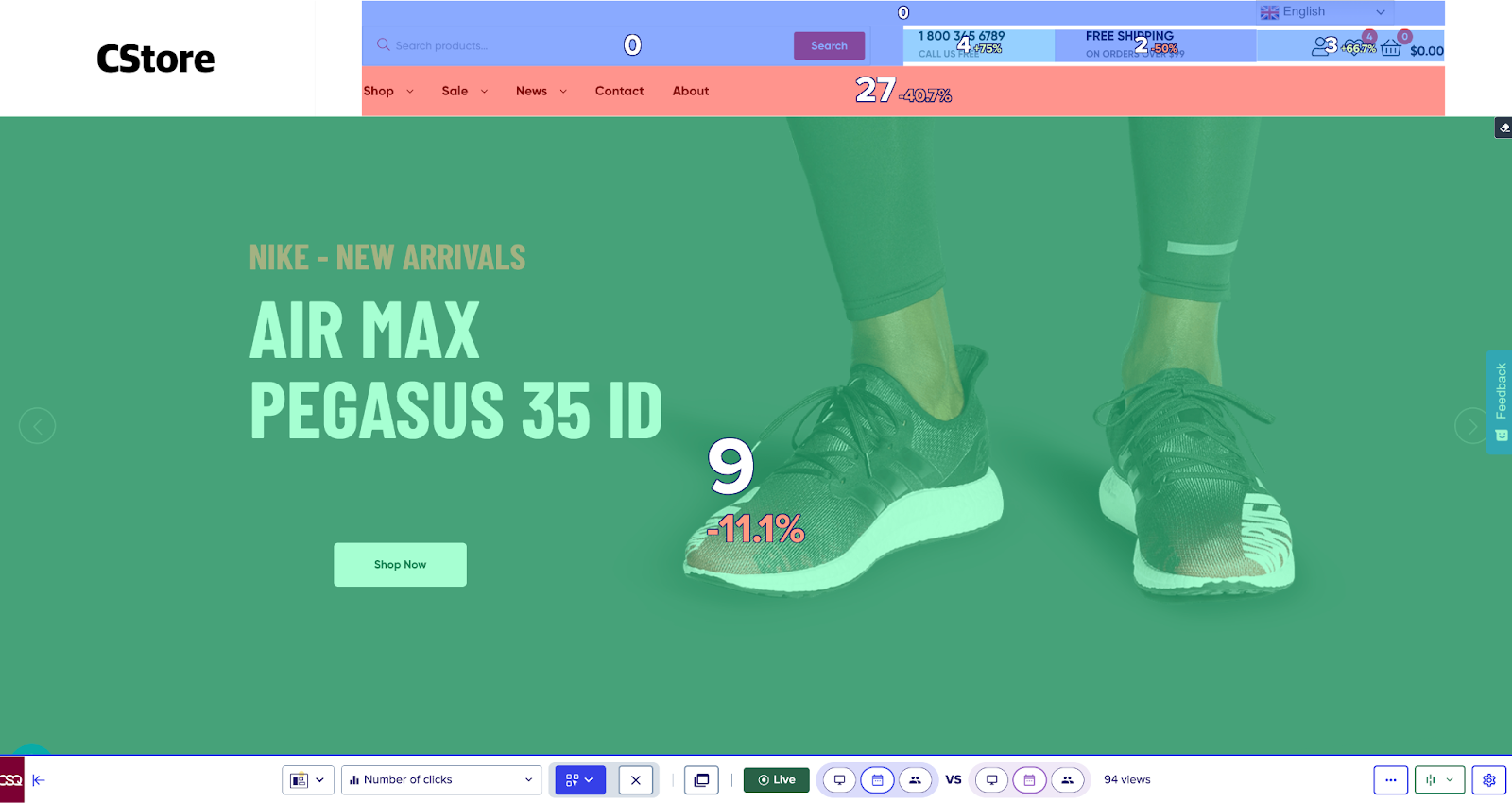
At the core of both platforms is the ability to visualize how users interact with web elements. However, the technical execution of these visualizations varies significantly. Crazy Egg offers five distinct heatmap types: Click, Scroll, Confetti, Overlay, and List. The "Confetti Map" remains a standout technical feature in the industry, allowing analysts to segment click patterns by over 20 audience filters—such as referral source, device type, or geographical location—directly on the visual map. This provides immediate insight into how different traffic segments behave on the same landing page.
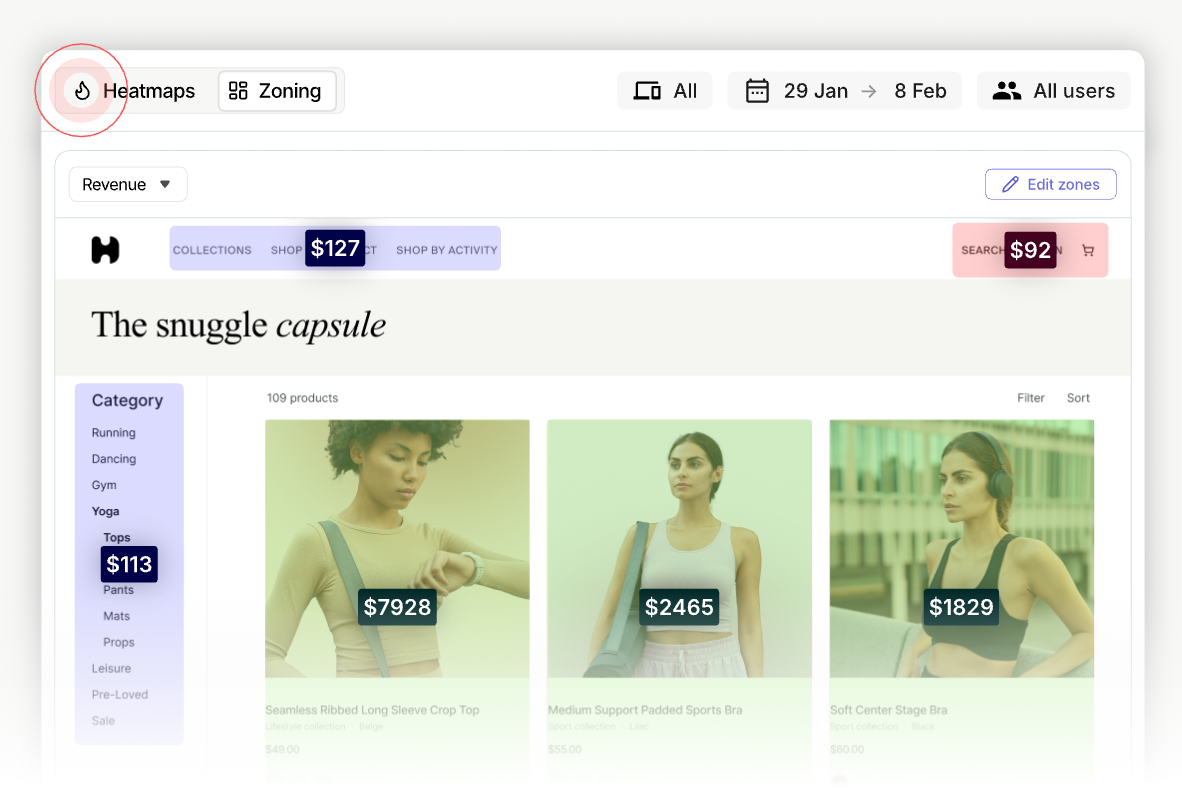
Contentsquare’s signature capability lies in its "zone-based" heatmaps. This methodology allows users to draw specific zones around page elements to see engagement, conversion, and revenue metrics tied to those individual components. This is particularly valuable for large-scale e-commerce operations where the direct financial impact of a specific banner or call-to-action (CTA) must be quantified. While Crazy Egg’s "Overlay" maps provide similar engagement data for clickable elements, Contentsquare’s integration of revenue metrics into the visual layer offers a more direct link to the bottom line for retail-heavy organizations.
Data Retention and Session Replay Capabilities
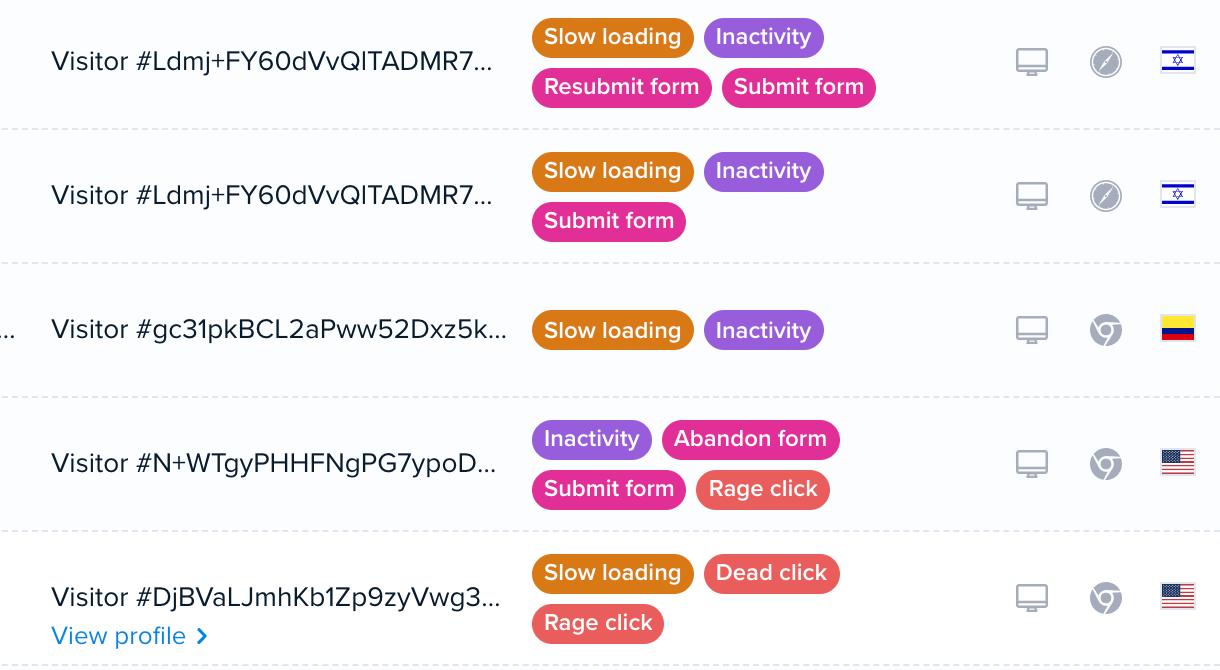
In the realm of session recordings, the divergence between the two platforms becomes a matter of infrastructure and compliance. Crazy Egg’s session recordings are auto-tagged with 13 event types, including behavioral triggers and form abandonment markers. Crucially for enterprise compliance and historical trend analysis, Crazy Egg offers a default data retention period of six months to two years. This allows businesses to compare seasonal user behavior—such as Black Friday performance—year-over-year without losing access to raw session data.

Contentsquare utilizes a different sampling and retention model. While its Free plan is generous with session volume, capturing up to 200,000 sessions per month, it caps actual replays at a significantly lower number (10,000). Furthermore, Contentsquare’s default data retention typically ranges from 30 to 90 days. While a 24-month extension is available on Pro and Enterprise tiers, it is often treated as a premium add-on. For organizations that require extensive historical audits or longitudinal studies of user behavior, the retention policies of the chosen platform represent a significant strategic consideration.

Strategic Optimization: Native A/B Testing vs. Third-Party Integration
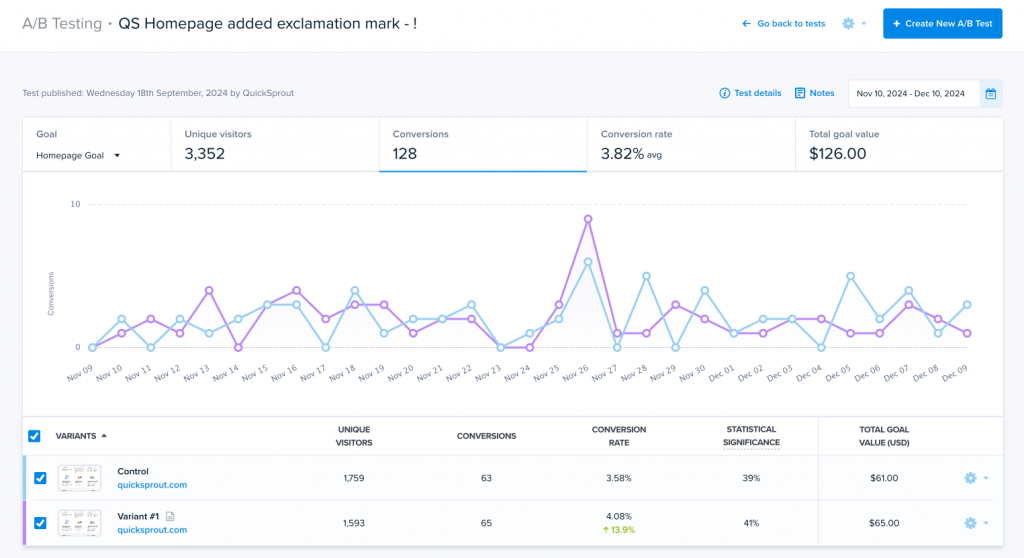
The approach to experimentation marks one of the most fundamental differences between the two suites. Crazy Egg includes a native A/B testing engine within its subscription model. This tool features a visual editor that allows non-technical users to modify page elements and run split-URL tests. It also utilizes "multi-armed bandit" (MAB) algorithms, which automatically shift traffic toward the winning variant in real-time, minimizing the "regret" or lost conversions often associated with traditional fixed-split testing.
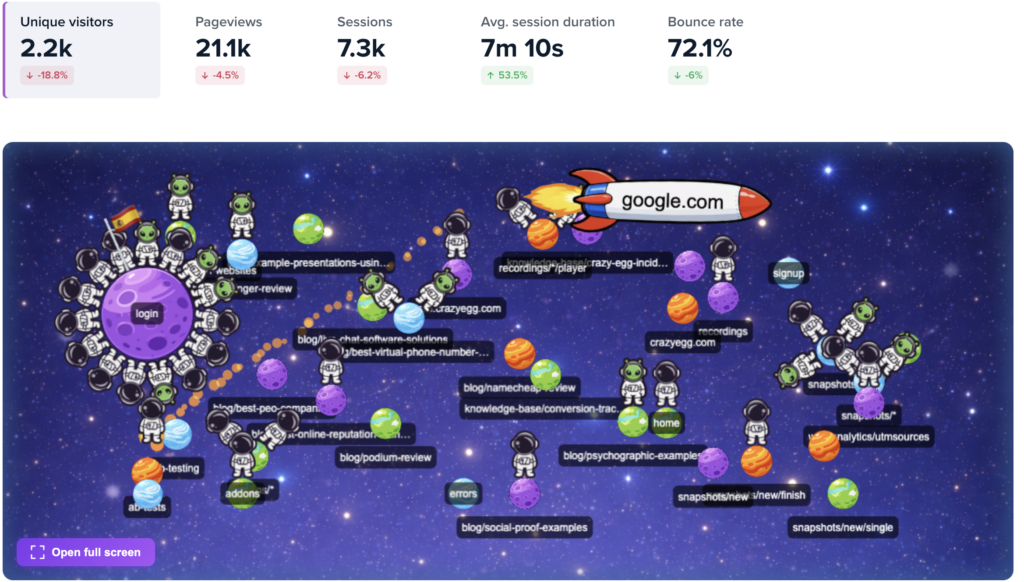
Conversely, Contentsquare does not offer a native A/B testing tool. Instead, it provides an "A/B Test Analysis" layer designed to ingest data from third-party platforms like Optimizely, AB Tasty, or Kameleoon. For enterprise organizations that already possess a mature experimentation stack, Contentsquare’s ability to overlay behavioral insights onto external test results is a powerful asset. However, for organizations seeking to consolidate their tech stack and reduce vendor overhead, Crazy Egg’s bundled approach offers a more streamlined workflow.
The Qualitative Dimension: Surveys and Voice of Customer (VoC)
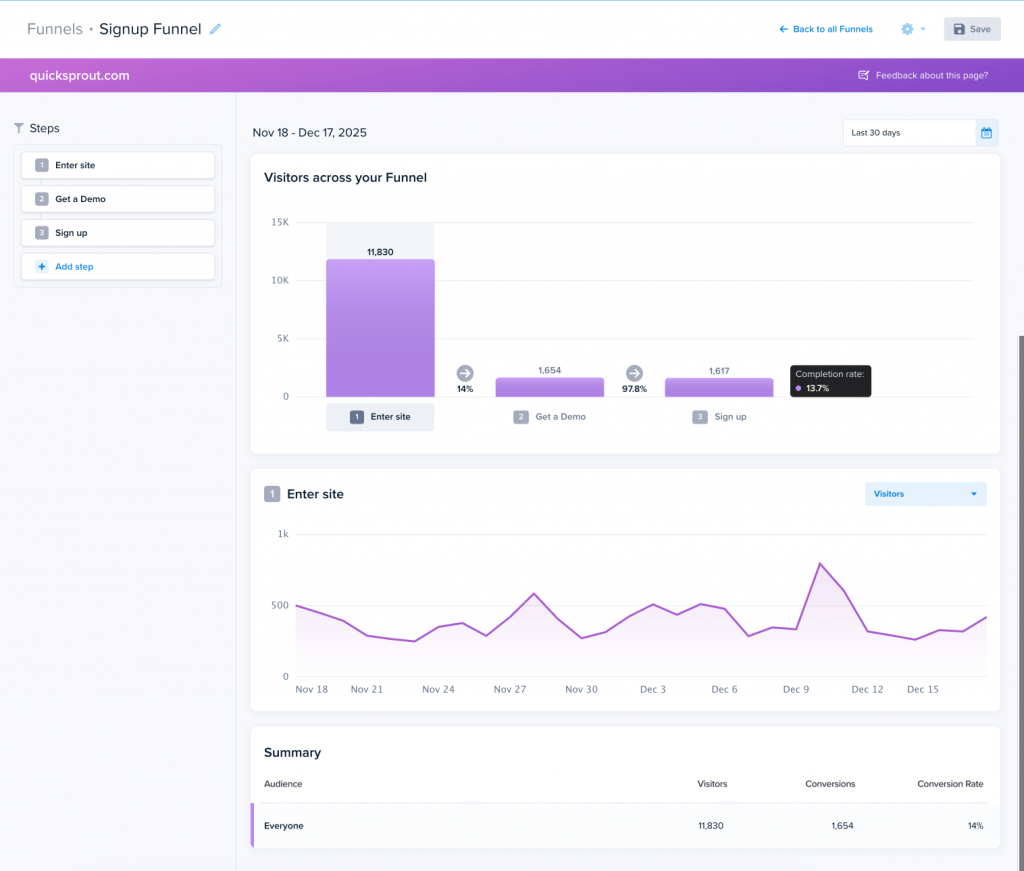
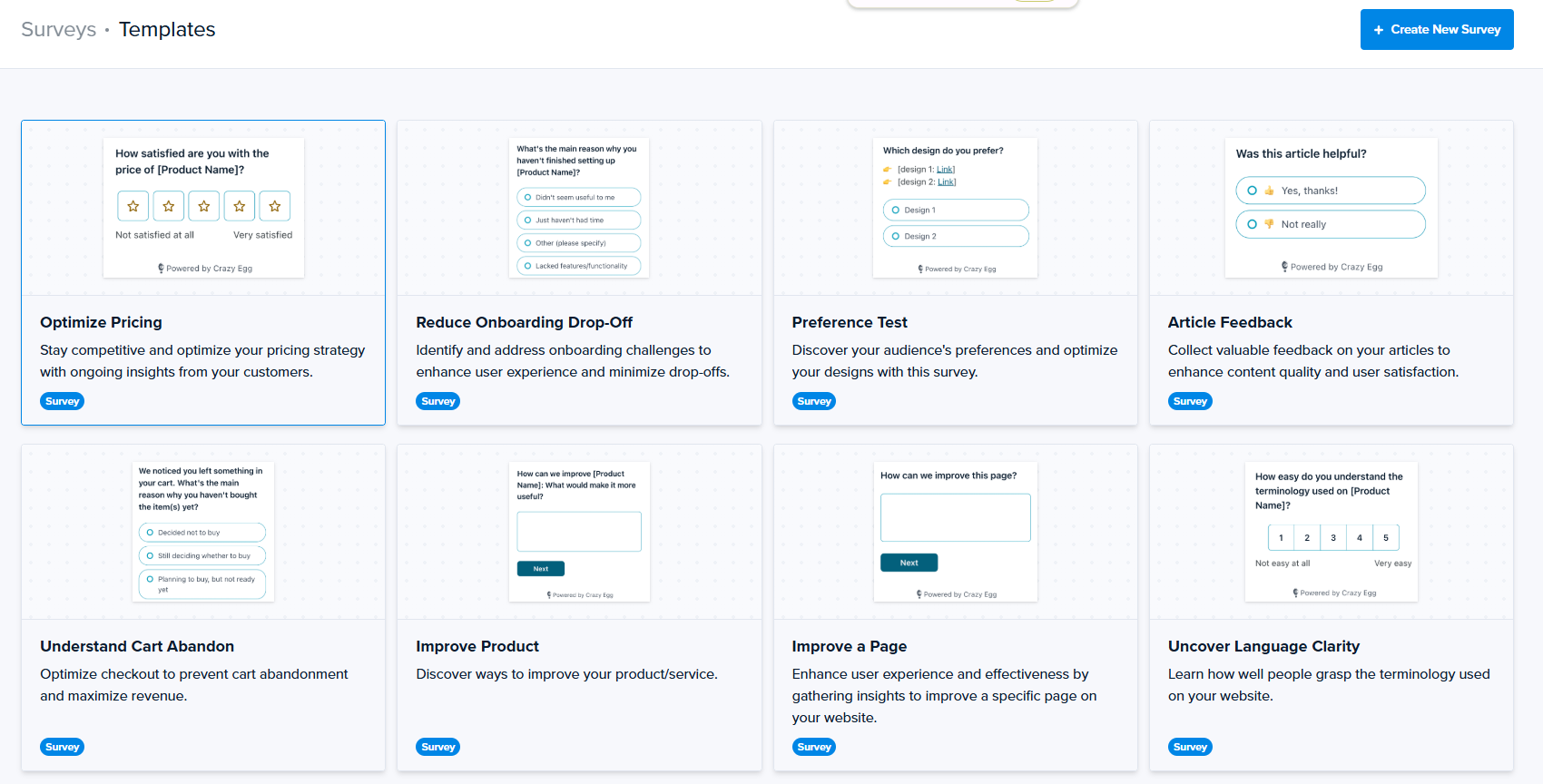
Understanding the "why" behind user behavior requires qualitative feedback. Crazy Egg integrates surveys into every plan, including its free tier, with no caps on response volume. These surveys are equipped with AI sentiment analysis for open-text answers and are directly linked to the specific session recording of the respondent. This allows an analyst to watch exactly what a user did on the site immediately before they left a negative or positive review.
Contentsquare treats "Voice of Customer" as a separate product module with its own pricing structure. While a basic version exists, advanced features such as AI analysis, embedded surveys, and sophisticated behavioral targeting require a separate subscription starting at approximately $79 per month. For large enterprises, this modular approach allows for customization but can lead to a higher total cost of ownership (TCO) compared to the bundled qualitative tools found in the Crazy Egg ecosystem.
Technical Resilience and Error Tracking
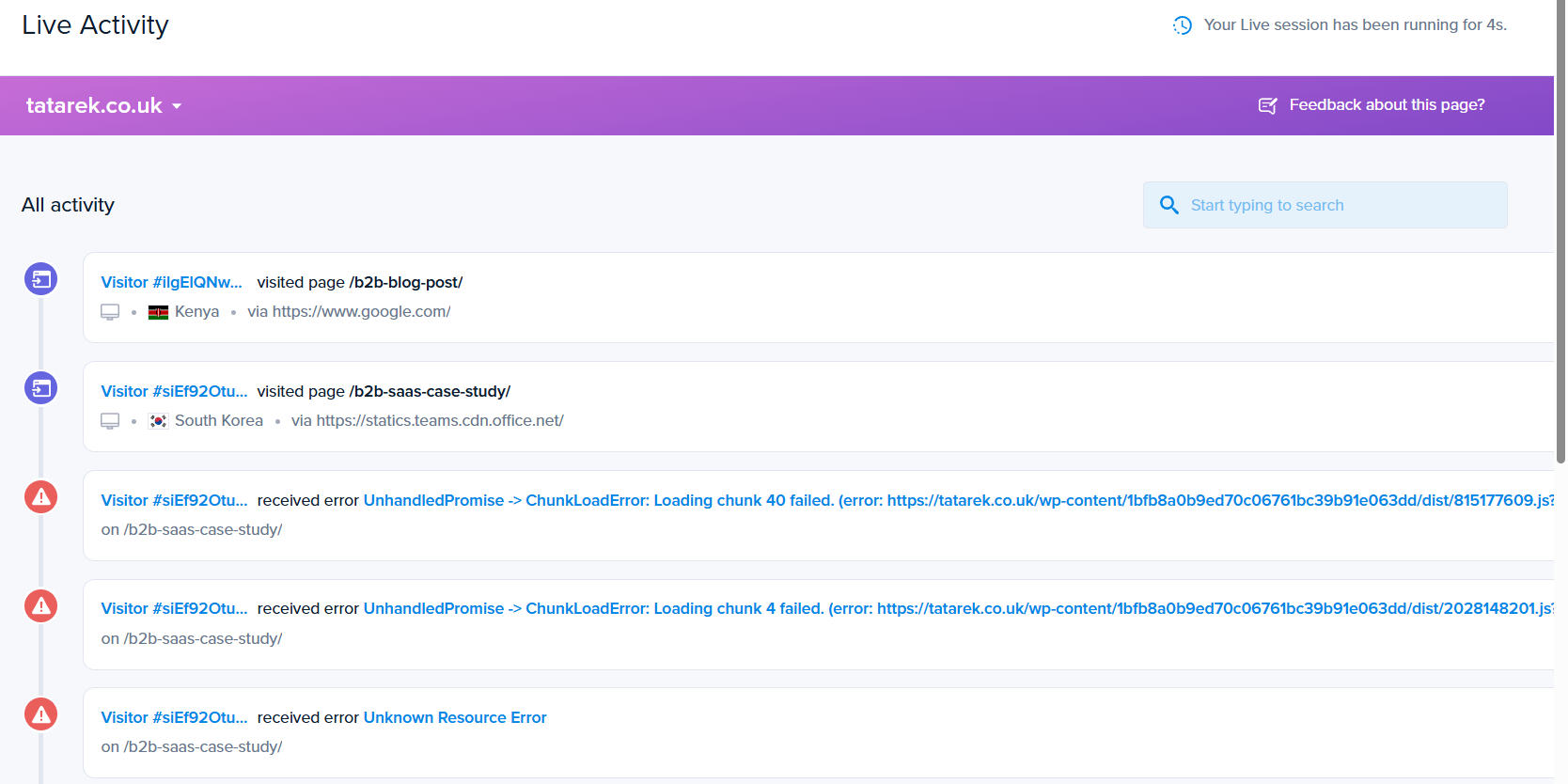
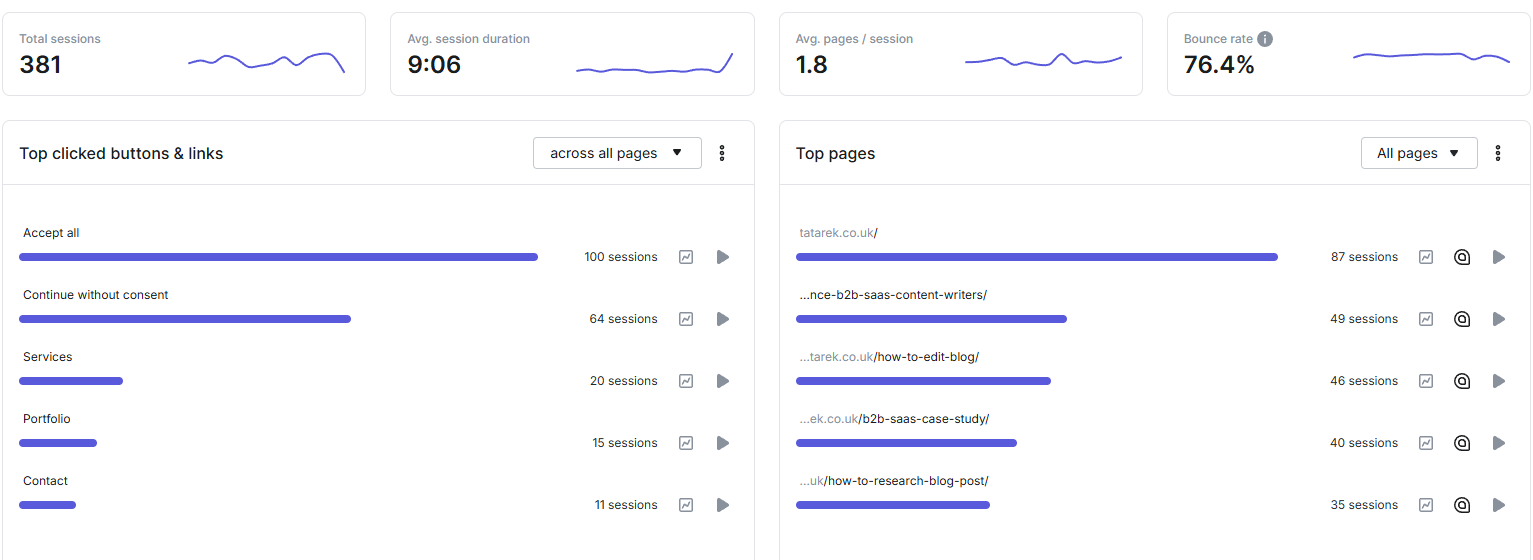
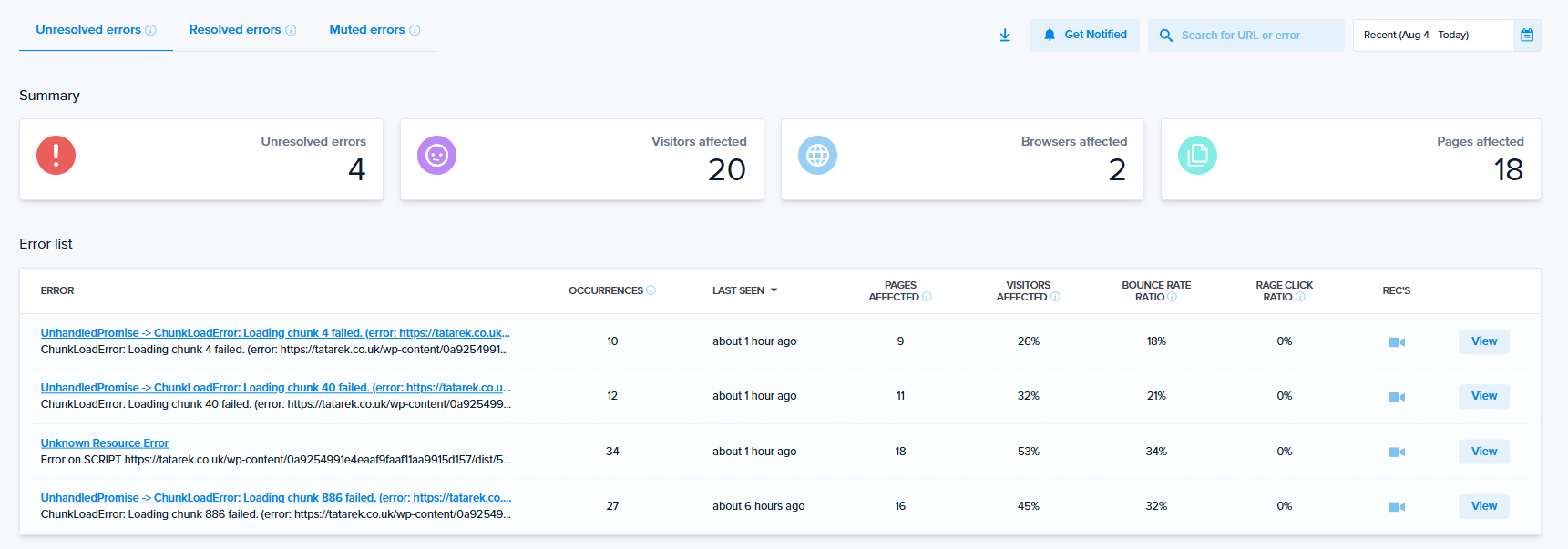
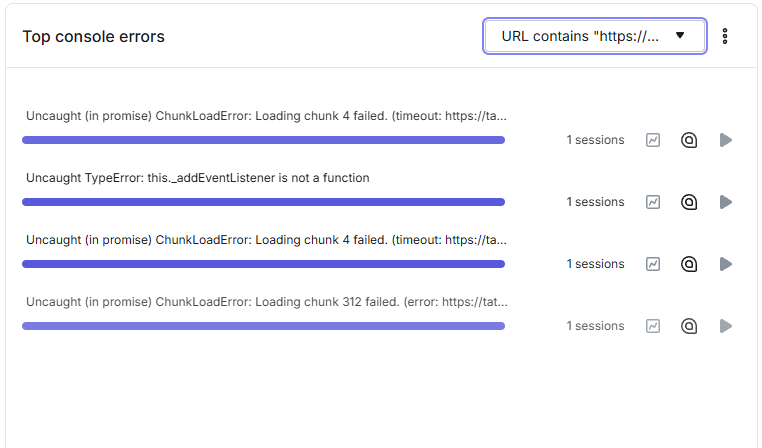
As web applications become more complex, the intersection of UX and technical performance has become vital. Crazy Egg’s error tracking captures JavaScript errors along with the full stack trace, browser context, and device information. By linking these errors to session recordings, developers can watch a "video" of the bug occurring, drastically reducing the time required for reproduction and triage.
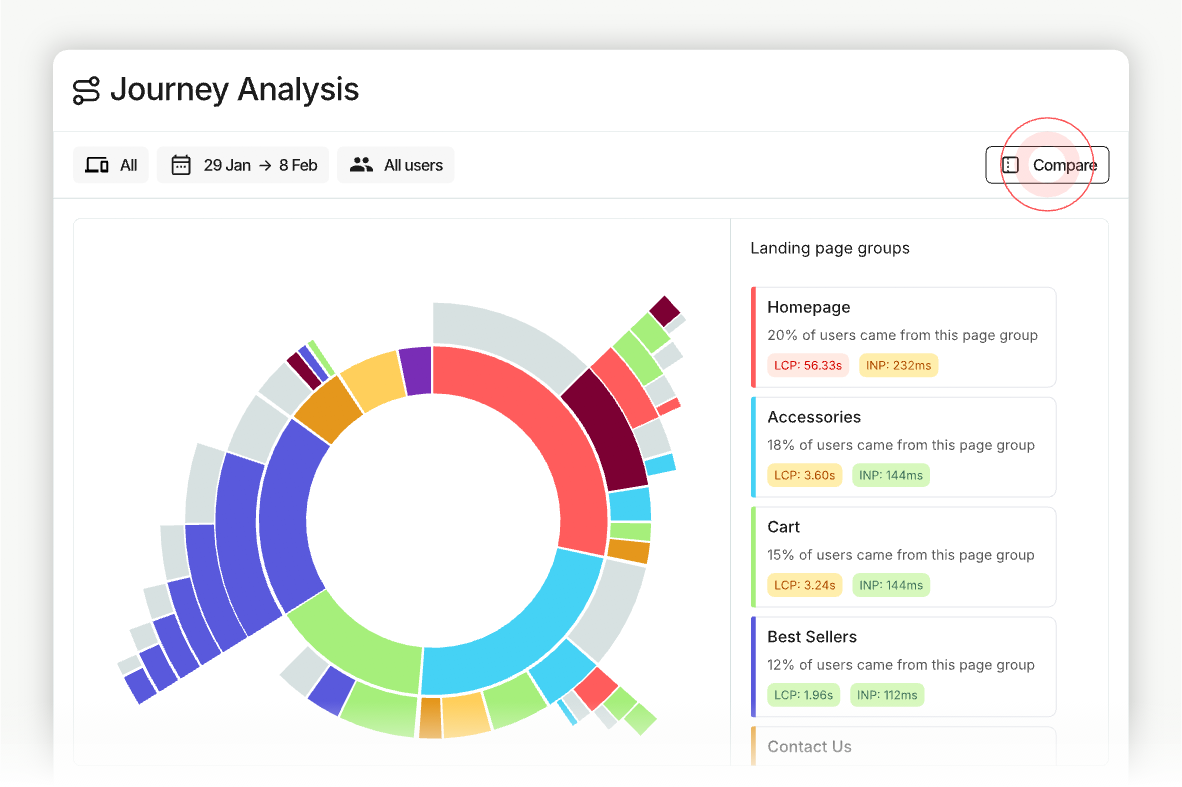
Contentsquare’s error analysis is gated behind its higher tiers, though basic JS error tracking is available on lower plans. The Enterprise version of Contentsquare’s error layer is highly sophisticated, offering a "Quantify" feature that measures the missed revenue impact of specific technical glitches. It also integrates natively with Jira, allowing for a seamless transition from insight to ticket creation within an enterprise engineering workflow.
The AI Frontier: MCP and Agentic Workflows
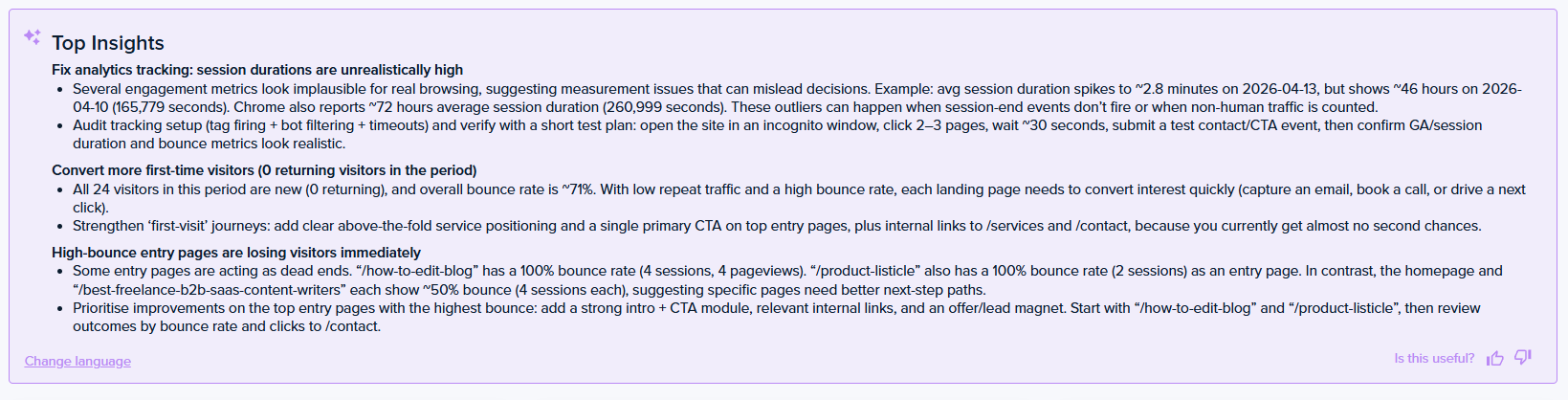
Both platforms are currently in an "arms race" to integrate generative AI. Crazy Egg has introduced the Model Context Protocol (MCP) connector, which allows data teams to query their behavioral data directly from AI models like Claude or ChatGPT. This enables "agentic" workflows where an AI can analyze a heatmap, identify a friction point, and draft a prioritized optimization plan.
Contentsquare has deployed its "Sense" AI stack, which includes session summaries and a conversational interface for querying data. While powerful, some of Contentsquare’s most advanced AI features, such as the "Sense Analyst" agent, are sold as paid add-ons even at the Enterprise level. This highlights the differing philosophies of the two companies: Crazy Egg focuses on democratizing AI tools across its user base, while Contentsquare treats AI as a premium extension of its core analytics engine.
Financial Analysis: Total Cost of Ownership
The most stark contrast between the two platforms lies in their pricing models and transparency. Crazy Egg operates on a transparent, monthly subscription model ranging from $29 to $599 per month. An enterprise-level deployment for 1,000,000 tracked pageviews costs approximately $7,188 per year.
Contentsquare’s pricing is sales-led and significantly higher, reflecting its positioning as a heavy-duty enterprise platform. Market data from procurement platforms like Vendr and SpendHound indicates that real-world enterprise contracts for Contentsquare average approximately $154,400 per year, with high-traffic deployments reaching $500,000 or more. Additionally, many Contentsquare contracts include annual price escalators of 3% to 5%.
Market Implications and Strategic Choice
The decision between Crazy Egg and Contentsquare represents a choice between two different organizational philosophies. Crazy Egg is optimized for teams that value speed, transparency, and a high feature-to-price ratio. It is a "Swiss Army knife" for CRO that fits easily into the budget of mid-market firms and lean enterprise departments.
Contentsquare is built for organizations with massive data requirements and complex internal structures. It is the choice for companies that need to instrument mobile apps and web platforms in a single view and require warehouse-grade data exports for deep business intelligence.

As the digital landscape moves toward a privacy-centric, cookieless future, the value of first-party behavioral data provided by these platforms will only increase. Organizations must decide whether they require the high-resolution, high-cost "telescope" provided by Contentsquare or the versatile, integrated "microscope" offered by Crazy Egg to navigate the next era of digital commerce. For many, the choice will depend on whether their primary goal is broad journey analysis across a complex ecosystem or the rapid, iterative optimization of specific conversion funnels.







