

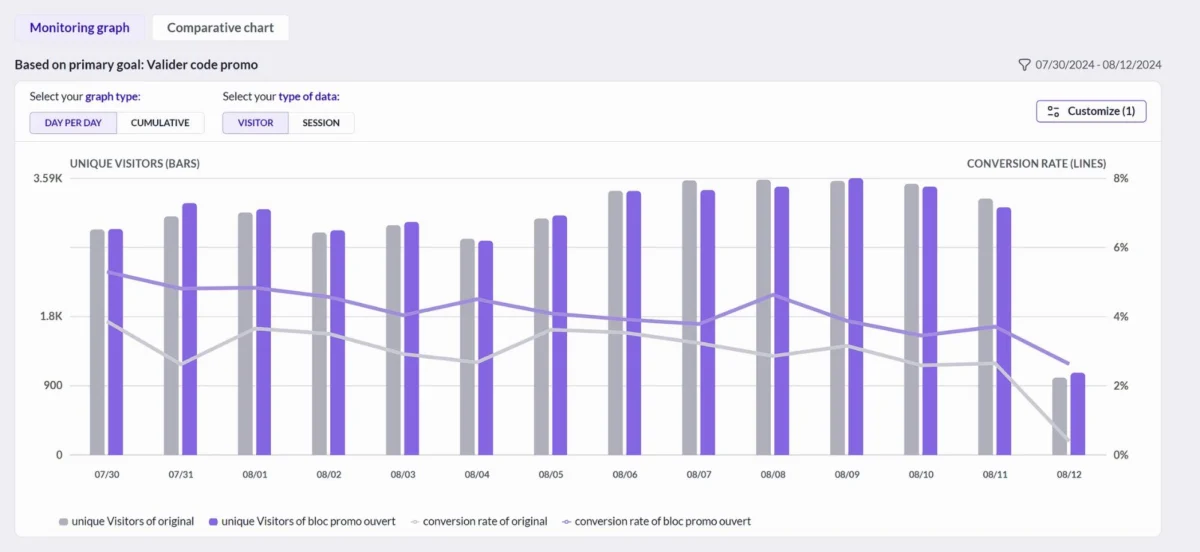
The landscape of conversion rate optimization (CRO) and digital experience monitoring has undergone significant shifts as of early 2026, characterized by high-level consolidations and the rapid integration of agentic artificial intelligence. For digital marketing teams and product managers, the choice between Crazy Egg and AB Tasty—now part of the Wingify group following its January 2026 merger with VWO—represents a fundamental decision between an all-in-one experimentation ecosystem and a specialized, high-velocity testing framework. While both platforms aim to reduce friction and increase conversion, they serve distinct market segments defined by budget, technical resource availability, and the existing software stack.
The 2026 CRO Market Context: Consolidation and Intelligence
The merger of AB Tasty and VWO in January 2026 marked a pivotal moment in the industry, signaling a move toward enterprise-level consolidation. This union, operating under the Wingify brand, has created a formidable competitor to legacy players like Adobe Target and Optimizely. Conversely, Crazy Egg has maintained its independence by doubling down on a vertically integrated model, providing a "full-stack" optimization workflow that includes behavioral analytics, testing, and AI-driven insights within a single subscription.
Industry analysts note that as the cost of customer acquisition (CAC) continues to rise, the ability to diagnose and fix user experience (UX) issues in real-time has become a survival requirement rather than a luxury. This has led to a divergence in tool philosophy: Crazy Egg focuses on democratizing CRO for teams of all sizes through transparency and ease of use, while AB Tasty targets the "upmarket" segment where complex, multivariate experimentation is the primary driver of revenue.
Chronology of Development and Strategic Mergers
The current capabilities of both tools are the result of a multi-year development race centered on AI and automation. In 2024 and 2025, both platforms shifted from descriptive analytics (telling you what happened) to prescriptive and agentic workflows (telling you what to do and executing it).
- January 2026: AB Tasty and VWO officially merge to form a unified entity under Wingify. This merger integrated AB Tasty’s "Evi" AI with VWO’s "Copilot" to create the "Wandz" AI layer.
- Mid-2025: Crazy Egg launched its Model Context Protocol (MCP) server, allowing users to connect their live behavioral data directly to Large Language Models (LLMs) like Claude and ChatGPT for autonomous analysis.
- Early 2026: AB Tasty launched "AdaptiveCX," a real-time intent prediction engine designed to personalize experiences for anonymous users without relying on historical cookies, a move driven by increasing global privacy regulations.
Core Feature Comparison: Testing and Experimentation
At the heart of both platforms is the ability to run experiments, yet the depth and technical execution differ significantly.
AB Tasty’s Testing Depth
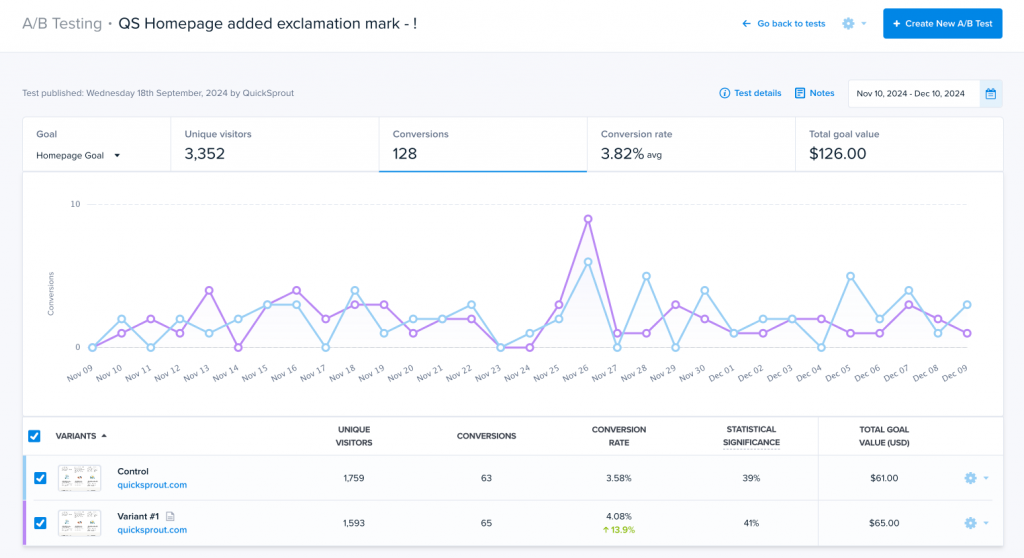
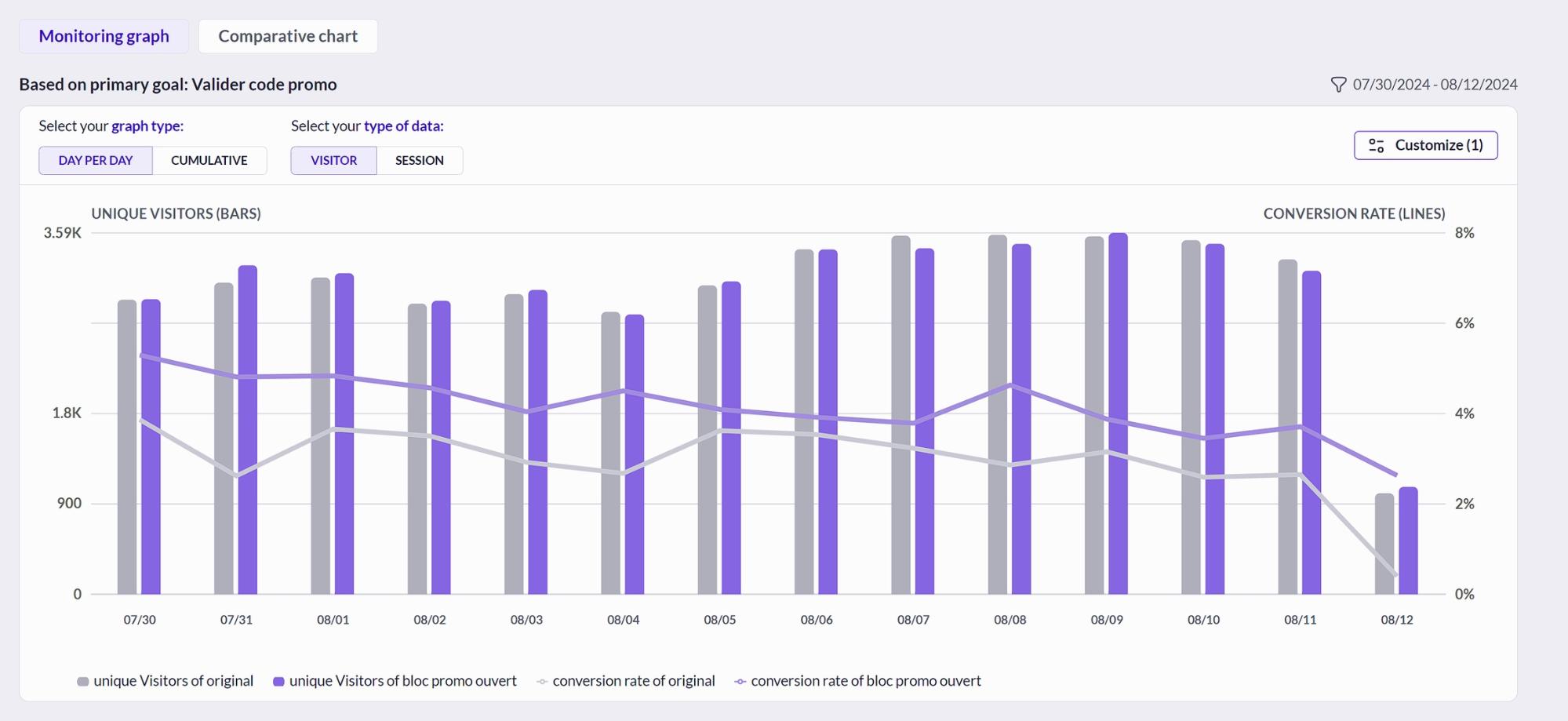
AB Tasty remains the more robust option for teams requiring complex experimental designs. Its Web Experimentation module supports not only standard A/B and split URL testing but also multivariate testing (MVT) and multi-page experiments. The platform’s "Mutually Exclusive Experiments" feature is particularly valuable for high-traffic enterprise sites, as it ensures that users are not exposed to multiple overlapping tests that could contaminate data. Furthermore, AB Tasty offers server-side testing and feature management, allowing engineering teams to test product features behind the scenes before a full rollout.
Crazy Egg’s Integrated Workflow
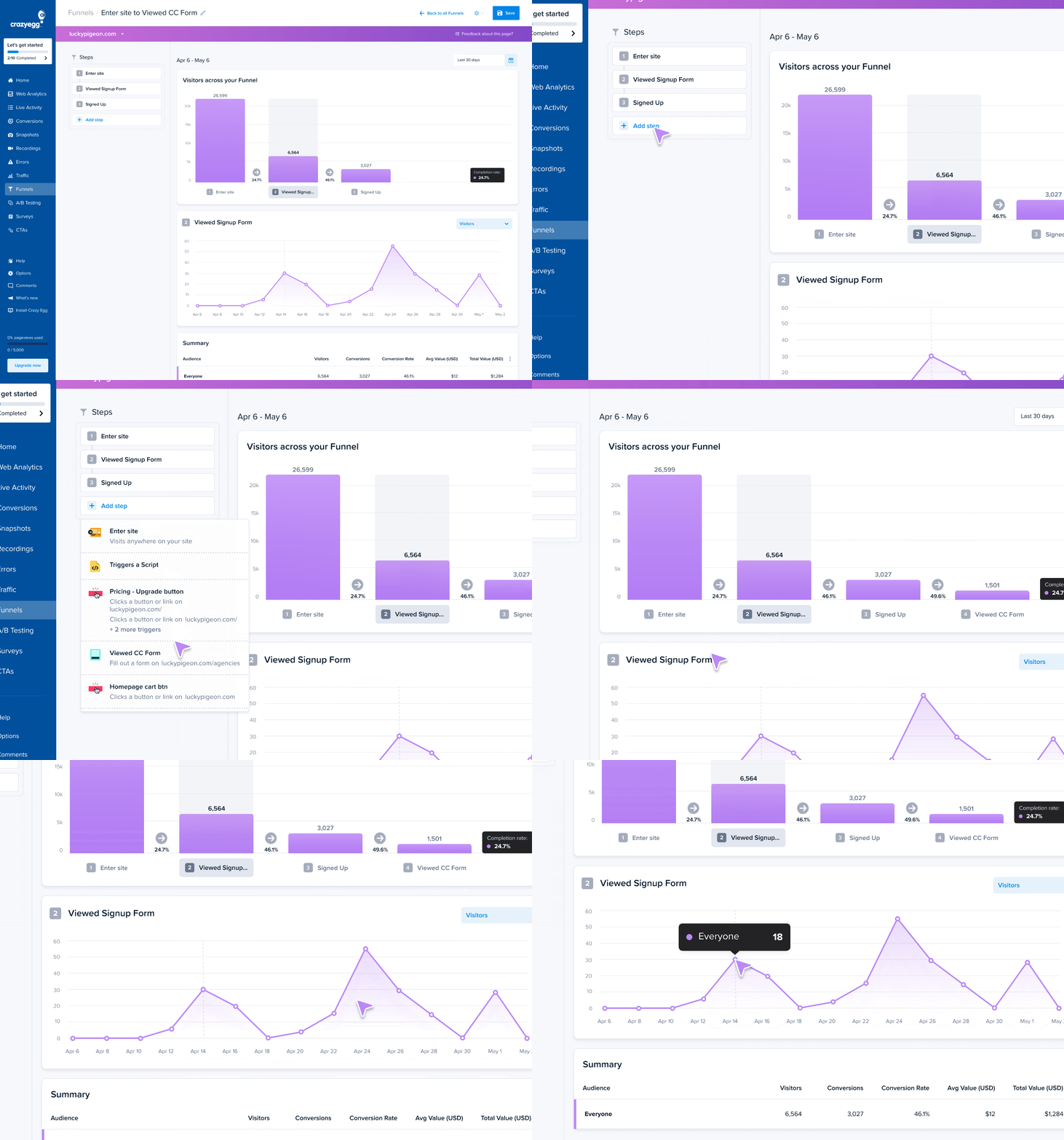
Crazy Egg approaches testing as one step in a larger optimization loop. While it lacks multivariate testing, it excels in visual-editor-based A/B testing and Multi-Armed Bandit (MAB) traffic allocation. The strategic advantage of Crazy Egg is its "native visibility." Every test variant automatically generates its own heatmap and session recordings. This allows marketers to not only see which variant won but to watch the specific user behaviors that led to the victory. For teams that prioritize rapid iteration over complex statistical modeling, this integrated view reduces the time from hypothesis to implementation.
Behavioral Analytics and Data Visualization
A major point of divergence lies in how the two platforms handle user behavior data.
The All-in-One Analytics of Crazy Egg
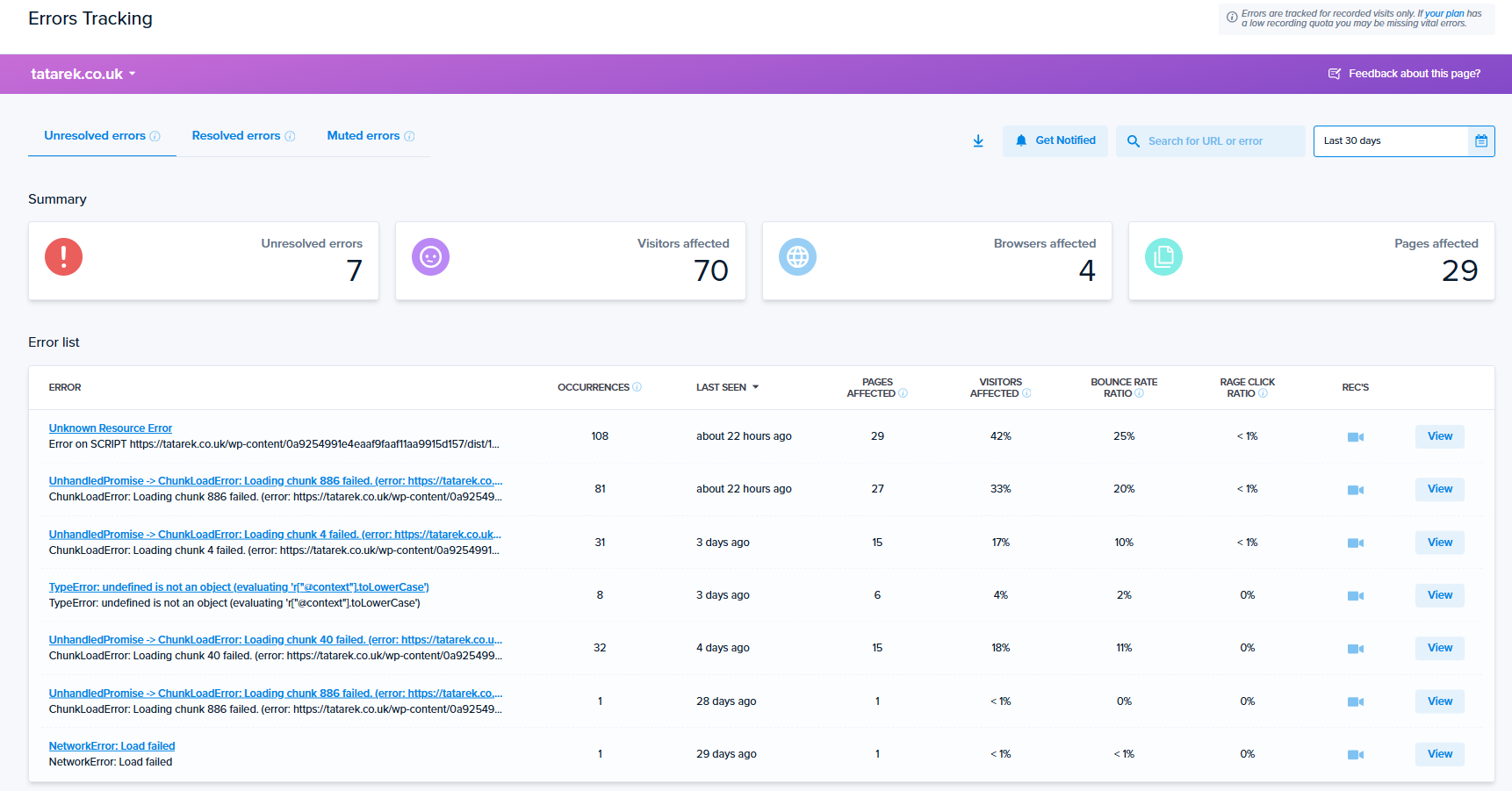
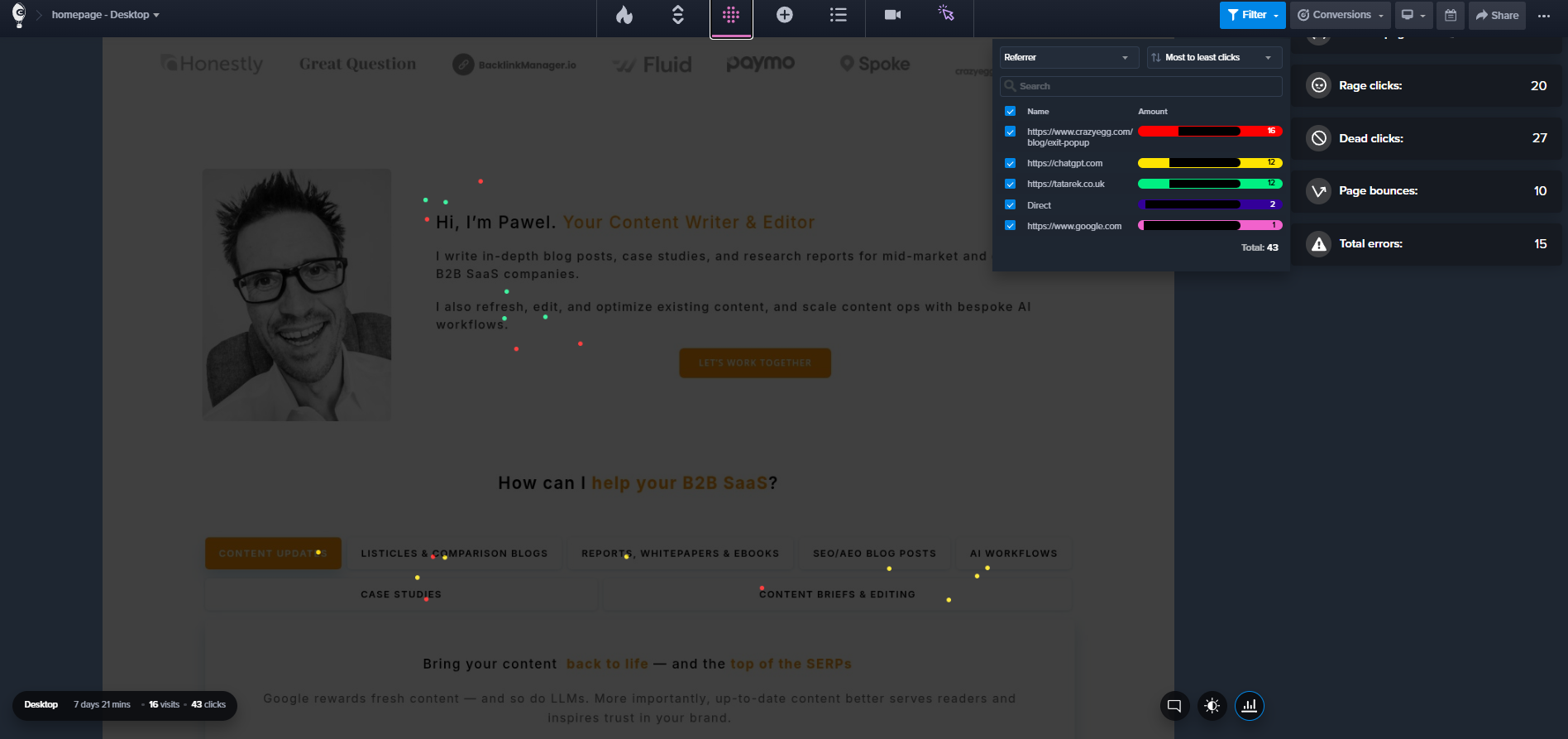
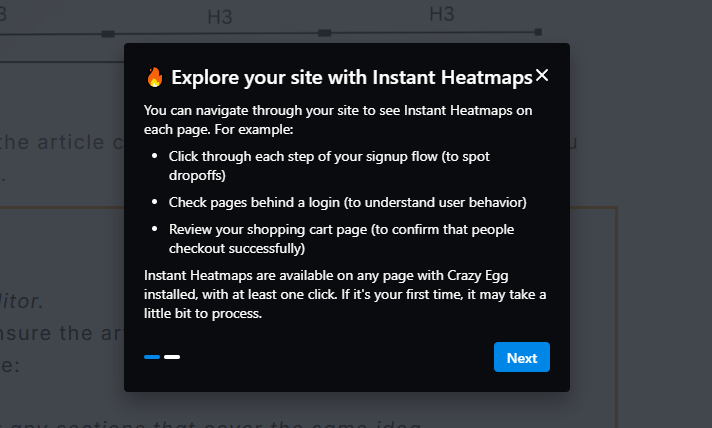
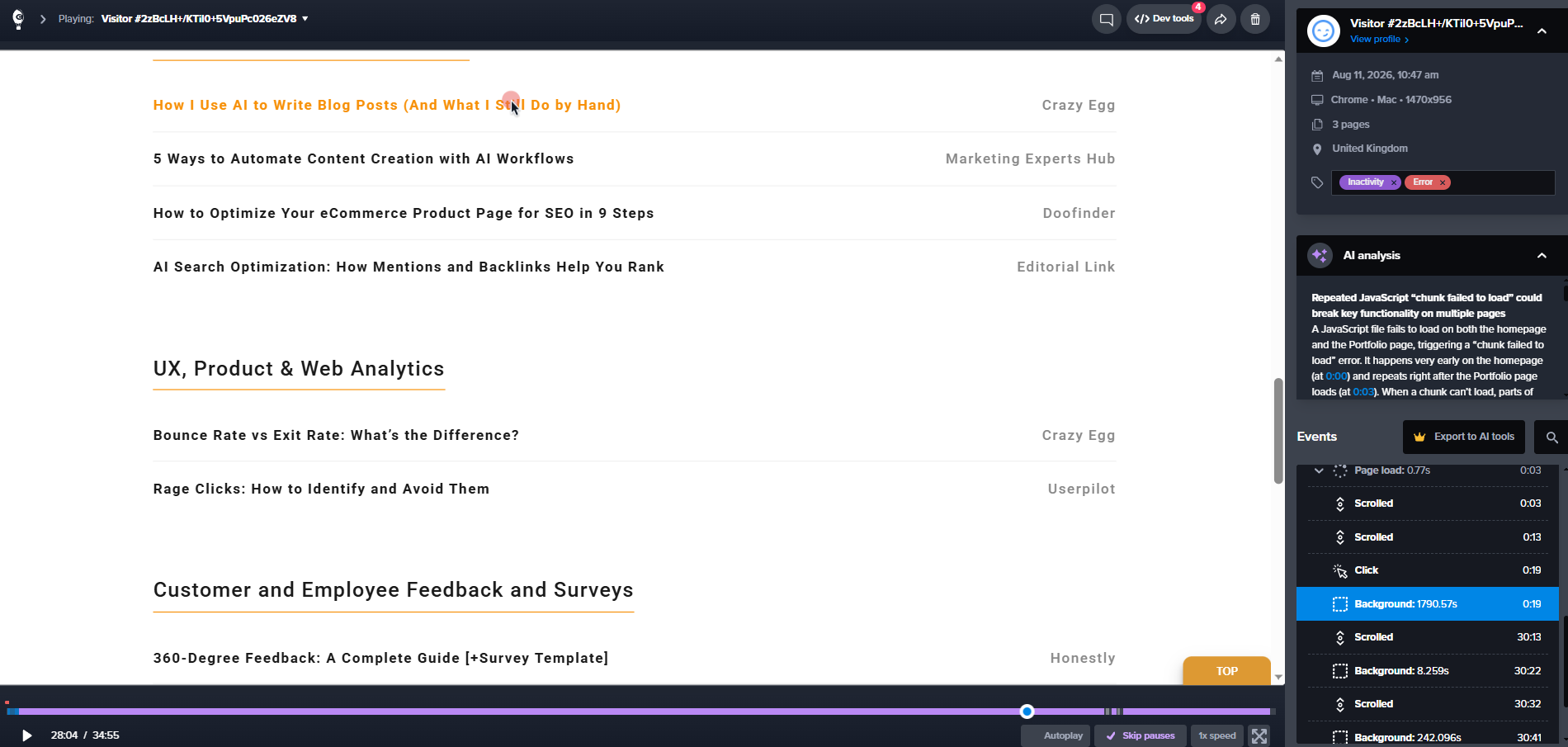
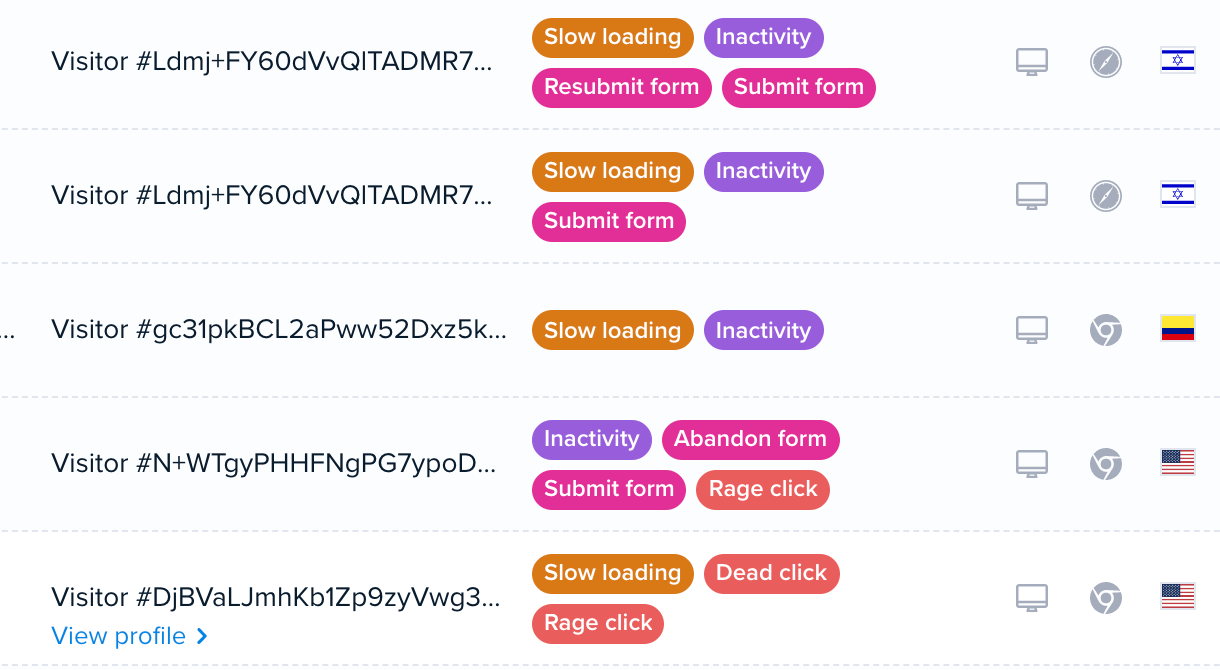
Crazy Egg provides a native suite of behavioral tools that AB Tasty does not include by default. This includes five types of heatmaps (Click, Scroll, Confetti, Overlay, and List) and "Instant Heatmaps" that require no manual setup. Additionally, Crazy Egg features a native session recording module and a JavaScript (JS) error tracking system. When a user encounters a bug, Crazy Egg links the error log directly to the session recording, allowing developers to see the exact context of the failure.
AB Tasty’s Integration-First Model
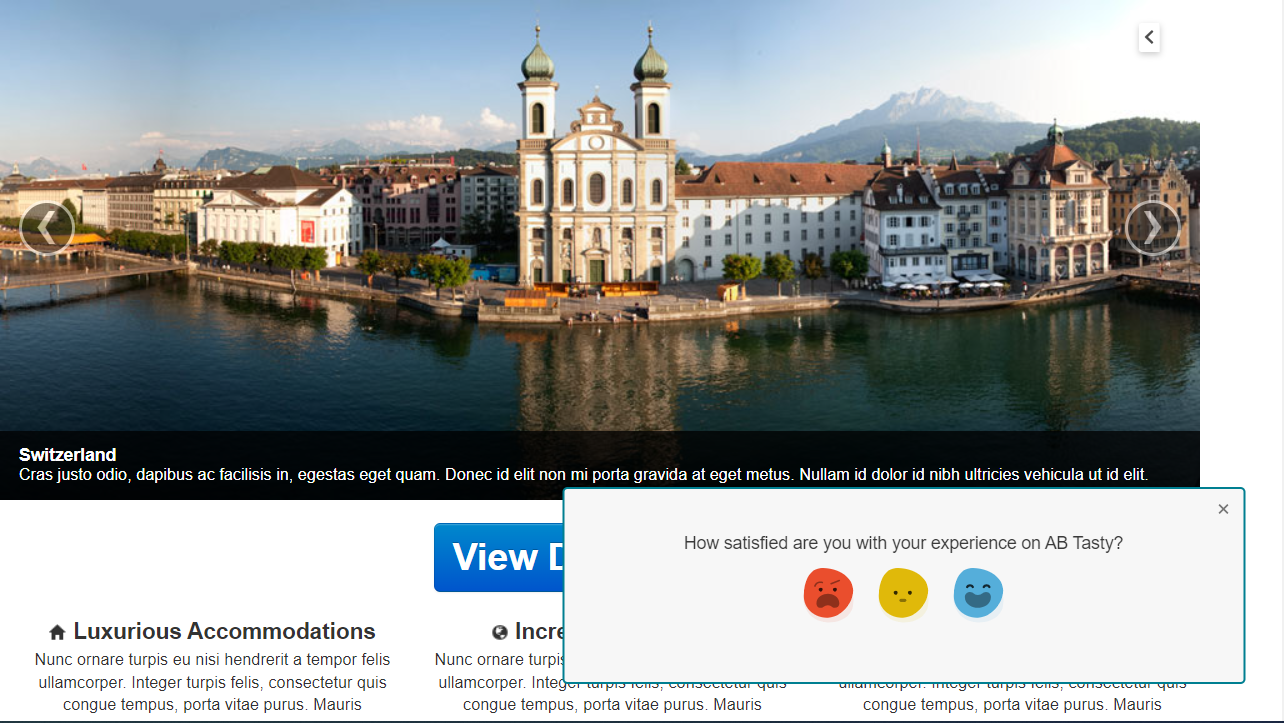
In contrast, AB Tasty does not offer a standalone heatmap or session replay module. Instead, it relies on deep integrations with third-party tools like FullStory, Contentsquare, and Microsoft Clarity. While this allows enterprise teams to use "best-of-breed" tools, it significantly increases the total cost of ownership (TCO). AB Tasty’s only native behavioral analysis tool is "EmotionsAI," which uses mouse movement and scroll signals to classify users into emotional profiles (e.g., "hesitant," "hurried"). While powerful for segmentation, it does not provide the visual diagnostic capabilities of a heatmap.
The AI Frontier: Wandz vs. MCP and Tasks
Artificial intelligence has become the primary differentiator in 2026.
AB Tasty’s Wandz AI is a proprietary layer that handles everything from generating test ideas to "synthetic testing"—using AI agents to simulate how a user might react to a page before it goes live. This is aimed at reducing the risk of a "failed" test. Wandz also includes "Autopilot," which autonomously manages traffic allocation based on real-time performance.
Crazy Egg’s AI Strategy is built on "bring-your-own-LLM" and automated task management. Its MCP server allows power users to query their data directly from AI coding assistants like Cursor or Copilot. For less technical users, Crazy Egg’s "Tasks" feature (currently in early access) automates the CRO cycle: it analyzes reports, identifies friction points, drafts page variants, and presents a prioritized list of recommendations to the user.
Pricing Structures and Return on Investment (ROI)
The financial commitment required for these tools places them in entirely different budget categories.
| Plan Tier | Crazy Egg (Annualized/Mo) | AB Tasty (Estimated/Mo) |
|---|---|---|
| Starter/Entry | $29/mo (Standard CRO) | N/A (Quote-based only) |
| Mid-Market | $249/mo (5k Recordings) | ~$1,200 – $3,500/mo |
| Enterprise | $599/mo (1M Pageviews) | $6,500 – $12,500+/mo |
Data from procurement platforms like Vendr suggests that enterprise deployments of AB Tasty often range from $80,000 to over $150,000 per year, depending on session volume and the inclusion of the Wandz Advanced tier. Crazy Egg’s most expensive public plan is $599 per month ($7,188 annually), making it an order of magnitude more affordable for organizations that do not require server-side feature flagging or complex multivariate testing.
Security, Compliance, and Data Sovereignty
Both platforms have achieved a high standard of data security to satisfy global enterprise requirements. Crazy Egg offers GDPR and CCPA compliance across all plans, with SAML SSO and Compliance Audit Logs available for Enterprise customers. AB Tasty provides a more localized data approach, allowing clients to choose whether their data resides in US, EU, or Indian data centers—a critical feature for government and healthcare sectors. AB Tasty also holds ISO 27001 and SOC 2 certifications, which are often prerequisites for Fortune 500 procurement departments.
Official Reactions and Industry Implications
While official statements from the Wingify group emphasize "synergy" and "market-leading AI," competitors have noted that the merger has created an opening for more agile, transparently priced tools. "The consolidation at the top of the market has left many mid-sized companies feeling priced out," says one industry consultant. "Crazy Egg is positioning itself as the logical alternative for those who want enterprise-grade insights without the six-figure contract."
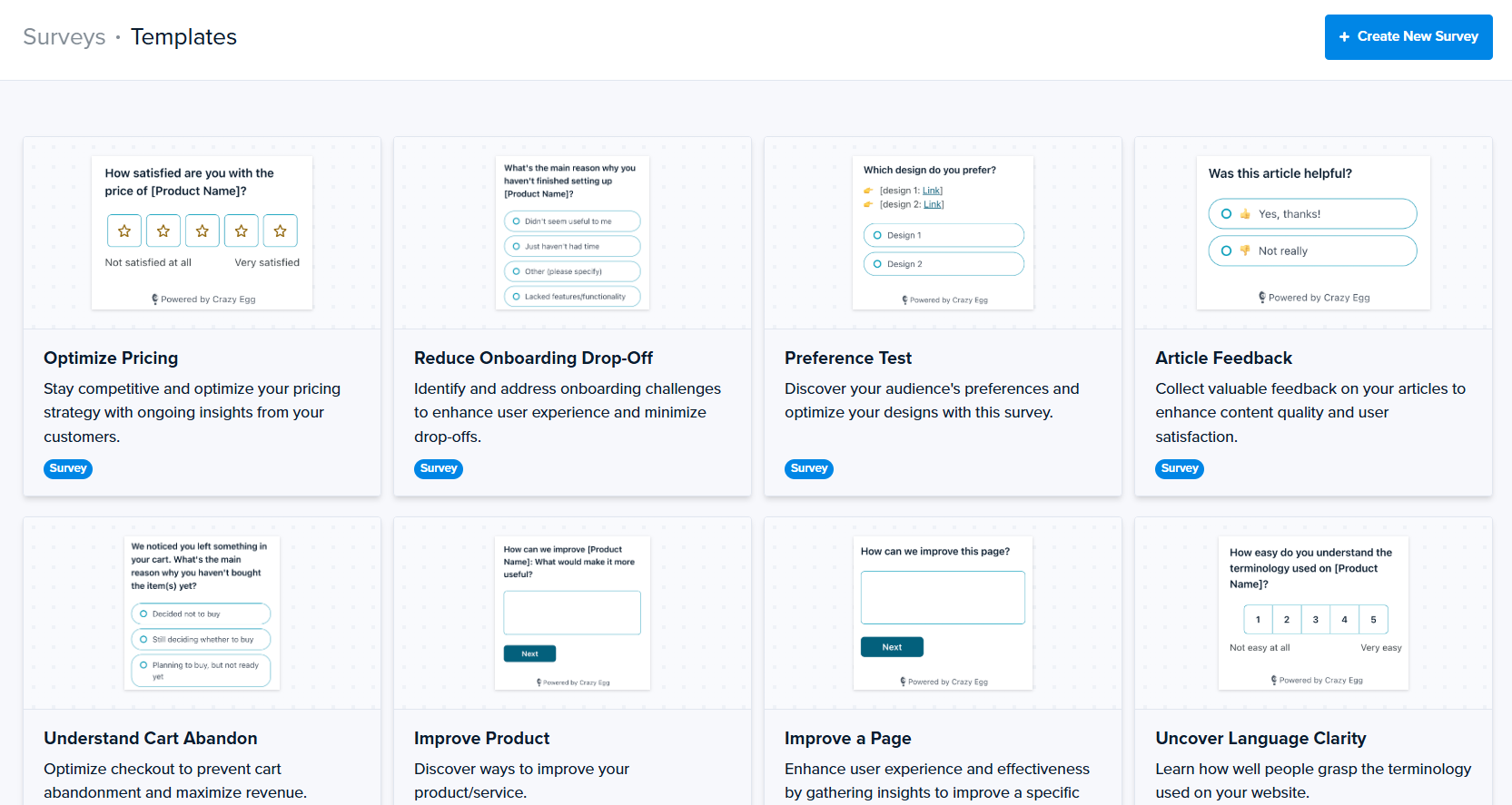
The broader implication for the industry is the shift toward "Autonomous CRO." As both Crazy Egg and AB Tasty integrate more agentic AI, the role of the CRO specialist is changing from a data analyst to a "loop manager" who oversees the AI’s hypotheses and implementations.
Final Verdict: Strategic Alignment
The choice between Crazy Egg and AB Tasty ultimately depends on the maturity of the organization’s experimentation program.
Choose AB Tasty (Wingify) if:
- You have a dedicated team of data scientists and developers for experimentation.
- You require server-side testing and feature management for product engineering.
- You already use high-end analytics tools like Adobe Analytics or Contentsquare.
- You have an enterprise-level budget and require dedicated, 24/7 account management.
Choose Crazy Egg if:
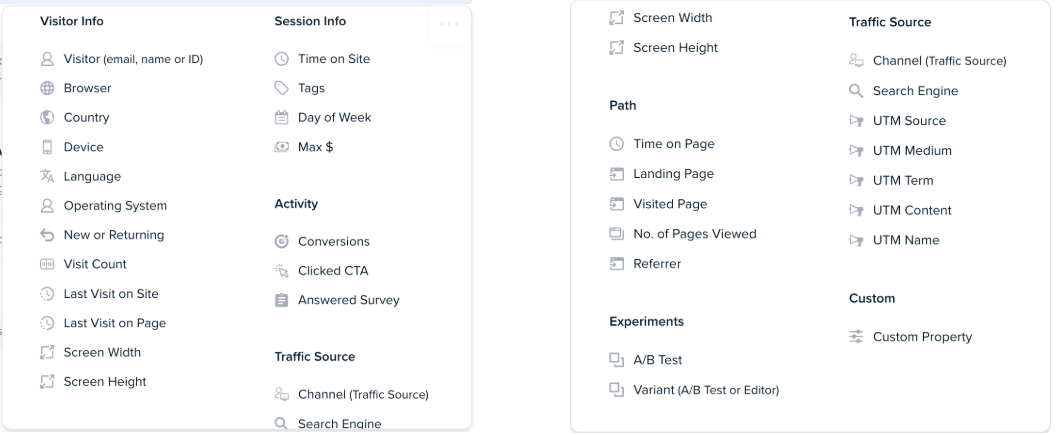
- You want a single, integrated platform that handles analytics, heatmaps, and testing.
- You need to move quickly with a small team and require AI to do the "heavy lifting" of data analysis.
- You prioritize transparent, predictable pricing without the need for lengthy sales negotiations.
- You want to link your behavioral data directly to LLMs for custom, autonomous workflows.
As the 2026 fiscal year progresses, the data suggests a market bifurcating: AB Tasty is moving deeper into the enterprise product-engineering space, while Crazy Egg is solidifying its position as the primary optimization engine for growth-focused marketing teams. Organizations facing an AB Tasty renewal in the coming months are advised to audit their actual usage of multivariate features to determine if a switch to a more integrated, cost-effective platform like Crazy Egg aligns with their current ROI targets.







