rifanmuazin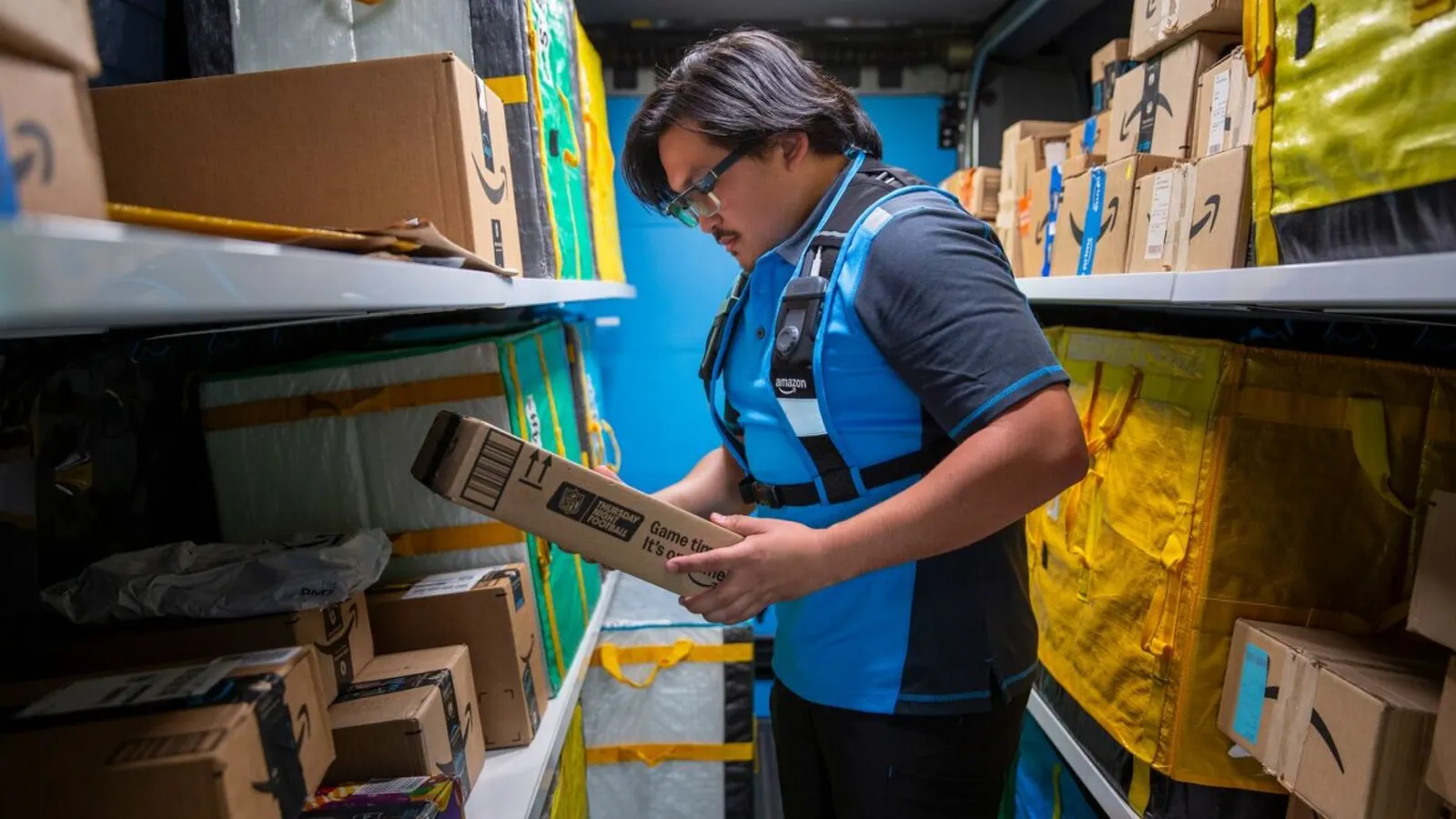
The role of the Chief Marketing Officer (CMO) is under increasing pressure, with CEO confidence in the position projected to fall to a mere 43% by 2026. This stark statistic, emerging from recent industry analyses, signals a critical juncture for marketing leaders, demanding a demonstrable shift from brand building to direct revenue generation. As this downward trend unfolds, marketers are grappling with evolving consumer behaviors, the pervasive influence of artificial intelligence (AI), and the strategic imperative to leverage global events for measurable growth. April’s data paints a complex picture, highlighting both the challenges and opportunities confronting the marketing profession.
The upcoming FIFA World Cup, scheduled for June and July, presents a significant global stage for advertisers. While consumer attention is gearing up for renewed international engagement, the digital advertising realm continues to be dominated by tech giants. Meta and Google, in particular, have reported robust ad revenue growth in the first quarter, a surge largely attributed to their advancements and integration of AI technologies. This performance underscores the enduring hold these platforms possess over the digital marketing ecosystem, even as other sectors experience significant shifts.
Modelo’s Bold Bet on Professional Soccer: A 125% Investment Surge Ahead of the World Cup
In a significant move signaling a strategic pivot towards a more expansive sports marketing approach, Modelo is dramatically increasing its investment in professional soccer. The brand is injecting a staggering 125% more capital into the sport compared to the previous year, marking its largest-ever commitment ahead of the 2026 FIFA World Cup. This multi-year, multi-faceted investment aims to embed Modelo deeply within the soccer fan experience across the United States, Canada, and Mexico, the host nations for the prestigious tournament.
The decision to amplify its soccer presence is strategically timed. The World Cup, a quadrennial event that captivates billions worldwide, offers an unparalleled opportunity for brands to connect with a diverse and engaged global audience. For Modelo, this means not only a substantial financial outlay but also a commitment to integrated marketing efforts. The brand will be a sponsor of every pre-match broadcast on Telemundo, ensuring a consistent presence during pre-game analysis and anticipation. Furthermore, Modelo plans to maintain a visible presence throughout the Spanish-language match broadcasts, targeting a key demographic for the brand.
Modelo’s global ownership lies with Anheuser-Busch InBev, while Constellation Brands manages its licensing and distribution within the United States. This international structure often influences global marketing strategies, and the heightened investment in soccer reflects a broader trend of major beverage companies leveraging major sporting events for brand visibility and consumer engagement.
The brand’s "Cerveza para Fútbol" (Beer for Soccer) platform encapsulates this ambition. While not an official FIFA World Cup sponsor, Modelo is employing a strategy similar to official partners by building its own narrative around the sport. This approach allows for creative freedom and a direct connection with fans, bypassing some of the traditional sponsorship complexities. This strategy echoes the efforts of other brands, such as Diageo’s Buchanan’s, which recently launched a music-forward campaign celebrating Latino heritage in anticipation of the tournament. Buchanan’s initiative highlights the cultural resonance of the World Cup, particularly within the Hispanic community, and aims to connect with consumers through shared heritage and passion for music, creating a complementary brand experience to the on-field action.
The significance of Modelo’s investment is amplified by its current market position. Modelo Especial has solidified its status as the most popular beer in the U.S. by dollars spent, accounting for a remarkable 10% of all beer sales nationwide. This dominance, however, has recently seen a challenge from Anheuser-Busch’s Michelob Ultra, which, as of late 2025, had ascended to become the top-selling beer by volume, overtaking Modelo. This competitive dynamic likely fuels Modelo’s aggressive marketing push, seeking to reinforce its market leadership and capitalize on the massive viewership the World Cup promises. The increased investment in soccer can be seen as a strategic countermeasure, aiming to solidify brand loyalty and attract new consumers through shared passion for the sport.
The Explosive Growth of Gaming and Esports Advertising: A 22% Surge in 2025
The digital entertainment landscape is experiencing a seismic shift in advertising, with video games and esports emerging as a dominant force. In 2025, advertising revenue within this sector, encompassing both digital and non-digital channels, witnessed an extraordinary surge of 22%. This represents a significant acceleration from the 8.7% growth recorded in 2024, as detailed in the Interactive Advertising Bureau (IAB) and PwC’s annual "Internet Advertising Revenue Report."
Several factors are contributing to this dramatic uptick. The report points to the evolution and expansion of in-game advertising formats, which are becoming more immersive and less intrusive. Advancements in measurement capabilities are also playing a crucial role, providing advertisers with clearer insights into campaign performance and ROI. Furthermore, the inherent nature of gaming environments – characterized by high user engagement and sustained attention – makes them highly attractive for brands seeking to capture audience focus in an increasingly fragmented media landscape.
Despite the vast and diverse audience that gaming commands, it has historically received a disproportionately small share of overall advertising budgets. However, this is rapidly changing. As marketers increasingly seek innovative avenues to connect with consumers, particularly younger demographics who are deeply entrenched in gaming culture, the sector is garnering significant attention and investment. The ability to reach these audiences within their preferred entertainment environments offers a compelling proposition.
Roblox, a prominent platform that has become a go-to destination for advertisers targeting gamers, exemplifies this trend. The company reported a robust first quarter with revenue reaching $1.4 billion, a substantial 39% year-over-year increase, according to its earnings transcript. In a move signaling further maturation and strategic refinement of its advertising ecosystem, Roblox announced significant changes to its advertising policies in mid-March. Beginning in 2027, the platform will implement a revenue-sharing model for in-game brand deals. This initiative is designed to stimulate greater advertising expenditure on the platform while simultaneously enhancing earnings for game creators, fostering a more robust and mutually beneficial marketplace. This strategic shift is expected to further professionalize in-game advertising and attract more significant brand investments.
The implications of this rapid growth in gaming advertising are far-reaching. It suggests a fundamental realignment of media consumption habits and, consequently, advertising strategies. Brands that effectively integrate into the gaming world can tap into highly engaged communities, build authentic connections, and drive measurable business outcomes. This trend also highlights the need for traditional media players to adapt and innovate to remain competitive in a landscape increasingly shaped by digital entertainment.
Amazon’s Ascendancy in Digital Advertising: Projected $82.07 Billion in Global Revenue for 2026
The digital advertising arena is undergoing a significant consolidation, with Amazon poised to become the third-largest player in terms of global ad revenue by 2026. Emarketer projections estimate Amazon will capture 9% of the global ad market, generating an impressive $82.07 billion. This places the e-commerce giant in close proximity to the established leaders, Google, which is predicted to hold 26.4% of the market, and Meta, projected to command 26.8%.
This concentration of advertising revenue among these three behemoths is attributed to a confluence of factors, including their advanced AI integration, extensive reach, and access to vast troves of first-party data. These elements combine to offer advertisers powerful tools for targeting, personalization, and campaign optimization. ByteDance, the parent company of TikTok, is expected to secure the fourth position, with its platforms TikTok and its Chinese counterpart Douyin collectively expected to capture 7.9% of the global market.
Amazon’s substantial investment in its marketing infrastructure over recent months has been a key driver of its advertising growth. The company has rolled out a comprehensive full-funnel solution designed to automate ad placements across a variety of formats, including streaming television. This strategic expansion into new advertising frontiers signals Amazon’s intent to leverage its extensive customer base and data capabilities to offer advertisers a more integrated and effective advertising experience.
The company’s first-quarter earnings further underscore this trajectory. Amazon reported $17.2 billion in advertising services revenue, representing a significant 22% year-over-year increase. This robust performance is a testament to Amazon’s growing dominance in the digital ad space and its ability to effectively monetize its vast e-commerce ecosystem and growing media offerings.
The implications of Amazon’s rapid ascent are profound for the broader advertising industry. It intensifies competition among major digital platforms and forces advertisers to critically evaluate their media mix and strategic allocation of budgets. The increasing reliance on AI and first-party data by these platforms also raises questions about data privacy, algorithmic transparency, and the potential for market concentration. As the digital advertising landscape continues to evolve at an unprecedented pace, the strategies and successes of players like Amazon will undoubtedly shape the future of how brands connect with consumers online.
Broader Implications for CMOs and the Future of Marketing
The confluence of declining CEO confidence in the CMO role, the global allure of events like the World Cup, the explosive growth of gaming as an advertising channel, and the continued dominance of tech giants in digital advertising presents a complex and challenging environment for marketing leaders. To navigate this landscape successfully, CMOs must demonstrate a clear and quantifiable impact on business growth. This requires a strategic reorientation, moving beyond traditional brand-building activities to embrace data-driven decision-making, agile campaign execution, and a deep understanding of emerging consumer behaviors.
The rise of AI is not merely a technological advancement; it is a fundamental shift that is reshaping the very fabric of marketing. CMOs who can effectively harness AI for personalization, optimization, and predictive analytics will be best positioned to drive efficiency and effectiveness. Simultaneously, the increasing importance of immersive environments like gaming necessitates a willingness to experiment with new platforms and creative formats.
The World Cup, while a significant opportunity, also highlights the challenges of breaking through the noise in a highly competitive sponsorship landscape. Brands like Modelo are demonstrating that creative, non-traditional approaches can yield substantial results. This underscores the need for CMOs to think beyond conventional sponsorship models and explore innovative ways to integrate their brands into cultural moments.
Ultimately, the current market dynamics demand a heightened focus on measurable outcomes. CMOs must be prepared to articulate the direct link between their marketing initiatives and key business objectives, such as customer acquisition, revenue growth, and market share. The era of marketing as a purely brand-centric function is giving way to a more integrated and performance-driven approach, where the CMO’s ability to prove their value in driving tangible business results will be paramount to their success and the continued confidence of their CEOs. The coming years will undoubtedly be a proving ground for marketing leadership, separating those who adapt and innovate from those who are left behind.