

The digital marketing landscape continues its rapid evolution, with email platforms serving as a foundational pillar for business communication and customer engagement. As enterprises navigate the complexities of scaling operations, optimizing performance, fostering collaboration, and adhering to stringent compliance standards, the choice of an email service provider (ESP) transcends mere feature comparison. It becomes a strategic decision impacting long-term growth and operational efficiency. Against this backdrop, a growing number of businesses are reportedly re-evaluating their existing email marketing infrastructure, with a notable trend indicating a migration from established platforms like Mailchimp to more specialized solutions such as Sinch Mailjet. This shift underscores a broader industry movement towards platforms that offer enhanced scalability, robust API capabilities, and a keen focus on deliverability and collaborative workflows.

The Shifting Landscape of Email Marketing Platforms
The email marketing sector, a cornerstone of digital strategy for decades, has undergone significant transformation. What began as simple newsletter distribution has evolved into a sophisticated ecosystem encompassing advanced automation, hyper-personalization, transactional email streams, and complex integration with CRM and e-commerce platforms. This evolution has heightened the demands placed on ESPs, requiring them to deliver not just email sending capabilities, but comprehensive solutions that support high-volume sending, sophisticated analytics, and multi-user environments.
Mailchimp, a long-standing leader in the space, has historically served as a go-to platform for small to medium-sized businesses (SMBs) due to its user-friendly interface and extensive feature set. However, as businesses mature and their email volumes surge, some find themselves encountering limitations in areas such as advanced API functionality, multi-team collaboration, or cost-effectiveness at enterprise scale. This often prompts a search for alternatives that can better align with their expanding operational requirements.
Sinch Mailjet, as part of the broader Sinch Communications ecosystem, presents itself as a robust alternative. Known for its developer-friendly API, focus on both marketing and transactional emails, and emphasis on deliverability, Mailjet has positioned itself to cater to businesses with growing technical needs and high-volume sending demands. The integration within Sinch’s larger suite of communication tools (covering voice, SMS, and other channels) also offers a compelling value proposition for companies seeking a unified communications strategy. Industry analysts suggest that this trend reflects a broader market maturation, where businesses are prioritizing specialized tools that excel in specific operational domains over generalist platforms.
Driving Factors Behind the Migration to Sinch Mailjet
The decision to undertake a platform migration is rarely taken lightly, often involving significant time and resource investment. However, several key factors are consistently cited by businesses as primary motivators for transitioning from Mailchimp to Sinch Mailjet:

- Scalability and Performance: As email lists grow into the millions and sending volumes increase exponentially, the ability of an ESP to handle this scale without compromising performance or deliverability becomes paramount. Sinch Mailjet is often praised for its infrastructure designed for high-volume sending, ensuring that critical marketing and transactional emails reach inboxes promptly and reliably.
- Cost-Effectiveness at Scale: Mailchimp’s pricing model, particularly at higher subscriber tiers or for extensive feature usage, can become a significant expenditure for rapidly growing businesses. Sinch Mailjet often offers more transparent and competitive pricing structures for high-volume senders, making it an attractive option for companies looking to optimize their marketing budget without sacrificing capability.
- Advanced Collaboration Features: For larger organizations with multiple marketing teams, agencies, or departments managing email campaigns, robust collaboration tools are essential. Sinch Mailjet provides features like multi-user accounts, role-based access, and sub-accounts, which streamline workflows, enhance security, and ensure brand consistency across various teams. This contrasts with scenarios where Mailchimp’s team features might be perceived as less comprehensive for complex organizational structures.
- Deliverability Expertise and Infrastructure: Email deliverability is the lifeblood of any email marketing program. Sinch Mailjet places a strong emphasis on deliverability, offering dedicated IP addresses, comprehensive analytics, and expert support to help businesses maintain optimal inbox placement. This focus is particularly appealing to companies whose reputation and revenue are heavily reliant on email success, and who may have experienced deliverability challenges with other platforms.
- API-First Approach and Integration Capabilities: For businesses with sophisticated tech stacks and a need for deep, custom integrations, Mailjet’s powerful and well-documented API is a significant advantage. It allows for seamless integration with CRMs, e-commerce platforms, custom applications, and data warehouses, enabling highly automated and personalized email strategies that might be more challenging to implement with platforms offering less flexible API access.
- Compliance and Data Residency: With increasing global data privacy regulations like GDPR and CCPA, businesses are more concerned than ever about data handling and compliance. Sinch Mailjet, as a European-based company with a global infrastructure, often offers assurances regarding data residency and robust compliance frameworks, which can be a decisive factor for businesses operating in regulated industries or across multiple international markets.
A Chronology of Migration: Transitioning to Sinch Mailjet
Migrating an email platform requires a structured approach to ensure data integrity, operational continuity, and minimal disruption. The process, while detailed, is designed to be manageable, focusing on the core assets of contacts, email templates, and historical reporting data.
Phase 1: Strategic Planning and Data Export from Mailchimp
The journey begins within your existing Mailchimp account, focusing on meticulously extracting your valuable assets. This preparatory phase is critical for a smooth transition.
- Access Your Mailchimp Account: Log in to your Mailchimp dashboard to commence the data export process.
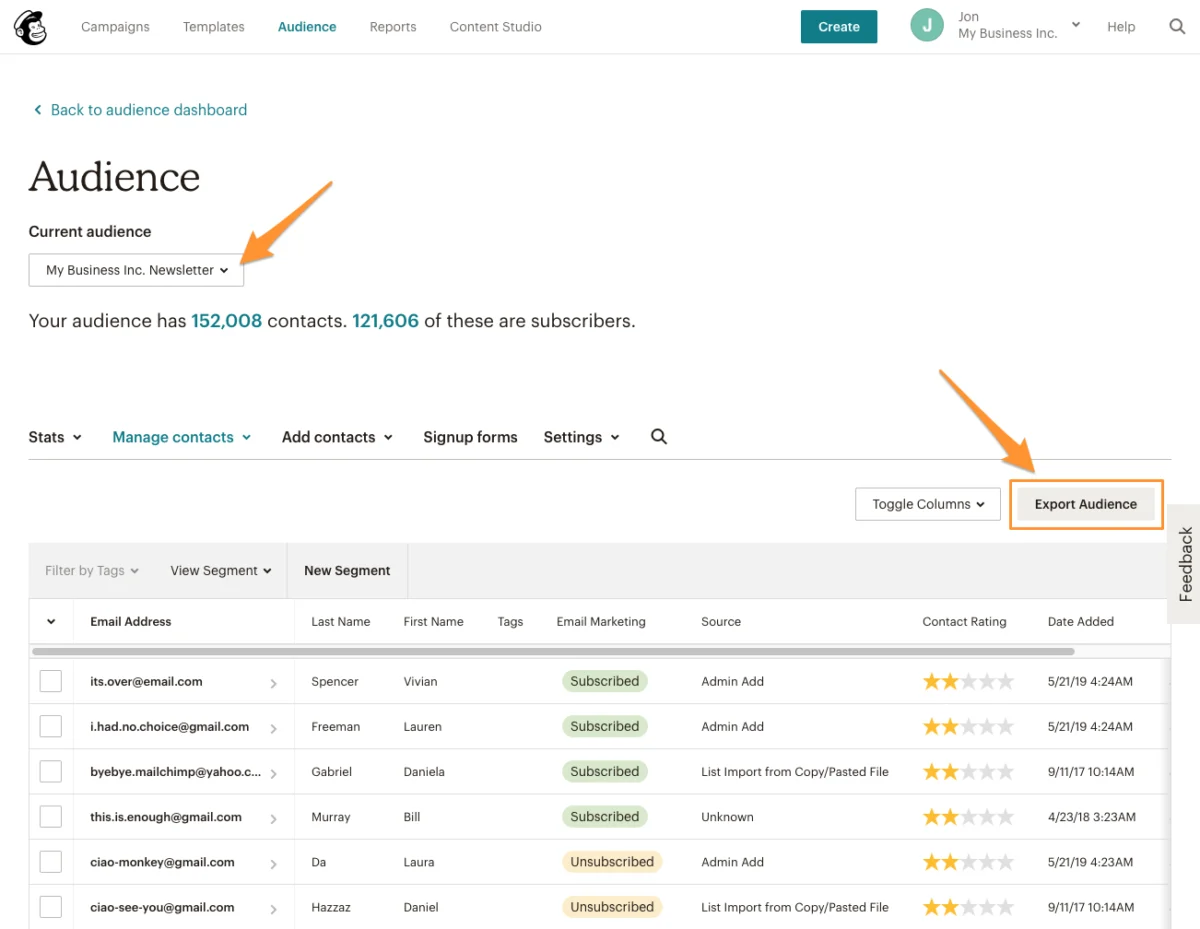
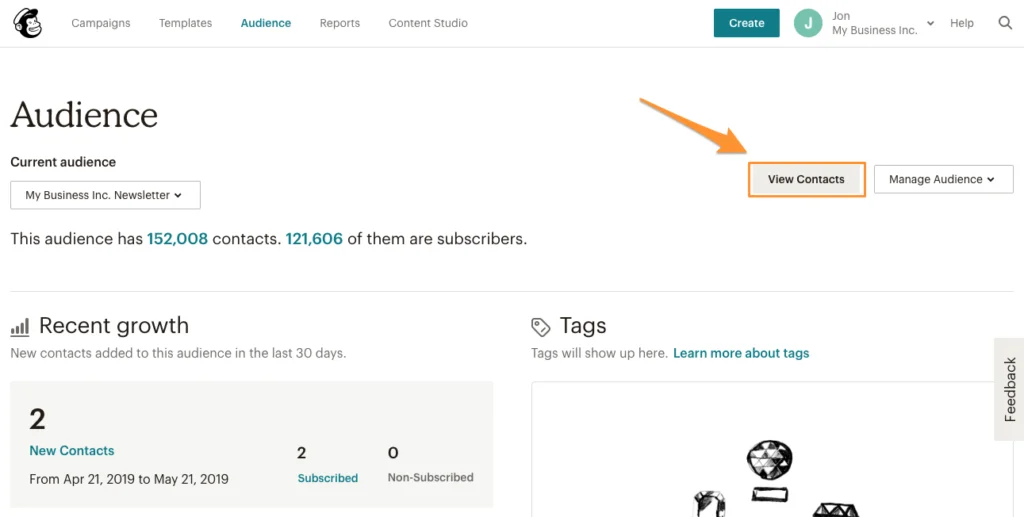
- Navigate to Audience Management: From the main menu, locate and click on "Audience," then select "View Contacts." This action will display your primary contact lists and segments.
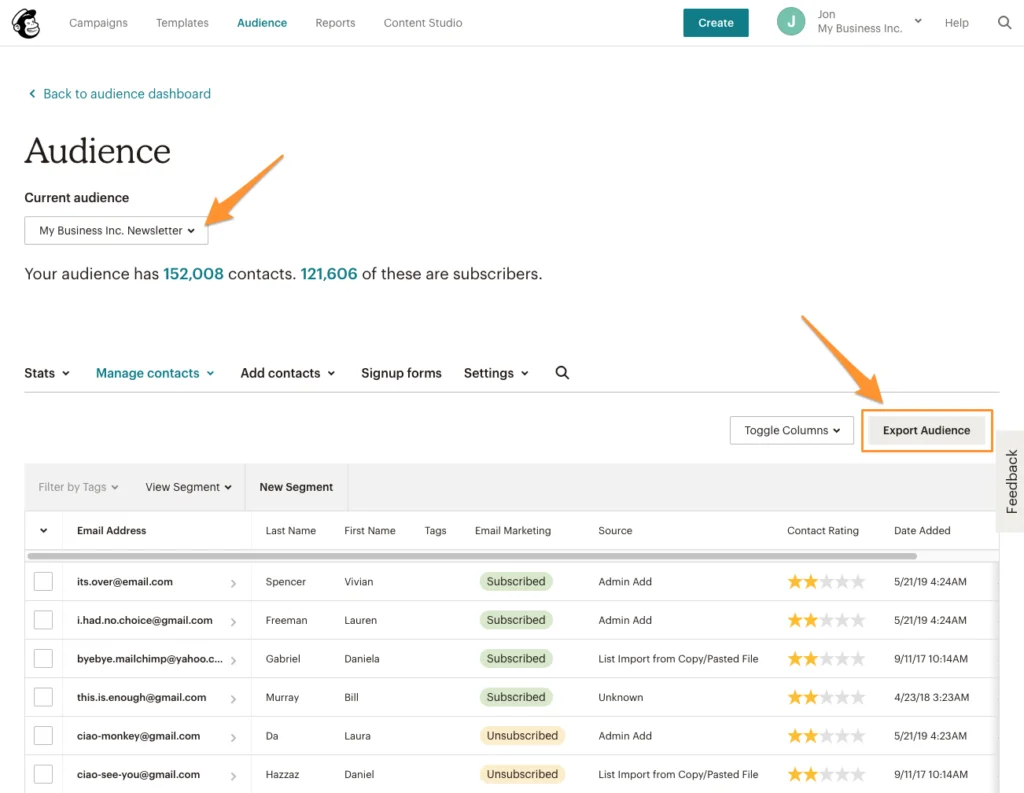
- Export Your Audiences: For each distinct audience or contact list you manage within Mailchimp, initiate the export procedure. Click "Export Audience" and repeat this step for every list. It is crucial to export all audiences to preserve your segmentation and ensure no contact data is left behind. This ensures that you retain the valuable structure of your customer base.
- Download and Unzip CSV Files: After initiating the export, Mailchimp will generate downloadable CSV (Comma Separated Values) files. These files typically come in a compressed format (e.g., a ZIP archive). Download the archive and unzip it to access the individual CSV files, which will usually include "subscribed_members" and "unsubscribed_members." This distinction is vital for maintaining compliance and respecting user preferences.
Phase 2: Importing Contacts into Sinch Mailjet
Once your Mailchimp contact data is securely exported, the next step involves importing these contacts into your new Sinch Mailjet environment. This phase requires careful attention to detail, especially regarding list segmentation and field mapping.
- Log in to Sinch Mailjet: Access your Sinch Mailjet account to begin the import process.
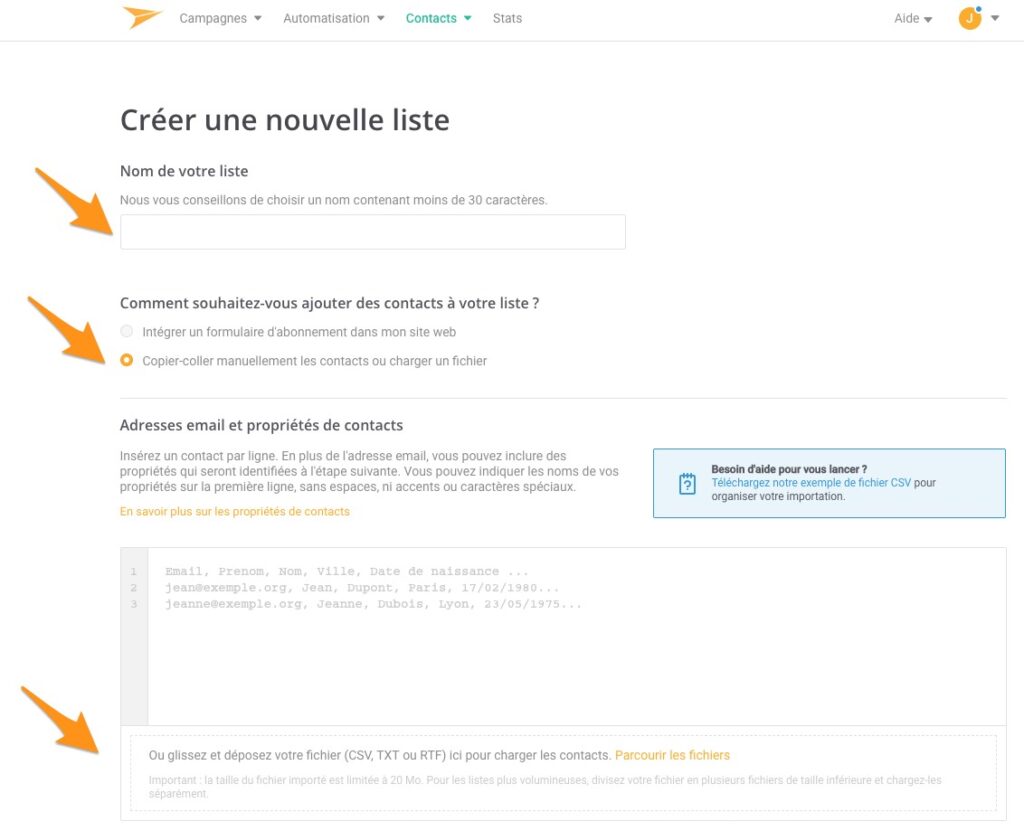
- Create New Contact Lists: It is highly recommended to import each Mailchimp audience into a separate, corresponding contact list within Mailjet. This practice maintains the organizational structure you had in Mailchimp and facilitates targeted communication in your new platform. From the Mailjet menu, go to "Contacts" > "Contact Lists," then click "Create a new list."
- Upload Subscriber Data: Select the option "Paste contacts manually or upload a file," then proceed to upload the "subscribed_members" CSV file.
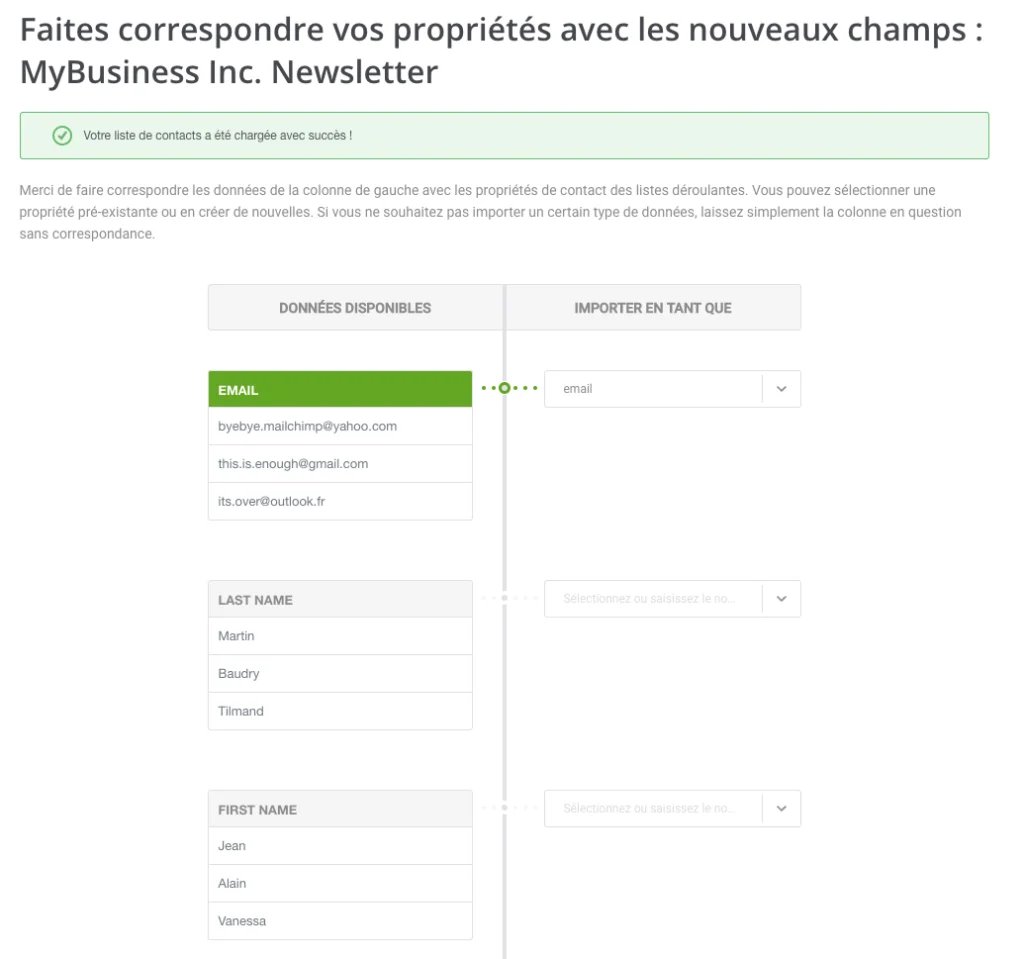
- Map Contact Fields: During the import, Mailjet will prompt you to map your contact properties. This step ensures that all custom fields from Mailchimp (such as name, company, birthday, and any other personalized data) are correctly aligned with Mailjet’s fields or new custom fields you create. Accurate field mapping is essential for leveraging Mailjet’s segmentation and personalization capabilities effectively. Once the mapping is complete, click "Save and continue."
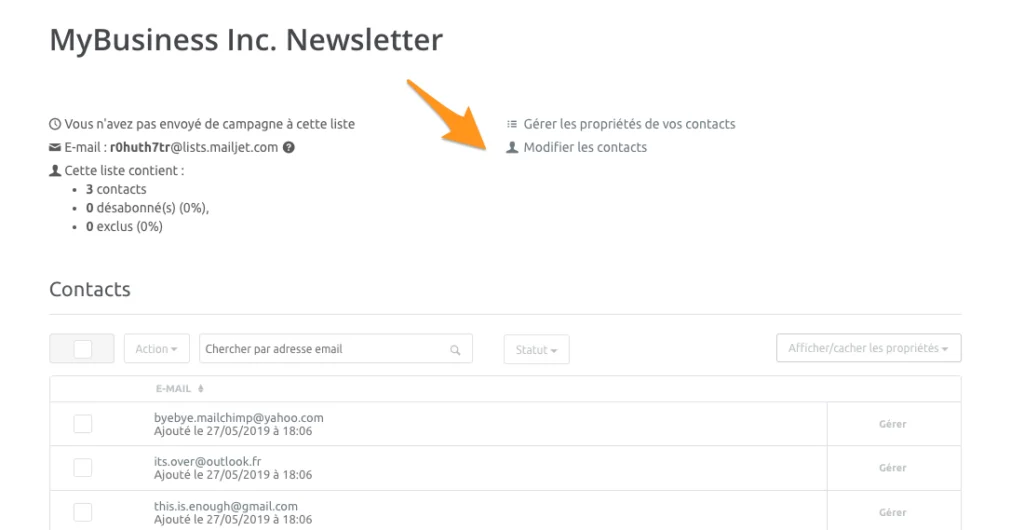
- Import Unsubscribed Contacts: This is a critically important step for compliance and maintaining a healthy sender reputation. You must ensure that contacts who previously unsubscribed from your Mailchimp lists are not inadvertently re-added to your active sending lists in Mailjet. To do this, within the newly created Mailjet contact list, click "Manage contacts."
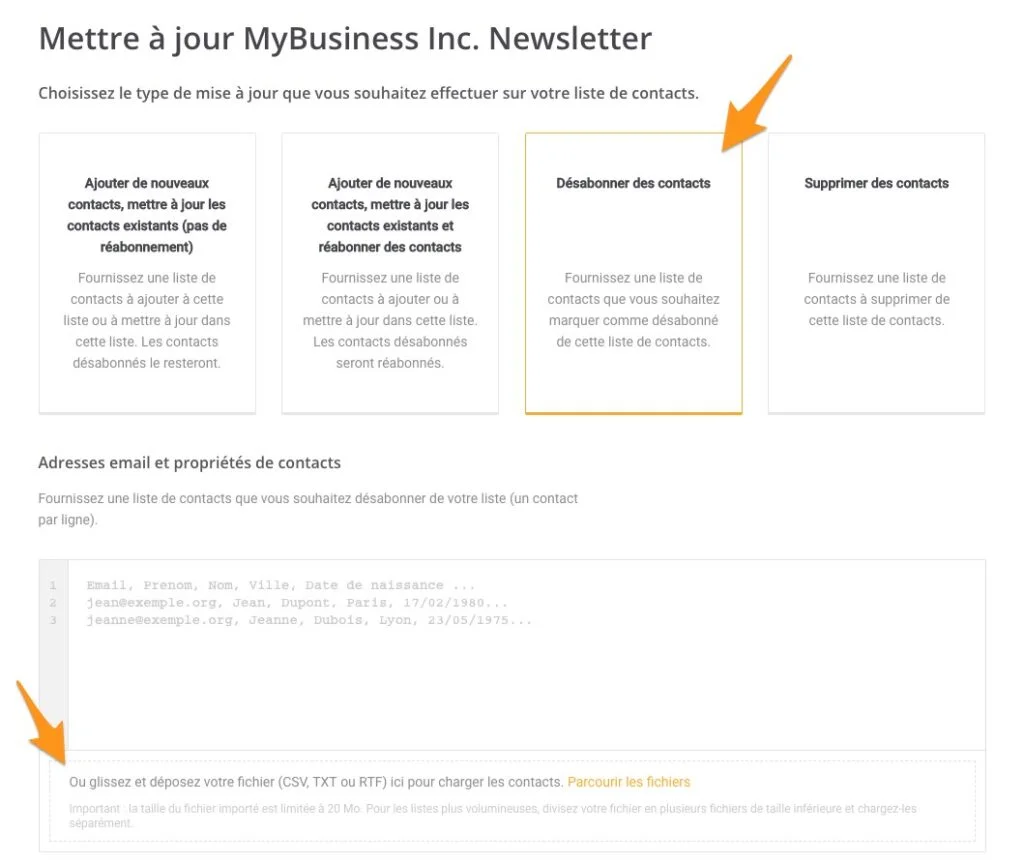
- Update Contact Status: Select "Unsubscribe contacts" as the update type. Then, drag and drop the "unsubscribed_members" CSV file you exported from Mailchimp. If necessary, review and map any fields. This action will mark these contacts as unsubscribed within Mailjet, preventing any accidental email sends to them. Failing to import unsubscribed contacts can lead to spam complaints, damage your sender reputation, and potentially incur legal penalties under data protection regulations.
Phase 3: Migrating Email Templates
While a direct, editable export of Mailchimp templates into Mailjet’s Email Editor is not natively supported due to underlying platform architecture differences, businesses are not required to start entirely from scratch. Two primary options facilitate the transition of creative assets:
- Rebuild Templates in Mailjet: Leverage Sinch Mailjet’s intuitive drag-and-drop Email Editor. This option allows you to redesign your templates, taking advantage of Mailjet’s modern design blocks, responsiveness features, and optimized rendering engine. This can be an opportunity to refresh your brand’s email aesthetic and ensure optimal display across all devices.
- Export and Import HTML: For those with existing HTML templates or a desire to maintain pixel-perfect designs, Mailchimp allows you to export templates as HTML files.
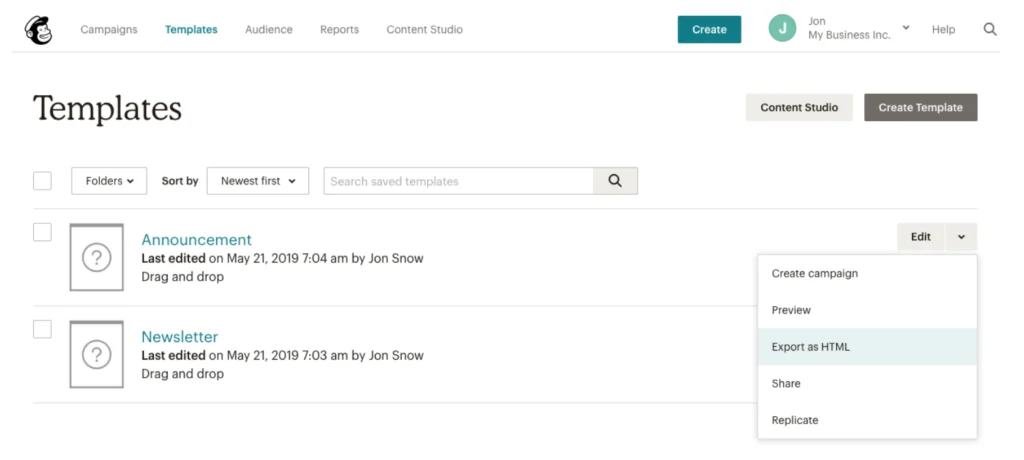
- Export from Mailchimp: In your Mailchimp account, navigate to "Templates." For each template you wish to migrate, select the "Export as HTML" option. This will download a raw HTML file of your template.
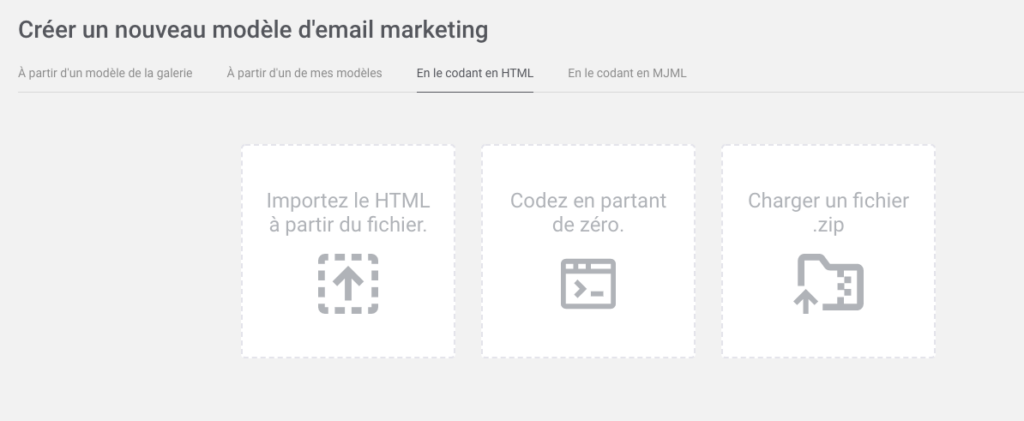
- Import into Mailjet: In your Sinch Mailjet account, go to "Campaigns" and select "Create a new template." Choose "Code it in HTML" and upload your downloaded HTML file. While this imports the visual structure, it’s important to note that direct editing within Mailjet’s visual editor may be limited. Any future edits might require direct HTML manipulation or a switch to Mailjet’s drag-and-drop editor for new campaigns. Thorough testing of imported HTML templates across various email clients is highly recommended to ensure consistent rendering.
Phase 4: Exporting Historical Reporting Data
Transferring historical reporting data directly from Mailchimp to Sinch Mailjet is not feasible due to differing data structures and analytical methodologies between platforms. However, maintaining access to past campaign performance is crucial for benchmarking future efforts and understanding long-term trends.
- Access Mailchimp Reports: In your Mailchimp account, navigate to the "Reports" section.
- Download All Reports: Select the "Download All Reports" option. This will typically export a comprehensive archive of your past campaign statistics, including open rates, click-through rates, bounces, unsubscribes, and more. This data, usually in CSV format, can then be stored securely and analyzed using external tools like spreadsheet software or business intelligence dashboards. This ensures you have a historical baseline to measure the success of your campaigns within Sinch Mailjet.
Broader Impact and Strategic Implications
The migration to a new email platform like Sinch Mailjet carries significant strategic implications for businesses beyond the immediate technical steps. This transition represents an investment in future growth, operational efficiency, and enhanced customer engagement.
- Operational Continuity and Enhanced Workflows: A well-executed migration ensures that email marketing operations continue without interruption. Once established on Sinch Mailjet, businesses can leverage its collaborative features, streamlined campaign creation process, and robust automation capabilities to improve team efficiency and accelerate campaign deployment. This means marketing teams can spend less time on administrative tasks and more time on strategic planning and creative execution.
- Optimized Performance and ROI: By switching to a platform designed for high deliverability and performance, businesses can expect to see improved inbox placement rates, leading to higher open and click-through rates. This directly translates to a better return on investment (ROI) from email marketing efforts, as campaigns are more likely to reach their intended audience and drive conversions. The advanced analytics within Mailjet also allow for deeper insights into campaign performance, enabling continuous optimization.
- Future-Proofing Your Email Strategy: The decision to migrate often stems from a forward-looking perspective. Sinch Mailjet’s emphasis on a powerful API and integration within the broader Sinch Communications suite positions businesses to adapt to future technological advancements and integrate email seamlessly with other communication channels. This strategic alignment helps future-proof marketing efforts against evolving customer expectations and market dynamics.
- The Critical Role of Deliverability Configurations: Post-migration, before launching your first campaigns, it is absolutely paramount to configure essential deliverability settings. This includes validating your sending domains and sender addresses, and correctly setting up SPF (Sender Policy Framework), DKIM (DomainKeys Identified Mail), and DMARC (Domain-based Message Authentication, Reporting, and Conformance) records. These authentication protocols are vital for verifying your emails’ legitimacy, preventing spoofing, and significantly improving your sender reputation with internet service providers (ISPs). Neglecting these configurations can lead to emails being marked as spam or rejected outright, undermining the entire migration effort and impacting your brand’s credibility. Sinch Mailjet provides comprehensive guides and support to assist with these critical setups, ensuring optimal inbox placement from day one.
In conclusion, the migration from Mailchimp to Sinch Mailjet is a multifaceted process that, when executed diligently, positions businesses for enhanced email marketing performance. It reflects a strategic decision to embrace a platform that aligns with the growing demands for scalability, collaboration, advanced technical capabilities, and uncompromising deliverability. As the digital landscape continues its trajectory, choosing the right email partner is not just about features, but about securing a foundation for sustainable growth and effective communication in the years to come.








