In the rapidly evolving digital marketing landscape of 2026, businesses are increasingly reliant on robust email marketing platforms to connect with their audiences, drive engagement, and foster growth. Among the myriad of options, Brevo (formerly Sendinblue) and MailerLite frequently emerge as top contenders, particularly for their competitive entry points and diverse feature sets. However, a deeper examination reveals distinct philosophies and capabilities that cater to different business needs, making a direct comparison crucial for informed decision-making.
This analysis, current as of August 2026, delves into the core aspects of both platforms—from pricing structures and user experience to advanced AI features, marketing automation, and e-commerce integration—to provide businesses with a clear understanding of which solution aligns best with their strategic objectives. While both aim to simplify email marketing, their approaches to scaling, feature accessibility, and multichannel engagement present contrasting value propositions.
Understanding the Core Offerings and Target Audiences
At a glance, Brevo positions itself as a more comprehensive marketing and sales platform, particularly suited for larger lists and businesses aiming for multichannel engagement beyond just email, incorporating SMS, MMS, and even WhatsApp. Its pricing model, based primarily on monthly email volume, offers a competitive edge for companies with extensive contact databases that send emails less frequently. Conversely, MailerLite targets frequent senders with potentially smaller lists, emphasizing ease of use for campaigns, content monetization, and robust audience management. Its contact-based pricing with unlimited emails on higher tiers can be highly economical for businesses with high sending frequency relative to their list size.
Pricing Models and Economic Implications
The financial considerations are often the primary differentiator. Brevo boasts a lower entry price at $9/month compared to MailerLite’s $12/month. However, the underlying pricing philosophies diverge significantly. Brevo charges by monthly email volume and offers generous contact storage (up to 500,000 contacts from $32/month for 20,000 emails), making it attractive for organizations with large but less frequently engaged lists. MailerLite, conversely, charges based on the number of contacts, offering unlimited emails from $25/month for its Power plan. This structure is particularly cost-effective for businesses that engage their subscribers with high frequency.
Free Plan Comparison: Gateway to Engagement
Both platforms offer compelling free plans, acting as crucial entry points for startups and small businesses. Brevo’s free tier is notably generous, allowing storage for up to 100,000 contacts and a daily send limit of 300 emails (approximately 9,000 emails/month). This robust offering includes access to 50+ email templates, an AI writing assistant, and even basic SMS functionality, along with a built-in sales CRM and transactional email capabilities. The primary limitation lies in its lack of pop-ups, landing pages, and A/B testing, and a cap of 2,000 contacts for automation reach.
MailerLite’s free plan, while offering key features like pop-ups, a single landing page, and A/B testing for emails, is significantly more restrictive in terms of contact storage (250 contacts) and monthly sends (2,500 emails). It lacks Brevo’s integrated AI writing assistant and SMS capabilities in its free tier. For businesses prioritizing list growth and basic campaign optimization from day one, MailerLite’s free plan provides those specific tools, albeit within tighter scale constraints.
Paid Plan Structures: Scaling for Growth
Brevo’s paid tiers—Starter, Standard, Professional, and Enterprise—are designed to scale with email volume. The Starter plan begins at $9/month for 5,000 emails, extending up to $82/month for 100,000 emails. The Professional plan, starting at $499/month, offers advanced features like contact scoring and dynamic coupons, supporting up to 2,000,000 contacts across all send tiers. This structure clearly favors businesses where email volume is the primary scaling factor.
MailerLite’s paid plans, Comfort, Power, and Enterprise, are contact-based. The Comfort plan starts at $12/month for 500 contacts, while the Power plan, beginning at $25/month for 500 contacts, offers unlimited monthly emails. This "unlimited email" model on the Power plan can be a significant advantage for businesses with high engagement strategies, as the cost remains fixed regardless of how many emails are sent to their contact base. For example, a business with 5,000 contacts sending multiple campaigns weekly would find MailerLite’s Power plan highly economical at $49/month, whereas Brevo’s volume-based pricing could quickly escalate depending on the total emails sent.
Hidden Costs: A Closer Look
Beyond the headline prices, businesses must consider potential hidden costs. Brevo’s most notable is the $12/month charge for branding removal on its Starter plan, pushing the effective cost to $21/month—making the $18/month Standard plan, which includes branding removal, a more attractive option for many. MailerLite, while offering unlimited marketing emails on its Power plan, charges separately for transactional emails via its MailerSend service. Sending more than 500 transactional emails/month incurs an additional $7/month, which is an important consideration for e-commerce businesses or those relying on automated order confirmations and password resets.
User Experience and Interface Design
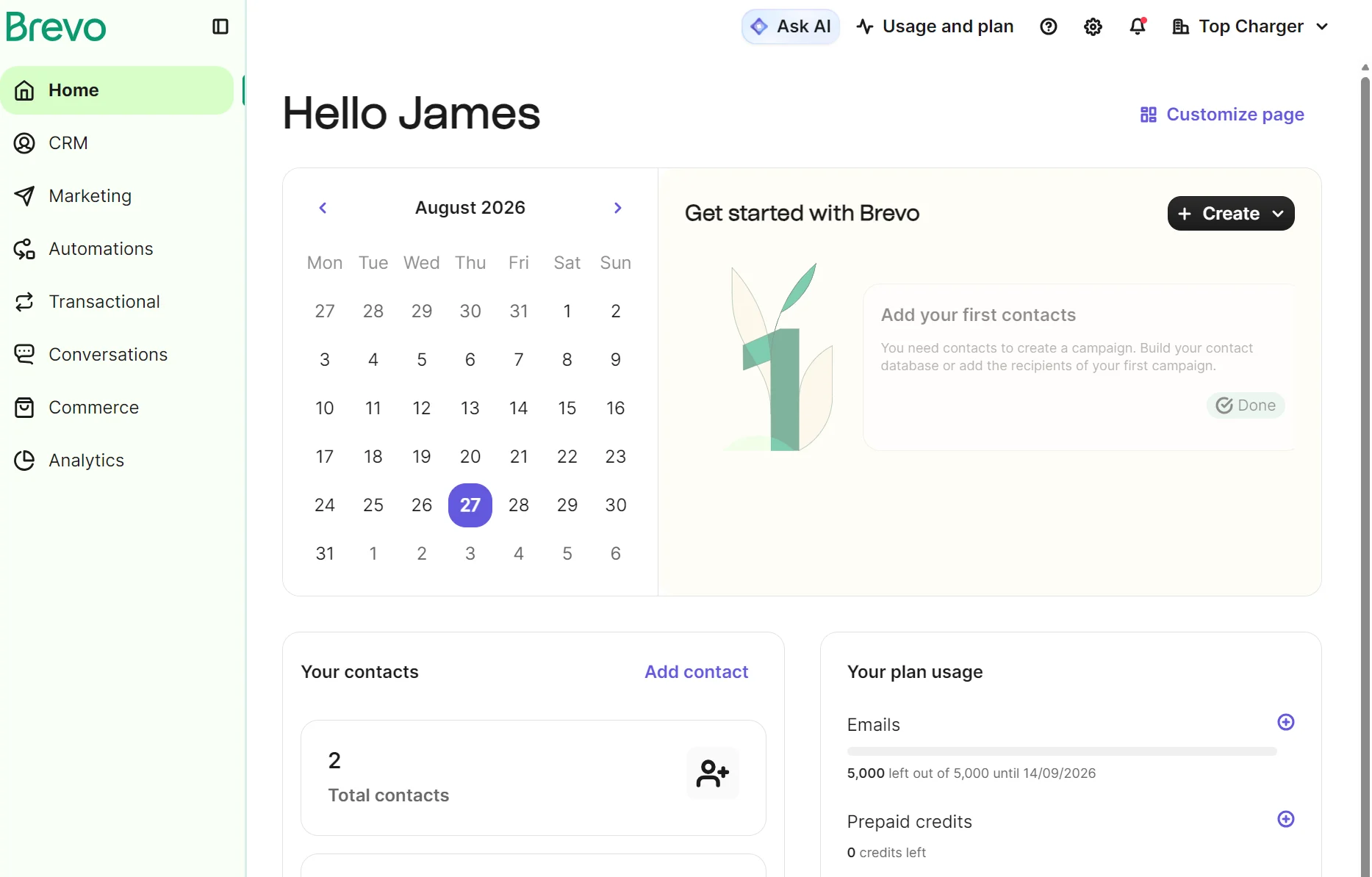
Ease of use is paramount for platform adoption and efficiency. Our comparative analysis found Brevo to offer a slightly smoother onboarding process and more intuitive dashboard navigation. Brevo asks for minimal information at signup, allowing users to quickly access the dashboard and begin exploring. Its left-hand navigation features descriptive dropdown menus, presenting a comprehensive overview of features from the outset. While initially appearing "busier," Brevo’s dashboard provides immediate insights into plan usage and activity.
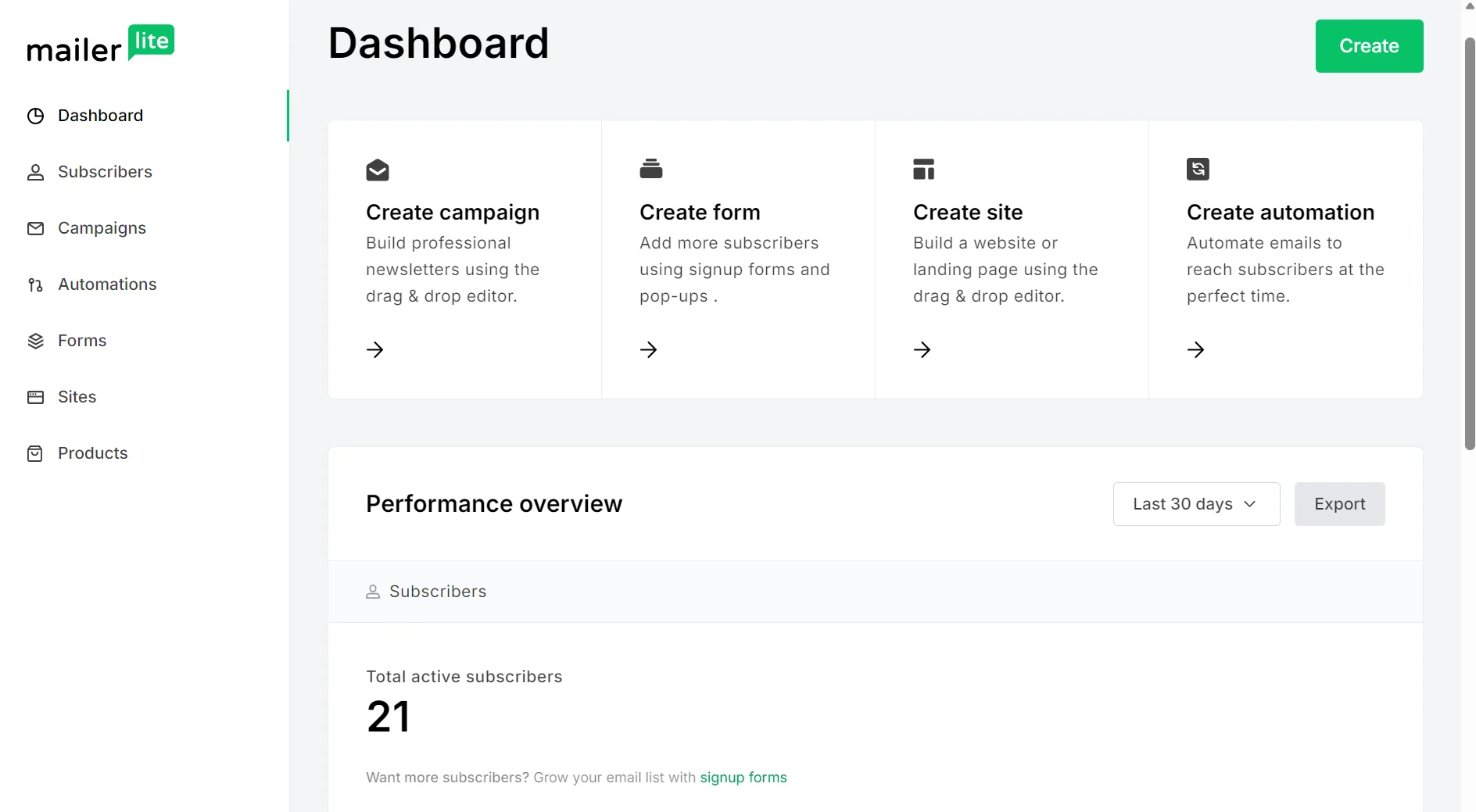
MailerLite, while highly rated by users for its simplicity in campaign creation, requires more initial information during signup and has a stricter approval process, demanding address details upfront. Its dashboard, while cleaner, often requires more clicks to reach specific functionalities, such as segment creation. User testimonials from G2 reflect a general satisfaction with both platforms’ email editors, highlighting their drag-and-drop functionality and ease of campaign creation, even for users without specialized skills.
Email Editor and Template Richness
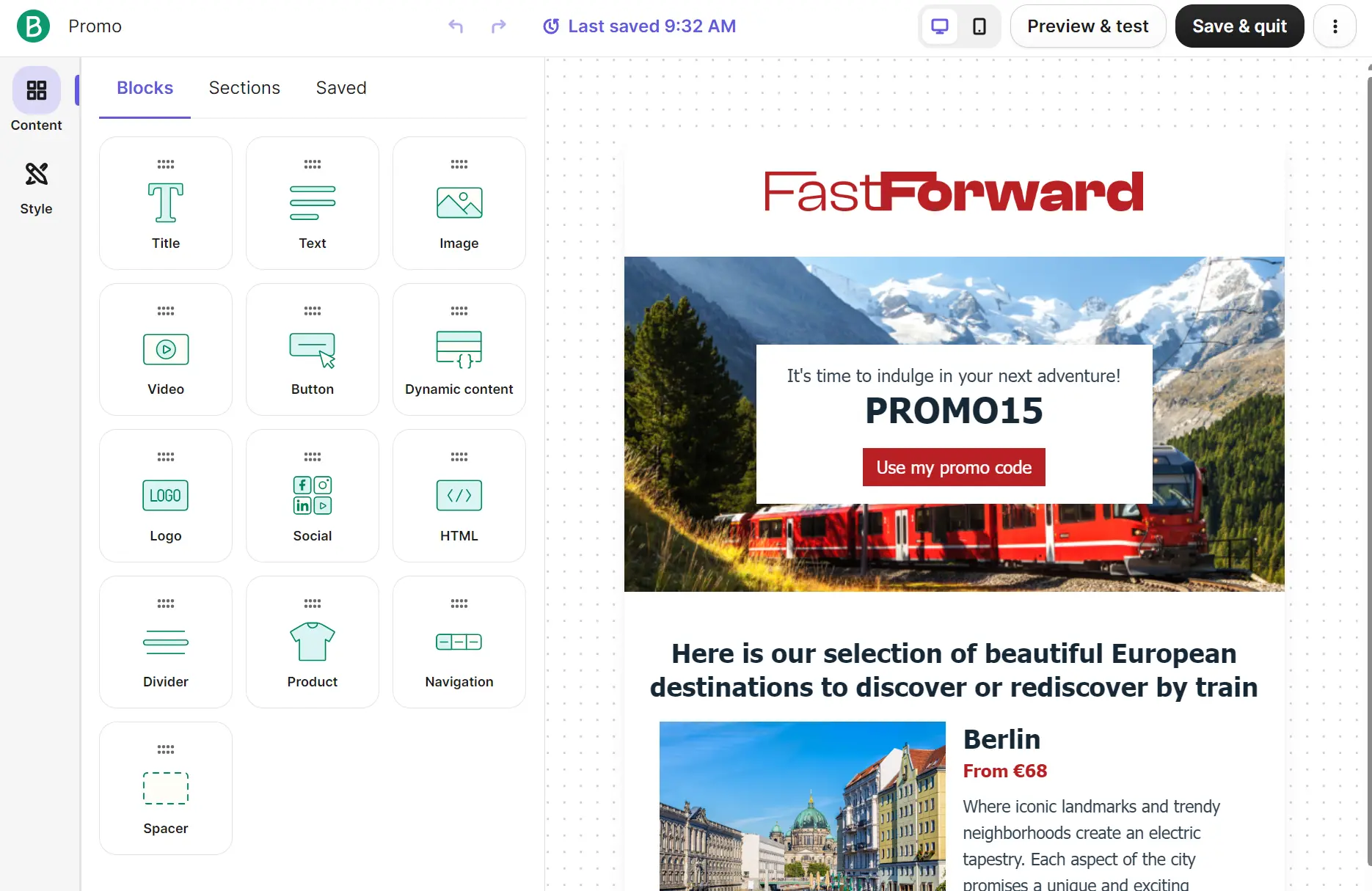
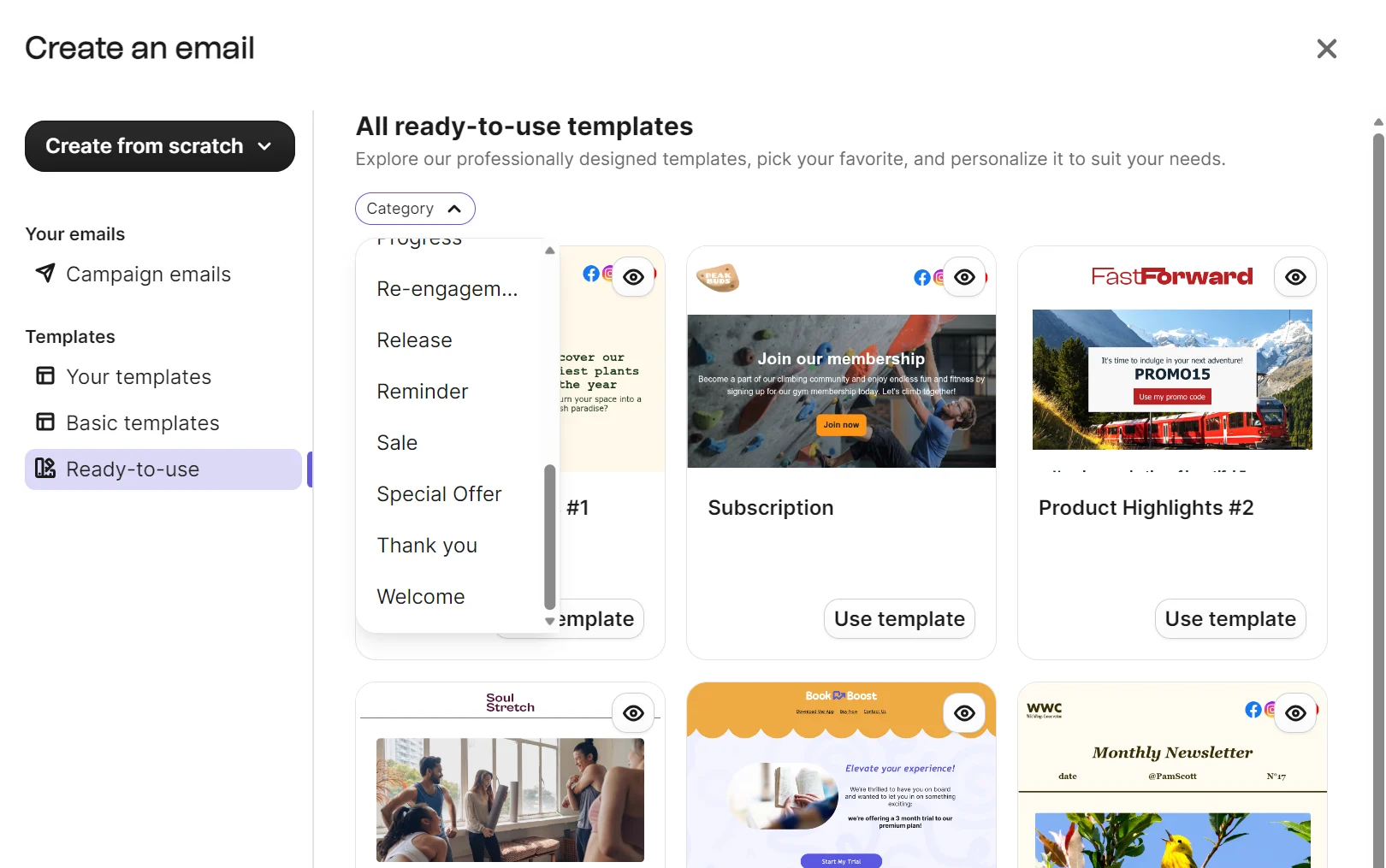
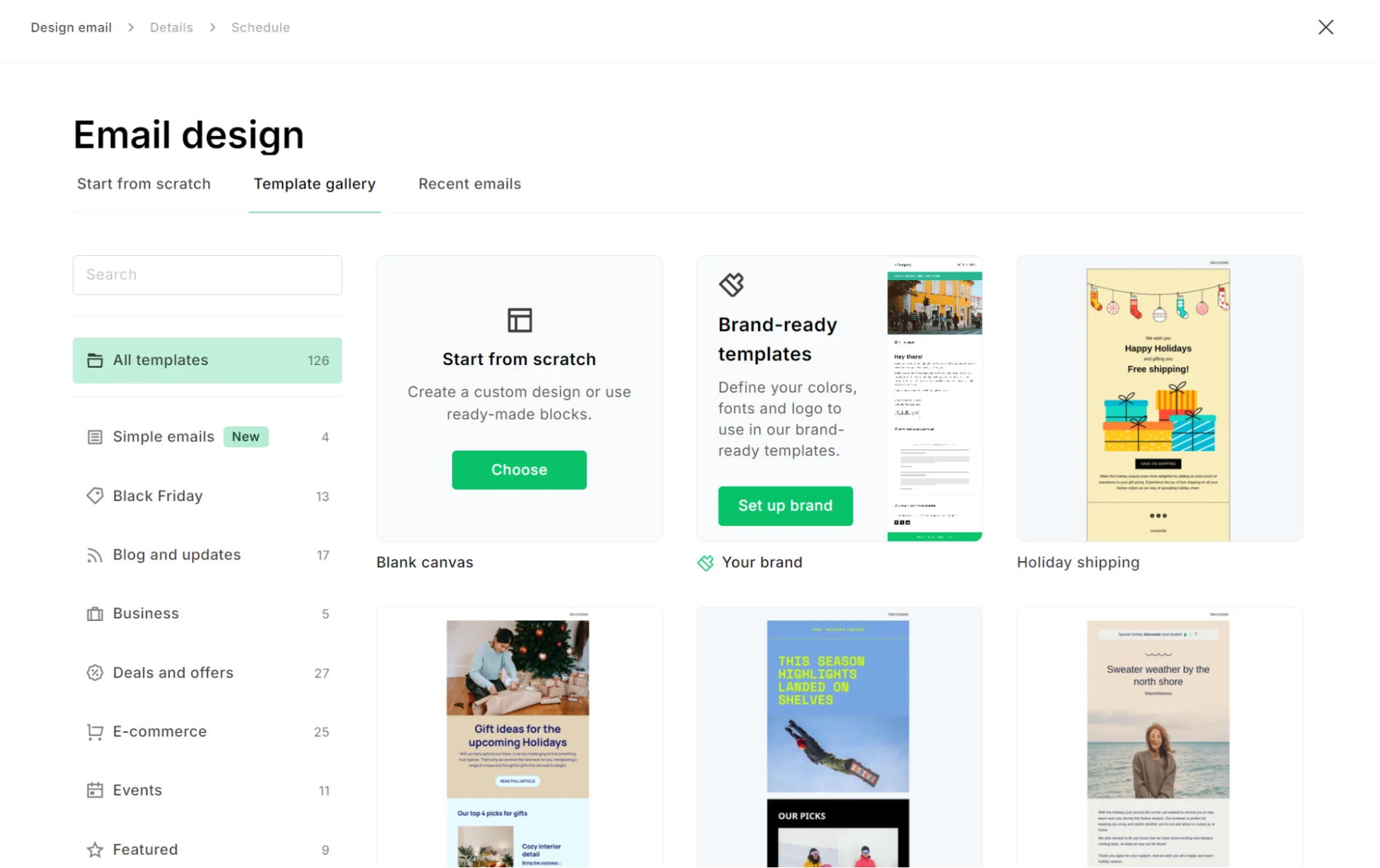
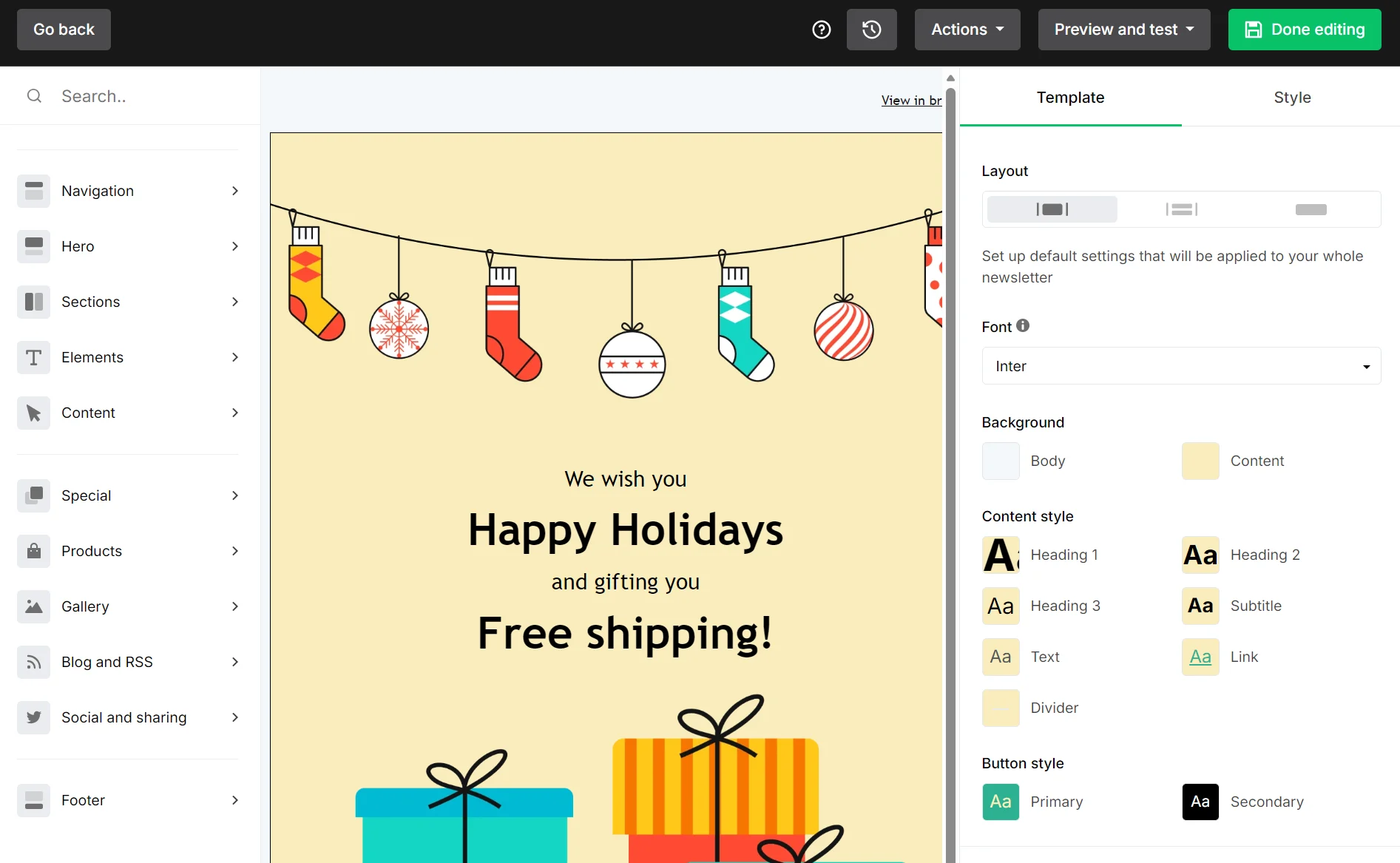
When it comes to crafting engaging emails, both platforms offer robust drag-and-drop editors. MailerLite stands out with a larger library of over 120 pre-built templates in its paid plans, covering a broader range of design needs. Its editor provides a rich array of design elements, including navigation, hero sections, e-commerce blocks, and social sharing options, with pre-built sections automatically optimizing for mobile responsiveness. Dynamic content is available in paid plans.
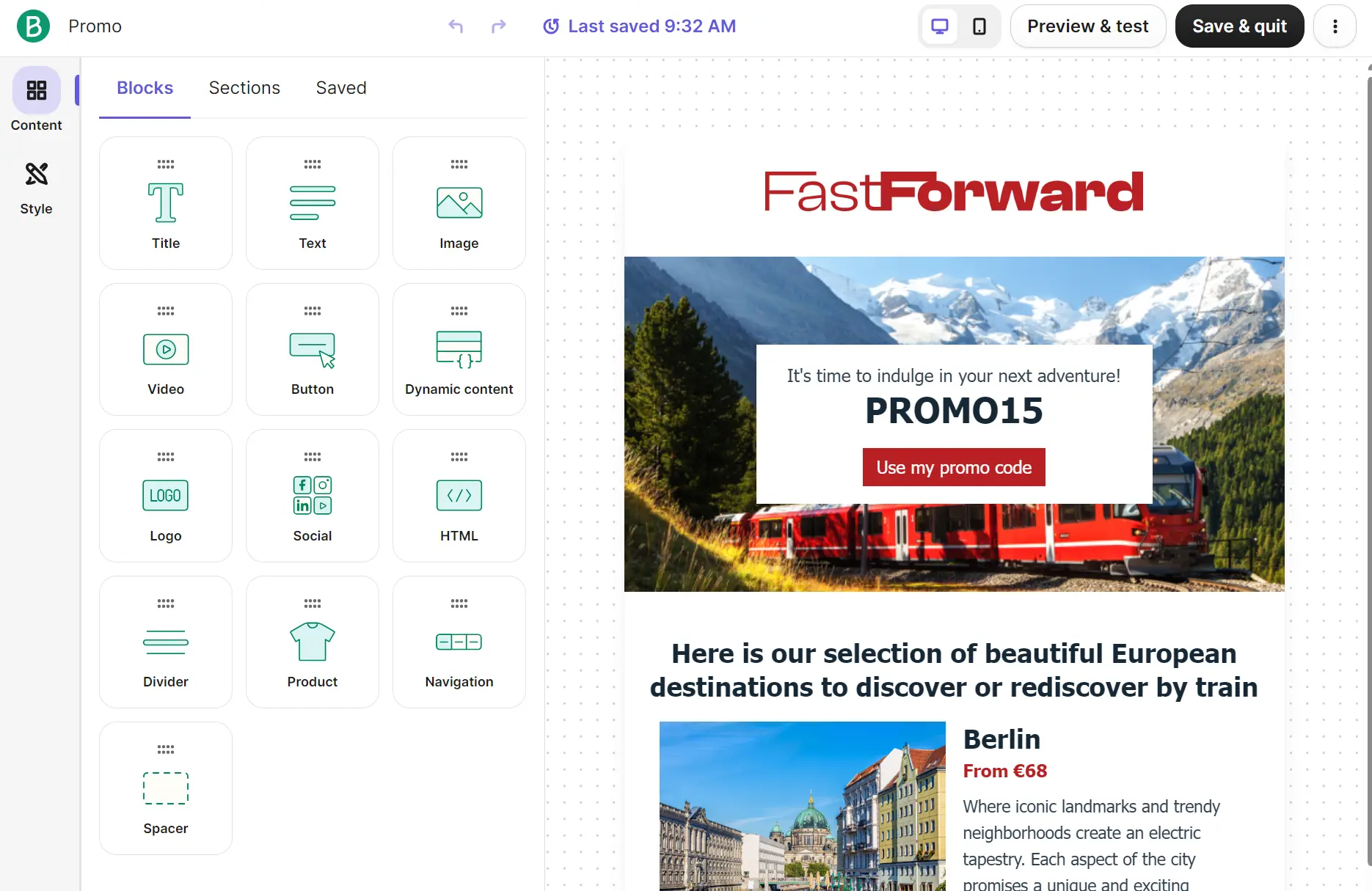
Brevo offers 50+ templates, which are accessible across all plans, including the free tier—a significant advantage for those starting out. Its editor, while comprehensive, organizes elements into "Blocks" and "Sections," requiring a bit more scrolling to find specific pre-built layouts. Brevo’s brand library feature automatically integrates logos and fonts, streamlining brand consistency. Both editors support dynamic content, but Brevo’s inclusion of an AI content generator powered by Aura AI across all plans offers a unique edge for content creation.
Advanced AI Features: The Future of Marketing
The integration of Artificial Intelligence is a defining characteristic of modern marketing platforms. Brevo distinguishes itself with its Aura AI, a more holistic AI solution available in all plans. Aura AI comprises four distinct agents (Marketing, Sales, Data Management, Conversations) and a chatbot, capable of generating content, automating marketing workflows, setting optimal send times, and even assisting in building complex automations. This level of AI-driven workflow optimization positions Brevo as a powerful tool for businesses looking to enhance efficiency across various marketing and sales functions.
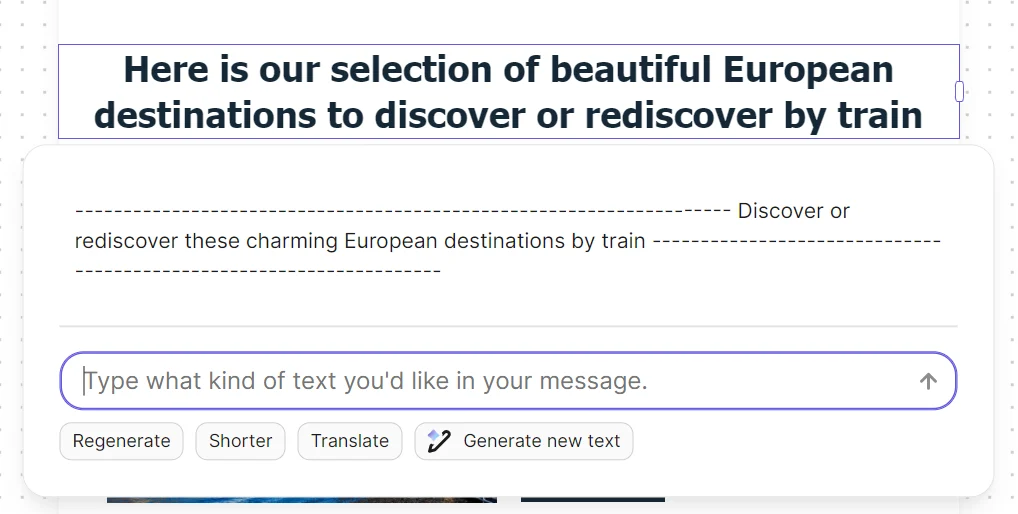
MailerLite’s AI features, while robust, are more focused on generative content tasks and are primarily restricted to paid plans. These include an AI writing assistant, AI subject line generator, and an AI landing page generator. While MailerLite can generate different design versions for landing pages and offers AI-powered smart sending, it lacks the broader, workflow-automating capabilities of Brevo’s Aura AI. Both platforms support Model Context Protocol (MCP) integration, allowing connectivity with external AI tools like ChatGPT and Gemini.
Marketing Automation: Orchestrating Customer Journeys
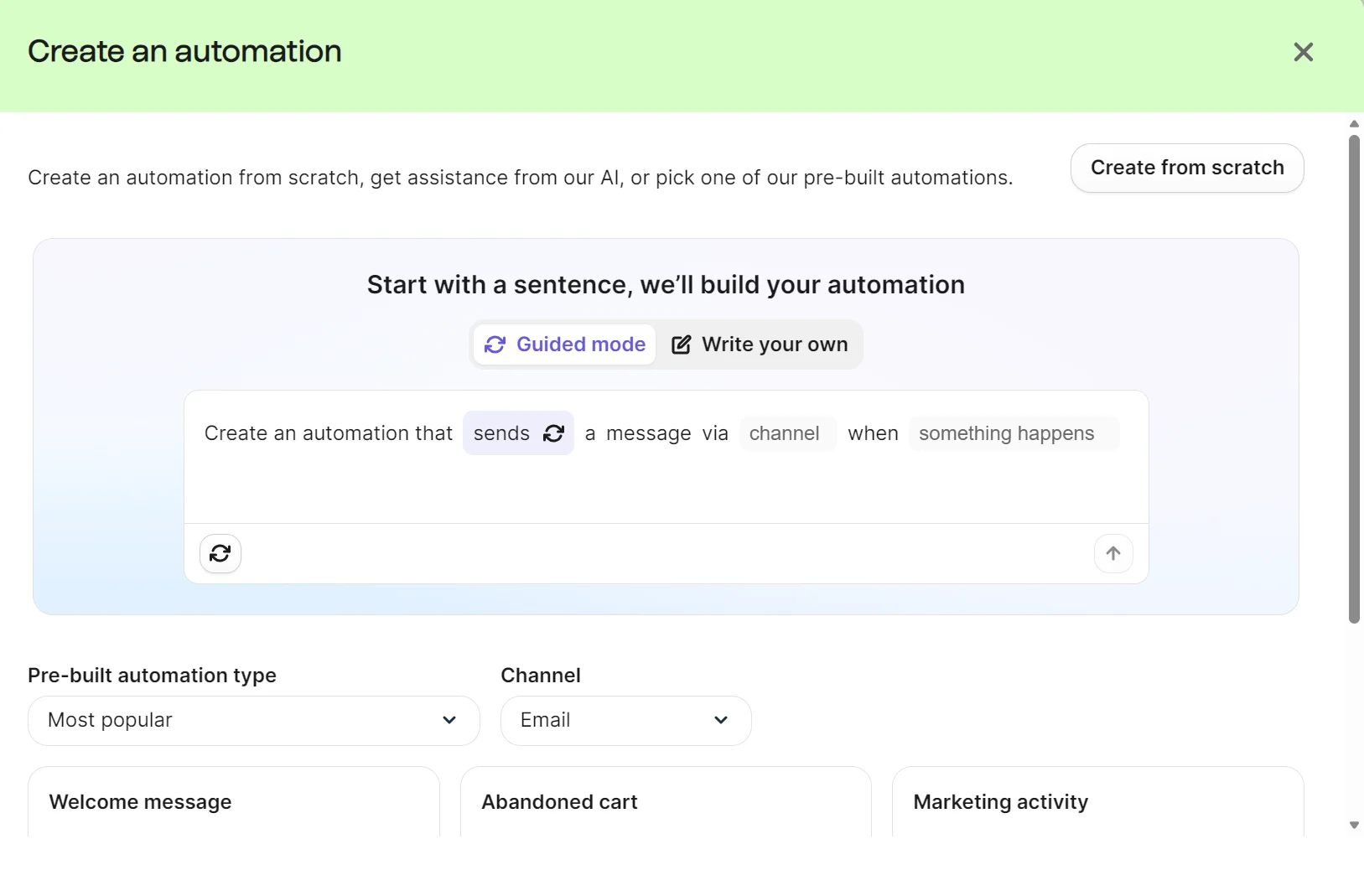
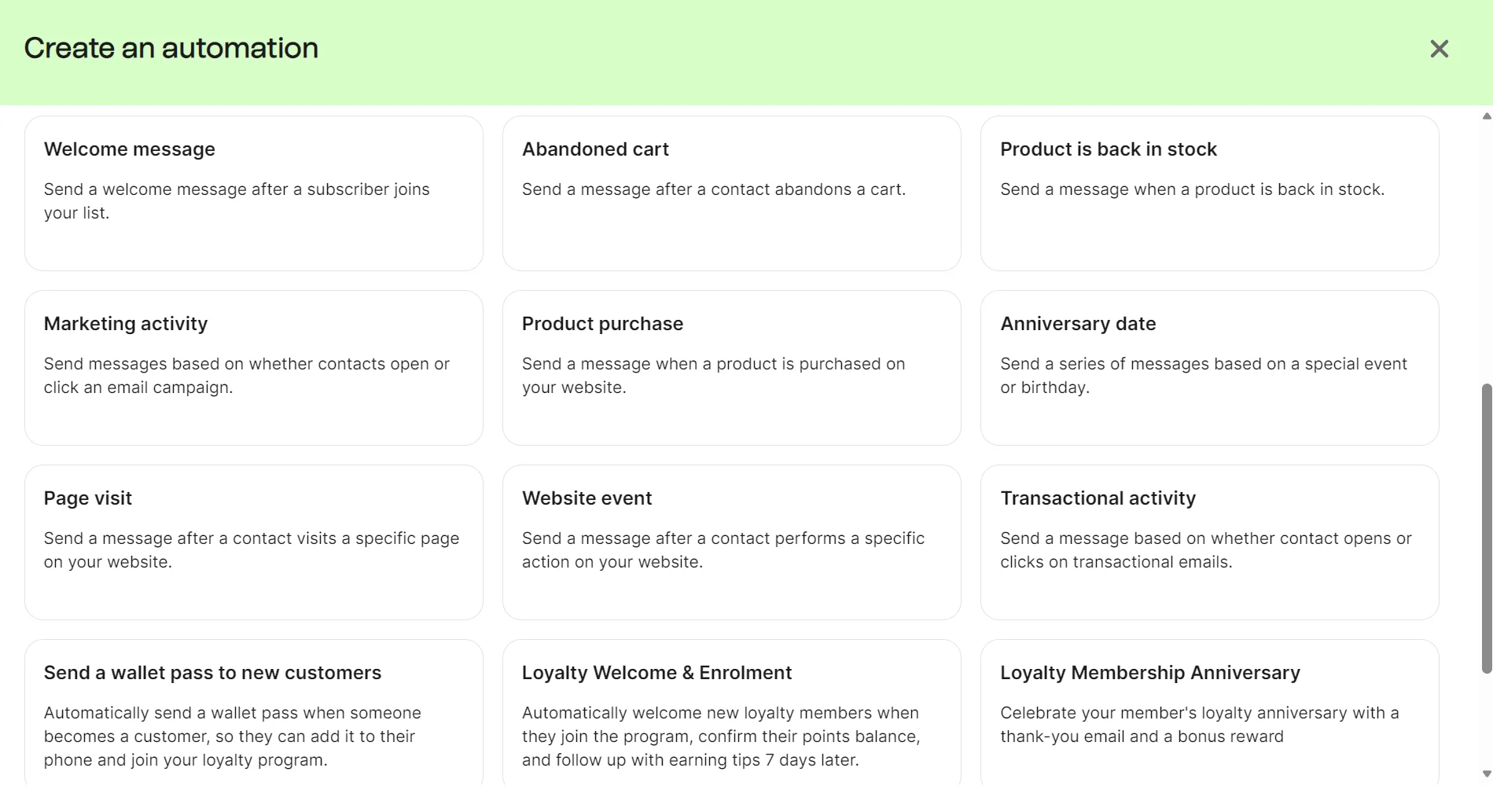
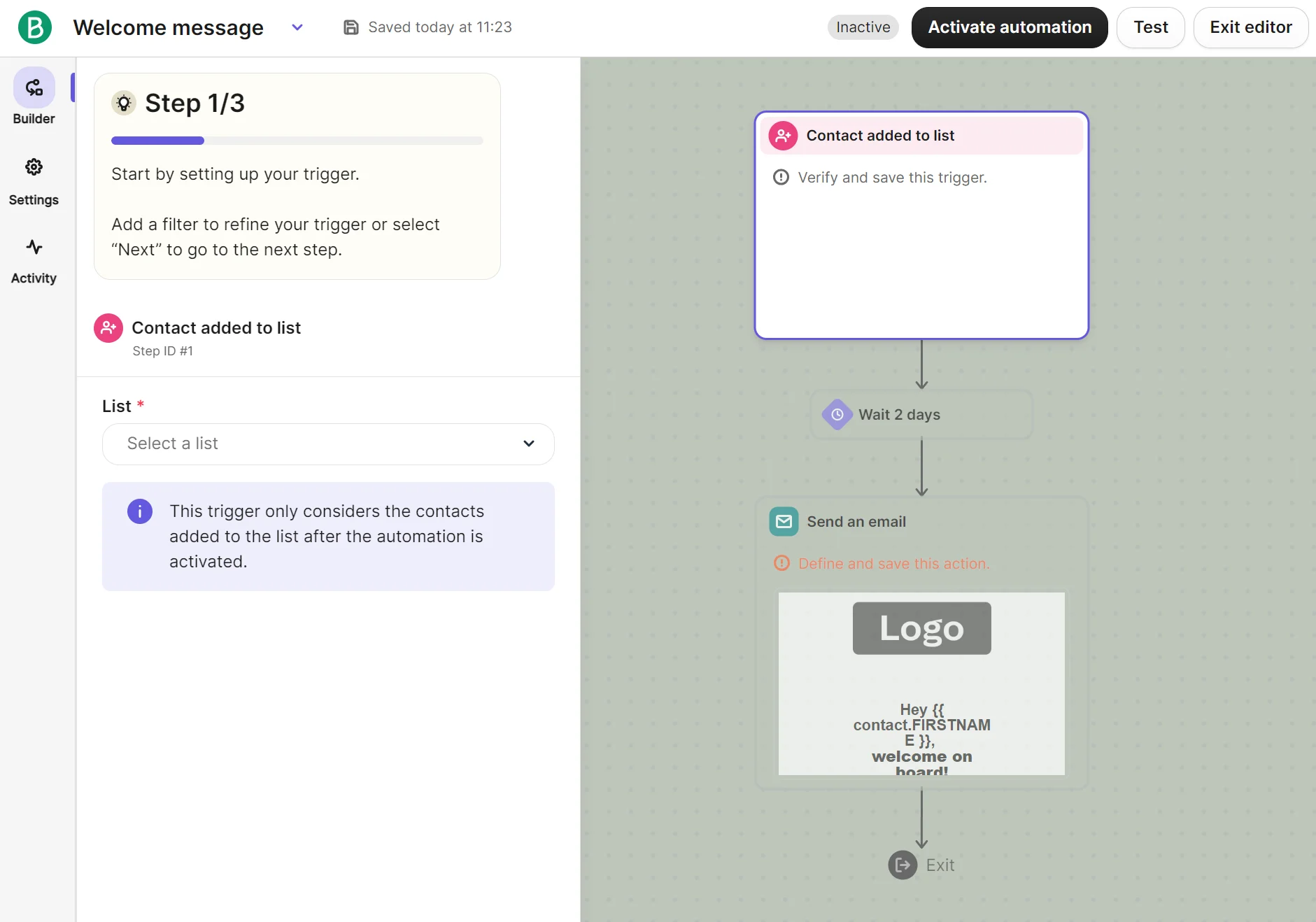
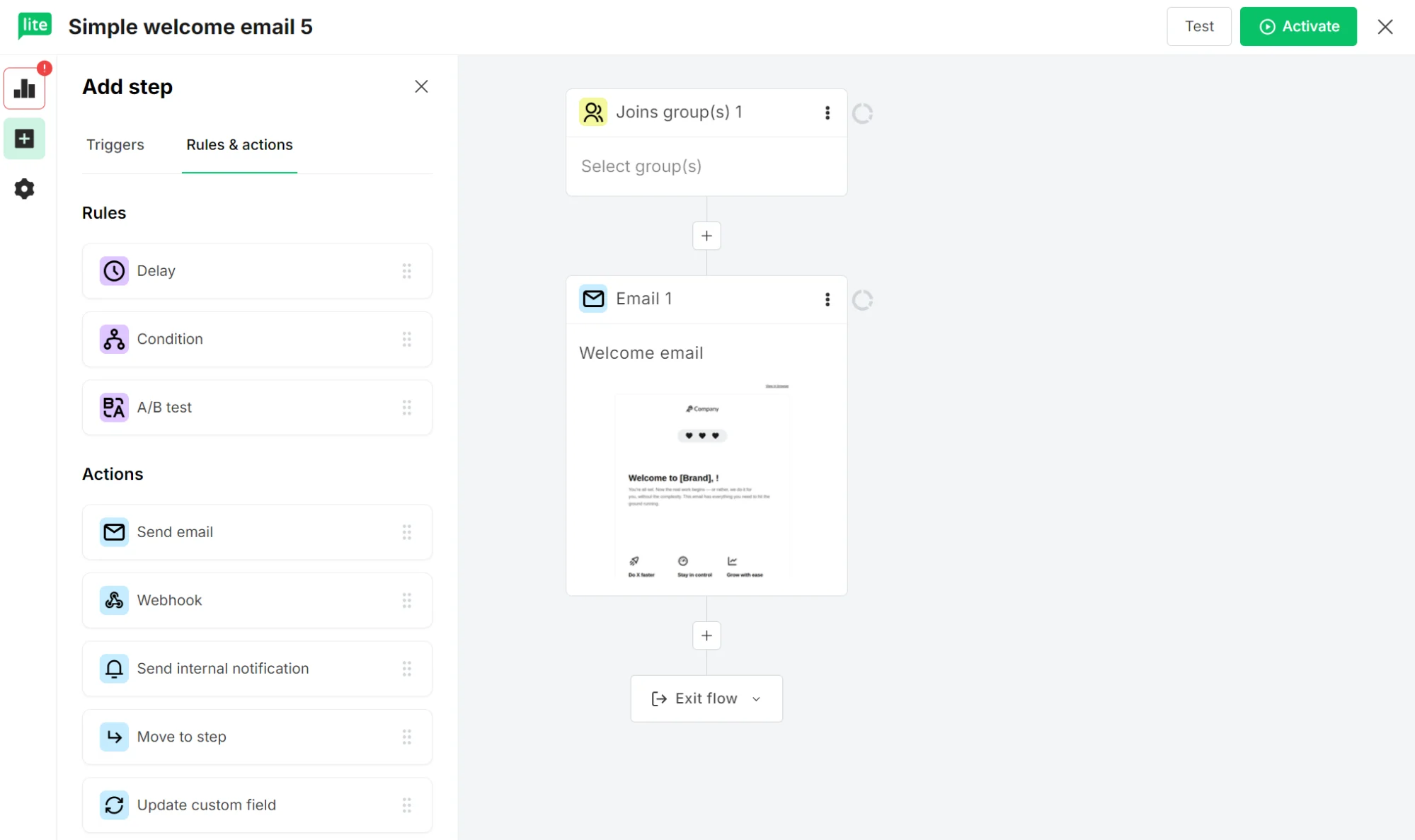
Effective marketing automation is critical for personalized customer engagement. Brevo offers superior marketing automation capabilities, including real-time event triggers and support for multiple entry points per workflow. All Brevo plans come with unlimited automations, though the free and Starter plans cap automation reach at 2,000 contacts. Its library includes 15 pre-built automations covering common e-commerce scenarios like abandoned carts, welcome messages, and product follow-ups. The Aura AI can even assist in building automations, guiding users through triggers, actions, and channels.
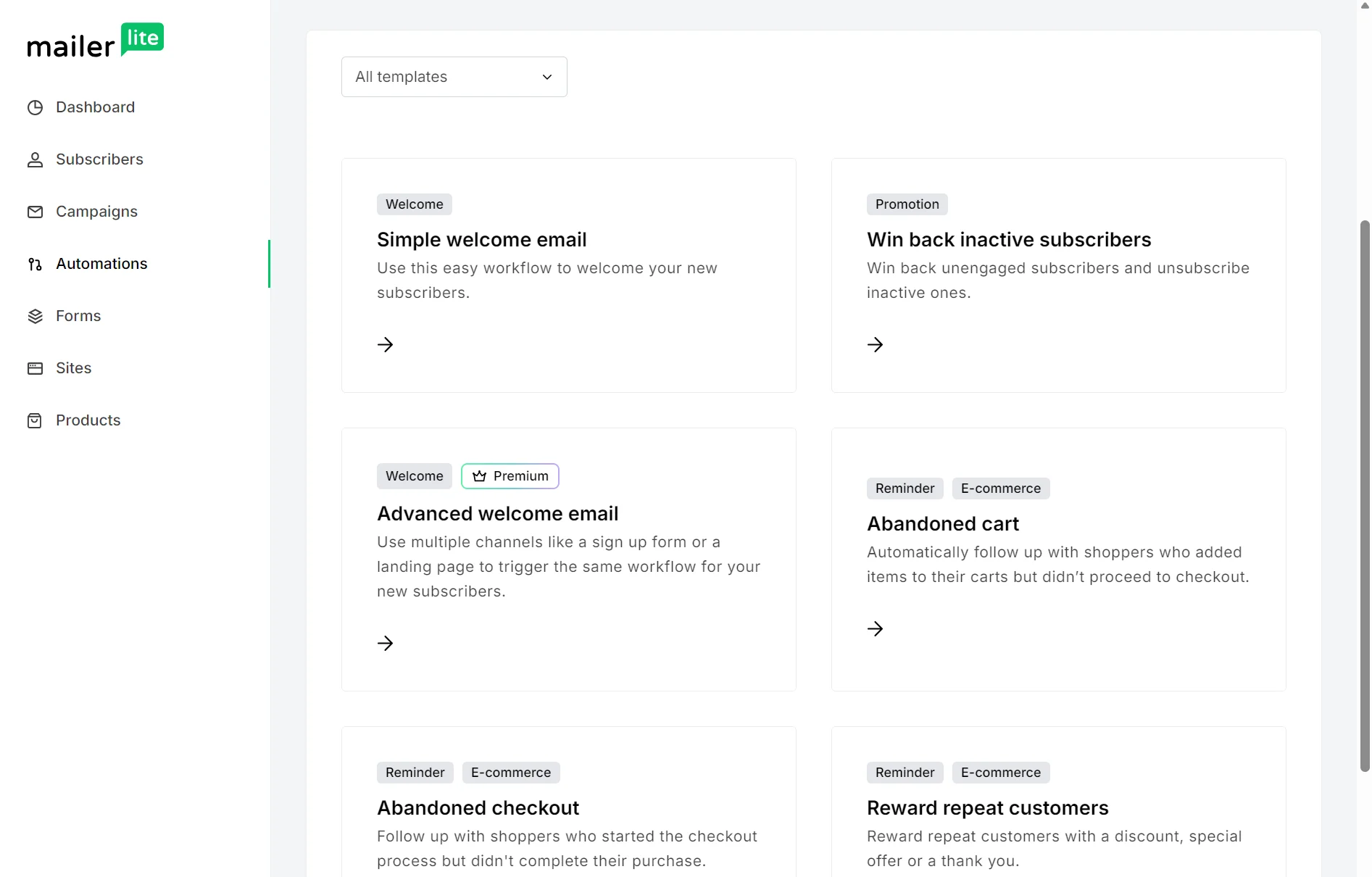
MailerLite provides 18 automation templates, including win-back and reward-repeat-customer flows. However, crucial limitations exist in its lower-tier plans: the free plan allows only three automations, and the Comfort plan is limited to 50, with only one trigger per automation. Unlimited automations and multiple automation triggers are exclusive to the Power plan. This restriction makes Brevo a more cost-effective choice for businesses aiming to build multi-step, complex customer journeys at lower price points.
E-commerce and Shopify Integration: A Retailer’s Perspective
For online retailers, robust e-commerce integration is non-negotiable. Brevo demonstrates deeper and more comprehensive integration with Shopify, a fact underscored by its Shopify App Store rating of 4.8/5 from over 2,030 reviews for its PushOwl app. Brevo’s app pulls in a wider array of raw signals, including browsing behavior, product catalog data, and back-in-stock events, in addition to standard order data, enabling more nuanced automations and segmentation.
MailerLite’s Shopify app, with a 3.0/5 rating from 25+ reviews, is primarily scoped to purchase-related triggers and notably excludes abandoned cart automation for new customers, only triggering for returning customers with a previous order. This limitation also extends to its BigCommerce integration. While both platforms offer native integrations for WooCommerce, WordPress, Wix, and Squarespace, Brevo extends its native support to platforms like PrestaShop and Big Cartel, offering broader e-commerce ecosystem compatibility.

Landing Pages and Forms: Capturing Leads
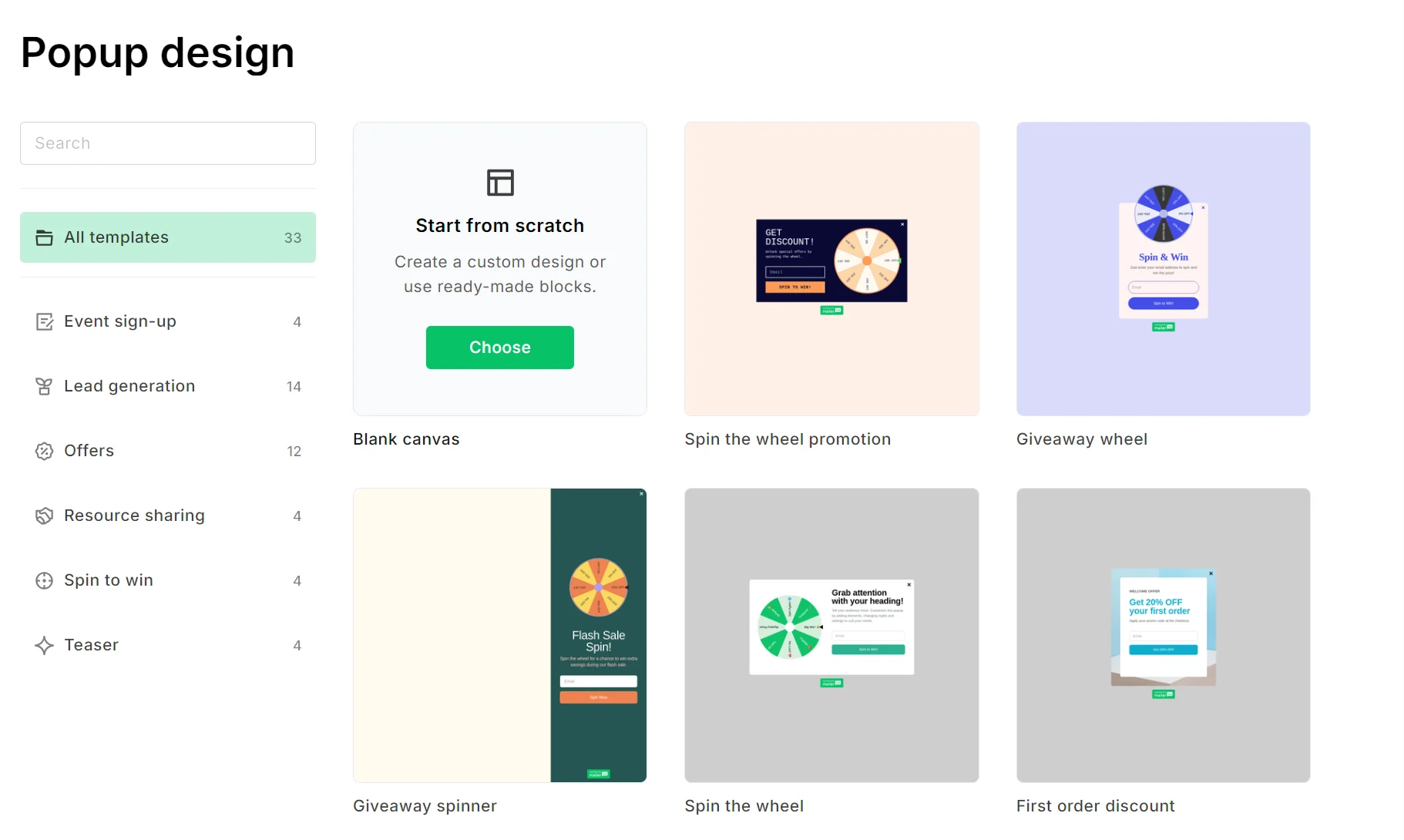
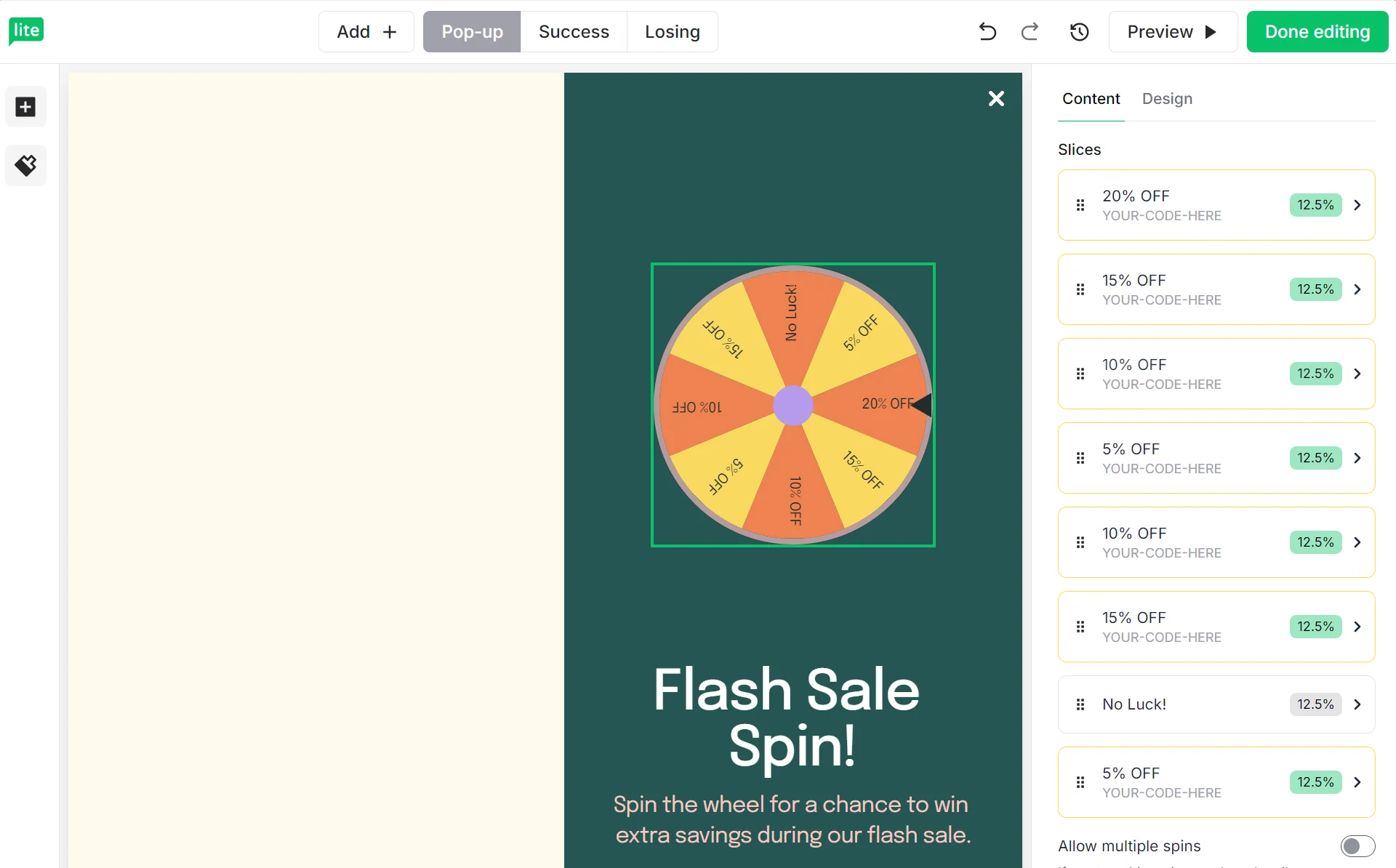
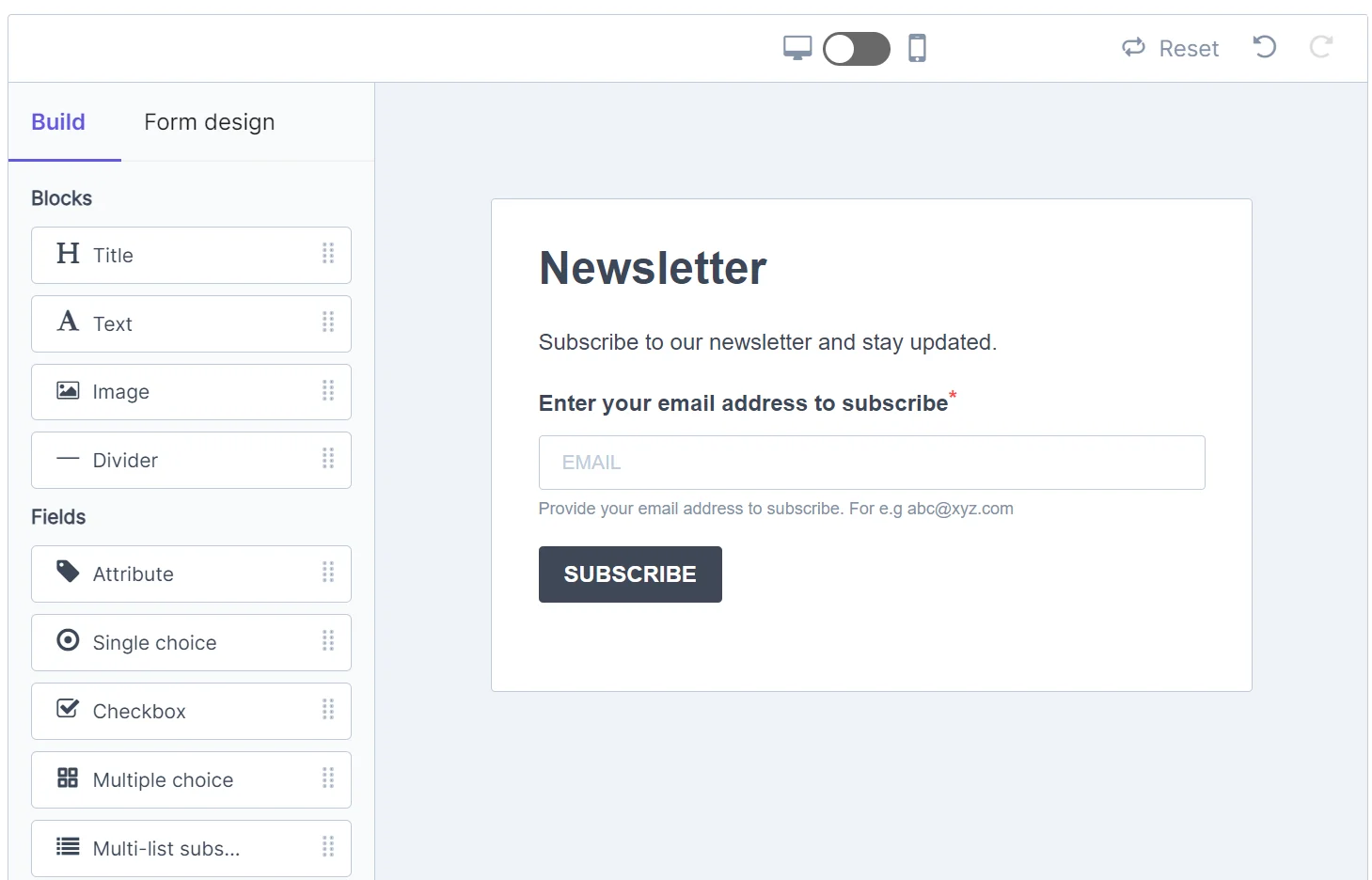
Lead generation tools are fundamental for list growth. MailerLite excels in this domain, offering the ability to build landing pages and pop-ups across all plans, albeit with quotas below the Power plan. It provides 33 pop-up templates, 13 promotion pop-up templates, and 30 pre-built landing page designs, in addition to an AI landing page builder. Its drag-and-drop builders for forms are intuitive, offering extensive design elements and mobile/desktop previews.
Brevo restricts access to pop-ups and landing pages to its Professional plan, only allowing the creation of basic sign-up forms in lower tiers. Its form builder, while functional and supporting Google reCAPTCHA and Cloudflare Turnstile, offers fewer design templates and less polished drag-and-drop functionality compared to MailerLite. For businesses prioritizing lead capture and conversion optimization through diverse form types and landing pages, MailerLite presents a more accessible and feature-rich option across its plan spectrum.
Monetization Features: Direct Revenue Streams
A unique differentiator for MailerLite is its integrated monetization capabilities, which allow businesses to sell and collect payments directly within emails and landing pages. Through Stripe integration, users can sell digital products, bookings, recurring subscriptions, and paid newsletters, tracking revenue directly from their dashboard. This feature, available across paid plans (with limits on the Comfort plan), positions MailerLite as a valuable tool for creators, publishers, and businesses seeking to generate direct revenue without relying solely on an external e-commerce store. Brevo currently lacks such direct monetization functionalities.
Deliverability and Sender Reputation Management
Ensuring emails reach the inbox is paramount for any email marketing effort. Brevo offers robust deliverability features, including a dedicated Deliverability Center and built-in deliverability scores. It streamlines domain authentication with automatic setup for Brevo code, DKIM, and DMARC records, and auto-replaces unauthenticated domains to protect sender reputation. Brevo also offers a dedicated IP as an add-on for Professional plans ($251/year) and includes it by default in Enterprise plans, providing greater control over sender reputation for high-volume senders. EmailToolTester’s 2026 reviews rate Brevo’s deliverability at 4.5/5.
MailerLite also handles essential authentication (DKIM, SPF, domain verification) and offers an automatic flow to pre-fill DNS values. However, it requires manual pasting of records into the DNS provider. MailerLite allows new accounts to send during a 14-day trial without authentication, which could potentially impact sender reputation if not managed carefully. EmailToolTester rates MailerLite’s deliverability at 3.5/5, suggesting Brevo holds an advantage in this critical area.
Customer Relationship Management (CRM): Beyond Email
Brevo offers a distinct advantage with its integrated sales CRM, designed for managing deals and pipelines. This feature, available as a free or paid add-on, includes screens for contacts, lists, segments, companies, deals, and tasks. Contact profiles in Brevo provide comprehensive insights, including preferences, statistics, recent history, and, in Professional plans, predictive Customer Lifetime Value (CLV). The deals section, mapping sales stages from new to won or lost with revenue amounts, is particularly beneficial for B2B sales or businesses with complex service offerings. The Sales Free add-on (50 open deals) is included in all plans, with advanced features available in Sales Essentials ($31/month/seat) and Sales Advanced ($65/month for VoIP, round-robin scheduling, and outreach sequences).
MailerLite focuses primarily on audience management features within its Subscribers dashboard, allowing users to manage contacts, segments, and groups. While it provides detailed subscriber profiles with email engagement statistics and integrates order information from connected e-commerce stores, it lacks the robust sales pipeline management and contact scoring features of a dedicated CRM. For businesses with intricate sales processes or B2B operations, Brevo’s integrated CRM offers significant added value.
Multichannel Marketing: Expanding Reach
In 2026, reaching customers across multiple channels is no longer optional. Brevo excels in this area, offering extensive SMS and multichannel marketing capabilities across all its plans. Users can create SMS campaigns, automations, and transactional messages to over 180 countries. MMS is available in the United States, and WhatsApp messaging (transactional and campaign) is also supported through pre-paid credits. The Sales Advanced add-on even enables 1:1 SMS and WhatsApp communication. Brevo’s SMS credits are pre-paid, non-refundable, and never expire, with pricing starting at $1.09 for 100 messages to the US.
MailerLite’s multichannel capabilities are significantly more limited. SMS is restricted to transactional messaging via its separate MailerSend Starter plan ($35/month, including 100 SMS). It does not support multichannel automations or SMS marketing campaigns, functioning primarily as an email-centric marketing tool outside of its dedicated transactional messaging service. For businesses seeking to implement integrated, cross-channel marketing strategies, Brevo is the clear choice.
Customer Support and Resources
Reliable customer support is crucial for operational continuity. MailerLite offers more diverse support channels in its paid plans, including 24/7 live chat in Power plans and priority email support. Its free plan provides access only to community resources, guides, and webinars. Response times for email support in the Comfort plan are generally prompt, as evidenced by a four-hour response time in our test.
Brevo includes email support across all plans, with response times ranging from a few hours to half a day in our tests. Professional plans gain access to phone support and a deliverability specialist (capped at three hours/year), while Enterprise clients receive a dedicated customer success manager. Brevo notably lacks a live chat option across any plan. User reviews on G2 show mixed sentiment for both platforms, with some praising quick and helpful responses, while others report difficulties in reaching human support or receiving generic replies.
Strategic Recommendations: The Final Verdict
Choose Brevo if:
- You manage a large contact list and send emails infrequently.
- Your strategy demands robust multichannel marketing (SMS, MMS, WhatsApp) and advanced automation.
- You require an integrated sales CRM with deal and pipeline management.
- You need deeper e-commerce integration, especially for Shopify, pulling comprehensive customer data.
- AI-driven workflow automation and content generation across various marketing tasks are a priority.
- You prioritize strong deliverability features and reputation management.
Choose MailerLite if:
- You have a smaller to modest list and send emails with high frequency, benefiting from unlimited emails on contact-based plans.
- Direct monetization features (selling digital products, subscriptions) within your platform are essential.
- You need a highly intuitive platform for building landing pages, pop-ups, and forms across all plans.
- Ease of use for basic email campaigns and list growth is your primary concern.
- AI-powered generative content for emails and landing pages is a key requirement.
When Neither Cuts It: Considering Omnisend
For e-commerce businesses seeking a platform built from the ground up to maximize online sales and customer retention, Omnisend emerges as a compelling alternative. It offers an e-commerce-first approach with a lower pricing threshold for advanced features like AI product recommendations and predictive analytics, available across all plans. Omnisend’s lifecycle stage maps, based on RFM (Recency, Frequency, Monetary) analysis, empower highly targeted segmentation and personalized messaging.
Omnisend’s AI features include an AI segment builder in all plans and AI Forms in Pro plans, alongside an AI writing assistant for email content and subject lines. Crucially, Omnisend provides 24/7 live chat support across all its plans, a significant advantage over both Brevo and MailerLite’s tiered support structures. Additional benefits include multi-store support with asset sharing, global SMS coverage in over 190 countries, and a dedicated Account Expert for higher-spending clients. For businesses where e-commerce is the core revenue driver and advanced analytics, personalization, and seamless multichannel integration are paramount, Omnisend presents a highly specialized and powerful solution.
Ultimately, the choice between Brevo and MailerLite, or even an alternative like Omnisend, hinges on a business’s specific operational needs, marketing objectives, and budget constraints for 2026 and beyond. A careful evaluation of their respective strengths in pricing, features, and ecosystem compatibility will guide businesses toward the platform best equipped to drive their success.


 Ammar Sabilarrohman
 Asro
Asro