Laily UPN
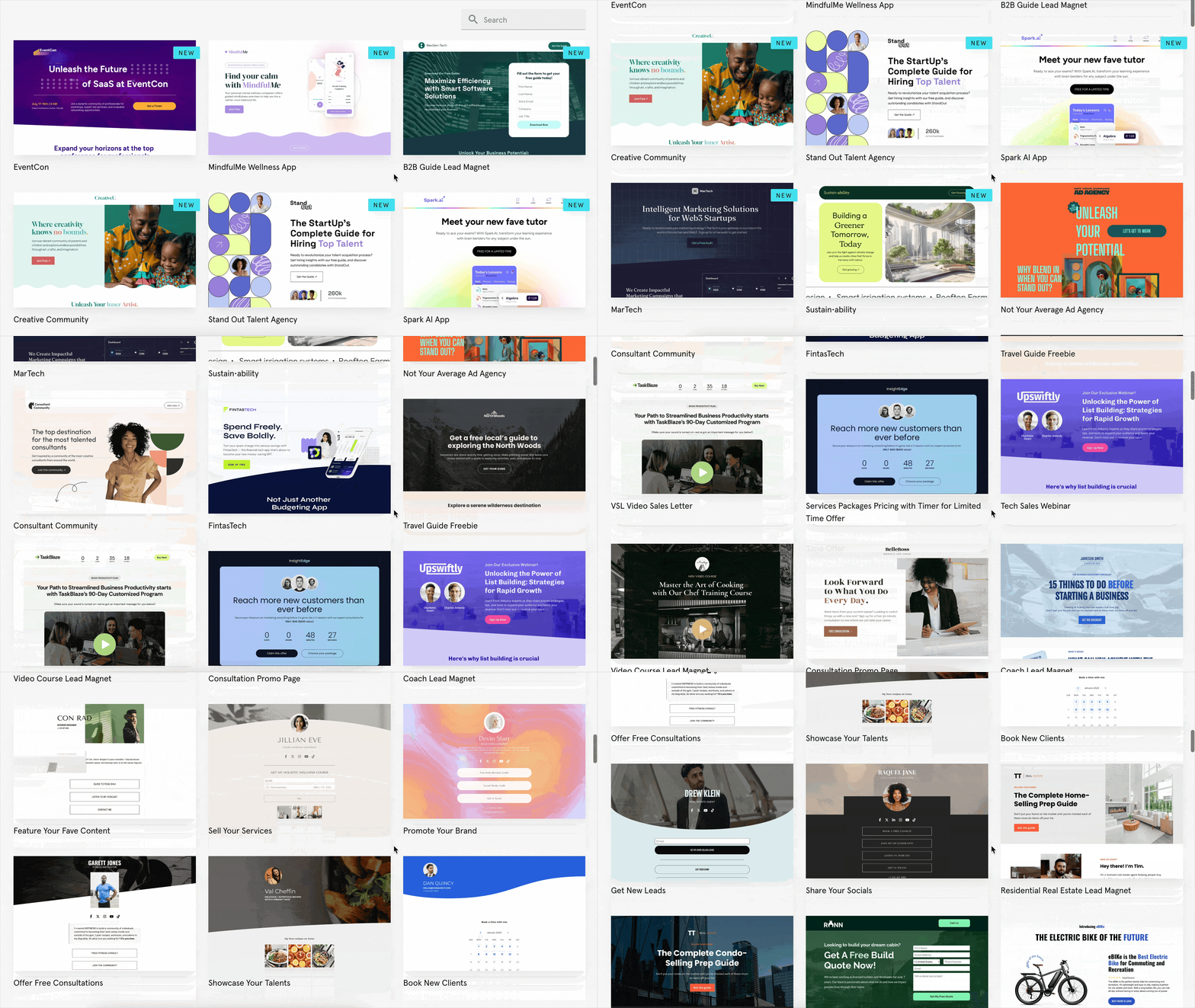
The digital marketing landscape has reached a pivotal juncture where the demand for high-converting landing pages no longer aligns solely with the pioneer tools that first defined the category. Unbounce, long considered the industry standard for dedicated landing page construction, is facing increasing scrutiny from marketing teams and independent creators due to a pricing model and feature set that many argue has failed to keep pace with the needs of modern agile businesses. As the software-as-a-service (SaaS) market matures, a new generation of alternatives has emerged, offering more flexible pricing, integrated sales funnels, and collaborative features that challenge the traditional dominance of the Vancouver-based platform.
The shift away from Unbounce is primarily driven by a "pay-to-play" feature structure that limits essential tools like A/B testing and AI-driven optimization to its most expensive tiers. In an era where conversion rate optimization (CRO) is considered a fundamental requirement rather than a premium luxury, the market is responding by gravitating toward platforms that offer unlimited traffic and more inclusive feature sets. This report examines the technical capabilities, economic implications, and strategic advantages of the leading alternatives currently reshaping the landing page sector.

The Evolution of Landing Page Technology: A Brief Chronology
To understand the current market fragmentation, one must look at the evolution of web design for marketers. In the early 2010s, building a landing page required dedicated IT resources or high-level coding knowledge. Unbounce changed this paradigm in 2009 by introducing the "no-code" drag-and-drop editor, effectively birthing the landing page builder category.
By 2015, the market saw the rise of Leadpages, which prioritized template-based speed over pixel-perfect customization, appealing to the growing "solopreneur" and small business demographic. Shortly thereafter, ClickFunnels disrupted the space by shifting the focus from individual pages to "sales funnels," integrating payment processing and email automation into a single workflow.
Between 2018 and 2022, the focus shifted toward "Enterprise-grade" features. Instapage introduced sophisticated collaboration tools to serve large agencies, while GetResponse and other email service providers (ESPs) began integrating landing page builders to offer a unified marketing ecosystem. Today, in 2024, the primary drivers of innovation are AI-generated copy, programmatic page scaling, and the elimination of visitor caps—a direct response to the limitations found in Unbounce’s current business model.

Analyzing the Drivers of Platform Migration
Market data suggests that the migration from Unbounce is rarely due to a lack of technical capability. Unbounce remains a powerful tool with high-level design flexibility. Instead, the exodus is fueled by five specific operational friction points:
- The Cost of Optimization: While Unbounce offers a "Starter" plan, the core reason professional marketers use the tool—A/B testing—is gated behind the $149/month "Experiment" plan. For many small to medium-sized businesses (SMBs), paying nearly $1,800 annually just to access split-testing is economically unviable.
- Visitor Cap Penalties: Unbounce utilizes a traffic-based pricing model. A successful viral campaign or a surge in ad spend can result in "overage fees" or a forced upgrade. This creates a paradoxical situation where a marketer is penalized for the success of their campaigns.
- Domain and User Restrictions: Entry-level plans typically restrict users to a single domain and a single seat. This is a significant bottleneck for agencies or businesses managing multiple brands.
- Disconnected Ecosystems: Modern marketers increasingly prefer "all-in-one" solutions. Unbounce’s focus remains strictly on the landing page, requiring third-party integrations for checkout, course hosting, and email nurturing, which adds both cost and technical complexity.
- Layout Redundancy: The Unbounce editor requires users to design desktop and mobile views separately. While this offers total control, it doubles the workload for every change, leading to inefficiencies for fast-moving teams.
Comprehensive Review of Leading Alternatives
1. Instapage: The Enterprise Collaboration Solution
Instapage has positioned itself as the premium alternative for high-spend marketing teams and agencies. Unlike Unbounce, which focuses on the individual builder experience, Instapage emphasizes the "workflow" of a marketing department.
The platform’s "Instablocks" feature allows teams to create and save global page components (such as headers, footers, or testimonial blocks) that can be updated across hundreds of pages simultaneously. This programmatic approach to design is a major differentiator for large-scale operations. Furthermore, Instapage includes built-in heatmaps on its standard plans, providing direct visual data on user behavior without requiring a separate subscription to tools like Hotjar or Crazy Egg.

Strategic Impact: Agencies using Instapage report a 30% reduction in page production time due to its collaborative commenting system, which allows stakeholders to leave feedback directly on the design interface, similar to Figma or Google Docs.
2. Leadpages: The Efficiency Leader for SMBs
Leadpages remains the primary competitor for users who prioritize speed and predictable costs. Its most significant advantage over Unbounce is the lack of visitor caps. Regardless of the plan, users can drive unlimited traffic to their pages without fear of overage charges.
Technically, Leadpages offers a "lead enrichment" feature that is often overlooked. When a user submits a form, the platform can automatically pull additional professional data about the prospect, providing sales teams with more context. While it offers less "pixel-perfect" control than Unbounce, its templates are rigorously tested for conversion, making it a "guardrail" for non-designers.

3. ClickFunnels: The Digital Commerce Ecosystem
For entrepreneurs selling digital products, ClickFunnels is not merely an Unbounce alternative; it is a replacement for an entire marketing stack. The platform’s philosophy is built on the "Value Ladder," guiding a lead from a free opt-in to a high-ticket purchase through a series of automated steps.
ClickFunnels 2.0 has expanded these capabilities to include full website hosting, e-commerce stores, and learning management systems (LMS) for course creators. This consolidation is a direct response to the "app fatigue" experienced by marketers who are tired of connecting Unbounce to Zapier, then to Stripe, and then to Teachable.
4. Landingi: The High-Volume Agency Alternative
Landingi has gained traction by offering features that Unbounce reserves for its "Concierge" plans at a fraction of the cost. Specifically, its "Smart Sections" and support for up to 10 root domains on mid-tier plans make it an ideal choice for agencies managing multiple client accounts.

A key technical advantage of Landingi is its focus on multilingual campaigns. The platform allows for the easy duplication and translation of pages, making it a favorite for European and global firms that must navigate diverse linguistic markets.
5. GetResponse: The Omnichannel Integration
GetResponse represents the evolution of the Email Service Provider into a full-scale marketing hub. By integrating a landing page builder directly into its email automation engine, it eliminates the data lag often found when syncing leads from an external builder.
For businesses where the primary goal of a landing page is lead capture for long-term nurturing (such as B2B whitepapers or webinar registrations), GetResponse offers a more seamless experience. The landing page becomes a native part of the automation "workflow" rather than an external trigger.

Comparative Data Analysis
A quantitative comparison of the entry-level professional tiers (approx. $100–$150/month) reveals a significant disparity in value:
| Feature | Unbounce (Experiment) | Instapage (Build) | Leadpages (Pro) | Landingi (Professional) |
|---|---|---|---|---|
| Monthly Price | $149 | $199 | $99 | ~$49 |
| Visitor Limit | 30,000 | 30,000 | Unlimited | Unlimited |
| A/B Testing | Included | Included | Included | Included |
| Heatmaps | No | Yes | No | Yes |
| Domains | 2 | Unlimited | 3 | 10 |
This data underscores the "visitor cap" issue. For a marketer running a high-volume Facebook Ads campaign with 100,000 monthly clicks, Unbounce would require a custom "Concierge" plan, whereas Leadpages or Landingi would handle the traffic at their standard rates.
Market Sentiment and Official Responses
While Unbounce has not officially pivoted its pricing model in response to these competitors, the company has doubled down on "Smart Builder" and AI-driven features. In various industry forums, Unbounce representatives have defended their traffic caps by citing the high server costs of maintaining their "Smart Traffic" AI, which real-time routes visitors to the page variant most likely to convert based on their location and device.

However, user sentiment on platforms like G2 and Capterra suggests a growing frustration with the "feature gating" of A/B testing. Professional marketing analysts suggest that as AI becomes commoditized across all platforms, Unbounce’s reliance on AI as a premium differentiator may weaken, forcing a eventual restructuring of their traffic-based tiers.
The Future of the Landing Page Market
The broader implication of this shift is the "democratization of optimization." As tools like Landingi and Leadpages offer A/B testing and AI copy generation at lower price points, the competitive advantage of simply having an optimized page is disappearing. The new frontier is "Personalization at Scale"—the ability to show a different page to a user coming from a Google Search for "best hiking boots" versus a user coming from an Instagram ad for "waterproof footwear."
Platforms like Instapage and Unbounce are currently leading this personalization race through dynamic text replacement and ad-to-page mapping. However, the rising popularity of all-in-one ecosystems like ClickFunnels suggests that for a large segment of the market, the "best" landing page builder is the one that is already connected to their payment processor and email list.

In conclusion, while Unbounce remains a formidable tool for those who require its specific AI traffic routing and high-level design freedom, the market now offers specialized alternatives that solve the most common complaints: cost, complexity, and caps. For marketing teams in 2024, the choice of platform is no longer about which tool has the best editor, but which tool integrates most seamlessly into their broader business model and growth trajectory.

 Lina Hope

 Raul Delapena Setiawan