Lina Hope
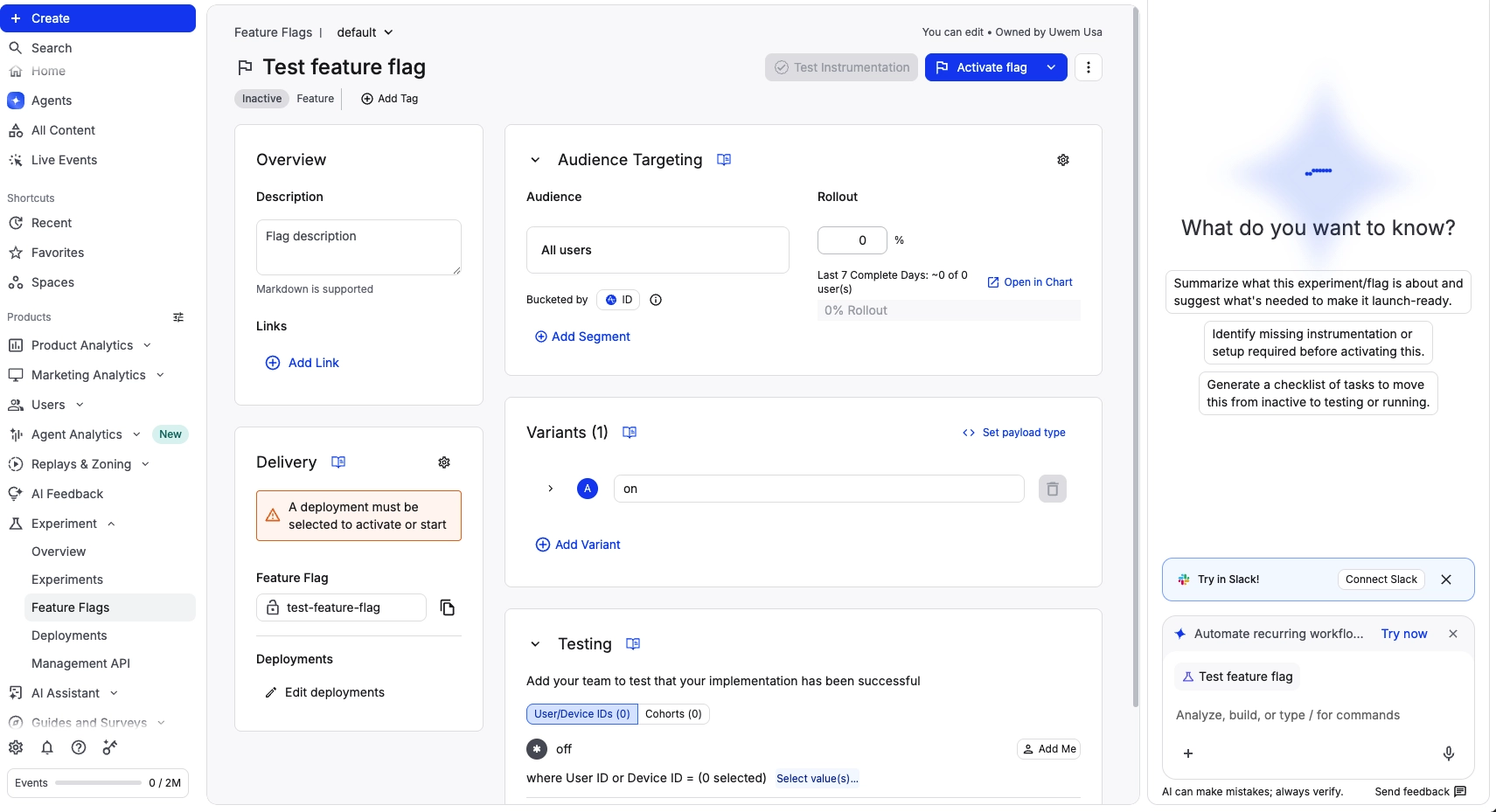
The landscape of software development in 2026 has fundamentally shifted from traditional deployment cycles to a model of continuous, progressive delivery, where the ability to decouple code deployment from feature release is no longer a luxury but a baseline requirement for competitive engineering teams. As organizations strive for higher velocity without sacrificing system stability, the market for feature management and experimentation platforms has matured into a multi-billion dollar ecosystem. This report provides an exhaustive evaluation of the top ten platforms currently dominating the industry, analyzed through the lens of day-to-day usability, technical robustness, and the delivery of core business outcomes such as safer releases and accelerated experimentation.

To arrive at these findings, analysts conducted a rigorous three-month evaluation of the leading contenders. The methodology included a deep-dive into technical documentation, an audit of current 2026 pricing structures, hands-on testing of onboarding flows through free trials, and the synthesis of over 300 verified user reviews from G2. The following analysis outlines how these tools compare across critical vectors including SDK coverage, experimentation methodology, and automated risk mitigation.
The Evolution of Progressive Delivery: Industry Context
The rise of feature flags—also known as feature toggles—represents a pivotal moment in DevOps history. Historically, developers faced the "big bang" release risk, where shipping new code meant exposing all users to potential bugs simultaneously. By 2024, the industry began a mass migration toward "dark launches," and by 2026, the integration of real-time telemetry with feature gating has become the standard. This evolution allows teams to ship code in a "dormant" state, enabling product managers to toggle features on for specific cohorts—such as internal testers or premium subscribers—before a global rollout.

The primary drivers for this shift are the reduction of "Mean Time to Recovery" (MTTR) and the democratization of testing. In the current high-stakes digital economy, a broken checkout page or a faulty algorithm can result in millions of dollars in lost revenue within minutes. Feature flags provide an "emergency kill switch" that reverts code changes instantly without requiring a full rollback of the application’s deployment.
Comparative Analysis of Leading Platforms
The following section details the performance and strategic positioning of the ten platforms that most frequently appear in modern enterprise evaluations.
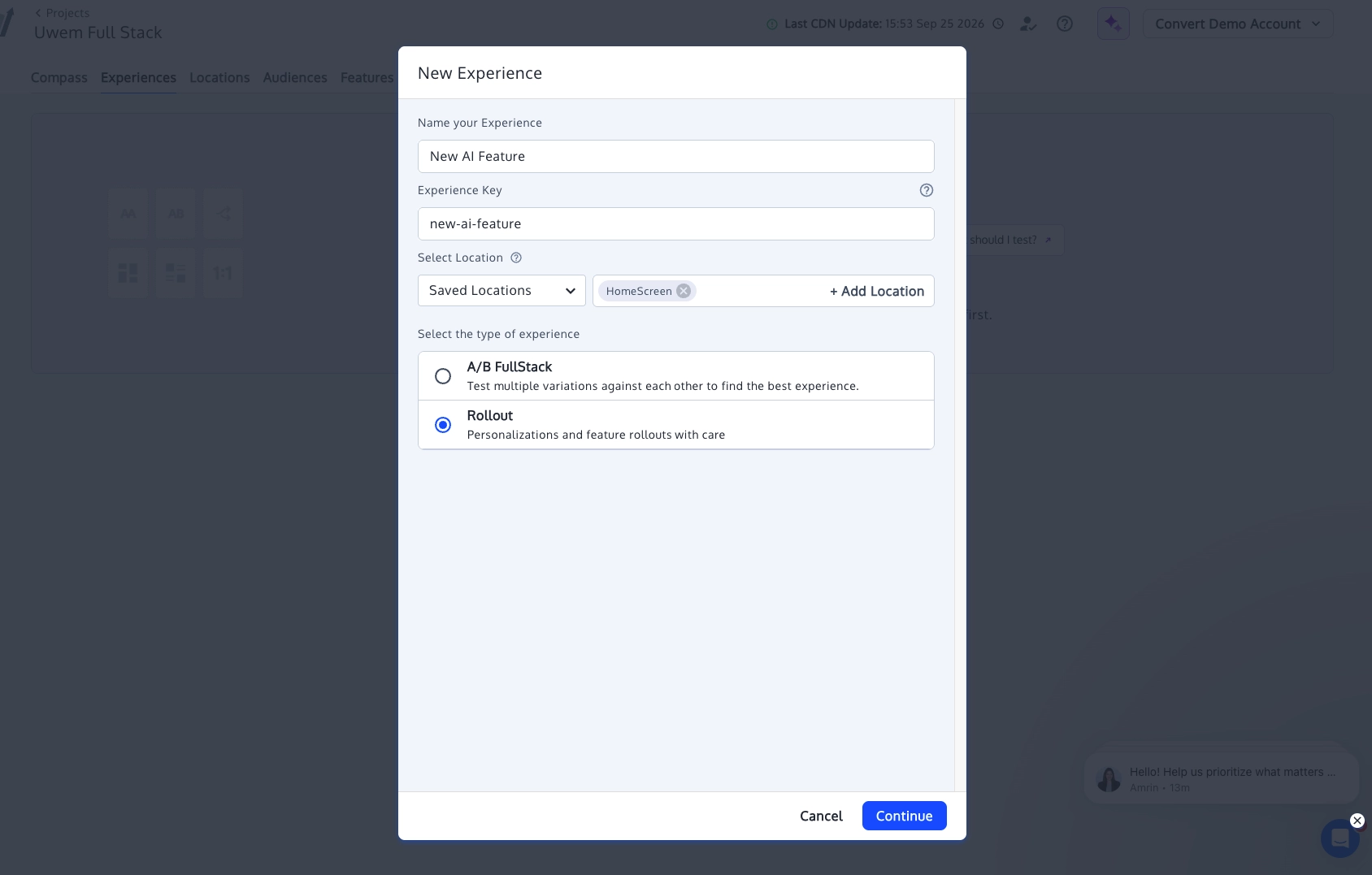
1. Convert Experiences: The Unified Experimentation Leader
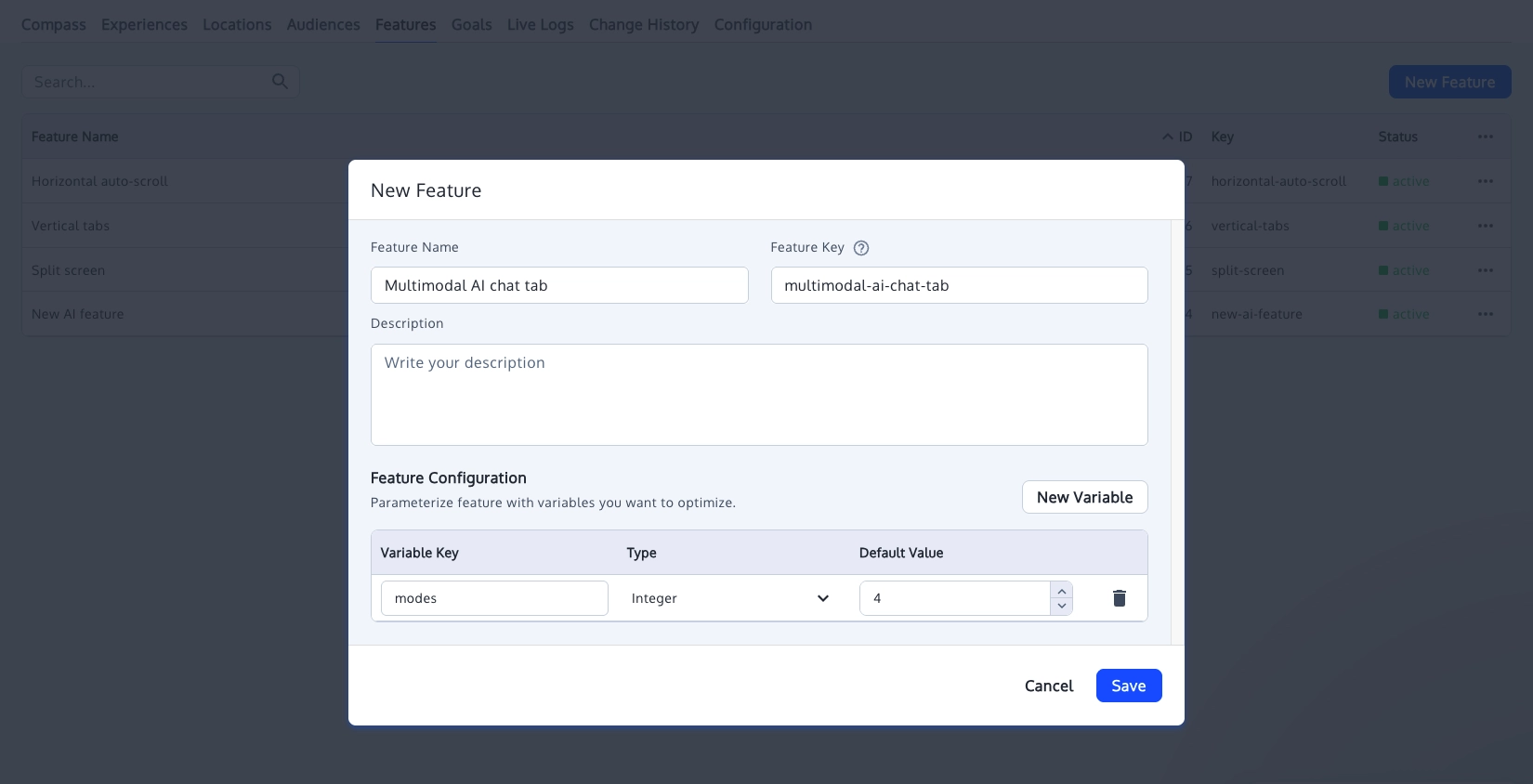
Convert Experiences has carved out a unique position by catering to teams that require a seamless bridge between marketing-led web testing and engineering-led full-stack experiments. As of late 2026, Convert is recognized for its ability to handle both client-side and server-side testing within a single account infrastructure.
With pricing starting at $599 per month for 100,000 tested users, it offers a mid-market entry point for high-growth teams. The platform is particularly noted for its rigorous adherence to global privacy standards, maintaining SOC Type II, GDPR, CCPA, and HIPAA compliance, alongside ISO 27001 certification. Its primary strength lies in its support for diverse statistical models, including frequentist, Bayesian, and sequential testing, though it lacks the automated metric-based rollback features found in more engineering-centric tools.
2. LaunchDarkly: The Enterprise Standard for Governance
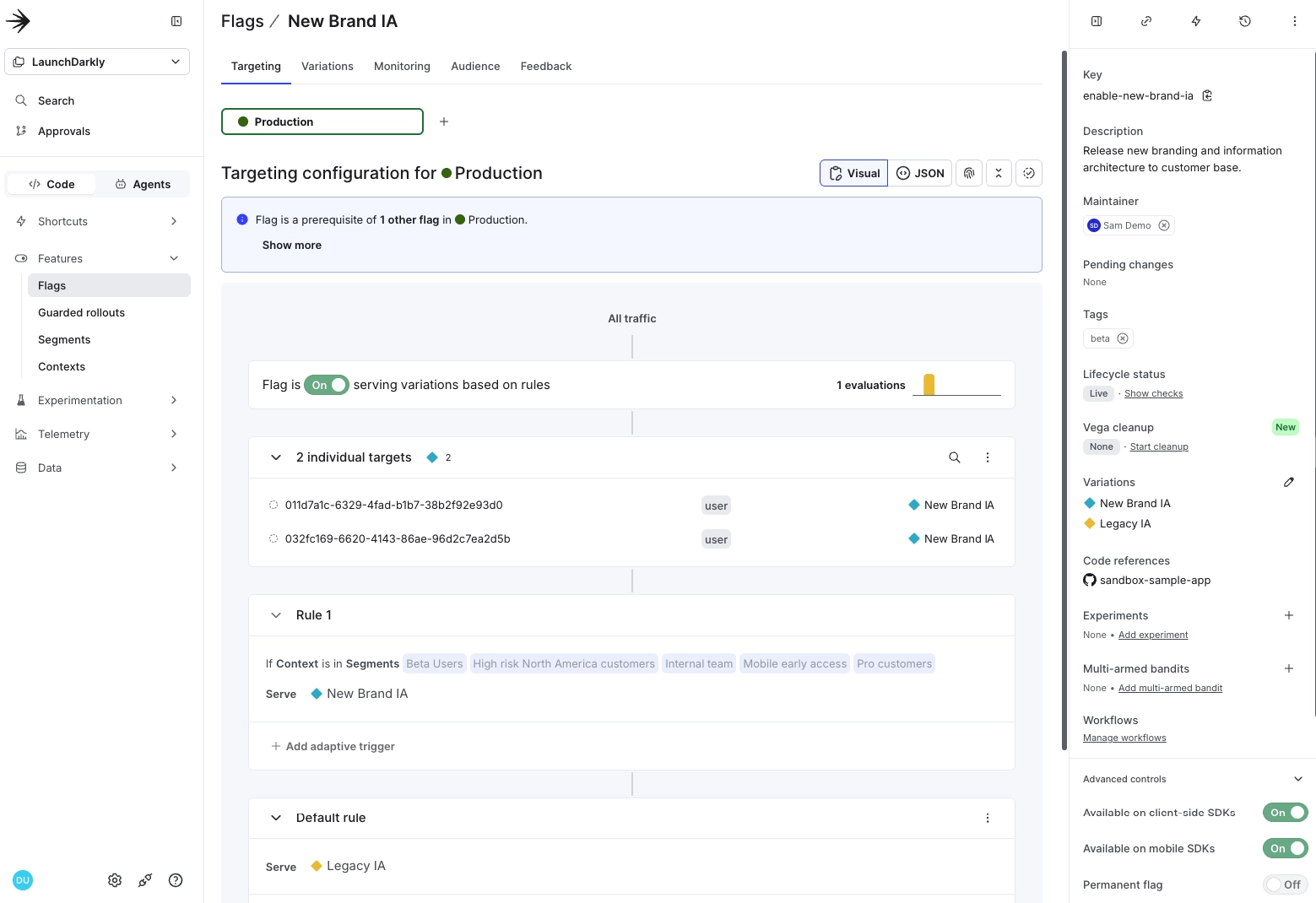
LaunchDarkly remains the dominant force for high-volume, governed releases. Designed for complex, multi-service architectures, it supports over 40 SDKs, covering everything from mobile and web to edge runtimes. In 2026, its pricing model remains focused on service connections and client-side Monthly Active Users (MAU).
LaunchDarkly’s "Guardian" add-on is a standout feature for enterprise clients, providing advanced safety nets and automated responses to system degradations. While highly powerful, some users have noted that the configuration for mobile frameworks like Flutter and React Native can be complex, requiring significant technical expertise.
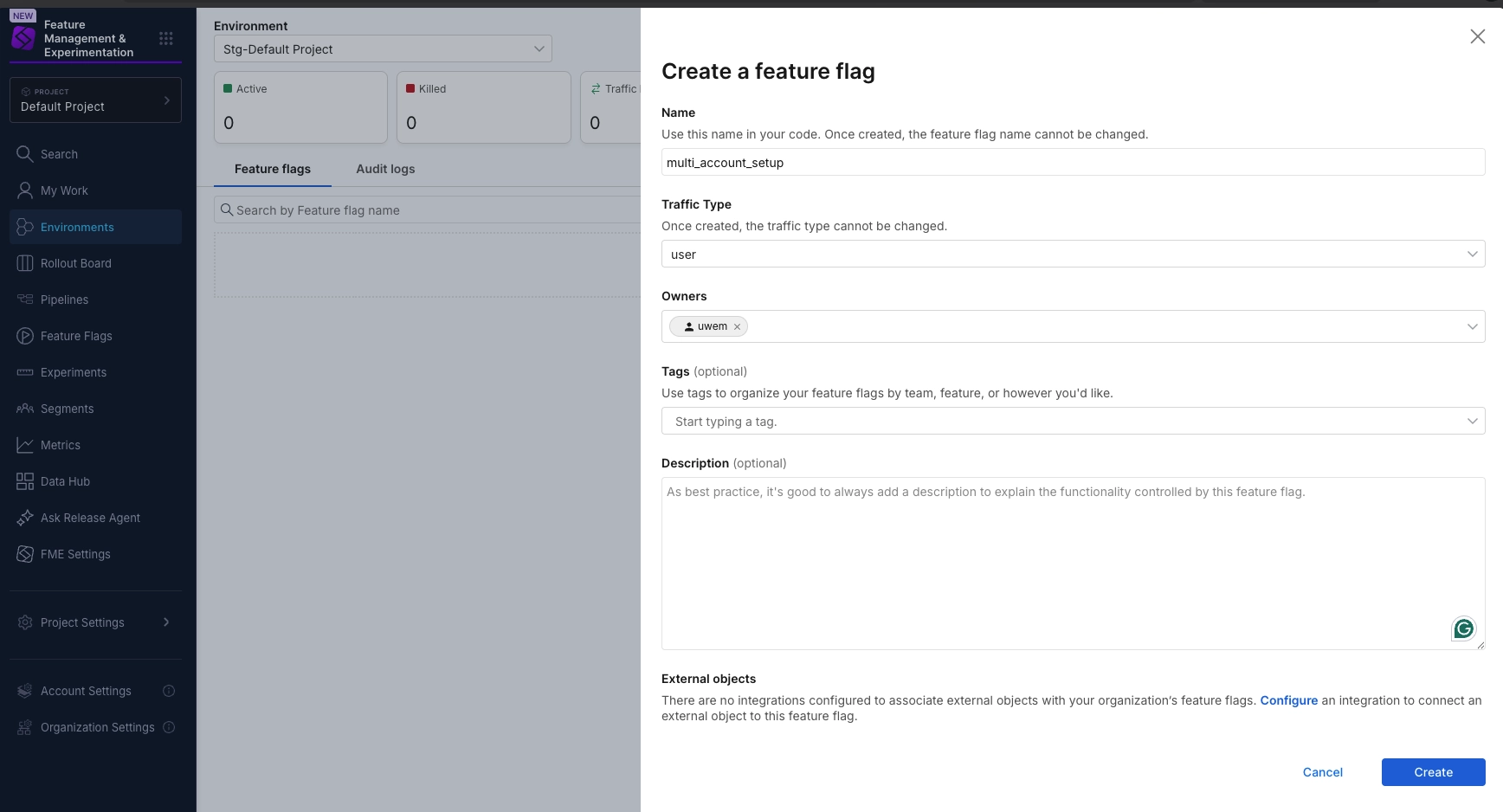
3. Harness Feature Management & Experimentation (FME)
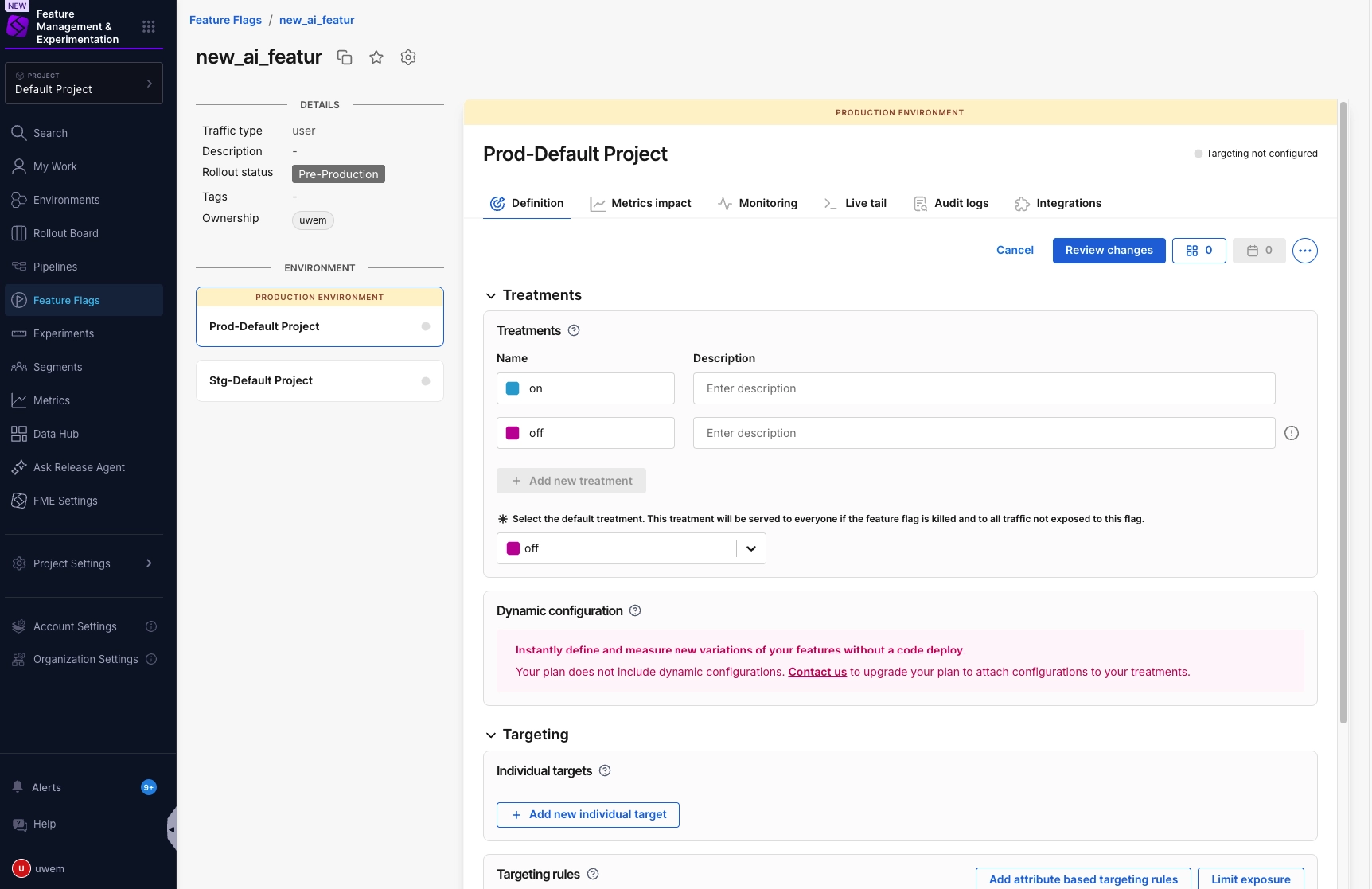
Built upon the 2024 acquisition of Split, Harness FME is the preferred choice for engineering teams already embedded in the Harness CI/CD ecosystem. By placing feature flags directly within the delivery pipeline, Harness allows for an automated transition from "build" to "release." Its unique value proposition is the built-in experimentation with sequential testing and "safe rollouts" that include automated rollbacks if performance guardrails are breached.
4. Amplitude Feature Experimentation
Following its strategic acquisition of Statsig’s brand and customer base in May 2026, Amplitude has successfully integrated feature management with its industry-leading behavioral analytics. This allows product teams to use the same data for tracking user journeys and running experiments. While it excels in data-rich environments, some teams find the initial technical setup of its background engine to be a significant hurdle.
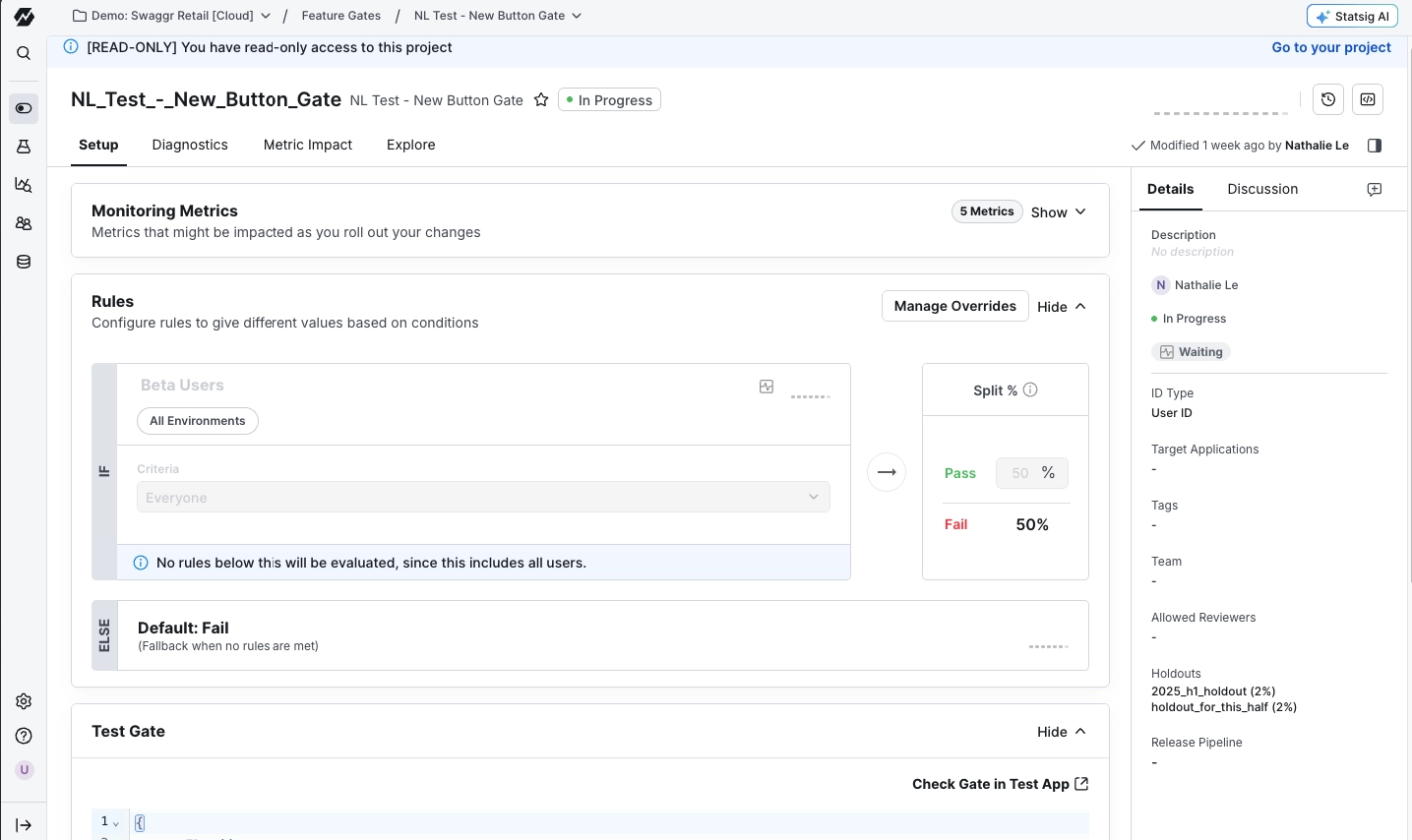
5. Statsig: The Developer’s Analytics Engine
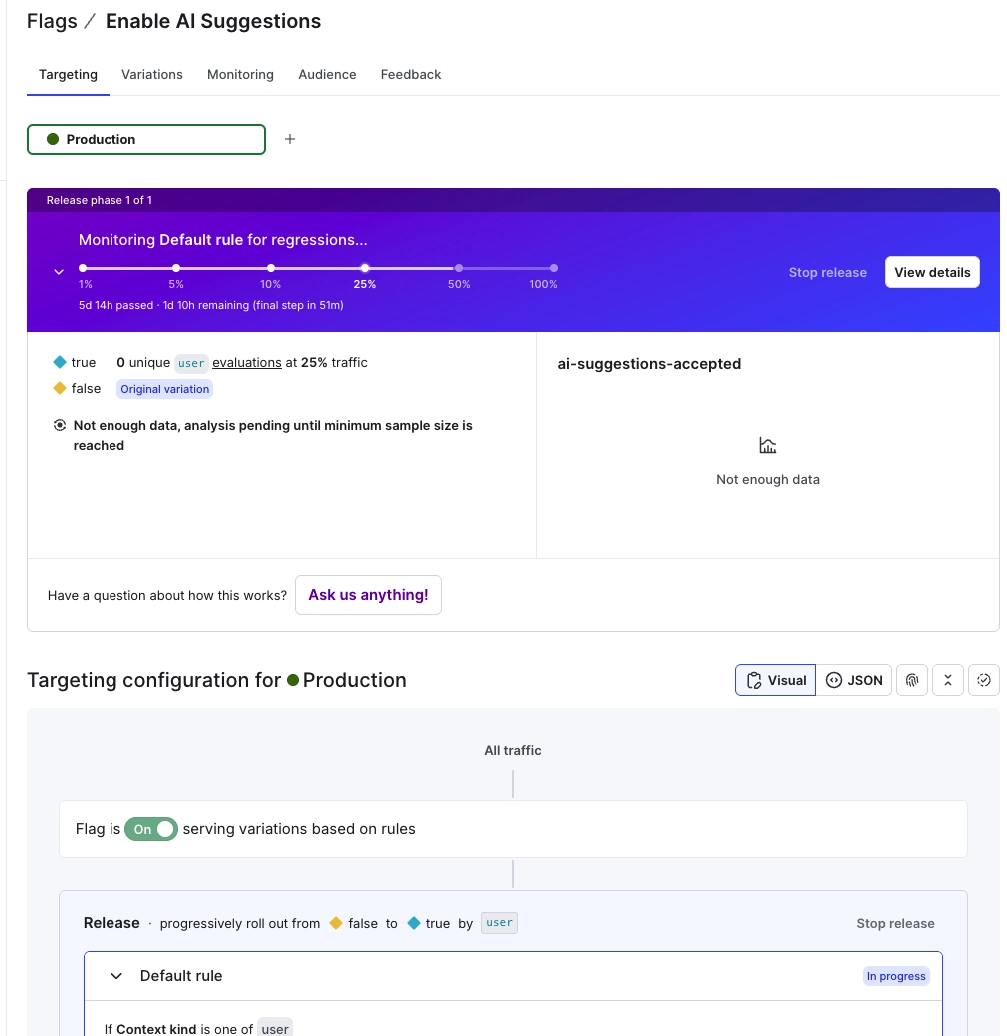
Despite the brand transition to Amplitude, the core Statsig engineering team (now part of OpenAI) has maintained a platform that is highly regarded for its "warehouse-native" analysis. Statsig allows engineers to turn any flag into an experiment without additional instrumentation. Its pricing is usage-based, starting at $150 per month, making it accessible for teams that want to scale based on event volume rather than seat count.
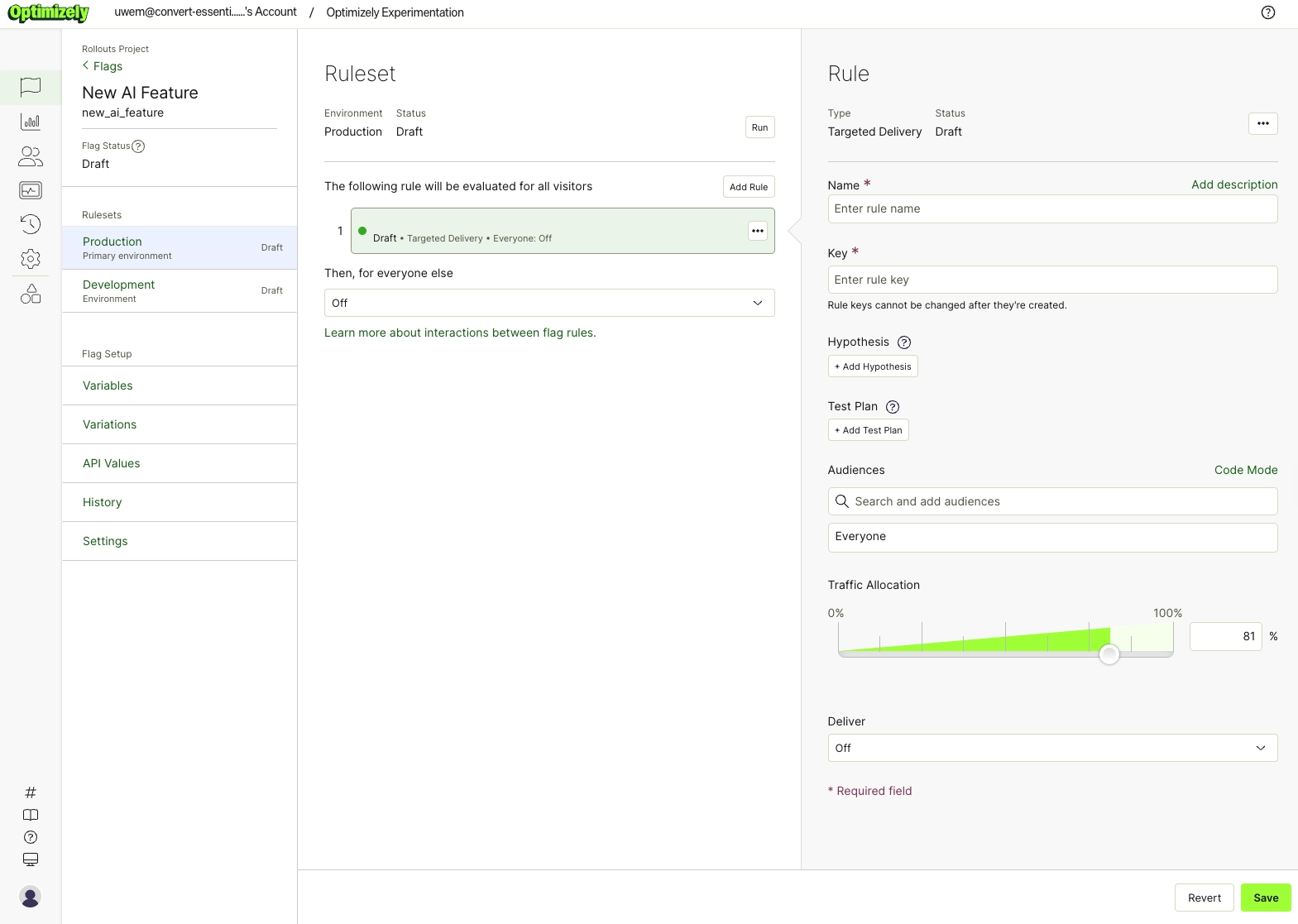
6. Optimizely Feature Experimentation
A titan in the digital experience space, Optimizely offers a full-stack product separate from its web experimentation tool. It is designed for large-scale organizations that require rigorous statistical integrity via its proprietary "Stats Engine." While it offers a free "Rollouts" plan, its enterprise-grade features require significant investment and a high level of organizational maturity to implement effectively.
7. PostHog: The Startup All-in-One
PostHog has disrupted the market by offering an open-source suite that combines flags, experiments, analytics, and session replays. For startups, the 1 million free flag requests per month represent an unbeatable value. However, the platform’s "all-in-one" nature can sometimes lead to technical overhead, such as the memory leak issues in mobile SDKs reported by some users in early 2026.
8. GrowthBook: The Warehouse-First Open Source Option
GrowthBook appeals to teams that prioritize data sovereignty. It allows organizations to run experiment analysis directly against their own data warehouses (like Snowflake or BigQuery). By offering a free self-hosted edition, it provides a transparent, SQL-friendly environment for data-sensitive industries.
9. Unleash: Privacy-Centric Feature Management
Unleash focuses on keeping user data within the client’s own backend. As an open-source platform with a SOC 2 Type II compliant cloud offering, it is favored by engineering teams that need absolute control over flag evaluation. While its built-in analytics are considered limited compared to Amplitude or Statsig, its activation strategies are highly flexible.
10. Kameleoon: The Hybrid Personalization Platform
Kameleoon targets regulated industries by providing a platform where marketing, product, and engineering can collaborate. It is one of the few tools that offers a 30-day free trial for feature management while maintaining strict compliance with HIPAA and GDPR. Its strength lies in its versatility, though its initial implementation documentation has been cited as a point of friction.
Technical Chronology and Implementation Milestones
The timeline for adopting feature management typically follows a three-stage progression. Understanding this chronology is essential for teams planning their 2026-2027 roadmaps.
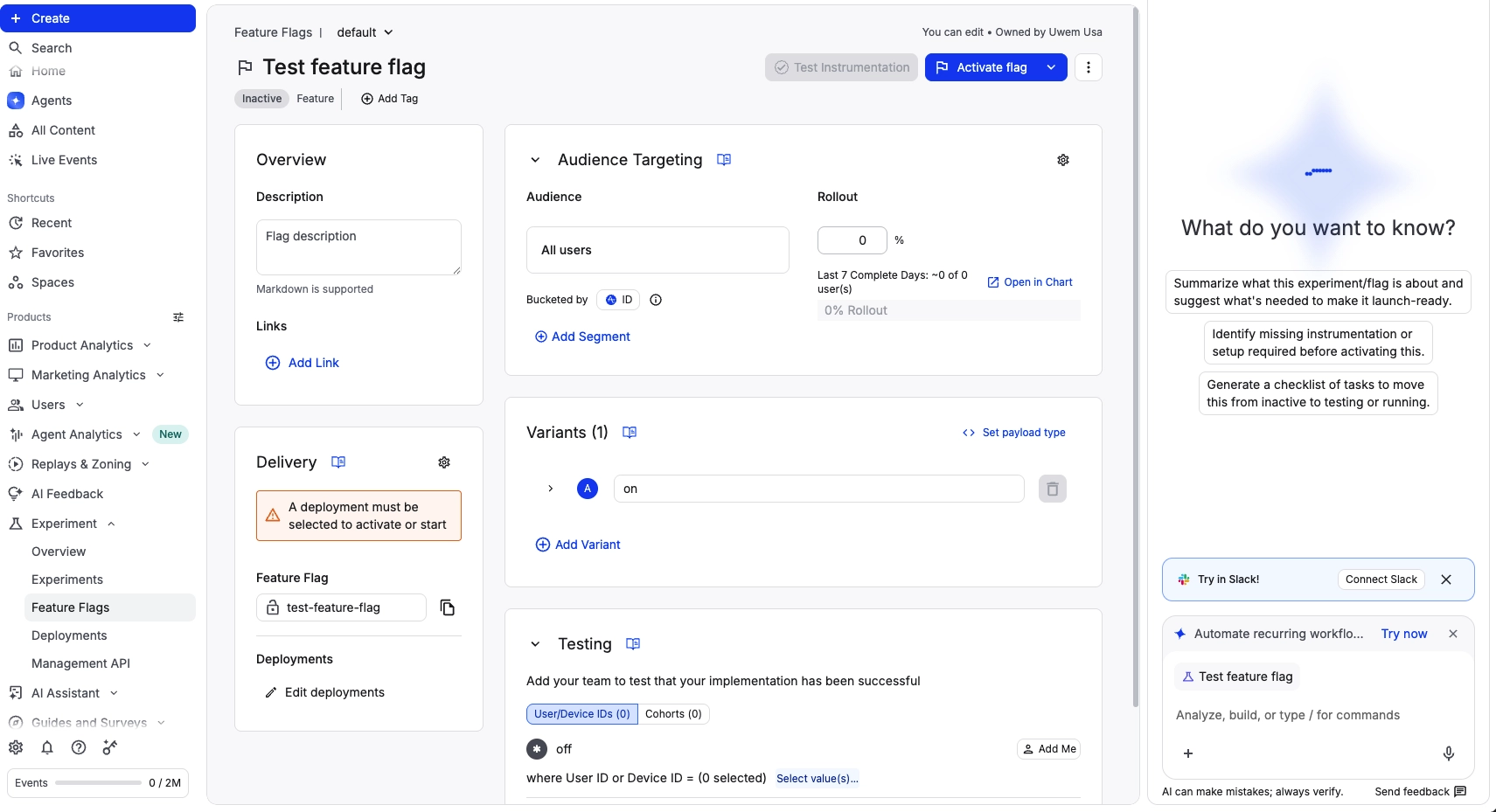
- Stage 1: Internal Validation (Weeks 1-4): Teams use specific conditions (e.g., "email ends in @company.com") to test new features in production without exposing them to the public. This stage focuses on functional stability.
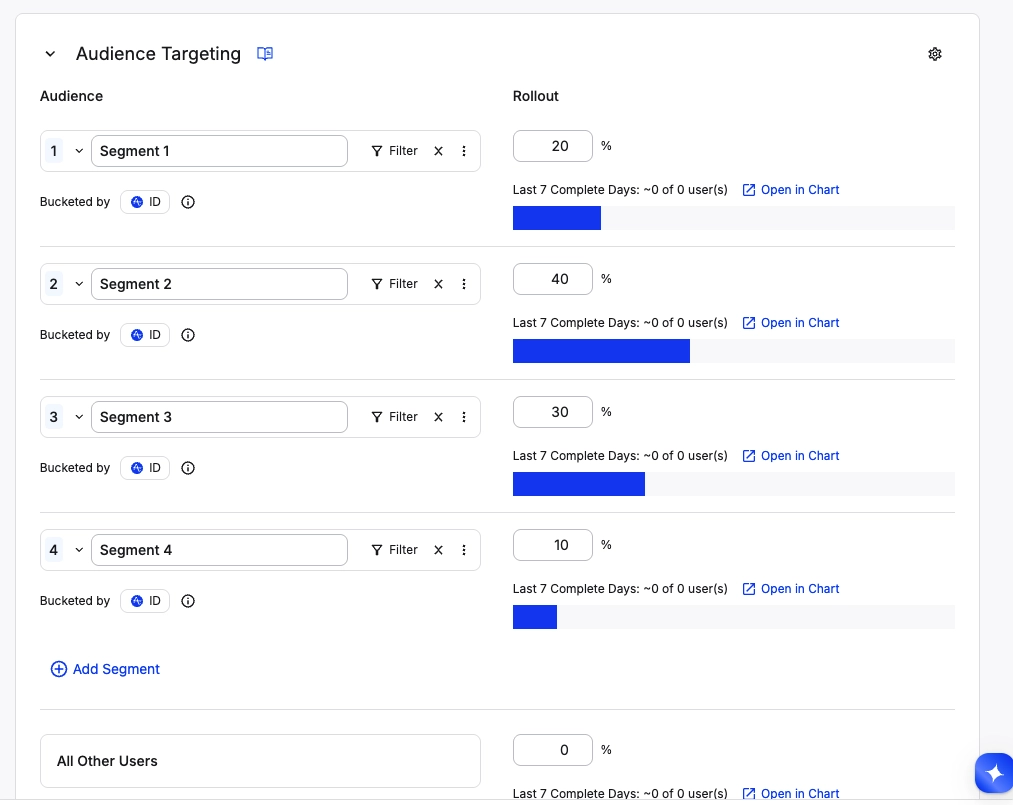
- Stage 2: Progressive Rollout (Months 2-3): Features are released to a percentage of the audience (e.g., 5%, 10%, 25%). The focus shifts to system performance and error rates.
- Stage 3: Full-Stack Experimentation (Month 4+): The question changes from "does it break?" to "does it drive revenue?" Teams use A/B testing against a control group to measure business impact.
Data suggests that the average implementation time for enterprise-grade tools like Optimizely is approximately three months, while startup-focused tools like PostHog can be integrated in less than 30 days.
Strategic Data: SDK Coverage and Reliability
In the current market, the breadth of SDK support is a non-negotiable factor. Modern applications often span multiple environments, including:
- Server-side: Node.js, Python, Go, Java, and .NET.
- Client-side: React, Vue, and Angular.
- Mobile: iOS (Swift), Android (Kotlin), Flutter, and React Native.
- Edge: Cloudflare Workers and Fastly Compute@Edge.
Reliability in 2026 is measured by "local evaluation" capabilities. This allows the SDK to determine flag states locally within the application code rather than making a network request to the vendor’s server for every user. This minimizes latency and ensures that if the feature flag service goes offline, the application can fall back to "safe defaults."
Common Pitfalls: The Concept of "Flag Debt"
As teams scale their use of feature flags, a new form of technical debt—"Flag Debt"—has emerged as a significant operational risk. Joseph Samir, a senior developer at Convert, notes that flags that are not removed after a feature reaches 100% rollout can clutter the codebase and lead to confusion. Industry best practices in 2026 suggest that any flag reaching 100% exposure for more than 30 days should be slated for immediate removal and code cleanup.
Furthermore, "Inconsistent Identity" remains a frequent failure point. If a session ID is used on the landing page but a User ID is used on the checkout page, the hashing algorithm may assign the user to two different variations, breaking the user experience.
Broader Impact and Industry Implications
The widespread adoption of these tools has fundamentally changed the relationship between engineering and business units. In 2026, the "Release Manager" role has largely transitioned into an automated function of the CI/CD pipeline, overseen by Product Managers who control the "when" and "who" of feature delivery.
The impact is clear: organizations using advanced feature management report 50% fewer production outages related to new releases and a 3x increase in the number of experiments run per quarter. As AI-driven development continues to accelerate the pace of code generation, feature flags will remain the essential guardrails that prevent rapid innovation from turning into rapid failure.
For teams selecting a tool in the final quarter of 2026, the decision must rest on a balance of pricing architecture—whether MAU, seat-based, or request-based—and the specific "job to be done," whether that is rigorous statistical analysis or simple, safe deployment.

 Pevita Pearce
 Suro Senen