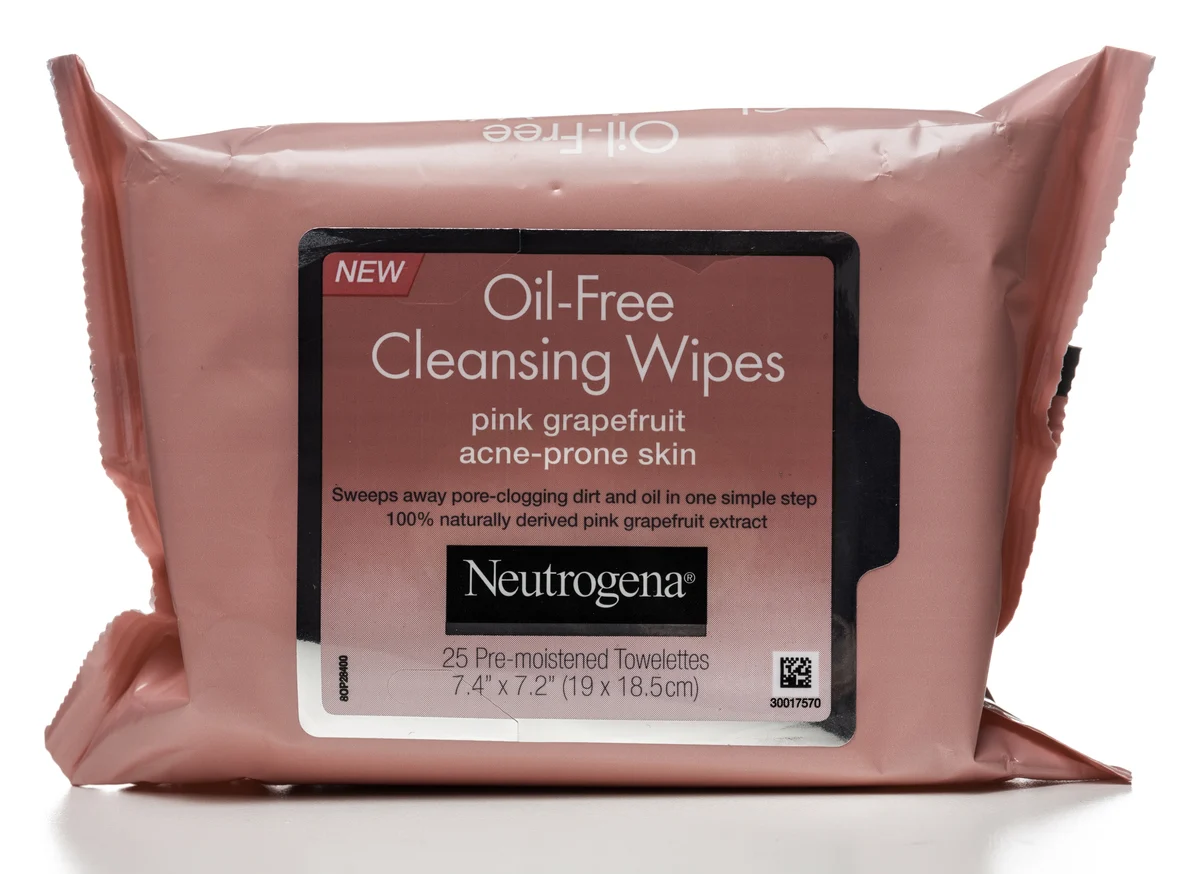
The skincare industry giant Neutrogena is currently navigating one of the most complex reputational crises in its corporate history. Following the tragic passing of actress and former brand ambassador Hayden Panettiere, a storm of public scrutiny has descended upon the company, fueled by resurfaced allegations regarding the termination of her contract nearly a decade ago. The controversy centers on claims Panettiere made during a podcast interview in May 2026, where she alleged that Neutrogena chose not to renew her long-standing endorsement deal in 2015 specifically because of her public struggles with postpartum depression (PPD).
The intersection of celebrity tragedy, mental health advocacy, and corporate ethics has created a volatile environment for the brand. As threats of a nationwide boycott gain momentum on social media, professional communicators and crisis management experts are weighing in on how the brand can—or should—navigate this sensitive moment. The consensus among experts suggests that the company’s initial response, a brief statement issued via Instagram, failed to address the deep-seated emotional grievances of the public, leaving the brand’s leadership at a critical juncture.
A Chronology of the Controversy
To understand the current crisis, it is essential to trace the relationship between Hayden Panettiere and Neutrogena, which was once considered one of the most successful celebrity-brand pairings in the beauty industry.
2006–2014: The Golden Era
Panettiere became the face of Neutrogena during the height of her television success on "Heroes." For nearly a decade, she was the centerpiece of the "SkinID" and "Oil-Free Acne Wash" campaigns. Her image was synonymous with the brand’s identity: youthful, radiant, and relatable.
2015: The Quiet Departure
Panettiere’s contract was not renewed in 2015. At the time, the departure was treated as a standard expiration of a celebrity endorsement. However, this was also the period when Panettiere began seeking treatment for postpartum depression following the birth of her daughter.
May 2026: The Podcast Revelation
Months before her death, Panettiere appeared on a high-profile podcast where she spoke candidly about her career. She claimed that during her battle with PPD, the brand’s leadership expressed discomfort with her public image, leading to the decision to sever ties. She alleged that rather than receiving support, she was viewed as a liability to the brand’s "radiant" image.
August 2026: Tragedy and Outcry
Following the news of Panettiere’s death, fans and mental health advocates recirculated her podcast comments. The narrative quickly shifted from mourning the actress to condemning the brand for its alleged lack of empathy.
Late August 2026: The Statement
Neutrogena issued a statement expressing sadness over her passing and mentioning a donation to an organization supporting women. The response was widely criticized as "corporate," "performative," and "tone-deaf," failing to address the specific allegation that they fired her for having a mental health crisis.
The Mental Health Context and Supporting Data
The backlash against Neutrogena is rooted in a broader societal shift toward mental health transparency. Postpartum depression is a significant public health issue. According to data from the Centers for Disease Control and Prevention (CDC), approximately 1 in 8 women experience symptoms of postpartum depression. Furthermore, a 2025 study by the Maternal Health Alliance found that 60% of women feel stigmatized when discussing mental health issues in professional environments.
In the corporate world, the expectations for "Brand Purpose" have evolved. A 2024 Sprout Social report indicated that 71% of consumers believe it is important for brands to take a stand on sensitive issues, including mental health. When a brand like Neutrogena—which markets itself on the concept of "healthy skin"—is perceived to have penalized a spokesperson for an "unhealthy" mental state, the cognitive dissonance for the consumer is profound.
Expert Analysis: The Path Forward
In the wake of the failed Instagram statement, the communications community has debated the "Next Best Action." These strategies fall into four primary categories: direct apology, strategic silence, financial action, and internal systemic reform.
1. The Case for Direct Apology and Vulnerability
Many experts argue that the legalistic approach taken by Neutrogena’s counsel has stifled the brand’s humanity. Blair Huddy, founder of Hudson Davis, suggests that the brand must acknowledge that the 2015 decision, while perhaps legally sound at the time, was morally misaligned with modern values.
"State your genuine remorse and support for her family amid the tragedy," Huddy advises. "Double down with a statement about your core values, and how Hayden embodied them. Share a heartfelt memory that showcases her character and positive impact on your brand."
Jessica Kowal of JMK Communications echoes this sentiment, noting that the brand should reflect on why they hired her in the first place—her inner and outer beauty—and acknowledge where the company fell short in the relationship.
2. The Case for Strategic Silence and "Taking the Hit"
Conversely, some strategists believe that any further communication at this stage will be viewed as opportunistic. Joshua Kail, an experienced strategic communications consultant, argues that the brand needs to "duct tape their mouths" and allow the family and fans to grieve without corporate interference.
"Take the hit. A woman is dead; she hasn’t been buried yet. This isn’t about Neutrogena; it’s about her," Kail says. He suggests that the company should use this time to fix its internal infrastructure rather than trying to "PR" its way out of a hole.
Chris Cradduck of LDWW agrees, noting that "squirting your water gun at the firestorm" is likely to do more harm than good. This perspective suggests that the brand should wait until the immediate mourning period has passed before demonstrating change through action rather than words.
3. Backing Words with Substantial Financial Commitment
For a segment of the public, an apology is meaningless without a financial "penance." Sara Griggs, VP of Global Communications at Smartly, suggests setting up a fund in Panettiere’s name specifically for women suffering from Postpartum Depression (PPD) and Postpartum Psychosis (PPP).
Kevin Pérez-Allen of Signal Group takes this further, suggesting a multi-step action plan:
- A multi-million dollar commitment to PPD research.
- Partnerships with maternal health organizations.
- A commitment to never use "moral turpitude" or "image" clauses to penalize spokespeople for mental health disclosures.
This "actions, not words" approach is designed to restore public trust by providing tangible benefits to the cause Panettiere championed.
4. Fixing the Internal Culture
The most long-term strategy involves a complete audit of how the company treats its employees and partners. Colleen Herndon Penhall of TrueNorth Strategy Group argues that the goal shouldn’t be to take back the narrative, but to take responsibility for changing the outcome.
"Neutrogena needs to turn the response into action," Penhall says. This involves auditing internal policies for maternal leave and mental health support, ensuring that what happened in 2015 cannot happen to a current employee or contractor in 2026.
Hollie Geitner, CEO of Anchored Voice Consulting, emphasizes the need for a human face to take responsibility. "The pattern is there, and trust has been lost. This is going to take time to rebuild, but it’s only possible if they stop being defensive and start being human."
Broader Implications for the Skincare Industry
The Neutrogena crisis serves as a cautionary tale for the entire beauty and wellness industry. In an era where "clean beauty" and "wellness" are billion-dollar marketing terms, the definition of health must include mental well-being.
The "Liability" Trap
Historically, celebrity contracts included "morals clauses" that allowed brands to terminate agreements if a celebrity’s behavior brought disrepute to the brand. In 2015, a mental health crisis might have been viewed through that lens. In 2026, that same crisis is viewed as a medical condition. Brands that fail to update their legal and PR frameworks to reflect this shift risk catastrophic "cancel culture" consequences.
Trust and Transparency
The crisis also highlights the danger of "performative donation." When Neutrogena mentioned a donation to an "unnamed organization," it triggered skepticism. Modern consumers demand transparency; they want to know which organization, how much was given, and what the long-term commitment looks like.
Conclusion: The Long Road to Recovery
As Neutrogena moves forward, the shadow of 2015 will continue to loom large. The company’s path to redemption will not be found in a perfectly crafted press release or a high-gloss social media campaign. Instead, it will require a fundamental shift in how the brand values the "whole person" behind the skin.
Whether through a direct apology, a massive investment in maternal health, or a quiet, systemic overhaul of corporate policy, the brand must prove that it has learned from the past. In the words of the experts, the goal is no longer to "win" the news cycle, but to survive it by becoming the company the public expects it to be—one that treats its ambassadors not as disposable assets, but as human beings. Only then can Neutrogena hope to regain its status as a brand that truly understands the meaning of "healthy."