rifanmuazin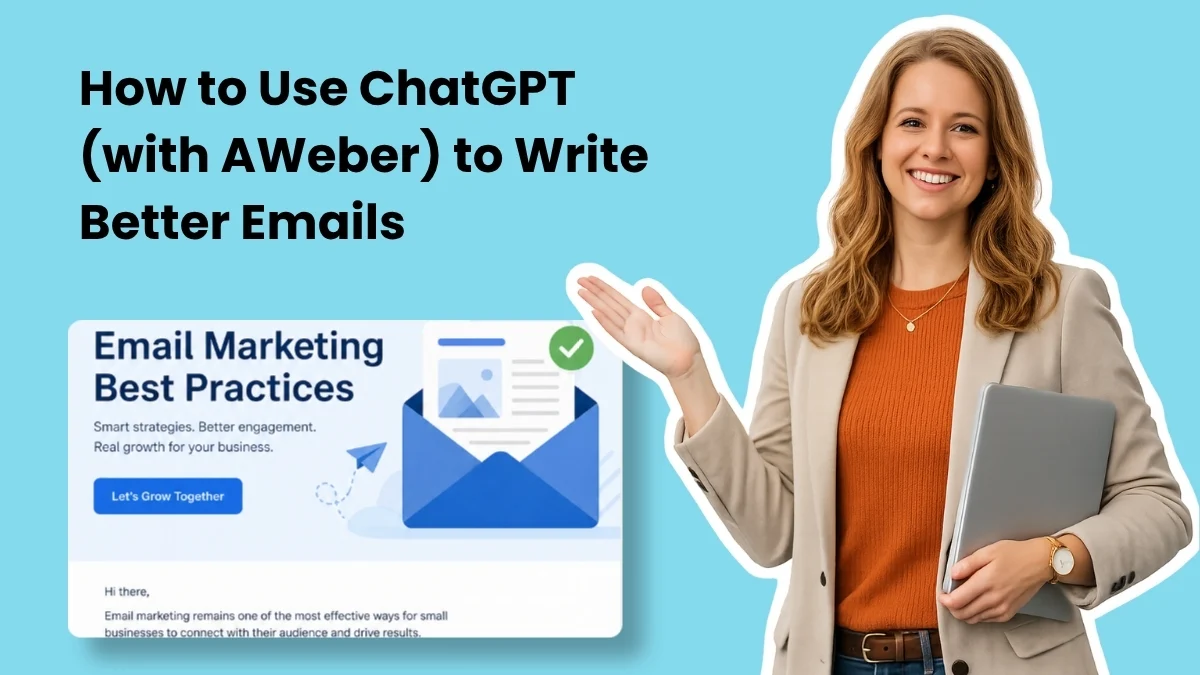
In a significant advancement for digital marketers, AWeber has officially integrated its platform with ChatGPT, offering a sophisticated solution to the pervasive challenge of generic AI-generated content. Announced on April 30, 2026, this integration aims to transform how businesses approach email marketing, shifting ChatGPT from a mere ghostwriter to an intelligent thinking partner capable of producing highly personalized and effective communications. This development underscores a growing industry trend towards more intelligent, context-aware AI tools that leverage proprietary data to deliver superior results, marking a pivotal moment in the evolution of marketing automation.
The rapid proliferation of artificial intelligence tools, particularly large language models like ChatGPT, has fundamentally altered the landscape of content creation. Marketers quickly recognized the potential for these tools to draft emails, social media posts, and website copy at unprecedented speeds. However, the initial enthusiasm was often tempered by a crucial drawback: the output, while grammatically correct and coherent, frequently lacked the distinctive voice, specific context, and audience understanding necessary for truly impactful marketing. A fast draft, as many have discovered, is not synonymous with a good one.
The core issue stems from a lack of context. When ChatGPT operates in isolation, devoid of information regarding a brand’s unique audience, established voice, or historical communication patterns, its output tends to be universally bland. Such generic emails are easily overlooked, quickly deleted, and fail to foster the deep engagement that drives conversions and builds customer loyalty. This critical gap has spurred innovators like AWeber to develop solutions that imbue AI with the necessary data to move beyond superficial content generation.
The Genesis of Context-Aware AI in Marketing
The journey towards context-aware AI in marketing has been a gradual but inevitable one. Early applications of AI focused on tasks like audience segmentation, predictive analytics, and basic automation. As AI models became more sophisticated, their ability to generate human-like text opened new avenues for content creation. However, the "garbage in, garbage out" principle remained a significant hurdle. Without specific, relevant inputs, even the most advanced AI struggles to produce truly bespoke content.
Email marketing, a channel with a consistently high return on investment (ROI), has been a prime candidate for AI enhancement. Industry reports consistently show email marketing delivering an average ROI of $36 for every $1 spent, making its optimization a top priority for businesses of all sizes. Yet, the challenge of maintaining consistent, personalized communication across diverse subscriber bases can be daunting and time-consuming. Marketers spend countless hours crafting, refining, and analyzing emails, often struggling to scale their efforts without sacrificing quality or authenticity. The AWeber-ChatGPT integration directly addresses this dilemma by providing a mechanism to inject deep contextual understanding into the AI’s creative process.
AWeber’s Strategic Integration: Bridging the Context Gap
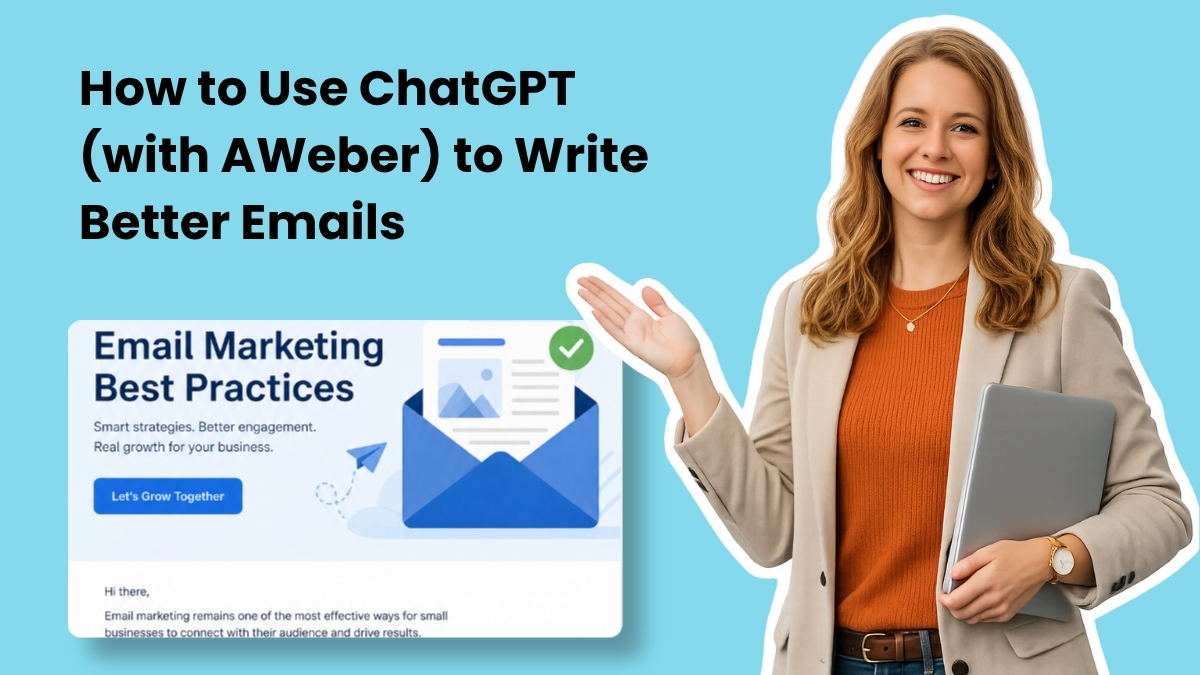
AWeber’s official app in the ChatGPT marketplace represents a significant leap forward in addressing the context problem. By connecting ChatGPT directly to an AWeber account, users grant the AI access to invaluable proprietary data: real information about actual subscribers and a comprehensive history of past email campaigns. This direct data feed empowers ChatGPT to move beyond generic templates and craft emails that resonate authentically with a specific audience.
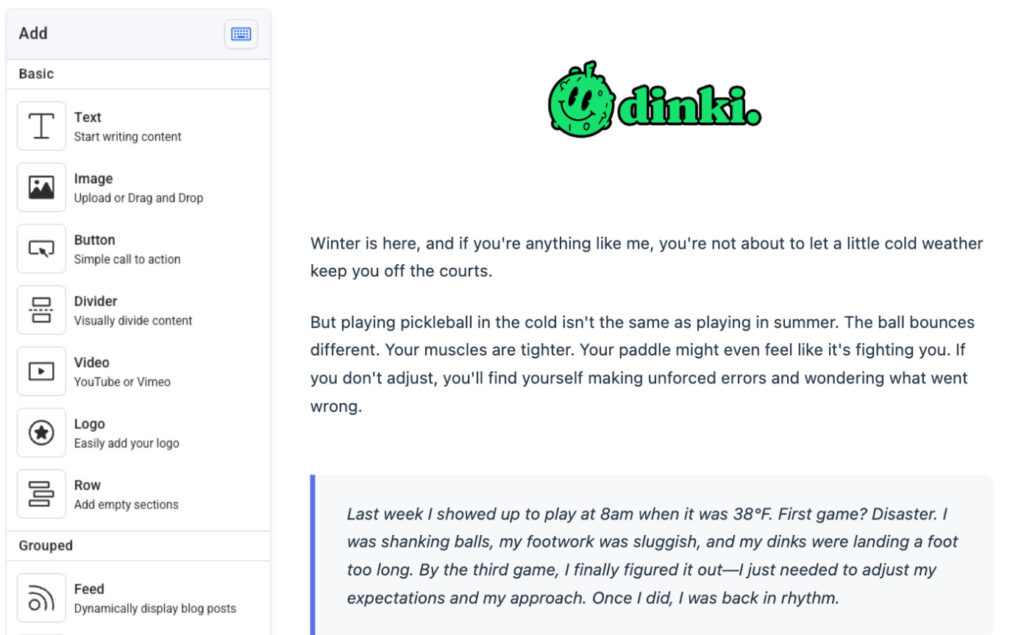
Chris Vasquez, AWeber’s Chief Product Officer and founder of Dinki, a pickleball paddle company, succinctly articulates the pre-integration challenge: "Think about it like giving a project brief to a copywriter for the first time that’s never worked with you and knows nothing about what you want or your business or your offer." In such a scenario, the copywriter will produce something, but it will likely miss the mark. The AWeber integration essentially transforms ChatGPT into a copywriter who has meticulously studied the brand’s entire communication history, understanding its nuances, successes, and audience preferences.
Building a Brand Voice Document with AI: A Paradigm Shift
One of the most powerful features of this integration is the ability to automatically generate a comprehensive brand voice document. Instead of manually inputting brand guidelines or subjective descriptions of tone, marketers can prompt ChatGPT to analyze their existing email archive. A suggested prompt outlines this process: "Look at my last 20 emails on my [list name] list. Analyze my tone, sentence length, how I open emails, how I close them, and how I structure CTAs. Then write a comprehensive brand voice document I can use to prompt you going forward."
This prompt leverages ChatGPT’s analytical capabilities to distill an authentic brand voice directly from a business’s actual communications. The resulting document is a data-driven guide that captures the essence of a brand’s established communication style, including its unique lexicon, sentence structure preferences, and typical calls to action. Once generated, this voice guide can be saved and consistently applied to all future ChatGPT interactions, ensuring that every AI-generated draft aligns perfectly with the brand’s identity. Vasquez demonstrated the efficiency of this process, noting how he built a robust voice guide from scratch in under five minutes, enabling a "working copywriter that understands your brand voice." This not only saves immense time but also guarantees a level of consistency previously difficult to achieve.
The impact of such a data-driven approach is profound. For instance, an AWeber customer managing 35,000 subscribers utilized this feature to identify top-performing subject line keywords and optimal send times across a 90-day period. These insights, directly gleaned from their own historical data, led to significant improvements in how they crafted and scheduled their email campaigns, demonstrating the tangible benefits of contextually informed AI.
The Mechanism of Performance: Data-Driven Email Creation
The fundamental principle behind the AWeber-ChatGPT integration is a reversal of the traditional email creation process. Instead of drafting an email and then hoping it performs, this system enables the creation of emails that are built to perform from the outset. ChatGPT analyzes past campaigns, specifically identifying those with the highest open rates and click-through rates. It then uses these empirically validated patterns—from subject line styles to email length, call-to-action placement, and overall tone—as the foundation for new drafts. This data-driven approach minimizes guesswork and maximizes the likelihood of engagement, all while maintaining the brand’s authentic voice.
The workflow is streamlined and intuitive, designed to empower marketers with speed and precision:
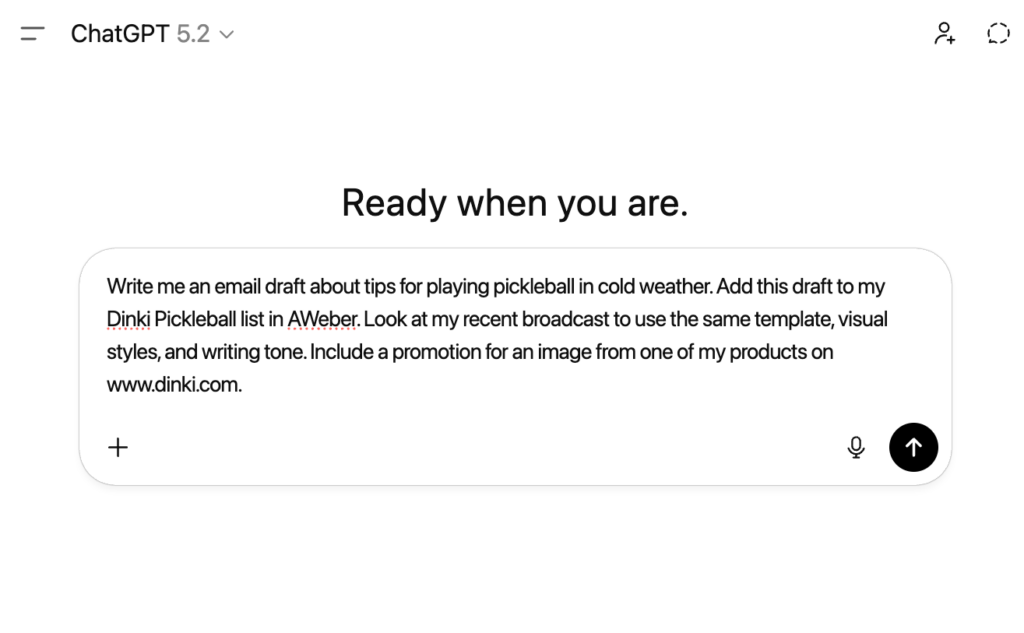
- Specific Prompting: Users begin by providing ChatGPT with a clear and detailed prompt, outlining the email’s topic, goal, and any specific requirements. For example: "Write an email about [topic]. Use patterns from my best emails. Add it to [list name]. Use my standard template. Add an image from [URL] below paragraph two." The specificity ensures that ChatGPT leverages the available context effectively.
- Automated Draft Generation: ChatGPT processes the prompt, accesses the AWeber data to identify high-performing patterns and the established brand voice, and then generates a comprehensive email draft. Crucially, it also applies the user’s standard template, incorporates specified images, and saves the draft directly into the AWeber account.
- Human Review and Refinement: The draft is immediately accessible within the AWeber account, allowing marketers to review, edit, and fine-tune the content. This step preserves human oversight, enabling minor adjustments to sentences, CTAs, or imagery, ensuring the final email perfectly aligns with strategic objectives and brand sensibilities.
- Scheduled or Instant Sending: Once approved, the email is ready for immediate dispatch or scheduled delivery, completing a process that can shrink from hours to mere minutes.
This synergy between AI speed and human strategic oversight is critical. ChatGPT acts as an intelligent assistant, handling the initial heavy lifting of content generation and optimization based on historical performance, while the marketer retains ultimate control over the message’s final form and timing. It’s important to note that ChatGPT does not send emails directly; it creates drafts within AWeber, maintaining a secure and controlled sending environment.
Beyond the Draft: Continuous Improvement and Best Practices
The integration offers several avenues for continuous improvement and optimized results:
- Performance-Based Learning: Users can actively query ChatGPT to learn from past campaign performance. Asking questions like "Which subject line styles got more opens?" or "Which email lengths resulted in more clicks?" allows the AI to extract actionable insights from existing data, which can then be applied to future drafts. This iterative learning process ensures that each subsequent email is more refined and effective.
- Voice Matching, Not Describing: The emphasis is on showing, not telling. Instead of attempting to describe a brand’s voice, users simply direct ChatGPT to "Look at my last 10 emails and write a new one about [topic] using the same tone." This direct analysis of actual content eliminates subjective interpretation and ensures authentic voice replication.
- Iterative Refinement within Chat: The conversational nature of ChatGPT allows for real-time revisions. Marketers can issue commands like "Make the intro shorter," "Add a testimonial after paragraph two," or "Soften the CTA," and ChatGPT will update the draft accordingly, saving each version back to AWeber. This agile editing process significantly accelerates content finalization.
- Consistent Template Application: By instructing ChatGPT to apply a standard email template, businesses can maintain visual consistency across all their communications, reinforcing brand identity and improving recipient experience.
- Data-Driven Subject Lines: Generating subject line options based on past campaigns with the highest open rates is a powerful way to maximize initial engagement, directly leveraging proven performance data.
Broader Implications and the Future of Marketing
The AWeber-ChatGPT integration signals a significant shift in the marketing industry. It moves beyond the rudimentary application of AI for basic content generation towards a more sophisticated model where AI acts as a data-informed co-pilot. This trend is likely to accelerate, with more marketing platforms integrating similar contextual AI capabilities.
The role of the marketer is evolving from primarily a content creator to a strategist, editor, and data interpreter. Instead of spending hours drafting emails, marketers can focus on refining prompts, analyzing AI-generated insights, and ensuring the final output aligns with broader campaign objectives. This shift promises increased efficiency, greater personalization at scale, and ultimately, more impactful marketing campaigns.
However, this evolution also brings important considerations. Ethical AI use, data privacy, and the need for human oversight remain paramount. Marketers must ensure transparency with their audience when AI is used in content creation and maintain rigorous data security practices. The "human in the loop" approach, exemplified by the AWeber integration requiring manual review and sending, is crucial for mitigating potential risks and maintaining brand integrity.
Looking ahead, we can anticipate further advancements in AI’s ability to understand complex emotional nuances, predict audience reactions with greater accuracy, and even personalize content dynamically in real-time based on individual user behavior. Integrations like AWeber’s with ChatGPT are foundational steps in this exciting journey, empowering businesses to harness the full potential of artificial intelligence to forge deeper connections with their audiences and drive measurable growth. The era of generic email is rapidly fading, replaced by a future where every communication is intelligent, personalized, and built to perform.
Frequently Asked Questions
-
Can I use ChatGPT to write my emails?
Yes, ChatGPT can swiftly generate email drafts. However, the quality and effectiveness of these drafts are directly proportional to the amount of context and specific instructions you provide. Generic prompts will yield generic results, while detailed, data-informed prompts will produce superior content. -
Why do ChatGPT-generated emails often sound generic?
ChatGPT’s default mode lacks specific knowledge of your brand’s unique audience, established voice, or historical email performance. Without this crucial context, it defaults to producing broadly applicable, yet often uninspired, content that lacks the personal touch necessary for high engagement.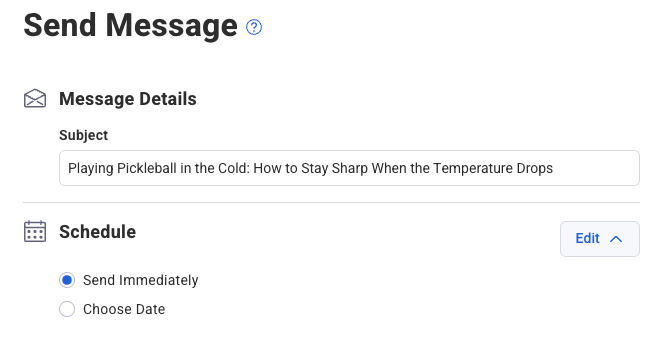
-
How does connecting AWeber to ChatGPT improve email writing?
AWeber’s official app in the ChatGPT marketplace enables a direct connection, allowing ChatGPT to access your real broadcast history and subscriber data. This integration allows the AI to learn from your top-performing campaigns, understand your brand’s voice, and generate new emails that are both authentic to your brand and optimized for audience engagement. -
How do I get ChatGPT to match my writing tone?
Instead of verbally describing your desired tone, you can direct ChatGPT to analyze your past emails. A prompt like "Look at my last 10 emails and write a new one about [topic] using the same tone" instructs the AI to learn your specific writing style directly from your existing content, ensuring a consistent and authentic brand voice. -
How can ChatGPT help improve my subject lines?
Leveraging the AWeber integration, you can ask ChatGPT to analyze your historical email data to identify which subject line styles have yielded the highest open rates. Based on these proven patterns, ChatGPT can then generate new, optimized subject line options for your upcoming campaigns, significantly enhancing their potential for engagement.