A significant paradigm shift is underway in the landscape of web development, as artificial intelligence (AI) website builders are rapidly transforming how individuals and businesses establish their online presence. Once a domain requiring specialized coding knowledge in HTML, CSS, or JavaScript, or a substantial investment in time and resources, website creation is now becoming accessible to virtually anyone with an idea and a few descriptive prompts. This technological evolution democratizes the digital space, enabling the rapid generation of professional-looking websites in a matter of minutes, not days or weeks.
The Evolution of Web Development: From Code to Context
The journey of web development has seen several transformative phases. In the early days of the internet, creating a website was largely the exclusive purview of skilled developers who meticulously wrote code line by line. This era demanded significant technical expertise, making web presence an expensive and time-consuming endeavor for many. The advent of Content Management Systems (CMS) like WordPress and the subsequent rise of drag-and-drop website builders marked a crucial turning point. These tools simplified the process by offering visual interfaces and pre-designed templates, allowing users with minimal coding knowledge to construct websites.
However, even with these advancements, users often faced the challenge of a "blank canvas," requiring them to conceptualize layouts, design elements, and content structure from scratch. This still demanded a degree of design acumen and considerable time investment. The current wave of AI website builders represents the next evolutionary leap. By leveraging generative AI, these platforms move beyond mere automation; they interpret natural language prompts to intelligently create entire web pages, including layouts, draft content, and image suggestions, thus fundamentally altering the entry barrier to digital presence.
Understanding AI Website Builders: A Generative Approach
At its core, an AI website builder operates as a generative AI platform specifically engineered for the creation of websites. Unlike general-purpose AI tools that might generate text or images in isolation, these builders synthesize various elements to produce complete, functional web pages. Users are not merely scheduling tasks or automating repetitive functions; they are interacting with an AI that understands descriptive input regarding desired website type, business objectives, aesthetic preferences, and target audience. This understanding allows the AI to generate a professional-looking first draft without the user needing to write a single line of code.
Crucially, AI website builders are distinct from traditional drag-and-drop editors. While the latter provides tools for manual assembly, AI platforms use sophisticated algorithms to propose and construct the foundational elements. This involves generating initial page layouts, crafting placeholder or draft copy tailored to the described context, suggesting relevant imagery, and organizing content into a coherent website structure—all achieved within minutes. The generated website is not a final product but a highly advanced first draft, offering users the freedom to fine-tune every aspect through an intuitive visual editor before publication.
The typical process involves three key steps:
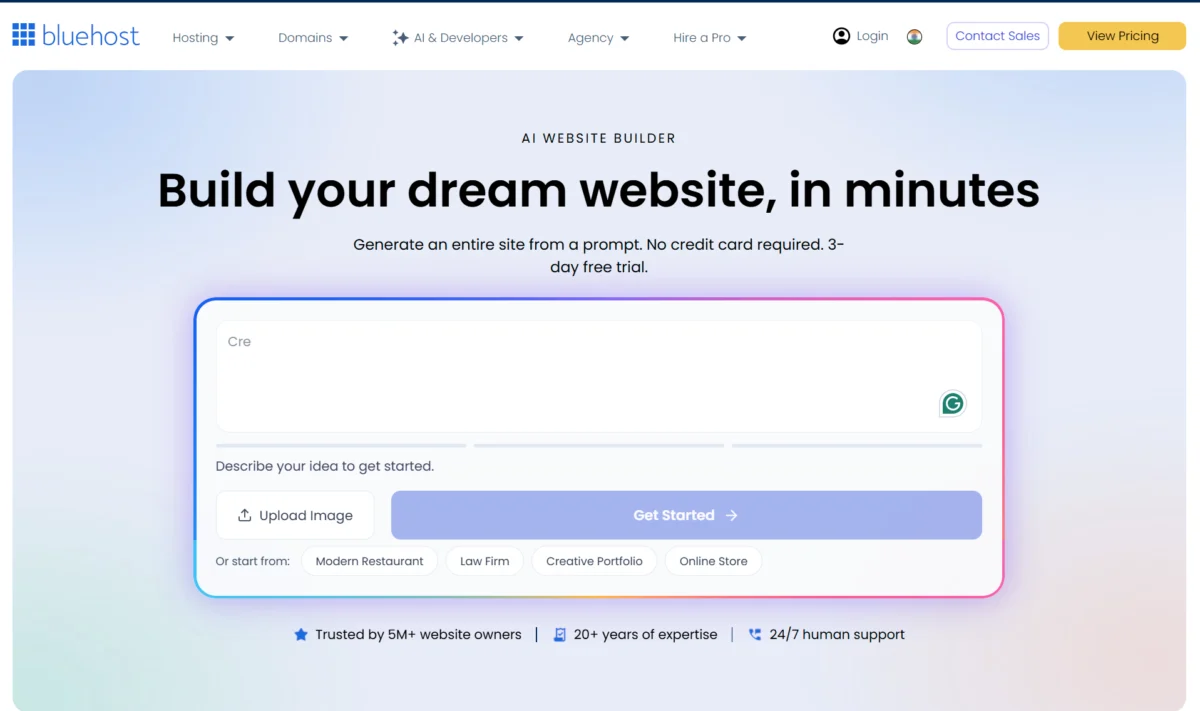
- Prompt and Response: The user initiates the process by answering a series of questions or providing a detailed description of the desired website. This includes defining the industry, target audience, brand style, and required pages. The more granular the context provided, the more precisely the AI can tailor the initial website draft.
- Automated Generation: Upon receiving and interpreting the user’s requirements, the AI autonomously generates the website. This rapid process includes creating page layouts, drafting textual content, suggesting appropriate images, and establishing a logical site structure.
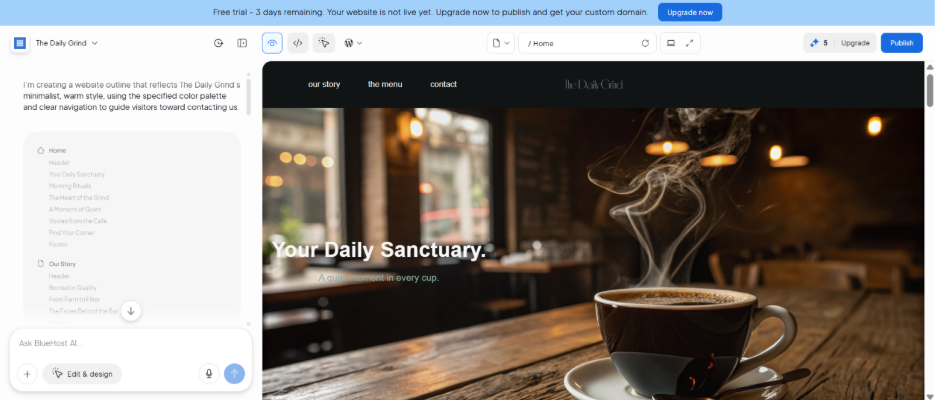
- Visual Editing: Post-generation, the user gains control through a visual editor. This interface allows for comprehensive customization, including updating text, swapping or generating new images, rearranging sections, modifying color schemes and fonts, and refining the overall design to align perfectly with brand identity. This ensures that while AI provides the initial impetus, human oversight maintains creative control over the final output.
The Surging Market: Data and Growth Projections
The embrace of AI in web design is not a fleeting trend but a rapidly expanding sector of the digital economy. Market research underscores this acceleration, indicating a robust growth trajectory for AI-powered website builders. According to Custom Market Insights, the global AI-powered website builder market is projected to expand significantly, from an estimated $3.41 billion in 2026 to an impressive $14.78 billion by 2035. An even more optimistic forecast by Precedence Research suggests the market could reach $17.4 billion within the same timeframe. These projections reflect a burgeoning demand for faster, more intuitive, and no-code solutions that empower businesses of all sizes to establish and maintain an online presence with unprecedented efficiency.
This growth is driven by several factors, including the increasing digitalization across industries, the imperative for small and medium-sized enterprises (SMEs) to compete effectively online, and the ongoing need to reduce development costs and accelerate time-to-market. AI website builders address critical pain points, from technical complexity to protracted development cycles, by fusing generative AI capabilities with user-friendly editing tools.
Key Advantages Driving Widespread Adoption
The burgeoning popularity of AI website builders is underpinned by several compelling advantages:
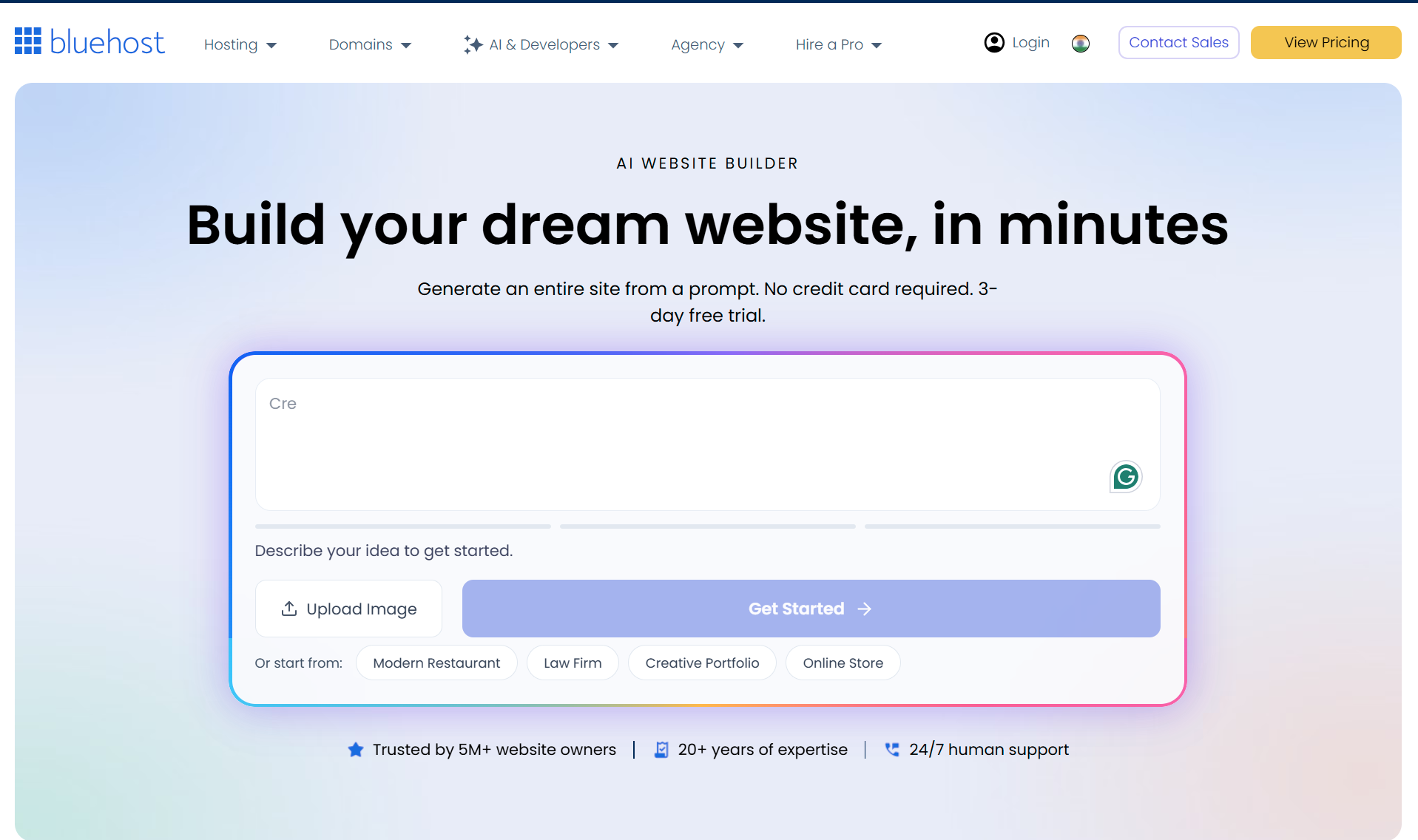
- No-Code "Vibe Coding": The most significant benefit is the complete elimination of traditional coding requirements. Users articulate their vision in natural language, a process sometimes referred to as "vibe coding," and the AI translates these conceptual prompts into functional web elements. This paradigm shift enables entrepreneurs, creatives, and small business owners to concentrate on their core ideas and brand messaging, offloading the technical execution to the AI.
- Accelerated Launches and Enhanced Efficiency: Traditional website projects are often protracted, spanning days, weeks, or even months, particularly when starting from scratch. AI website builders drastically compress this timeline by generating comprehensive layouts, initial content, relevant images, and structured pages within minutes. This allows users to bypass the arduous initial build phase, starting directly with an AI-generated draft that can then be refined, leading to significantly faster launches without compromising quality.
- Smarter Contextual Awareness: Modern AI website builders are designed to move beyond generic templates. They leverage the detailed context provided by the user—such as industry, specific business goals, target audience demographics, and desired design aesthetics—to create a highly relevant and customized starting point. For instance, an AI builder can distinguish between the functional requirements and visual language of a restaurant website, a photographer’s portfolio, or an e-commerce store, tailoring the initial design accordingly. This intelligent contextualization minimizes post-generation edits and ensures a more aligned initial output.
- Cost Reduction: By significantly reducing the time and technical expertise required, AI website builders inherently lower the overall cost of website development. This makes professional web presence attainable for startups and small businesses with limited budgets, previously a considerable barrier.
Navigating the AI Web Creation Process: Step-by-Step Implementation
While AI simplifies the creation process, the foundational principles of website development remain. A successful online presence still necessitates essential prerequisites, which AI builders integrate seamlessly.
Step 1: Get the Prerequisites
Before engaging with an AI builder, users typically need to secure several fundamental components:
- Domain Name: This is the unique address of the website on the internet (e.g., yourbusiness.com). A memorable and brand-aligned domain is crucial for recognition and accessibility. Services like Bluehost Domains facilitate searching and purchasing.
- Web Hosting: Every website requires a server to store its files, databases, and content, making it accessible to visitors globally. Reliable hosting is paramount for website speed, uptime, and security. Bluehost Web Hosting, for example, combines hosting services with WordPress support and AI-powered tools.
- SSL Certificate: An SSL (Secure Sockets Layer) certificate encrypts data transfer between the website and its visitors, safeguarding sensitive information and enabling HTTPS. It is a critical security measure and a standard expectation for any professional website today.
- Website Builder: This is the primary tool used for creation and customization. AI website builders distinguish themselves by generating core elements based on prompts, accelerating the initial design phase.
- Content Management System (CMS): A CMS is essential for managing website content post-launch, enabling tasks such as publishing blog posts, updating pages, uploading media, and installing new features without coding. WordPress stands out as a highly flexible, user-friendly, and widely adopted CMS, offering extensive customization through themes and plugins, along with complete content ownership.
Step 2: Choosing an AI Website Builder
The selection of an AI website builder is critical. The most effective platforms offer more than just generation capabilities; they provide an integrated ecosystem for all aspects of website management. The Bluehost AI Website Builder exemplifies this holistic approach, consolidating various services into a single platform.
Key features that make Bluehost AI a compelling choice include:
- All-in-One Solution: It integrates website creation, managed WordPress hosting, and domain registration, eliminating the need to manage multiple providers and complex configurations.
- Smarter, Context-Driven Prompts: Bluehost AI employs a series of industry-specific questions prior to generation, gathering detailed context about the business, goals, and target audience. This leads to a more relevant and refined initial draft, minimizing subsequent editing.
- Integrated AI Image Generation and Editing: Users can generate new images directly within the builder by describing their requirements, or easily replace existing ones, streamlining the customization process without external tools.
- Built with SEO in Mind: Bluehost AI builds websites on WordPress and includes Yoast SEO Premium on paid plans. This provides access to leading SEO tools from the outset, allowing for proactive optimization of pages, content improvement, and preparation for search engine visibility during the building phase, rather than as an afterthought.
- Robust Security and 24/7 Support: Paid Bluehost plans offer essential security features like a free SSL certificate, malware scanning and removal, weekly backups, and a global CDN for optimal performance. Additionally, 24/7 access to WordPress experts via chat or phone ensures continuous support.
Step 3: Getting Started with Bluehost AI Website Builder
The process of creating a website with Bluehost AI is streamlined and user-friendly:
- Start Your Website: Initiate the process, often with a free trial option.
- Customize Your Brand Identity: Input business name, select preferred color palettes, specify location, and choose a design style. Clicking "Build My Site" proceeds to the next stage.
- Create Your Bluehost Account: Users sign in or create a new Bluehost account, linking the website to their profile.
- Review and Personalize Your Website: Within minutes, Bluehost presents the first draft. The visual editor allows for comprehensive personalization: editing text, generating or replacing images with AI, adjusting layouts, adding/removing pages, changing colors, and even requesting AI to create additional sections, all without coding.
- Choose Your Domain and Publish: Once satisfied with the design, users select an AI-suggested domain or connect an existing one. Completing the checkout process automates the configuration of hosting, SSL, security features, and WordPress installation, making the website ready for launch.
Optimizing Your AI-Generated Website: Best Practices for Success
The launch of an AI-generated website is the initial step; sustained effort is required to attract visitors, deliver an exceptional user experience, and enhance search engine visibility.
- Focus on Context, Not Just Keywords: When prompting AI, provide rich, descriptive context about your business, audience, goals, products/services, and desired tone. This enables the AI to generate a more relevant and sophisticated website. For content optimization, thorough keyword research is essential to understand audience queries. Keywords should then be naturally integrated into high-quality, problem-solving content.
- The Indispensable Human Touch: While AI provides a robust foundation, it lacks the unique insights and personality of a human. Review every page critically, injecting your brand’s authentic voice, incorporating genuine customer stories, using original images, including testimonials, and showcasing real-world expertise. These personalized elements foster trust and differentiate your site.
- Ensure Uniqueness and Verify Content: AI models learn from vast datasets, which can sometimes lead to generic designs or content. Before publishing, meticulously review all AI-generated content for accuracy, originality, and alignment with your brand’s specific values and offerings. Adhering to SEO-friendly content practices helps ensure uniqueness and genuine utility for your audience.
- Continuous Testing and Optimization:
- Pre-Launch: Conduct thorough technical SEO checks, verifying page crawlability, ensuring no accidental blocking of search engines, and confirming XML sitemap availability. Tools like Yoast SEO’s crawl optimization can aid this. Manual review of metadata, internal links, and page structure is also crucial.
- Post-Launch: Websites are dynamic assets. Regularly review pages, test responsiveness across devices, rectify broken links, update outdated information, and improve page performance. For blog content, consistent revisits and optimization of older articles are vital for sustained search visibility and user engagement.
- Prioritize Digital Accessibility: A truly great website is inclusive. Implement accessibility best practices by using descriptive alt text for images, maintaining sufficient color contrast, structuring content with proper headings, and ensuring keyboard navigability. WordPress offers various accessibility plugins to assist in meeting these standards.
- Create Valuable Content: Design attracts, but valuable content retains. Whether publishing blog posts, service pages, or product descriptions, focus on addressing audience questions and solving their problems. Strategic content SEO and blog SEO practices are crucial for improved search engine performance and a superior reader experience.
Broader Implications and the Future of Web Design
The rise of AI website builders signifies a profound shift with far-reaching implications. It democratizes web presence, making it feasible for millions more individuals and small businesses globally to establish an online footprint without significant technical hurdles or financial outlays. This acceleration of digital adoption contributes to a more vibrant and diverse online ecosystem.
For professional web developers, this evolution suggests a shift in focus from basic site construction to more complex, bespoke projects, advanced integrations, strategic consulting, and ongoing optimization. AI handles the repetitive, foundational tasks, freeing human experts to concentrate on innovation and intricate problem-solving. As Sachin Puri, CEO of Bluehost, aptly stated, the core power of AI lies in its ability to "remove complexity for users." This principle is driving the current revolution, simplifying the technicalities of website creation so that entrepreneurs, creators, and small businesses can dedicate their energy to brand building and growth.
The AI-driven transformation of web design is not merely a technological upgrade; it is an empowerment tool. By reducing barriers to entry and accelerating development cycles, AI website builders are enabling a broader spectrum of individuals and entities to participate actively in the digital economy. The era of prompt-to-publish is here, inviting users to translate their ideas into live, professional websites with unprecedented ease and speed.