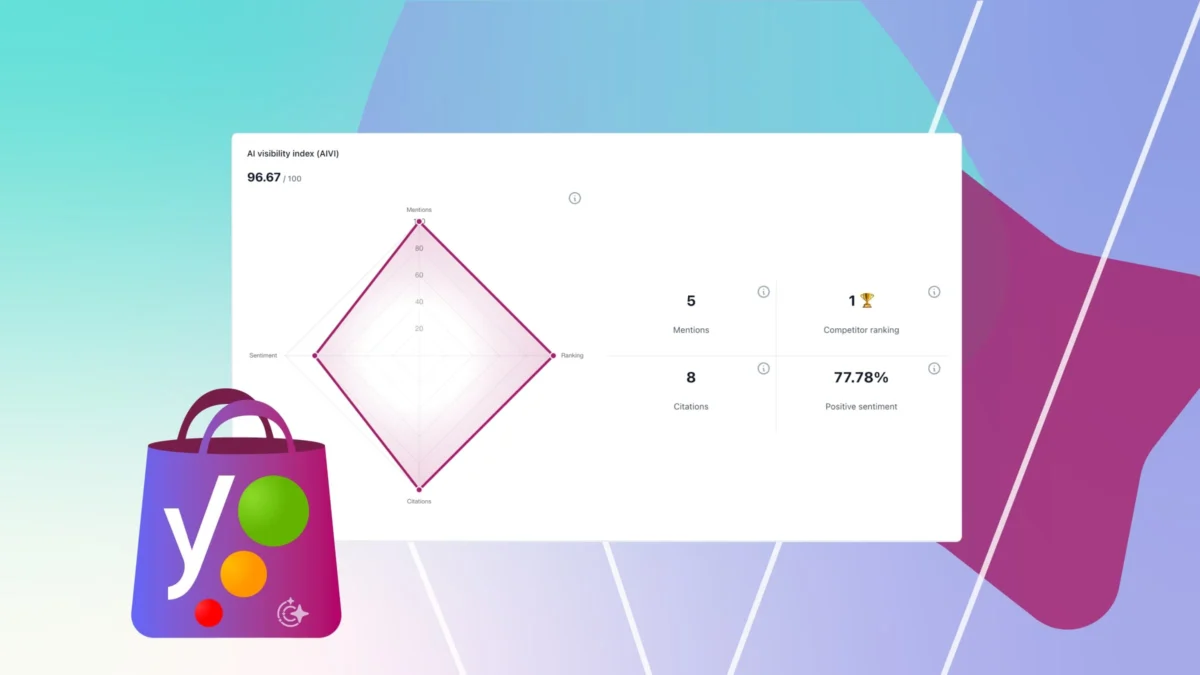
Writer’s block, a phenomenon that has plagued creators across disciplines for centuries, has taken on a new urgency in the digital age, where the relentless demand for fresh, engaging content is paramount. From individual bloggers to large media organizations, the challenge of consistently producing compelling material is a universal one. This persistent struggle to generate novel ideas, particularly for blog posts, can stall publishing schedules, impact audience engagement, and undermine search engine optimization (SEO) efforts. While the creative process remains inherently human, the landscape of idea generation is rapidly evolving, with a growing array of digital tools and strategic methodologies now available to content creators. The integration of artificial intelligence (AI) tools, such as Large Language Models (LLMs) and specialized content planners like the Yoast AI Content Planner, alongside traditional and data-driven approaches, is transforming how writers overcome creative impasses and maintain a vibrant content pipeline.
The Persistent Challenge of Content Creation in the Digital Age
The modern content ecosystem thrives on novelty and relevance. With an estimated 7.5 million blog posts published daily worldwide, according to recent industry analyses, the competition for audience attention is fierce. This sheer volume underscores the pressure on content creators to not only produce but also innovate. Historically, writers relied on personal experience, observation, and extensive research. While these foundational methods remain crucial, the digital revolution introduced new layers of complexity and opportunity. The rise of content marketing, driven by the imperative for businesses to establish authority and connect with audiences online, has solidified content creation as a core business function. This shift has amplified the need for systematic approaches to idea generation, moving beyond sporadic inspiration to a more predictable and scalable process.
According to a 2023 survey by Statista, approximately 65% of content marketers report that generating fresh ideas is one of their biggest challenges, with a significant portion experiencing writer’s block at least once a month. This indicates that while the tools and techniques have advanced, the fundamental human element of creativity still requires deliberate nurturing and strategic support. The advent of sophisticated analytics and AI has provided powerful new avenues, but these are most effective when integrated into a holistic content strategy that values both data and human insight.
Leveraging On-Site Resources for Content Inspiration
One of the most immediate and valuable sources of content ideas lies within a creator’s existing digital footprint and audience interactions. This internal wellspring offers authentic insights into what readers truly seek, ensuring that new content directly addresses their needs and interests.
Audience Insights: The Unfiltered Source of Ideas
The direct feedback loop provided by an audience is an invaluable, often underutilized, resource. Comment sections on blog posts, contact forms, and social media interactions frequently contain unprompted questions, expressions of confusion, or requests for further elaboration. While many comments may be general sentiments, specific queries can serve as direct prompts for future content. For instance, a reader asking "How do I troubleshoot common WordPress errors without coding?" in a comment section could inspire a detailed tutorial.
Furthermore, proactive engagement through audience questionnaires or polls can systematically gather input. Distributing a survey asking "What topics would you like us to cover next?" or "What challenges do you face related to [niche topic]?" can yield a rich repository of ideas. Content strategists emphasize that this direct feedback not only provides topic ideas but also helps tailor the tone and depth of future articles, fostering a stronger sense of community and relevance. According to a HubSpot report, companies that prioritize customer feedback in their content strategy see a 25% higher customer retention rate. Maintaining a centralized list of these audience-generated questions ensures that valuable insights are not lost and can be accessed readily when inspiration wanes.
Google Search Console: A Data-Driven Compass
For any digital content creator, Google Search Console (GSC) remains an indispensable tool for understanding audience behavior and identifying content gaps. GSC provides direct, authoritative data on the search queries users employ to discover a website, offering a clear window into their informational needs. The Performance Report within GSC is particularly insightful, listing keywords that lead users to the site, along with critical metrics such as clicks, impressions, and average ranking positions.
By analyzing these queries, content creators can pinpoint topics where their existing content may be ranking but not fully satisfying the user’s intent. For example, if a blog post about "beginner gardening tips" attracts searches for "organic pest control for houseplants," it signals a clear opportunity to create a dedicated, in-depth article on the latter topic. This data-driven approach moves beyond speculation, grounding content ideas in actual user demand. The integration of GSC data directly into content management systems, such as through Yoast SEO with Google Site Kit for WordPress users, streamlines this process, allowing creators to access these insights without switching platforms. While premium SEO tools like Ahrefs and Semrush offer broader competitive analysis, GSC provides direct, first-party data from Google, making it a reliable and cost-effective foundation for content ideation. Studies show that websites actively using GSC for content optimization report an average 15-20% increase in organic traffic within six months.
AI-Powered Content Planning: The Yoast AI Content Planner
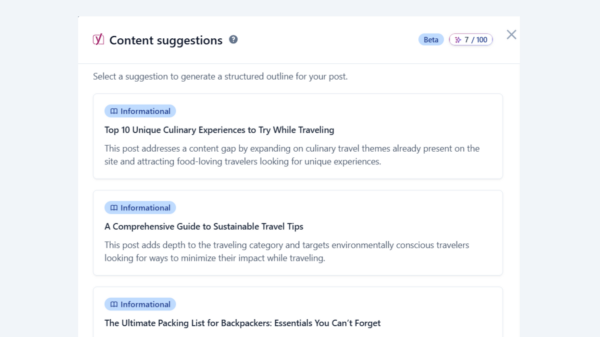
The emergence of AI in content creation has introduced a new paradigm for generating ideas and structuring content. Tools like the Yoast AI Content Planner exemplify this shift by offering intelligent assistance tailored to a website’s existing content. This tool is designed to address the common hurdle of deciding "what to write about next" by scanning a user’s blog, identifying thematic gaps, and suggesting five relevant blog post ideas.
When a new post is initiated, the Yoast AI Content Planner analyzes the site’s content library, ensuring that the generated ideas are not generic but highly specific to the niche and what the audience is already engaging with. For instance, a food blog that has extensively covered Italian cuisine but lacks content on quick, healthy breakfast options might receive suggestions like "5-Minute Mediterranean Breakfast Bowls" or "Plant-Based Power Smoothies for Busy Mornings." This contextual relevance is a significant advancement over more generalized AI prompts. Once an idea is selected, the planner goes a step further, generating a structured draft complete with a suggested title, key headings, and even a meta description. This outline provides a solid starting point, significantly reducing the initial inertia of a blank page. The ability to regenerate new batches of ideas with a single click offers flexibility and ensures a continuous flow of options. Integrated within Yoast SEO Premium products, the AI Content Planner represents a strategic investment for creators aiming for consistent, audience-centric content publication. Yoast developers state their aim was to "democratize advanced content strategy, making AI-driven insights accessible to every blogger and marketer."
Strategic Keyword Research: Unlocking Hidden Content Opportunities

Beyond surface-level keyword identification, a deeper dive into keyword research documents can reveal a wealth of untapped blog ideas. The key lies in understanding the search intent behind a keyword – what exactly is the user hoping to achieve or learn? Is it an informational query, a transactional one, or a navigational search? Tools like Yoast SEO’s Semrush integration, or even Google’s autocomplete suggestions and "People Also Ask" sections, are instrumental in uncovering this intent. The growing prominence of Google’s AI Overviews and AI Mode answers further enriches this understanding, as they synthesize information to directly answer complex queries, often highlighting sub-topics or related questions that could form the basis of new articles.
Consider the keyword "best running shoes for flat feet." A surface-level approach might yield a general review. However, digging deeper prompts questions like:
- What are the specific biomechanical challenges for flat-footed runners?
- Are there different types of flat feet that require different shoe features?
- How do shoe brands specifically cater to pronation control?
- What are the top-rated shoes by podiatrists for flat feet?
Each of these questions can be expanded into its own comprehensive blog post: "Understanding Pronation: A Guide for Flat-Footed Runners," "Top 5 Podiatrist-Recommended Running Shoes for Arch Support," or "The Science Behind Stability Shoes: What Flat-Footed Runners Need to Know." This granular approach ensures that content is not merely keyword-optimized but truly answers the multifaceted questions users have. Integrating keyword tracking tools like Wincher within Yoast SEO allows creators to monitor the performance of these targeted posts over time, refining their strategy based on real-world results. According to a study by Moz, content optimized for specific search intent can achieve up to a 70% higher conversion rate compared to generic content.
Navigating the Digital Landscape for External Inspiration
While internal resources provide a solid foundation, the broader internet offers a boundless realm of external inspiration, from visual trendspotting platforms to AI-powered idea generators and collaborative communities.
Visual Discovery and Trend Spotting with Pinterest
Pinterest, often perceived primarily as a visual bookmarking site, is a powerful engine for content ideation, especially for visually-driven niches such as food, DIY, fashion, travel, and home decor. Its strength lies in its ability to surface trending topics and popular content formats through visual cues. By searching for broad terms like "[niche] blog post ideas" or "[niche] inspiration," creators can quickly identify themes and styles that resonate with a large audience. Analyzing top-pinned posts and related boards can reveal emerging trends or popular questions within a specific community.
For example, a search for "sustainable living blog ideas" might highlight infographics on "zero-waste kitchen swaps" or tutorials on "DIY natural cleaning products," signaling topics with high engagement. However, caution is advised, as Pinterest can also be a "clickbait heaven," where quantity sometimes trumps quality. Content creators must maintain a critical eye, focusing on genuine informational needs rather than merely chasing viral trends, ensuring that any inspiration gleaned aligns with their brand’s values and expertise. Pinterest reports over 450 million active users globally, with a significant portion using it for product discovery and idea generation, making it a powerful indicator of consumer interest.
Creative Catalysts: Online Idea Generators and AI Chatbots
When facing a complete creative block, external tools designed to spark unconventional thinking can be highly effective. The Portent Content Idea Generator, for example, offers a lighthearted yet surprisingly effective way to break through mental barriers. By inputting a simple keyword like "[house plant]," it might generate a quirky title such as "The 15 Biggest House Plant Blunders" or for "[wine]," "17 Unexpected Uses for Wine." While these suggestions are rarely ready-to-publish, their often humorous and unexpected angles can jolt the creative process, leading to entirely new lines of thought. From "15 Biggest House Plant Blunders," a creator might derive ideas like "Common Houseplant Diseases and How to Prevent Them" or "The Ultimate Guide to Rescuing Dying Houseplants."
The broader category of AI chatbots, including ChatGPT, Claude, and Gemini, represents a more sophisticated evolution of idea generation. These LLMs can go beyond simple title generation to engage in more nuanced brainstorming. The key to maximizing their utility lies in precise prompting. Instead of generic requests like "Give me blog ideas about parenting," a more effective prompt would be "As a parenting blog focused on sustainable living, generate five unique blog post ideas about reducing plastic waste with toddlers, including potential subheadings." Furthermore, AI can refine vague ideas ("healthy recipes") into specific, actionable concepts ("5-Ingredient Vegan Dinner Recipes for Busy Weeknights"). It can even reverse-engineer competitor strategies by analyzing their blog URLs and suggesting topics they might have overlooked. However, a significant caveat remains: AI often defaults to generating "commodity content"—ideas that are generic or overdone. Content creators must use AI as a springboard, always infusing their unique perspective, original research, or personal anecdotes to elevate the content beyond mere information regurgitation. Experts in AI ethics consistently warn against over-reliance on AI for content, emphasizing that "human oversight and creative input are indispensable for maintaining authenticity and avoiding algorithmic bias."
Calendar-Driven Content: The ‘Days Of The Year’ Approach
The website "Days Of The Year" provides a unique and often whimsical source of inspiration by cataloging a vast array of global holidays and observances. From the widely recognized to the utterly obscure, these dates can serve as excellent hooks for timely and engaging content across various niches. For a pet blog, "National Dog Day" is an obvious choice, but "Howl at the Moon Day" could inspire a creative piece on nocturnal animal behavior or folklore. A travel blogger might leverage "Towel Day" (May 25th, a nod to The Hitchhiker’s Guide to the Galaxy) to write about "The Ultimate Travel Towel Guide" or "Essential Packing Hacks for Every Adventure."
This approach allows for seasonal planning and the creation of content that taps into current cultural moments, offering a fresh perspective on otherwise routine topics. The sheer volume of diverse "days" ensures that nearly every niche can find relevant inspiration, from "Unicorn Day" for fantasy enthusiasts to "International Coffee Day" for culinary blogs. Strategically aligning content with these dates can significantly boost engagement, particularly on social media, where trending hashtags related to specific observances often dominate conversations.
Community and Collaboration: Learning from Fellow Bloggers
The internet fosters a vast network of content creators, and engaging with this community can be a powerful source of inspiration. Following other bloggers, subscribing to industry newsletters, and participating in niche-specific Facebook groups or forums can expose creators to new perspectives, emerging trends, and different approaches to content. Discussions with fellow bloggers, sharing challenges and successes, often spark collaborative thinking and new ideas. It’s crucial, however, to differentiate between inspiration and imitation. While observing what others are doing successfully can inform one’s strategy, direct copying is unethical and detrimental to one’s own brand integrity. Giving credit where credit is due, or using existing content as a springboard for a unique angle, is the professional standard. Networking with peers also provides an opportunity to identify collaborative content opportunities, such as guest posts or joint projects, which can expand reach and introduce fresh perspectives.
Drawing Inspiration from Personal Experience and the World Around Us
Beyond digital tools and external communities, some of the most authentic and resonant content ideas stem from personal experiences, daily observations, and the broader world.
Harnessing Current Events for Timely Content
Current events, from major global news to local developments, offer a rich vein of timely content ideas. The art lies in connecting these events to a specific niche in a natural and value-adding manner. A personal finance blog, for instance, could analyze a new federal interest rate hike and its implications for mortgages, savings, and investments, offering readers actionable advice. Similarly, a parenting blog might discuss a new educational policy and its potential impact on families, framing it as "What the New School Curriculum Means for Your Child’s Learning."
The goal is not merely to report the news but to interpret it through the lens of the blog’s expertise, providing context and implications relevant to the target audience. Setting up Google Alerts for keywords related to a niche ensures that creators stay abreast of relevant developments. While timely content can significantly boost traffic, creators must exercise discretion, particularly with sensitive or controversial topics. If such topics are addressed, the focus should always be on offering helpful insights, fostering understanding, and avoiding sensationalism or exploitation of trends. A report by BuzzSumo found that news-related content tends to generate higher social shares in the short term, underscoring its potential for immediate engagement.
The Power of Personal Narratives: Everyday Life as a Muse
Authenticity is a powerful currency in content creation, and drawing inspiration from one’s own daily life or professional experiences can yield highly relatable and unique content. Situations encountered in one’s work, challenges faced by clients, or personal anecdotes can form the basis of compelling blog posts. A marketing consultant, for example, might write about a common client struggle with social media engagement, offering a step-by-step solution based on real-world application.
When using real-life examples, particularly those involving clients or colleagues, respecting privacy is paramount. Details should be anonymized, names changed, and explicit permission sought if any identifying information might be inferred. A therapist blogging about mental health tips might use composite case studies, altering key details to protect client confidentiality while still illustrating therapeutic principles. This approach not only provides practical insights but also builds trust and demonstrates expertise through lived experience. Renowned authors and writing coaches often emphasize that "the most compelling stories are often found in the ordinary details of life, seen through an extraordinary lens."
Cultivating Creativity: The Importance of Mental Reset
The human brain is not a machine, and sustained creative output requires periods of rest and mental recalibration. Staring at a blank screen for extended periods can induce mental fatigue and exacerbate writer’s block. Taking deliberate breaks—whether a short walk, engaging in a mundane chore like washing dishes, or simply stepping away from the desk—can significantly help reset cognitive functions. These moments of disengagement allow the subconscious mind to process information and make new connections, often leading to unexpected bursts of inspiration. Neuroscientific studies have shown that diffused thinking, often achieved during breaks or light activities, is crucial for creative problem-solving.
For those who prefer a more structured approach to clearing their head, a "brainstorming sprint" can be highly effective. Setting a timer for 10-15 minutes and rapidly jotting down any ideas related to a topic, without self-censorship, can unlock new avenues. A prompt like "List twenty blog ideas about [your niche]: five weird, five practical, ten in between" forces the brain out of its usual patterns. Following this with a 5-minute freewriting session on the most intriguing idea can further develop nascent concepts. This technique leverages time constraints to bypass perfectionism and encourage divergent thinking, leading to fresh angles and renewed focus upon returning to the primary task.
The Indispensable Idea Bank: A Proactive Approach
The simplest yet most effective strategy for combating writer’s block is proactive preparedness: maintaining a running list of ideas. Inspiration is often fleeting, striking at unexpected moments—during a commute, a conversation, or even in the middle of the night. By immediately capturing these ideas, whether in a dedicated digital note, a physical notepad, or a project management tool, creators build a valuable reservoir of potential content. This "idea bank" serves as a crucial resource for those days when inspiration is low, transforming a potential productivity slump into an opportunity to draw from a pre-existing well of concepts. The format of this list is less important than its consistent maintenance and accessibility, ensuring that no good idea is ever truly lost.
Conclusion: Synthesizing Strategy for Sustainable Content Creation
In an era defined by relentless content demand, overcoming writer’s block and consistently generating fresh ideas is no longer merely a creative aspiration but a strategic imperative. The modern content creator must adopt a multifaceted approach, blending traditional wisdom with cutting-edge technology. From the invaluable direct insights gleaned from an engaged audience to the analytical precision offered by Google Search Console and the intelligent assistance of AI-powered planners like Yoast AI Content Planner, a robust ecosystem of tools and methodologies is now at hand.
The future of content creation lies in the synergistic integration of human creativity and technological augmentation. While AI can efficiently generate outlines and suggest topics, the unique voice, personal experience, and critical perspective of the human creator remain indispensable for producing truly impactful and differentiated content. The ability to dig deeper into keyword intent, spot emerging trends on visual platforms, draw inspiration from global events, and cultivate personal anecdotes ensures that content resonates authentically. By embracing both structured data analysis and spontaneous creative breaks, maintaining an ever-ready idea bank, and fostering a continuous learning mindset, content creators can navigate the evolving digital landscape with confidence, ensuring a sustainable flow of high-quality, engaging, and relevant content that truly connects with their audience. The competitive edge in content creation will increasingly belong to those who master the art of leveraging these diverse strategies to keep their creative wellspring perpetually flowing.