rifanmuazin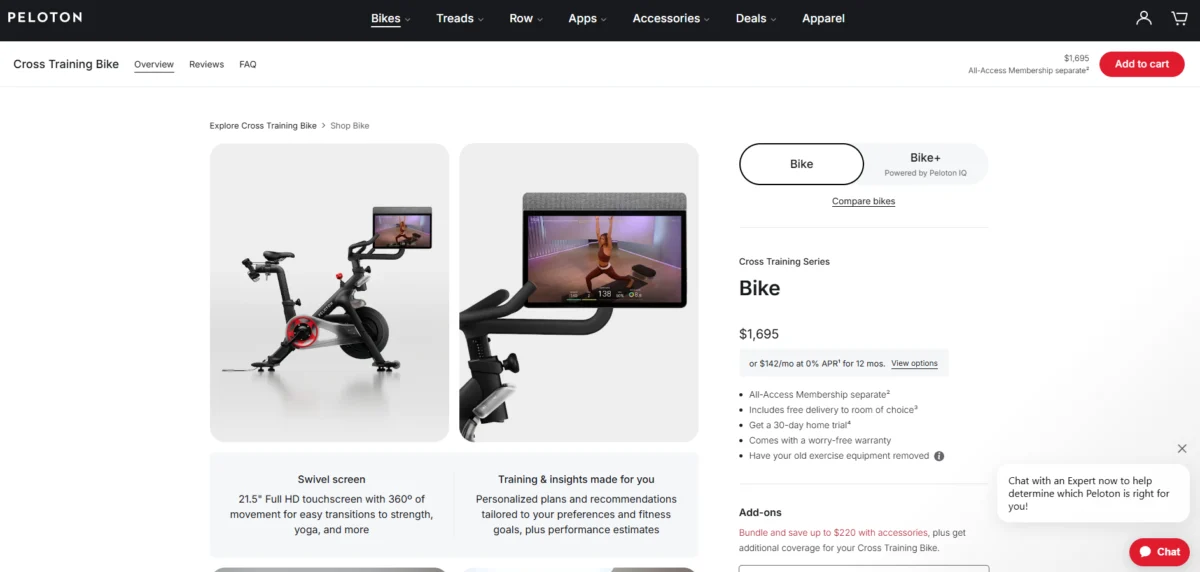
Perception has emerged as the primary currency of the modern global economy, often outweighing the objective utility of products in determining market success. In contemporary commerce, perceived value represents a customer’s subjective assessment of a product or service’s merit in comparison to its cost and available alternatives. While actual value is rooted in technical specifications, durability, and performance, perceived value is a psychological construct shaped by messaging, brand equity, and social validation. As global markets become increasingly saturated with functionally identical commodities, the ability of a firm to elevate perceived value has become the decisive factor in sustaining premium pricing and long-term consumer loyalty.
The distinction between objective utility and consumer belief is central to modern marketing theory. Actual value represents the "floor" of a product’s worth—the minimum performance required to satisfy a basic need. In contrast, perceived value represents the "ceiling"—the maximum price a consumer is willing to pay based on the belief that a product provides a unique benefit, whether functional, emotional, or social. Industry data suggests that companies capable of decoupling their pricing from the cost of production, instead anchoring it to consumer perception, achieve significantly higher profit margins and are more resilient to market volatility.

A Chronology of Value: From Commodities to Experiences
The shift toward perception-based economics has followed a distinct historical trajectory over the last century. During the early Industrial Era, value was largely defined by scarcity and basic utility. A consumer purchased a shovel based on the quality of its steel and the sturdiness of its handle. By the mid-20th century, the rise of mass media introduced the "Brand Era," where companies like Coca-Cola and Ford began to associate products with lifestyles and status.
In the 21st century, the digital revolution accelerated this trend, moving the economy into what analysts call the "Experience and Perception Era." The following timeline illustrates the evolution of how value has been constructed in the marketplace:
- 1900s–1950s: The Utility Era. Value was measured by durability and functional output. Branding was primarily a mark of origin and basic quality assurance.
- 1960s–1990s: The Lifestyle Era. Psychological associations became paramount. Products were sold as symbols of social class, rebellion, or domestic stability.
- 2000s–2015: The Digital Information Era. Transparency increased as reviews and price-comparison tools became ubiquitous. Perceived value began to lean heavily on social proof and community validation.
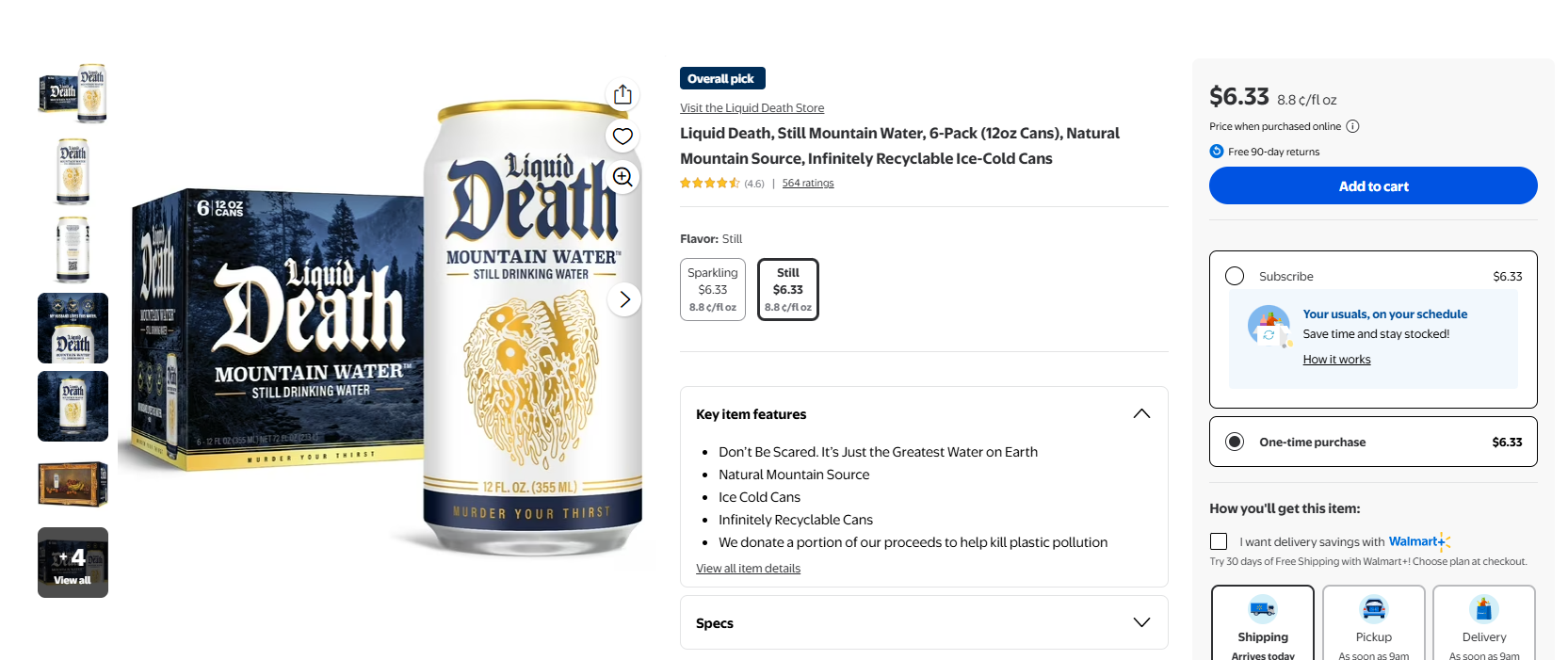
- 2016–Present: The Meaning and Novelty Era. Brands like Liquid Death and Peloton have demonstrated that even basic commodities (water) or traditional equipment (exercise bikes) can command 10x price premiums by shifting the perception from a "product" to a "movement" or a "high-stakes experience."
Comparative Analysis: Actual Value vs. Perceived Value
The disparity between what a product is and what it is believed to be can be seen in several high-profile market leaders. For instance, the actual value of a bottle of Liquid Death mountain water is functionally identical to any generic store-brand water; both provide 100% hydration and meet safety standards. However, Liquid Death’s branding—leveraging "punk rock" aesthetics and environmental sustainability messaging—allows it to retail at a significant premium.
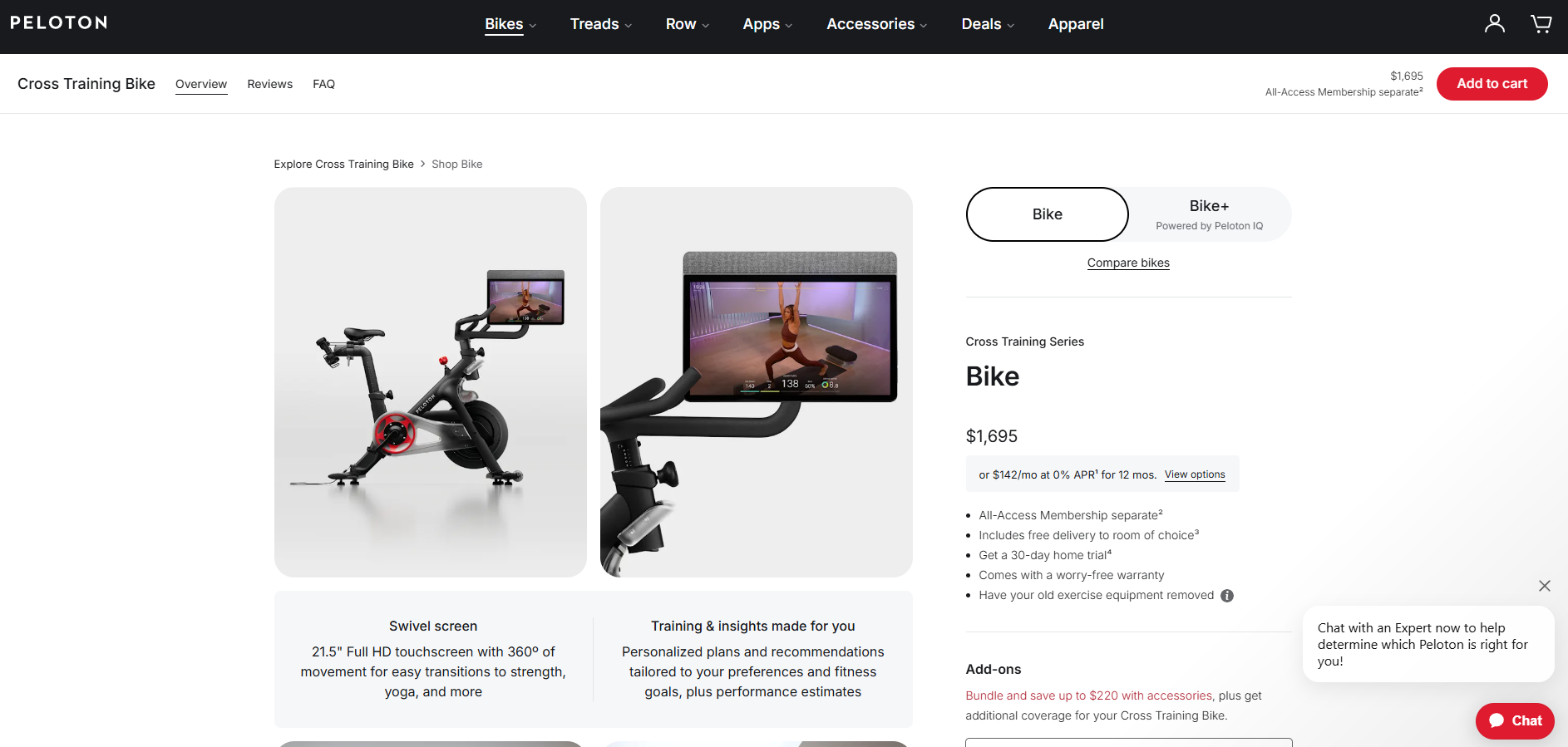
Similarly, in the fitness sector, a standard stationary exercise bike may retail for $200 on platforms like Amazon. Peloton, however, positions its hardware between $1,700 and $2,700, supplemented by a recurring monthly subscription. While the "actual value" of the steel and electronics does not justify a 1,000% price increase, the "perceived value"—driven by elite coaching, community competition, and brand prestige—convinces millions of consumers that the investment is rational.
Economic analysts note that perceived price is also a contextual variable. A $5 bottle of water is perceived as an overcharge in a local grocery store but is viewed as a fair or even necessary expense within the confines of an international airport. This shift occurs because the consumer’s reference point—the expected price in a specific environment—changes, proving that value is not inherent to the object but is a reaction to the environment in which the object is presented.
Methodologies for Measuring Consumer Perception
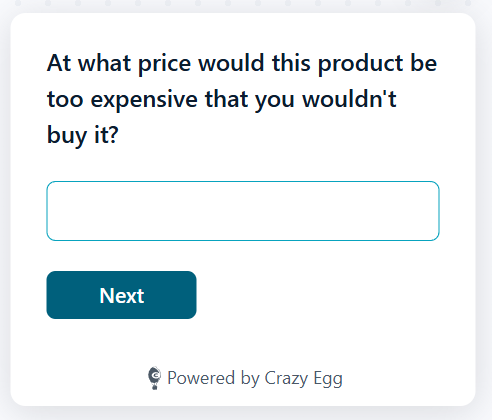
Because perceived value is subjective, businesses utilize a combination of quantitative and qualitative data to assess where their products sit on the value spectrum. One of the most prominent quantitative frameworks is the Van Westendorp Price Sensitivity Meter. This model uses four critical questions to map the "acceptable price range" for a product:
- At what price would the product be so expensive that you would not consider buying it? (Too expensive)
- At what price would the product be so low that you would feel the quality couldn’t be very good? (Too cheap)
- At what price would the product begin to seem expensive, but you would still consider it? (Expensive/High Side)
- At what price would the product be a bargain—a great value for the money? (Cheap/Good Value)
By plotting these responses, companies can identify the "Optimal Price Point," where the number of people who find the product too expensive is equal to the number of people who find it too cheap.
Beyond pricing models, firms increasingly rely on behavioral analytics. Web tracking tools, such as heatmaps and scroll maps, provide objective data on what features or price points capture consumer attention. For example, if users frequently hover over a "Premium Features" section but fail to convert, it indicates a "Value Gap"—the perceived value of those features does not yet outweigh the perceived cost.
Strategic Levers to Increase Perceived Value
Market research identifies six primary levers that organizations can pull to elevate the perceived worth of their offerings without necessarily changing the underlying product.
1. Strategic Pricing and Framing
Price itself acts as a signal of quality. A study of consumer behavior indicates that when buyers lack deep technical knowledge of a category, they use the price tag as a proxy for performance. If a product is priced too low, it can trigger "quality suspicion," where the consumer assumes the product is defective or made from inferior materials. Conversely, premium pricing can create an aura of exclusivity and superior craftsmanship.
2. Brand Equity and the "Halo Effect"
A strong brand reputation creates a "halo effect," where the positive perception of the company’s history and values is automatically applied to new products. Brands like Patagonia or Mercedes-Benz can charge premiums because their names serve as a guarantee of quality, ethical sourcing, or social status.
3. Social Proof and Community Validation
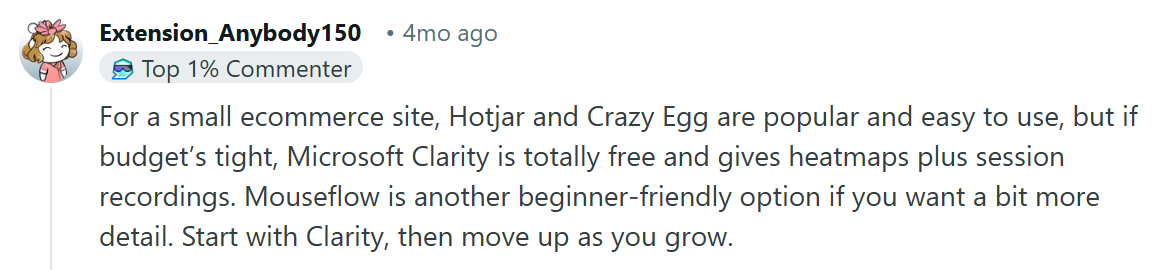
In an era of information overload, consumers look to their peers to validate their purchasing decisions. Case studies, user-generated content, and five-star reviews on platforms like G2, Trustpilot, or Reddit serve to normalize high price points. When a potential buyer sees others expressing satisfaction, the perceived risk of the purchase drops, which in turn raises the perceived value.

4. Risk Mitigation
Economic research, including studies by Wang et al. (2019) and Hu et al. (2023), confirms a direct inverse relationship between perceived risk and perceived value. By offering robust warranties, money-back guarantees, and "freemium" models, companies lower the psychological barrier to entry. When the risk of "losing" money is removed, the value of the potential "gain" is magnified in the consumer’s mind.
5. Optimization of the Customer Experience (CX)
The environment in which a product is purchased and the support provided after the sale are integral to its value. Data from the Qualtrics XM Institute (2025) indicates that 72% of consumers are willing to pay a premium for a superior experience. Furthermore, a PwC survey found that nearly one-third of consumers would abandon a brand they love after just one bad experience, illustrating that CX is a critical component of value retention.
6. Aesthetic Design and Presentation
Design signals intentionality and care. High-quality packaging, sophisticated typography, and sleek product aesthetics suggest a level of professional craftsmanship that generic alternatives lack. This is the "Moleskine Effect," where consumers willingly pay five to eight times the price of a standard notebook because the design elevates the act of writing into a professional or artistic endeavor.
Broader Market Implications and Future Outlook
The implications of perception-based value extend beyond individual marketing campaigns and into the realm of global economic stability. As the "Value-Based Pricing" movement continues to gain traction, the traditional "Cost-Plus" pricing model—where a company adds a fixed margin to its production costs—is becoming obsolete in high-growth sectors like SaaS, luxury goods, and specialized services.
Industry experts suggest that as Artificial Intelligence (AI) makes functional parity easier to achieve across all industries, the "actual value" of products will continue to commoditize. In such a landscape, the only remaining differentiator will be the brand’s ability to create a unique psychological and emotional resonance with its audience.
"The product is merely the ticket to enter the market," says one industry analyst. "Perception is what allows you to stay in the market and thrive." For businesses, the message is clear: while the product must function to maintain a floor of credibility, the ceiling of profitability is limited only by the company’s ability to shape how that product is perceived. In the final analysis, the most successful companies do not just sell solutions; they sell the belief that their solution is the only one that truly matters.