
 rifanmuazin
In the competitive landscape of Software as a Service (SaaS), the moment a user completes a sign-up form is often mistaken for the finish line. However, industry data suggests that for most digital products, this is merely the starting point of a high-stakes race against time. According to recent software engagement benchmarks, a significant majority of users—often as high as 70% to 80%—abandon a new application within the first week if they fail to perceive immediate value. The onboarding funnel serves as the tactical infrastructure designed to mitigate this drop-off, transforming initial curiosity into habitual product usage.

An onboarding funnel is a structured framework that maps the behavioral journey of a new user from the point of registration to the "activation event," which is the specific moment a user experiences the core value proposition of the product. Unlike acquisition funnels, which focus on lead generation and conversion, the onboarding funnel is dedicated to retention and product adoption. By breaking this journey into measurable stages, businesses can identify precisely where momentum stalls and implement surgical interventions to keep users moving toward long-term commitment.
The Structural Anatomy of a Modern Onboarding Funnel
The architecture of an effective onboarding funnel typically consists of six distinct phases, each serving a specific psychological and functional purpose. While individual product journeys vary, the following stages represent the industry standard for driving user success.

Phase 1: Account Configuration and Workspace Setup
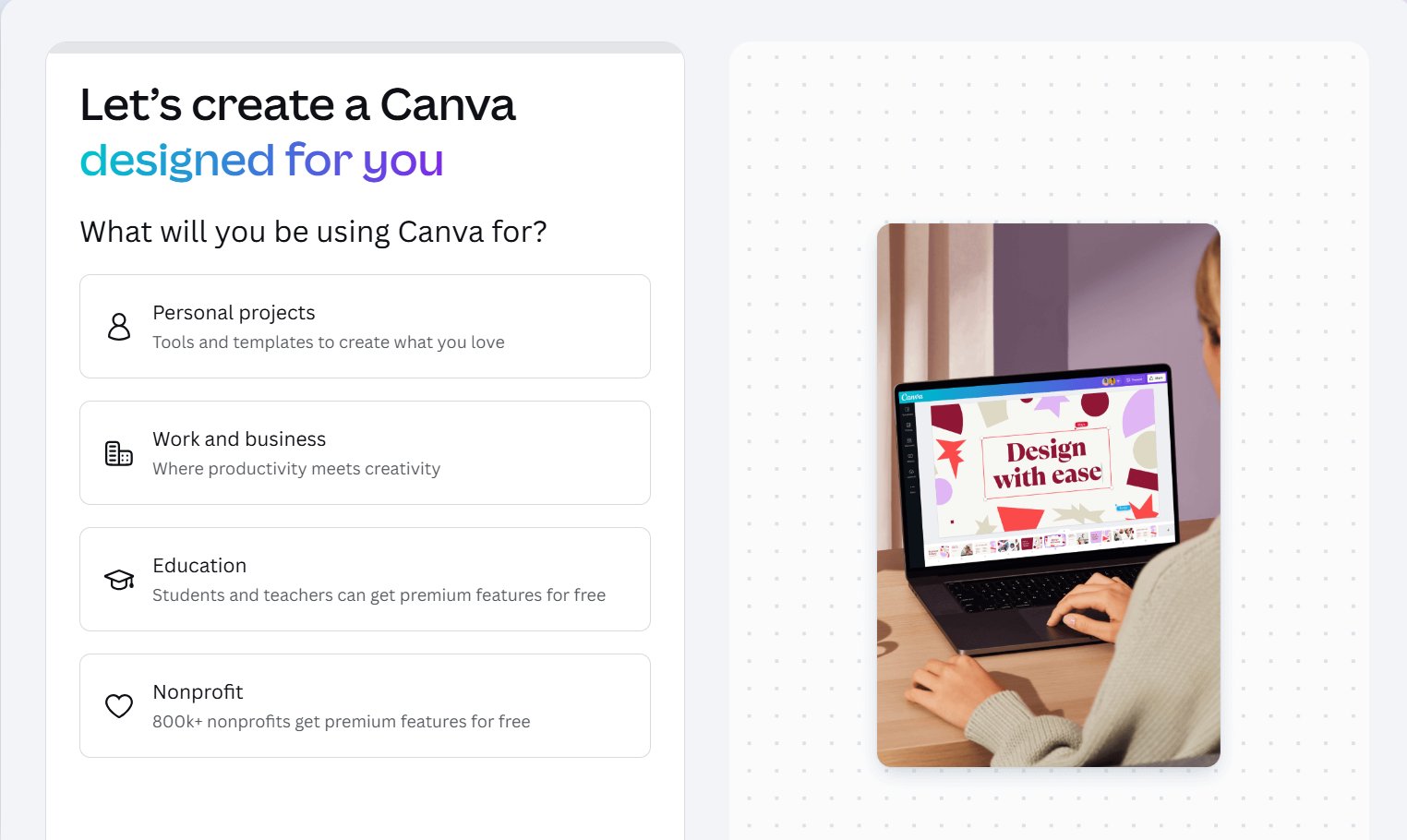
The initial step involves the user tailoring the environment to their specific needs. In project management tools, this may involve naming a workspace; in design tools, it might involve selecting a user persona. Data from user experience (UX) research indicates that friction at this stage is the most common cause of "day-zero" churn. If the setup process is too demanding or asks for too much information upfront, users often lose interest before even entering the product dashboard.
Phase 2: Targeted Product Education
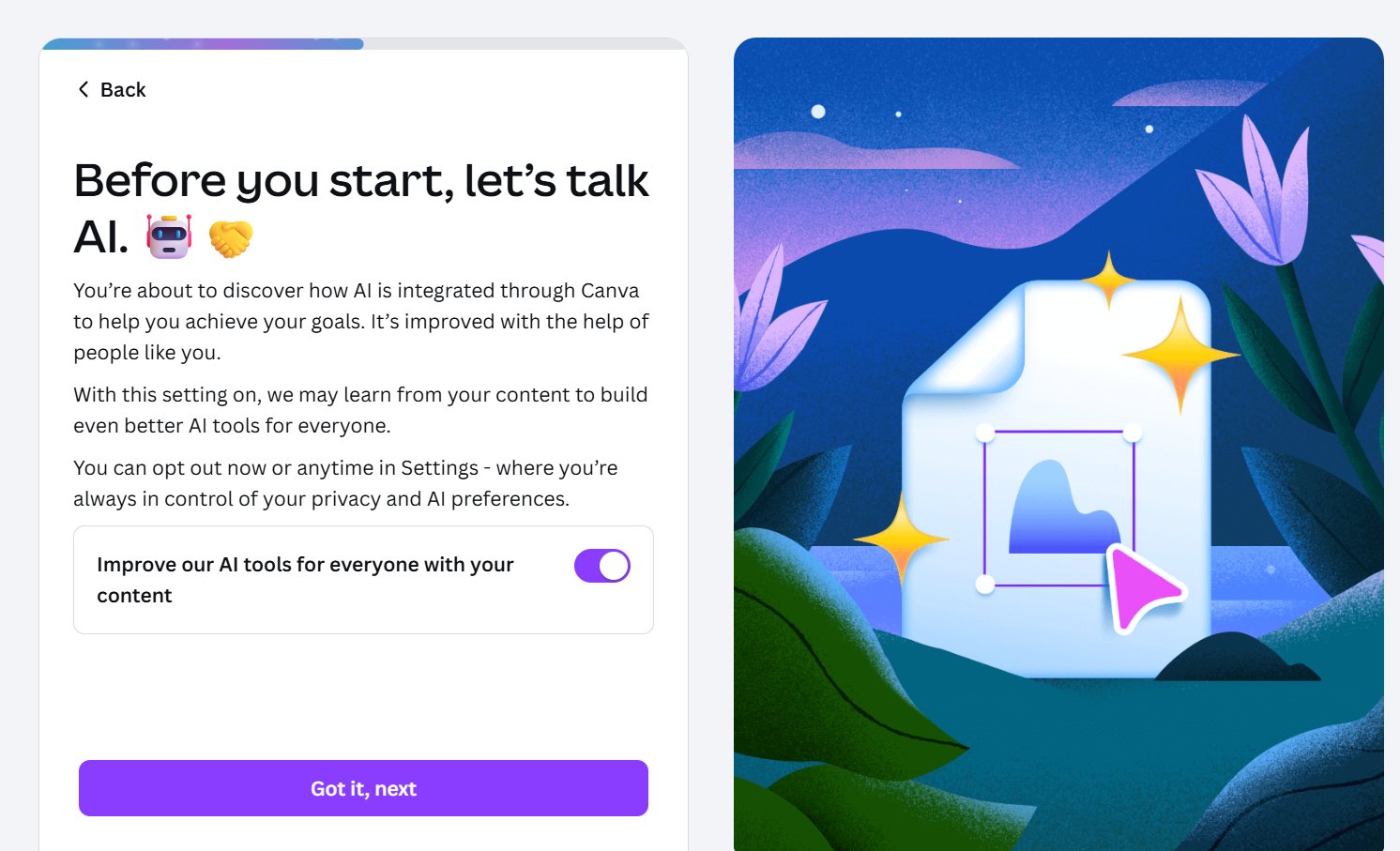
Once the basic setup is complete, the funnel must bridge the gap between logging in and taking action. This is achieved through guided tours, interactive tooltips, or video tutorials. The objective is to familiarize the user with the interface without overwhelming them. Leading platforms, such as the design giant Canva, utilize this stage to introduce advanced capabilities like artificial intelligence integrations, setting high expectations for what the user can achieve.
Phase 3: The Activation Event or "Aha!" Moment
Activation is the most critical milestone in the funnel. It is the specific action that confirms the product’s utility. For a communication tool like Slack, this might be sending a certain number of messages; for a design tool, it is often the completion and download of the first project. David Isaac Mathews, Chief Growth Officer and a prominent voice in the growth marketing sector, emphasizes that alignment around this milestone is crucial for scaling startups. Without a clearly defined activation event, companies risk operating in silos, tracking vanity metrics rather than genuine user progress.
Phase 4: Core Feature Adoption
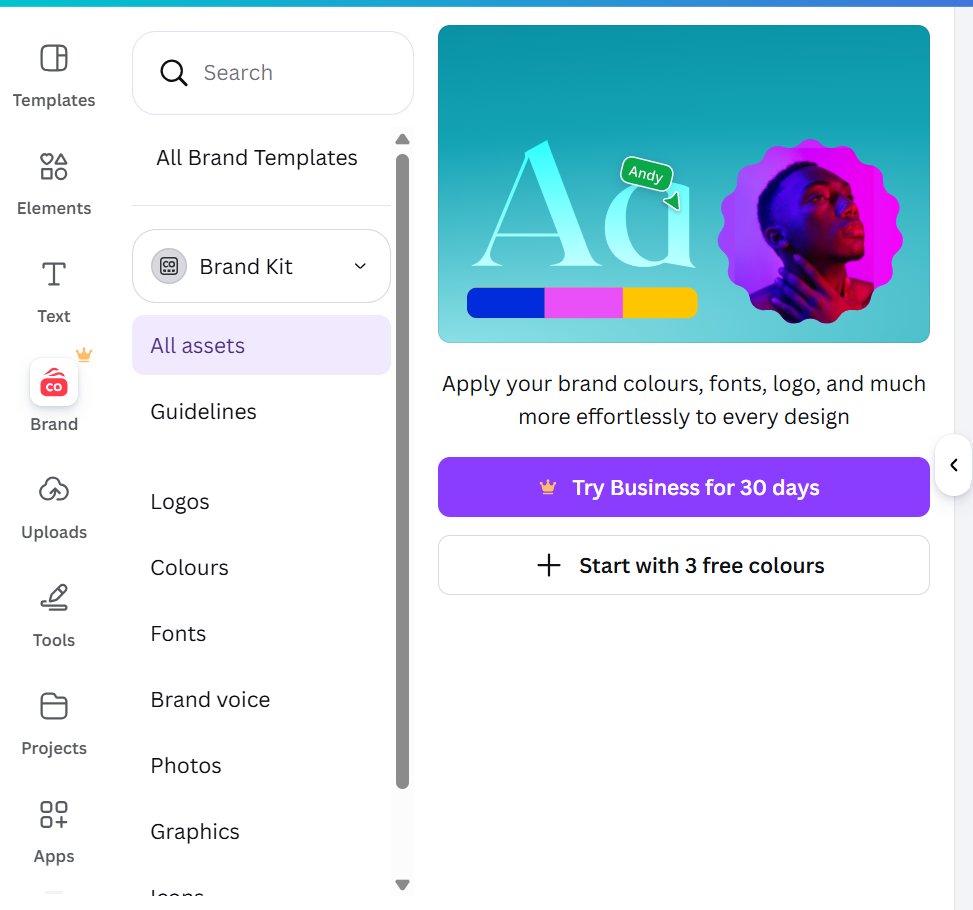
Following the initial "Aha!" moment, the funnel must guide the user toward secondary features that deepen the product’s value. This stage separates casual triallists from power users. By encouraging the adoption of "sticky" features—such as Brand Kits in design software or automated workflows in CRM tools—companies increase the cost of switching to a competitor, thereby securing the user’s place in the ecosystem.
Phase 5: Habit Formation
The final stage of the onboarding funnel is the transition into a retention cycle. This is measured by the frequency of return visits over a defined period, such as 7 or 30 days. Successful habit formation indicates that the onboarding process has effectively integrated the product into the user’s daily or weekly workflow.
Strategic Mapping and Persona Segmentation
A "one-size-fits-all" approach to onboarding is increasingly viewed as an outdated strategy. Modern growth teams now employ sophisticated segmentation to tailor the funnel based on user intent and persona. A freelance designer and a corporate marketing manager may sign up for the same design tool, but their definitions of "value" are vastly different.
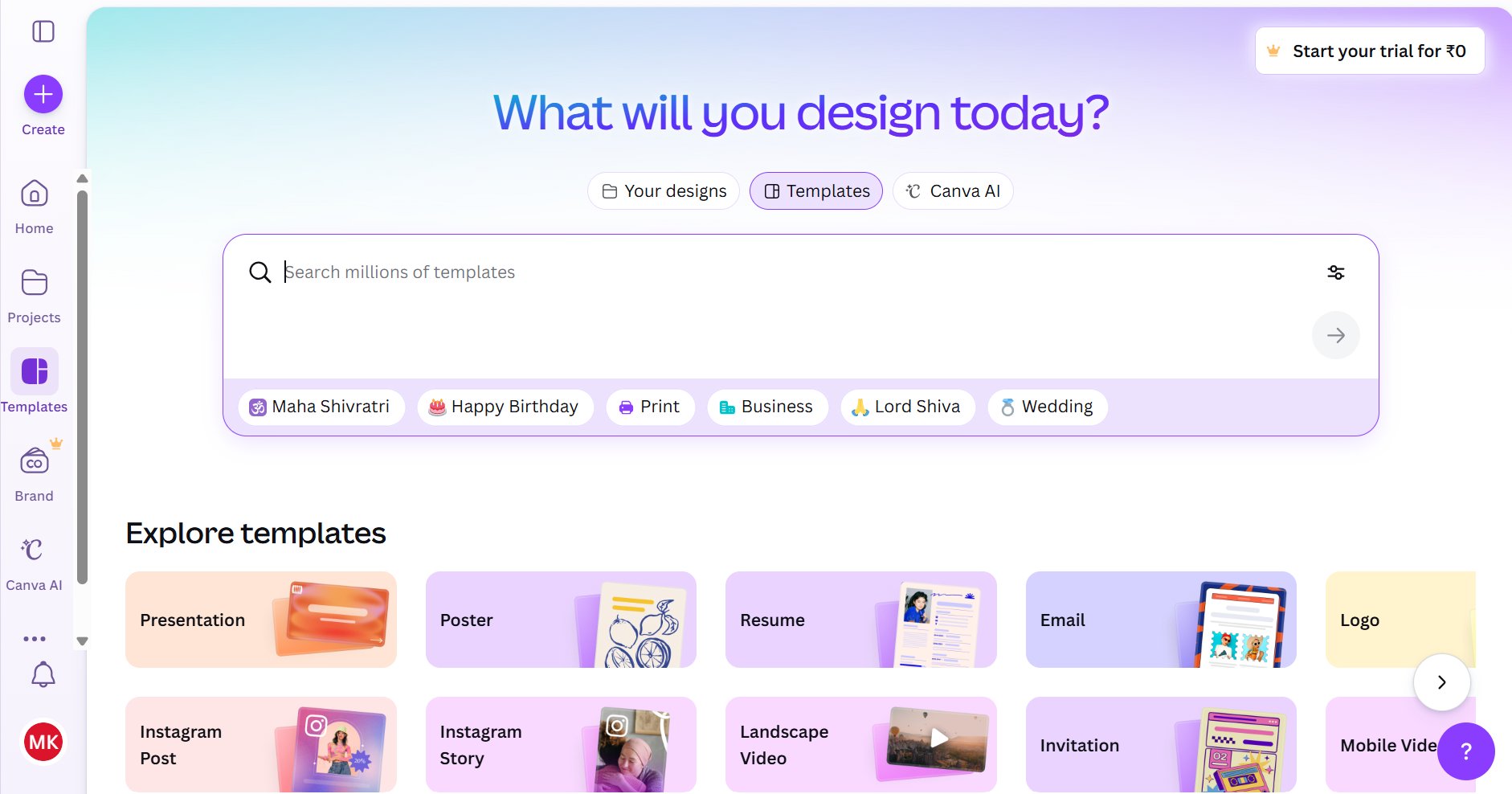
Mapping the funnel requires a reverse-engineering approach. Growth engineers start with the desired activation goal and work backward to identify the minimum viable path to reach it. This involves:
- Identifying Entry Points: Analyzing whether a user arrived via a paid ad (seeking quick results) or organic search (likely exploring features more deeply).
- Segmenting by Intent: Using initial survey questions during setup to categorize users by their specific goals.
- Defining Micro-Actions: Tracking the small, incremental steps—such as clicking a specific button or uploading a file—that lead to the final activation.
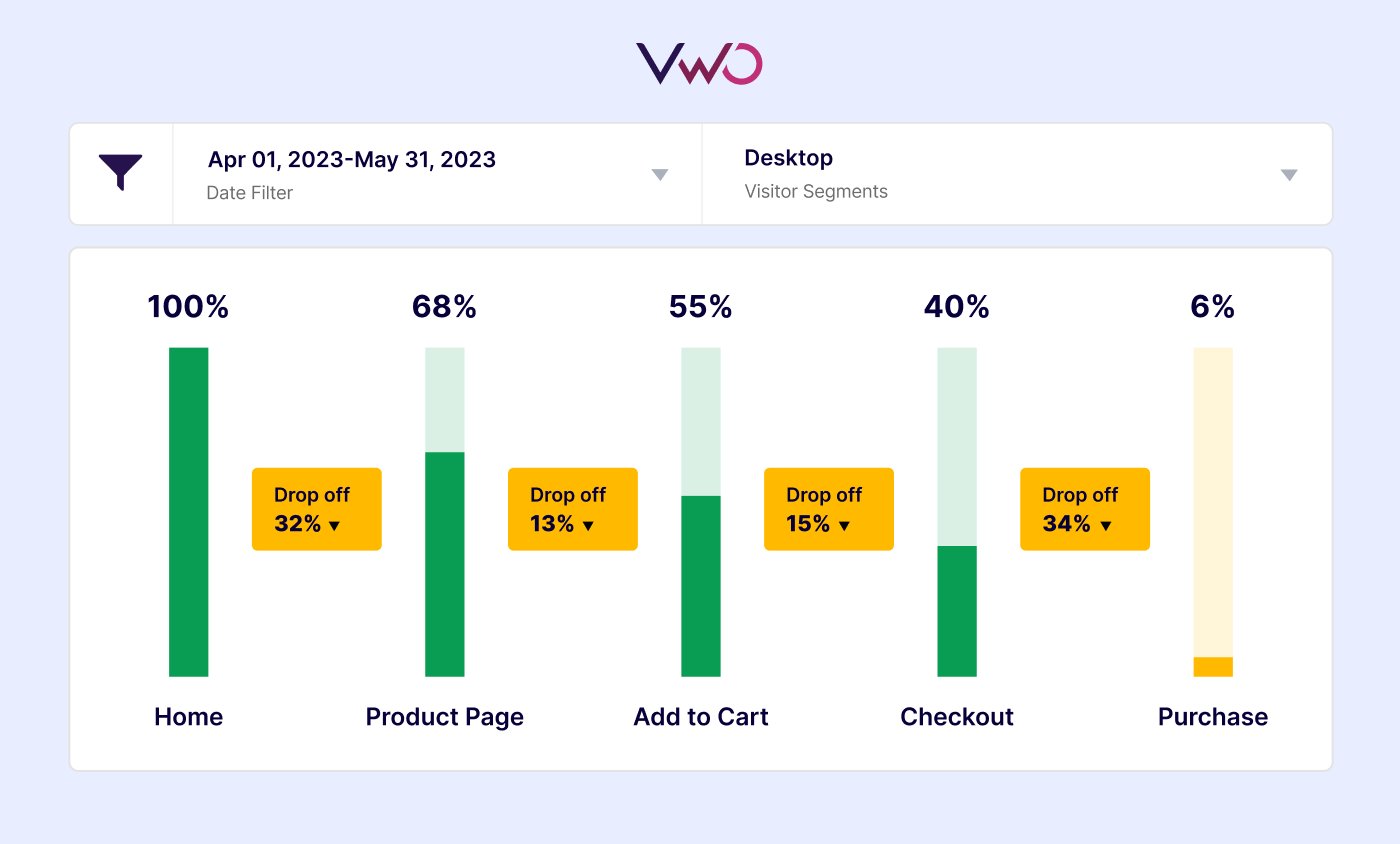
To make these funnels measurable, companies utilize key performance indicators (KPIs) such as the Funnel Conversion Rate, the Drop-off Rate at each stage, and the Time-to-Value (TTV). Minimizing TTV is often the primary focus of optimization efforts, as the faster a user realizes value, the less likely they are to churn.

Case Studies in Funnel Optimization: Vandebron and AURUM
The impact of funnel optimization is best illustrated through real-world applications where minor adjustments led to significant business outcomes.
The Vandebron Friction Analysis
Vandebron, an innovative energy company, utilized behavioral insights to diagnose a major leak in their sign-up funnel. By employing form analytics and session recordings, the team discovered that a single input field—the user’s date of birth—was causing a disproportionate amount of friction. Users found the calendar input difficult to navigate on mobile devices, leading to high abandonment rates. After simplifying this specific interaction and validating the change through A/B testing, Vandebron reported a 16.3% uplift in total sign-ups and an 80% reduction in field-level drop-offs. This case highlights how technical friction, even in a single field, can compromise the entire onboarding journey.
AURUM’s Acceleration of Value
In the legal-tech sector, AURUM’s platform, Astrea, faced a unique challenge. Their core value proposition involved processing legal clippings, a task that initially took up to 48 hours to complete. This delay meant that the "Aha!" moment occurred long after the user had finished their first session, leading to a loss of momentum. By re-engineering the process to provide more immediate feedback and a guided experience, AURUM achieved a 105% lift in activation and a 300% growth in overall user engagement. This demonstrates that for complex products, the onboarding funnel must focus on reducing the temporal gap between sign-up and value realization.
The Role of Data and the Modern Tech Stack
To manage an onboarding funnel effectively, organizations require a robust technological infrastructure. The modern "Growth Stack" typically includes several categories of tools:
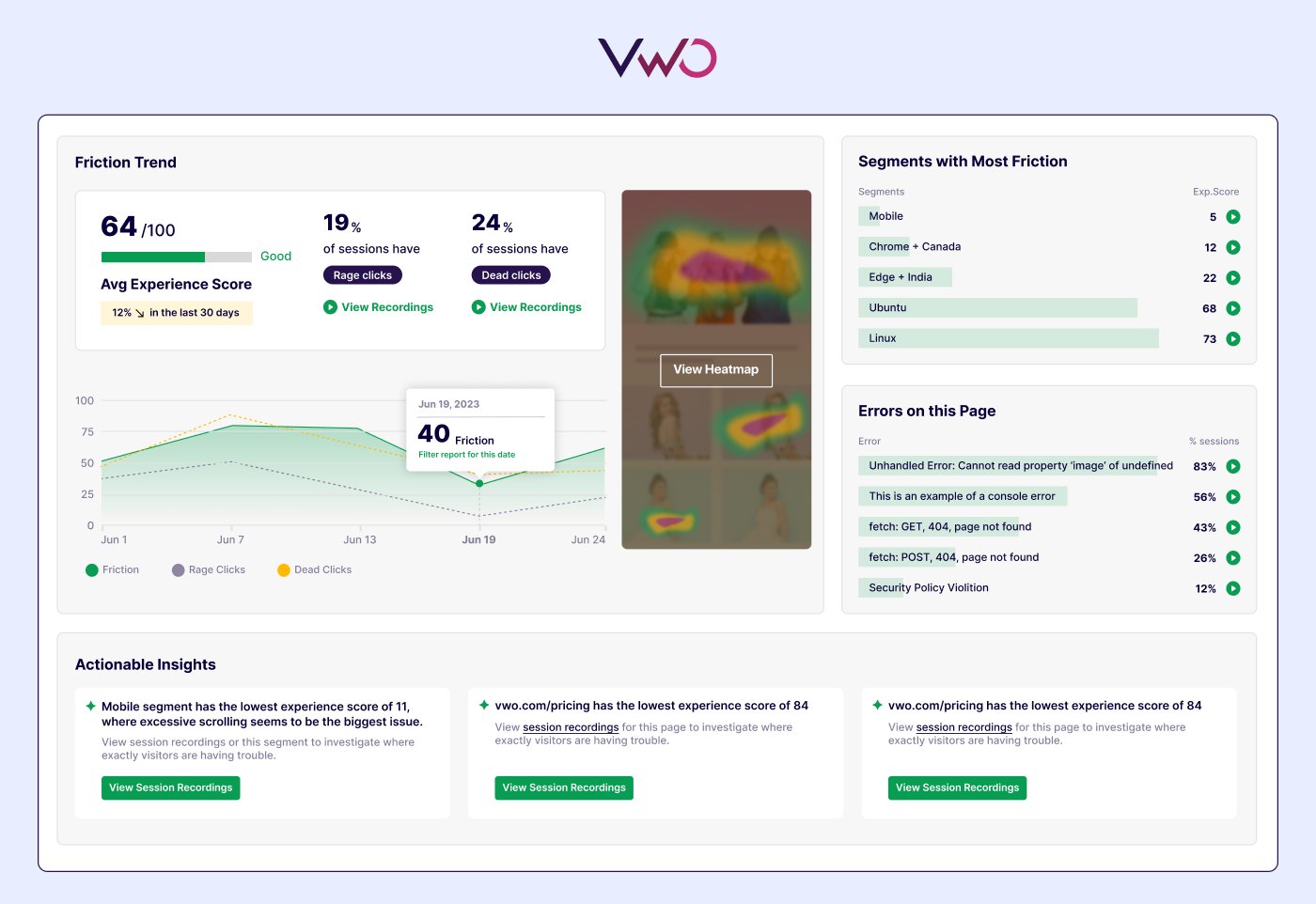
- Product Analytics: Platforms like Mixpanel, Amplitude, or Heap allow teams to track user behavior at a granular level, identifying the exact coordinates where users exit the funnel.
- Behavioral Insights: Tools such as VWO Insights or Hotjar provide qualitative context—such as heatmaps and session recordings—that explain the "why" behind the quantitative data.
- In-Product Guidance: Services like Pendo or Appcues enable the deployment of tooltips and walkthroughs without requiring extensive backend coding.
- Experimentation Frameworks: A/B testing engines are essential for validating hypotheses. Whether testing a new CTA color or a different sequence of onboarding screens, experimentation ensures that changes are data-backed rather than based on intuition.
Broader Economic Impact and Industry Implications
The optimization of onboarding funnels has implications that extend beyond individual company growth. In the broader SaaS economy, the ability to efficiently activate users is a key driver of Customer Lifetime Value (LTV) and a primary metric for venture capital valuation. Investors increasingly look at "Net Revenue Retention" and "Product-Led Growth" (PLG) metrics as indicators of a company’s long-term viability.
Furthermore, the rise of AI-driven onboarding is set to redefine the funnel once again. By using machine learning to predict which users are at risk of churning during onboarding, companies can now deploy automated, personalized interventions—such as targeted email nudges or dynamic UI changes—to steer the user back toward activation.
Conclusion
The onboarding funnel is no longer a static sequence of "Welcome" screens; it is a dynamic, data-driven engine that determines the success or failure of a digital product. By focusing on the activation moment, reducing technical friction, and utilizing behavioral insights, companies can transform their initial user interactions into a reliable foundation for growth. As the SaaS market continues to saturate, the companies that master the art of the onboarding funnel will be the ones that achieve sustainable market leadership. In the words of industry analysts, the real work of growth begins not when a user signs up, but when the product begins to prove its worth.








