rifanmuazin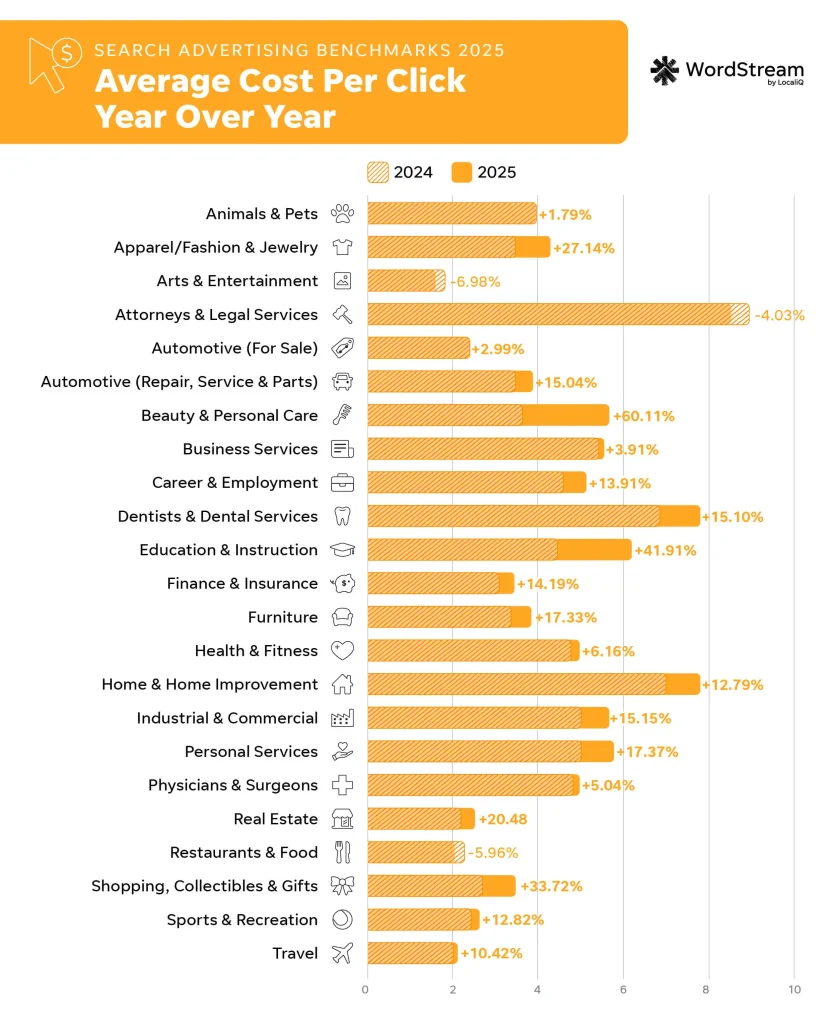
Keyword research, often perceived as a complex and time-consuming endeavor, is fundamental to the success of any online marketing strategy. Even seasoned professionals in Search Engine Optimization (SEO) and Pay-Per-Click (PPC) advertising can find themselves challenged by the intricacies of identifying the most effective search terms. However, through a systematic approach and the judicious use of available tools, the process can be streamlined for maximum efficiency. This guide aims to demystify keyword research, providing a clear roadmap for businesses to discover and leverage the terms that will connect them with their target audience.

The core of digital marketing success lies in understanding what potential customers are searching for. Keyword research is the systematic process of identifying these terms, analyzing their search volume, and understanding the intent behind them. It is the bedrock upon which effective SEO and PPC campaigns are built, enabling businesses to expand their reach and attract relevant traffic. As Jennah Patel, Senior Manager of Marketing Operations at LocaliQ and WordStream, aptly states, "Keyword research helps you discover and prioritize the search terms that truly matter to your business and goals—so your ads appear for the right searches, not just more searches. The strongest keyword lists aren’t the largest; they’re filtered by intent, ensuring every click has a clear purpose." The ultimate goal is to find keywords that not only have significant search volume but also align precisely with a business’s offerings and content strategy.
The Importance of Strategic Keyword Identification
The digital landscape is characterized by an overwhelming volume of online activity. Google alone processes an estimated 14 billion search queries daily, highlighting the immense potential for businesses to be discovered. However, not all search terms are created equal. Identifying the "fruitful" keywords requires a strategic approach that balances search volume with relevance and intent.
For Search Engine Optimization (SEO):
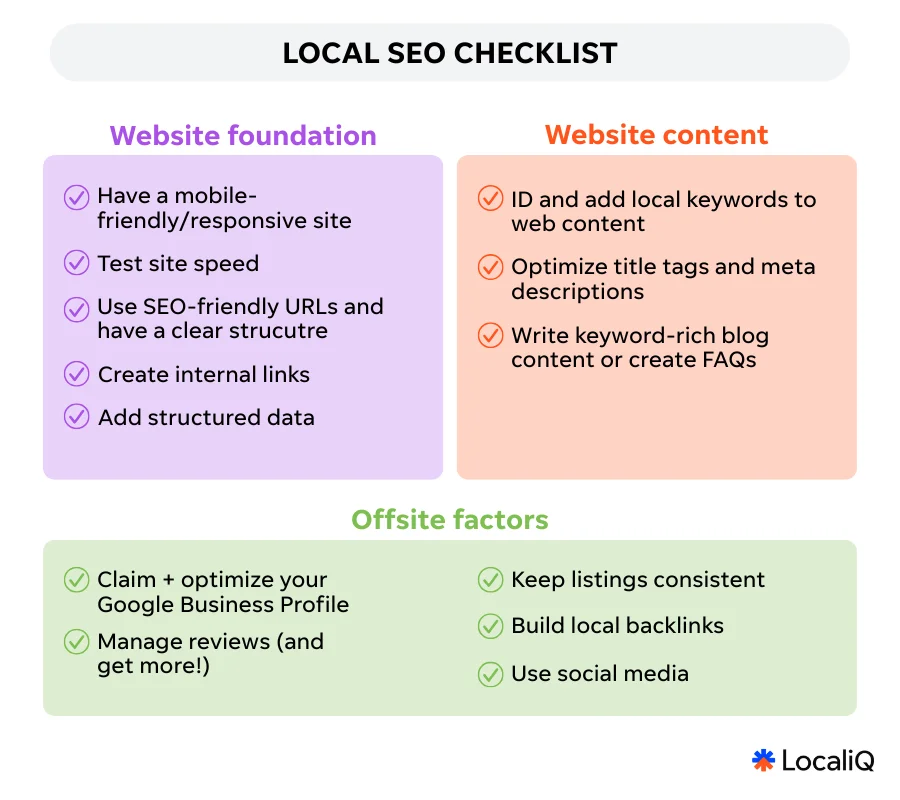
Keyword research is intrinsically linked to SEO, the practice of optimizing a website to rank higher in organic search engine results pages (SERPs). Search engines like Google use sophisticated algorithms to crawl and index websites, with keywords serving as a primary indicator of content relevance. By understanding the terms users employ, businesses can tailor their website content, meta descriptions, and other on-page elements to match these queries, thereby increasing their visibility and attracting organic traffic. A well-executed SEO strategy, fueled by accurate keyword research, is crucial for long-term online presence and authority.
To Fuel Content Strategy:
SEO and content marketing are inextricably linked. High-quality content is essential for attracting and engaging an audience, and effective content strategies are directly informed by keyword research. As Search Engine Land columnist Nate Dame notes, "Effective content strategies start with keyword research. Modern keyword research provides significant insight into what audiences want and need." Every piece of content, from short blog posts to in-depth guides, should be crafted with specific keywords in mind, aiming for a balance between search volume and manageable competition. This ensures that the content not only resonates with the target audience but also has the potential to rank well in search results.
For Paid Advertising Campaigns (PPC):
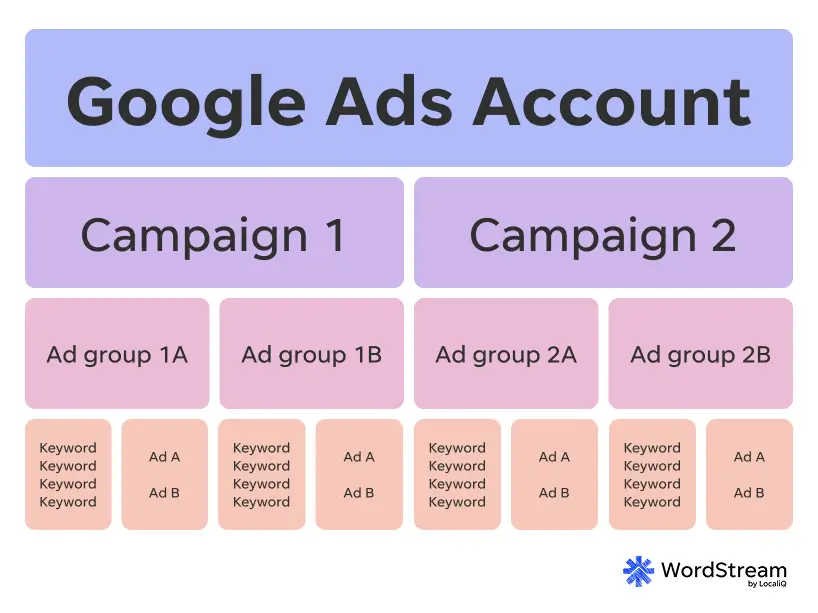
While often associated with SEO, keyword research is equally vital for paid advertising initiatives. PPC campaigns, including search ads, display ads, and remarketing, are built upon a foundation of targeted keywords. In paid search, advertisers literally bid on keywords to have their ads displayed. The structure of ad groups and campaigns hinges on the selection of relevant keywords. Low search volume keywords can lead to minimal ad impressions, while targeting irrelevant keywords results in wasted ad spend on clicks from uninterested users. Consequently, meticulous keyword research is essential for optimizing budget allocation and maximizing the return on investment for paid campaigns.
The Ten-Step Process for Effective Keyword Research
Embarking on keyword research may seem daunting, but a structured, ten-step approach can transform it into a manageable and highly effective process.
-
Understand Keyword Intent:
Before diving into specific terms, it’s critical to grasp the concept of keyword intent. This refers to the underlying reason why a user performs a particular search. There are typically four main types of intent:- Navigational: Users are looking to find a specific website or page (e.g., "Facebook login").
- Informational: Users are seeking information or answers to questions (e.g., "how to bake a cake").
- Commercial Investigation: Users are researching products or services before making a purchase (e.g., "best running shoes reviews").
- Transactional: Users are ready to make a purchase or complete an action (e.g., "buy iPhone 15 online").
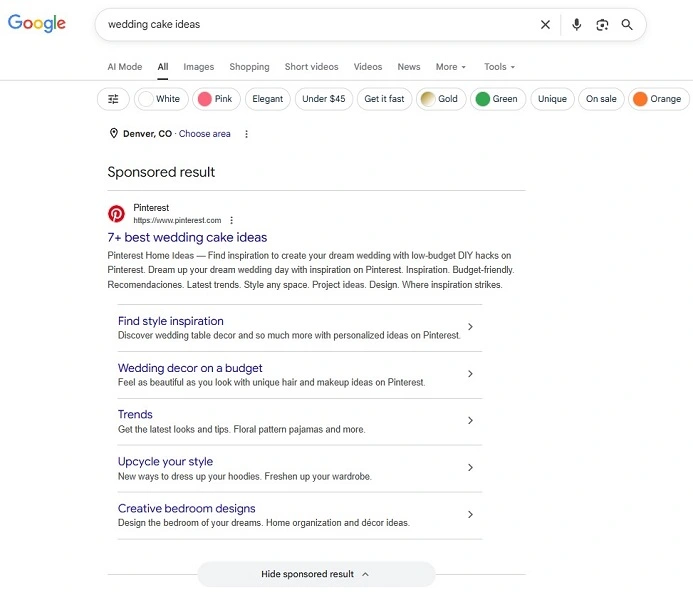
Understanding intent is paramount. Targeting keywords with the wrong intent can lead to irrelevant traffic and wasted marketing efforts. For instance, while "wedding cake ideas" might attract users seeking inspiration, "buy wedding cake in Boston" clearly indicates a user closer to making a purchase decision. Aligning keyword intent with business goals ensures that marketing efforts are directed towards the most qualified leads.

-
Brainstorm Broad Topics:
Begin by identifying the overarching categories and subjects relevant to your business. Don’t focus on specifics at this stage; aim for broad themes. For a bakery, this might include "cakes," "cookies," "pastries," "bread," and "desserts." Organizing these broad topics, perhaps in a spreadsheet with separate tabs, provides a foundational structure for further research. -
Utilize Keyword Tools for Specific Terms:
This is where the process becomes more granular. Empathize with your potential customers and consider how they would search for your products or services. Speaking with sales teams can provide valuable insights into the language customers use. For the bakery example, under the "cakes" topic, brainstorm terms like "wedding cakes," "birthday cakes," "custom cakes," "affordable wedding cakes," and "vegan birthday cakes." Incorporating location-specific terms (e.g., "bakery near me," "best cakes in [city]") is crucial for local businesses. However, instinct alone is insufficient. Keyword research tools are indispensable for uncovering a comprehensive list of relevant terms, their search volumes, and associated metrics. These tools can reveal keywords that might have been overlooked or validate the potential of brainstormed terms.
-
Analyze Competitor Keywords:
Understanding what your competitors are doing is a strategic advantage. For highly competitive keywords with significant search volume, observing which businesses rank organically can provide valuable clues. Simply performing a Google search for target keywords and analyzing the top-ranking results offers a snapshot of the competitive landscape. For paid search, Google Ads’ Auction Insights report reveals how your competitors are performing relative to your own campaigns in terms of impression share and average position. Tools like Ahrefs or WordStream’s Free Keyword Tool can help identify keywords your competitors are ranking for by inputting their website URL. Analyzing their ad copy and extensions can also provide inspiration for improving your own campaign performance. -
Incorporate Question-Based Keywords:
Addressing your audience’s questions is a powerful way to build trust and authority. Keywords that are phrased as questions (e.g., "how much does a wedding cake cost?", "what are the best SEO tools?") can attract users actively seeking solutions and information. Tools like Answer the Public can visually represent common questions related to a keyword, providing a rich source of content ideas and keyword opportunities. These question-based keywords are invaluable for both SEO and content creation, as they directly address user needs and can lead to higher engagement and better search rankings when answered comprehensively.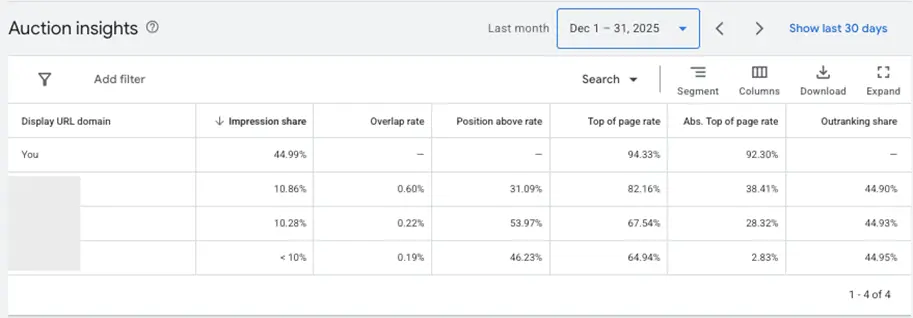
-
Research Associated PPC Costs:
For paid advertising, understanding the cost implications of keywords is paramount. Keyword research for PPC requires an assessment of the cost per click (CPC) to ensure that bids remain within budget while still achieving competitive positions. High CPCs on popular keywords can quickly deplete advertising budgets, while excessively low bids may result in poor ad visibility. Examining metrics like average CPC from industry benchmarks or within keyword research tools helps in making informed decisions about keyword selection and budget allocation. -
Conduct Negative Keyword Research:
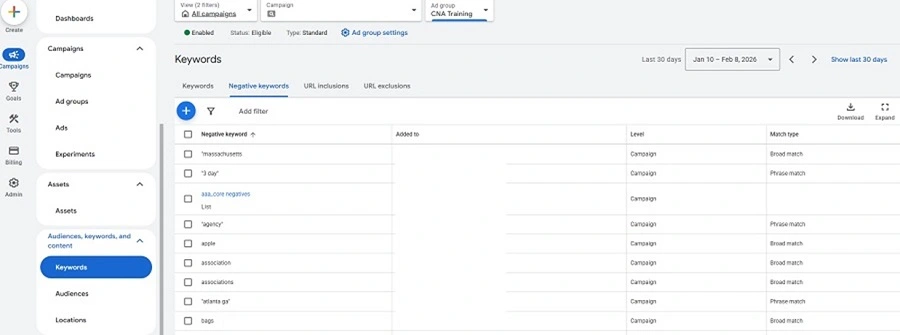
Negative keywords are as crucial as positive keywords in PPC campaigns. They prevent ads from appearing for irrelevant searches, thereby saving budget and improving ad relevance. For instance, if you sell custom cakes, you would likely want to exclude terms like "cake recipe" or "how to make a cake" to avoid paying for clicks from users who are not looking to purchase. Identifying potential negative keywords can be done by analyzing search terms reports in ad platforms or by observing Google’s search suggestions. The impact of effective negative keyword management can be substantial, with studies indicating significant improvements in conversion rates.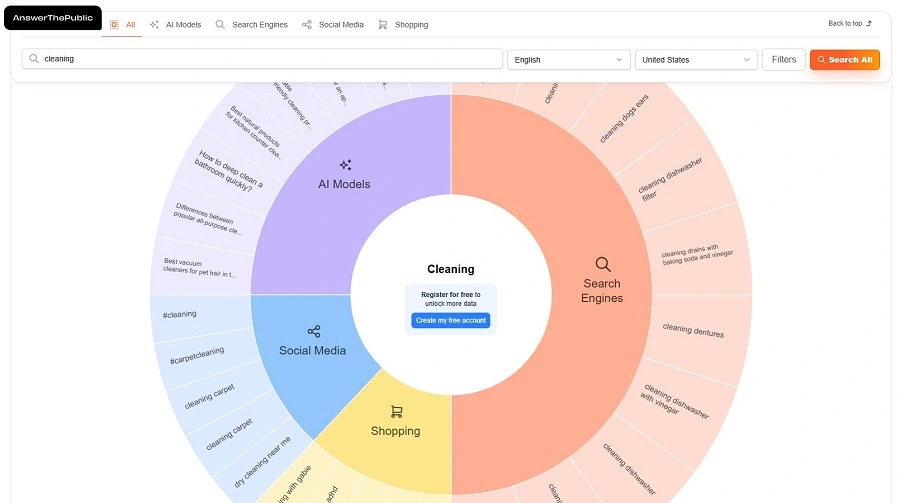
-
Prioritize Commercial Intent Keywords:
While informational keywords attract broad audiences, commercial intent keywords are indicative of users who are closer to making a purchase. Keywords that include terms like "buy now," "discount," "free shipping," or specific brand names signal a higher likelihood of conversion. Allocating a larger portion of the advertising budget to these high-intent keywords can lead to a more efficient and profitable campaign. -
Group Keywords Appropriately:
Once a comprehensive list of keywords has been compiled and analyzed, the next step is to group them logically. This is essential for structuring ad groups in PPC campaigns and for organizing content on a website. Tightly related keywords should be grouped together to ensure that ad copy and landing pages are highly relevant to the user’s search query. AI tools can assist in this organizational process, though manual review remains critical.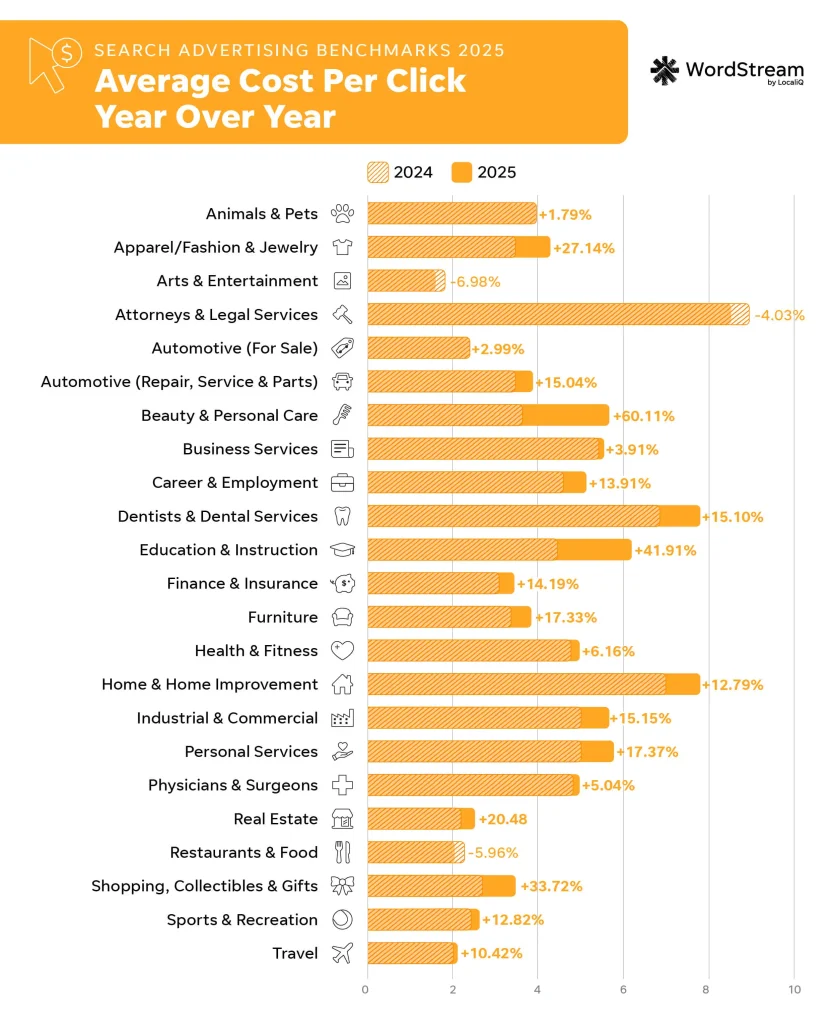
-
Leverage AI for Cross-Checking and Organization:
Artificial intelligence (AI) has become an increasingly powerful tool in various aspects of digital marketing, including keyword research. While AI cannot replace human expertise entirely, it can significantly aid in organizing keyword lists, identifying patterns, and generating new keyword ideas. However, it’s crucial to exercise caution, as AI-generated data may not always be 100% accurate. Using AI as a supplementary tool for cross-checking and refining manually curated lists is a prudent approach. Testing different AI tools can help identify those best suited to specific needs and workflows.
Top Keyword Research Tools
A variety of tools are available to assist in the keyword research process, catering to different needs and budgets.
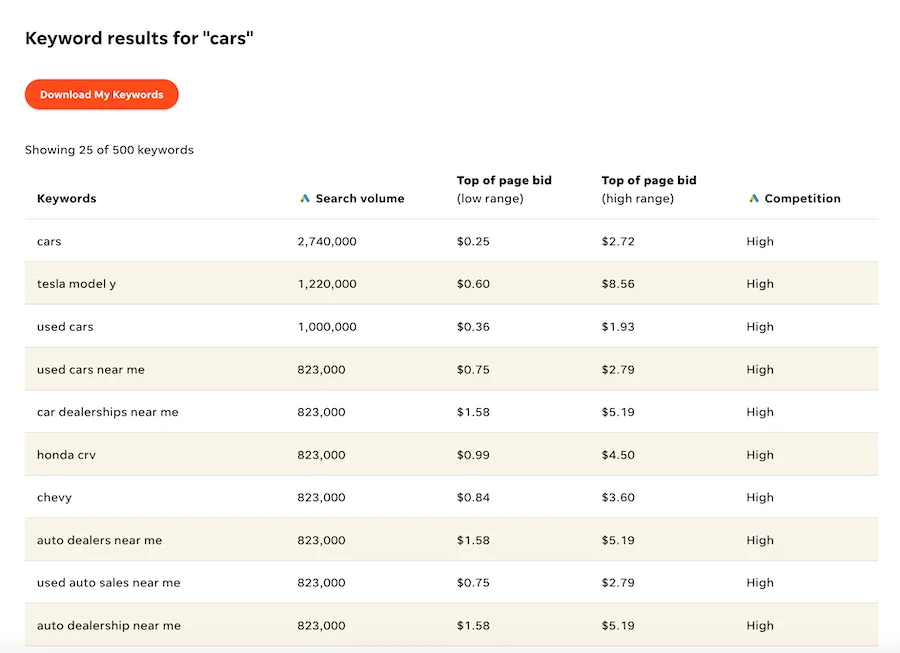
- WordStream’s Free Keyword Tool: This tool provides keyword ideas, search volume, CPC, and competition data for both Google and Bing. It allows filtering by industry and country, offering targeted insights.
- Google Keyword Planner: Accessible through a Google Ads account, this tool offers robust keyword research capabilities, including discovering new keywords, checking search volume, and forecasting performance.
- Moz Keyword Explorer: A premium tool offering in-depth analysis of keywords, including search volume, difficulty, and opportunity scores, as well as competitive analysis features.
- Semrush: A comprehensive digital marketing toolkit that includes extensive keyword research functionalities, competitive analysis, and site audit features. Both free and paid versions are available.
- Google Search: The search engine itself is an invaluable, albeit often overlooked, tool. Autocomplete suggestions, "People also ask" boxes, and related searches at the bottom of SERPs offer direct insights into user queries and can spark new keyword ideas. Analyzing the SERP features for a given keyword can reveal the competitive landscape and user intent.
In conclusion, mastering keyword research is not merely an optional step but a foundational pillar of digital marketing success. By understanding user intent, leveraging the right tools, and adopting a systematic approach, businesses can unlock their online potential, connect with their target audience more effectively, and drive meaningful growth in the competitive digital landscape. The journey from a daunting task to a streamlined process is achievable through informed strategy and diligent execution.