The Google Display Network (GDN) presents a vast and powerful opportunity for businesses to expand their reach and connect with potential customers across the internet. However, without a strategic understanding of its mechanics, advertisers can inadvertently deplete their budgets without achieving desired outcomes. This comprehensive guide aims to demystify the GDN, detailing its operational framework, available campaign options, and performance expectations, ensuring businesses can align its use with their overarching marketing objectives and set their campaigns up for success.
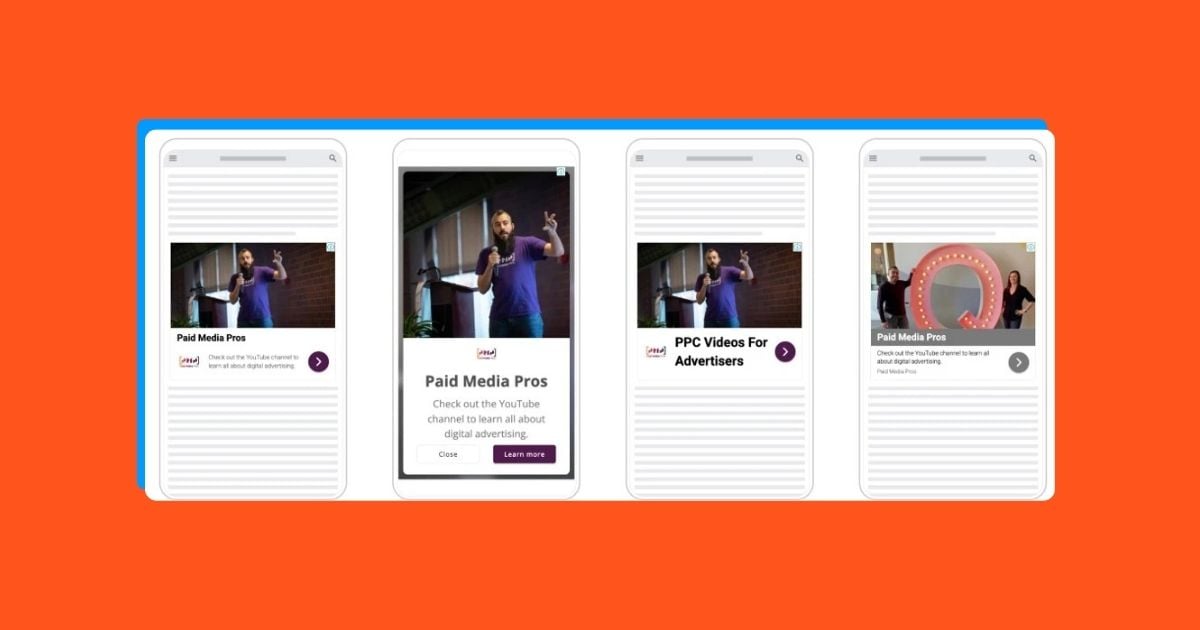
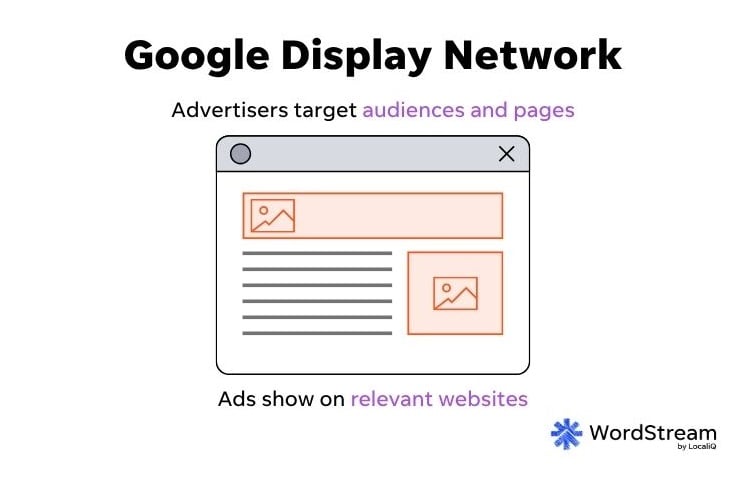
While the name suggests direct Google ownership, the Google Display Network is actually a sprawling ecosystem of websites, mobile applications, and video content, including YouTube, that have integrated ad placements. These properties are owned and operated by individuals and businesses who allocate space on their platforms for Google to display advertisements. In return for this ad inventory, these partners receive a share of the advertising revenue generated. Essentially, website owners create ad spaces, advertisers craft compelling visuals and messaging, and Google acts as the intermediary, leveraging sophisticated targeting algorithms to place these ads on partner sites and apps. Advertisers pay Google for these impressions, and Google, in turn, compensates the website owners for the ad space.
The Strategic Advantages of Advertising on the Google Display Network
The GDN’s immense scale offers advertisers significant advantages, enabling them to achieve a variety of marketing goals. With access to a substantial portion of global internet users, businesses can leverage this platform for several key objectives:
Generating Brand Awareness
For any business, the initial introduction to potential customers is a critical juncture. While word-of-mouth referrals and search engine visibility are common avenues, the Google Display Network provides a proactive method to introduce a brand to its target market. By displaying ads on websites, apps, and videos that align with a user’s interests, browsing history, or demographic profile, businesses can effectively capture attention and build initial brand recognition. This visual introduction can plant seeds of awareness while users are engaged with content relevant to their needs, making the brand more memorable when a purchase decision arises.
Nurturing Existing Relationships and Driving Re-engagement
In today’s competitive landscape, the customer journey often involves multiple touchpoints before a conversion occurs. The GDN serves as a powerful tool for re-engaging users who have already interacted with a brand. By displaying targeted ads to individuals who have previously visited a website, added items to a cart, or shown interest in a product or service, businesses can provide further information, reinforce brand messaging, and encourage a deeper connection. This sustained exposure can move hesitant prospects further down the sales funnel, increasing the likelihood of conversion.

Driving Conversions and Sales
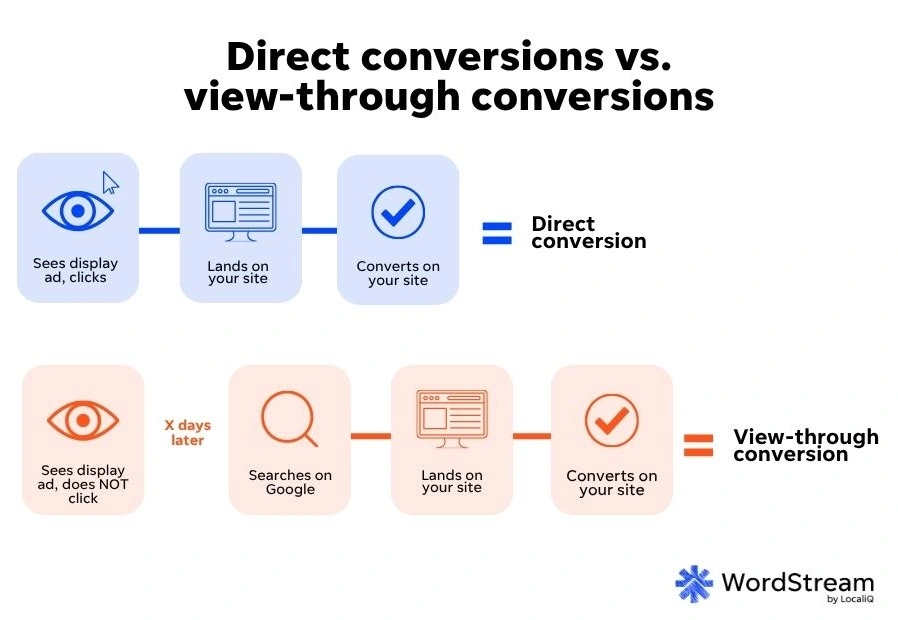
While not exclusively a performance-driven channel for all marketers, the Google Display Network can significantly contribute to sales generation, particularly when integrated into a broader strategy. The effectiveness of the GDN in driving conversions depends heavily on factors such as the offer, the typical buyer’s journey, robust conversion tracking, and the strategic implementation of automated bidding. Furthermore, the concept of "view-through conversions" is particularly relevant. This metric indicates conversions that occurred on a search ad after a user was exposed to a display ad, even if they didn’t click the display ad itself. This highlights the GDN’s indirect but significant impact on driving bottom-line results. For instance, a study by Google found that display ads contributed to 80% of the ad-driven sales that were attributed to a search campaign, underscoring its role in the broader conversion path.
Evolving Campaign Structures on Google Ads for Display Advertising
Google Ads offers several campaign types that can effectively leverage the Google Display Network, each with distinct characteristics and strategic applications. Understanding these options is crucial for selecting the most appropriate approach for specific campaign objectives.
1. Display Campaigns (Phasing Out)
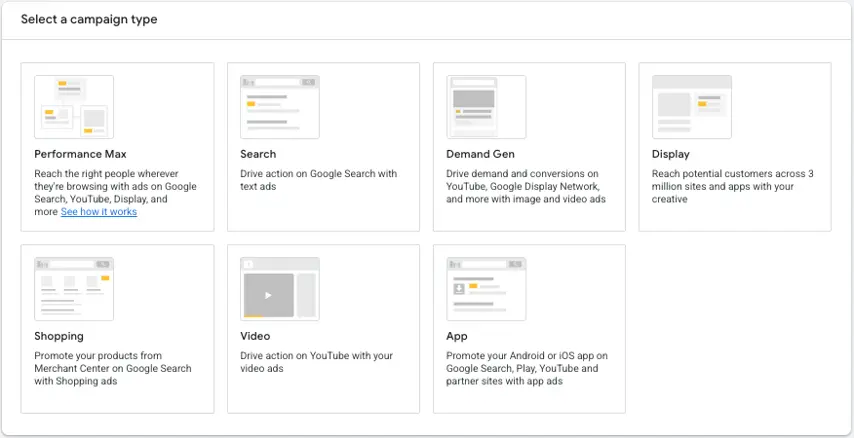
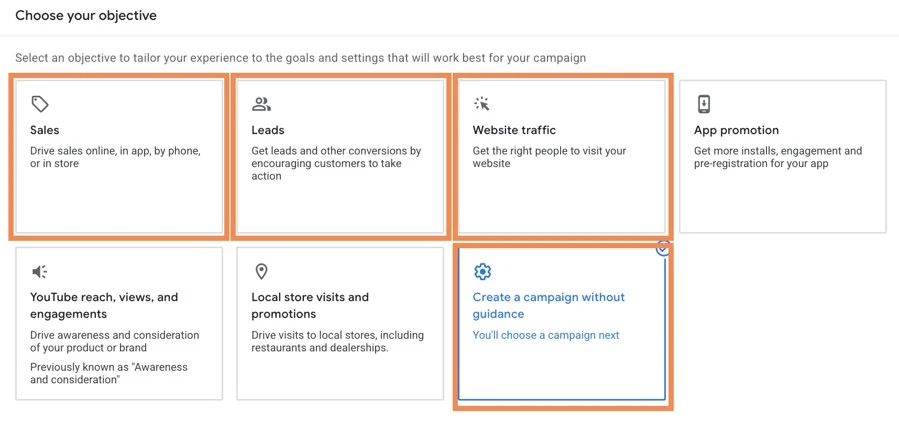
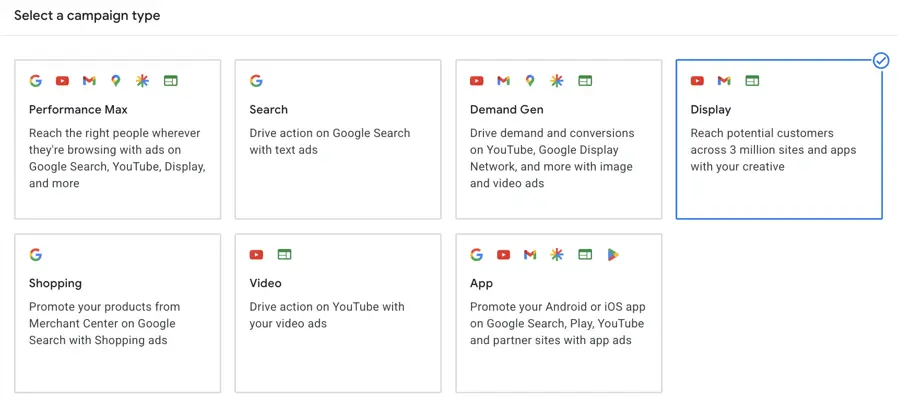
Historically, "Display campaigns" have been the most direct way to target the Google Display Network exclusively. These campaigns focus solely on websites, apps, and videos within the GDN, excluding placements like Gmail or Discover. While Google has announced that standard Display campaigns will be phased out, they currently remain a straightforward option for GDN-only targeting. When setting up a new campaign, selecting objectives such as Sales, Leads, or Website Traffic and then choosing the "Display" campaign type allows for this focused approach. This campaign type offers granular control over targeting and supports various ad formats, providing significant flexibility for GDN-exclusive strategies.
2. Performance Max Campaigns
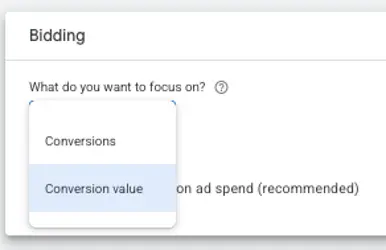
Performance Max (PMax) campaigns represent Google’s most automated campaign type, designed to run across all of Google’s properties, including Search, YouTube, Gmail, Discover, Shopping, Maps, and the Google Display Network. These campaigns leverage machine learning to dynamically create ads for various placements and rely heavily on Google’s Smart Bidding strategies, such as Maximize Conversions or Maximize Conversion Value. While PMax can deliver impressive reach and drive conversions, it also encompasses a broader range of networks, potentially impacting performance in other campaign types. Its strength lies in its ability to optimize for conversions across the entire Google ecosystem, making it a strong contender for businesses with substantial conversion data and a focus on sales. However, insights and transparency can be more limited compared to other campaign types.
3. Demand Gen Campaigns (Future of GDN)
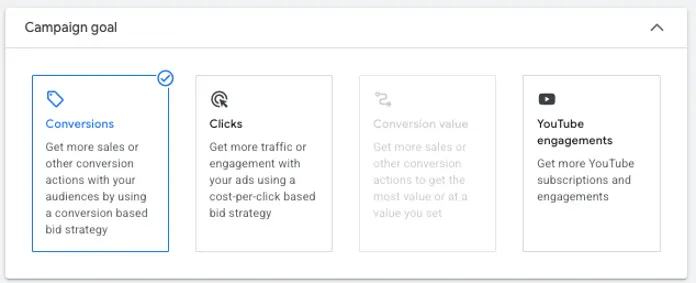
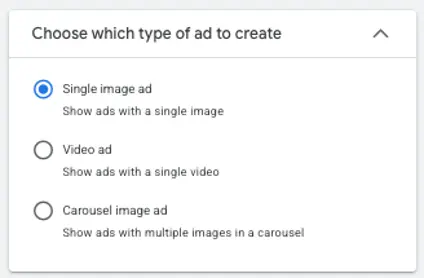
Demand Gen campaigns are Google’s latest campaign offering, designed to reach users earlier in their buying journey and create demand before active searching begins. These campaigns are slated to become the default for display advertising as standard Display campaigns are phased out entirely by 2027. Demand Gen campaigns span multiple Google networks, including YouTube, Discover, Gmail, and the GDN, but exclude Search to maintain a focus on upper-funnel engagement. They offer greater flexibility in goal optimization than PMax, allowing for optimization towards conversions, clicks, conversion value, or YouTube engagements. Demand Gen campaigns support diverse ad formats, including single image ads, video ads, and carousel image ads, providing a structured yet dynamic approach to creative asset development. Given its role as the successor to GDN-only campaigns, Demand Gen is a critical campaign type for advertisers looking to maintain a strong presence on the Display Network in the coming years.
Formats for Impactful Display Advertising
The Google Display Network supports three primary ad formats, each offering distinct advantages in terms of automation, creative control, and engagement potential.
1. Responsive Display Ads (RDAs)
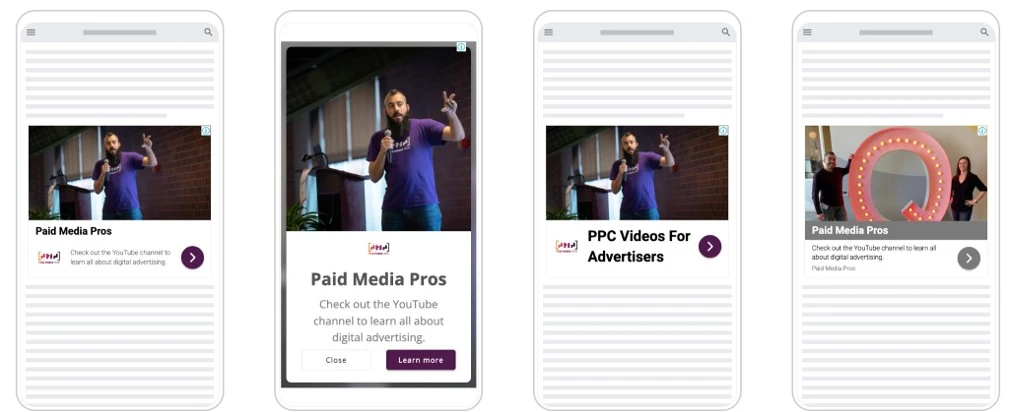
RDAs are Google’s recommended and most automated ad format for the GDN. Advertisers upload a collection of assets – headlines, descriptions, images, logos, and videos – and Google dynamically combines them to create ad units that adapt to fit various ad placements across the network. The primary benefit of RDAs is their accessibility; they eliminate the need for extensive design skills and resources to achieve broad reach. However, this automation can sometimes lead to a compromise in brand aesthetic control, as Google’s algorithms prioritize fitting the ad to the space and achieving marketing goals. Advertisers can mitigate this by using the ad preview option to ensure generated ad combinations align with brand guidelines.
2. Static Banner Ads
These are the traditional display ads, comprising fully designed creatives that adhere to specific dimensions, such as 300×250 or 728×90 pixels. Static banner ads offer complete creative control, ensuring that ads appear exactly as intended and align perfectly with brand identity. This format is ideal for brands that prioritize meticulous control over their visual representation. However, designing high-performing banner ads requires significant design expertise and effort. Furthermore, advertisers must create multiple versions of their ads to accommodate the approximately 20 different ad sizes supported by the GDN, which can be a considerable undertaking for some teams.
3. HTML5 Ads
HTML5 ads are dynamic and interactive, incorporating animation, motion, and advanced user engagement features. When executed effectively, these ads can be significantly more impactful than static banners due to their ability to offer interactive experiences, product showcases, and other compelling elements that capture user attention. They also retain the full creative control offered by static ads. However, HTML5 ads require a higher level of technical expertise and creative know-how, making them more suitable for larger brands with specific campaign objectives focused on attention and interaction, such as e-commerce sales promotions.
Strategic Targeting on the Google Display Network
Effective targeting is paramount to maximizing the ROI of GDN campaigns. Google provides advertisers with two primary targeting methodologies: Audience targeting and Contextual targeting.
1. Audience Targeting
Audience targeting allows advertisers to reach specific groups of people based on their interests, behaviors, and demographics. Key audience targeting options include:
- Affinity Audiences: Broad categories of users based on their long-term interests and passions.
- In-Market Audiences: Users who are actively researching or intending to purchase products or services similar to what you offer.
- Custom Audiences: The ability to create custom segments based on keywords, URLs, or app usage that users have interacted with.
- Your Data Segments: Remarketing lists built from website visitors, app users, or customer lists.
- Demographics: Targeting based on age, gender, parental status, and household income.
- Life Events: Targeting users experiencing significant life events such as moving, getting married, or graduating.
2. Contextual Targeting
Contextual targeting enables advertisers to control where their ads appear by aligning them with specific content on websites and apps. This involves:
- Keywords: Displaying ads on pages where content is relevant to specific keywords.
- Topics: Targeting websites and apps that fall under broad thematic categories.
- Placements: Manually selecting specific websites, apps, or YouTube channels where ads should appear.
- Ad Groups: Grouping similar keywords, topics, or placements for more focused targeting.
Enhancing Brand Safety and Control on the GDN
A common concern for advertisers on the GDN is ensuring their ads appear in brand-safe environments and that the creative aligns with brand guidelines. Google offers several controls to address these issues:
Content Controls
Google provides a tiered system of inventory type settings at the account level, allowing advertisers to broadly define the type of content their ads will appear alongside. Options typically include:
- Limited Inventory: Restricts ads to content deemed most brand-safe, often excluding more sensitive topics or user-generated content.
- Standard Inventory (Moderate): A balanced approach, including a wide range of content while still applying some exclusions.
- Expanded Inventory (Maximum): Allows ads to appear across a broader spectrum of content, with fewer exclusions.
Beyond inventory types, advanced settings offer more granular control. These include exclusions for sensitive content categories (e.g., gambling, adult content), specific content themes, keywords, and even individual placements. These exclusions can be applied at both the account and campaign levels, providing flexibility in managing brand exposure.
Brand Guidelines
Google has increasingly emphasized brand safety by allowing advertisers to input custom brand guidelines. This feature enables the specification of preferred colors, fonts, logos, and qualitative text guidelines, ensuring that dynamically generated ads, particularly RDAs, adhere to brand aesthetics and messaging standards.
Best Practices for Google Display Network Success
To maximize the effectiveness of GDN campaigns, advertisers should adhere to several best practices:
- Regularly Monitor Placements: The GDN is dynamic, with new placements emerging and existing ones changing. Consistent monitoring of ad placements, ideally weekly or bi-weekly initially, and then monthly or quarterly, is crucial for identifying and excluding irrelevant or low-performing sites.
- Select Appropriate Bidding Strategies: The choice of bidding strategy should directly align with campaign goals. Google’s automated bidding options are designed to optimize for specific objectives, whether it’s maximizing conversions, clicks, or conversion value.
- Invest in High-Quality Creative: As a visually driven platform, the GDN relies heavily on compelling creative to capture user attention. Investing adequate time and resources into designing eye-catching visuals and persuasive copy is essential for driving engagement and clicks.
- Expand Beyond the GDN: While the GDN is powerful, consider leveraging other ad networks that offer similar visual advertising opportunities. Platforms like the Microsoft Audience Network or regional networks can further extend a brand’s reach and connect with a wider audience.
The Google Display Network offers a potent channel for businesses to connect with new and existing customers, fostering engagement and driving toward various business objectives. By understanding its operational framework, campaign types, ad formats, and robust targeting and safety controls, advertisers can effectively leverage the GDN to achieve their key performance indicators and grow their business in the digital landscape.